

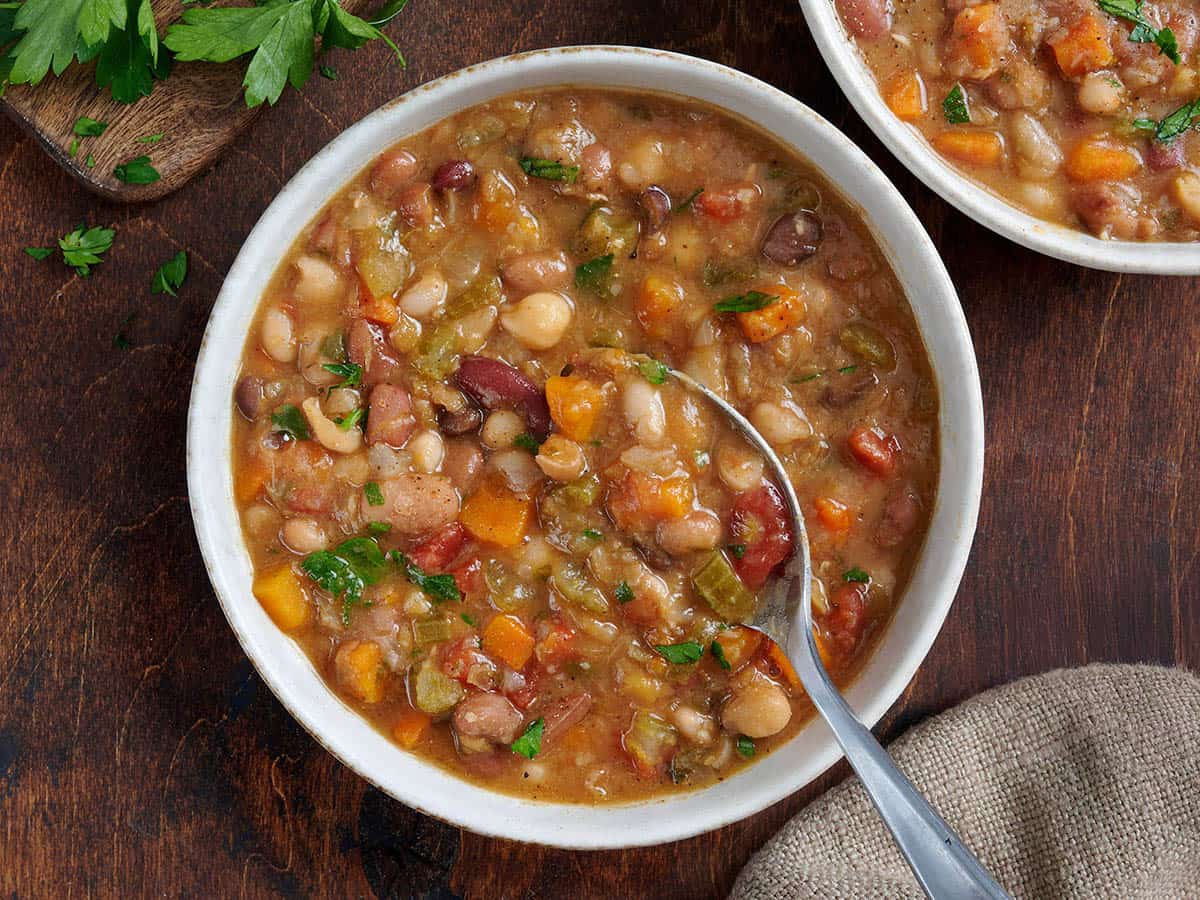
Beans have long served as a cornerstone of human nutrition, offering a dense concentration of dietary fiber, plant-based protein, and essential antioxidants. Despite their historical status as a global dietary staple, they are frequently overlooked in contemporary culinary discussions that favor trend-driven ingredients. Recent analysis from the Nashville Test Kitchen highlights the 15-bean soup—a composite of diverse legumes—as a viable solution for both nutritional security and economic efficiency. By leveraging the shelf stability of dried legumes, households can secure a high-nutrient, low-cost meal that aligns with modern dietary requirements for plant-forward eating.
The Nutritional and Economic Landscape of Legumes
The nutritional profile of a 15-bean blend is significant. Legumes are rich in complex carbohydrates and resistant starches, which contribute to satiety and blood sugar regulation. A single serving of a prepared 15-bean soup typically provides approximately 17 grams of protein and 16 grams of dietary fiber, addressing a substantial portion of the recommended daily intake for adults.
Beyond their biological utility, these legumes represent a critical tool for budget management. As of early 2026, the cost-per-serving for a standardized 15-bean soup recipe remains approximately $0.85, even when accounting for the integration of fresh aromatics and quality seasonings. This price point remains highly competitive compared to processed convenience foods, which often lack the same fiber content and micronutrient density. The shelf-stable nature of dried beans also allows for long-term storage, reducing food waste and providing a reliable protein source that is immune to the volatility of fresh produce markets.
Evolution of the 15-Bean Recipe: A Chronological Overview
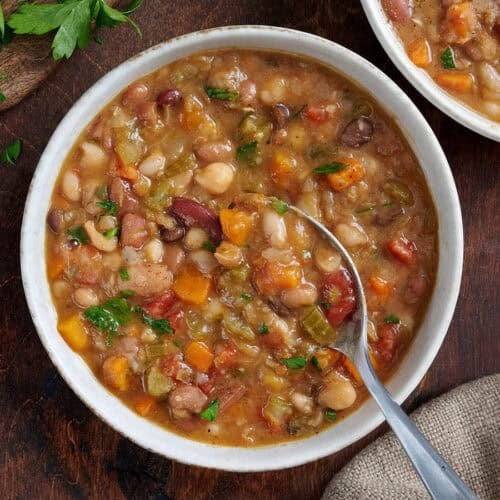
The 15-bean soup concept gained prominence in domestic kitchens due to the commercial availability of pre-packaged dry bean mixes, such as those produced by Hurst’s Brand. These mixes offer a diverse aesthetic and textural profile, combining beans that vary in size, density, and cooking time.
The initial iteration of this recipe, which appeared in February 2018, focused primarily on the foundational method of soaking and slow-simmering. However, a significant update was implemented in February 2026 to refine the flavor profile and address consumer feedback regarding the inclusion of pre-packaged seasoning packets. Culinary experts determined that the synthetic seasoning typically included in commercial bags often contained excessive sodium and artificial flavorings. By replacing these with a bespoke blend of cumin, smoked paprika, oregano, and cayenne pepper, the recipe evolved to offer a more nuanced, "clean-label" flavor profile that emphasizes the natural earthiness of the beans.
Standardized Preparation and Technical Execution
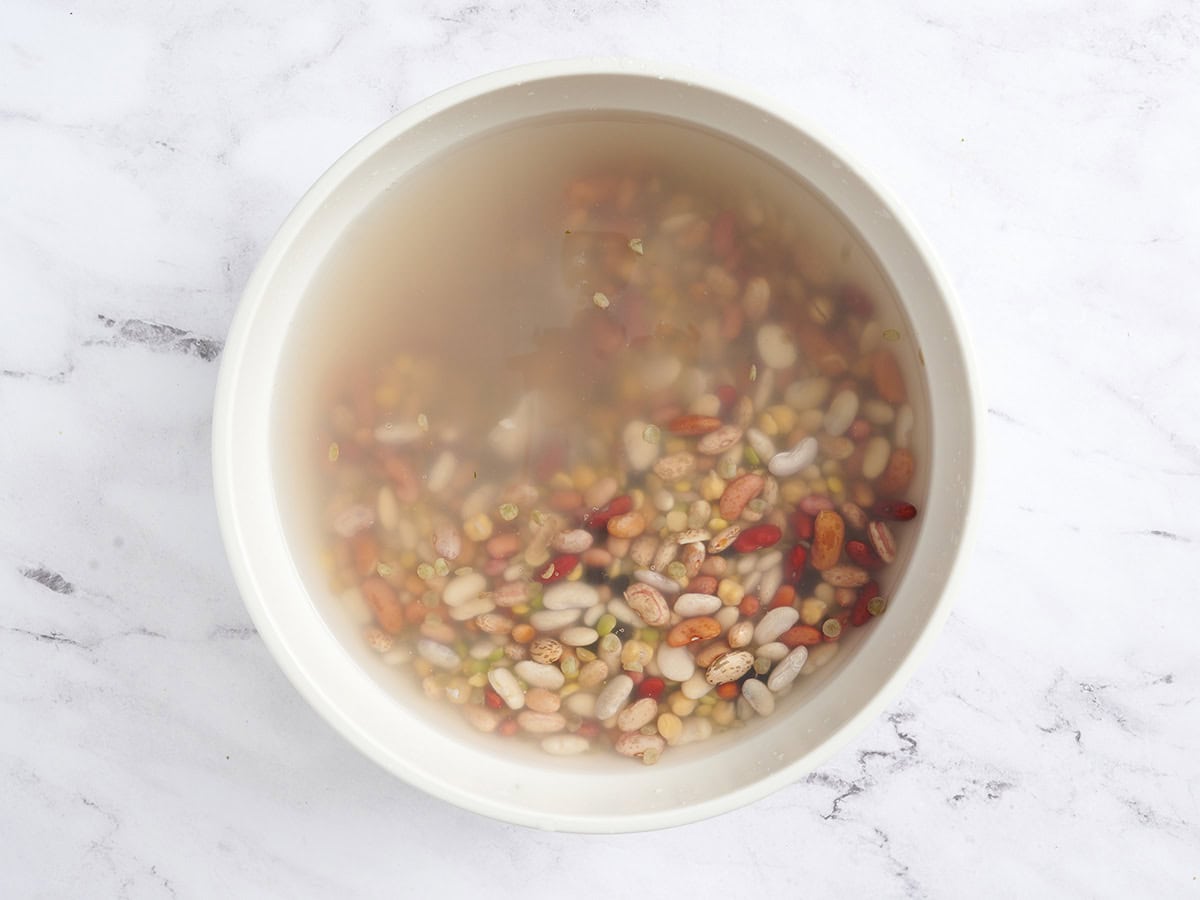
Achieving a high-quality result with a 15-bean mix requires strict adherence to preparation protocols, specifically regarding the rehydration phase. The process begins with an overnight soak of 20 ounces of dry beans. This stage is crucial for ensuring uniform texture, as it allows the varied bean sizes to reach a consistent moisture level before thermal processing.
The technical execution of the soup follows a structured timeline:
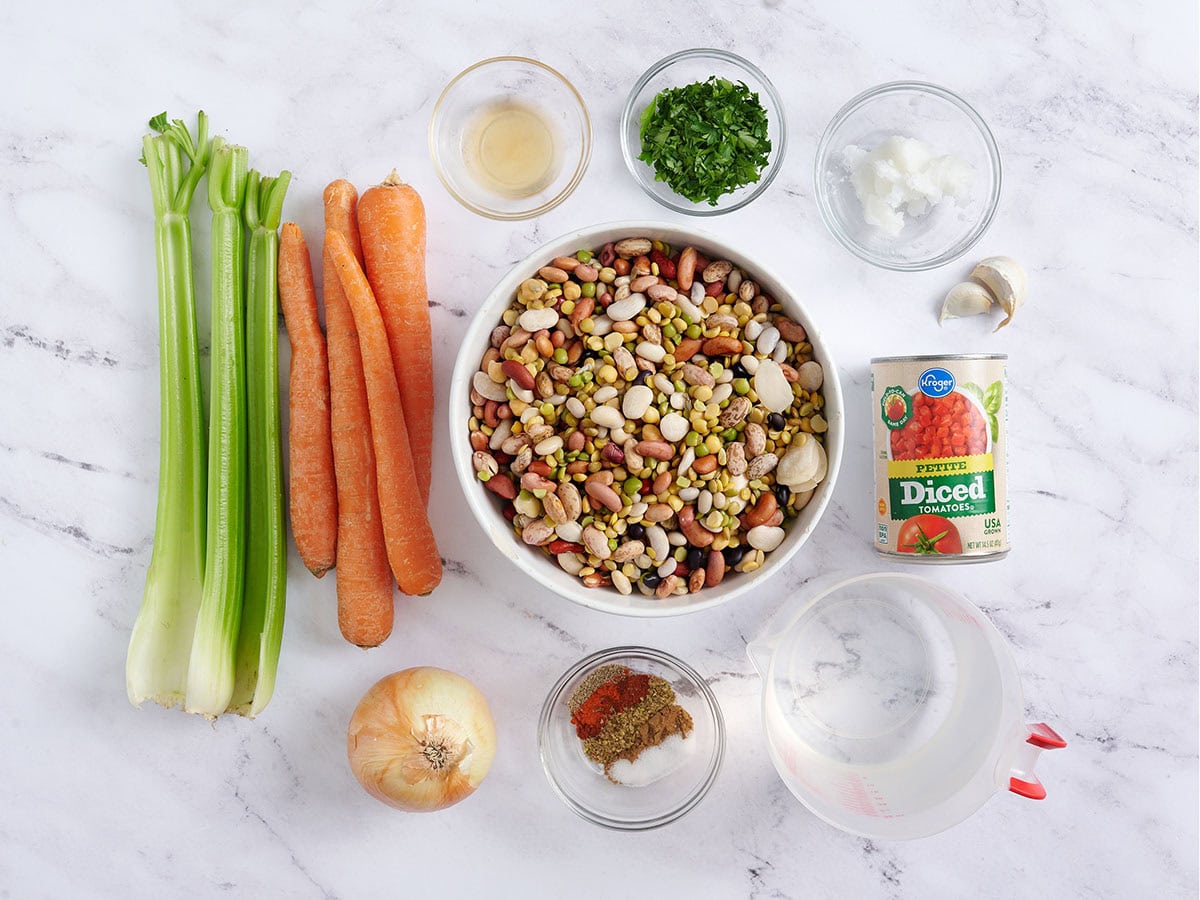
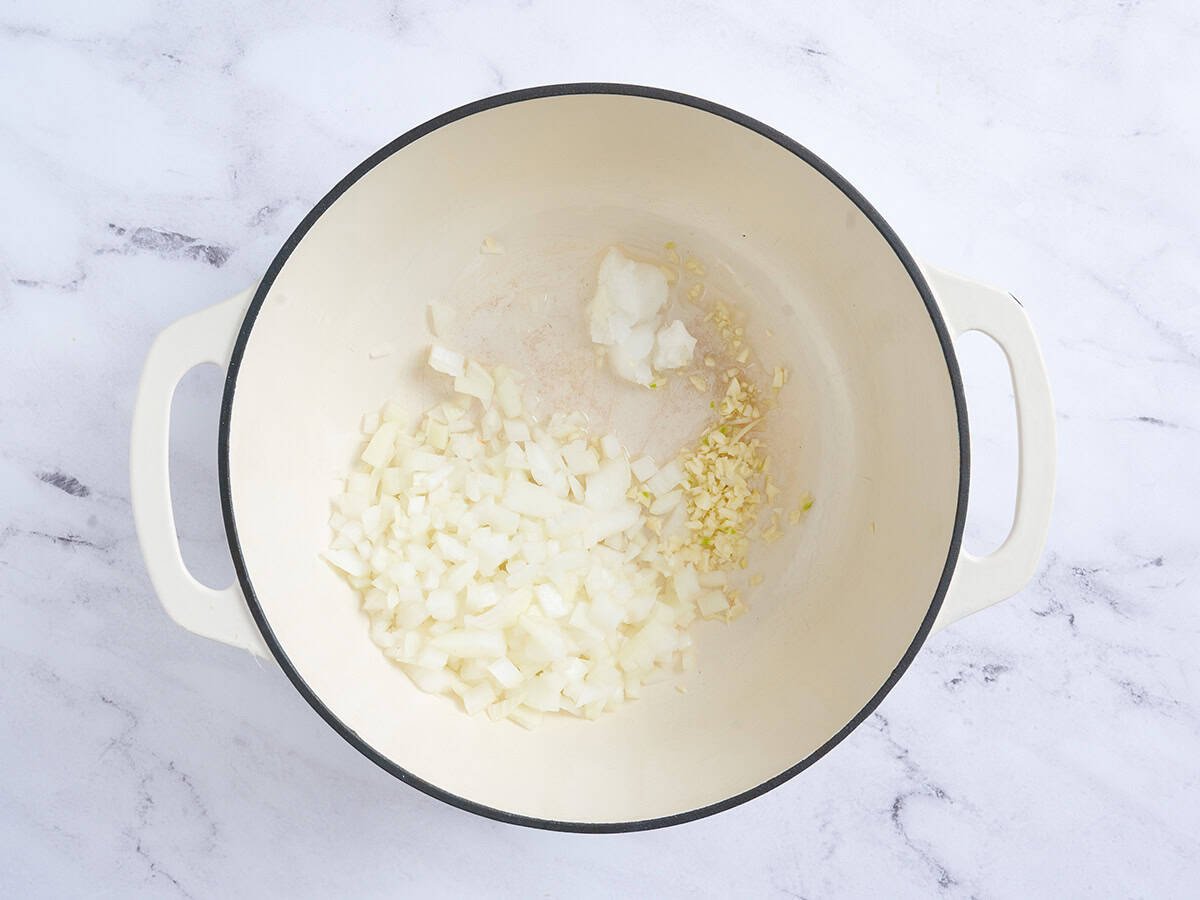
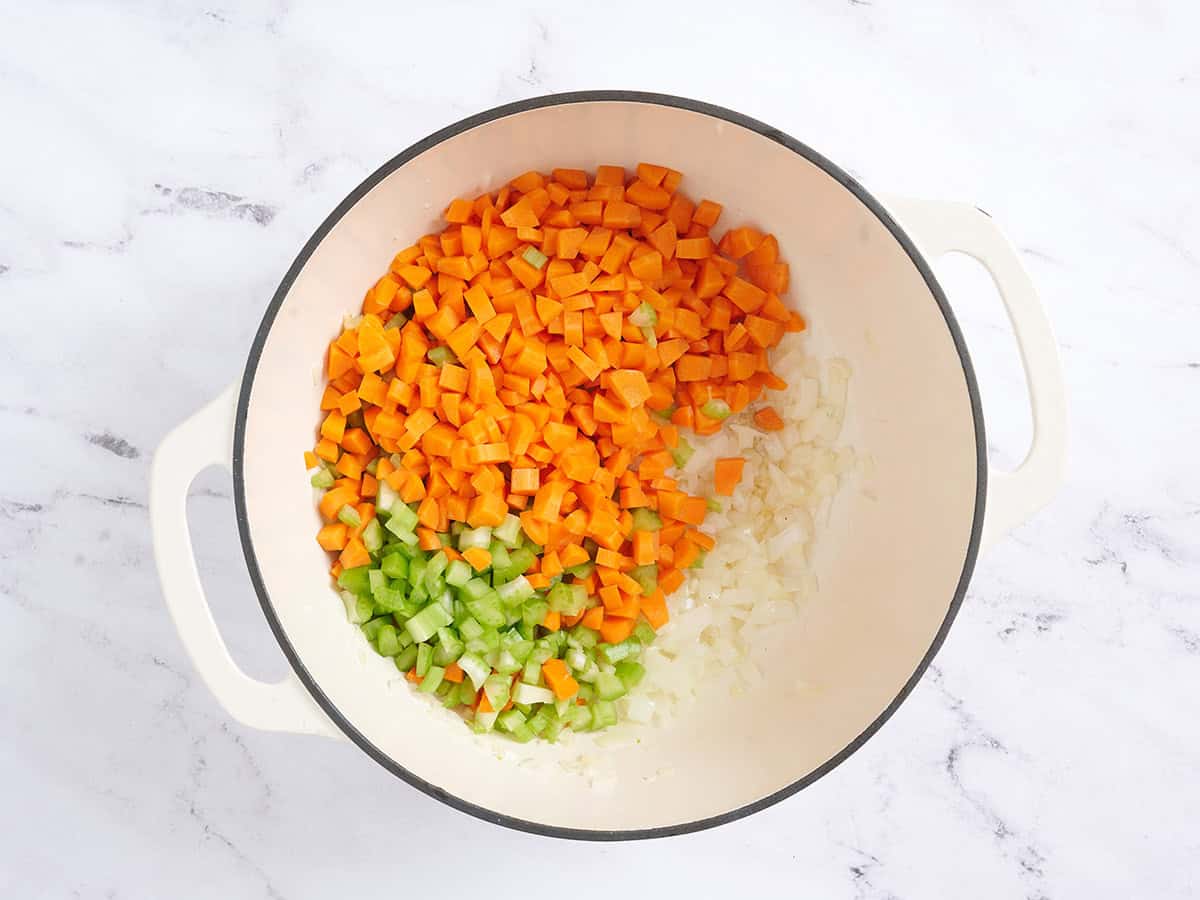
- Mirepoix Base (Minutes 0–15): The foundation is built through the sautéing of yellow onions, garlic, carrots, and celery in a stable fat source, such as coconut oil or a preferred vegetable oil. This step is essential for developing the umami profile of the dish.
- The Simmering Phase (Minutes 15–105): After the addition of water, the beans are brought to a boil and subsequently reduced to a low simmer for 90 minutes. This prolonged exposure to heat is necessary to soften the exterior of the denser beans while allowing the starch in the smaller varieties to thicken the broth naturally.
- Flavor Integration (Minutes 105–125): The introduction of diced tomatoes, spices, and fresh herbs occurs in the final 20 minutes. This delayed addition ensures that the volatile aromatic compounds are not destroyed by the initial long-simmering process.
- Acidity Balancing (Final Step): The addition of two teaspoons of apple cider vinegar at the conclusion of cooking serves as a critical culinary technique, cutting through the heavy, earthy tones of the beans to "brighten" the final flavor profile.
Consumer Reception and Dietary Adaptability
Feedback from the culinary community has reinforced the versatility of the 15-bean soup. Users have reported success in customizing the base recipe to meet various dietary needs. While the standard preparation is vegan and dairy-free, the inclusion of animal proteins—such as smoked ham hocks, turkey legs, or bacon—is a common variation for those seeking a more traditional, smoky flavor profile.
The dish also serves as a canvas for diverse toppings, including shaved Parmesan, Greek yogurt, or fresh green onions. From a logistical standpoint, the soup is noted for its stability in storage. It can be held in a refrigerated environment for three to four days or frozen in single-serving portions for up to three months. This longevity makes it an ideal candidate for meal prep initiatives.
Broader Impact: The Role of Affordable Nutrition
The continued relevance of 15-bean soup in professional and domestic test kitchens suggests a broader shift in consumer behavior toward "pantry-conscious" cooking. As inflation impacts the cost of animal proteins, the role of legumes as a primary protein source becomes increasingly vital for low-to-middle-income households.
Nutritionists have noted that the "cloudy" broth produced by the beans—often perceived by novices as an aesthetic flaw—is actually a byproduct of the starches and proteins being released into the liquid, which contributes to the overall nutritional density. Furthermore, the practice of seasoning the soup at the very end of the cooking process, rather than the beginning, is a scientifically sound method to prevent the beans from toughening, a common failure point for inexperienced cooks.
Future Perspectives on Legume-Based Diets
The rise of this soup in the public consciousness reflects a larger trend toward simple, whole-food-based nutrition. By moving away from hyper-processed convenience items, individuals are reclaiming control over their dietary intake. The 15-bean soup is not merely a recipe; it is a manifestation of efficient food management.
As the global population faces increasing pressure to adopt more sustainable and affordable eating habits, the reliance on pulses—beans, lentils, and peas—is expected to grow. Research into the environmental impact of food production has consistently shown that legumes require significantly less water and land than traditional animal-based proteins. Consequently, the adoption of 15-bean soup into weekly meal rotations serves both the immediate economic needs of the household and the long-term sustainability goals of the broader food system.
In summary, the 15-bean soup represents a perfect intersection of cost-effectiveness, nutritional excellence, and culinary adaptability. Through systematic preparation and a thoughtful approach to seasoning, it provides a robust, shelf-stable solution to modern dietary challenges. As the recipe continues to be refined and shared, it serves as a testament to the fact that high-quality, health-promoting meals remain accessible even in an era of rising food costs.
