

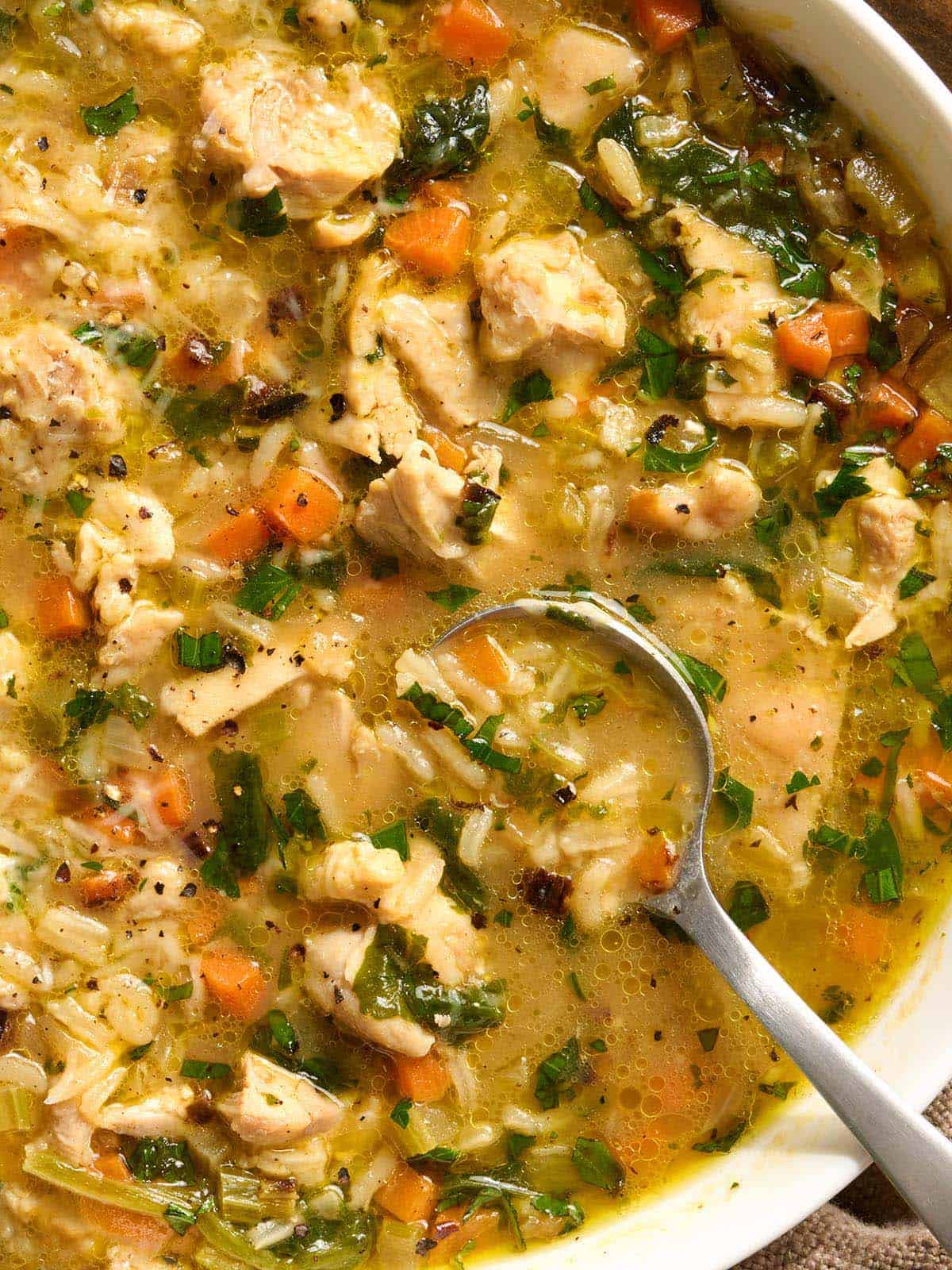
The modern culinary landscape is witnessing a significant shift in consumer dining preferences, marked by a surge in demand for "broth bowls." While frequently categorized as a trendy social media phenomenon, the concept represents a return to foundational cooking principles. At its core, the dish consists of a savory, nutrient-dense broth base complemented by a grain, a protein, and fresh aromatics. As rising food costs impact household budgets globally, this preparation has emerged as a practical, one-pot solution that prioritizes affordability without compromising nutritional integrity.
The Evolution of the One-Pot Meal
The rise of the broth bowl is not merely an aesthetic trend; it is a response to a broader socioeconomic context. In the post-pandemic era, consumers have increasingly sought comfort food that is both accessible and efficient to prepare. Data from the Bureau of Labor Statistics and various retail market reports indicate that households are increasingly looking for ways to maximize the utility of staple pantry items such as rice and dry legumes, as well as affordable protein sources like chicken thighs.

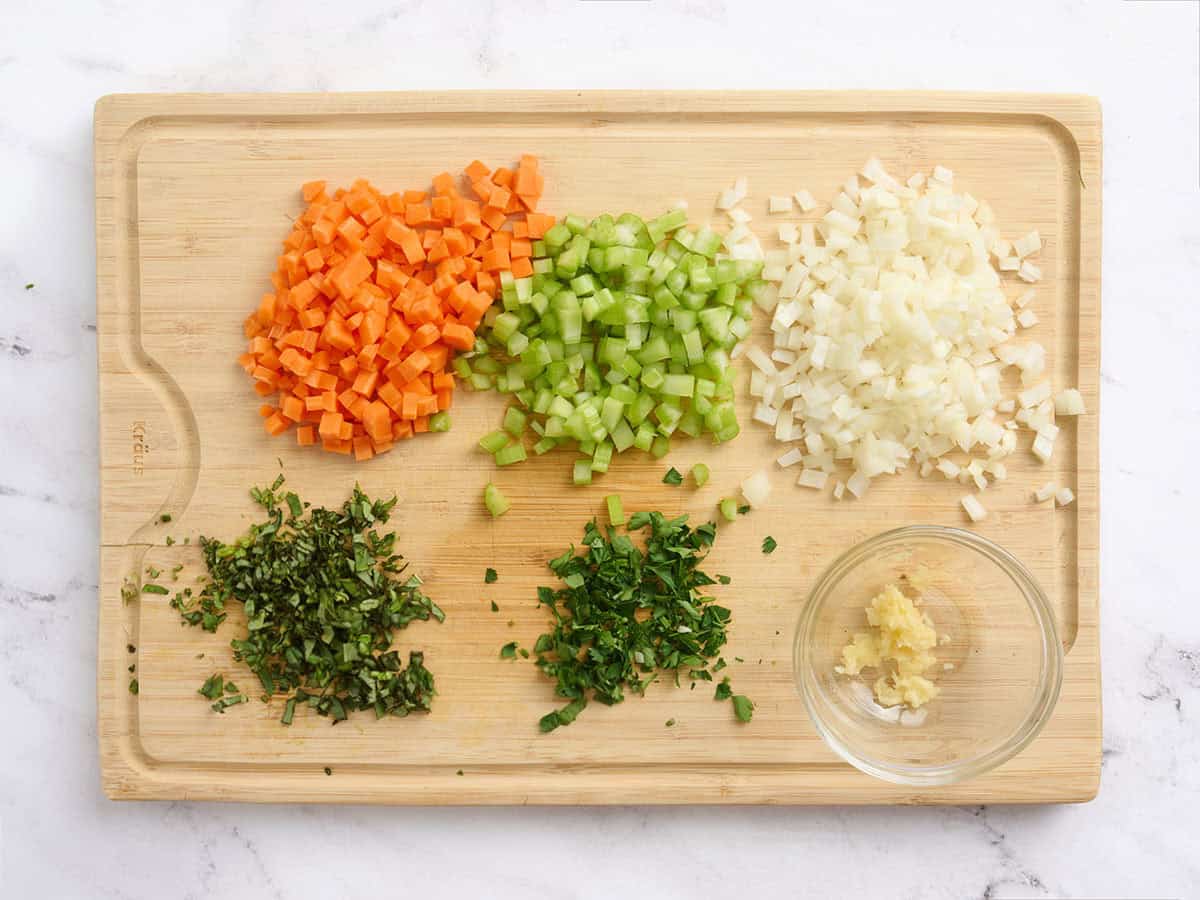
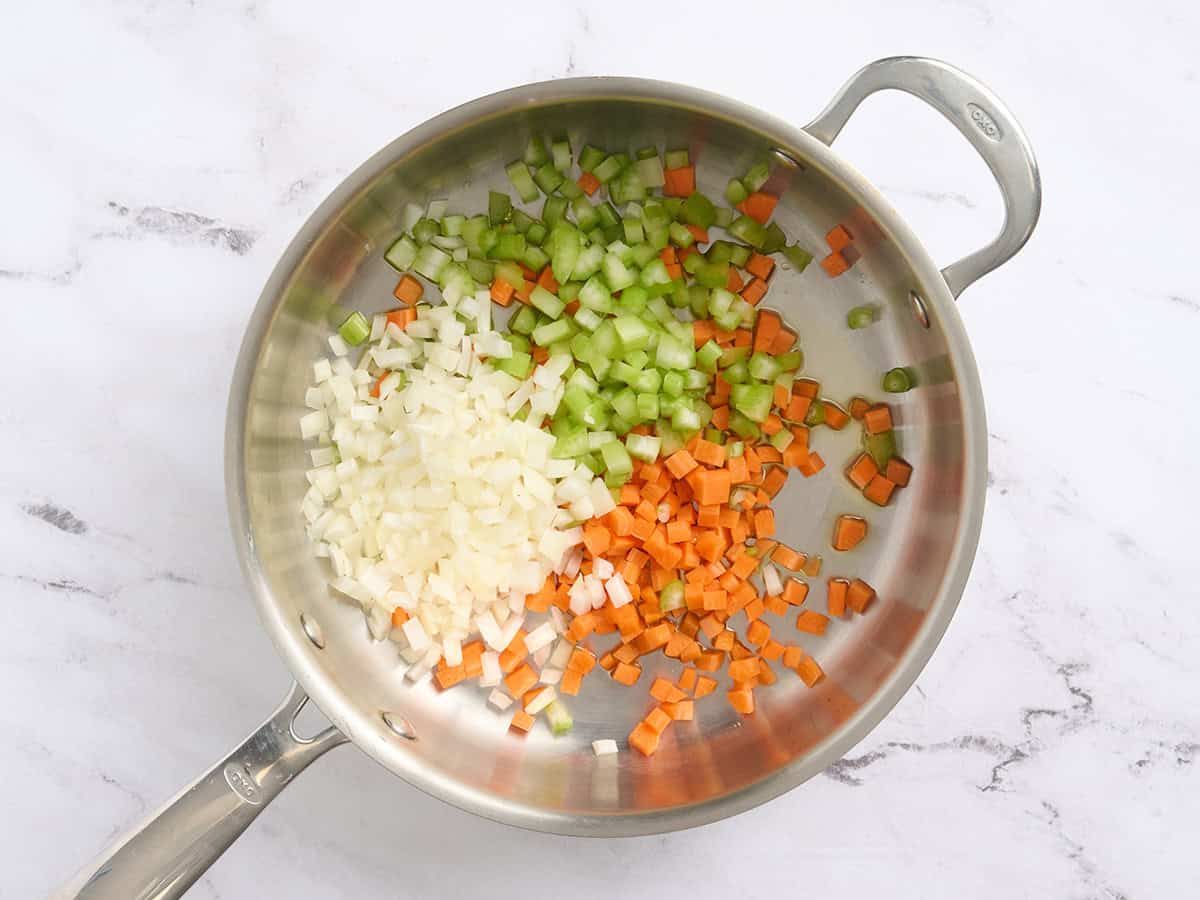
The methodology behind the modern broth bowl involves the utilization of a classic mirepoix—a culinary base of diced onions, carrots, and celery—which serves as the aromatic foundation. By cooking rice directly within the seasoned broth, the grain absorbs the complex flavors of the stock while releasing starches that naturally thicken the liquid, creating a heartier consistency. This technique reduces the total number of vessels required for cooking, aligning with contemporary trends in minimalist kitchen management.
Technical Preparation and Culinary Standards
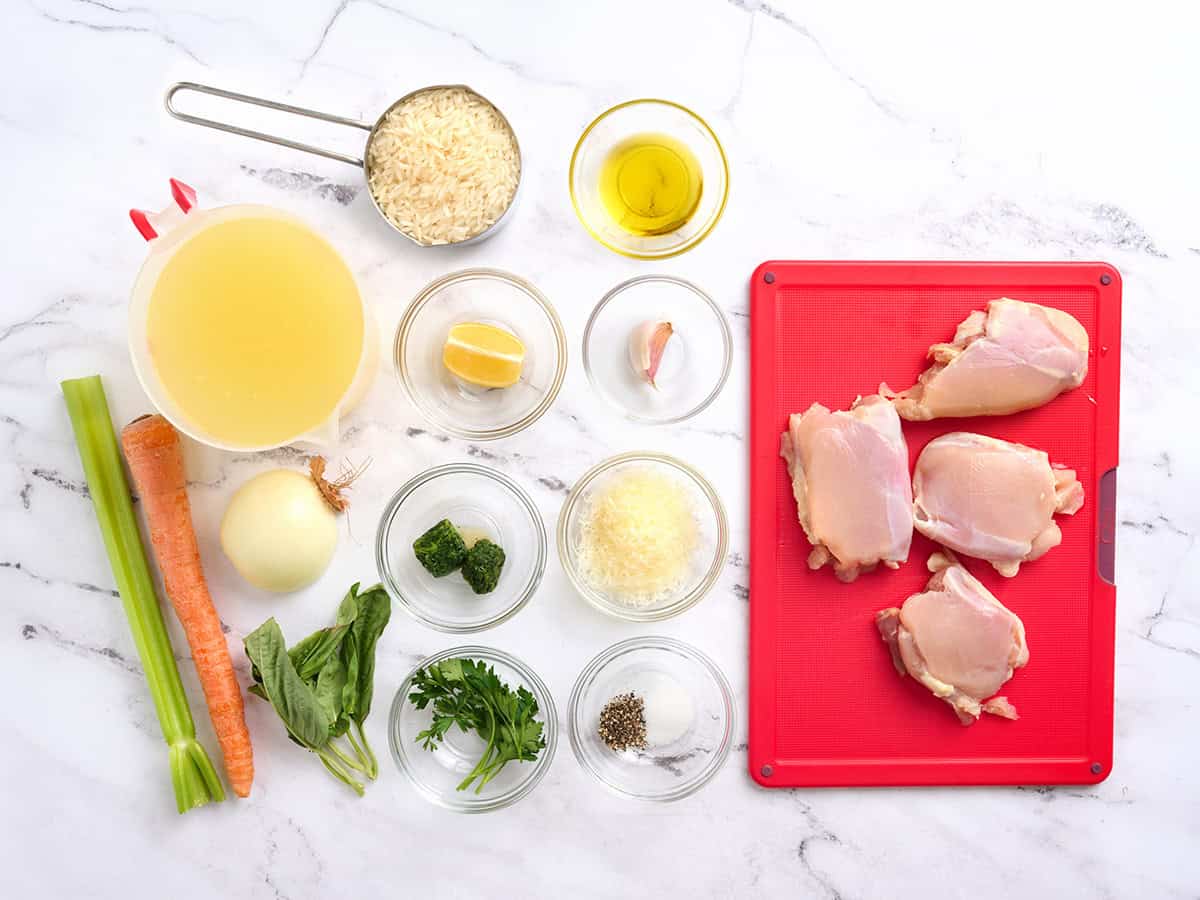
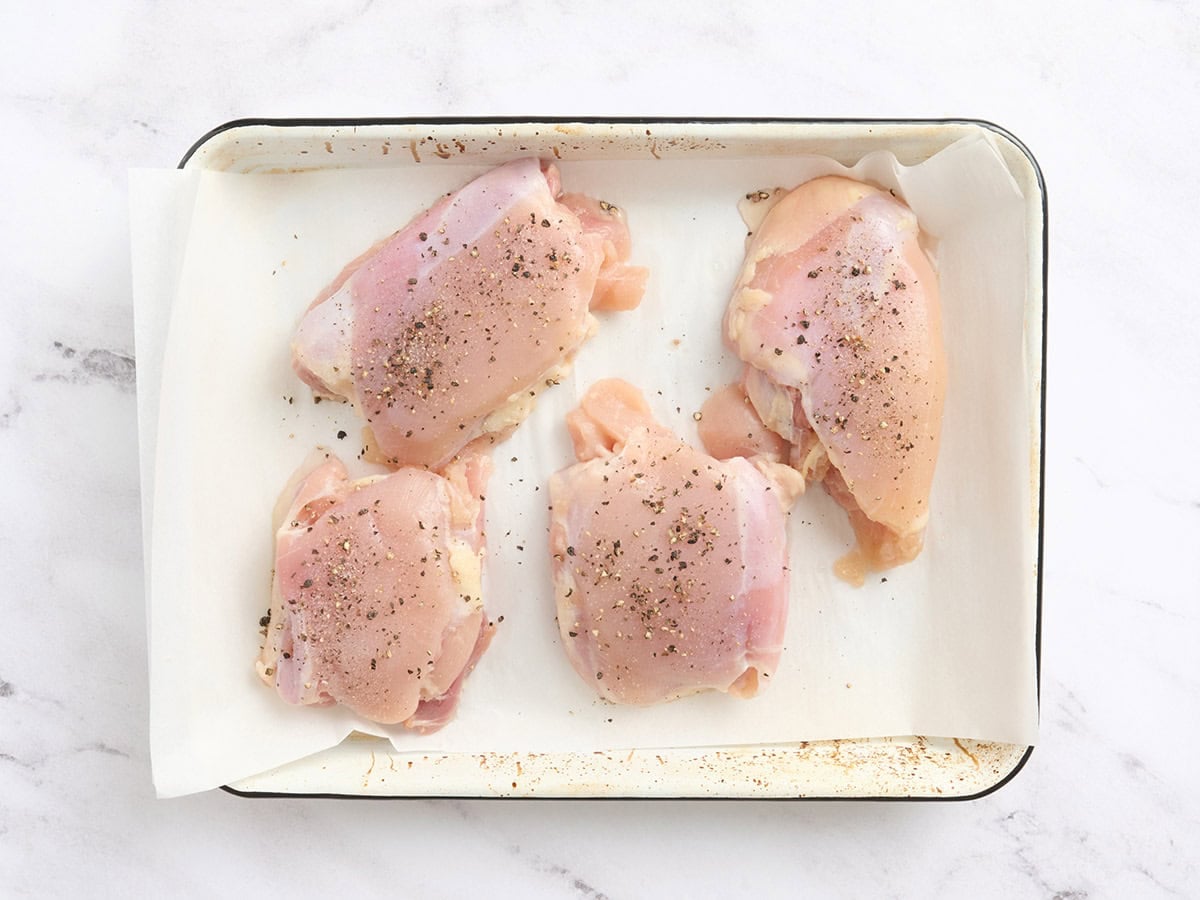
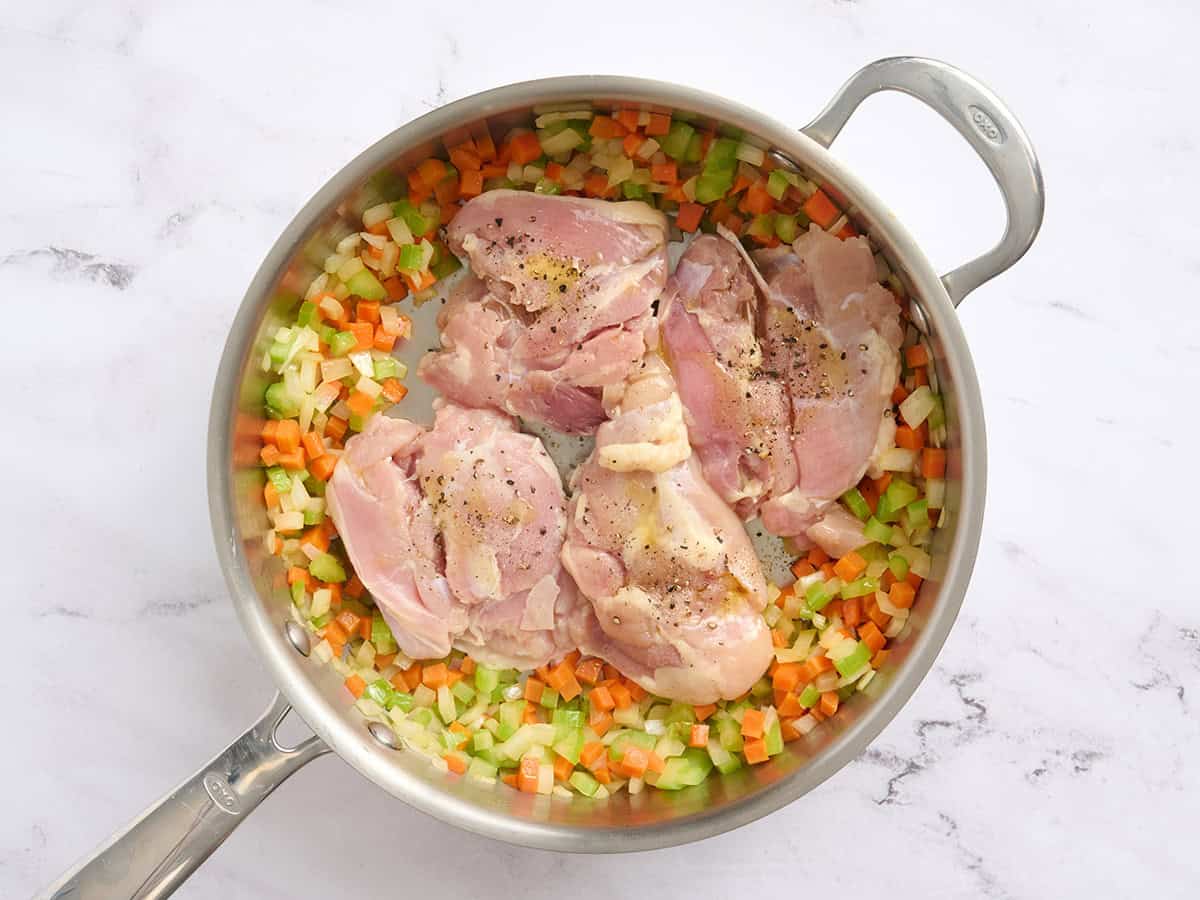
Professional culinary testing, such as that conducted in standardized test kitchens, emphasizes that the success of a broth bowl relies on the quality of the stock and the precise preparation of the protein. The industry standard suggests that chicken thighs are preferred for this application due to their higher fat content, which ensures the meat remains tender during the simmering process.
The chronological sequence of preparation is critical to achieving the optimal texture:
- Mise en Place: All vegetables and herbs must be prepped in advance to ensure an even cook.
- Sautéing: The mirepoix must be cooked until softened to release the sugars in the vegetables.
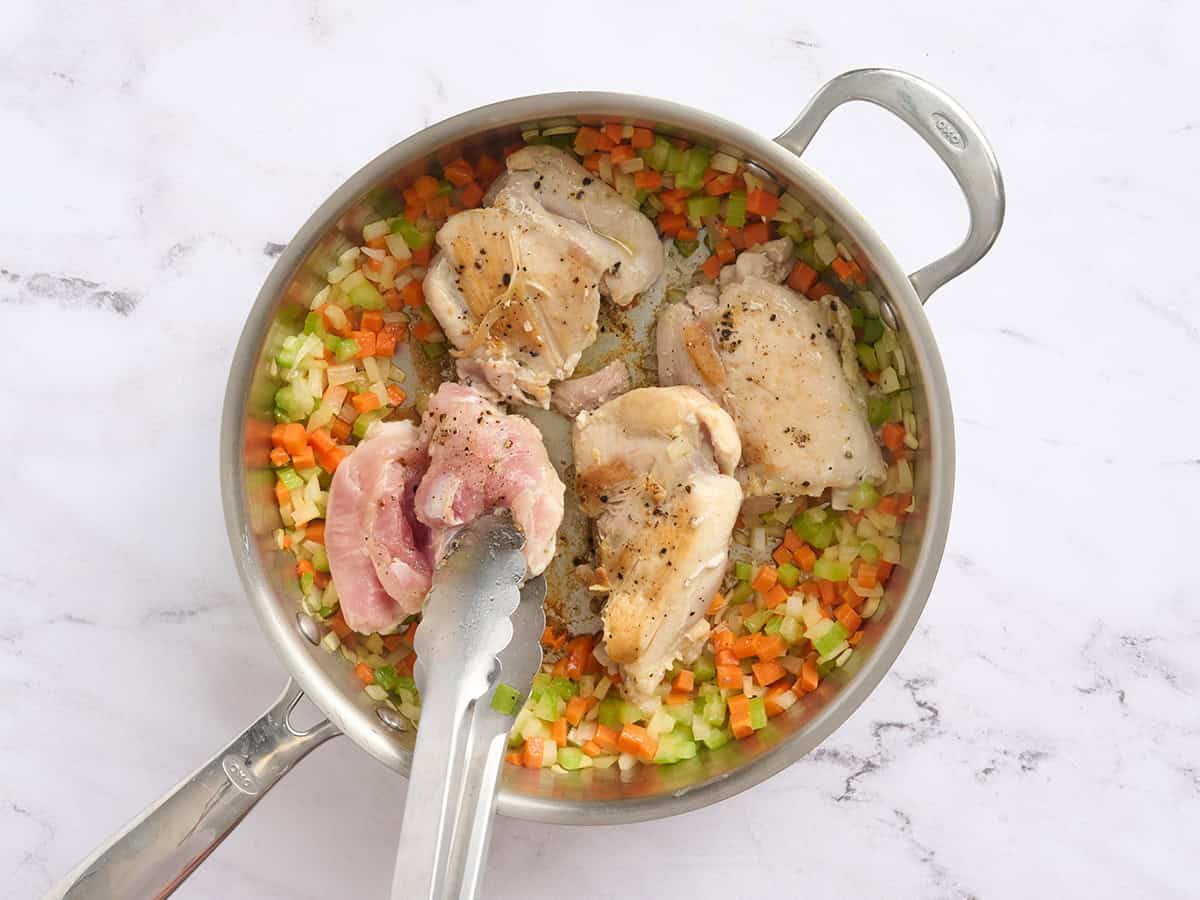
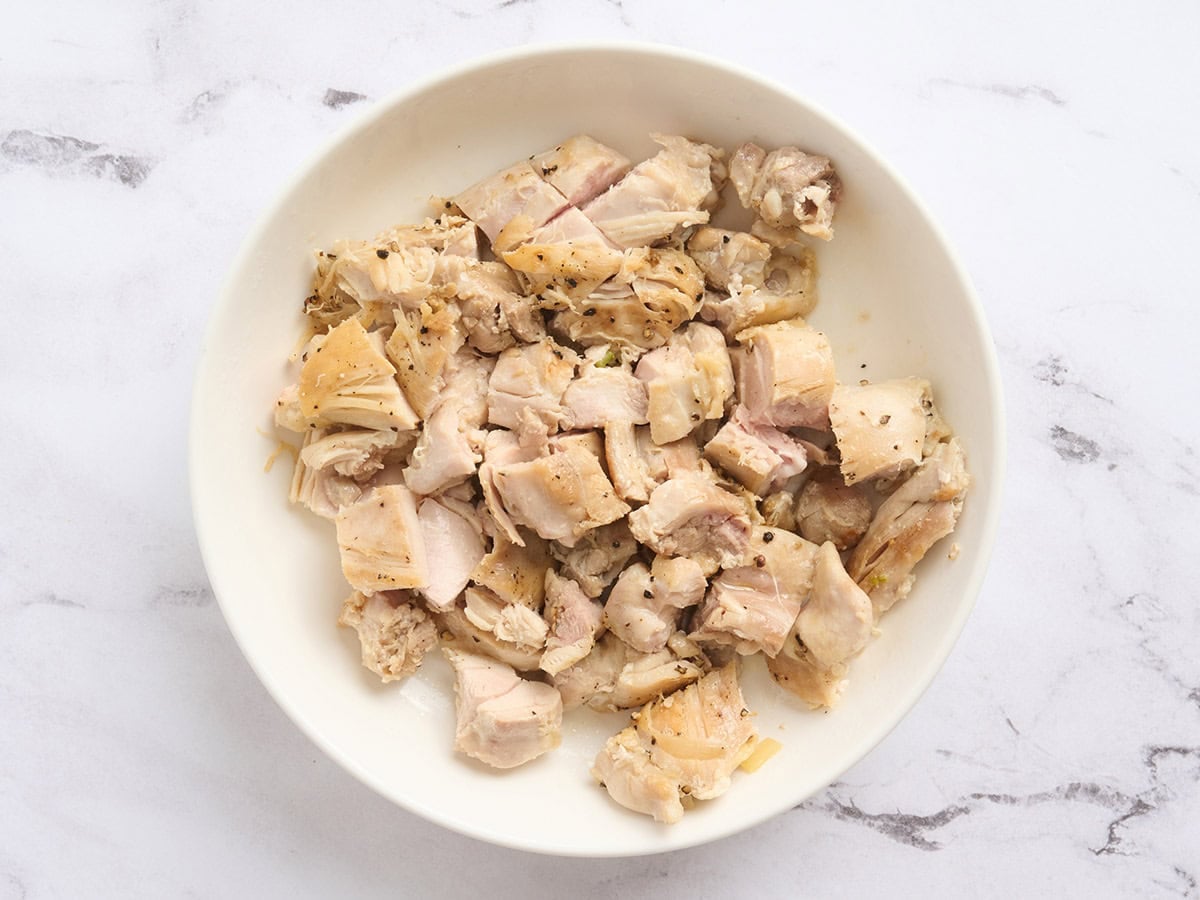
- Protein Searing: Chicken is browned separately to develop a Maillard reaction, which adds depth to the final broth.
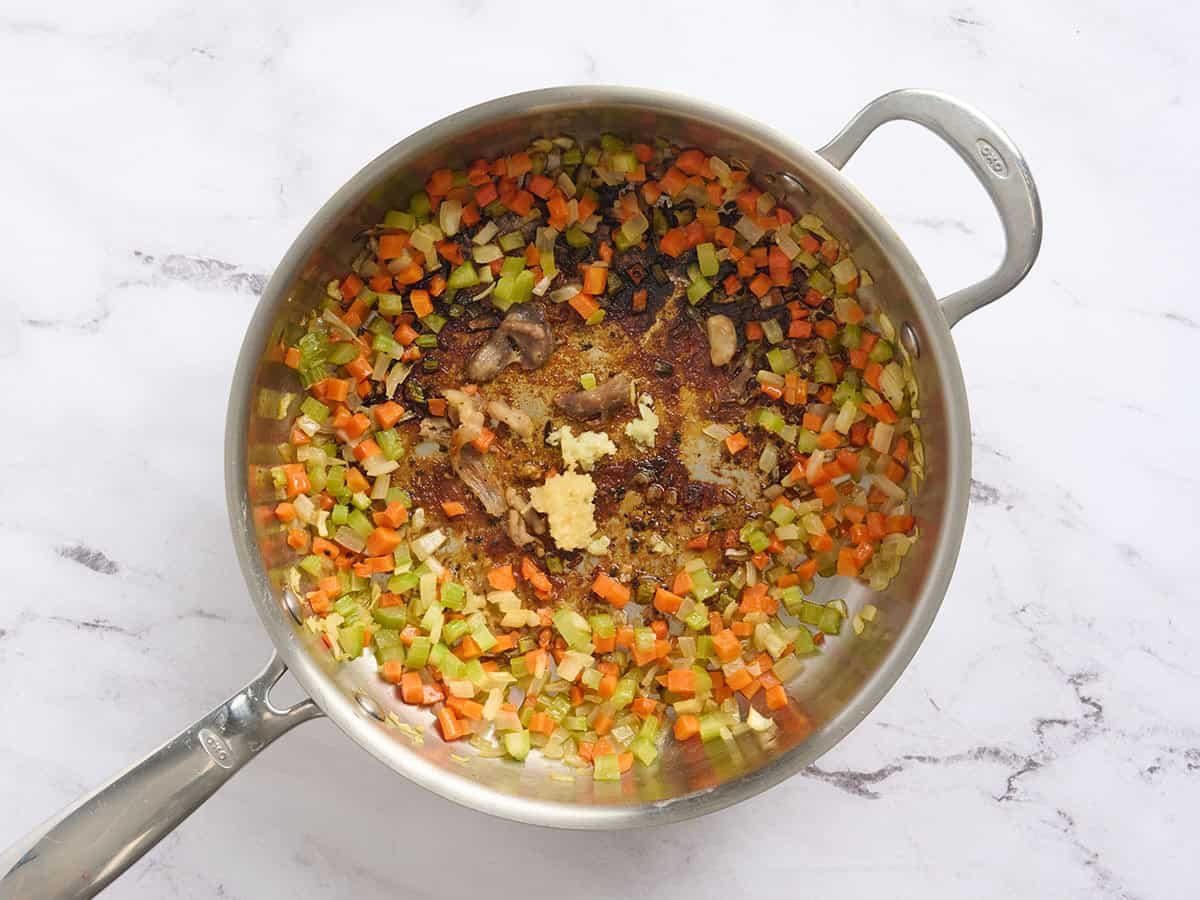
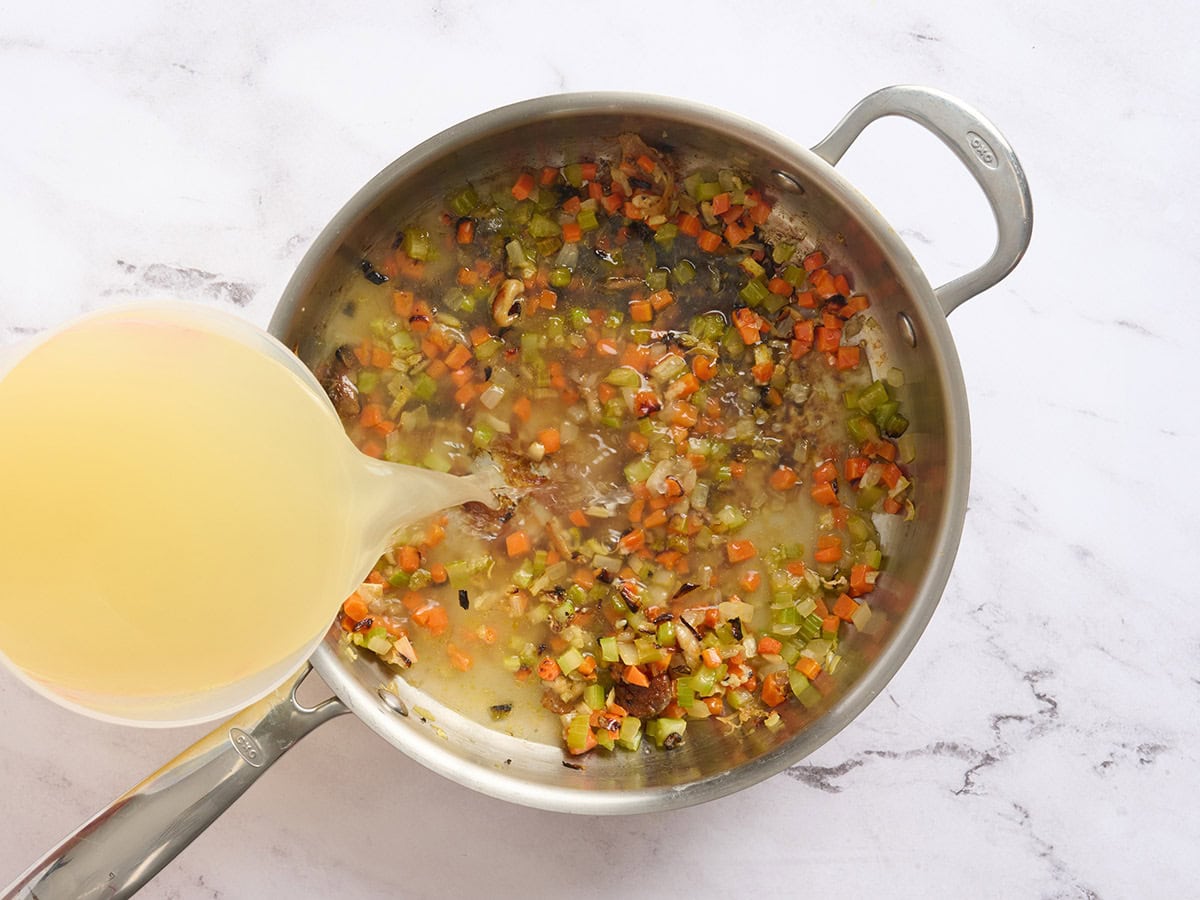
- Deglazing: The addition of the liquid stock acts as a deglazing agent, lifting the browned bits (fond) from the bottom of the pan to incorporate maximum flavor.
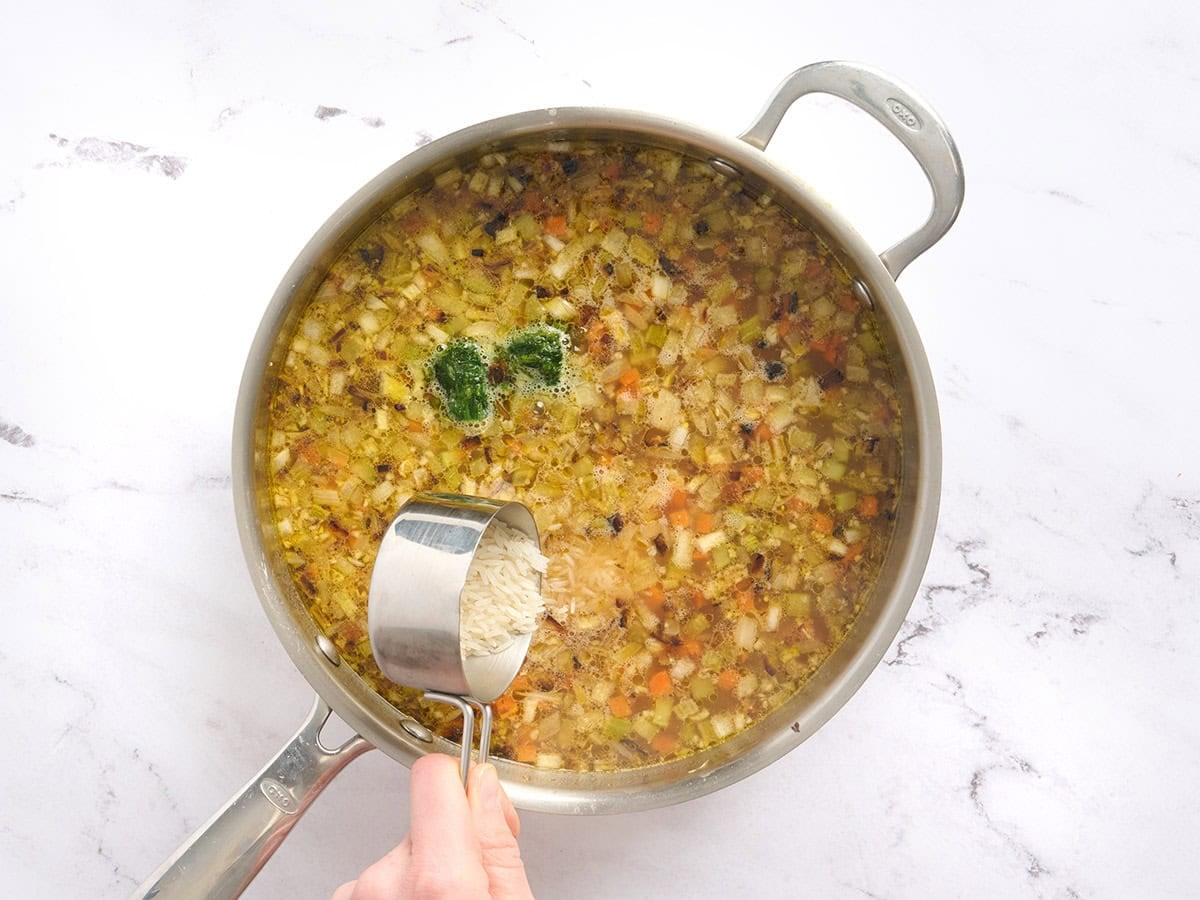
- Simmering: The rice is introduced to the broth, cooking for approximately 15 minutes.
- Finishing: The protein is sliced and reintroduced to the pot alongside fresh herbs and a final acidic adjustment, such as lemon juice, to brighten the palate.
Economic and Nutritional Analysis
From an economic standpoint, the broth bowl is highly efficient. Current market data suggests that a four-serving meal of this nature can be produced for approximately $7.50, bringing the cost per serving to under $2.00. This pricing structure is particularly relevant in the current climate, where food inflation remains a concern for middle- and low-income families.
Nutritionally, a single 1.5-cup serving provides approximately 299 calories, with a protein content of roughly 27 grams. This high protein-to-calorie ratio makes it an attractive option for health-conscious consumers. The inclusion of leafy greens, such as spinach, further enhances the vitamin and mineral profile. However, nutritionists note that the sodium content—often derived from commercial stocks or concentrated bases—should be monitored by those with specific dietary restrictions. Culinary professionals often recommend using low-sodium, high-quality chicken bases like "Better Than Bouillon" to control the salt intake while maintaining a robust flavor profile.
Industry Perspectives on Comfort Food
Industry experts argue that the popularity of the broth bowl is a manifestation of "cozy cooking," a movement that prioritizes the sensory experience of warmth and simplicity. "The dish is a classic example of culinary economy," says one industry analyst. "By using simple, fresh, and budget-friendly ingredients, home cooks can achieve a restaurant-quality meal. The versatility of the broth bowl allows for infinite variations, making it a resilient staple in any home kitchen."
The adaptability of the dish is one of its primary strengths. By swapping the protein for tofu, mushrooms, or legumes, the dish can easily transition to meet vegetarian or vegan dietary requirements. Similarly, the grain component can be substituted with quinoa, barley, or noodles depending on local availability and personal preference.
Broader Market Implications
The rise of such simple, one-pot meals suggests a cooling of the "gourmet convenience" market. Consumers are increasingly moving away from pre-packaged, highly processed meal solutions in favor of "scratch cooking" that requires minimal equipment. This shift has forced retailers to reconsider how they market pantry staples. Supermarkets have noted an uptick in sales for fresh herbs and root vegetables, which are often the primary drivers of flavor in these dishes.
Furthermore, the environmental impact of one-pot meals cannot be overlooked. By minimizing the use of multiple burners and reducing water usage through singular-vessel cleaning, this cooking style aligns with broader sustainability goals. As food insecurity continues to be a global issue, the promotion of recipes that utilize affordable, shelf-stable ingredients is becoming a core component of public health and culinary education initiatives.
Future Outlook and Sustainability
Looking ahead, the longevity of the broth bowl as a staple meal will likely depend on its ability to evolve with seasonal availability. During winter months, the dish serves as a warming, high-calorie meal, while in warmer seasons, it can be adapted with lighter herbs and vegetables. The ease with which these recipes can be stored and reheated—provided the grain is not overcooked—ensures they remain a top contender for meal-prep enthusiasts.
As researchers and chefs continue to study the intersection of nutrition, cost-efficiency, and ease of preparation, it is probable that the broth bowl will move from being a social media trend to a permanent fixture in home cooking repertoires. By mastering the basic ratio of broth to grain and understanding the role of aromatics, home cooks can ensure they have a reliable, nutritious, and cost-effective meal at their disposal regardless of the economic climate. The enduring appeal of this dish lies in its simplicity; it is a reminder that the most satisfying meals are often the most straightforward, proving that comfort and affordability are not mutually exclusive.
