

The landscape of modern dessert consumption is shifting as dietary preferences, specifically the rise of plant-based and dairy-free alternatives, become increasingly mainstream. The introduction of a six-ingredient vegan Nutella-style ice cream reflects a broader culinary trend: the simplification of ingredient lists combined with the replication of beloved, traditionally dairy-heavy comfort foods. This specific recipe, which relies on roasted hazelnuts and light coconut milk, highlights the viability of creating high-quality, artisanal-style frozen desserts without the use of animal products.
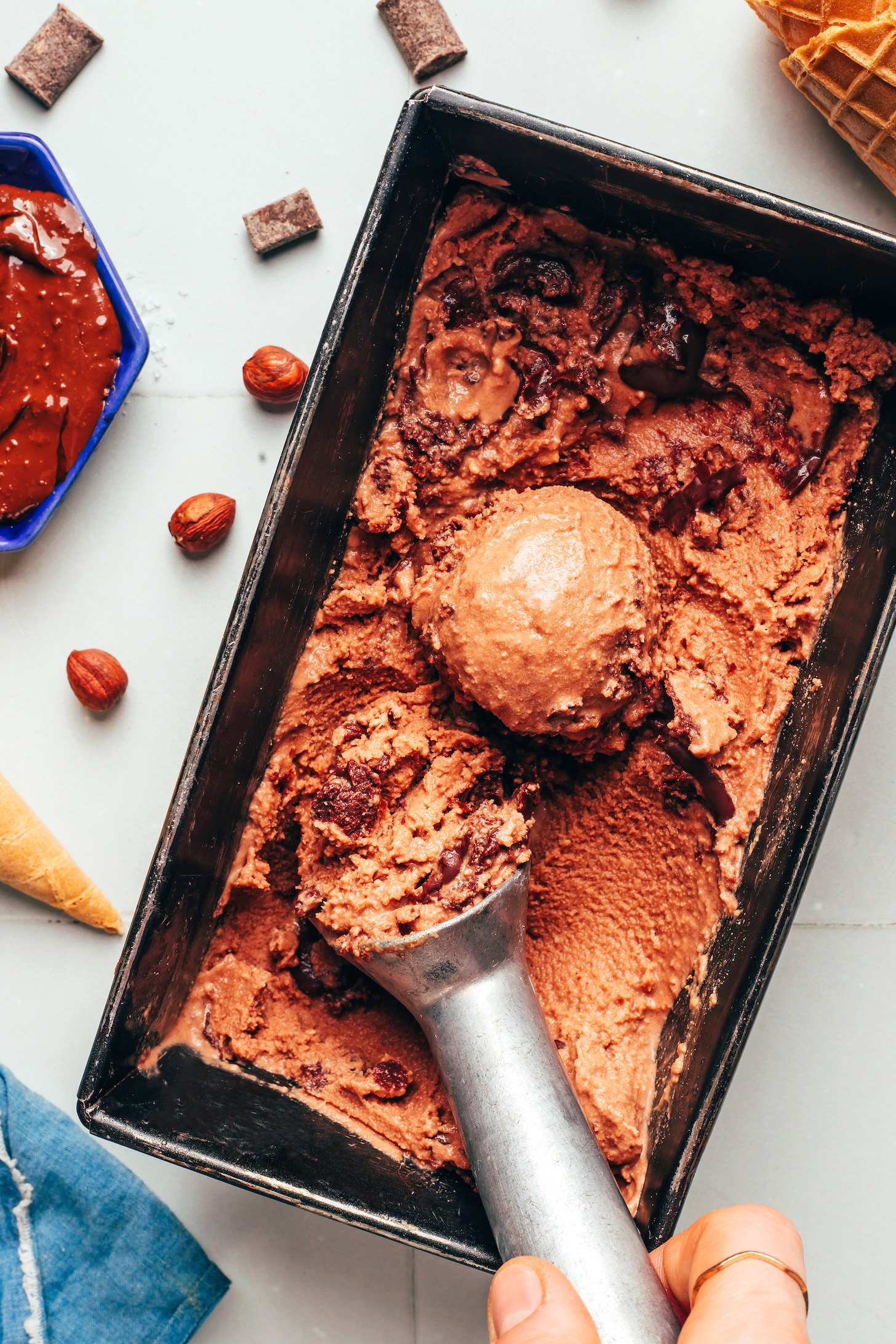
The Evolution of Dairy-Free Confectionery
For decades, the frozen dessert market was dominated by dairy-based emulsions. However, recent data from market research firms such as Mintel and Grand View Research indicates that the global plant-based ice cream market is projected to grow at a compound annual growth rate (CAGR) of over 10% through 2030. This growth is driven by a convergence of lactose intolerance awareness, environmental sustainability concerns, and a general consumer shift toward "clean label" products—those with fewer, recognizable ingredients.
The traditional Nutella spread, while iconic, is not inherently vegan due to the inclusion of skimmed milk powder. Consequently, home-cook and professional pastry innovations have focused on mimicking the flavor profile of roasted hazelnut and cocoa by using coconut-based bases. By utilizing light coconut milk, which provides a high-fat content necessary for mouthfeel without the overwhelming coconut flavor often associated with full-fat canned varieties, creators can achieve a texture that rivals traditional gelato.
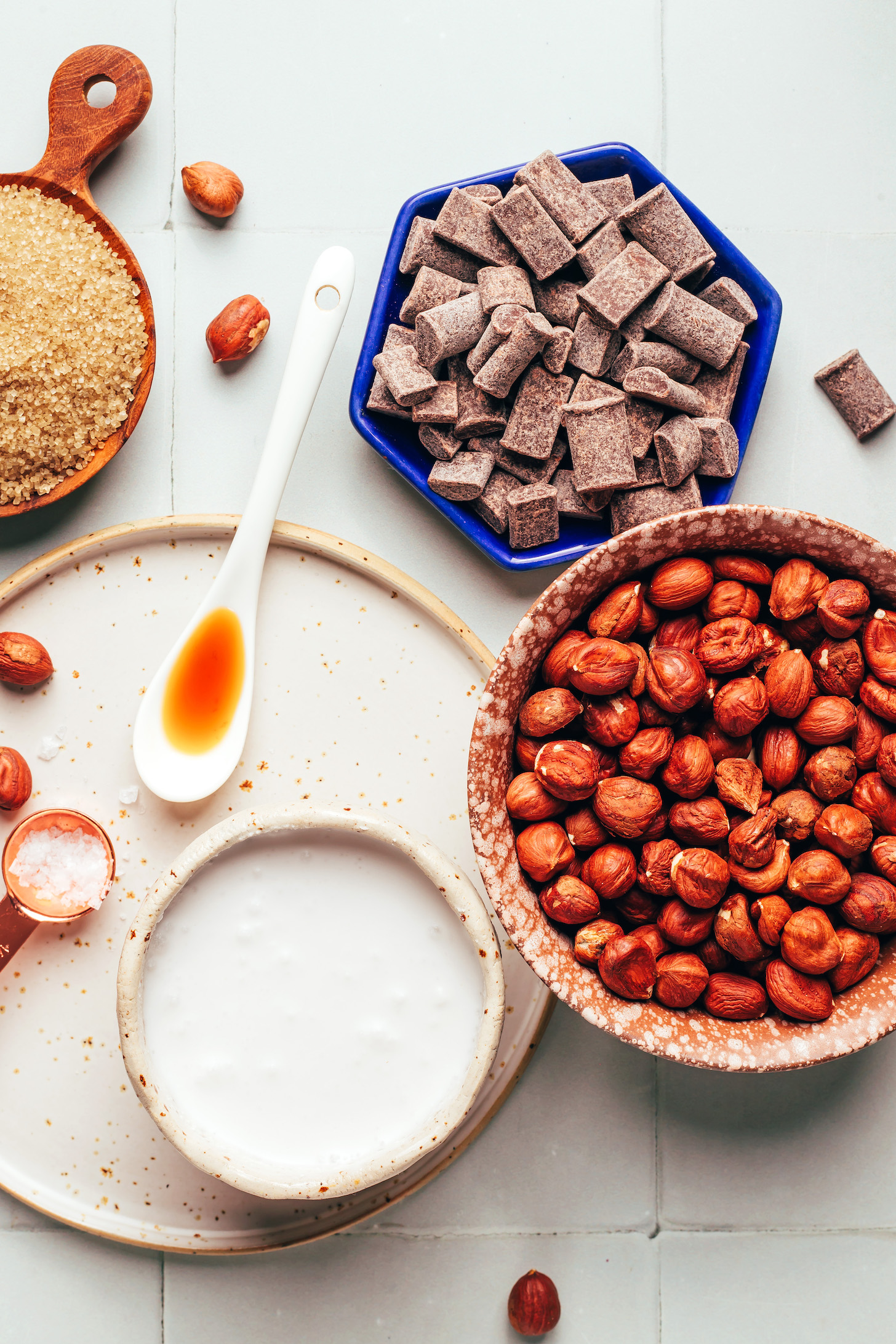
Technical Composition and Culinary Methodology
The process of creating this vegan iteration involves a multi-step culinary technique designed to maximize flavor extraction. The foundation of the recipe relies on the Maillard reaction—a chemical reaction between amino acids and reducing sugars that occurs when food is browned.
- Roasting: The process begins with roasting raw hazelnuts. This step is critical not only for flavor but for functional utility; heat exposure loosens the bitter, fibrous skins, allowing them to be removed efficiently.
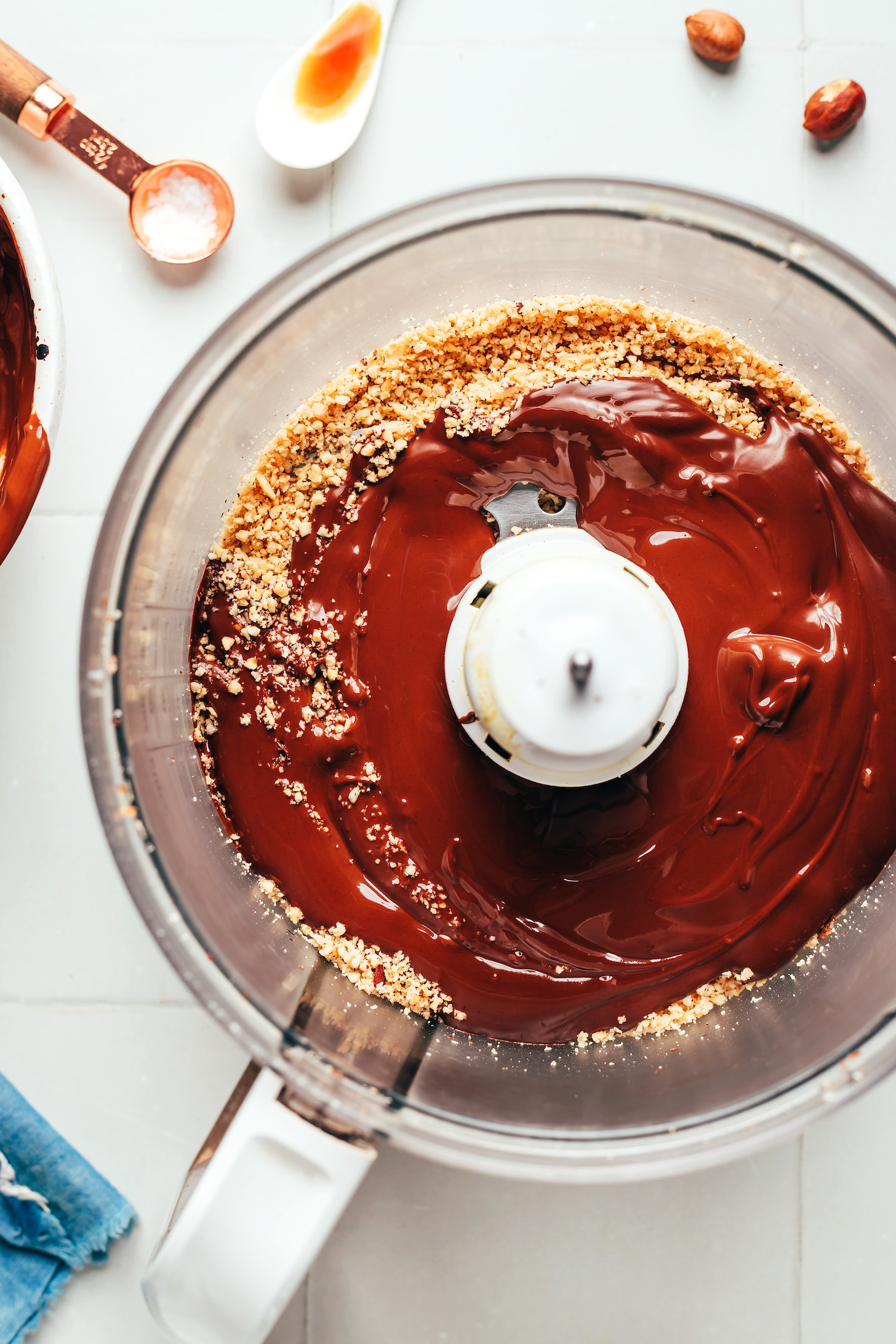
- Emulsification: Once skinned, the nuts are blended with melted chocolate. This step creates a homemade hazelnut-cocoa butter. The inclusion of the hazelnut’s natural oils is essential for the final structure of the ice cream.
- Stabilization: The mixture is combined with light coconut milk, cane sugar, vanilla, and a pinch of salt. The inclusion of salt is a deliberate culinary choice to balance the inherent bitterness of high-quality cocoa and enhance the perception of sweetness without requiring excessive sugar additives.
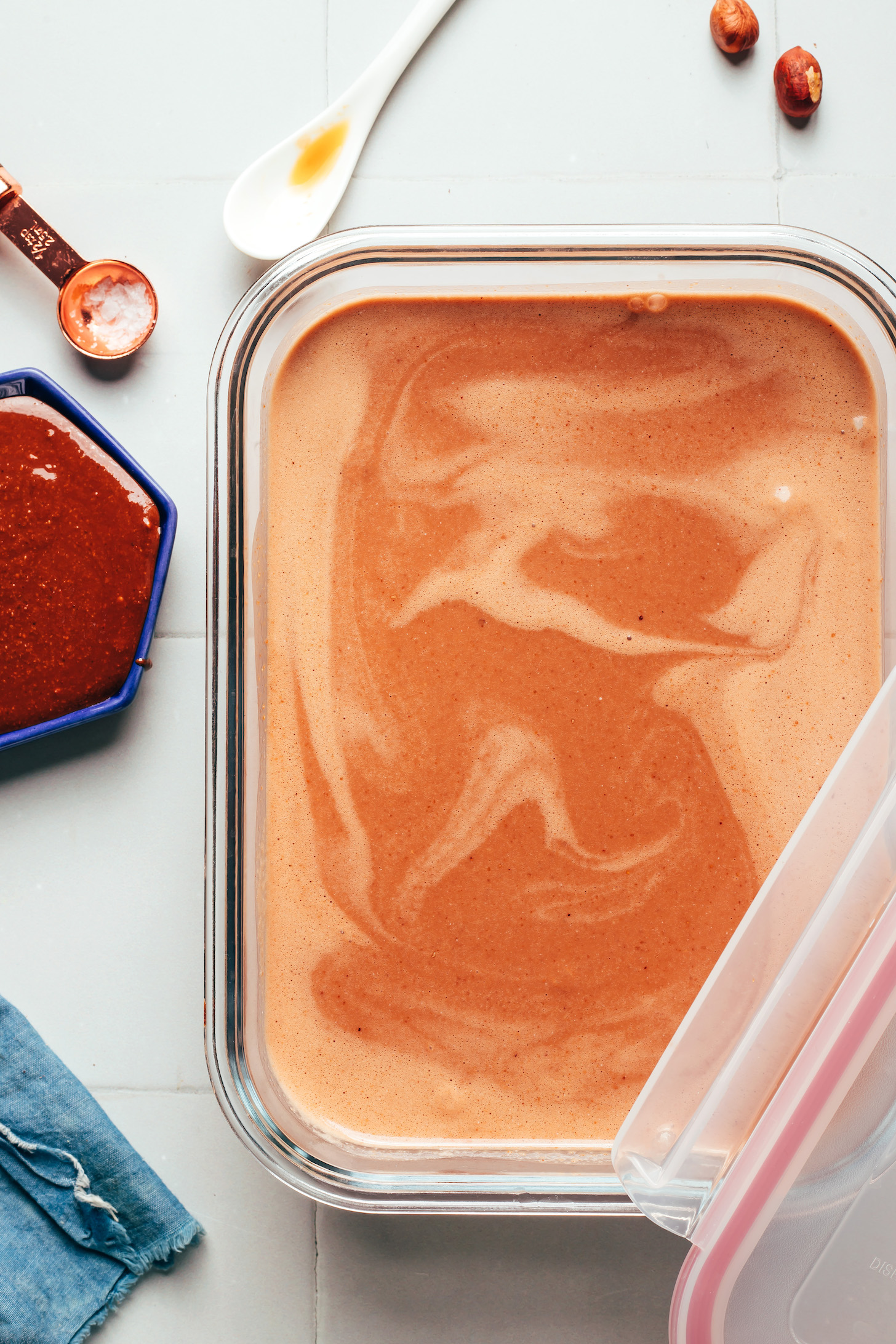
- Thermal Management: The mixture undergoes a mandatory chilling period. Scientifically, this serves two purposes: it allows the fats to solidify slightly before churning, which prevents the formation of large ice crystals, and it allows the flavors to meld.
Chronology of Preparation
For home preparation, the timeline is structured to accommodate both manual prep and automated churning. The preparation cycle spans approximately three hours, primarily accounted for by the chilling phase.
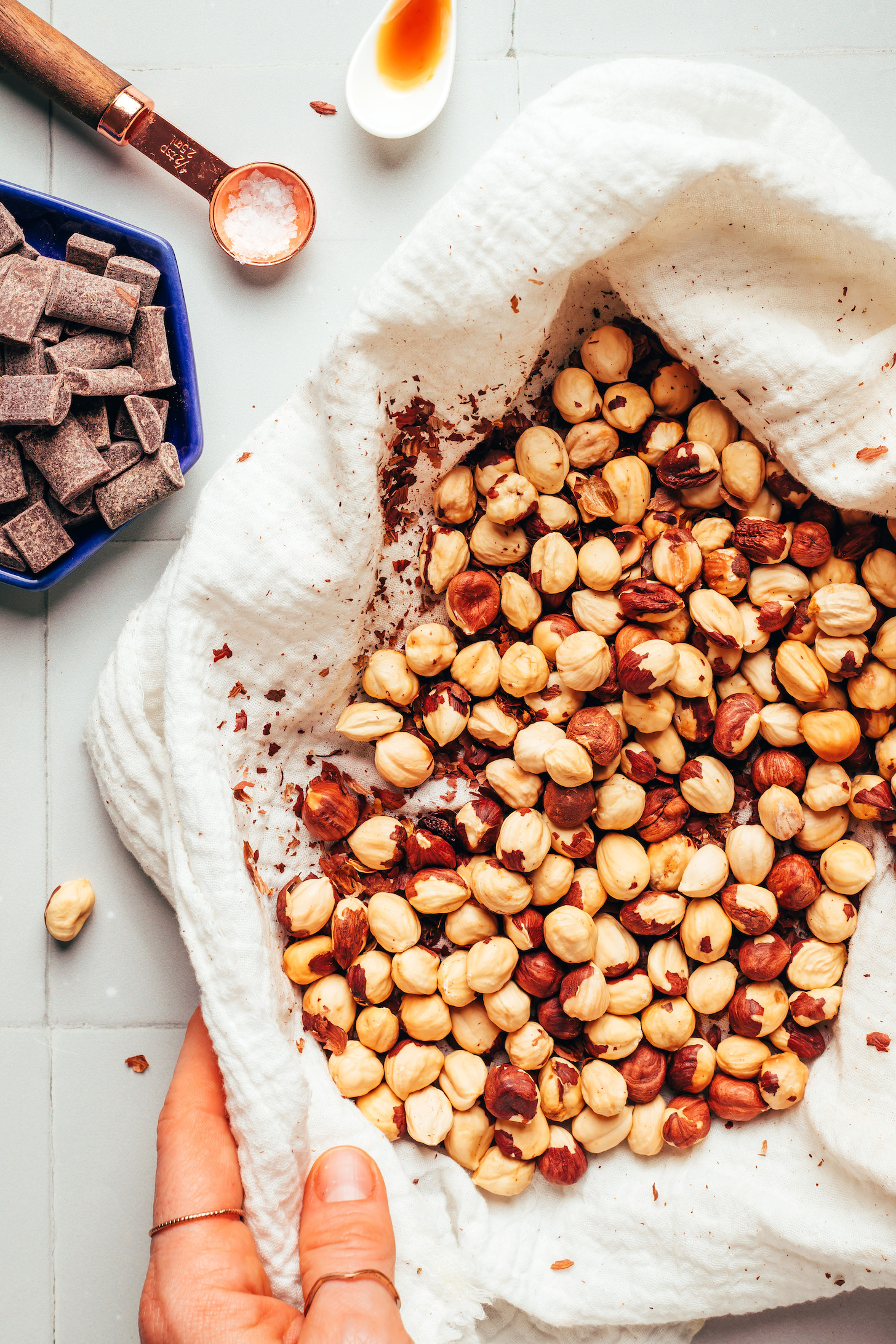
- 0:00–0:30: Roasting and skinning the hazelnuts, followed by the initial blending with melted chocolate.
- 0:30–1:00: Incorporating the coconut milk and flavor agents to finalize the base mixture.
- 1:00–2:00: The refrigeration stage. This is the "dormant" period where the mixture must reach a temperature close to freezing to ensure successful aeration during the churning process.
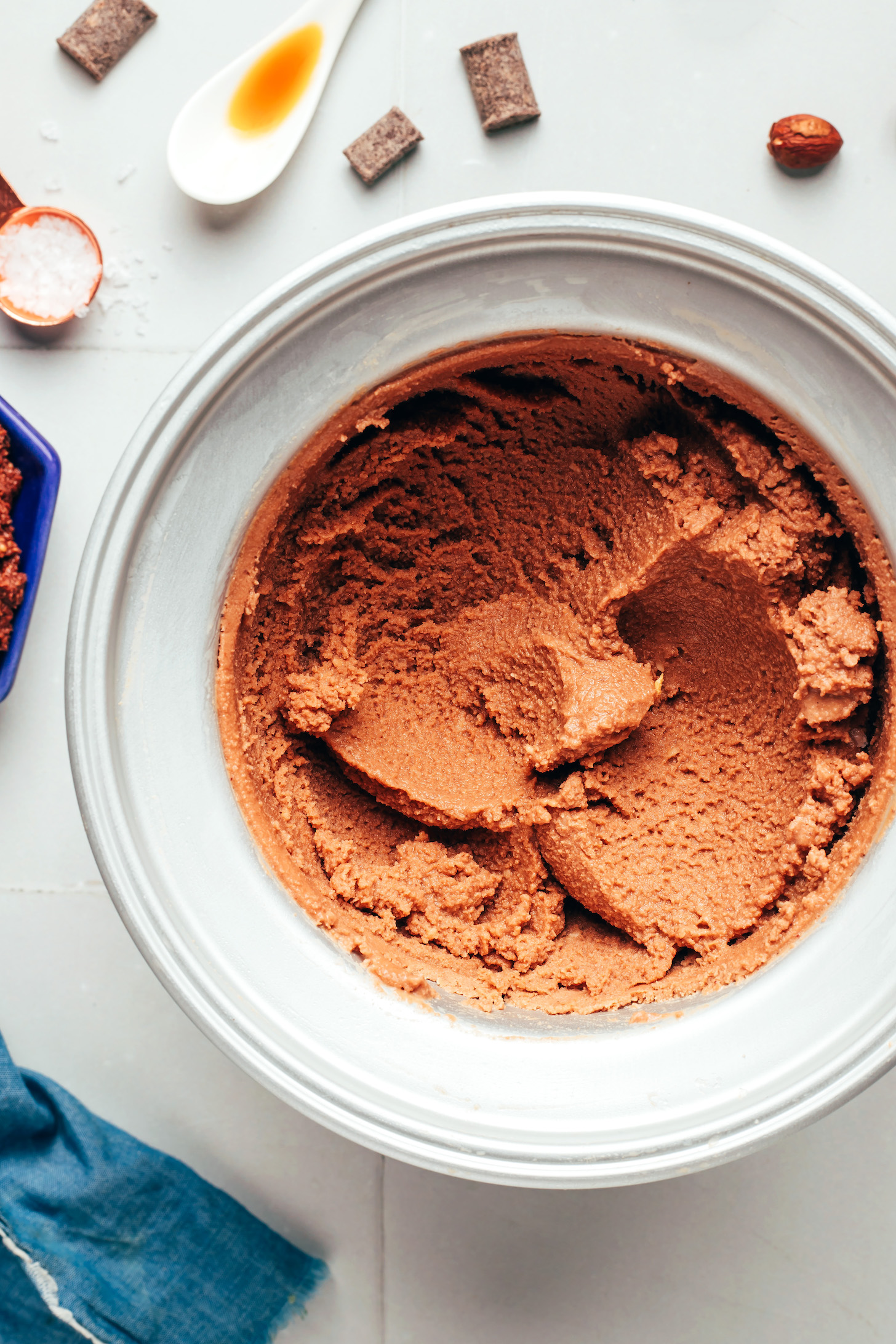
- 2:00–2:30: The churning phase in an ice cream maker. The agitation incorporates air into the fat-sugar matrix, transforming a liquid base into a semi-solid, "fluffy" state.
- 2:30–3:00: The "swirl" technique. A portion of the hazelnut-chocolate blend is folded in at the end of the churn, ensuring a variegated texture rather than a homogenous one.
Nutritional Profile and Dietary Implications
A standard half-cup serving of this vegan dessert provides approximately 277 calories. While ice cream remains a calorie-dense category, the nutritional breakdown reveals a shift in fat sources compared to dairy ice cream. With 21.2 grams of total fat—9.4 grams of which are saturated—the recipe relies on medium-chain triglycerides (MCTs) found in coconut milk rather than the cholesterol-heavy saturated fats found in dairy cream.
Furthermore, the absence of cholesterol (0 mg) and the relatively moderate sodium content (31 mg) make this an attractive alternative for individuals managing heart health or cardiovascular concerns. However, as with any confection, the sugar content (17 grams) remains a point of consideration for those monitoring glycemic impact.
Broader Market Impact
The success of such recipes underscores a significant shift in consumer behavior: the "do-it-yourself" (DIY) movement. Consumers are increasingly likely to replicate luxury, artisanal, or specialty-diet products in their own kitchens rather than relying on store-bought alternatives that may contain preservatives, gums, or artificial emulsifiers.
From a sustainability perspective, the shift toward plant-based desserts also aligns with broader environmental goals. The production of coconut milk and hazelnuts generally carries a lower carbon footprint compared to the intensive water and land usage required for dairy farming. While coconuts require tropical climates and transportation, the overall lifecycle analysis (LCA) for nut-based ice creams frequently ranks more favorably than conventional bovine dairy products.
Future Perspectives for Vegan Confectionery
Industry analysts suggest that the next frontier for plant-based desserts will be the refinement of texture. One of the primary criticisms of early vegan ice creams was the tendency to become overly hard when frozen, a result of lower fat content or improper water-to-fat ratios. The success of the "Minimalist Baker" approach—using emulsified nut butters and specific coconut milk brands—demonstrates that the gap between high-end professional gelato and home-made vegan alternatives is closing.
Experts in food science suggest that the next stage of innovation may involve the use of novel plant proteins, such as pea or potato proteins, to further stabilize these mixtures. However, for the immediate future, the focus remains on accessible, whole-food ingredients that provide both satiety and flavor integrity.
Conclusion
The development of a six-ingredient vegan Nutella-style ice cream is a testament to the sophistication of modern home cooking. By stripping away unnecessary additives and focusing on the chemical interactions of high-quality ingredients, creators can produce a product that is both ethical and indulgent. As the market for plant-based alternatives continues to expand, it is likely that such recipes will move from the periphery of niche food blogs to the center of mainstream dessert culture, providing a blueprint for the future of sustainable, accessible, and delicious culinary innovation. For those interested in the long-term storage of such items, the recipe remains freezer-stable for up to one month, making it a practical choice for long-term home consumption.
