

The Evolution of the Bolognese Tradition
Bolognese sauce, or ragù alla bolognese, originates from the city of Bologna in the Emilia-Romagna region of Italy. Historically, the dish is characterized by a slow-cooked, meat-heavy composition, typically incorporating a soffritto—a foundational aromatic mixture of finely diced onions, celery, and carrots—alongside wine, milk, and a tomato base. While traditionalists emphasize the importance of slow-rendered beef or pork, the global shift toward plant-forward diets has necessitated the creation of modern iterations that mimic the savory profile of the original without the use of animal proteins.
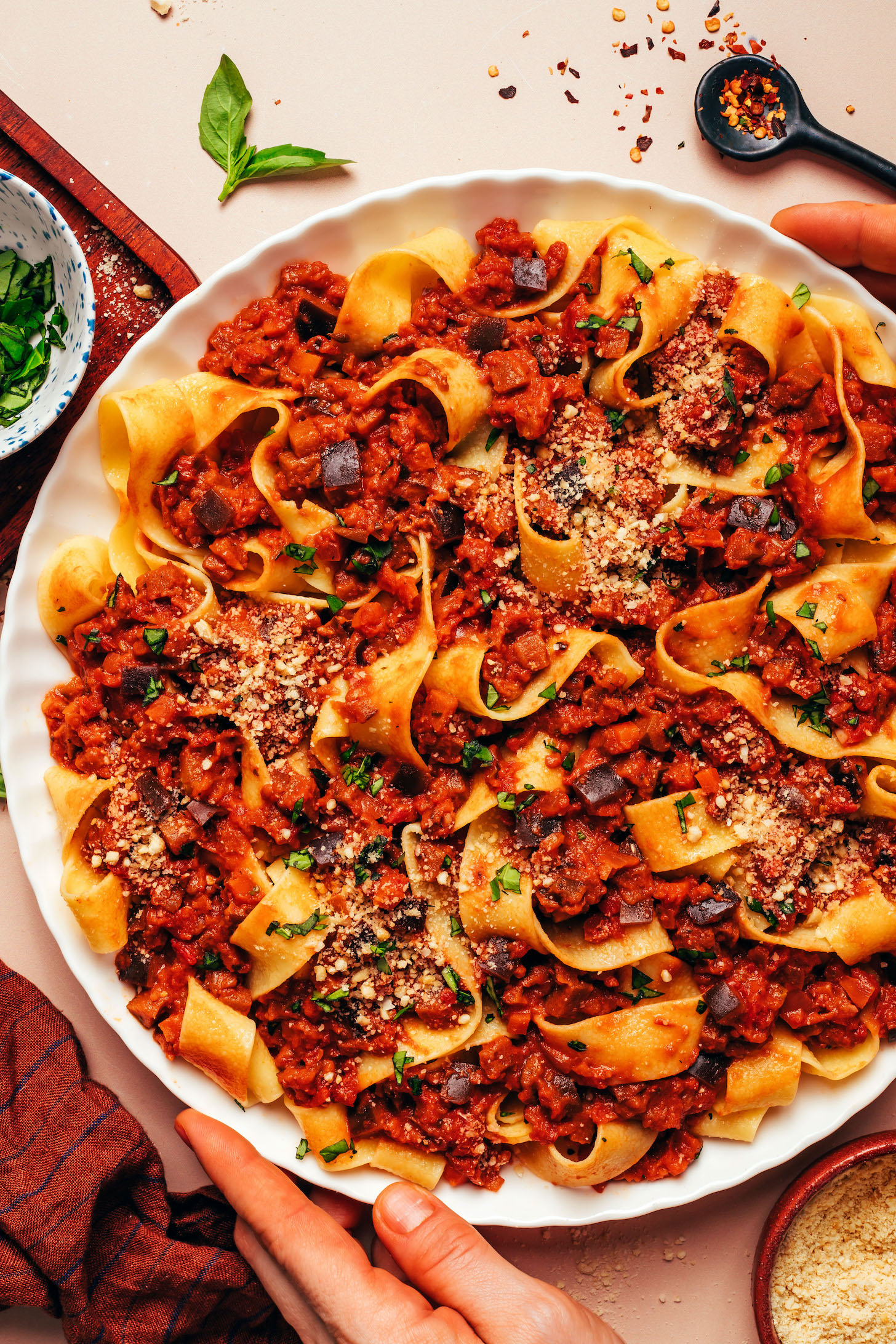
This particular recipe represents a significant departure from conventional methods by replacing ground meat with cubed eggplant. When prepared correctly, the eggplant undergoes a Maillard reaction—a chemical process between amino acids and reducing sugars that gives browned food its distinctive flavor—allowing it to achieve a tender, meaty texture that absorbs the acidity of the tomatoes and the richness of the aromatics. By incorporating dairy-free alternatives such as cashew milk, the dish maintains the signature creaminess inherent in a classic ragù while remaining entirely vegan.
Chronology of Development and Preparation
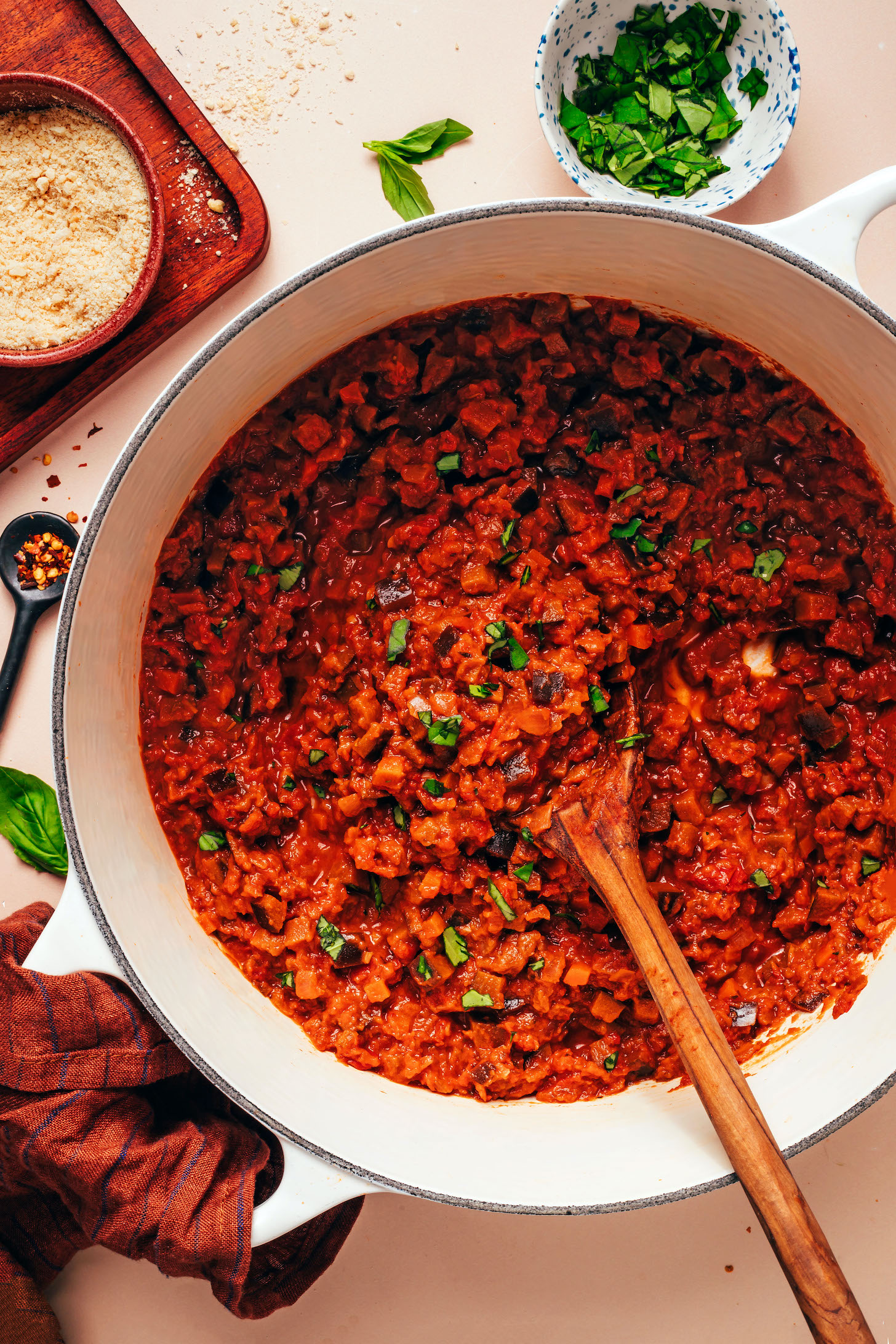
The development of this one-pot method follows a streamlined culinary timeline designed to minimize kitchen labor. The process begins with the sautéing of onions and carrots, which establishes the necessary sweetness and structural base for the sauce. The addition of small-cubed eggplant marks the critical phase of the process; the vegetable must be sautéed until it reaches a state of browning that ensures it does not become overly mushy during the subsequent simmering stage.

Once the aromatics and eggplant are adequately prepared, the dish proceeds to the deglazing phase. The introduction of wine acts as a solvent for the browned bits of food (fond) at the bottom of the pot, incorporating these concentrated flavors into the liquid base. Following the inclusion of crushed tomatoes and tomato paste, the sauce enters a 20-to-30-minute simmer. This duration is scientifically optimized to allow the water content in the vegetables and tomatoes to evaporate, resulting in a thickened, concentrated sauce. For those seeking a more complex flavor profile, an extended simmer of up to one hour allows for a deeper melding of the dried herbs, including basil and oregano, with the acidic components of the tomatoes.
Nutritional Analysis and Dietary Considerations
From a nutritional perspective, the transition to an eggplant-based sauce offers a distinct profile compared to meat-based versions. A single serving of this dish provides approximately 284 calories, 6.6 grams of protein, and 8.3 grams of dietary fiber. The high fiber content is attributed primarily to the eggplant and the inclusion of a vegetable-heavy base. With 17.1 grams of fat—largely derived from olive oil and plant-based milk components—the dish provides a satisfying mouthfeel while maintaining a lower saturated fat profile (2.5 grams) than traditional beef-based sauces.

The recipe’s flexibility is a point of note for culinary researchers and home cooks alike. The dish is naturally free of cholesterol and can be adapted to be gluten-free by adjusting the type of pasta used as a serving vessel. Furthermore, the inclusion of plant-based protein options, such as red lentils or meat-free substitutes, allows the dish to be scaled according to the specific nutritional requirements of the consumer.
Broader Culinary and Economic Implications
The rise of such recipes reflects broader socioeconomic trends in food consumption. With rising inflation impacting the price of animal proteins, consumers are increasingly seeking plant-based alternatives that utilize seasonal, budget-friendly produce like eggplant. The "one-pot" design is also a response to the modern consumer’s demand for time-efficient cooking; by reducing the number of utensils and pots required, the recipe addresses the constraints of contemporary, fast-paced lifestyles.

Market analysts in the culinary sector have observed that dishes like the Easy Eggplant Bolognese are not merely passing trends but represent a permanent shift in how households approach "cozy" or "comfort" cooking. The ability to achieve complex, restaurant-quality flavor profiles using simple, whole-food ingredients suggests that the barrier to entry for plant-based cooking continues to lower.
Expert Reception and Community Impact
While the recipe is not designed to be an exact replica of a traditional meat ragù, it has been noted by culinary observers for its effectiveness in bridging the gap for "veggie skeptics." The combination of umami-rich tomato paste, the depth provided by the wine, and the silky texture of the eggplant creates a sensory experience that aligns closely with traditional expectations of a pasta sauce.
The integration of community feedback—such as the recommendation to pair the dish with homemade vegan parmesan or to incorporate protein-dense additions like chickpeas—demonstrates a modular approach to recipe development. This responsiveness to user testing ensures that the dish remains viable for various dietary needs, from strictly vegan to flexitarian.
Conclusion on Culinary Sustainability
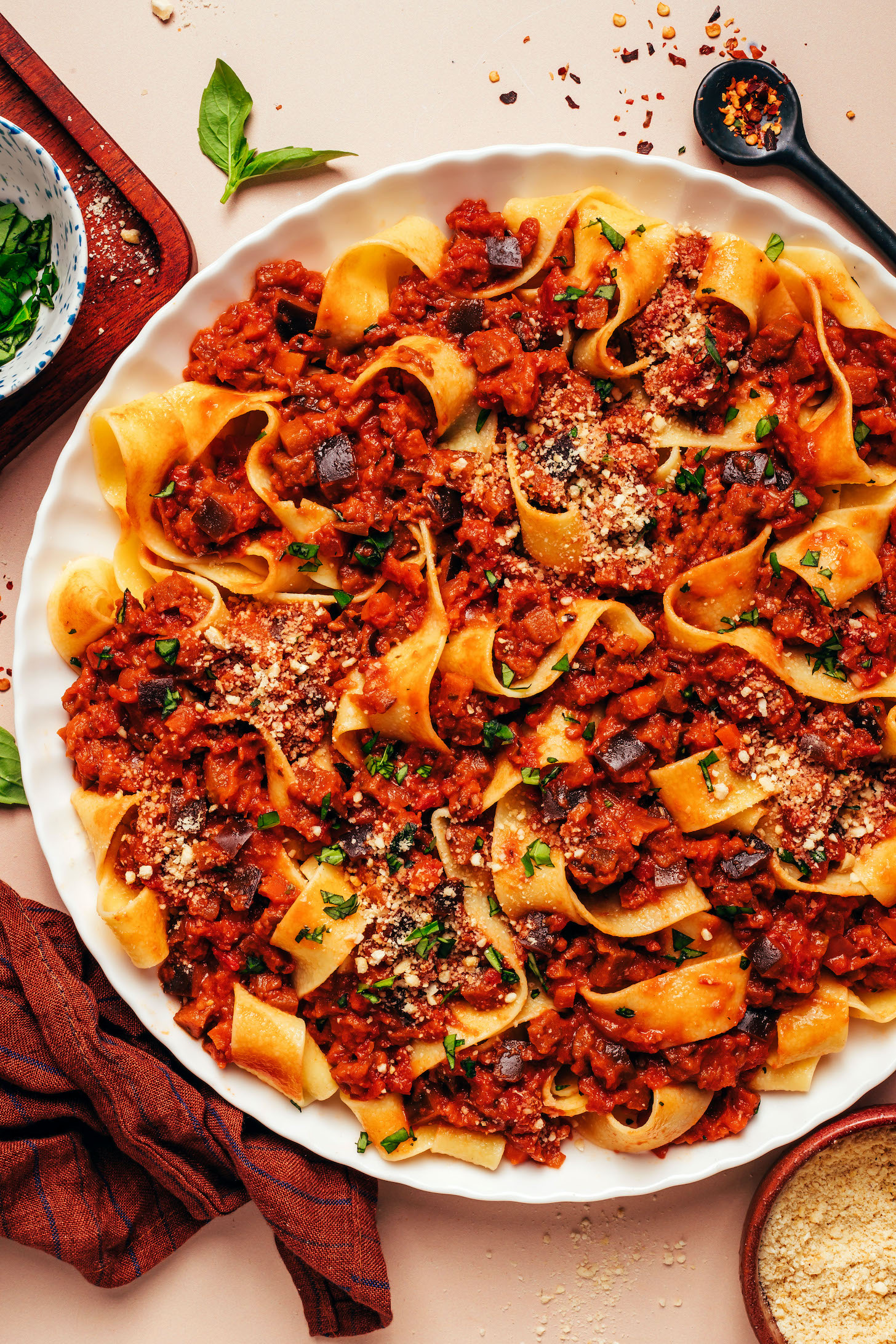
As the culinary world moves toward more sustainable practices, the adoption of vegetable-centric sauces like this one-pot bolognese serves as a case study in efficiency. By focusing on the inherent properties of the eggplant—a versatile, porous vegetable that acts as a flavor sponge—the dish maximizes output with minimal resource input. Whether served with traditional pappardelle, gluten-free alternatives, or even over polenta, the dish stands as a testament to the fact that sophisticated, hearty Italian-inspired meals can be achieved without the logistical and environmental complexities of traditional meat production.
As home cooks continue to experiment with these techniques, the impact on household food waste and consumption patterns is expected to be positive. By utilizing every part of the vegetable and relying on pantry staples like dried herbs and canned tomatoes, the recipe provides a blueprint for sustainable, long-term meal planning. The success of this one-pot method reaffirms that simplicity, when backed by sound culinary technique, remains the most effective tool in the modern kitchen.
