
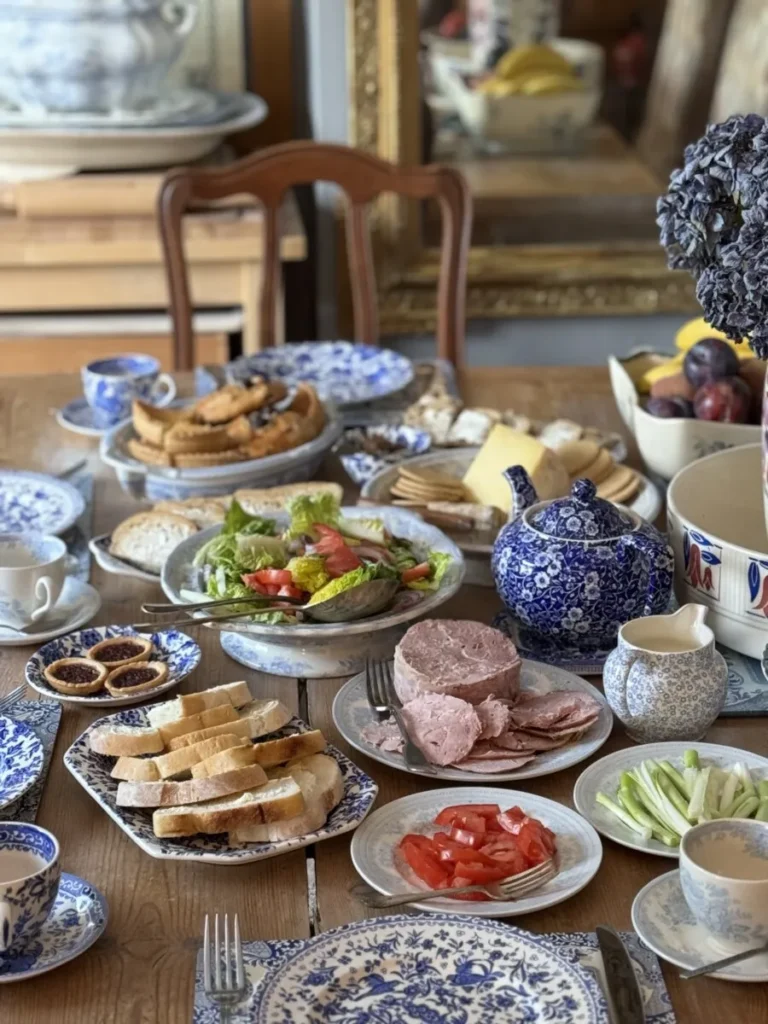
The widespread confusion surrounding the distinction between afternoon tea and high tea is a modern phenomenon, often fueled by the evolving culinary lexicons in the United States and Australia. While these terms are frequently used interchangeably in global hospitality, their origins in the United Kingdom are rooted in distinct social classes, historical timelines, and domestic settings. Understanding these differences requires a look at 19th-century British social history, where the service of tea was not merely a beverage choice, but a rigid reflection of socioeconomic standing.

The Origins of Afternoon Tea: An Aristocratic Ritual
Afternoon tea, often referred to as "Low Tea," emerged in the mid-19th century as an upper-class social custom. Historians frequently point to Anna Maria Russell, the 7th Duchess of Bedford, as the primary catalyst for this trend around 1840. The social structure of the era dictated that dinner was served quite late—often at 8:00 p.m. or 9:00 p.m.—leaving a significant void between lunch and the evening meal.

The Duchess reportedly requested that a tray of tea, bread, butter, and light cakes be brought to her chambers during the late afternoon. This "little snack" soon evolved into a sophisticated social event held in the drawing room. Because this tea was served on low, comfortable furniture—such as coffee tables or lounge chairs—it earned the moniker "Low Tea."

By the mid-1800s, the practice had permeated the leisure class. It became a platform for social discourse, characterized by delicate finger sandwiches, freshly baked scones served with clotted cream and jam, and an assortment of petit fours. While the Duchess is often credited with the ritual’s popularization, records from spa towns like Bath and Harrogate indicate that similar tea services were being offered as early as the late 18th century to accommodate visitors seeking the health benefits of mineral waters.

High Tea: A Working-Class Sustenance
In contrast to the light, leisurely nature of afternoon tea, high tea—or "meat tea"—was the primary evening meal for the British working classes during the Industrial Revolution. The term "high" refers to the height of the table at which the meal was consumed: the sturdy, standard-height dining or kitchen table.

Unlike the aristocratic afternoon tea, high tea was a functional, hearty repast served immediately after the workday, typically between 5:00 p.m. and 7:00 p.m. It was designed to provide calories and comfort to laborers who had spent long hours in factories or fields. A traditional high tea featured substantial, savory foods: thick-cut bread (often referred to as "doorstop" sandwiches), cold meats, savory pies, baked beans, cheese, and sometimes fried items like sausages or sautéed potatoes.

The beverage served was, by necessity, a robust black tea, providing both a caffeine boost and a warming component to the meal. This was not a dainty affair served on fine china in a drawing room; it was a nutritious, home-cooked meal served in the heart of the family home.

Chronological Evolution and Semantic Drift
The divergence of these two traditions can be traced through the timeline of the British Empire’s domestic expansion:

- Late 1700s – Early 1800s: The service of tea begins to appear in public venues, particularly in spa towns.
- 1840: The Duchess of Bedford formalizes the afternoon tea ritual, establishing it as a staple of the aristocratic social calendar.
- 1850s – 1900s: High tea becomes the standard evening meal for the industrial working class, characterized by its reliance on protein and carbohydrates.
- Post-WWII: As living standards rose and the distinction between social classes became more fluid, the term "High Tea" began to be misconstrued in international markets. Because "high" sounds more "posh" or "exclusive" than "low," the term was incorrectly adopted by luxury hotels and global tourism boards to describe the refined, three-tiered afternoon tea service.
Global Perspectives and Linguistic Misunderstandings
Data suggests that the confusion is most prevalent in North America and Australia. In these regions, "High Tea" is frequently marketed as a premium experience involving fine linens, tiered stands, and champagne. This marketing shift has led to significant cultural friction. For the British traditionalist, the misuse of the term is akin to a historical revisionism.

Social media discourse, particularly on platforms like Instagram, has highlighted this divide. When individuals from the UK see a photograph of an elegant, three-tiered service labeled as "High Tea," the common reaction is one of correction, often noting the absence of savory, meal-like components such as meat pies or hearty stews. This "niche" debate reflects a broader issue: the globalization of culinary terms often strips them of their original cultural context.

The Components of the Modern Tea Table
To maintain clarity in a modern context, it is helpful to categorize the components of each tradition:

Traditional Afternoon (Low) Tea:

- Setting: Low tables, armchairs, drawing rooms.
- Service: Three-tiered stands.
- Menu: Cucumber/smoked salmon finger sandwiches, scones, clotted cream, preserves, delicate sponges, and Earl Grey or Darjeeling tea.
- Function: Social entertainment.
Traditional High (Meat) Tea:

- Setting: Dining or kitchen tables.
- Service: Plated, hearty portions.
- Menu: Cold cuts, meat pies, stews, hearty breads, and strong, builder-style black tea.
- Function: The primary evening meal.
Broader Implications: Why It Matters
While the distinction may seem pedantic, it serves as a case study in the importance of cultural heritage. Food history provides a window into the daily lives of past generations. By conflating these two distinct traditions, the narrative of the working class is effectively erased from the history of tea.

The "High Tea" of the working class was a symbol of survival and family unity, whereas "Afternoon Tea" was a symbol of leisure and social status. When high-end establishments label their afternoon tea service as "High Tea," they are arguably ignoring the historical reality of the working-class dinner.

Ultimately, while language is fluid and definitions often change to suit modern preferences, there is significant value in preserving the history of these terms. As interest in historical cooking and cultural anthropology grows, the revival of authentic "high tea" recipes—such as the traditional plate pie, fruit loaves, and hearty meat dishes—is becoming a way to reconnect with a vanished, more industrious era of British domestic life. Moving forward, hospitality professionals and consumers alike may benefit from acknowledging the history behind the table, ensuring that the legacy of these two unique culinary rituals remains intact for future generations.
