
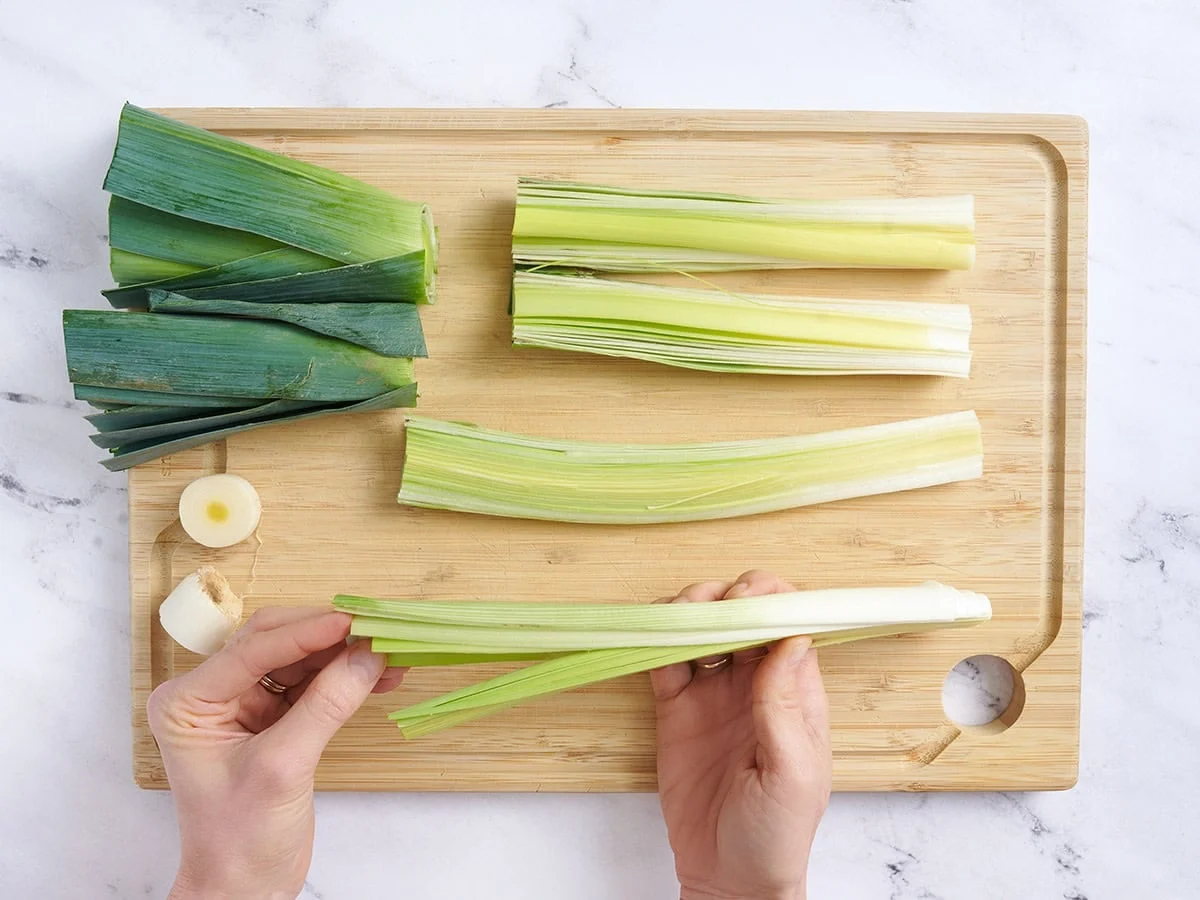
The intersection of culinary economy and high-quality nutrition has become a focal point for modern home cooks, particularly during the winter months when the demand for calorie-dense, "stick-to-your-bones" comfort food increases. Among the most enduring staples of this category is the Potato Leek Soup, a dish that has recently undergone rigorous refinement at the Nashville Test Kitchen to optimize both its texture and its affordability. In a report detailing the latest findings in budget-conscious gastronomy, culinary experts have identified a specific methodology that allows for a premium dining experience at a cost of approximately $1.05 per serving. This development comes at a time when food inflation has driven consumers to seek alternatives to high-cost proteins, turning instead to versatile root vegetables and aromatics to provide satiety and flavor.

The Foundations of the Modern Potato Leek Soup
Potato leek soup, traditionally known in French cuisine as potage parmentier, serves as the foundational base for several classic dishes, including the chilled Vichyssoise. The dish relies on the symbiotic relationship between the starch of the potato and the mellow, buttery profile of the leek. Unlike the sharper, more aggressive flavor of white or red onions, leeks (part of the Allium family) provide a sophisticated sweetness that characterizes the "comfort" element of the soup.

The Nashville Test Kitchen’s approach emphasizes a "pared-back" philosophy. By avoiding the excessive add-ins found in more complex "loaded" potato soups, the recipe allows the primary ingredients to remain the focus. This simplicity requires a higher level of technical precision to ensure the flavor remains balanced and the texture avoids the common pitfall of becoming "gummy."
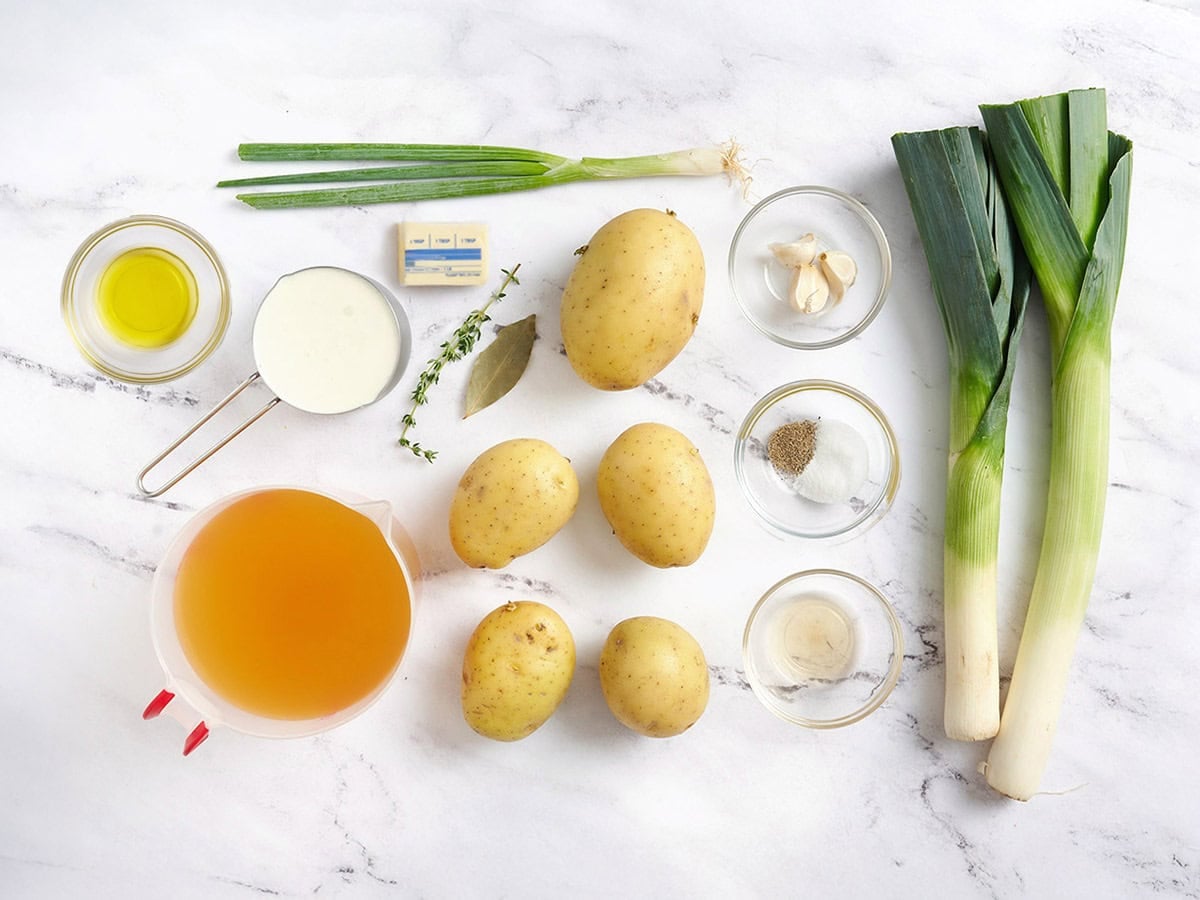
Culinary Methodology and Chronology
The preparation of this specific iteration of Potato Leek Soup follows a strict chronological order designed to preserve the integrity of the vegetable starches and the volatile oils within the aromatics. The process is divided into several distinct phases: the hydration phase, the aromatic development phase, and the textural integration phase.
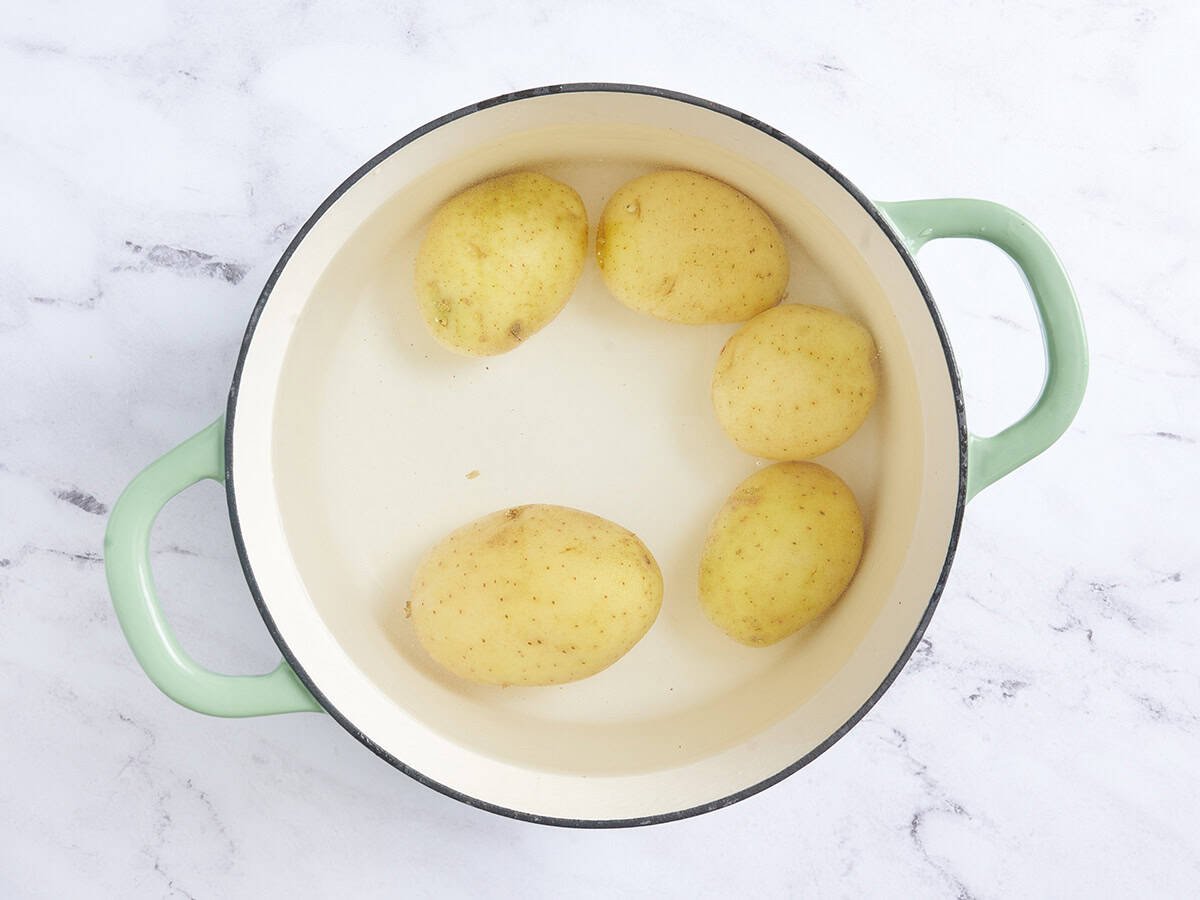
Phase I: The Hydration and Boiling Process
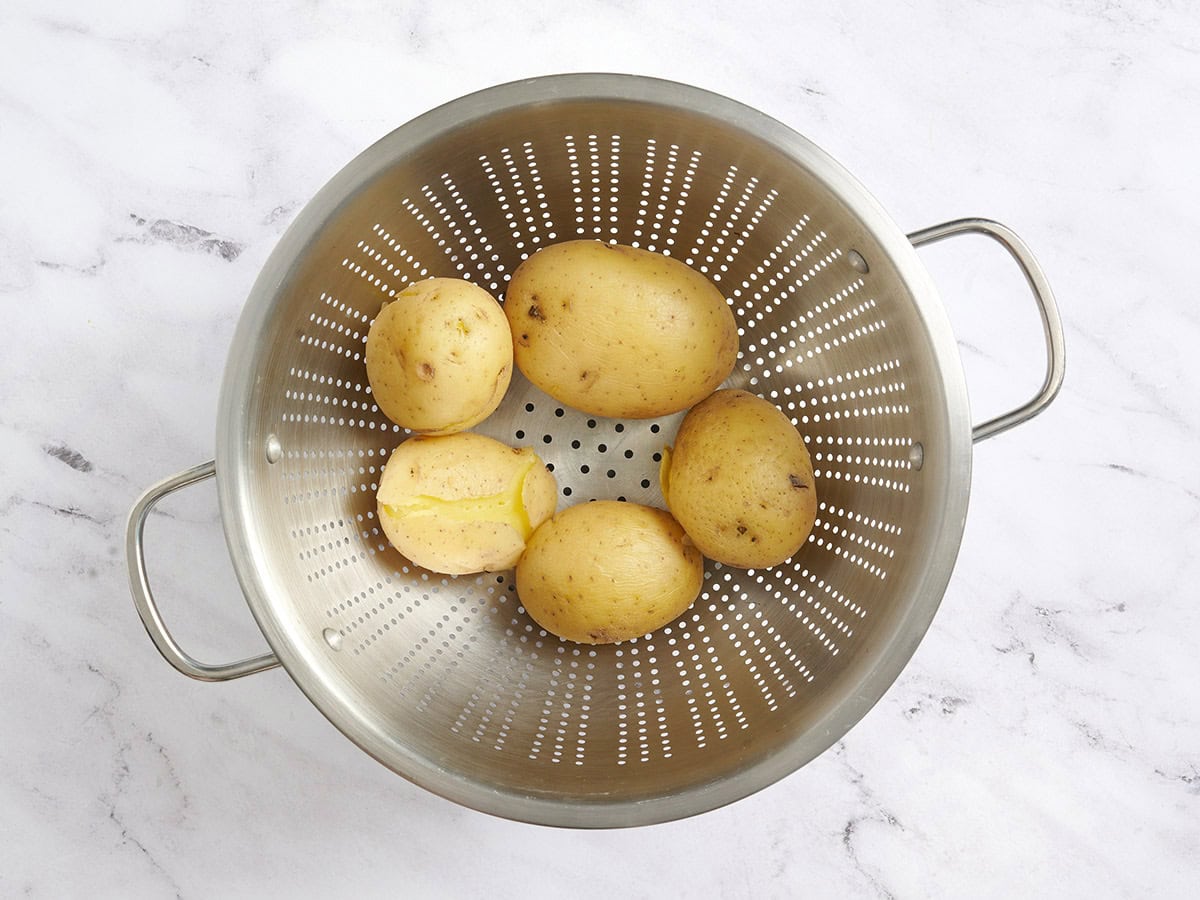
The methodology begins with the boiling of 2.5 pounds of Yukon Gold potatoes. A critical technical departure from standard home-cooking practices is the decision to boil the potatoes whole and with the skin on. Culinary data suggests that dicing potatoes before boiling increases the surface area exposed to water, leading to excessive water absorption. This often results in a "dull" flavor profile and a compromised, watery texture. By boiling them whole for 15 to 20 minutes until fork-tender, the kitchen ensures that the potatoes retain their natural creaminess and nutritional density.
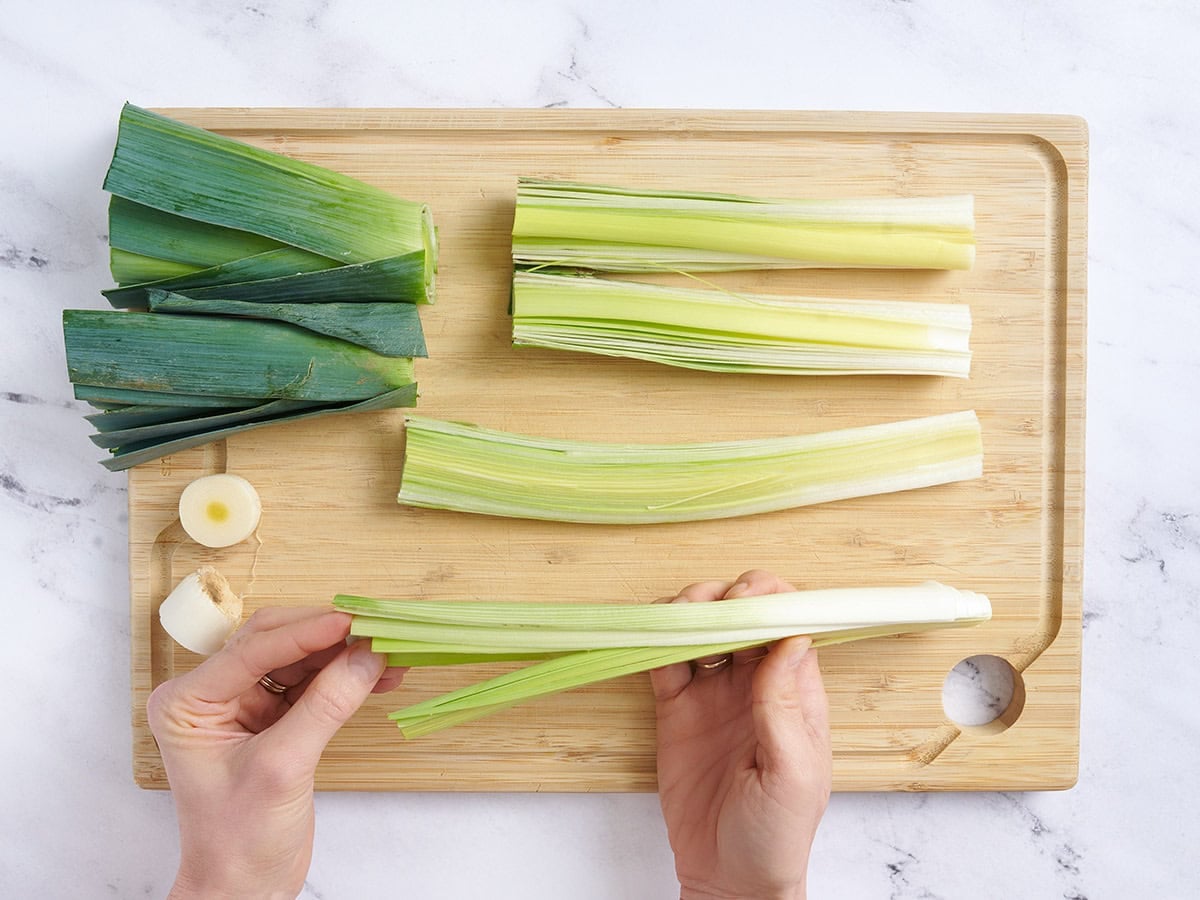
Phase II: Aromatic Preparation and Waste Mitigation
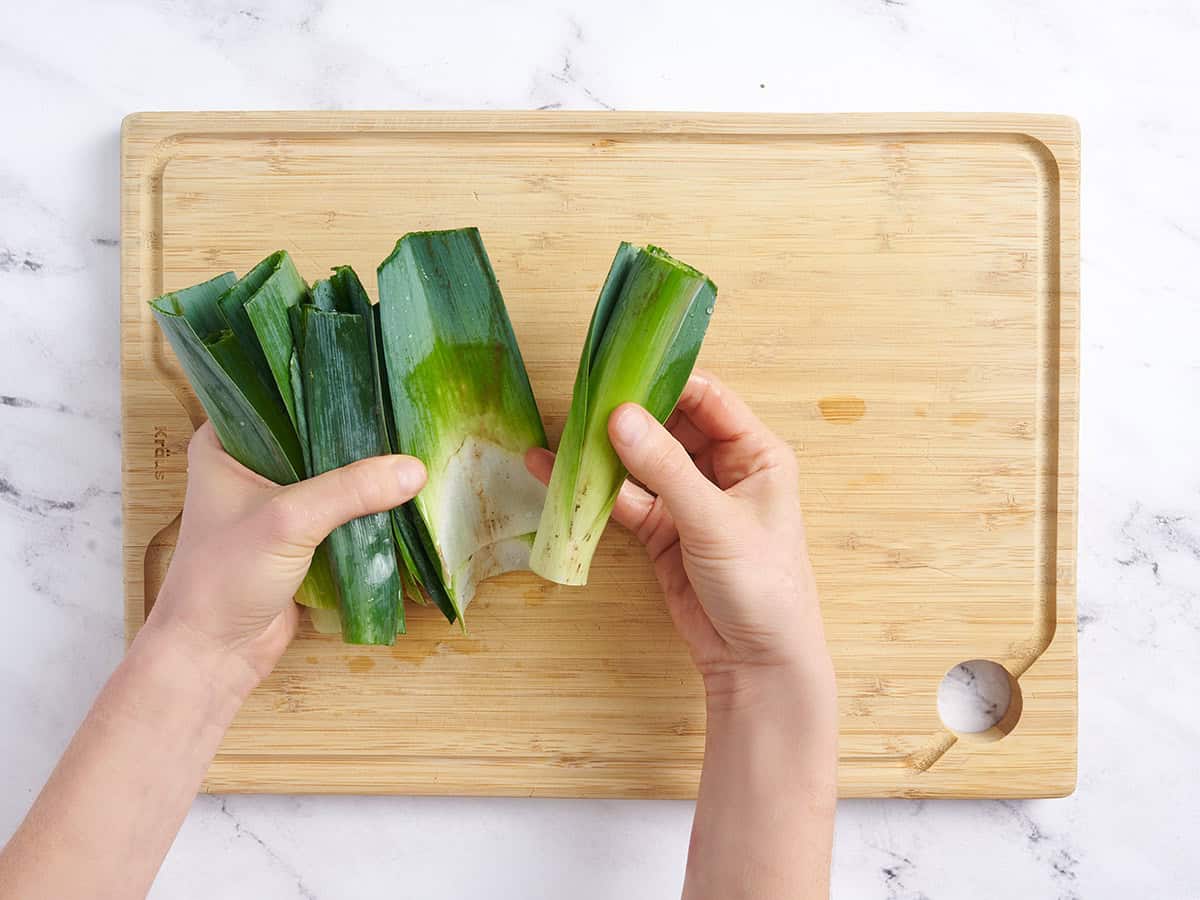
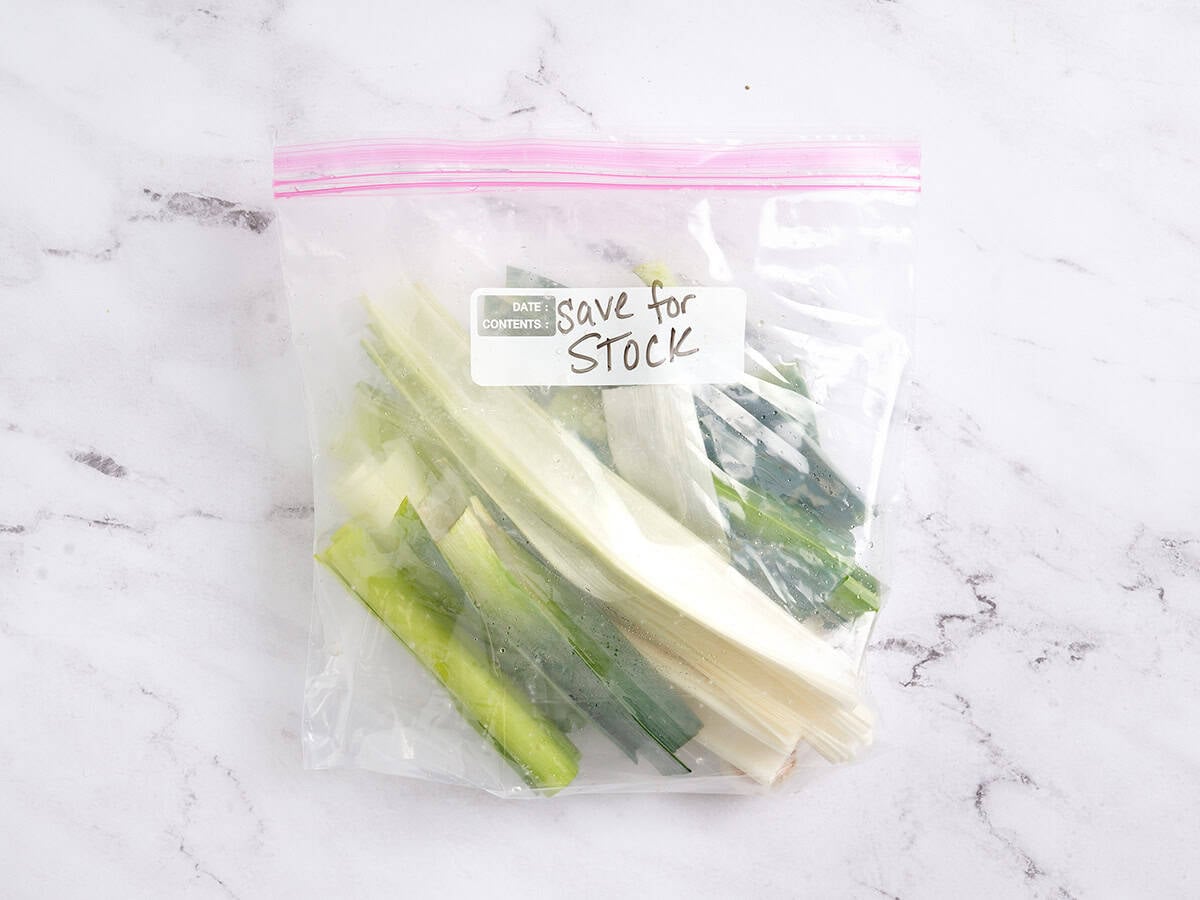
While the potatoes undergo hydration, the focus shifts to the leeks. The Nashville report highlights a sustainable kitchen practice involving the separation of leek layers. The tough, dark green outer layers and root ends are trimmed and washed, but rather than being discarded, they are designated for future stock production. This zero-waste approach is a hallmark of modern budget-friendly cooking. The tender inner layers are minced and prepared for the sautéing stage.
Phase III: Sautéing and Base Construction
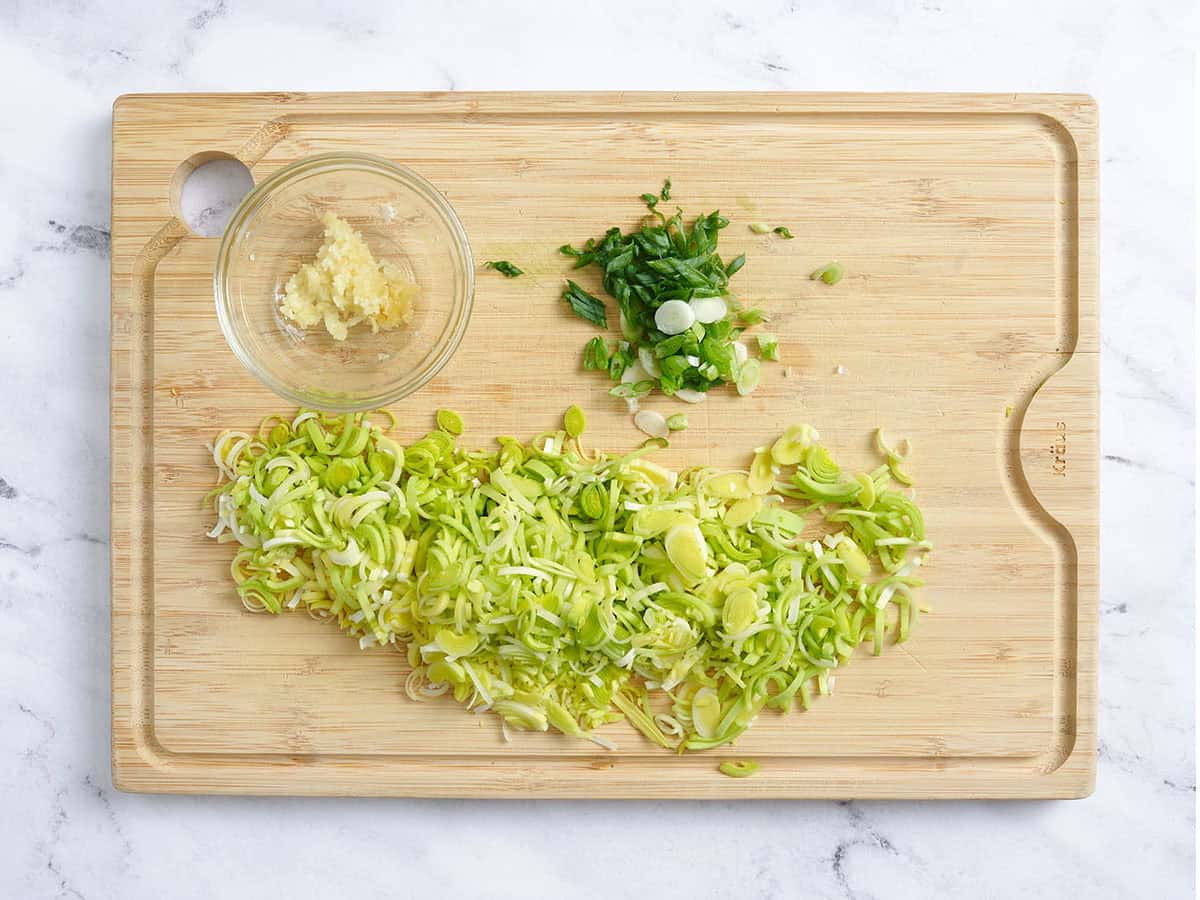
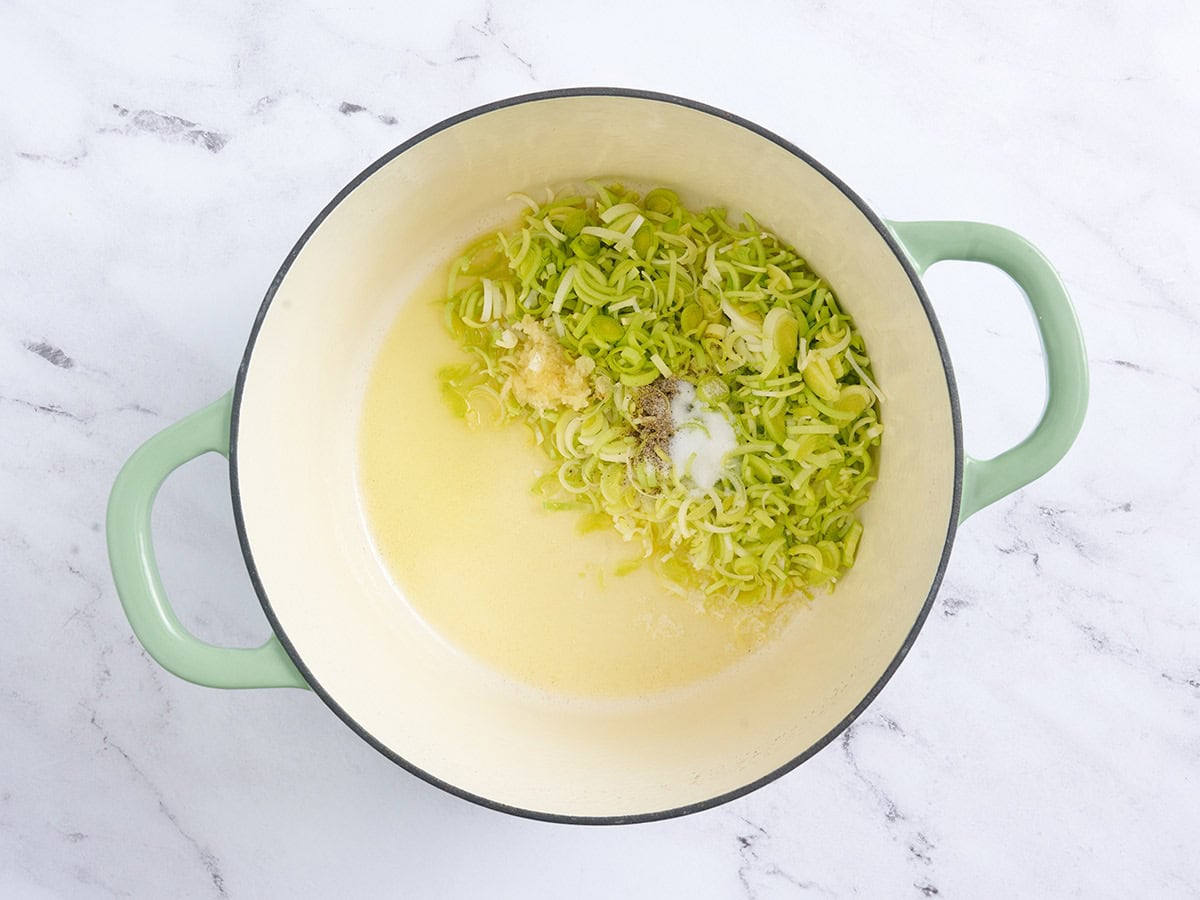
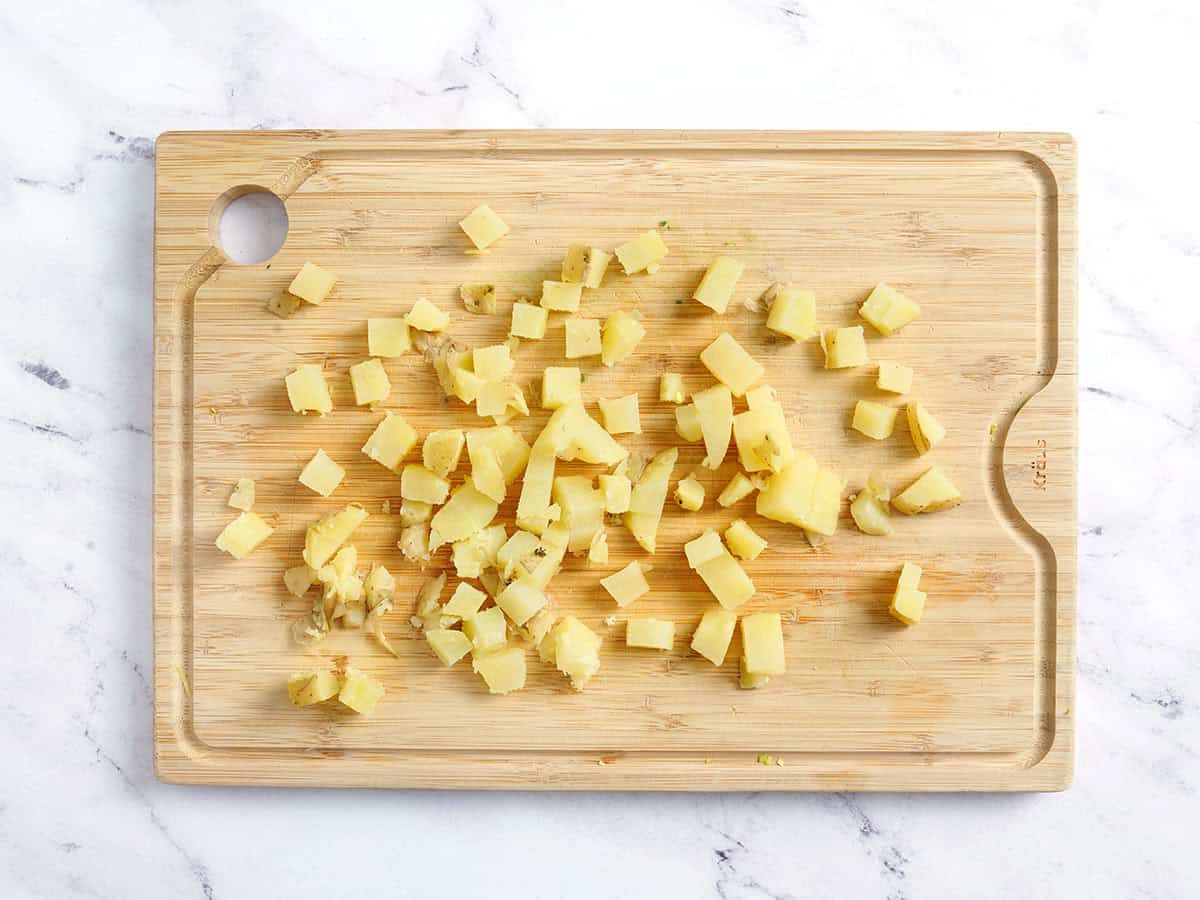
The aromatic base is constructed using a combination of three tablespoons of salted butter and one tablespoon of olive oil. This fat blend provides a higher smoke point than butter alone while maintaining a rich flavor. The minced leeks and three cloves of garlic are sautéed for approximately eight minutes until softened. At this stage, the potatoes are reintroduced to the pot. However, the methodology dictates that a portion of the potatoes—approximately two cups—be diced and set aside, while the remainder is added whole to the broth to be mashed.
Phase IV: Textural Refinement and Tempering
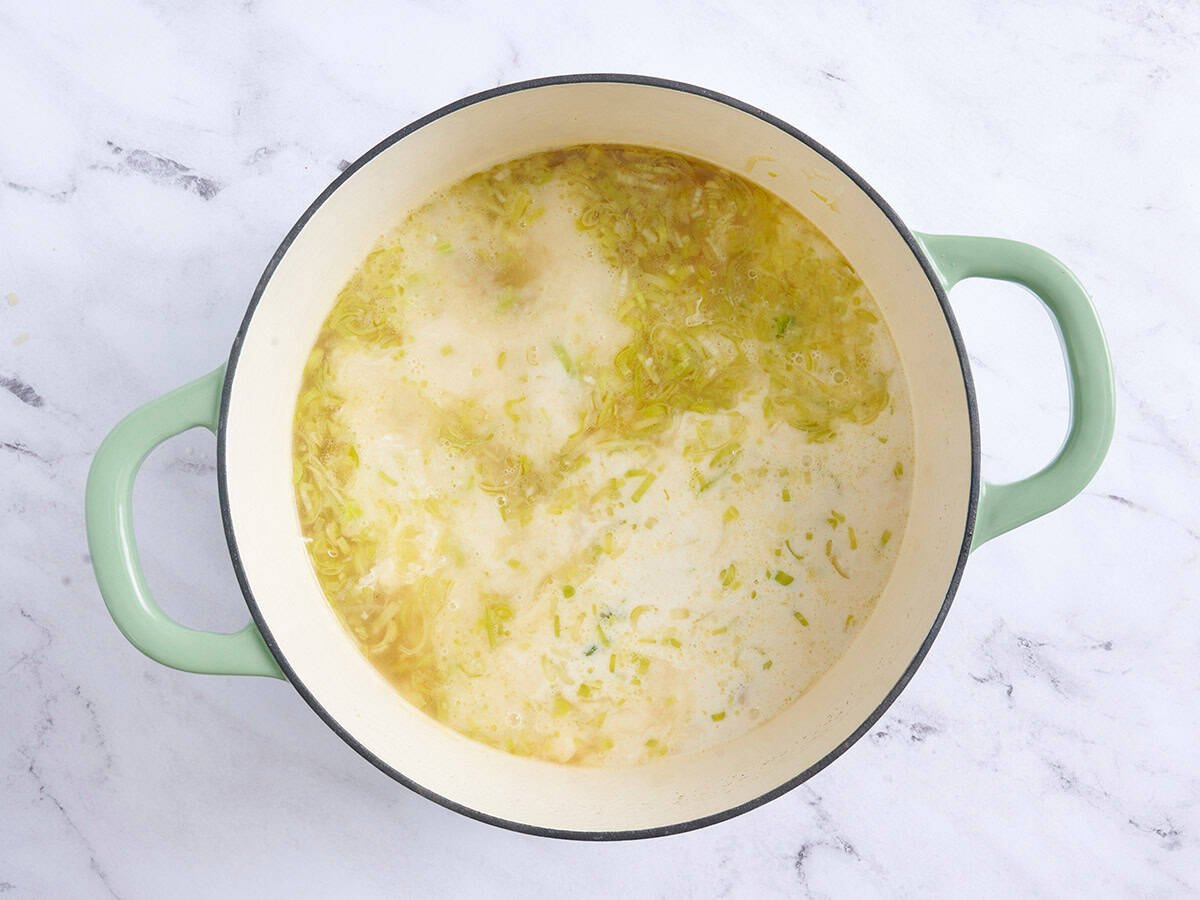
The final stage of construction involves the addition of six cups of vegetable broth, thyme, bay leaves, and a single teaspoon of apple cider vinegar. The vinegar acts as a brightener, cutting through the heavy starches of the potato. A crucial safety and quality step involves "tempering" the one cup of heavy cream. By whisking a ladle of hot broth into the room-temperature cream before adding it to the main pot, the chef prevents the cream from curdling or "splitting" upon contact with the high-heat environment.
Statistical and Economic Data Analysis
The Potato Leek Soup recipe has been analyzed for its economic viability and nutritional output. According to data provided by Budget Bytes, the total cost for a full pot of the soup (approximately eight servings) is $8.46. This places the cost per serving at $1.05, significantly lower than the average cost of a commercially prepared soup, which typically ranges from $4.00 to $7.00 per serving in a fast-casual environment.
Nutritional Breakdown per Serving:
- Calories: 289 kcal
- Total Fat: 17g (26% of Daily Value)
- Carbohydrates: 32g (11% of Daily Value)
- Protein: 4g
- Sodium: 1051mg (46% of Daily Value)
- Fiber: 4g (17% of Daily Value)
The data indicates that while the soup is a moderate-calorie meal, its sodium content is relatively high, representing nearly half of the recommended daily intake. This is largely attributed to the use of bouillon and salted butter. However, for active individuals or those in colder climates, the caloric and carbohydrate density provides necessary energy.
Expert Perspectives and Test Kitchen Standards
The development of this recipe was overseen by Jess Rice, a veteran chef and former professor at Niagara College. Rice’s background in food theory and classic culinary techniques informs the "Nashville Test Kitchen" standard, which requires that every recipe undergo rigorous testing to ensure it meets three criteria: ease of preparation, affordability, and flavor profile.
"Potato dishes during the chilly months keep you feeling cozy from the inside out," the report notes, emphasizing the psychological impact of comfort food. The use of Yukon Gold potatoes is a deliberate choice made by the test kitchen. Unlike Russet potatoes, which are starchy and mealy, Yukon Golds are categorized as "all-purpose" or "waxy," meaning they hold their shape better and possess a naturally buttery flavor that complements the leeks.

Broader Impact and Implications for the Food Industry
The move toward "intentional technique" in simple recipes reflects a broader trend in the global food industry. As consumers face rising costs, there is a renewed interest in "peasant foods"—dishes historically eaten by lower-income populations that utilize inexpensive, shelf-stable ingredients. The Potato Leek Soup is a prime example of how these traditional dishes are being reclaimed and refined for the modern palate.

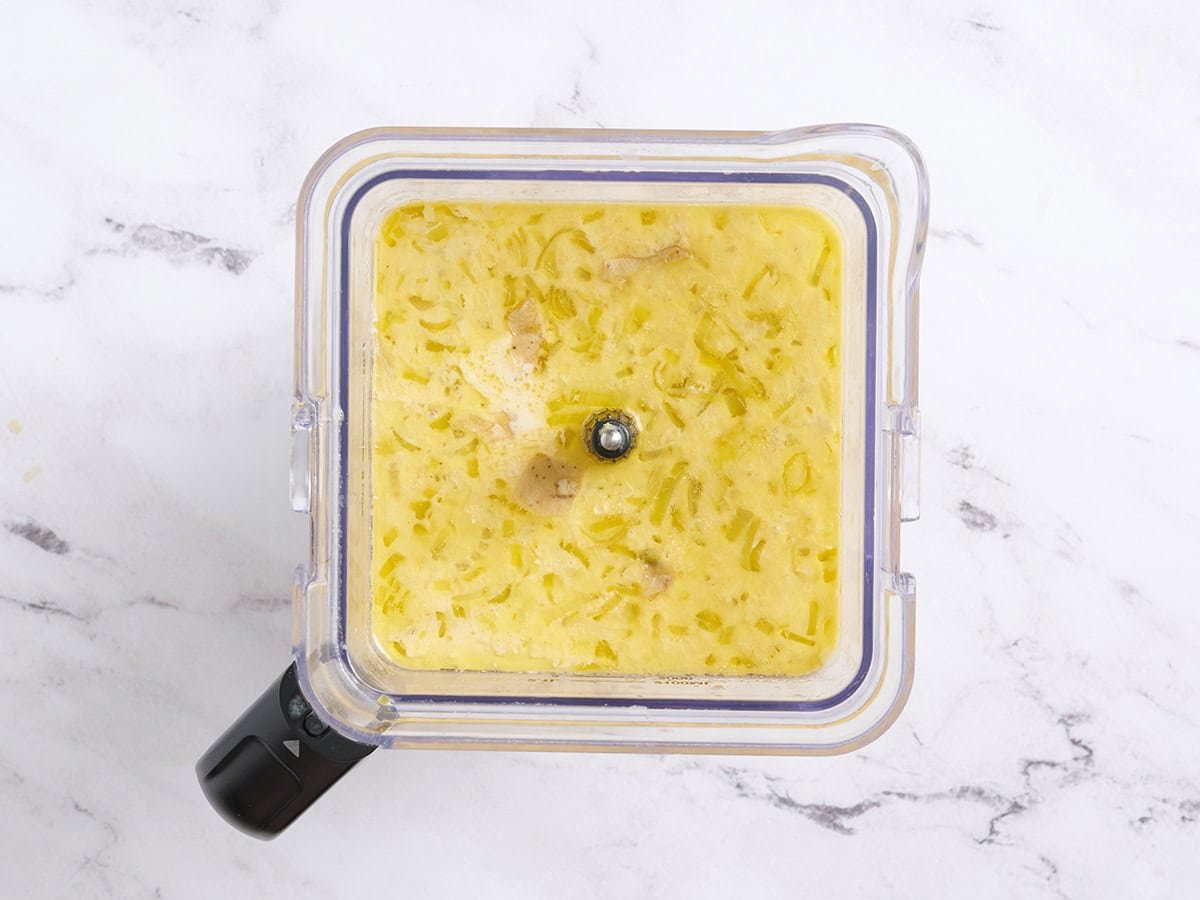
Furthermore, the emphasis on partial blending—where half the soup is pureed and half remains chunky—addresses a growing consumer preference for varied textures in liquid meals. This "best of both worlds" approach provides the silky mouthfeel of a bisque with the satiating "chew" of a rustic stew.

The implications for home food management are also significant. The recommendation to avoid freezing the soup due to the potential for the cream to separate and the potatoes to become grainy highlights a shift toward "batch cooking" for short-term consumption rather than long-term storage. This encourages more frequent, fresh meal preparation, which is often associated with better health outcomes compared to the consumption of highly processed frozen meals.
Conclusion and Future Outlook
The Potato Leek Soup methodology developed in Nashville represents a sophisticated balance of tradition and modern economic reality. By utilizing specific techniques such as whole-boiling, tempering, and partial blending, home cooks can achieve a restaurant-quality result for a fraction of the price. As winter continues to drive the demand for warming, cost-effective meals, the potato remains a central figure in the domestic kitchen.
Future developments in this space are expected to focus on further sodium reduction and the integration of alternative fats to cater to vegan or dairy-free demographics without sacrificing the "creamy" signature of the dish. For now, the $1.05 per serving Potato Leek Soup stands as a benchmark for what is possible when culinary expertise is applied to the challenge of budget-friendly living.
