
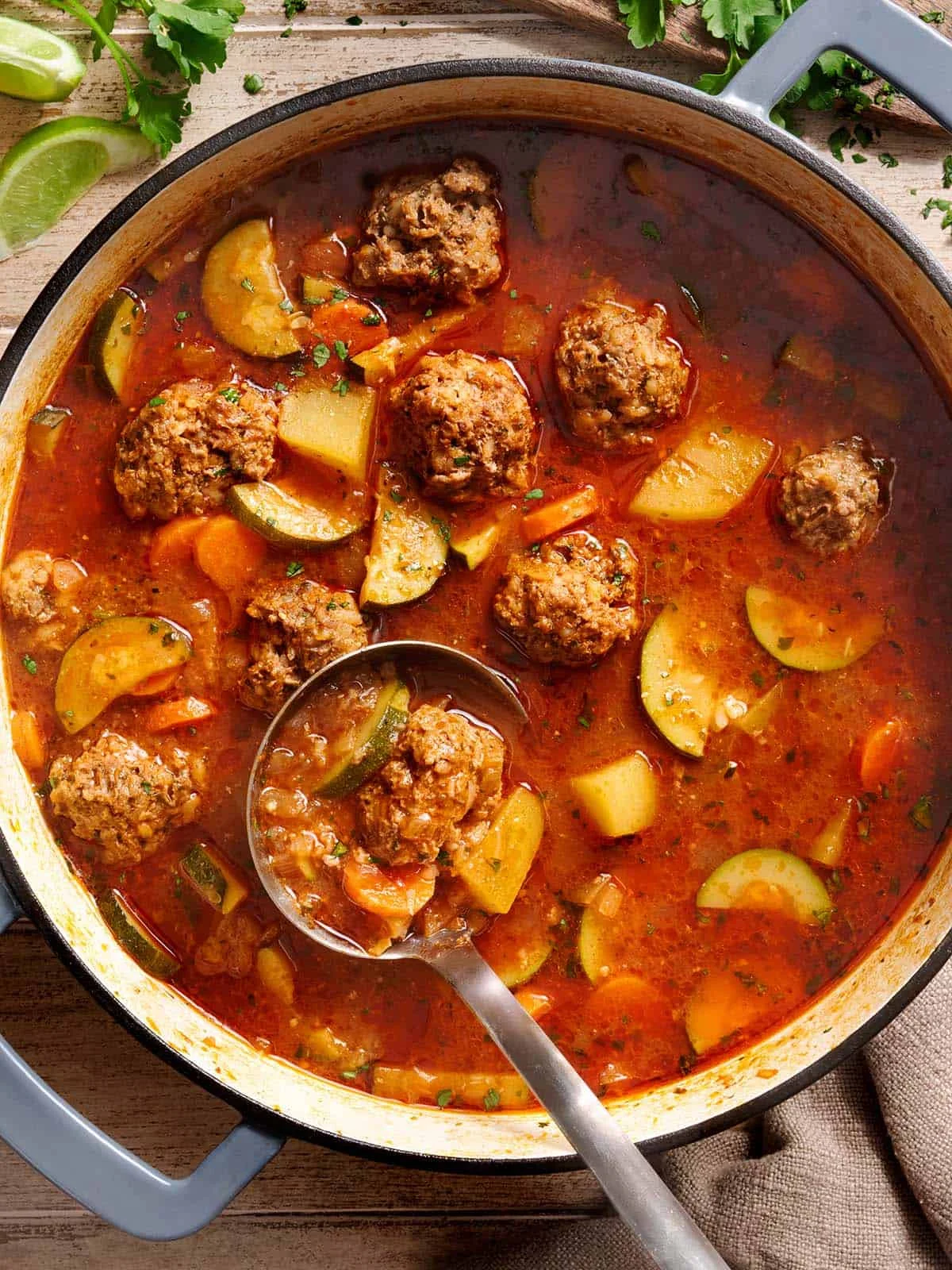
The traditional preparation of Mexican Meatball Soup, historically known as Albóndigas, represents a complex intersection of transcontinental culinary migration, nutritional efficiency, and modern economic adaptability. As domestic food costs continue to fluctuate globally, the resurgence of hearty, broth-based meals has become a focal point for culinary researchers and home economists alike. This specific iteration of the dish, rigorously analyzed and documented within the Nashville Test Kitchen, emphasizes the use of uncooked rice as a structural binder—a technique that serves the dual purpose of maintaining gluten-free dietary standards while significantly reducing the overhead costs associated with processed fillers such as breadcrumbs.
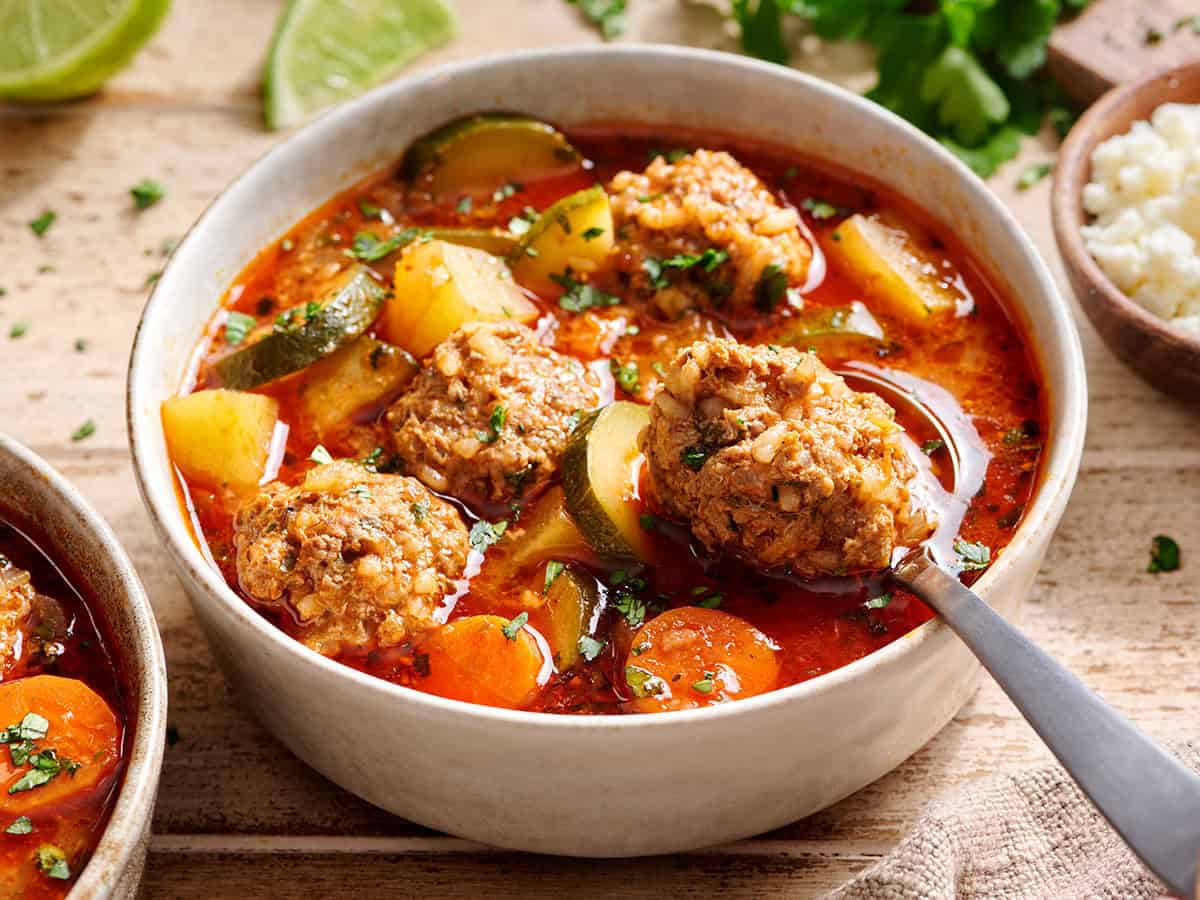
Historical Origins and Etymological Lineage
The term "albóndiga" is derived from the Arabic word al-bunduq, which translates literally to "the hazelnut" or, by extension, a small, round object. This etymological root provides a direct link to the Islamic influence in the Iberian Peninsula during the era of Al-Andalus. Historians note that the concept of the spiced meatball was introduced to Spain by the Moors, where it was subsequently integrated into Spanish cuisine. Following the Spanish conquest of the Americas, the dish underwent a secondary transformation in Mexico.
In its Mexican evolution, the meatball transitioned from a standalone protein or a tapas-style offering into the centerpiece of a "sopa completa" or a complete meal soup. The introduction of indigenous New World ingredients, such as tomatoes, squash (zucchini), and potatoes, further localized the dish. Today, Albóndigas soup is recognized as a staple of Mexican home cooking, valued for its ability to stretch a modest amount of animal protein across multiple servings through the addition of abundant vegetables and a nutrient-dense broth.
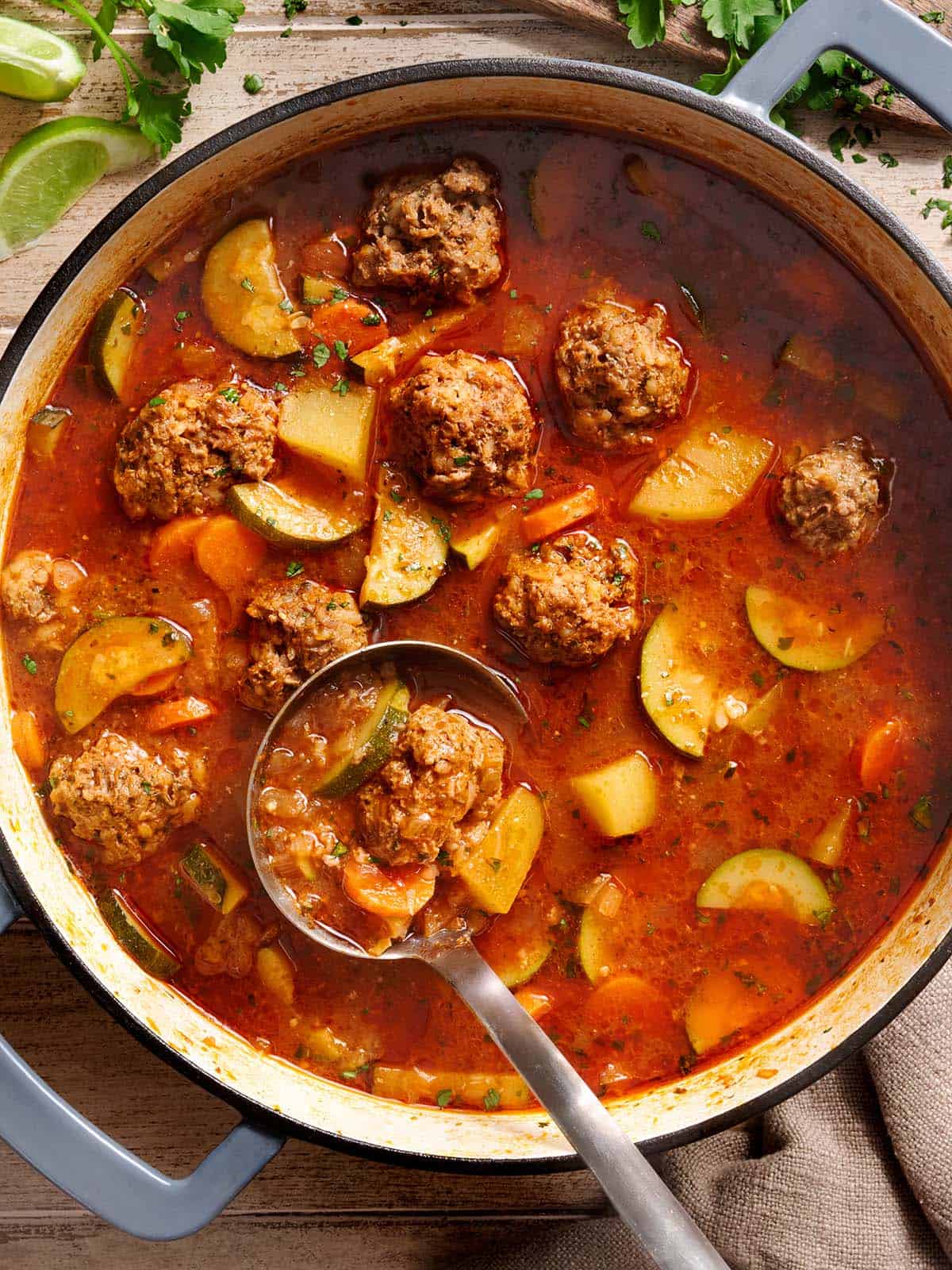
Technical Analysis of the Preparation Process
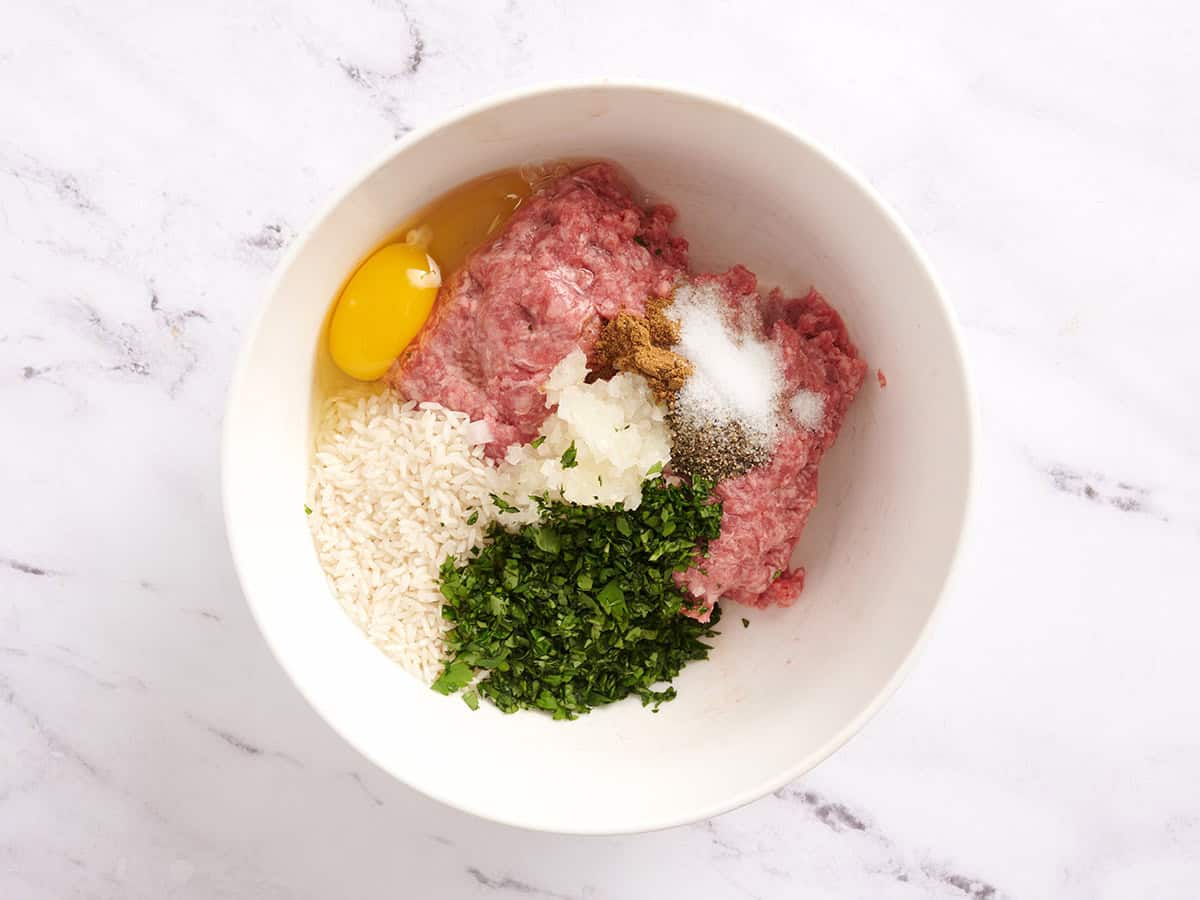
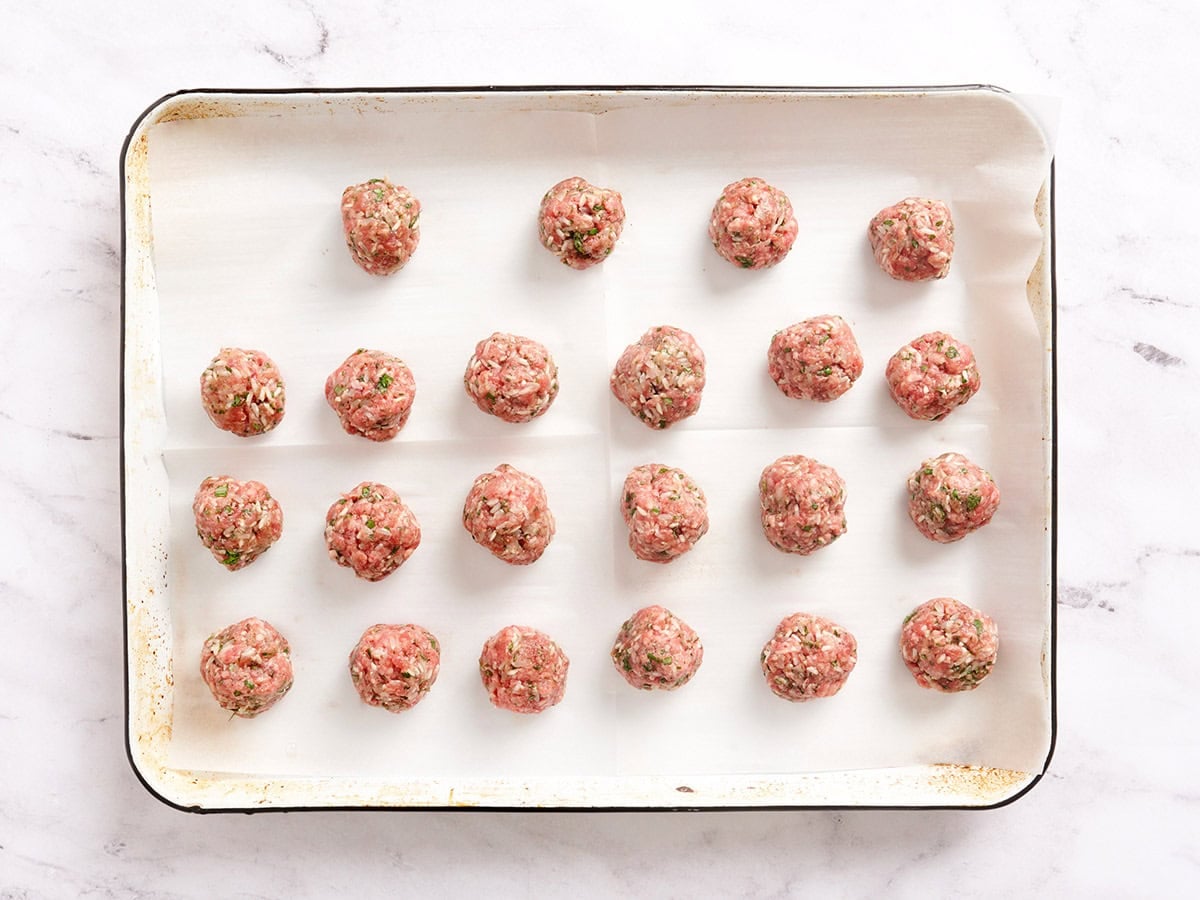
The contemporary standardized recipe for Mexican Meatball Soup involves a multi-stage culinary procedure designed to maximize flavor extraction and structural integrity. The process begins with the synthesis of the meatballs, which utilize a 1-lb. base of ground beef. Unlike European variants that often employ soaked bread, the Mexican tradition utilizes approximately half a cup of uncooked white rice. This choice is significant from a food science perspective; as the meatballs simmer, the rice absorbs the surrounding juices, expanding to create a tender, aerated texture that prevents the protein from becoming overly dense or tough.
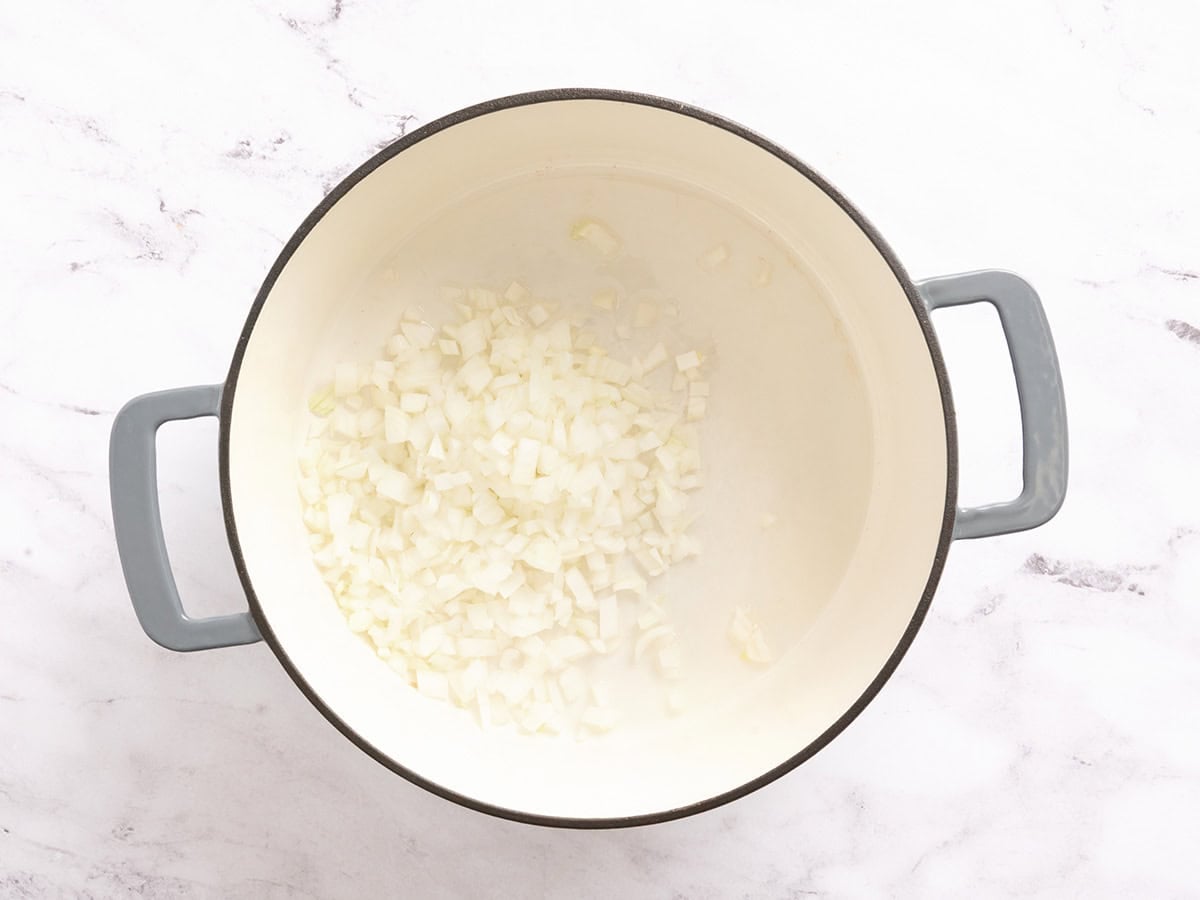
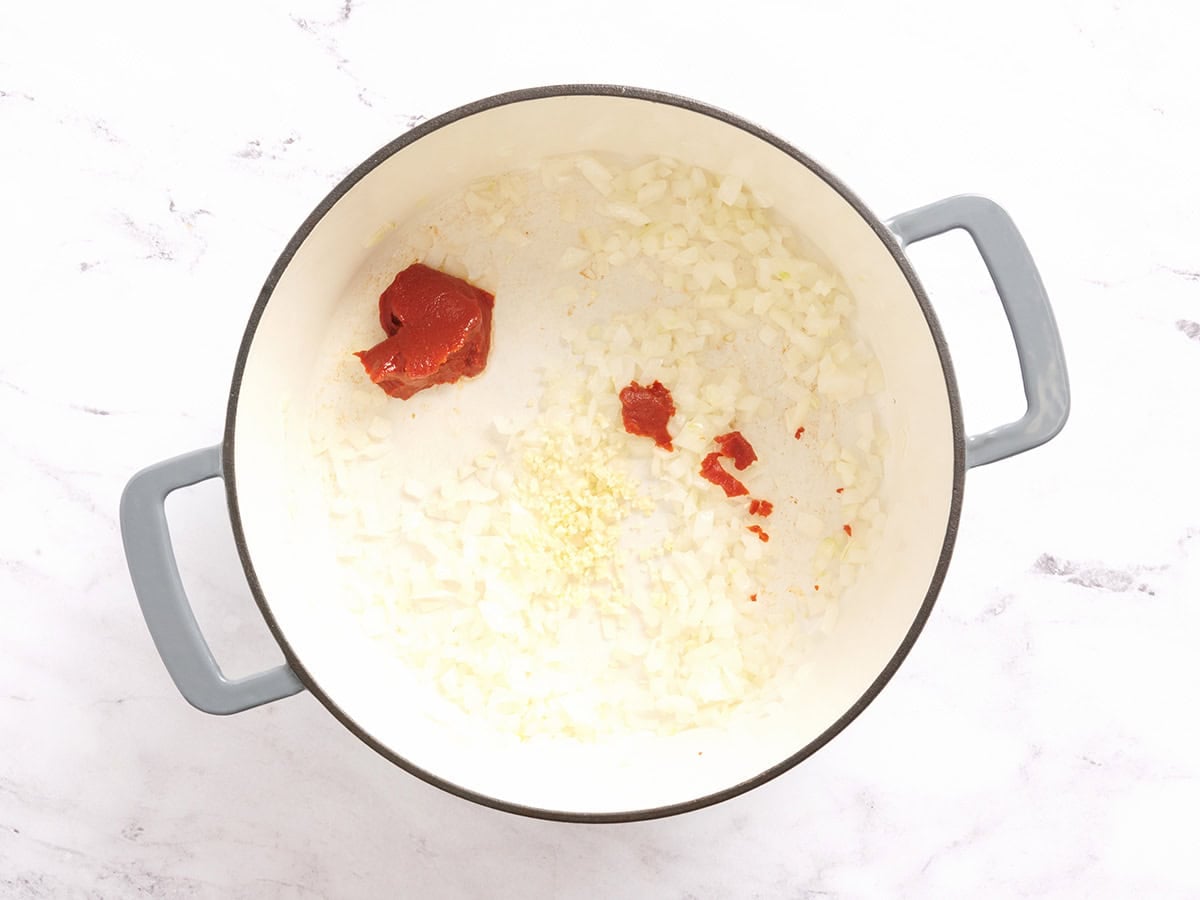
The aromatic foundation of the soup is constructed through the sautéing of diced onions and minced garlic in a lipid base, followed by the introduction of tomato paste. The "blooming" of tomato paste—allowing it to cook until it deepens in color—is a critical step for neutralizing the acidity of the fruit and developing umami depth. This base is then deglazed with a combination of beef broth and tomato sauce, creating a complex liquid medium for the subsequent poaching of the meatballs and vegetables.
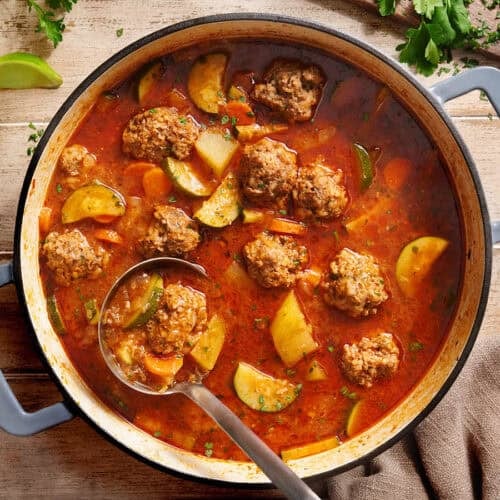
The chronology of ingredient integration is vital to the final texture of the dish. Harder root vegetables, specifically carrots and Yukon gold potatoes, are introduced early in the simmering process. The meatballs are then lowered into the simmering liquid individually. A mandatory five-minute "setting" period, during which the soup is not stirred, ensures that the external proteins of the meatballs denature and seal, preventing the spheres from disintegrating. The final addition of zucchini occurs in the last five minutes of cooking to prevent the over-softening of the marrow vegetable, maintaining a desirable "al dente" consistency.
Economic Breakdown and Cost-Efficiency Data
In an era characterized by rising grocery prices, the economic profile of Albóndigas soup presents a compelling case for meal-prep strategy. According to data provided by the Nashville Test Kitchen, the total cost for a six-serving batch of this soup is approximately $12.78. This translates to a unit cost of $2.13 per serving, significantly lower than the average cost of a commercially prepared fast-food meal or a processed frozen dinner.
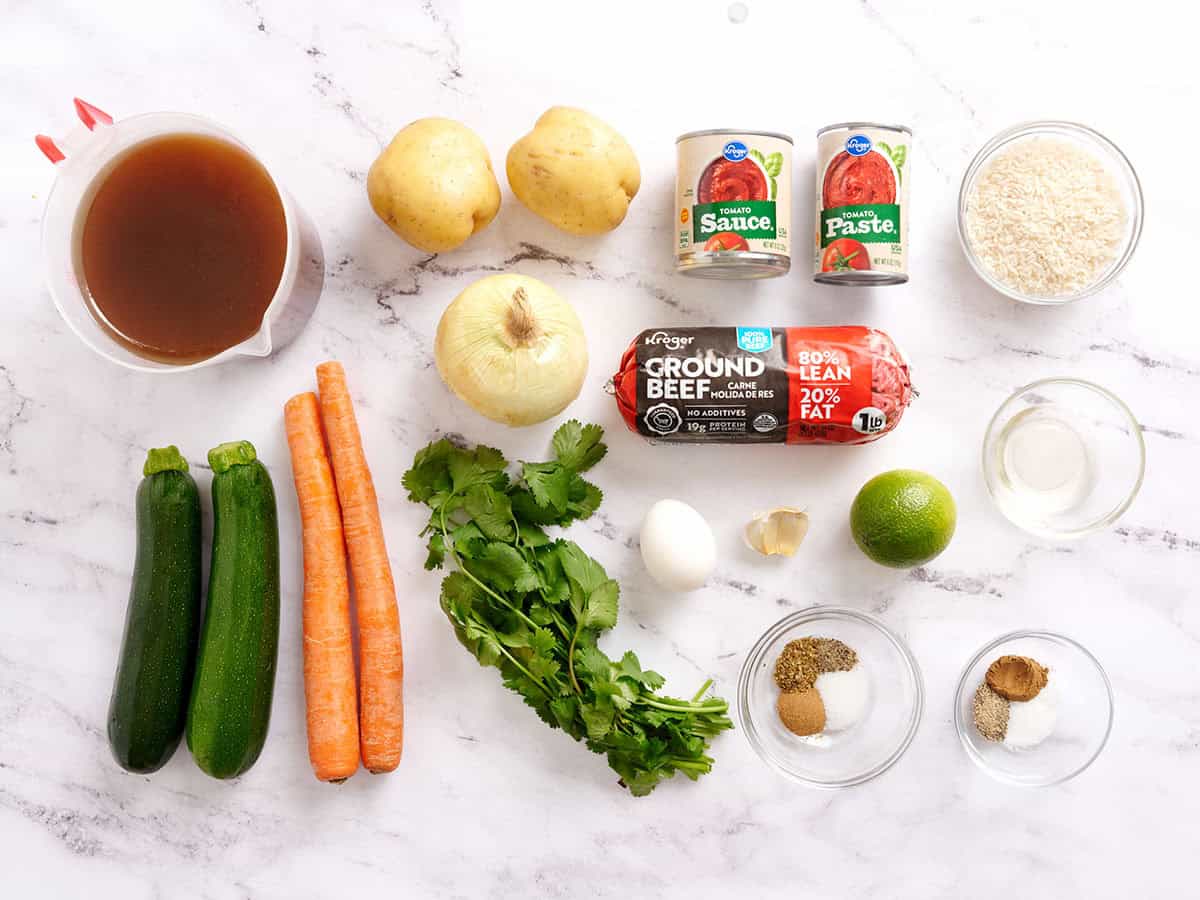
The affordability of the dish is largely attributed to the "pantry-staple" nature of its primary components. Rice, onions, carrots, and potatoes are among the lowest-cost items by weight in the modern supermarket. Furthermore, the recipe is designed to utilize "Better Than Bouillon" or similar concentrated bases, which offer a higher flavor-to-cost ratio than pre-packaged liquid stocks. The inclusion of approximately 21 grams of protein per serving ensures that the meal meets basic nutritional requirements for satiety without requiring excessive amounts of high-priced beef.
Nutritional Composition and Dietary Implications
A detailed nutritional analysis of the standardized Albóndigas soup reveals a profile tailored for high-energy replenishment, though it necessitates mindfulness regarding sodium intake. Each two-cup serving contains:
- Calories: 390 kcal
- Protein: 21g
- Carbohydrates: 33g
- Total Fat: 20g
- Fiber: 4g
- Sodium: 1799mg
The protein content, representing 42% of the recommended daily value, makes the soup a viable main course. The fiber content, derived from the carrot, zucchini, and potato skins, aids in digestive health. However, the sodium level—at 78% of the daily value per serving—is a significant factor. Dietitians suggest that for individuals on sodium-restricted diets, the use of low-sodium broths and the omission of added salt during the seasoning phase can mitigate these levels without compromising the dish’s fundamental character.
The use of rice as a binder renders the dish naturally gluten-free, making it an inclusive option for households managing Celiac disease or gluten sensitivities. Additionally, the inclusion of fresh lime juice at the conclusion of the cooking process provides a burst of Vitamin C and citric acid, which acts as a flavor enhancer, reducing the perceived need for additional salt.
Culinary Maturation and Storage Dynamics
One of the most notable characteristics of broth-based soups like Albóndigas is the phenomenon of flavor maturation over time. As the soup cools and sits, the spices—specifically cumin and oregano—undergo a process of diffusion, more thoroughly permeating the liquid and the protein. Simultaneously, the starches from the potatoes and rice slightly thicken the broth, leading to a more cohesive mouthfeel.
For this reason, the dish is frequently cited by culinary experts as an ideal candidate for meal-prepping. The soup can be safely refrigerated for three to four days or frozen for up to three months. When reheating, it is observed that the rice meatballs may continue to absorb liquid; thus, the addition of a small amount of water or additional broth is recommended to restore the original consistency.
Broader Impact and Cultural Significance
The enduring popularity of Mexican Meatball Soup in the United States and beyond reflects a broader trend toward "comfort food" that prioritizes wellness and authenticity. As a "one-pot meal," it reduces domestic labor and energy consumption, aligning with modern sustainability goals. Furthermore, the dish serves as a culinary bridge, connecting contemporary diners to centuries-old traditions of resourcefulness.
From a sociological perspective, the practice of serving Albóndigas with traditional accompaniments—such as warm corn tortillas, fresh cilantro, and queso fresco—reaffirms the importance of the communal dining experience. The versatility of the soup allows it to be adapted to various regional tastes, with some iterations including mint in the meatball mixture or chipotle peppers in the broth for added heat.
In conclusion, the Mexican Meatball Soup is more than a simple recipe; it is a testament to the resilience of traditional cooking methods in a modern economy. By balancing historical techniques with cost-conscious ingredient selection, it remains a premier example of how home-cooked meals can provide high nutritional value and cultural depth at a fraction of the cost of industrial food alternatives. As the Nashville Test Kitchen continues to refine these accessible recipes, the role of the "budget-friendly" kitchen remains essential in maintaining the health and heritage of the modern household.
