
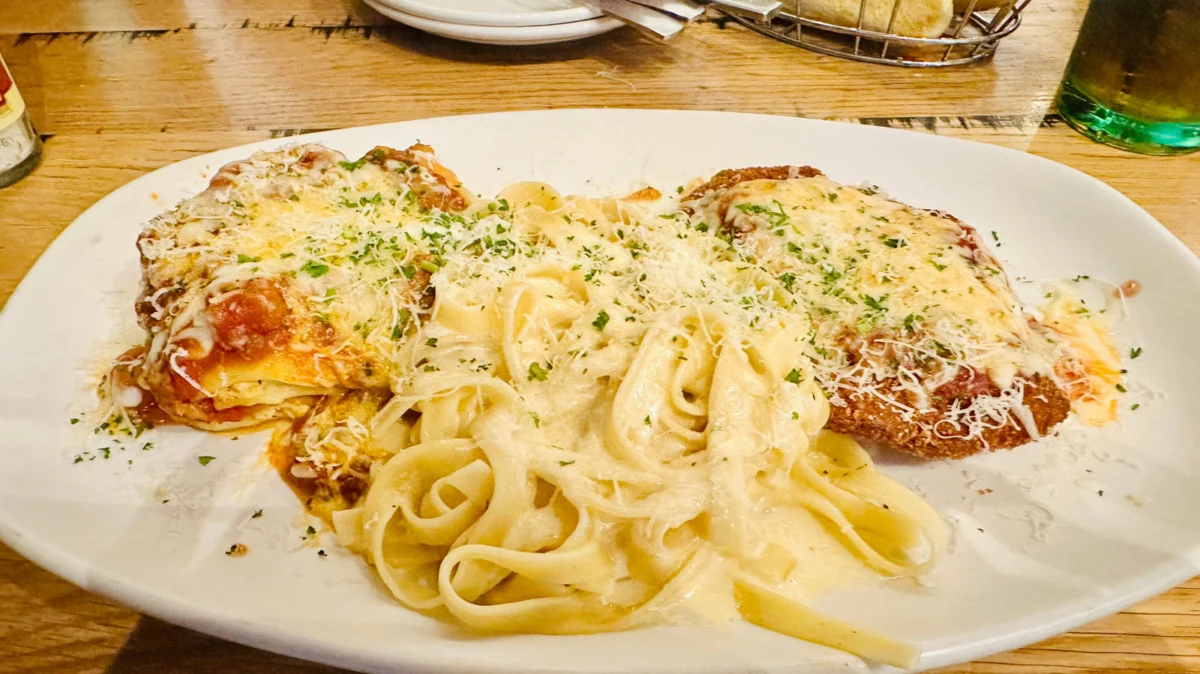
The highly anticipated return of Olive Garden’s Never-Ending Pasta Pass has ignited a firestorm of customer frustration, with many diners expressing strong suspicions that automated bots, rather than genuine enthusiasts, secured the coveted passes. The limited-edition offering, which grants holders 13 weeks of unlimited pasta, soup, salad, and breadsticks for a $100 fee, sold out rapidly, leaving a significant number of loyal customers locked out and questioning the fairness of the sales process. Online forums and social media platforms have been abuzz with complaints, detailing experiences of impossibly long digital queues and a swift sell-out that many deem highly improbable for human buyers alone.
The Never-Ending Pasta Pass, a promotional item that has not been available for six years, represents a significant value proposition for Olive Garden’s devoted customer base. For $100, patrons are entitled to an unlimited Never-Ending Pasta Bowl from August 31 to November 22 of this year. This popular deal allows diners to customize their pasta with a selection of Olive Garden’s signature sauces, pasta shapes, and toppings, all while enjoying their standard unlimited soup, salad, and breadsticks. The scarcity and perceived value of the pass created immense demand, transforming the online purchasing experience into a high-stakes race against time.
Initial reports from the online sales event painted a picture of widespread digital gridlock. Customers reported being placed in virtual queues with staggering numbers, some exceeding tens of thousands, with little to no movement for extended periods. One Reddit user, sharing their experience on the r/olivegarden subreddit, articulated the collective bewilderment: "Everyone I’ve seen online or any of my friends are 10-200k in line with no real Pasta Pass purchased. Has anyone actually gotten one?" This sentiment was echoed by numerous other users who claimed that despite attempting to purchase the pass immediately upon its release, they were met with persistent "joining queue" messages that discouraged refreshing, effectively trapping them in a digital holding pattern.
The frustration intensified as reports emerged of individuals who claimed to have bypassed the queue system entirely. One Redditor openly admitted to developing and employing a Python script to circumvent the waiting line, a revelation that further fueled suspicions of bot activity. This user’s admission, while potentially a testament to technical ingenuity, served as a stark illustration of the perceived inequity in the sales process, suggesting that automated tools could provide an unfair advantage over manual purchasing efforts.
The Scramble for Pasta Paradise: A Chronology of the Pass Sale
The timeline of the Olive Garden Never-Ending Pasta Pass sale is crucial to understanding the customer outcry. The promotion was announced with considerable anticipation, tapping into a nostalgia for a deal that had been absent for years. The exact date and time of the sale were communicated, allowing eager customers to prepare.
Pre-Sale Buzz: Leading up to the sale, social media and food blogs were filled with discussions about the return of the Pasta Pass, its value, and strategies for acquiring it. This built significant hype and a sense of urgency among potential buyers.
Sale Commencement: The online sale officially began on a specific date and time. This marked the moment when thousands of customers simultaneously attempted to access the Olive Garden website.
Queue Congestion: Almost immediately after the sale opened, customers reported encountering massive virtual queues. Initial queue positions for many were in the tens of thousands, indicating a high volume of traffic that quickly overwhelmed the system.
Extended Wait Times: Many users described waiting in these queues for hours. The lack of discernible progress and the sheer size of the queues led to widespread skepticism about the possibility of manual purchase.
Rapid Sell-Out: Despite the lengthy wait times for many, the Pasta Passes reportedly sold out extremely quickly. This rapid depletion, coupled with the queue issues, intensified accusations of bot involvement.
Post-Sale Frustration and Accusations: Following the sell-out, online communities became a hub for customers to share their negative experiences, express their disappointment, and voice their suspicions about automated purchases.
The Value Proposition: What the Pasta Pass Entails
The Never-Ending Pasta Pass offers a compelling economic proposition for regular Olive Garden patrons. Priced at $100, it provides unlimited access to the Never-Ending Pasta Bowl from August 31 through November 22, a period of approximately 12 weeks. The Never-Ending Pasta Bowl itself is a cornerstone of Olive Garden’s value-based offerings, allowing customers to choose from a variety of pasta types, sauces, and toppings.
The pasta options typically include:
- Pasta Types: Spaghetti, Fettuccine Alfredo, Angel Hair, Rigatoni.
- Sauces: Marinara, Alfredo, Five Cheese Marinara, Meat Sauce.
- Toppings: Italian Sausage, Meatballs, Grilled Chicken (often an upcharge for individual orders, but included in the pass).
Beyond the pasta, the pass includes the ubiquitous unlimited soup, salad, and breadsticks, which are a significant draw for many Olive Garden diners. For context, a single Never-Ending Pasta Bowl entrée typically costs around $14.99 to $19.99, depending on the specific pasta and sauce combination and any added proteins. Therefore, a customer who uses the pass for just seven to eight visits during the promotional period would essentially recoup their $100 investment. Frequent diners, especially those who enjoy multiple courses and take advantage of the breadsticks and salad, could see considerably higher savings.
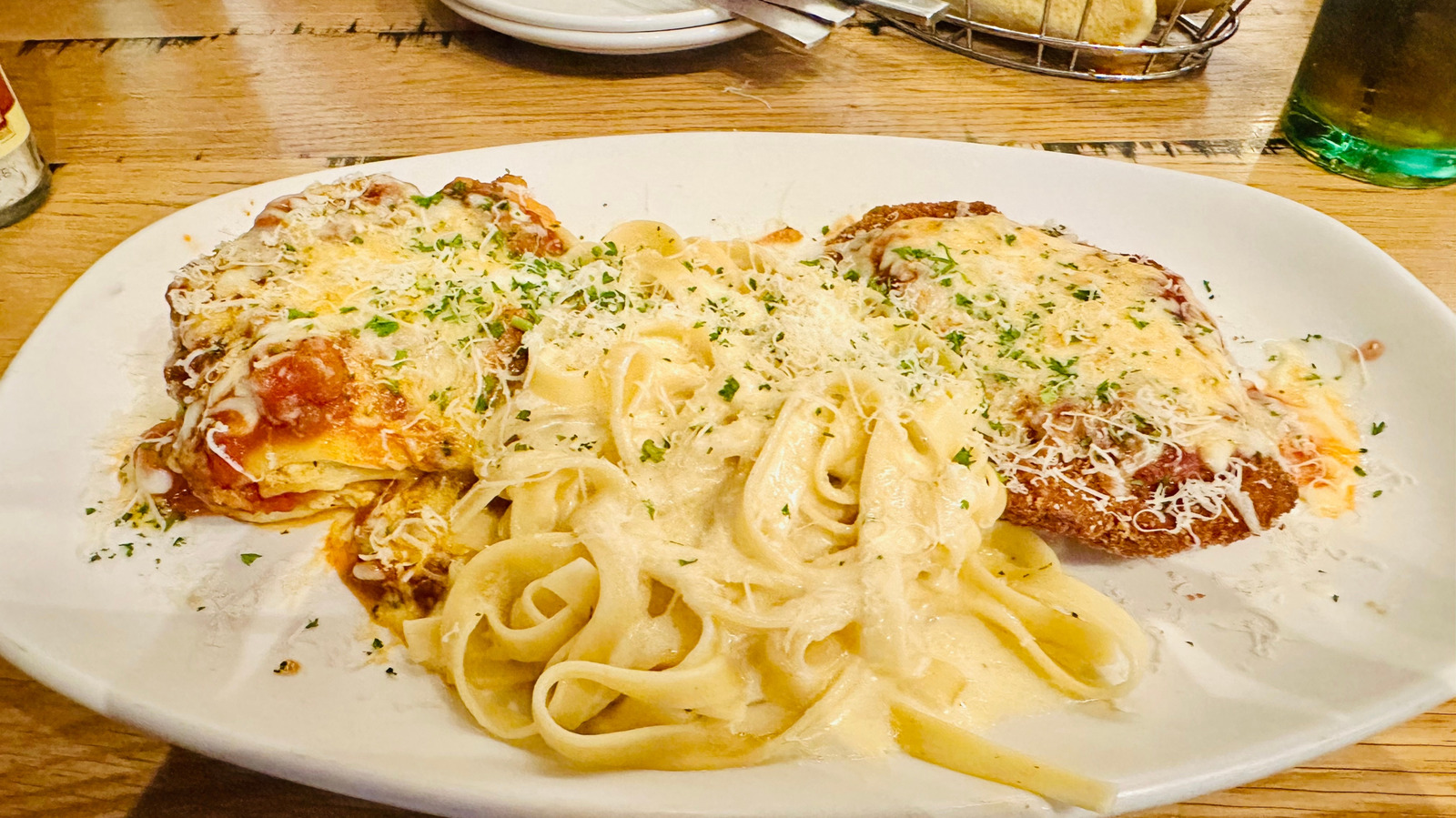
The fact that the pass was reintroduced after a six-year hiatus meant that a generation of new Olive Garden fans, alongside long-time aficionados, were eager to secure this deal. This pent-up demand, combined with the inherent value, created an environment ripe for intense competition.
Human Victories Amidst Bot Suspicions
Despite the widespread complaints, it is important to note that some customers did successfully navigate the system and secure a Never-Ending Pasta Pass. These individuals often shared their triumphs on social media, providing glimpses of hope amidst the general discontent.
One Reddit user, who initially found themselves in a queue position of 40,000, reported eventually securing a pass. Their jubilant announcement, "I was at 40k to start and just got my pass!!! Stay hungry my friends…," suggests that persistence, or perhaps a fortunate position in the queue, could lead to success.
Other users described employing more elaborate strategies. One individual explained how they and their family members utilized multiple devices and accounts to increase their chances. "I got it! Me, my brother, and my girlfriend all had three devices open and went with the best queue spot," they shared. "I went from 20k to get it, and my girlfriend went from 10k and got it!" This multi-pronged approach highlights the lengths to which some customers were willing to go to obtain the pass, indicating a significant desire to overcome the perceived systemic challenges.
These success stories, while encouraging for those involved, do little to quell the broader concerns about the fairness of the sales process for the majority of consumers who were left empty-handed.
Olive Garden’s Stance and the Underlying Promotion
In response to the growing customer concerns, Olive Garden has publicly addressed the integrity of their sales system. The company stated on Instagram, "We’ve built safeguards into the process to help ensure a fair experience. The system is designed to manage traffic, limit purchase quantities, and prevent behaviors like repeated refreshing from impacting access." This statement aims to reassure customers that measures are in place to prevent unfair advantages and ensure a level playing field.
However, a crucial detail that has emerged, and one that complicates the value proposition of the Pasta Pass, is the simultaneous existence of Olive Garden’s regular Never-Ending Pasta Bowl promotion. This in-restaurant promotion, running concurrently with the pass’s validity period (August 31 to November 22), offers a similar unlimited pasta experience starting at a much lower price point of $14.99.
This overlap raises questions about the true financial benefit of the Pasta Pass for less frequent visitors. If a customer only plans to visit Olive Garden a few times during the promotional window, the $100 cost of the pass might not be significantly more economical than simply ordering the Never-Ending Pasta Bowl at its regular price during the promotion. This redundancy has led some to question the strategy behind the pass’s reintroduction and its perceived diminishing returns.
Broader Implications and Future Considerations
The controversy surrounding the Olive Garden Pasta Pass sale has several implications for the restaurant chain and its customer relations.
Brand Perception: The perception of unfairness and the potential for bot activity can damage brand loyalty. Customers who feel that the system is rigged or that their efforts are futile may become disillusioned.
Customer Engagement: While the initial demand for the pass indicates strong customer interest, the negative experience of many could impact future engagement with limited-time offers.
Competitive Landscape: In an increasingly competitive casual dining market, customer trust and a seamless purchasing experience are paramount. Competitors may capitalize on any perceived missteps by Olive Garden.
Future Promotions: For future iterations of the Pasta Pass or similar high-demand promotions, Olive Garden may need to re-evaluate its sales strategy. This could involve implementing more robust anti-bot measures, staggering release times, utilizing lottery systems, or offering more transparency in the queueing process. The company might also consider differentiating the pass more significantly from regular promotions to ensure its perceived value remains high.
For those who missed out on the Never-Ending Pasta Pass, the option of Olive Garden’s Lifetime Pasta Pass might come to mind. However, this highly exclusive offer, with only 50 passes available at $500 each during its last run in 2019, represents an even more fiercely competitive scenario. If Olive Garden ever decides to reintroduce the Lifetime Pasta Pass, the demand and potential for similar issues are likely to be even more pronounced. The recent experience underscores the delicate balance between creating buzz for limited-time offers and ensuring an equitable and satisfying purchasing experience for all customers.
