
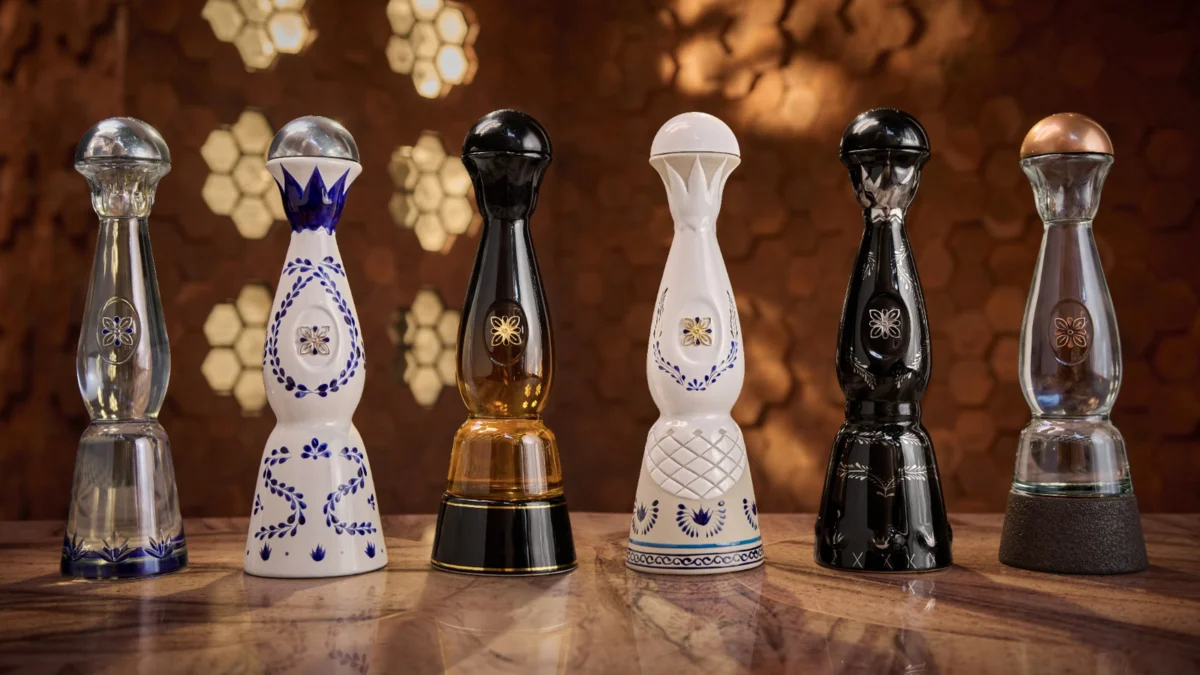
In the competitive landscape of premium spirits, Clase Azul Tequila has carved out a distinctive niche, transcending its status as a mere beverage to become a coveted object of art and a symbol of Mexican heritage. The brand’s signature cobalt blue decanters, a common sight on top shelves globally, have become synonymous with luxury and craftsmanship, drawing attention and admiration long before the tequila inside is even tasted. This phenomenon, where the vessel arguably garnishes as much, if not more, attention than the spirit it contains, begs the question: what truly elevates Clase Azul to collector-worthy status? It is a multifaceted answer, rooted in a profound dedication to artisanal production, a deep respect for cultural traditions, and a strategic approach to limited-edition releases that resonates with a discerning global clientele.
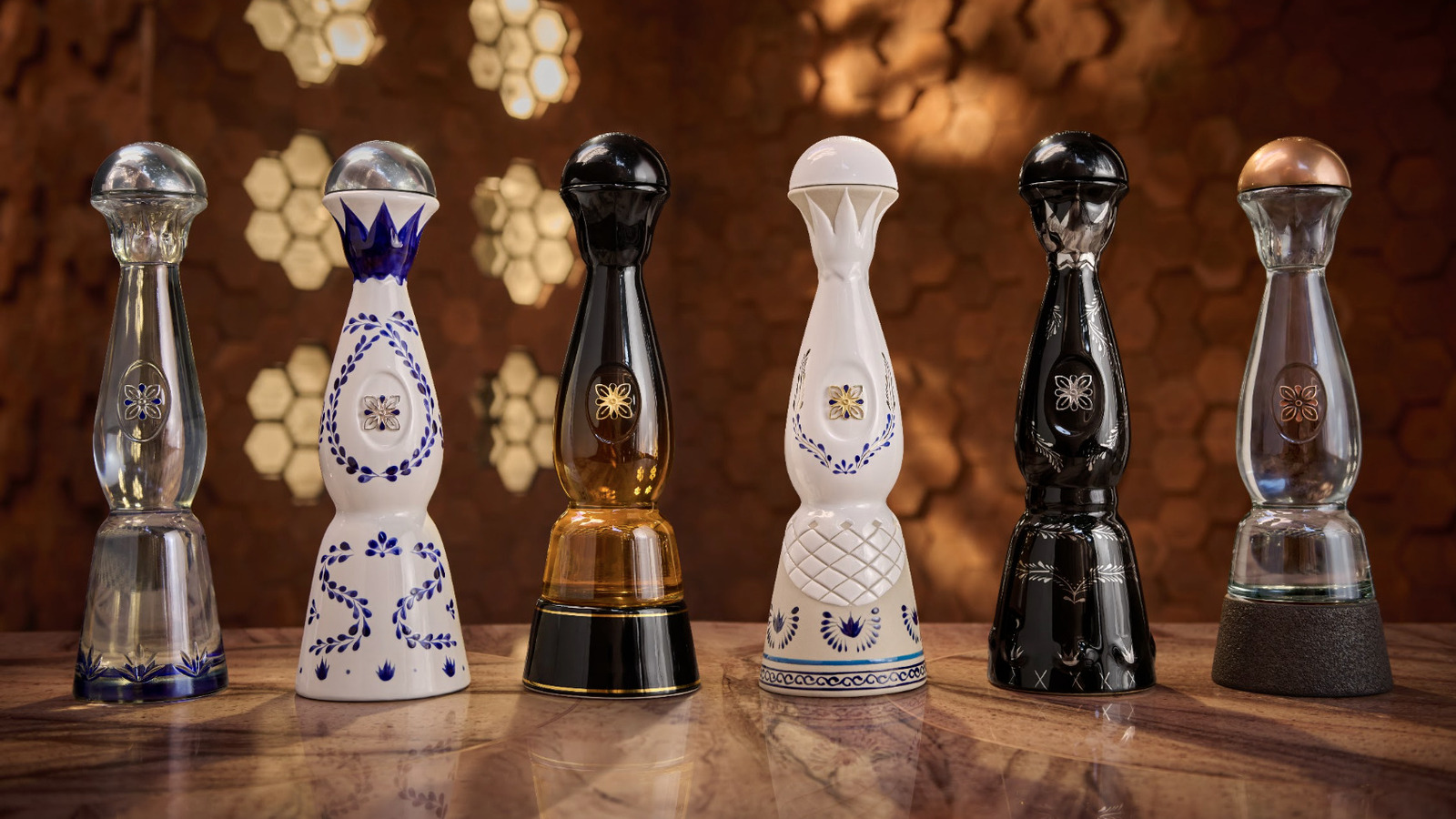
The striking visual identity of Clase Azul is undoubtedly its most immediate draw. The iconic reposado decanter, a hand-formed ceramic vessel adorned with a distinctive cobalt blue design, stands out on any bar. This aesthetic appeal is not accidental; it is the result of a meticulously orchestrated artistic process deeply embedded in Mexican artisanal traditions. Each decanter is not mass-produced but rather painstakingly crafted and painted by hand by a dedicated team of artists in Santa María Canchesda, Mexico. This commitment to manual artistry ensures that no two decanters are precisely alike, imbuing each bottle with an inherent uniqueness that appeals to collectors and connoisseurs alike. The intricate process, from the initial shaping of the ceramic to the final brushstrokes, can take up to two weeks from start to finish, underscoring the significant labor and skill involved. While the painting itself might take only a few hours for a seasoned artisan, the sheer dedication to detail and the transfer of generations of artistic knowledge are what imbue these bottles with their value.
Beyond the visual allure, the spirit within the decanter holds its own merit. Clase Azul Reposado, for instance, is aged for eight months in American whiskey casks. This aging process imparts a complex flavor profile, characterized by notes of cooked agave, bright orange, and subtle undertones of hazelnut, chocolate, cinnamon, and vanilla. This meticulous attention to the tequila’s quality ensures that the experience of consuming Clase Azul is as refined as its presentation. However, it is the confluence of this exceptional spirit and the extraordinary artistry of its packaging that solidifies its collector appeal.
The Art of the Decanter: A Fusion of Tradition and Innovation
Clase Azul’s approach to its bottles transcends mere packaging; it is a deliberate celebration of Mexican artistry and cultural heritage. The ceramic decanters are not simply containers but are formed using ancient Mazuaha techniques, a testament to the brand’s commitment to preserving traditional craftsmanship. This foundational respect for heritage is then layered with a modern sensibility, particularly in the creative direction and the empowerment of its artisans.
A significant aspect of Clase Azul’s production model is its emphasis on employing and empowering women. Predominantly female artists are at the forefront of painting the decanters, bringing their skill and artistry to each piece. This inclusive approach not only fosters a supportive work environment but also highlights the vital role of women in preserving and advancing traditional Mexican crafts. Clase Azul actively supports its artisans by providing essential resources such as childcare, school tuition, food, and transportation, fostering a stable and nurturing environment that allows for sustained artistic excellence.
The Creative Lab in Guadalajara, Mexico, serves as the epicenter of this artistic endeavor. Here, a multidisciplinary team collaborates to conceptualize and develop the aesthetic and narrative of each limited-edition design. This process, which begins long before the physical creation of the bottle, involves a deep dive into Mexican culture, history, and artistic expression. Sofia Solamente, Clase Azul’s Creative Director, articulates this vision: "The Creative Lab serves as a bridge between creativity and craftsmanship, where we continuously explore new materials, techniques, and possibilities while honoring traditional artisanal hand-made processes. This is where innovation and tradition come together, allowing us to create decanters that not only embody exceptional design but also carry a meaningful human touch and cultural narrative." This holistic approach, integrating conceptualization with tangible artistry, is a cornerstone of what makes Clase Azul bottles so compelling to collectors.
A Chronology of Craftsmanship and Collectibility
The genesis of Clase Azul’s collector appeal can be traced back to its inception. Founded on the principle that tequila is an extension of Mexican heritage and artistry, the brand’s commitment to this ethos was immediately evident in its inaugural white and blue decanter. This initial design, featuring the iconic cobalt blue, was a direct homage to the Blue Weber Agave used in its production and incorporated traditional motifs, with a central four-petaled flower symbolizing the sun. This reposado bottle, in essence, told a story of origin and tradition, setting the stage for what was to come.
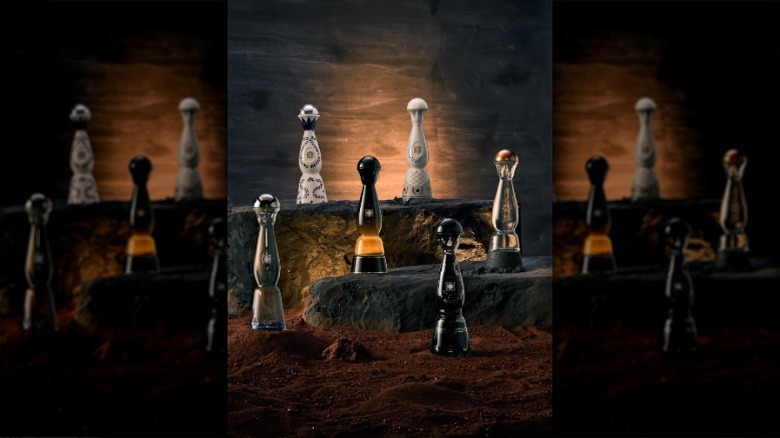
Over the years, Clase Azul has strategically leveraged its artisanal capabilities to produce a series of limited-edition releases. These special collections are not merely variations on a theme but are distinct artistic statements, often created in collaboration with different communities or celebrating specific regional crafts across Mexico. The production locations vary depending on the decanter’s design and the specialized skills of the artisans in a particular region. This geographical diversity further enriches the cultural narrative embedded within each bottle.
The rarity of these limited editions plays a crucial role in their collectibility. Releases produced in limited quantities, such as those made in volumes of 15, 100, or 300 pieces, are particularly sought after by collectors. The intricate nature of the designs and the time-intensive painting processes can vary significantly, with some limited editions requiring a few hours to paint, while others might take several days. This variability in production time and artistic complexity further enhances their exclusivity.
Data-Driven Appreciation: The Market for Clase Azul
The market’s response to Clase Azul’s collectible offerings has been overwhelmingly positive, with certain releases achieving significant recognition and value. While specific resale market data for every limited edition is proprietary, the consistent demand and high visibility of these bottles at auctions and among private collectors underscore their desirability. The brand’s ability to consistently deliver on both the quality of the tequila and the artistry of the decanter has cultivated a loyal following of both spirit enthusiasts and art collectors.
For instance, the "Puebla" and "Jalisco 200" limited editions have been cited by the brand as particularly memorable for their profound celebration of Mexican culture and craftsmanship. Furthermore, the "Master Artisans" collections are consistently highlighted as some of the most prized offerings. These collections, often featuring an extraordinary level of intricacy and showcasing the pinnacle of the artisans’ skills, attract collectors from across the globe. The appeal lies not only in the aesthetic beauty but also in the narrative of human touch and cultural significance that each bottle represents.
The strategic decision to invest heavily in artisanal production and unique design has yielded significant returns for Clase Azul. While a standard bottle of Clase Azul Reposado might retail for a premium price point, the limited editions often command substantially higher values, both at initial release and on the secondary market. This pricing strategy reflects the inherent value of handcrafted art and the exclusive nature of the product. The brand’s success demonstrates a keen understanding of how to marry a high-quality consumable product with a tangible, collectible art object, thereby creating a powerful market proposition.
Broader Impact and Implications: Craftsmanship as a Brand Differentiator
Clase Azul’s success story offers a compelling case study in how artisanal craftsmanship and cultural storytelling can be powerful differentiators in a crowded marketplace. By prioritizing hand-made production and imbuing its products with deep cultural narratives, the brand has transcended the typical product lifecycle of a spirit. Its bottles are not merely consumed and discarded; they are cherished, displayed, and often passed down as heirlooms or valuable collector’s items.
The brand’s commitment to supporting its local artisan community, particularly women, also has broader social and economic implications. By providing stable employment, fair wages, and support services, Clase Azul contributes to the economic empowerment of its workforce and the preservation of traditional crafts. This ethical dimension adds another layer of value and appeal for consumers who are increasingly conscious of the social impact of their purchasing decisions.
In conclusion, the collector-worthiness of Clase Azul Tequila is a multifaceted phenomenon. It is driven by the exceptional quality of the tequila itself, the unparalleled artistry and uniqueness of its hand-crafted ceramic decanters, and a profound connection to Mexican cultural heritage. The brand’s strategic approach to limited editions, combined with its commitment to artisanal excellence and social responsibility, has cemented its position not just as a premium tequila producer, but as a purveyor of collectible art. Each bottle tells a story, a testament to the enduring power of human touch, tradition, and innovation in creating objects of lasting value and desirability.
