
The Evolution of the Mississippi Flavor Profile
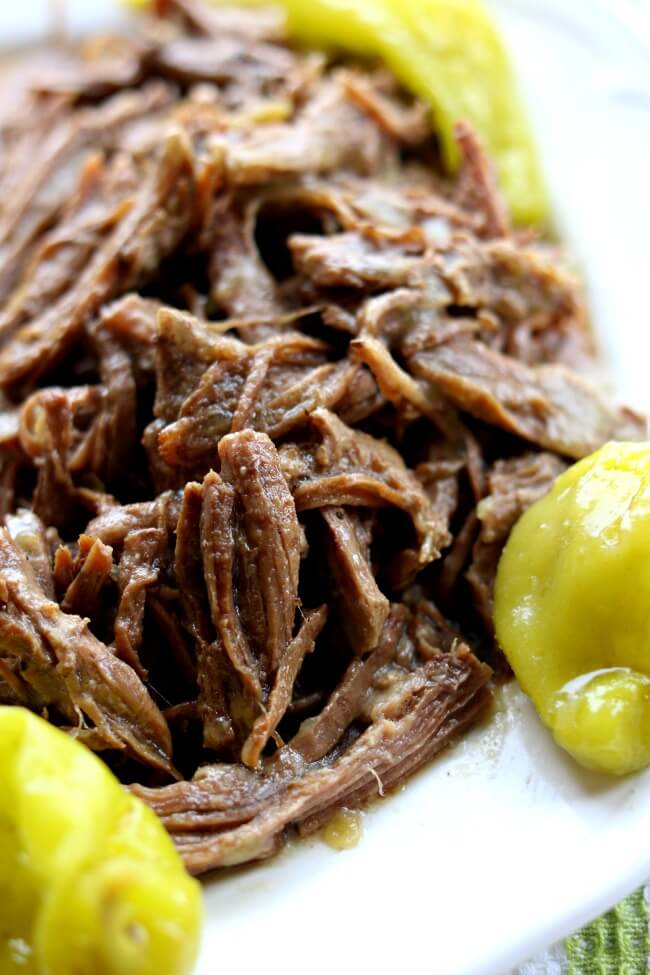
The origins of the "Mississippi" flavor profile can be traced back to the late 1990s in Ripley, Mississippi. The original recipe, known as the Mississippi Roast, was created by Robin Chapman, who sought to adapt a family recipe to be less spicy for her children. Her version, which famously included a chuck roast, a packet of ranch dressing mix, a packet of au jus mix, a stick of butter, and a handful of pepperoncinis, eventually found its way into a church cookbook.
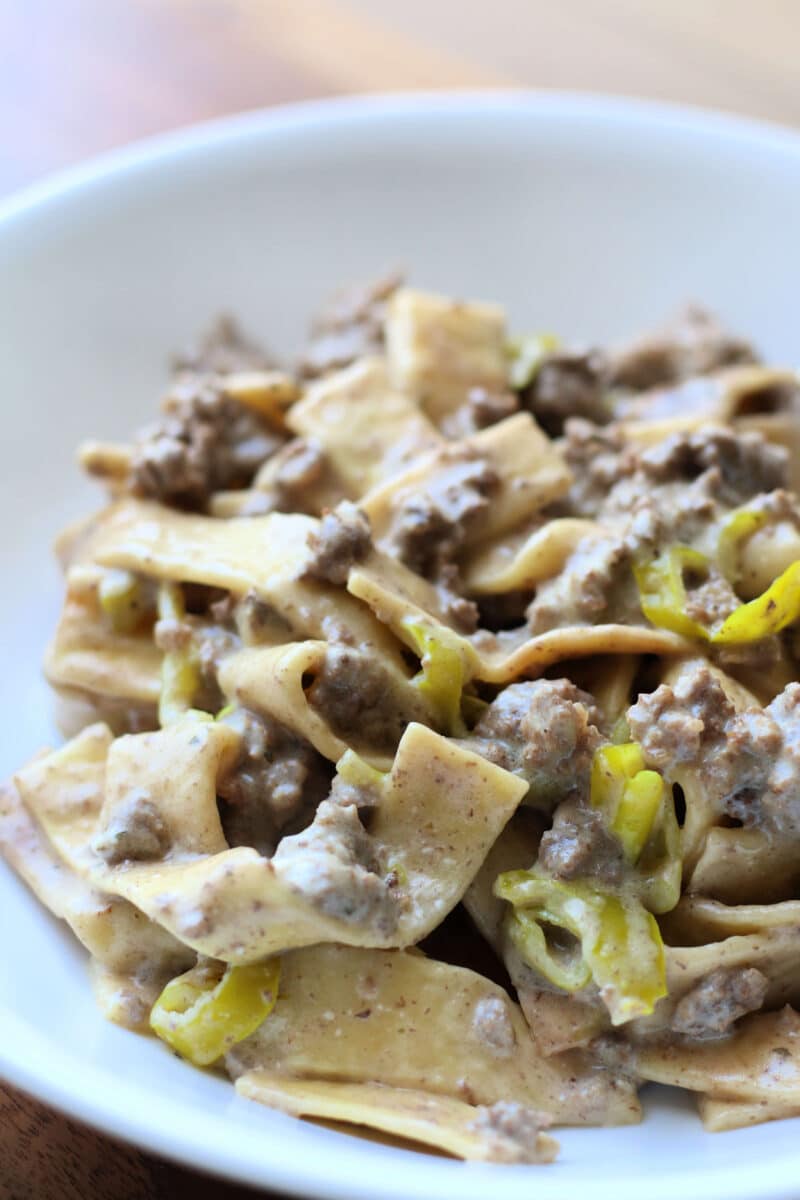
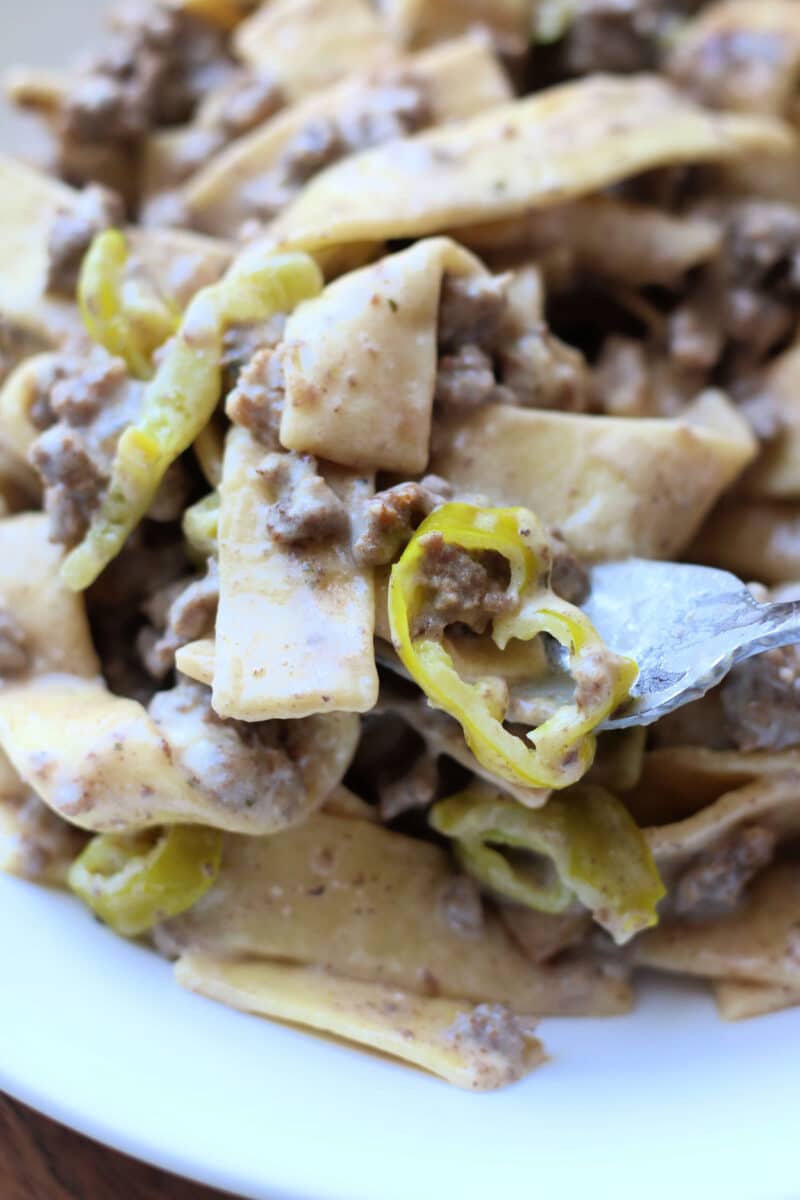
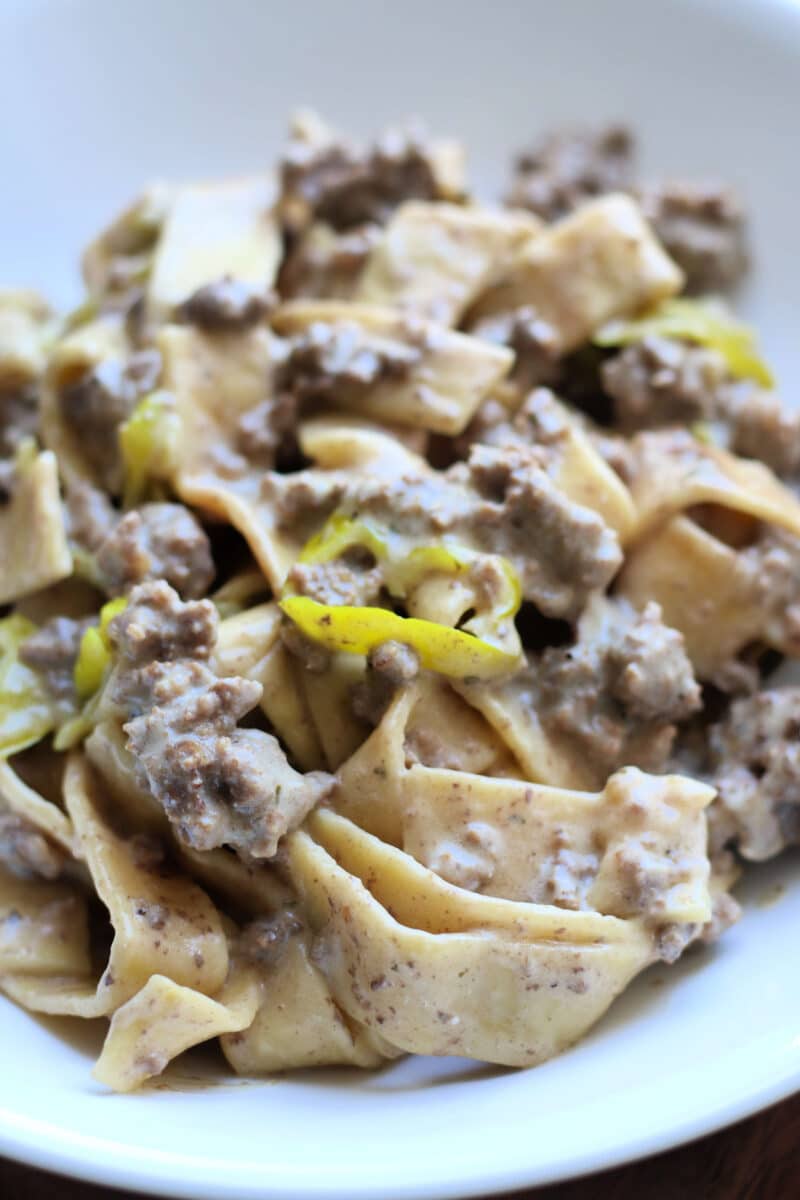
With the advent of social media and recipe-sharing platforms like Pinterest and Facebook, the recipe experienced a meteoric rise in popularity during the 2010s. It became known as "The Roast That Ate the Internet," eventually being featured in the New York Times and becoming a staple of American slow-cooker culture. The Classic Mississippi Beef Casserole is the latest iteration of this trend, transitioning the flavor profile from a heavy roast-and-potatoes meal into a more versatile, pasta-based dish.
Technical Execution and Methodology
The transition from a slow-cooked roast to an Instant Pot casserole requires specific technical adjustments to ensure ingredient integrity. Unlike the original roast, which relies on the long-term breakdown of collagen in chuck meat, the casserole utilizes ground beef for immediate tenderness and fat distribution.
The Sauté and Deglazing Phase
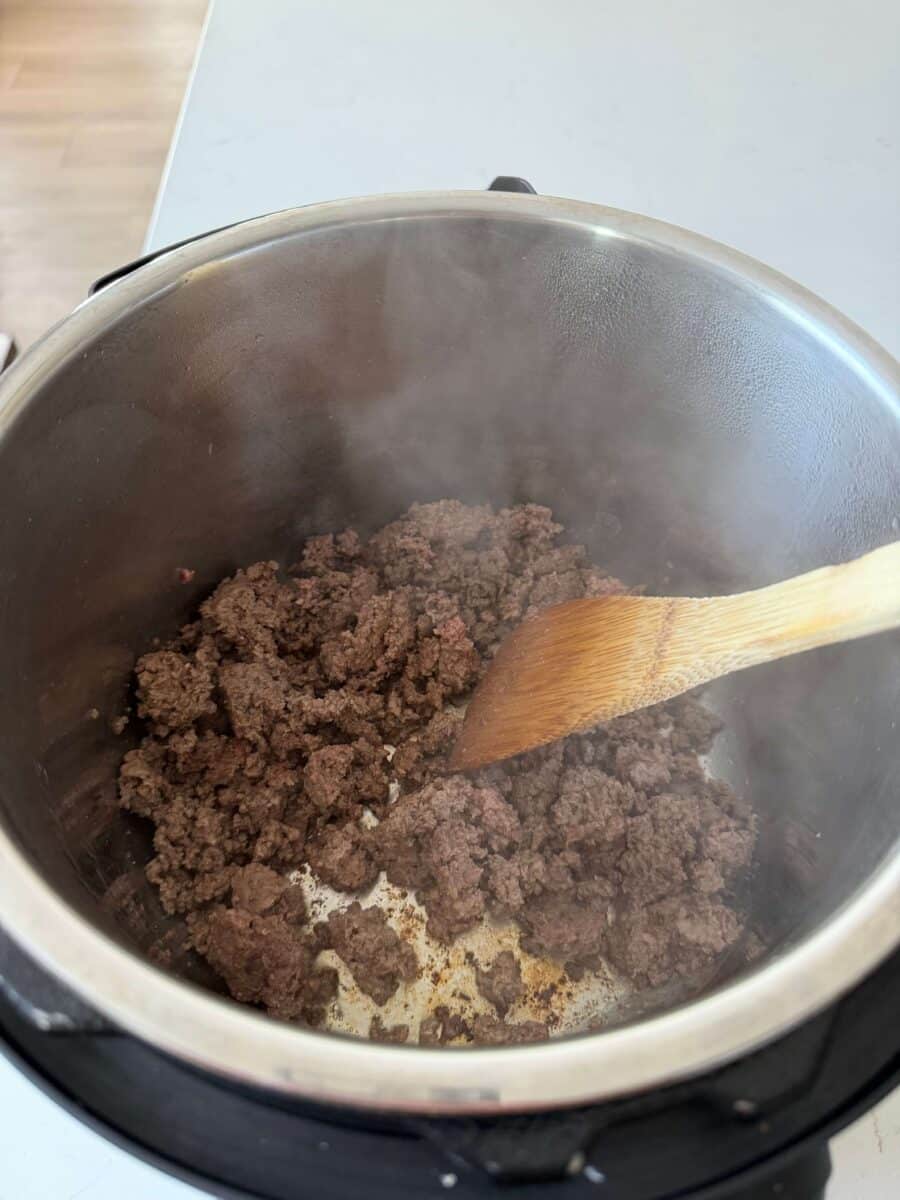
The process begins with the "Sauté" function of the pressure cooker. Ground beef is browned for approximately five minutes, a step crucial for the Maillard reaction, which develops the savory depth of the dish. Following the browning, the removal of excess grease is a vital step in managing the final texture and caloric density of the sauce. The introduction of ranch dressing mix at this stage allows the herbs and buttermilk solids to bloom in the residual heat.
A critical technical requirement for Instant Pot cooking is the deglazing of the inner pot. After browning the beef, water is added to scrape the bottom of the pot. This prevents the "Burn" error—a common issue in high-pressure cooking where scorched food particles on the heating element trigger a safety shutdown.
Pressure Cooking and Emulsification
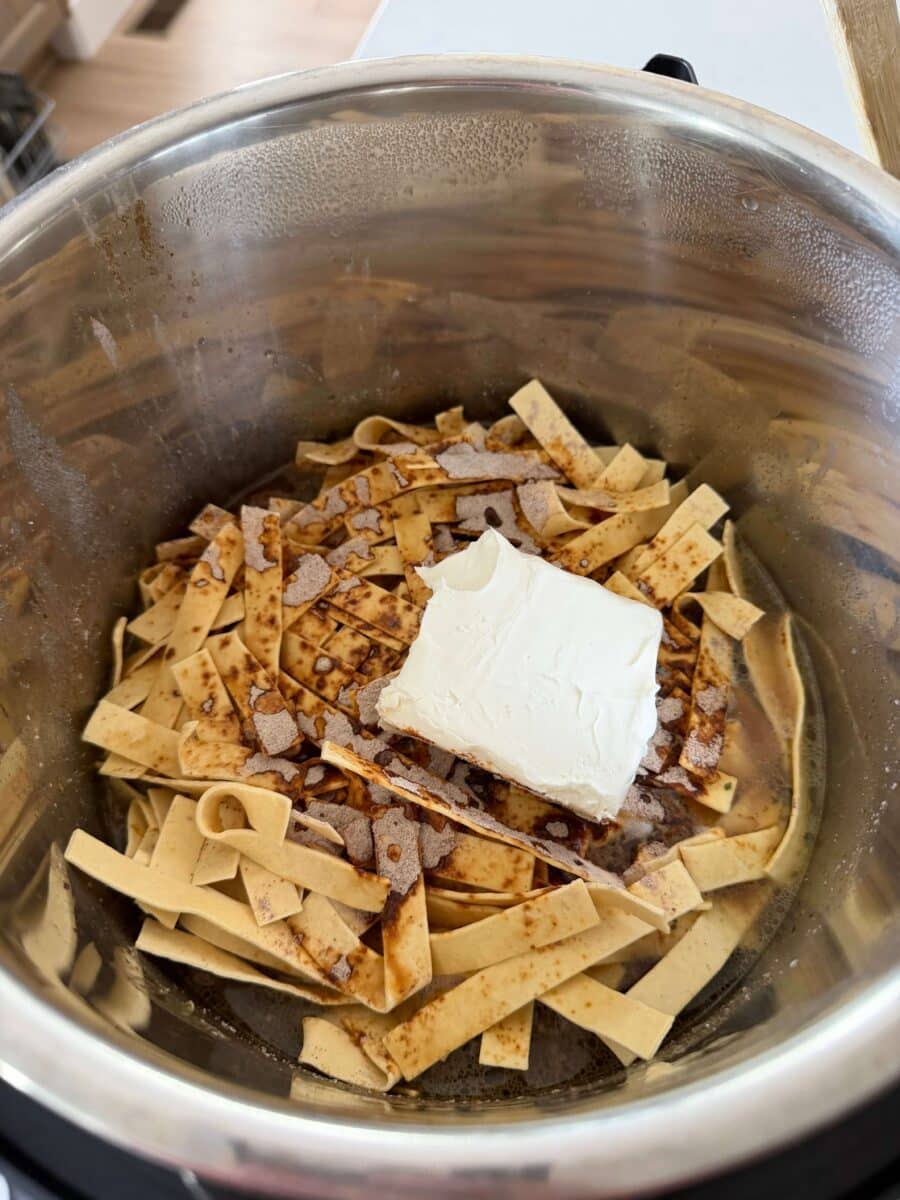
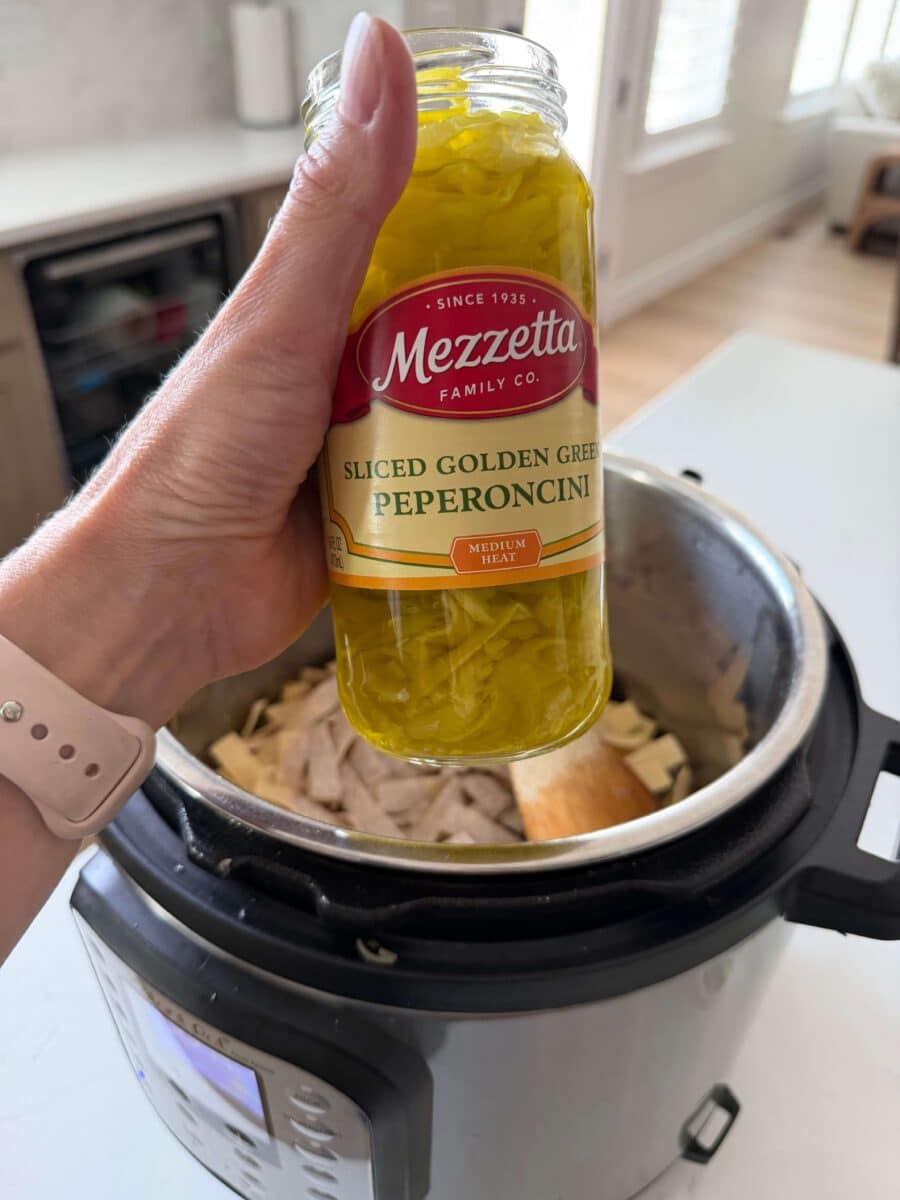
The assembly of the casserole involves layering au jus, pepperoncini juice, and egg noodles over the beef base. The choice of noodles is significant; culinary experts recommend "old-fashioned wide egg noodles" because their thickness allows them to withstand high-pressure steam without becoming over-saturated or losing structural integrity.
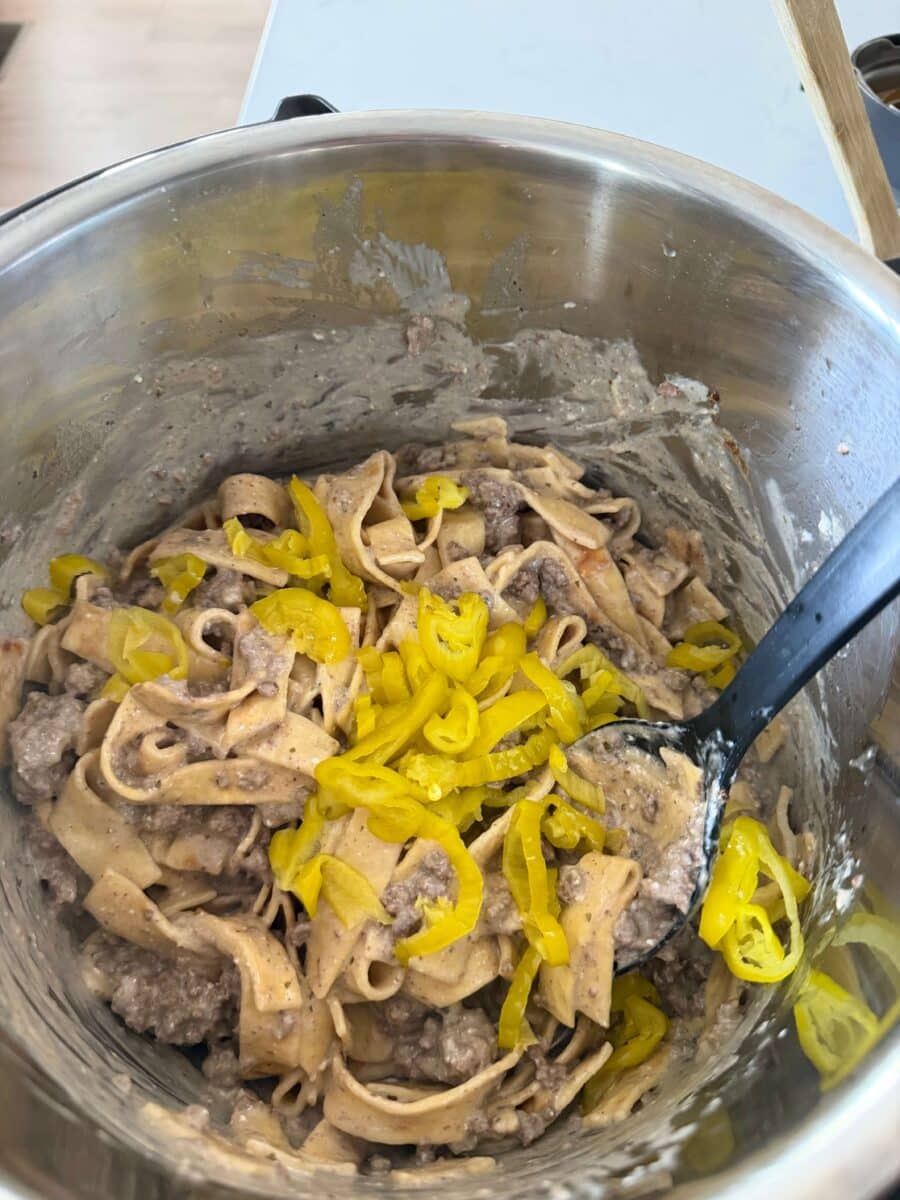
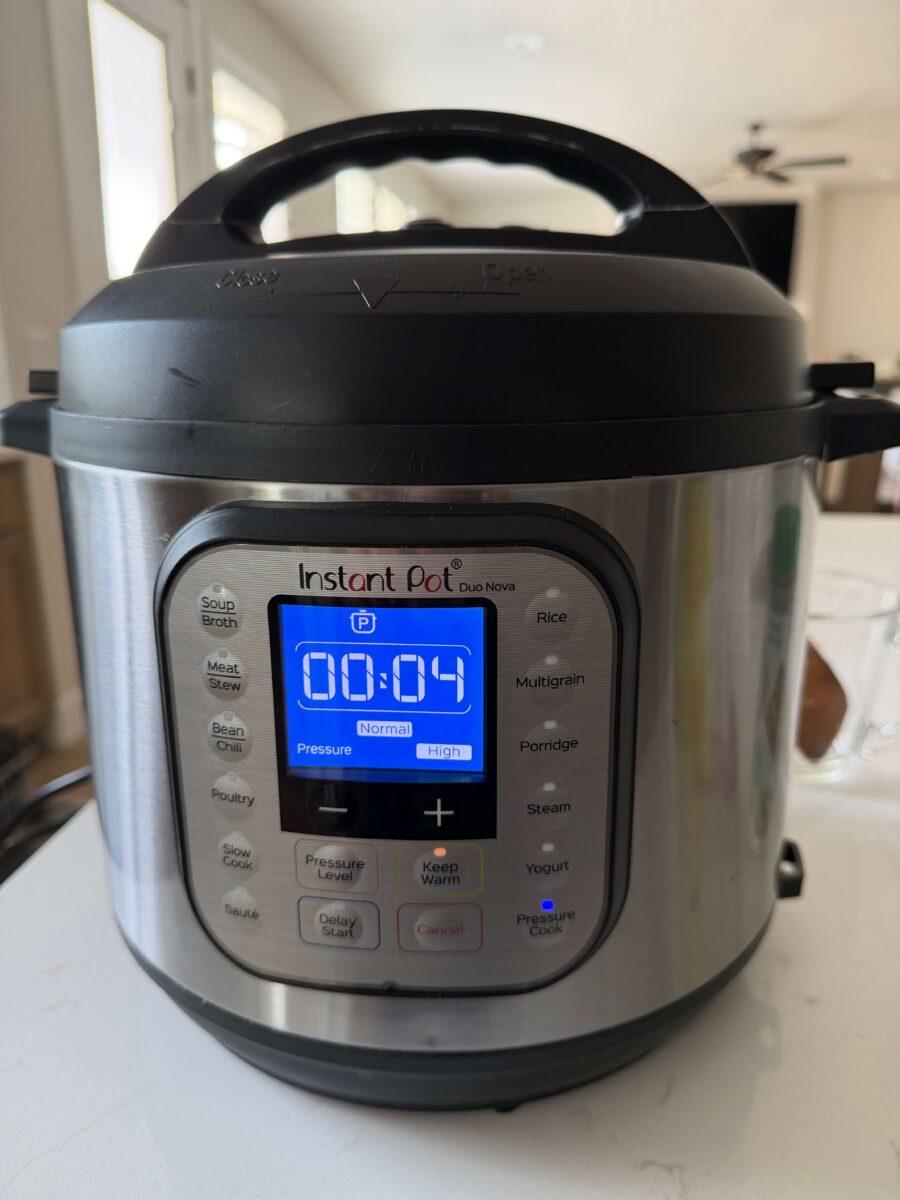
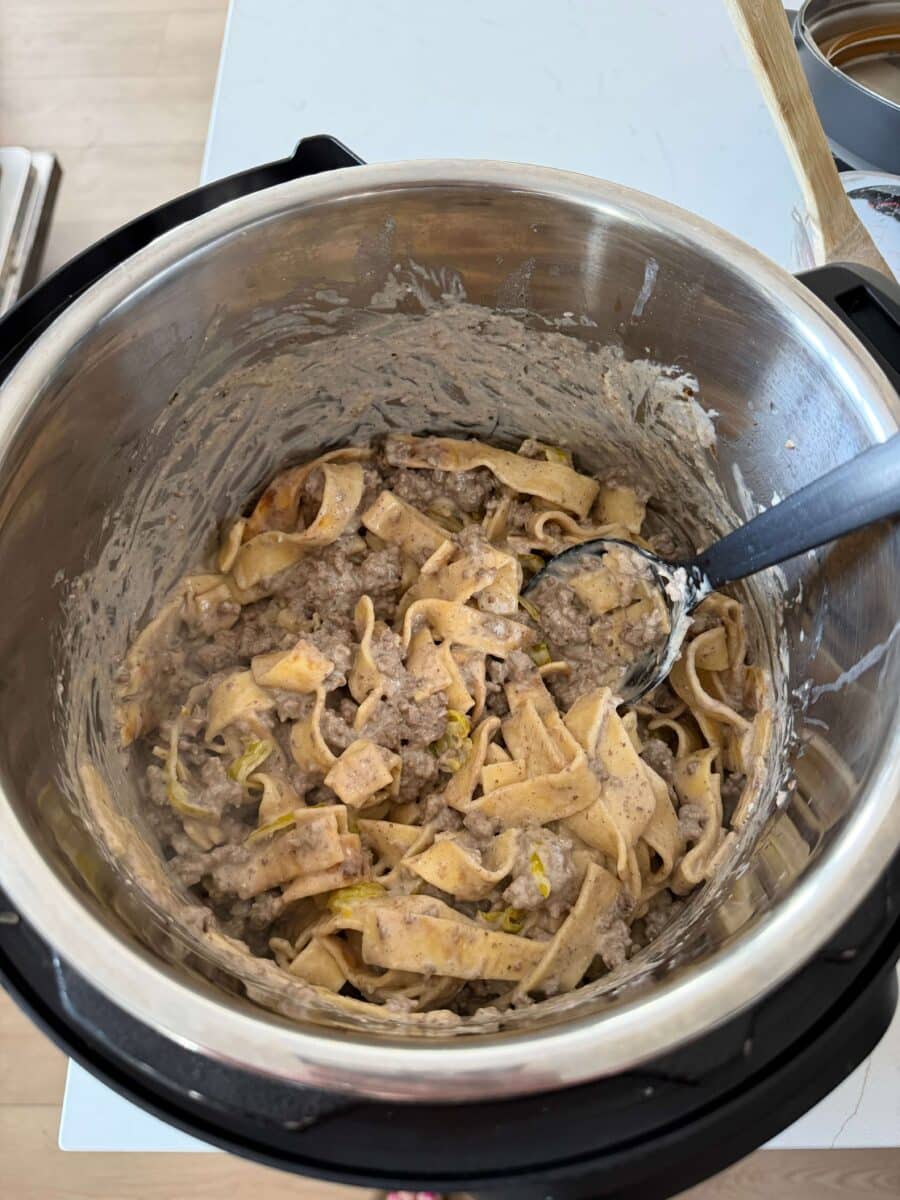
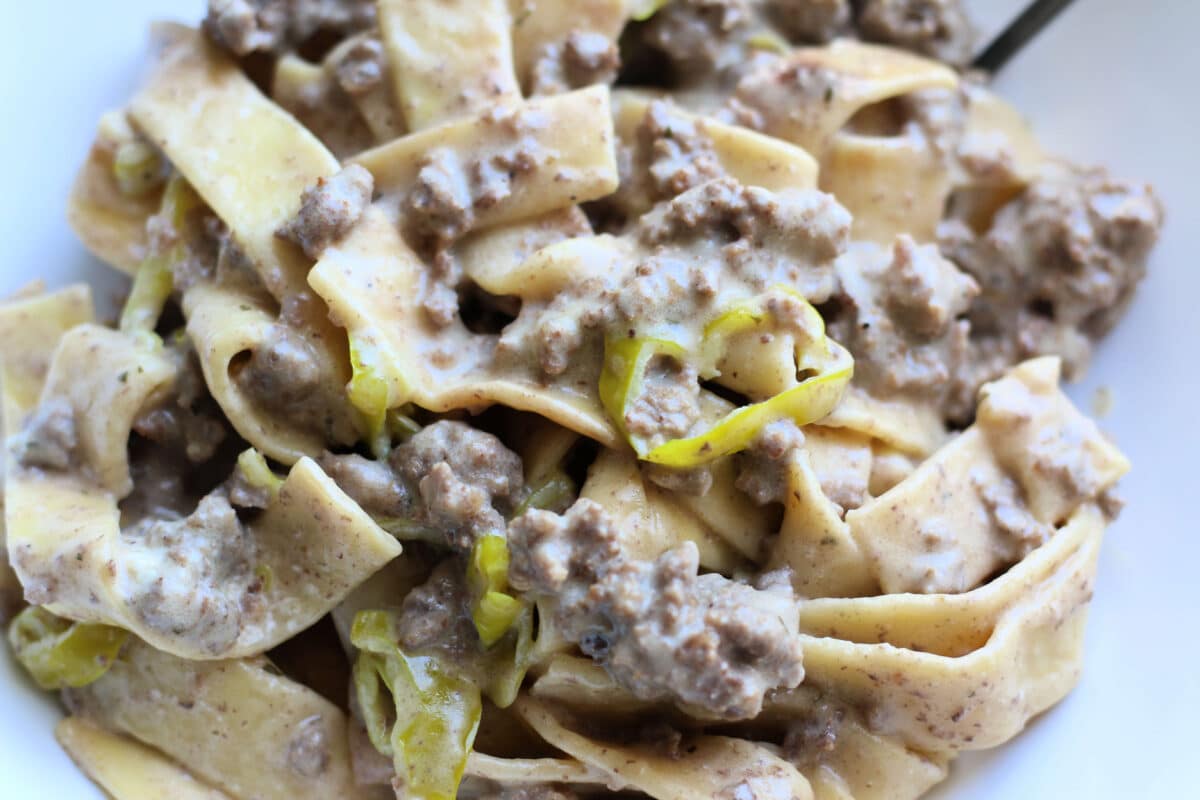
The addition of cream cheese as a final layer, rather than stirring it in initially, allows it to melt gradually during the four-minute high-pressure cycle. This creates a stabilized emulsion when stirred at the end, resulting in a sauce reminiscent of a beef stroganoff but with the distinct acidity and zest of the Mississippi seasoning blend.
Chronology of a Culinary Trend
To understand the rise of the Classic Mississippi Beef Casserole, one must look at the timeline of the "Mississippi" branding in American home cooking:
- Late 1990s: Robin Chapman creates the original roast in Ripley, MS.
- 2001: The recipe is published in a local cookbook, Woodland Baptist Church & Friends.
- 2011-2014: The recipe goes viral on Pinterest, becoming one of the most-shared slow-cooker recipes in the platform’s history.
- 2016: The New York Times officially investigates the origin of the recipe, cementing its status as a cultural staple.
- 2018-2022: The rise of the Instant Pot leads to "IP" adaptations of the roast, reducing cooking time from eight hours to one hour.
- 2023-Present: The "Mississippi" flavor profile expands into diverse categories, including meatballs, chicken chili, and the current beef-and-noodle casserole format.
Supporting Data: The Rise of the Multi-Cooker Economy
The popularity of recipes like the Classic Mississippi Beef Casserole is supported by broader consumer trends in kitchen appliance sales. According to market research, the global multi-cooker market was valued at approximately $720 million in 2023 and is projected to grow significantly through 2030.
This growth is driven by a consumer demand for "one-pot" meals. Data suggests that 65% of home cooks prioritize "ease of cleanup" and "reduced preparation time" when selecting weeknight recipes. The Mississippi Beef Casserole fits this demographic perfectly, as it requires only one vessel and utilizes shelf-stable pantry staples like seasoning packets and jarred peppers.
Ingredient Analysis: The Science of Flavor
The success of the Mississippi flavor profile lies in its balance of the five basic tastes. The au jus provides intense umami (savory) notes, while the ranch seasoning adds salt and herb-driven aromatics. The pepperoncinis and their brine provide the necessary acid to cut through the richness of the beef and cream cheese.
| Ingredient | Primary Function | Flavor Contribution |
|---|---|---|
| Ground Beef | Protein Base | Umami, Richness |
| Ranch Mix | Seasoning | Herbaceous, Creamy, Salt |
| Au Jus Mix | Sauce Base | Deep Beef Flavor, Salt |
| Pepperoncini | Acid/Aromatic | Tang, Mild Heat, Brightness |
| Cream Cheese | Emulsifier | Fat, Texture, Tang |
| Egg Noodles | Carbohydrate | Structure, Satiety |
Broader Impact and Culinary Implications
The proliferation of "Mississippi-style" recipes represents a broader shift in American regional cuisine. What began as a hyper-local Southern dish has been "pantry-fied"—transformed into a set of standardized ingredients that can be found in any supermarket across the country. This homogenization allows for a shared culinary language, where "Mississippi" no longer refers strictly to a geographic location but to a specific, predictable flavor experience.

However, the reliance on pre-packaged seasoning mixes has prompted discussions among nutritionists and culinary purists. Many "Mississippi" recipes are high in sodium due to the concentrated nature of au jus and ranch packets. In response, a sub-genre of "no-packet" Mississippi recipes has emerged, utilizing fresh herbs, cornstarch, and beef bouillon to control salt intake while maintaining the signature taste.

Official Responses and Consumer Reception
While there is no "official" governing body for regional casseroles, the reception from the digital culinary community has been overwhelmingly positive. Food bloggers and home cooks cite the "stroganoff-like" quality of the Mississippi Beef Casserole as a primary reason for its success. The cream cheese provides a velvety texture that appeals to children, while the tangy pepperoncinis provide enough sophistication for adult palates.

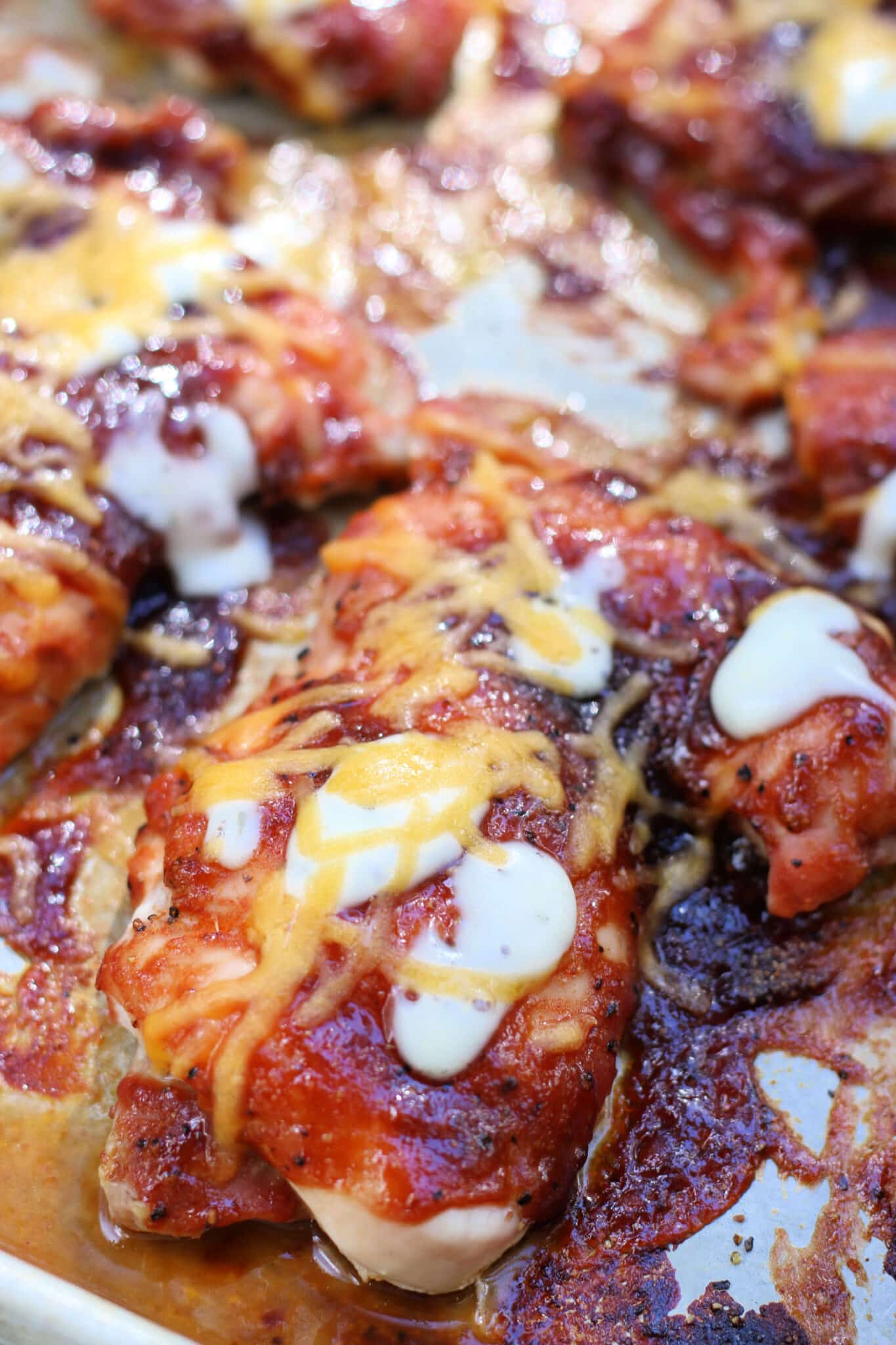
Industry analysts suggest that the "Mississippi" brand will continue to expand. We have already seen the emergence of "Mississippi Mud Chicken," which incorporates bacon and cheddar, and "Mississippi Kielbasa," which applies the flavor profile to smoked sausages. The beef casserole version remains a cornerstone because it utilizes ground beef—one of the most affordable and commonly purchased proteins in the United States.

Conclusion: The Future of Convenient Comfort Food
The Classic Mississippi Beef Casserole is more than just a recipe; it is a reflection of the modern American kitchen’s priorities. It balances the nostalgia of Southern comfort food with the mechanical efficiency of the 21st century. As household schedules become increasingly compressed, the ability to produce a "classic" tasting meal in under twenty minutes ensures that the Mississippi flavor profile will remain a permanent fixture in the domestic culinary landscape.
As we look toward the future of home cooking, the success of this dish suggests that the most enduring recipes will be those that can adapt to new technologies without losing their essential identity. Whether cooked in a ceramic crock or a high-pressure electric pot, the combination of beef, ranch, and pepperoncini has secured its place in the American canon of "new classics."
