
The economic upheaval of the Great Depression, a period of unprecedented hardship in American history, gave rise to a culinary landscape defined by necessity, ingenuity, and a profound reliance on pantry staples. Among the most iconic and enduring dishes to emerge from this era is a simple yet remarkably satisfying potato soup, a testament to the ability of resourceful home cooks to transform meager ingredients into nourishing meals. This humble soup, often crafted from little more than potatoes, milk or broth, and onions, continues to resonate today, offering a comforting and cost-effective option for modern households navigating their own economic pressures or simply seeking a taste of historical resilience.
A Legacy of Scarcity and Innovation
The Great Depression, triggered by the stock market crash of 1929, plunged the United States into a decade of widespread unemployment, poverty, and agricultural distress. Millions of Americans faced food insecurity, and the ability to stretch available resources became a paramount survival skill. Recipes from this era often prioritize ingredients that were readily available, inexpensive, and could be used in multiple ways. Potatoes, a highly versatile and relatively affordable staple crop, became a cornerstone of the Depression-era diet. Their ability to provide sustenance, fill stomachs, and adapt to various cooking methods made them indispensable.
The typical ingredients for this Depression-era potato soup – potatoes, milk or broth, and onions – highlight the economic realities of the time. Milk, when available, provided essential calcium and protein. Broth, often homemade from simmering animal bones or vegetable scraps, added flavor and nutrients. Onions, a common garden vegetable, offered a pungent aroma and depth of flavor that could elevate even the simplest of dishes. The scarcity of meat and other protein sources meant that vegetables and starches played a far more central role in daily meals.
The Anatomy of a Depression-Era Staple
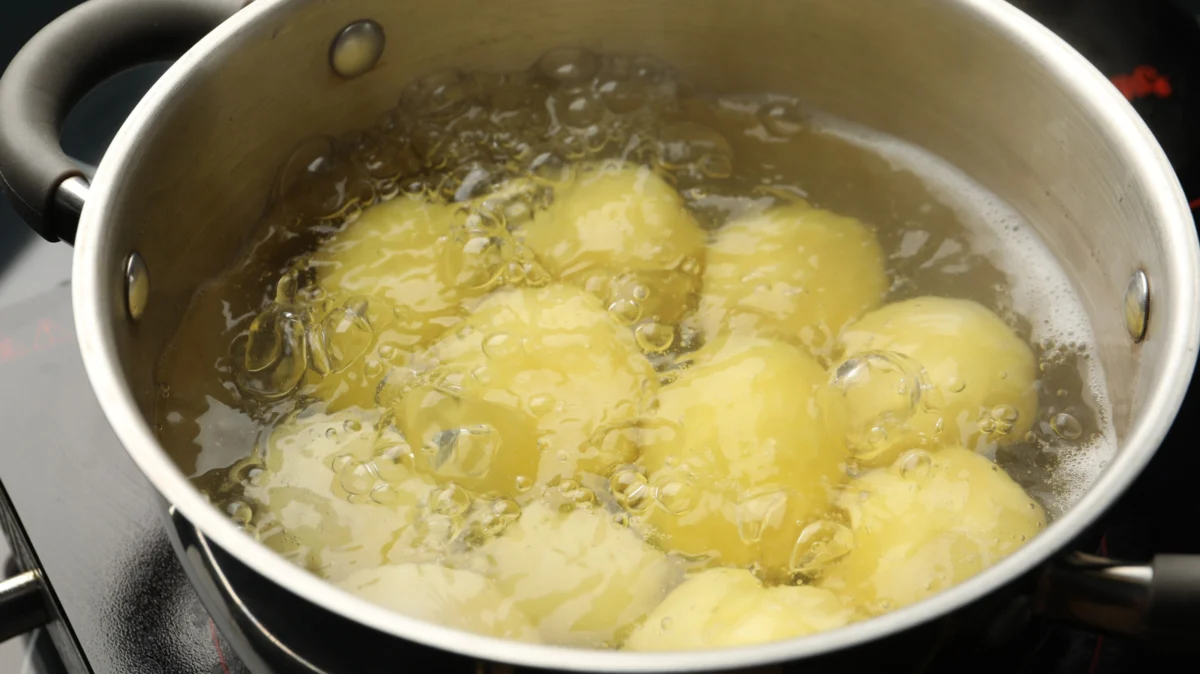
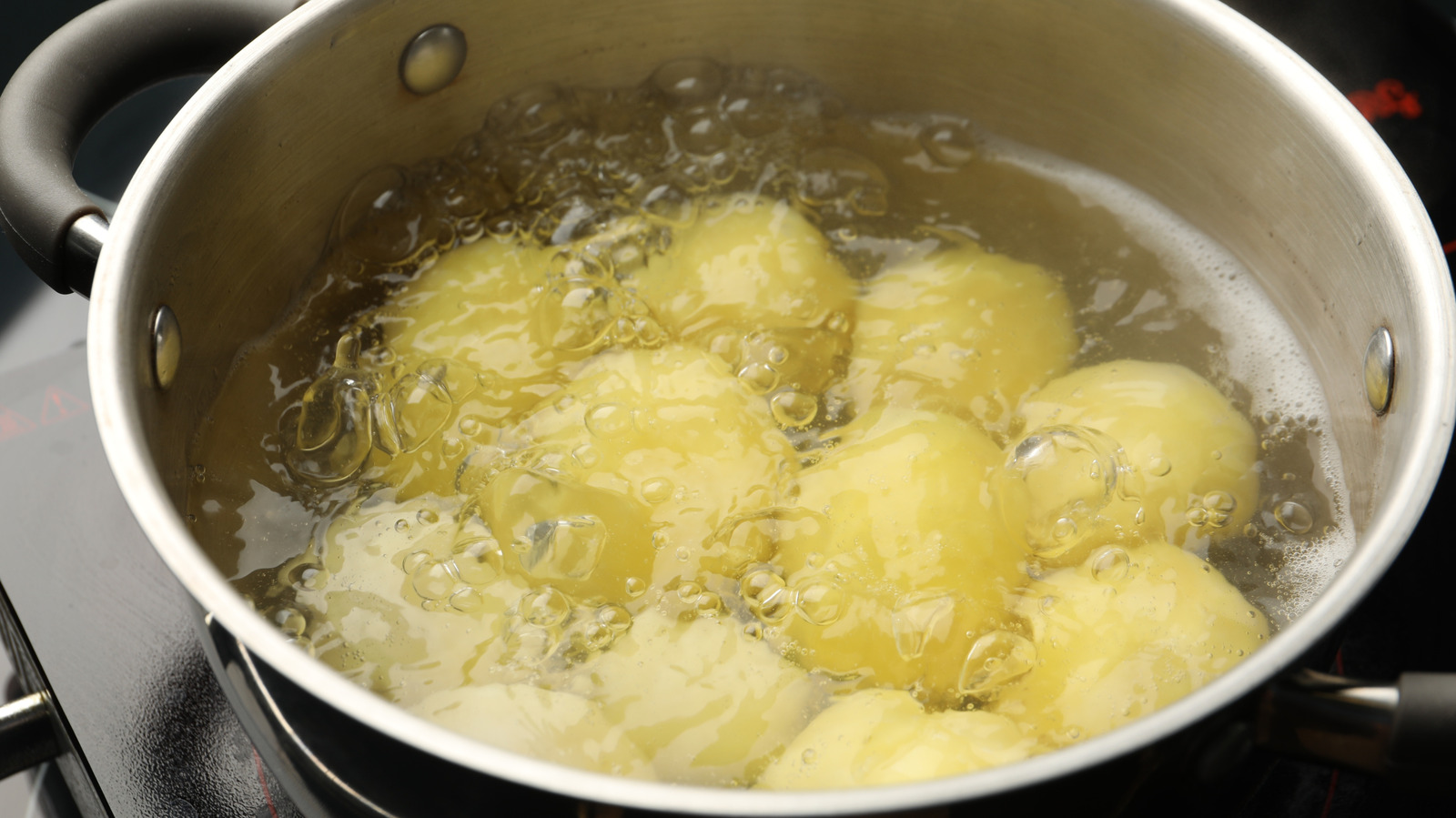
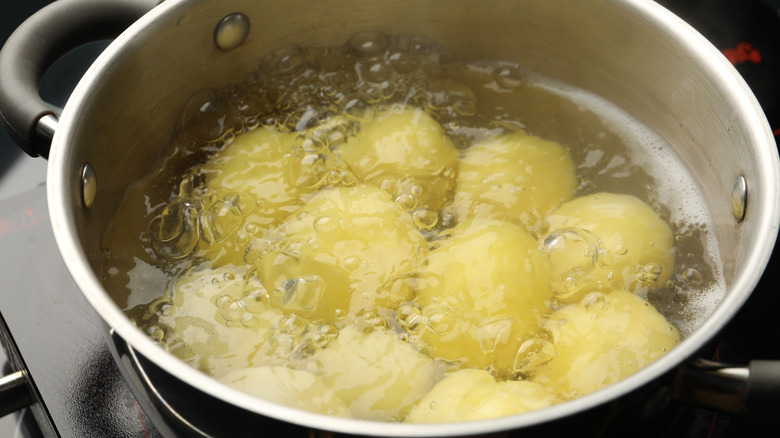
At its core, the creation of this potato soup is remarkably straightforward, a reflection of the need for efficient and simple cooking methods. The process typically begins with a foundational trio: approximately eight medium-sized potatoes and two small onions. These vegetables, after being peeled and chopped, are boiled together until the potatoes reach a tender consistency, a process that usually takes between 15 to 20 minutes. The inherent starch content of the potatoes is then leveraged to thicken the soup; a light mashing retains some of the potato’s texture, offering a satisfying heartiness, while also contributing to a smoother, more cohesive broth.
The crucial flavoring element comes from the addition of about 4 cups of either milk or broth, or a combination of both. This liquid base not only adds richness but also allows for a degree of customization. Salt and pepper are added to taste, serving as the primary seasonings. The resulting soup can be served in its naturally chunky form, showcasing the distinct elements, or it can be blended further to achieve a silkier, more refined potage. This adaptability underscores the resourcefulness of Depression-era cooks, who could make subtle adjustments based on available ingredients and personal preference.
Nutritional Value in a Time of Need
Beyond its economic advantages, this potato soup offers a surprising array of nutritional benefits, particularly valuable during a period of widespread malnutrition. Potatoes themselves are a rich source of fiber, which aids in digestion and promotes satiety, helping to make the soup a filling meal. They are also a good source of potassium, an essential electrolyte that plays a vital role in regulating blood pressure and fluid balance. Furthermore, potatoes provide important vitamins, including Vitamin B6, which is crucial for brain development and function, and Vitamin C, an antioxidant that supports the immune system.
When milk is used as the liquid base, the soup is enhanced with calcium, vital for bone health, and protein, which is essential for muscle repair and overall bodily function. If homemade broth is employed, it can contribute a spectrum of minerals and amino acids derived from the bones and vegetables used in its preparation, further boosting the soup’s nutritional profile. Even in its simplest form, this soup provided essential nutrients that were otherwise difficult to obtain for many families.
Enhancing the Humble Classic: Modern Adaptations and Culinary Flair
While the original Depression-era potato soup was born out of necessity, its inherent simplicity also makes it an excellent canvas for culinary creativity. Potatoes, as the best-selling vegetable in the United States, owe their popularity to their accessibility and remarkable versatility, a trait that this soup perfectly embodies. Modern home cooks can easily elevate this classic by making informed choices about their ingredients and incorporating additional flavor enhancers.
The type of potato used can significantly influence the soup’s texture. While russet potatoes are a common choice, opting for Yukon Golds can yield a creamier, richer result due to their higher starch and moisture content. The onions, too, can be treated with more care. Sautéing them until they are softened and slightly caramelized before adding them to the boiling potatoes can develop a deeper, more complex sweetness and aroma.
For those seeking to amplify the savory notes, the addition of minced garlic alongside the onions and potatoes offers another layer of aromatic depth. When considering dairy alternatives, unflavored and unsweetened plant-based milks, such as oat, hemp, or almond milk, can seamlessly replace traditional milk, maintaining the soup’s creamy consistency without altering the flavor profile significantly. A small amount of butter, whether dairy or plant-based, can also contribute to a more luxurious mouthfeel.
Expanding the Flavor Profile
The seasonings for this Depression-era soup can also be thoughtfully expanded. A dash of hot sauce or a sprinkle of red pepper flakes can introduce a welcome hint of warmth and spice, adding a vibrant contrast to the soup’s inherent richness. For a touch of umami, a few dashes of Worcestershire sauce can provide a subtle yet significant boost in savory flavor.
Incorporating additional vegetables, particularly those that are readily available and can withstand simmering, can further enhance the soup’s nutritional value and visual appeal. Frozen or canned mixed vegetables, such as peas, carrots, and corn, can be added towards the end of the cooking process to retain their texture and vibrant colors. This thoughtful augmentation transforms the basic soup into a more complete and visually appealing meal, demonstrating how historical recipes can be adapted to contemporary tastes and dietary needs.
A Resilient Dish for Changing Times
The enduring appeal of Depression-era potato soup lies not only in its historical significance but also in its practical relevance. In times of economic uncertainty, when grocery budgets are strained, this recipe offers a powerful reminder that delicious and nourishing meals can be created with minimal expenditure. It embodies a spirit of resilience and resourcefulness that transcends historical periods, offering a comforting and grounding experience for those who prepare and consume it.
The simplicity of the ingredients, combined with the potential for customization, makes this soup a staple that can be adapted to a wide range of dietary preferences and available resources. Its ability to satisfy hunger, provide essential nutrients, and offer a sense of comfort has cemented its place in the culinary lexicon. As a reflection of human ingenuity in the face of adversity, the Great Depression’s humble potato soup continues to nourish bodies and spirits, proving that even the most challenging circumstances can give rise to dishes of enduring warmth and value. It stands as a culinary artifact, whispering tales of a bygone era while offering a tangible connection to the past and a practical solution for the present.
