
Understanding Fattoush: A Culinary Legacy
Fattoush is more than just a salad; it is a culinary cornerstone of the Levant region, an area encompassing countries like Lebanon, Syria, Jordan, and Palestine, renowned for its rich gastronomic traditions. Historically, Fattoush originated as a way to utilize stale pita bread, transforming it into a delicious and resourceful meal component. The word "fattoush" itself is believed to derive from the Arabic word "fattat," which refers to crumbling bread. This humble origin story highlights the resourcefulness inherent in Levantine cuisine, where simple ingredients are elevated through thoughtful preparation and bold flavors.
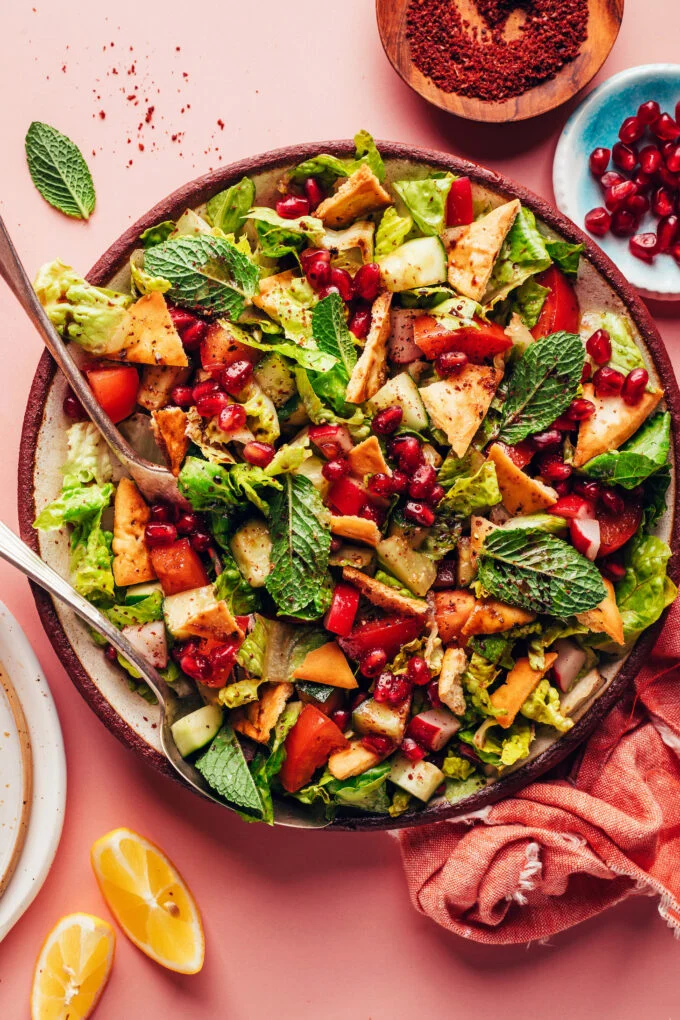
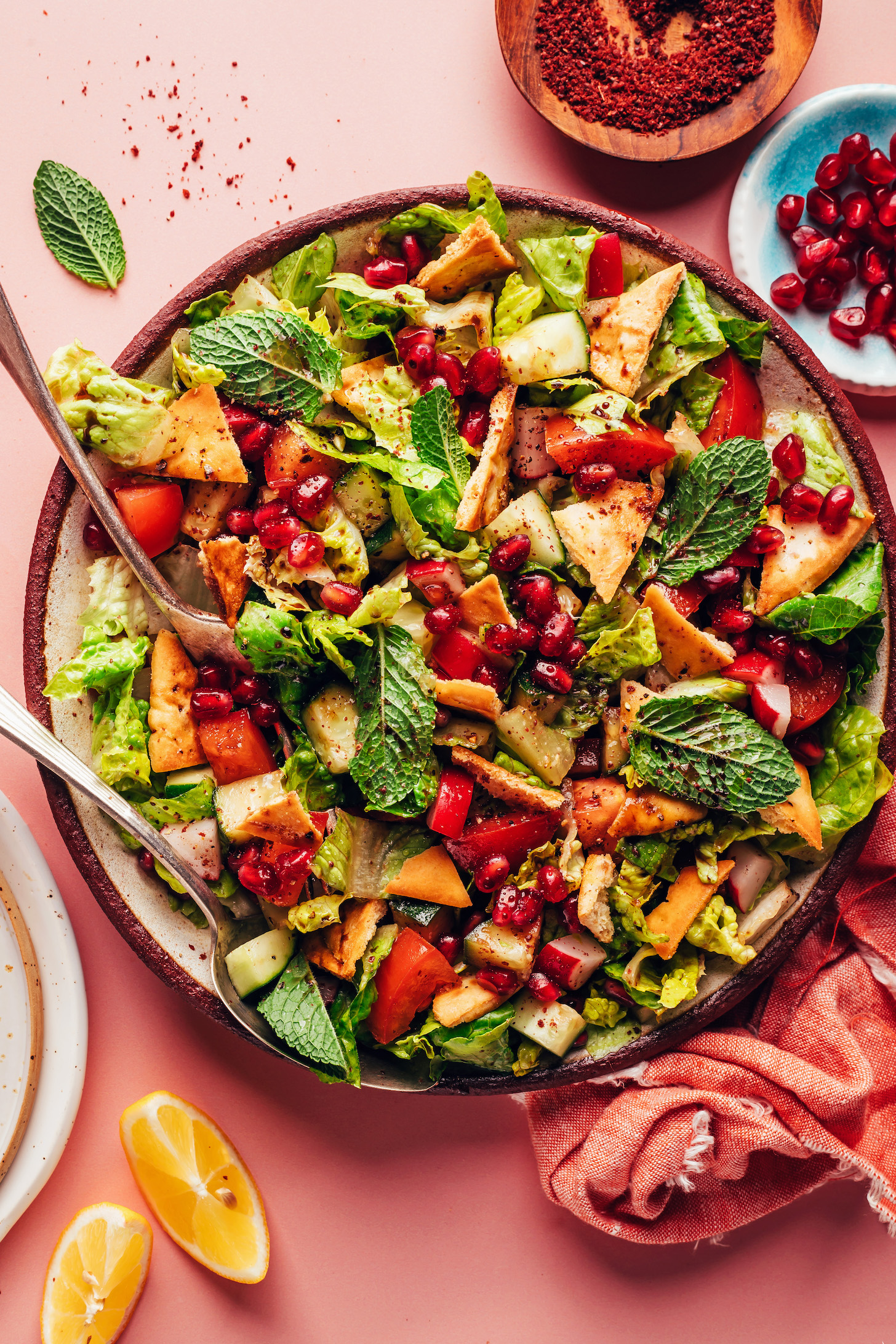
The traditional Fattoush embodies the fresh bounty of the Mediterranean climate. Its core components typically include a mix of garden greens such as romaine lettuce, cucumbers, tomatoes, radishes, and bell peppers. Fresh herbs, most notably parsley and mint, are indispensable, lending their aromatic and palate-cleansing qualities. The defining characteristic, however, is the inclusion of toasted or fried pieces of khubz (Arabic flatbread or pita), which provide a crucial textural contrast to the crisp vegetables. The dressing is equally vital, a tangy concoction usually featuring olive oil, lemon juice, and a generous sprinkle of sumac, a deep red spice derived from dried berries that imparts a unique lemony, tart flavor. Pomegranate molasses, a thick, dark syrup made from reduced pomegranate juice, is also a common addition, contributing a sweet-sour depth that further enriches the salad’s profile.
Fattoush holds significant cultural importance, particularly during religious periods such as Ramadan, where it is often served as part of the Iftar meal, breaking the fast with its refreshing and hydrating qualities. Its popularity extends beyond the Levant, having gained recognition globally as a healthy and flavorful addition to diverse diets, appealing to those seeking fresh, plant-forward options. The enduring appeal of Fattoush lies in its balance of textures, its vibrant array of colors, and its complex yet harmonious flavor profile, making it a beloved dish that transcends generations and geographical boundaries.
The Modern Adaptation: Streamlining for the Contemporary Kitchen
The "Easy Fattoush Salad (1 Bowl!)" recipe, as presented by Minimalist Baker, represents a deliberate effort to adapt this venerable dish for the demands of contemporary, fast-paced lifestyles. The emphasis on a "weeknight-friendly" preparation highlights a culinary philosophy focused on accessibility and efficiency, allowing individuals to enjoy traditional flavors without extensive time commitments. The claim of a 20-minute total preparation time and the use of a single bowl for mixing are key differentiators, directly addressing common barriers to home cooking: time and cleanup.
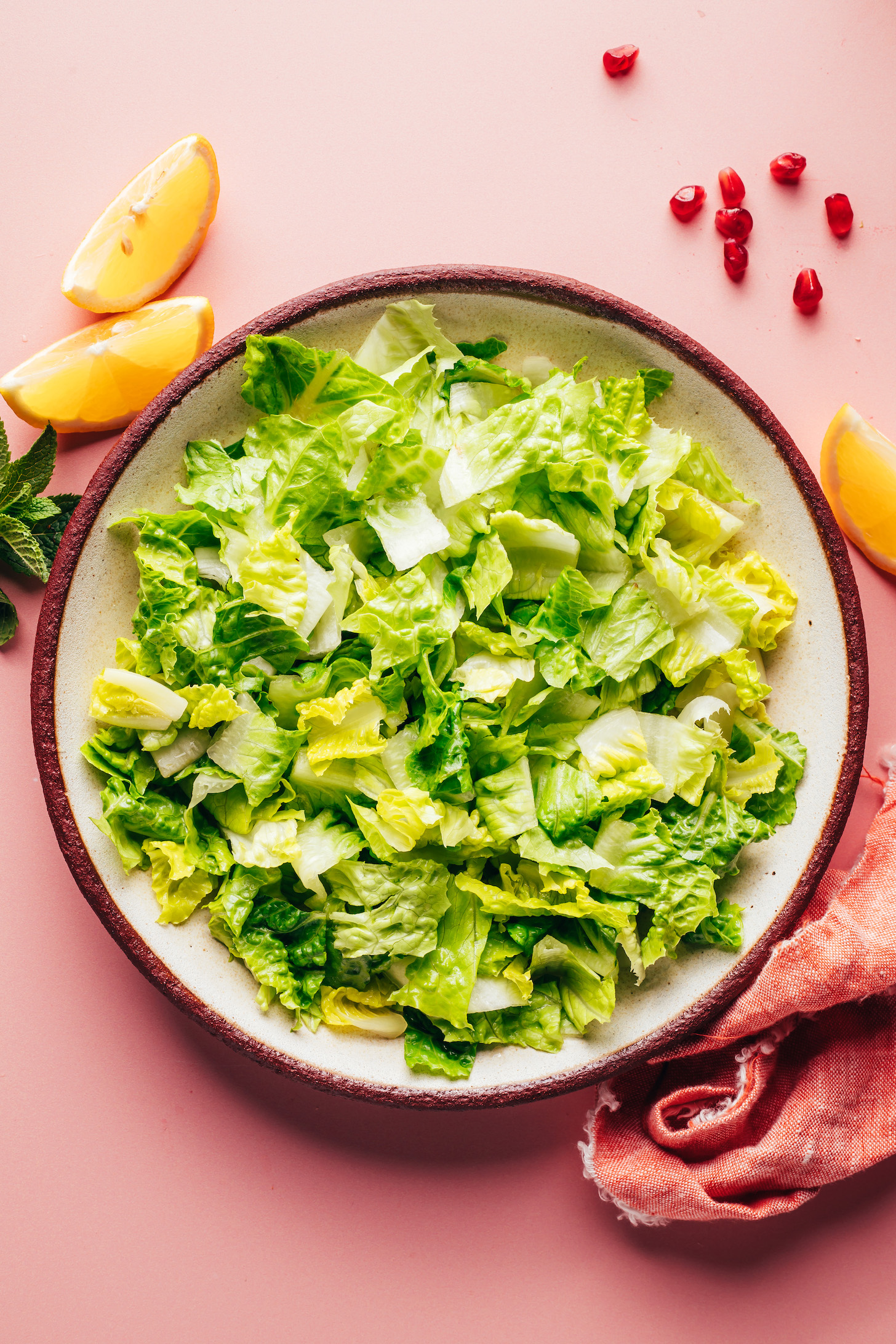
The foundation of this simplified Fattoush begins with fresh chopped romaine lettuce. Romaine is chosen for its crisp texture and mild, neutral flavor, providing an ideal canvas for the more assertive ingredients. This choice ensures that the salad maintains a satisfying crunch, a hallmark of traditional Fattoush. Building upon this base, a medley of fresh, crunchy vegetables is incorporated. Cucumbers, tomatoes, and radishes are specified, with a recommendation for "Persian or Lebanese cucumbers" due to their superior flavor, though English cucumbers are noted as a viable alternative. The recipe also suggests peeling and seeding cucumbers for optimal flavor and texture, a detail that speaks to a nuanced understanding of ingredient preparation. The selection of seasonal, flavorful vegetables is highlighted as paramount, suggesting that the quality of produce significantly enhances the overall experience, especially if homegrown.
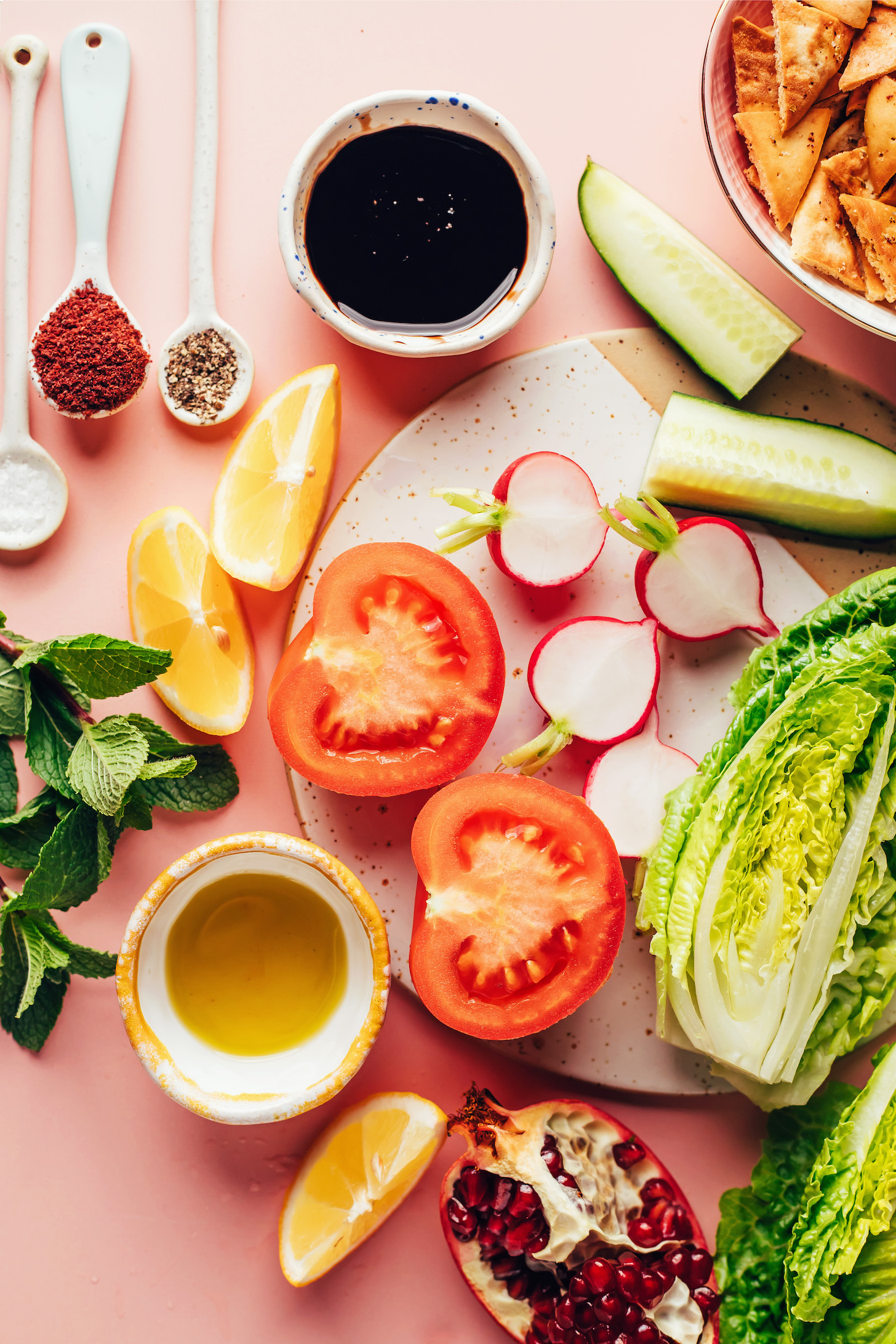
The dressing, a critical component of any salad, is ingeniously simplified in this adaptation. Described as a "simple, no-mix dressing," it is created by directly tossing the lettuce and vegetables with lemon juice, pomegranate molasses, sumac, salt, and pepper. This direct application eliminates the need for a separate dressing bowl, further reducing cleanup and preparation time. The combination of these ingredients is carefully calibrated to deliver the classically bright, bold, and pleasantly sour flavor characteristic of Fattoush. The inclusion of optional maple syrup and olive oil suggests a degree of flexibility, allowing for adjustments based on the inherent sweetness of the pomegranate molasses and individual preference for richness. This adaptability ensures that the dressing can be tailored to achieve a perfect balance of tartness and sweetness.
The finishing touches are crucial for both flavor and visual appeal. Fresh mint leaves are added, often kept whole for a beautiful presentation and to provide distinct "pops of herby flavor." Mint is a quintessential herb in Levantine cuisine, contributing a cooling and aromatic quality that complements the other ingredients. Pita chips are another essential element, delivering the characteristic crunch that defines Fattoush. While store-bought pita chips are recommended for convenience, the recipe thoughtfully includes notes for homemade pita chips, providing instructions for baking pita bread triangles with olive oil, dried oregano, sumac, and sea salt. This option caters to those who prefer to utilize day-old flatbread or desire a more homemade component, demonstrating a commitment to resourcefulness and customization. Finally, pomegranate arils are scattered throughout, adding a burst of jewel-toned color and a sweet-tart juiciness that enhances both the flavor and aesthetic of the salad.
This detailed approach to ingredient selection and preparation, combined with the emphasis on efficiency, positions this "Easy Fattoush Salad" as a compelling option for modern kitchens. It respects the traditional flavors and textures of Fattoush while thoughtfully adapting the process to fit contemporary needs, making a culturally rich dish accessible to a wider audience.
Nutritional Profile and Health Benefits: A Wholesome Choice
Beyond its ease of preparation and delightful flavors, the "Easy Fattoush Salad (1 Bowl!)" offers a robust nutritional profile, aligning with prevailing dietary recommendations for healthy eating. According to the provided nutritional estimate for a side serving (calculated with Simple Mills pita crackers and without optional ingredients), a single serving contains approximately 127 calories, 21.6g carbohydrates, 2.8g protein, 4.1g fat (with minimal saturated, polyunsaturated, and monounsaturated fats), 0mg cholesterol, 138mg sodium, 446mg potassium, 4g fiber, and 7.5g sugar. It also provides significant amounts of Vitamin A (562 IU), Vitamin C (14 mg), Calcium (63 mg), and Iron (1.8 mg).
This breakdown reveals several key health advantages:
- Rich in Fiber: The 4 grams of fiber per serving contribute significantly to digestive health, promoting satiety and aiding in blood sugar regulation. Romaine lettuce, cucumbers, tomatoes, radishes, and pomegranates are all excellent sources of dietary fiber.
- Abundant in Vitamins and Minerals: The salad is a good source of Vitamin A, crucial for vision and immune function, and Vitamin C, a powerful antioxidant vital for skin health and immunity. Potassium, essential for blood pressure regulation, and iron, necessary for oxygen transport, are also present.
- Antioxidant Powerhouse: Ingredients like pomegranate arils, pomegranate molasses, and sumac are known for their high antioxidant content. Antioxidants help combat oxidative stress in the body, which can contribute to chronic diseases.
- Hydrating: Composed largely of fresh vegetables with high water content, this Fattoush salad contributes to daily hydration, essential for overall bodily function.
- Lean Protein and Healthy Fats: While not a primary protein source on its own, the inclusion of chickpeas (as suggested for a main meal) would significantly boost its protein content. The modest fat content, primarily from olive oil (if added), comprises healthy monounsaturated fats known to support heart health.
- Plant-Forward and Vegan-Friendly: As a vegan dish, it aligns with increasing interest in plant-based diets, which are often associated with lower risks of heart disease, type 2 diabetes, and certain cancers. The optional gluten-free pita chips also make it accessible to individuals with gluten sensitivities or celiac disease.
The combination of fresh produce and nutrient-dense spices and dressings makes this Fattoush salad a wholesome choice that supports a balanced diet. Its low calorie count, coupled with its high fiber and micronutrient content, makes it an excellent option for weight management and overall wellness.
Culinary Trends and Broader Implications: A Dish for the Times
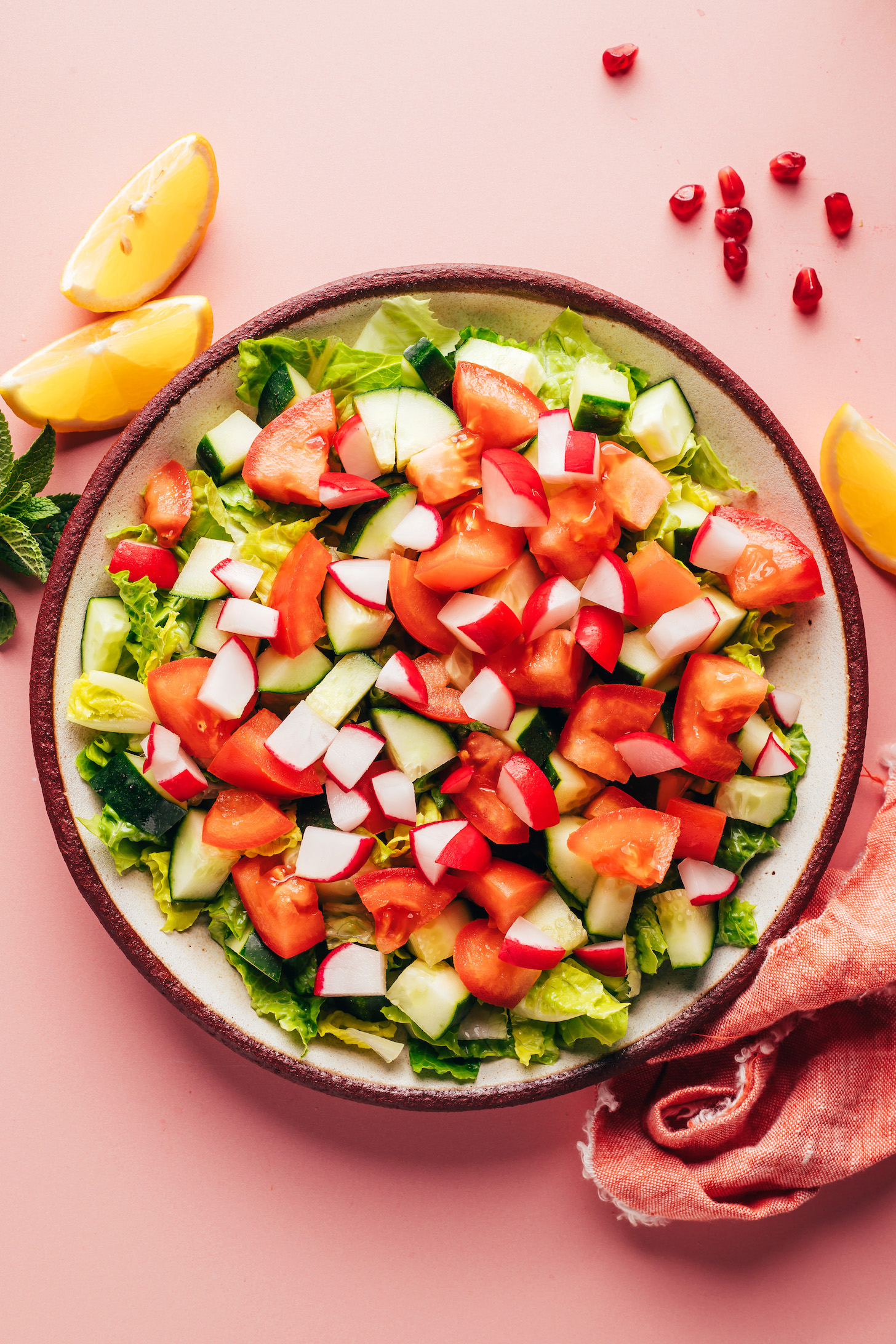
The emergence and popularization of recipes like the "Easy Fattoush Salad (1 Bowl!)" are indicative of several broader culinary and societal trends. In an era where consumers are increasingly time-poor but health-conscious, the demand for quick, nutritious, and convenient meal solutions has soared. This recipe perfectly encapsulates this demand, offering a vibrant, flavorful dish that can be prepared in minimal time with easy cleanup, making it an attractive option for busy individuals and families.
The growing global appreciation for diverse cuisines is another significant factor. Mediterranean and Middle Eastern culinary traditions, with their emphasis on fresh vegetables, healthy fats, and aromatic spices, have gained considerable traction worldwide. Fattoush, as a quintessential Levantine salad, benefits from this trend, introducing a broader audience to the rich tapestry of Middle Eastern flavors. Recipes like this one serve as important cultural conduits, facilitating culinary exchange and encouraging home cooks to experiment with ingredients and dishes from different parts of the world.
Food blogs and online platforms, exemplified by Minimalist Baker, play a crucial role in this dissemination. They act as informal culinary educators, making complex or unfamiliar dishes accessible through simplified instructions, appealing visuals, and practical adaptations. By breaking down traditional recipes into manageable, "weeknight-friendly" versions, these platforms empower home cooks to explore new culinary horizons without feeling intimidated. The "one-bowl" concept, in particular, resonates with modern priorities of efficiency and reduced domestic labor, appealing to those seeking to minimize kitchen clutter and post-meal cleanup.
Moreover, the recipe’s inherent flexibility and emphasis on fresh, seasonal ingredients align with principles of sustainable eating. Encouraging the use of local and seasonal produce not only enhances flavor and nutritional value but also supports local economies and reduces the environmental footprint associated with food transportation. The option to incorporate chickpeas transforms the salad into a complete meal, promoting plant-based protein sources and further diversifying dietary intake.
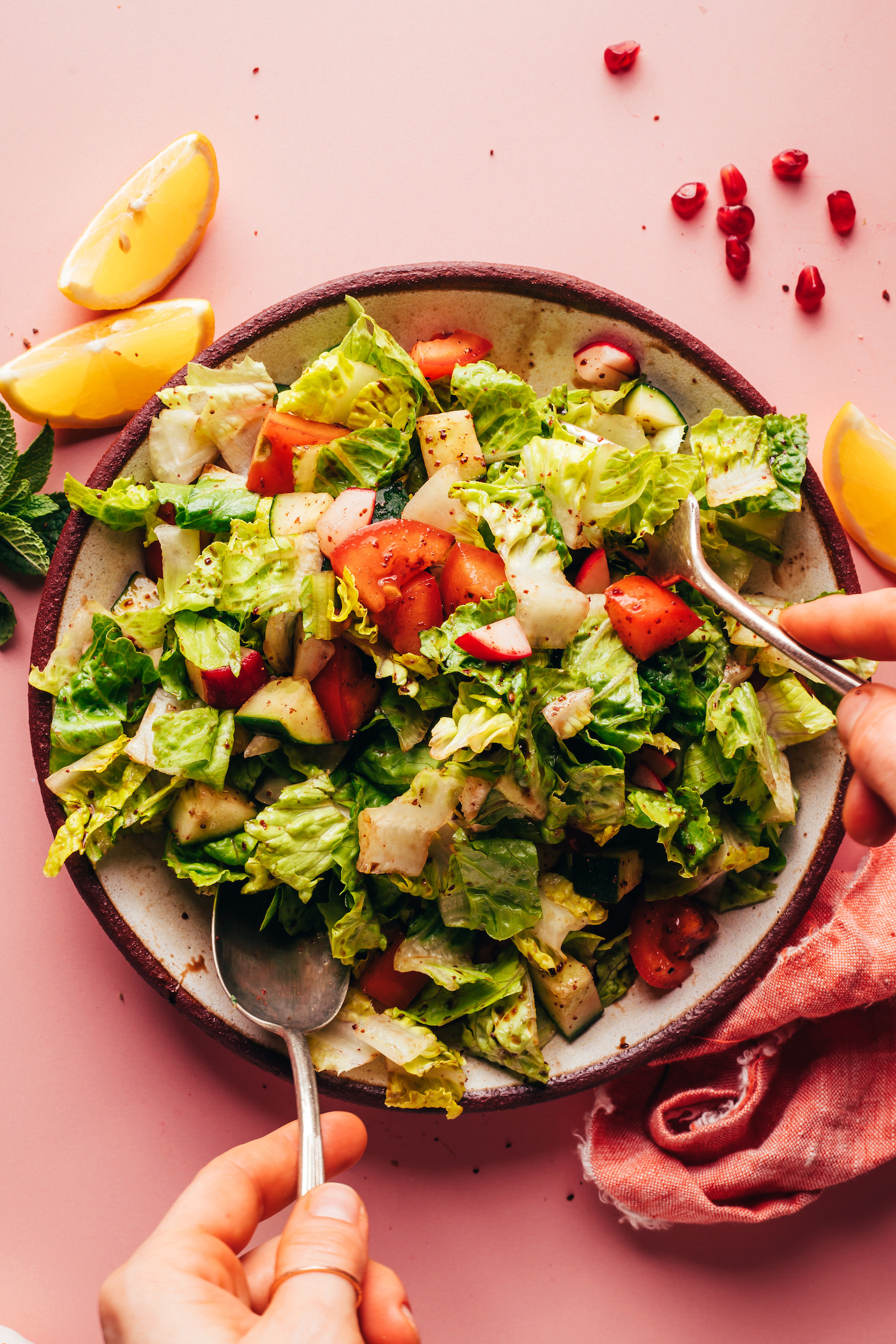
The implications extend to public health, as accessible healthy recipes contribute to combating rising rates of diet-related illnesses. By offering a delicious and easy way to consume more vegetables and whole foods, such recipes indirectly support healthier eating habits across populations. The specific pairing suggestions, such as Vegan Lentil Fesenjān and Kale Falafel Hummus Wraps, further illustrate how this Fattoush can integrate into a holistic, plant-forward meal plan, highlighting its versatility as both a side and a potential main course.
Expert Perspectives on Culinary Innovation
Culinary experts and nutritionists frequently emphasize the critical role of innovation in making traditional, healthy dishes more approachable for the average consumer. "The beauty of a dish like Fattoush lies not only in its rich history and incredible flavor but also in its adaptability," states a prominent food historian (referring to general consensus among historians). "Recipes that honor the essence of a classic while streamlining the preparation for modern life are invaluable. They serve as cultural bridges, allowing more people to experience and appreciate global cuisines without feeling overwhelmed."
Dietitians echo this sentiment, underscoring the health benefits of such adaptations. "Incorporating a greater variety of vegetables and plant-based ingredients into our diets is a consistent recommendation for improved health outcomes," notes a leading nutritionist. "When a recipe simplifies this process, making it quick and easy to prepare a nutrient-dense meal, it directly contributes to better public health. The inclusion of ingredients like sumac and pomegranate molasses not only adds unique flavor but also introduces beneficial antioxidants and compounds that might not be part of a typical Western diet."
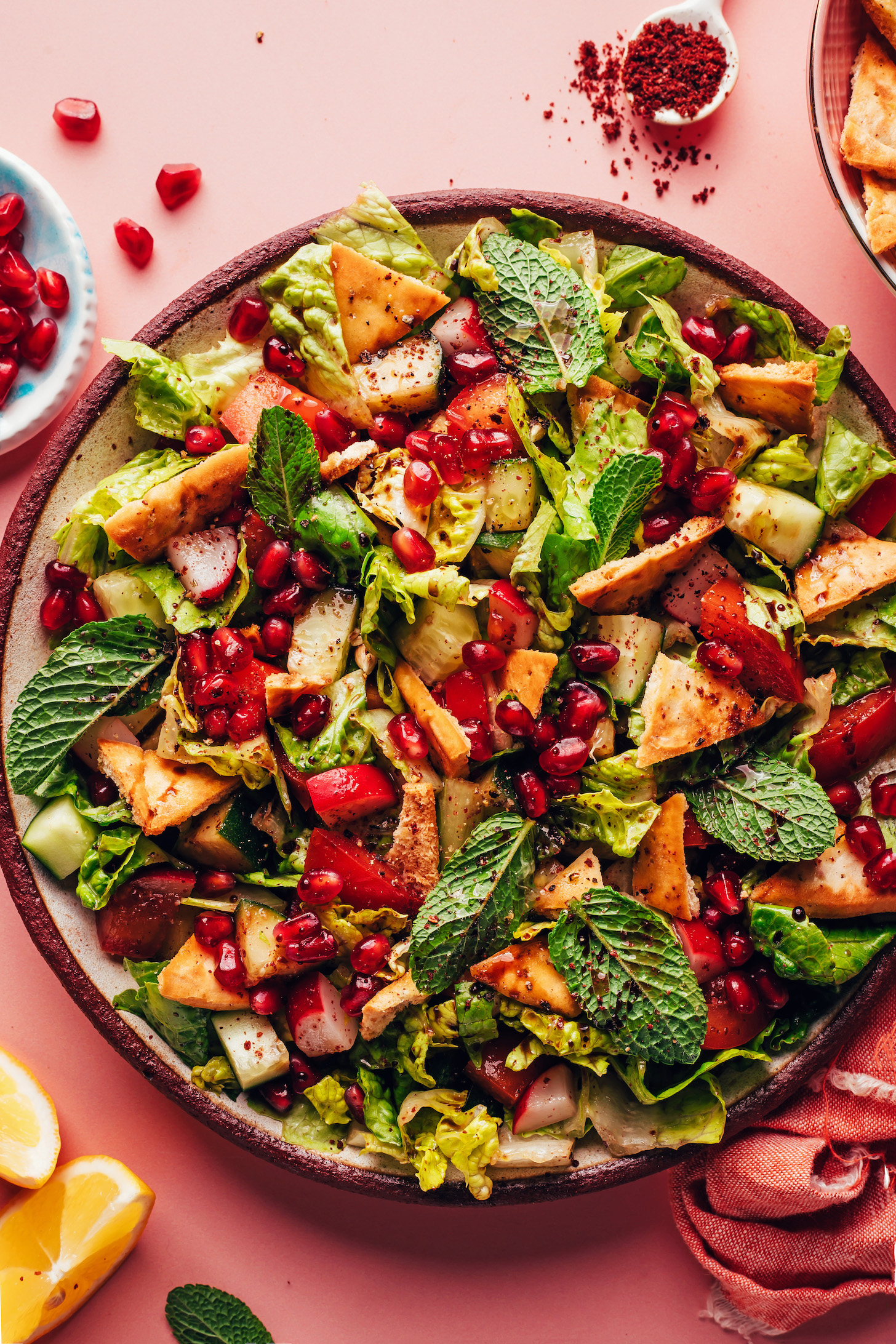
The emphasis on minimal equipment, such as the "one-bowl" preparation, is also lauded by efficiency experts in the culinary field. "Time and cleanup are two of the biggest deterrents to home cooking," explains a culinary consultant specializing in kitchen efficiency. "Recipes that address these pain points are not just convenient; they are empowering. They encourage more frequent home cooking, which often translates to healthier eating habits and greater control over ingredients."
In conclusion, the "Easy Fattoush Salad (1 Bowl!)" recipe is more than just a culinary instruction; it is a reflection of evolving dietary preferences, technological advancements in recipe dissemination, and a broader societal shift towards healthier, more convenient, and culturally diverse eating. Its streamlined approach ensures that the vibrant flavors and nutritional benefits of this Levantine staple are accessible to a wider audience, making it a timely and impactful contribution to contemporary home cooking.
