
The global shift toward cost-effective yet nutrient-dense home cooking has brought classic recipes back to the forefront of domestic culinary practice, with the potato leek soup emerging as a primary example of affordable luxury. In a recent analysis conducted by culinary experts at the Nashville Test Kitchen, a refined version of this traditional dish was evaluated for its economic efficiency, nutritional value, and technical execution. The findings indicate that a high-quality, creamy potato leek soup can be produced for approximately $8.46 per eight-serving batch, resulting in a unit cost of just $1.05 per serving. This price point positions the dish as a premier option for households seeking to mitigate the impact of rising food inflation while maintaining a high standard of dietary intake.

Technical Methodology in Modern Soup Production
The success of a potato leek soup relies heavily on the balance between texture and flavor extraction. According to Jess Rice, a former Chef Professor at Niagara College and a prominent figure in the Nashville culinary scene, the methodology employed in the preparation of this dish is critical to its final consistency. Unlike standard commercial soups that often rely on artificial thickeners, the professional approach utilizes the natural starches found in Yukon Gold potatoes.

One of the most significant technical recommendations emerging from the Nashville Test Kitchen is the practice of boiling potatoes whole and with the skin intact. This technique serves a dual purpose: it prevents the potatoes from absorbing excess water, which can lead to a gummy or "dull" texture, and it preserves the subtle earthy flavors concentrated near the skin. Furthermore, the selection of Yukon Gold potatoes is intentional. These tubers possess a medium starch content and a naturally buttery flavor, which contributes to a smoother emulsion when blended with dairy components.

The preparation process also highlights the importance of aromatic development. Leeks, a member of the allium family (Allium ampeloprasum), offer a more delicate and sweeter profile than standard white or yellow onions. When sautéed in a combination of salted butter and olive oil, leeks undergo a mellowing process that provides a sophisticated base for the broth. The inclusion of garlic and green onions further complicates the flavor profile without significantly increasing the production cost.

Chronological Preparation and Execution
The production of this soup follows a specific timeline designed to maximize efficiency in a home or professional kitchen environment. The chronology of the recipe, as tested and verified, is as follows:
- Starch Preparation: Approximately 2.5 pounds of Yukon Gold potatoes are submerged in water and brought to a boil. The cooking duration typically spans 15 to 20 minutes, or until the tubers reach a fork-tender state.
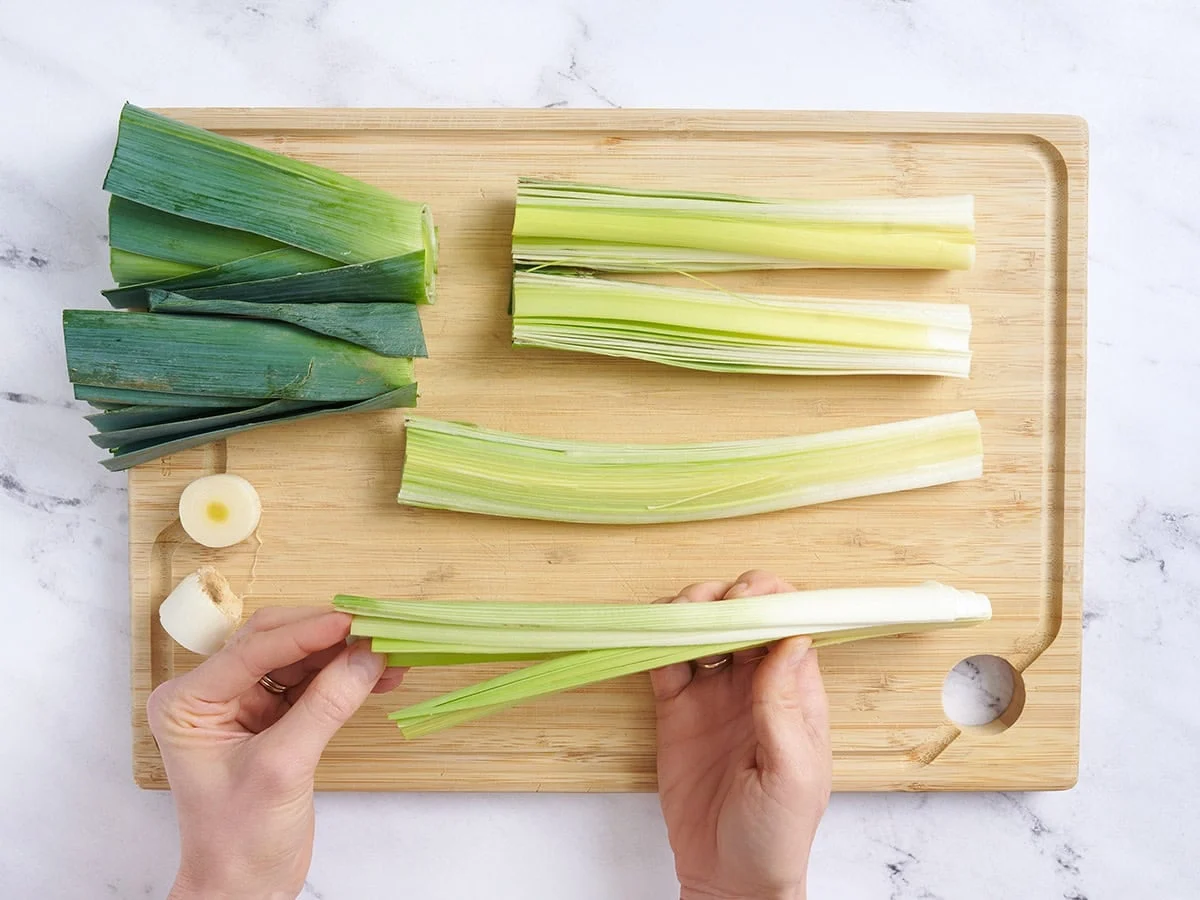
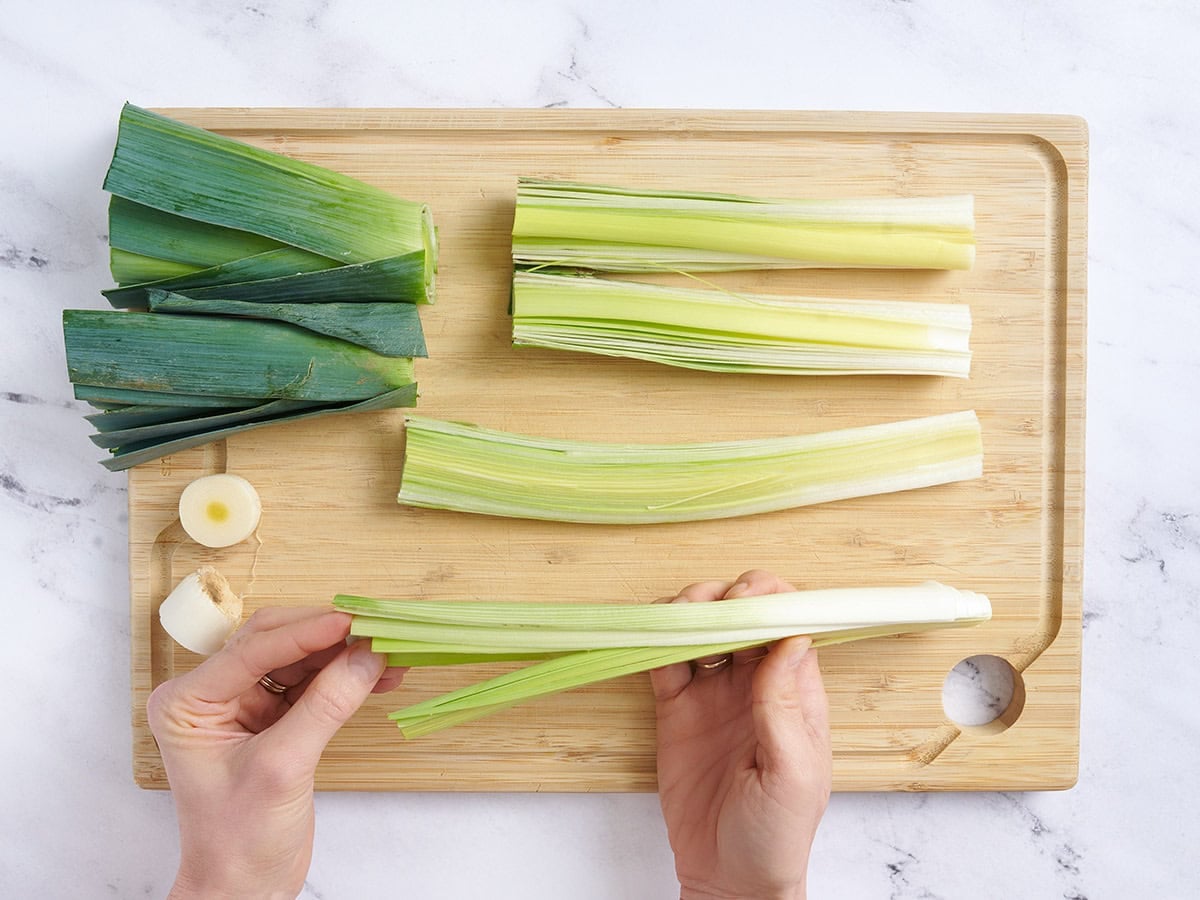
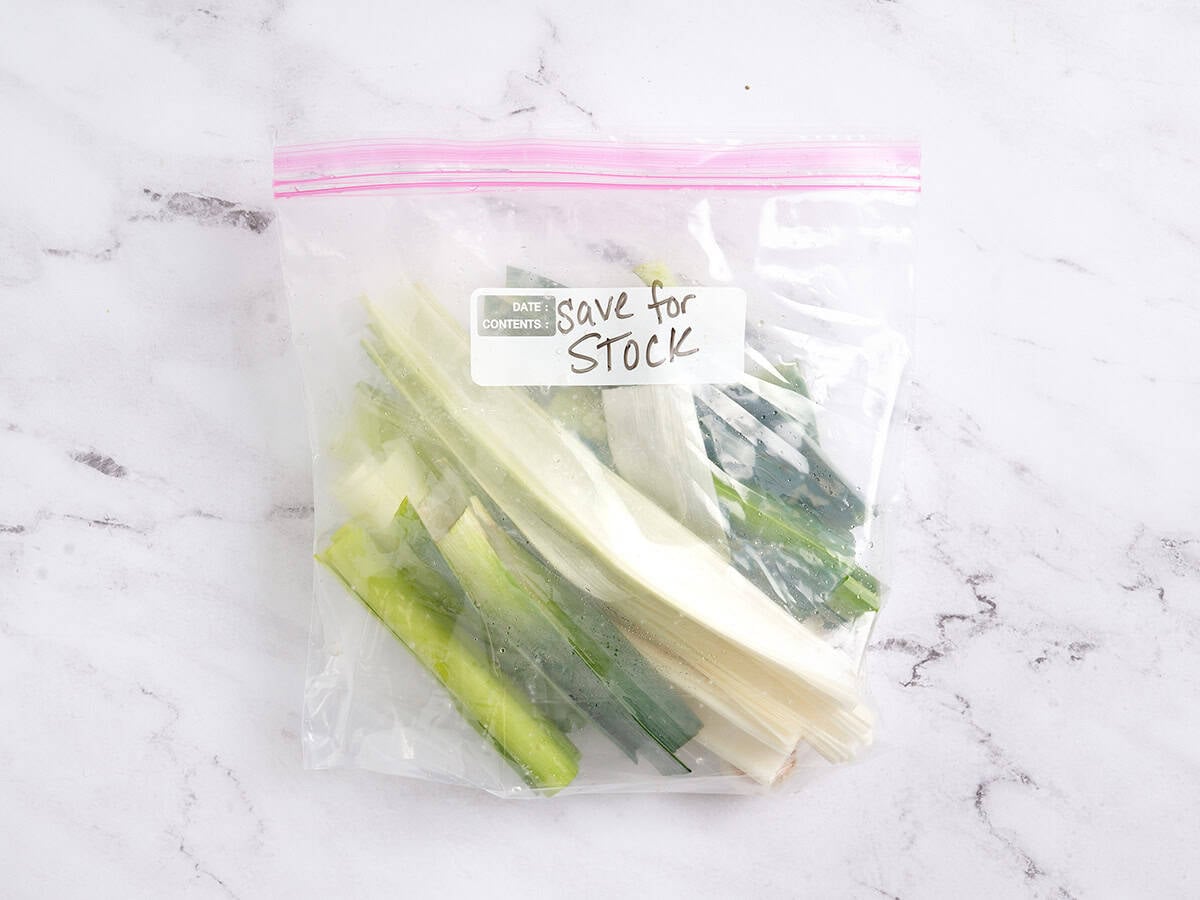
- Aromatic Processing: While the potatoes are boiling, the leeks are trimmed and washed. A notable sustainability practice identified in this process is the preservation of tough outer leaves and root ends, which can be frozen and later utilized for vegetable stock production, thereby reducing household organic waste.
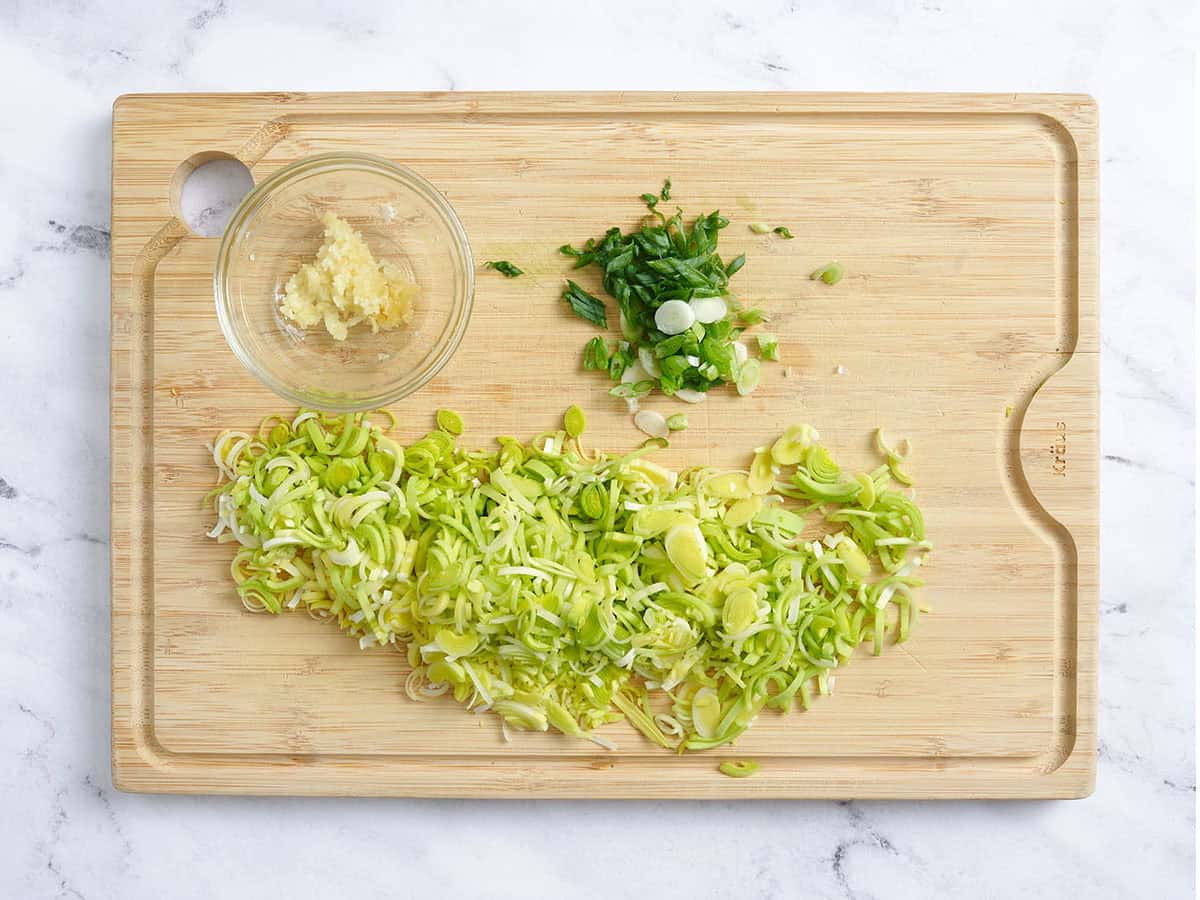
- Sauté Phase: In a large pot, 3 tablespoons of salted butter and 1 tablespoon of olive oil are heated over a medium flame. The minced leeks and garlic are introduced, seasoned with salt and black pepper, and cooked for approximately 8 minutes until softened.
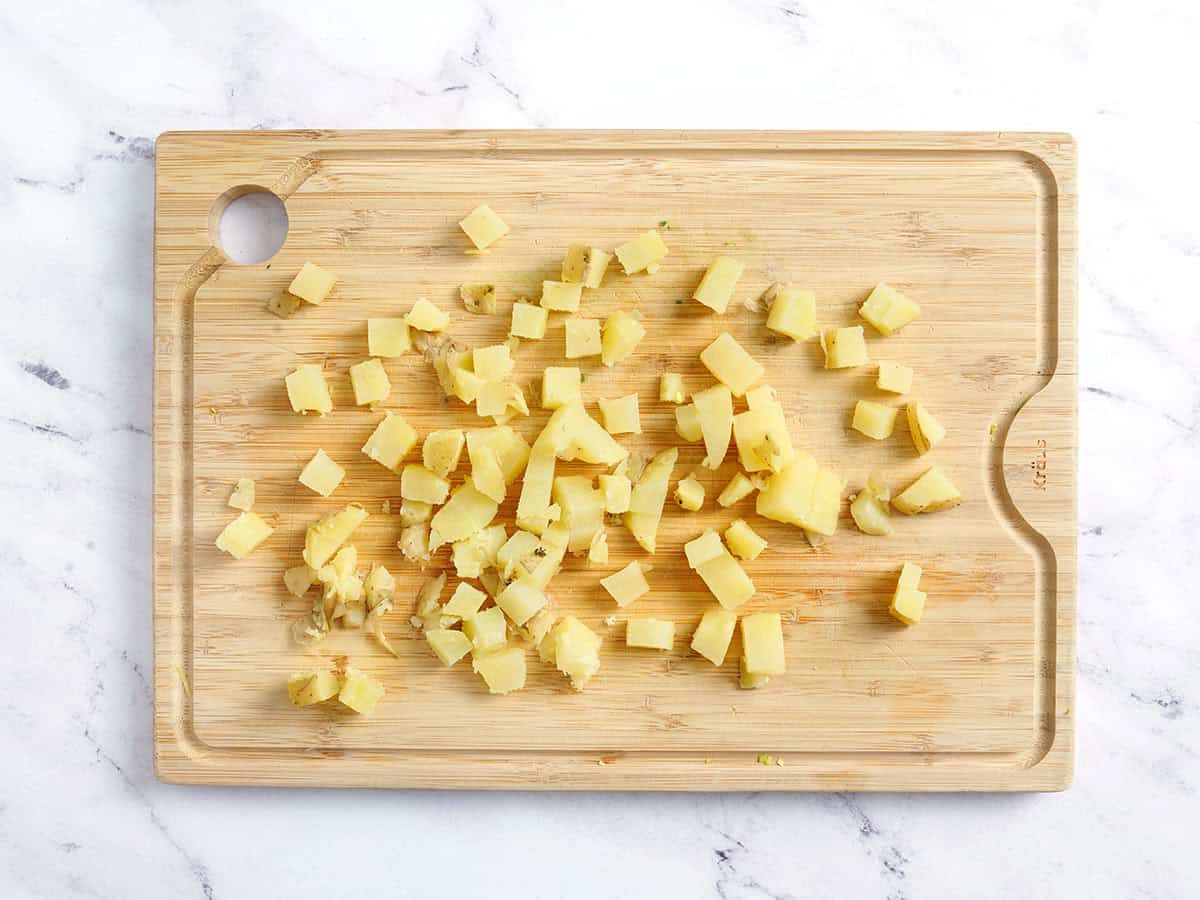
- Base Construction: Once the potatoes are drained, a portion (approximately 2 cups) is diced into half-inch cubes and set aside to provide textural contrast. The remaining whole potatoes are returned to the pot with 6 cups of vegetable broth, a sprig of thyme, a bay leaf, and 1 teaspoon of apple cider vinegar.
- Emulsification and Blending: The potatoes are mashed directly into the broth. To achieve the desired "silky" consistency, approximately half of the soup is transferred to a blender and processed until smooth before being reintegrated into the pot.
- Dairy Integration (Tempering): To prevent the splitting of the 1 cup of heavy cream, a "tempering" technique is employed. A ladle of hot broth is slowly whisked into the room-temperature cream before the mixture is added to the main pot.
- Final Simmer: The soup is kept at a low simmer for 5 to 8 minutes. Culinary experts warn against allowing the soup to reach a rolling boil after the addition of cream, as high temperatures can destabilize the dairy emulsion.
Economic Data and Nutritional Analysis
The financial viability of the potato leek soup is supported by a detailed breakdown of ingredient costs. By utilizing "Better Than Bouillon" or similar concentrated bases, the cost of the broth is significantly reduced compared to purchasing pre-packaged liquid stock. At $1.05 per serving, the dish represents one of the most economical "comfort foods" available in the current market.

From a nutritional perspective, a single serving of the soup provides a balanced profile suitable for various dietary needs. The data is as follows:
- Calories: 289 kcal
- Carbohydrates: 32g (11% Daily Value)
- Fat: 17g (26% Daily Value)
- Protein: 4g (8% Daily Value)
- Fiber: 4g (17% Daily Value)
- Sodium: 1051mg (46% Daily Value)
The soup is inherently gluten-free, egg-free, and soy-free, making it an ideal candidate for inclusive meal planning. However, the sodium content is relatively high, which is typical for broth-based soups, and may require adjustment for individuals on sodium-restricted diets.
Expert Perspectives and Regional Influence
The Nashville Test Kitchen, where this recipe was perfected, emphasizes that "affordable" does not have to mean "low quality." Jess Rice’s background as a restaurateur and private chef for high-profile clients in Nashville brings a level of professional scrutiny to the recipe. Rice’s experience in the raw vegan scene with her restaurant AVO informs her approach to vegetable-forward cooking, even in dishes that incorporate dairy.

"Potato dishes during the chilly months provide a sense of satiety and internal warmth that is difficult to replicate with other ingredients," the report notes. The inclusion of apple cider vinegar is highlighted as a "secret" technical addition; the acidity cuts through the richness of the heavy cream and butter, brightening the overall flavor profile and balancing the earthiness of the potatoes.

Regional reactions to this type of budget-friendly meal prep have been overwhelmingly positive, particularly among families. The versatility of the dish—allowing for either a completely pureed texture or a chunky, rustic style—appeals to a wide demographic of consumers.
Broader Impact and Culinary Implications
The resurgence of the potato leek soup reflects a broader trend in the culinary world: the "return to basics." As consumers become more conscious of food waste and expenditure, recipes that utilize every part of the vegetable (such as the leek scrap freezing method) are gaining traction. This "zero-waste" philosophy, combined with the low cost of root vegetables, suggests that the potato leek soup will remain a staple of the winter diet for the foreseeable future.

Furthermore, the soup’s ability to be stored for 3 to 4 days in a refrigerated environment makes it a prime candidate for "meal prepping." While freezing is not recommended due to the potential for the potatoes to become grainy and the cream to separate, the short-term storage capability is sufficient for most household schedules.

In terms of serving suggestions, the Nashville report recommends pairing the soup with high-fiber accompaniments such as crusty sourdough, ciabatta, or no-knead focaccia. For added texture, the use of homemade croutons or air-fryer bacon crumbles is suggested to provide a "crunch" that complements the silky broth.

Ultimately, the potato leek soup serves as a case study in how traditional culinary techniques can be adapted to meet modern economic challenges. By focusing on intentional techniques—such as whole-boiling and tempering—home cooks can achieve restaurant-quality results at a fraction of the cost, proving that sophisticated flavor is accessible on a budget.
