
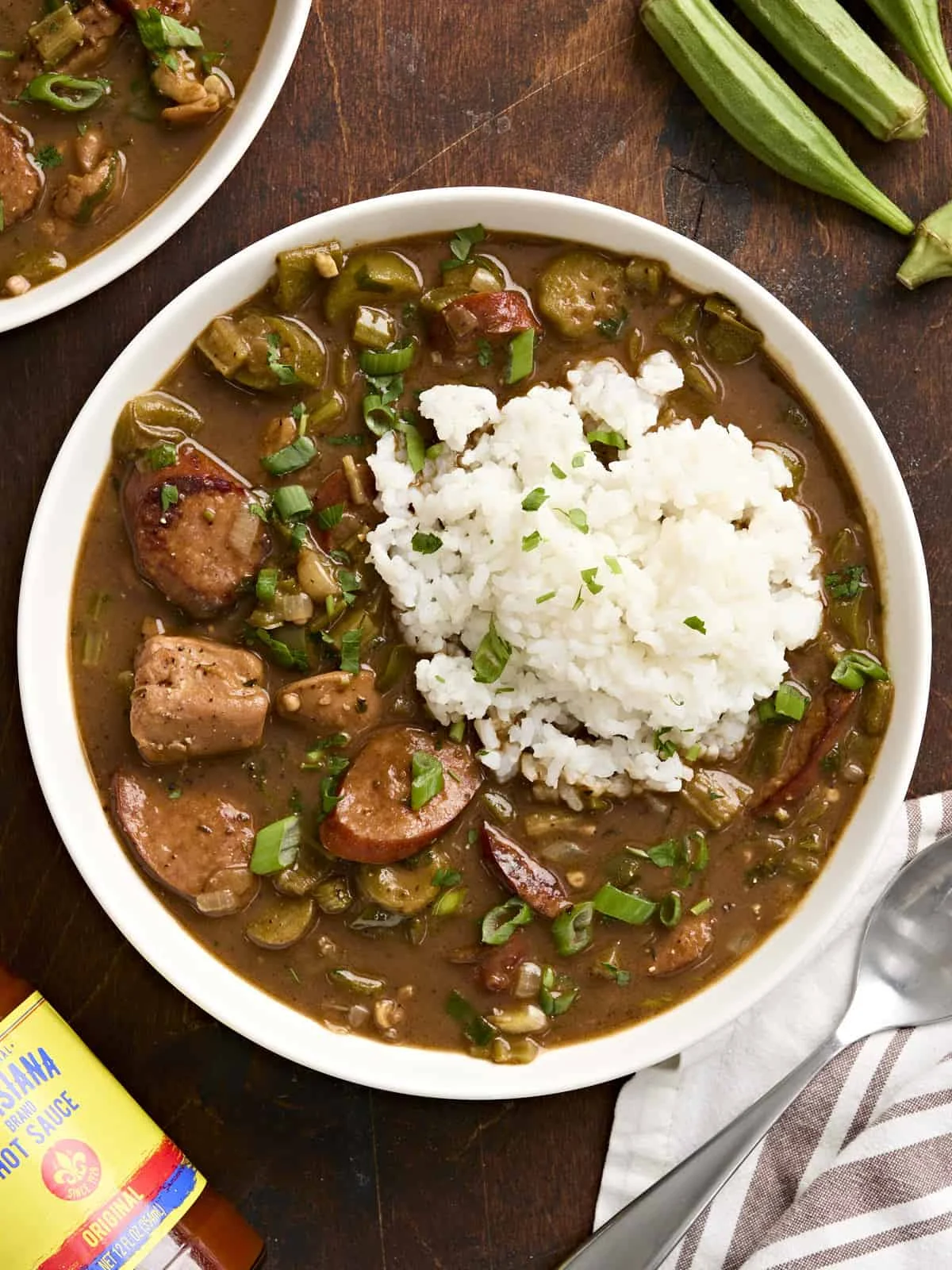
The dish known as gumbo serves as a culinary microcosm of Louisiana’s complex demographic history, blending West African, French, Spanish, and Indigenous Choctaw influences into a single, cohesive stew. Recently, culinary researchers at the Nashville Test Kitchen have finalized a standardized protocol for a chicken and andouille sausage gumbo that emphasizes both authentic technical execution and economic accessibility. This development comes at a time when food inflation has significantly impacted the affordability of traditional protein-heavy meals, prompting a resurgence in "slow food" techniques that utilize low-cost ingredients to produce high-value flavor profiles. The resulting recipe, developed by Chef Melissa Nolan, demonstrates that the foundational elements of Cajun cuisine—specifically the dark roux and the "holy trinity" of vegetables—can be replicated by home cooks for approximately $1.88 per serving without sacrificing the depth of flavor associated with professional Creole kitchens.
Historical Context and Cultural Lineage
To understand the structural requirements of a successful gumbo, one must first acknowledge its origins. The name itself is derived from the West African word for okra, ki ngombo, which served as the primary thickening agent for early iterations of the dish. As the recipe evolved through the 18th and 19th centuries, it incorporated the French technique of the roux, the Spanish preference for peppers and onions, and the Choctaw use of filé powder (dried sassafras leaves).
Modern gumbo is generally categorized into two distinct styles: Cajun and Creole. Creole gumbo, originating in New Orleans, frequently incorporates tomatoes and a wider variety of seafood, reflecting the city’s historical access to diverse markets. In contrast, Cajun gumbo—the style emulated in the Nashville Test Kitchen’s recent report—is typically darker, smokier, and centered on land-based proteins like chicken and smoked sausage. By focusing on chicken thighs and andouille, the Nashville team has prioritized ingredients that offer a higher fat content and structural integrity during the prolonged simmering process required for traditional gumbo.
The Chemistry of the Dark Roux
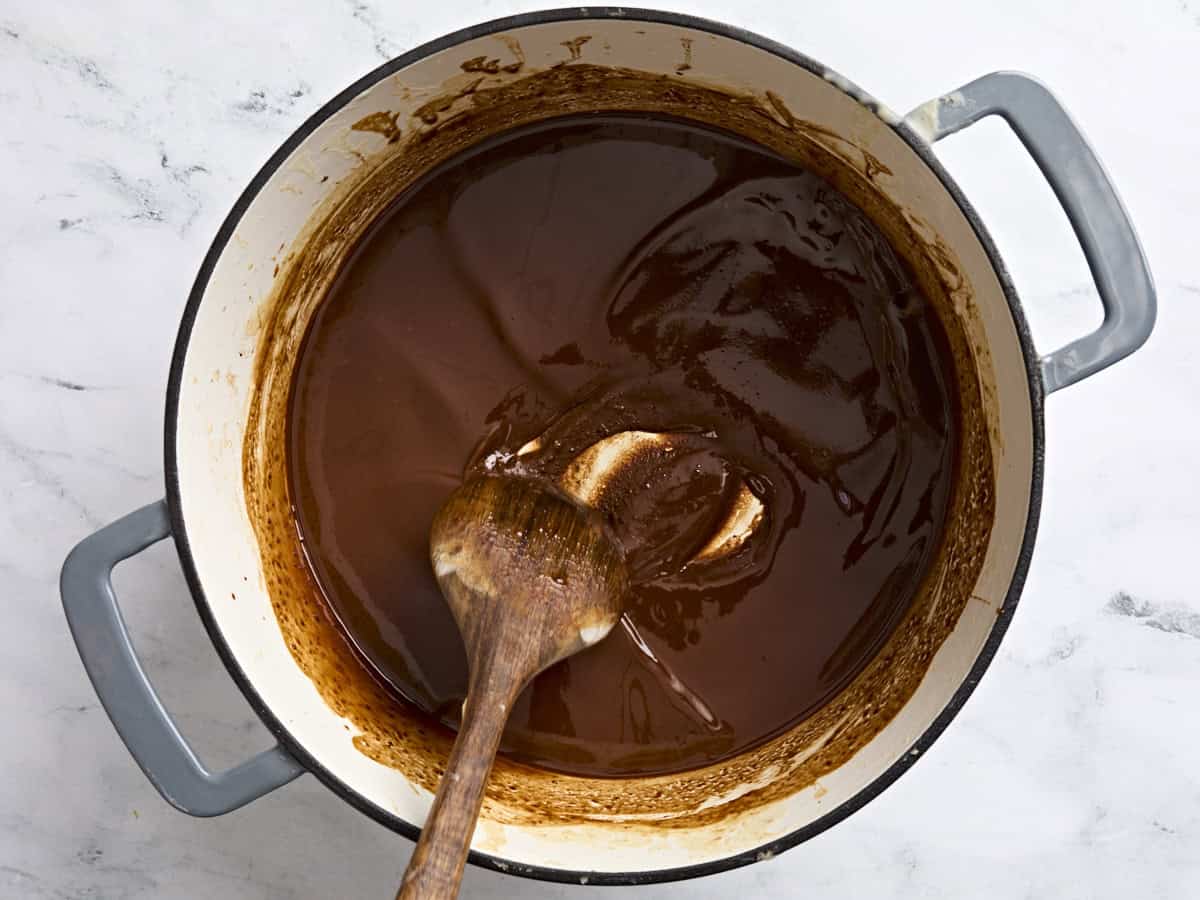
The defining characteristic of the Nashville-standardized gumbo is the dark roux, a mixture of flour and vegetable oil cooked until it reaches a deep mahogany hue. From a chemical perspective, the preparation of a roux involves the dextrinization of starch. As the flour is heated in fat, the starch molecules break down into smaller fragments called dextrins, which develop a toasted, nutty flavor and a darker color.
While a "blonde" or "light" roux is commonly used in French mother sauces like béchamel to provide maximum thickening power, the extended cooking time for a gumbo roux—often exceeding two hours—significantly reduces its thickening capability. However, this trade-off is essential for the development of the complex bitter-and-savory notes that balance the richness of the meats. The Nashville Test Kitchen emphasizes that patience is the primary variable in this stage; rushing the heat can lead to the "speckling" of the flour, a sign of burning that necessitates discarding the entire batch and beginning anew.
Procedural Chronology: A Three-Hour Production Timeline
The production of a high-quality gumbo follows a strict chronological sequence designed to layer flavors systematically. According to the data provided by the Nashville development team, the process begins with the searing of proteins to initiate the Maillard reaction.
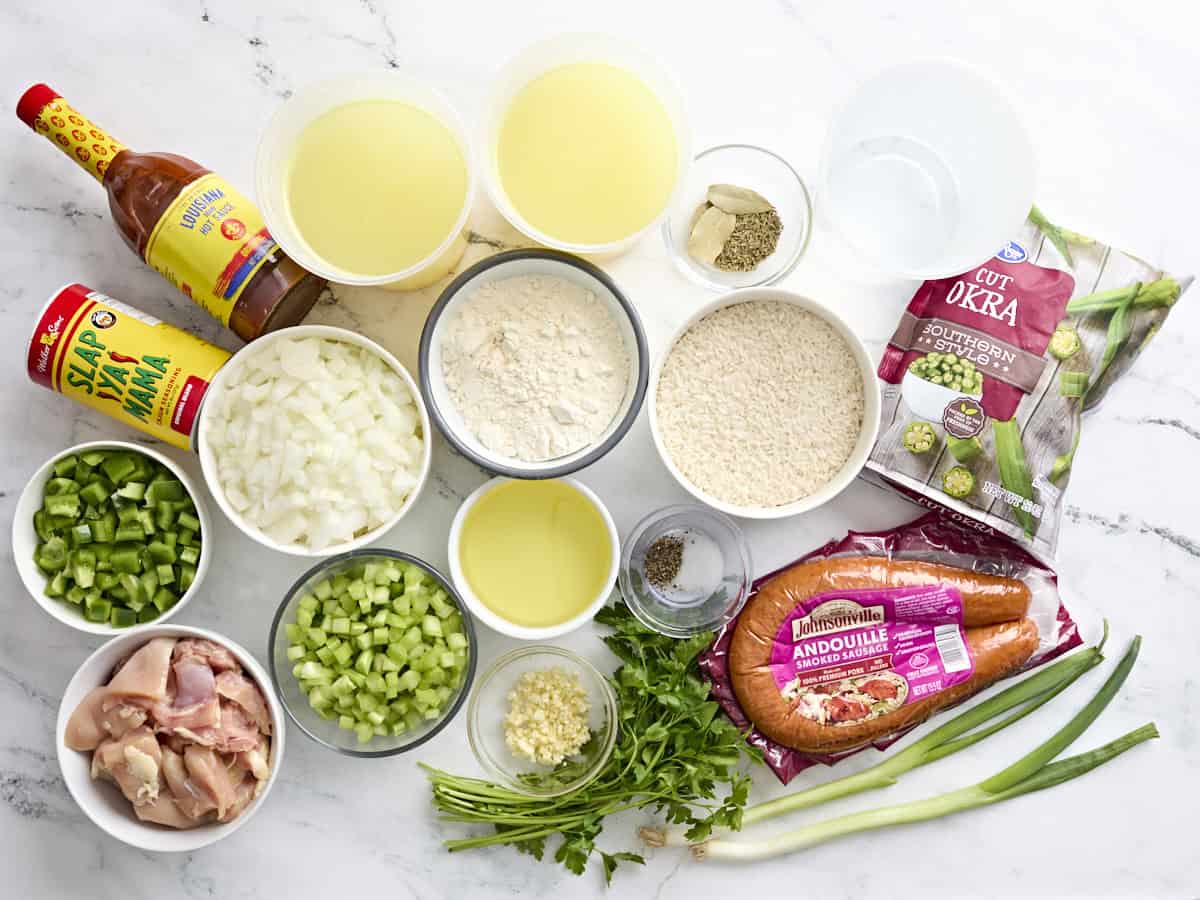
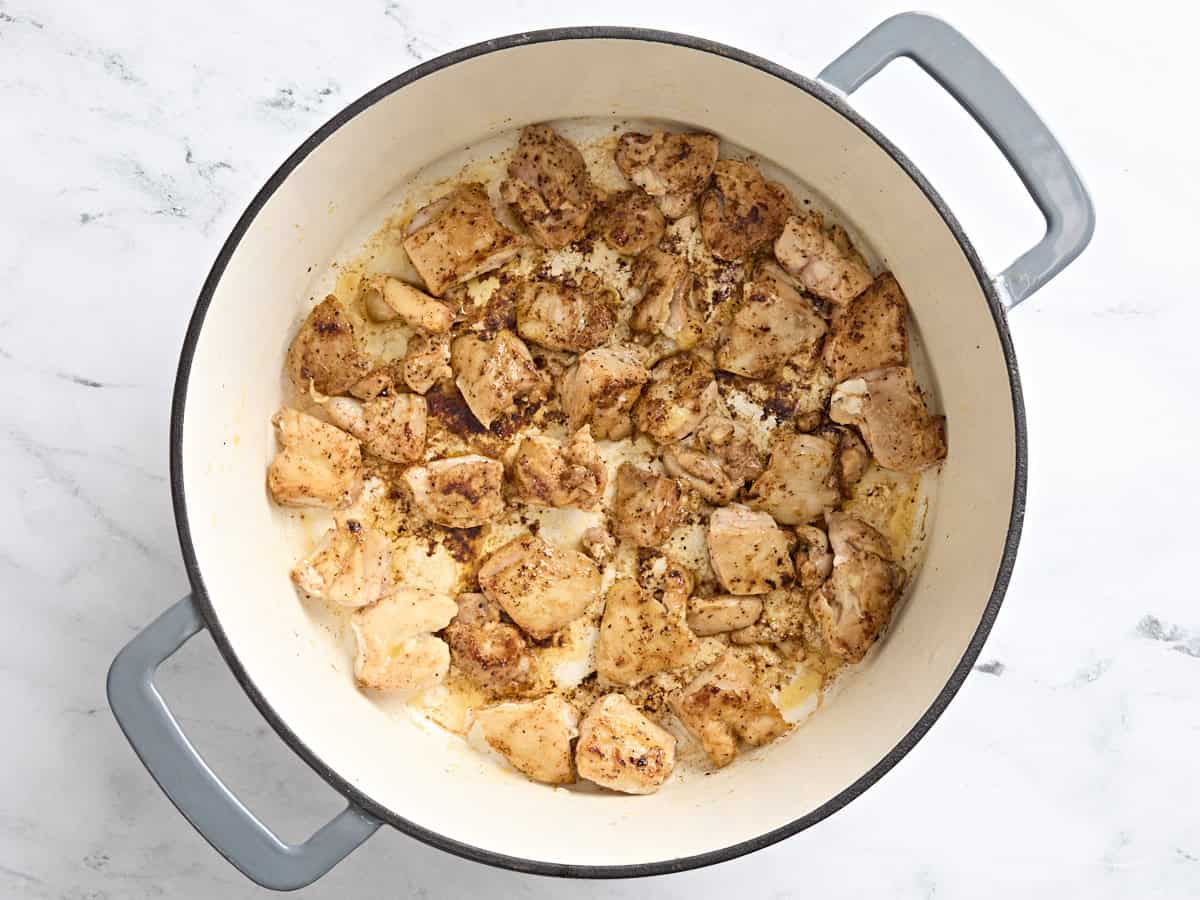
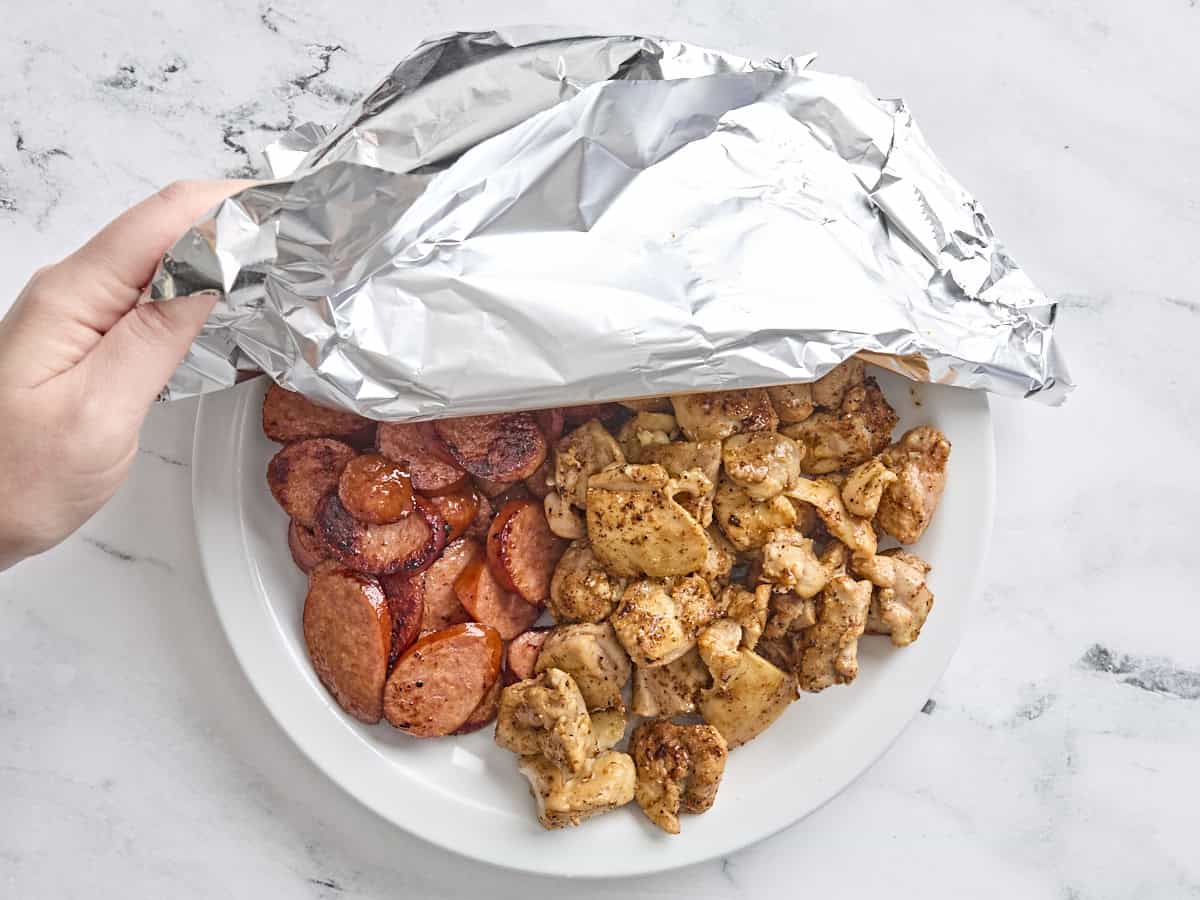
- Protein Preparation: Approximately 13.5 ounces of sliced andouille sausage are browned in a large skillet. This step renders the fat and caramelizes the exterior of the meat. Subsequently, one pound of chicken thighs, seasoned with a Cajun spice blend, is seared in the residual fats. These proteins are then reserved, allowing the accumulated juices to be reintegrated into the stew at a later stage.
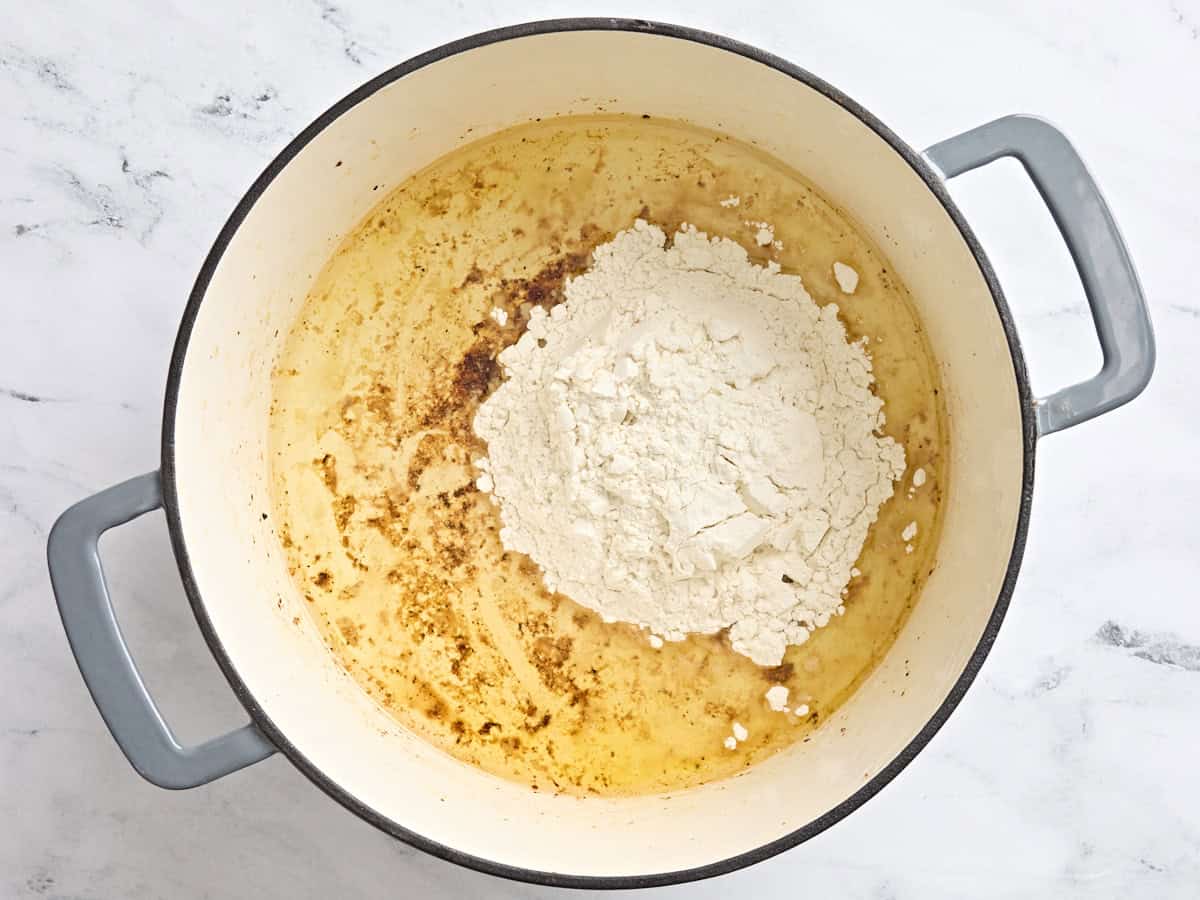
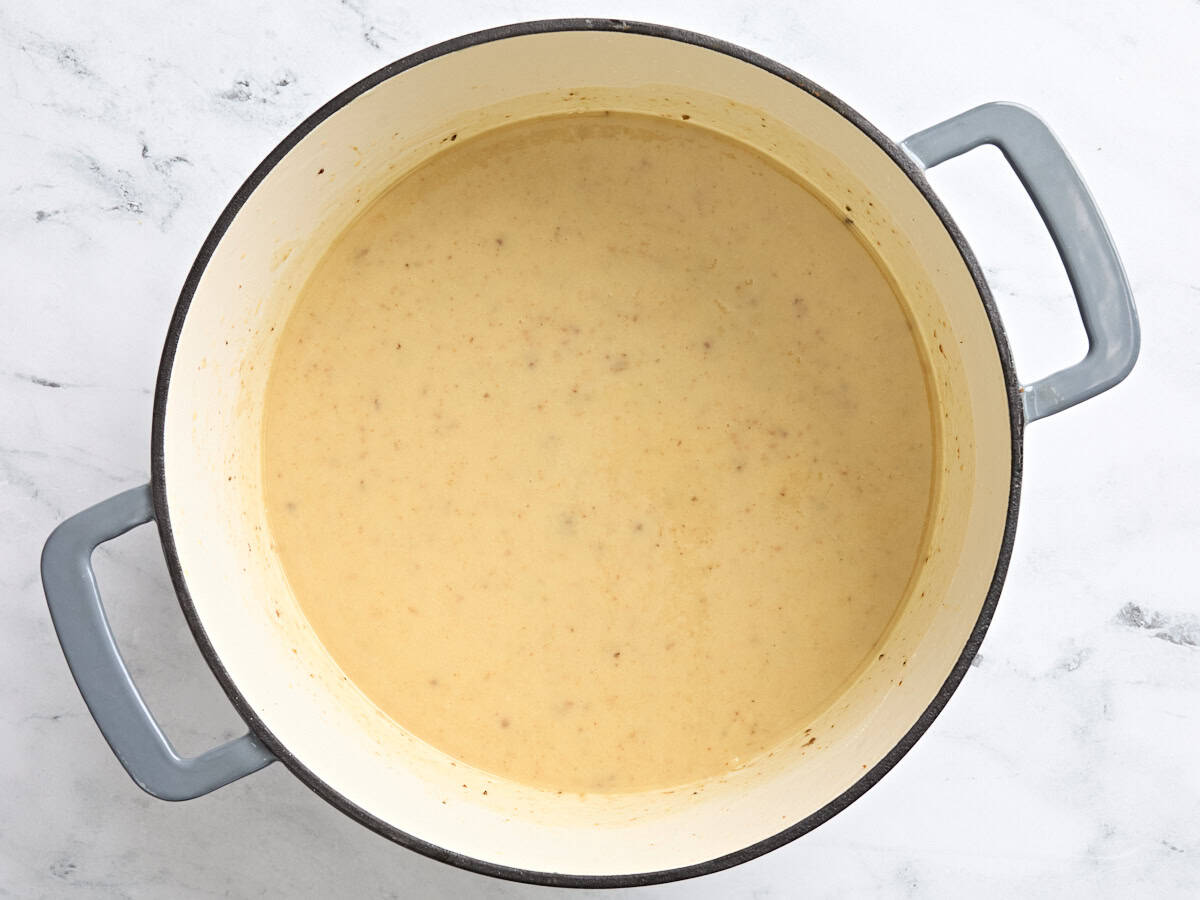
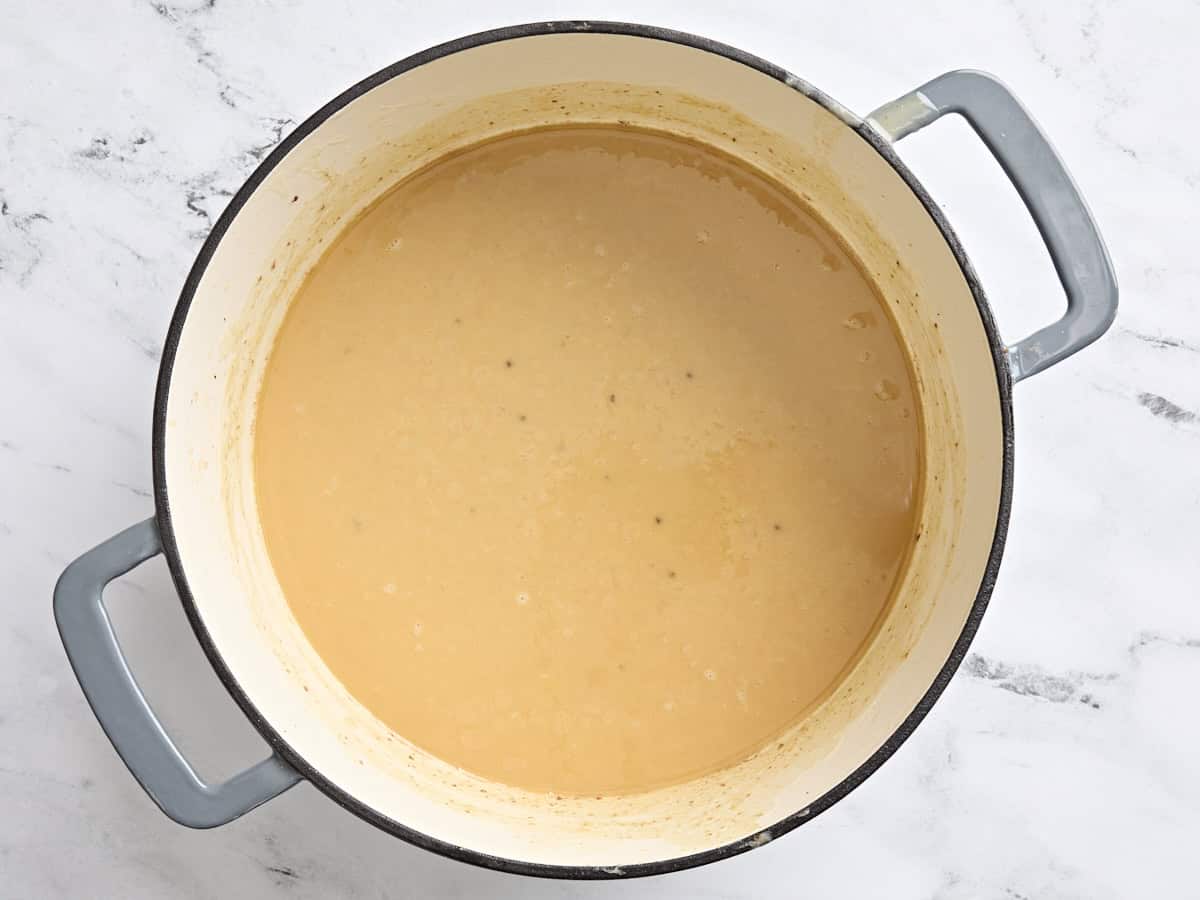
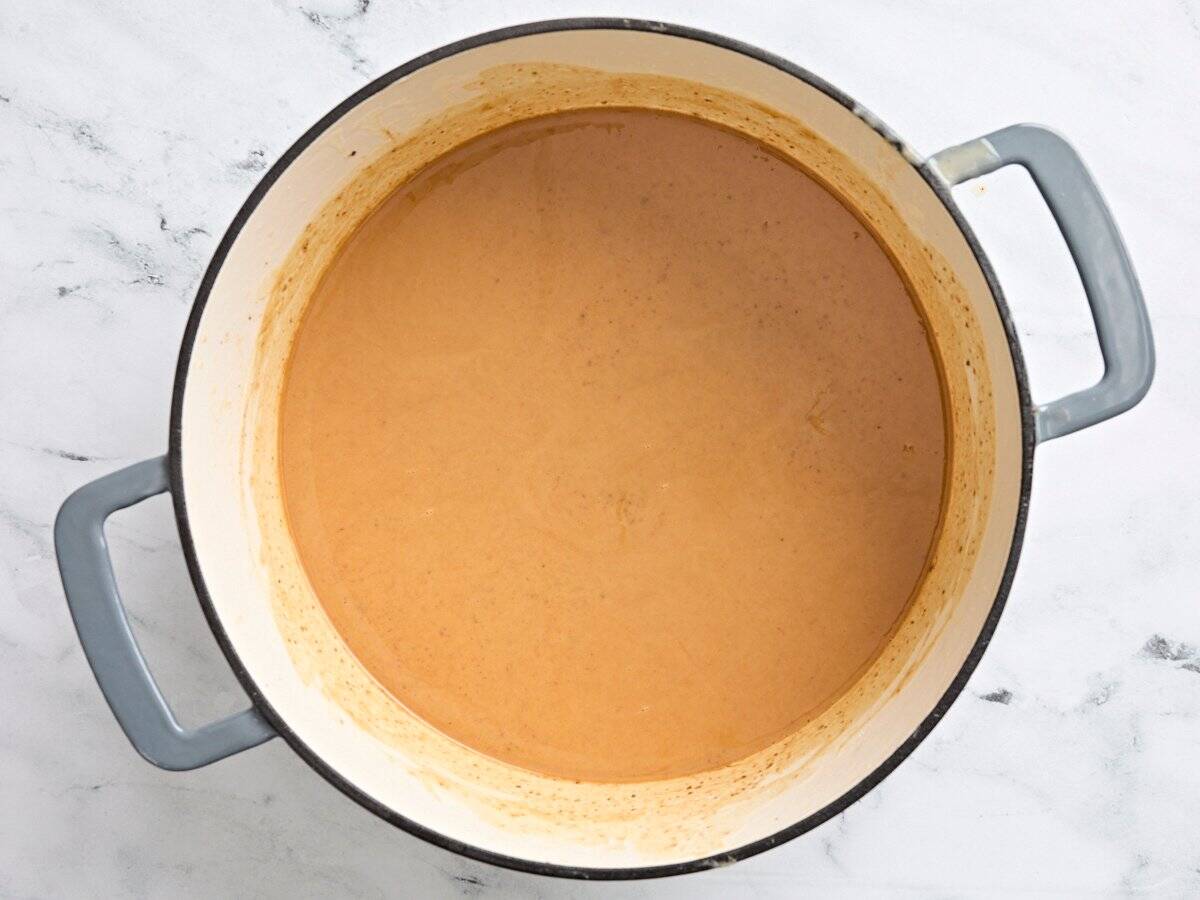
- Roux Development: The most labor-intensive phase involves combining 3/4 cup of vegetable oil with one cup of all-purpose flour. This mixture is stirred constantly over medium-low heat. The team observed that the roux transitions through several distinct visual phases: white, blonde, light brown, medium brown, and finally, a deep mahogany.
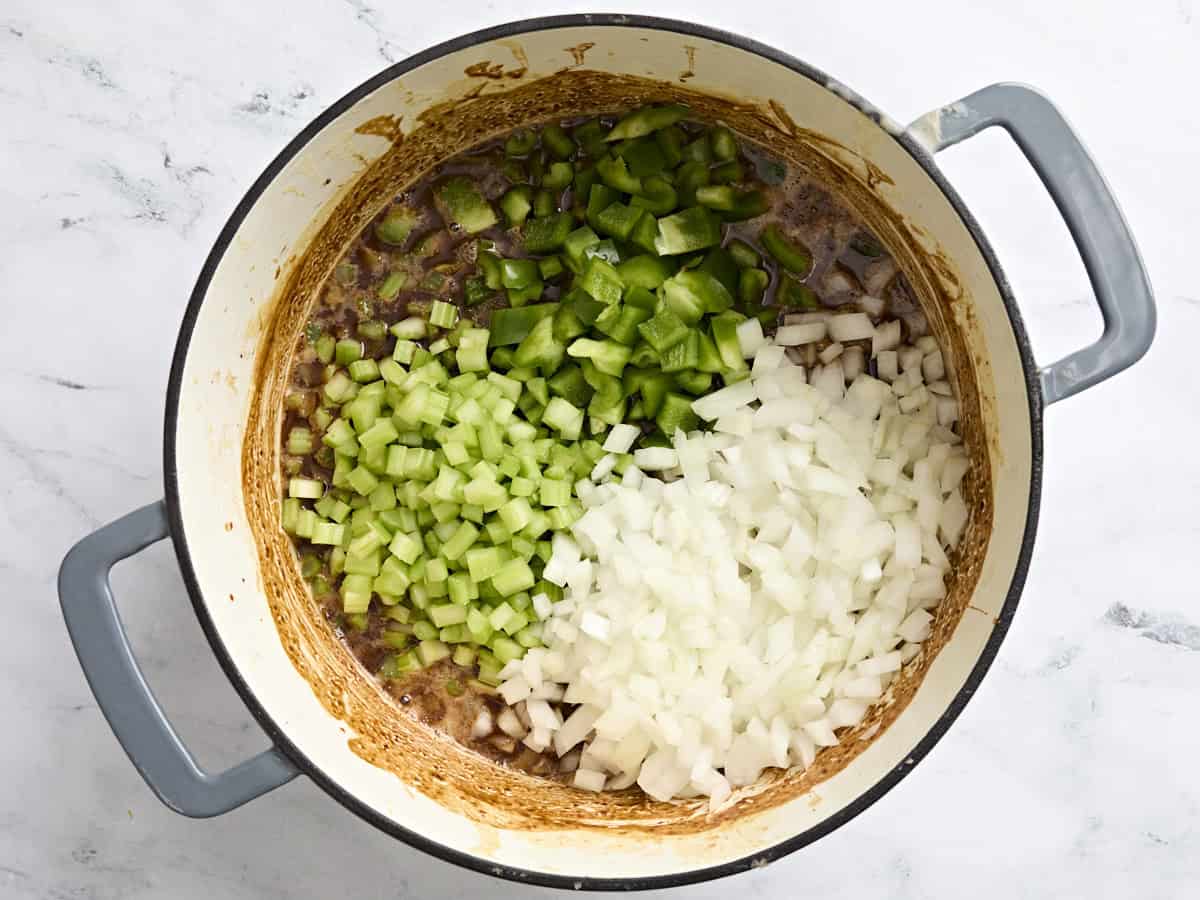
- The Holy Trinity Integration: Once the roux achieves the desired color, the "Cajun Holy Trinity"—a mixture of diced onions, green bell peppers, and celery—is introduced. In French cooking, this is known as a mirepoix (onions, carrots, and celery), but the substitution of bell peppers for carrots is a fundamental adaptation to the Louisiana climate, where peppers flourished more readily than carrots. The vegetables are cooked in the roux until softened, which also serves to "stop" the roux from darkening further.
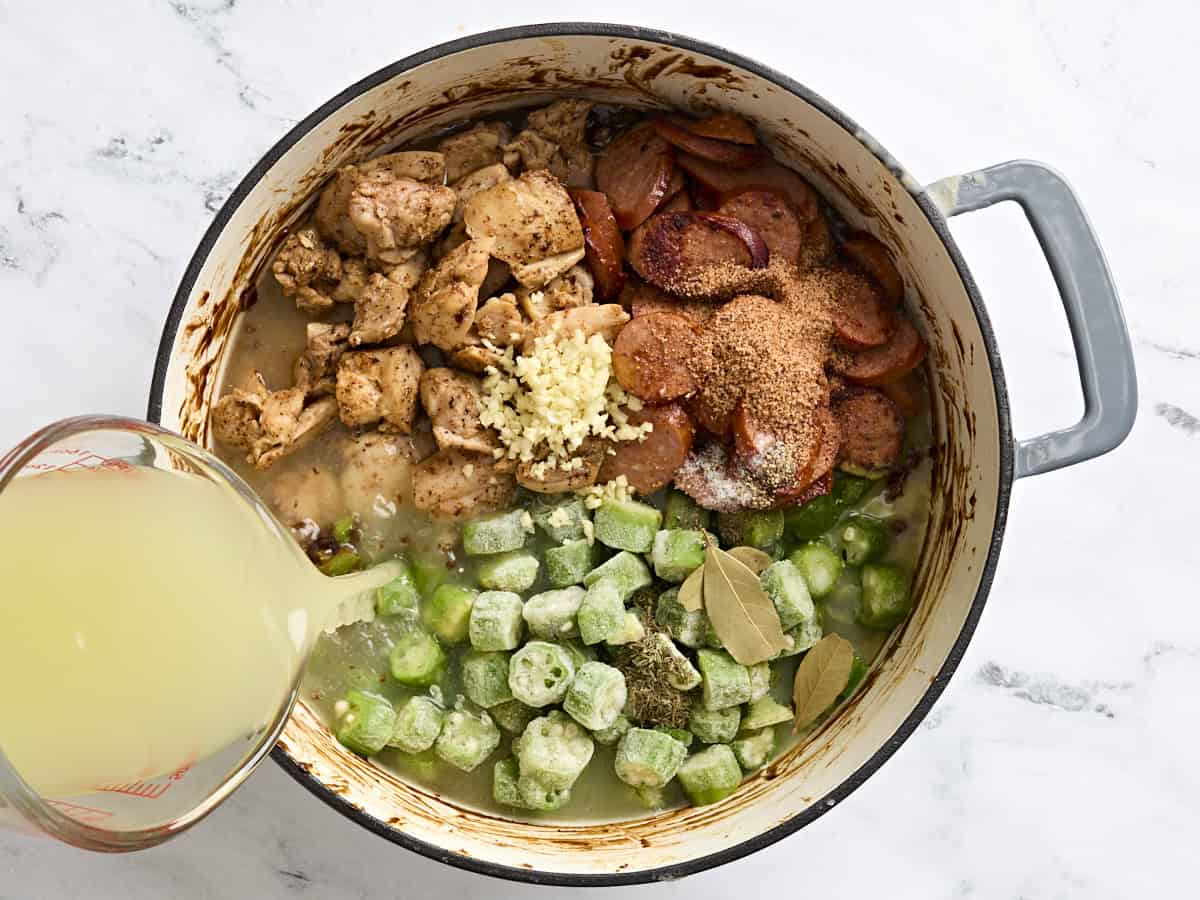
- Simmering and Emulsification: The browned meats are returned to the pot along with 12 ounces of okra, minced garlic, and a seasoned chicken broth. The inclusion of okra provides a secondary thickening agent through its natural mucilaginous properties. The mixture is brought to a boil and then reduced to a simmer for 30 minutes to allow the flavors to meld and the texture to thicken.
- Final Seasoning: In the final five minutes of the process, fresh elements including parsley, green onions, and a vinegar-based hot sauce (specifically Louisiana Brand) are added to provide acidity and brightness, cutting through the heavy fats of the roux.
Economic Analysis and Nutritional Data
In an era of rising grocery costs, the Nashville Test Kitchen’s gumbo recipe serves as a case study in cost-effective meal planning. The total cost for the eight-serving recipe is calculated at $15.06, resulting in a unit cost of $1.88 per serving. This price point is achieved through several strategic ingredient choices:
- Protein Selection: Chicken thighs are utilized instead of chicken breasts or expensive seafood like shrimp or crab. Thighs are not only more affordable but also contain more connective tissue, which breaks down into gelatin during the simmer, enhancing the mouthfeel of the stew.
- Frozen vs. Fresh: The use of frozen okra is recommended as a cost-saving measure. Frozen vegetables are typically processed at peak ripeness and retain their nutritional value and thickening properties at a fraction of the cost of out-of-season fresh produce.
- Bouillon Utilization: The team utilized "Better Than Bouillon" concentrates rather than pre-packaged liquid broths, reducing both the cost per quart and the environmental impact of packaging.
From a nutritional standpoint, a single serving of the gumbo (including white rice) contains approximately 673 calories. The macronutrient breakdown is significant for a budget-friendly meal: 27 grams of protein, 58 grams of carbohydrates, and 37 grams of fat. The high sodium content (1280 mg, or 56% of the daily value) is typical of smoked meat dishes and reflects the traditional use of salt for preservation in Cajun culture.
Official Responses and Expert Perspectives
Chef Melissa Nolan, the primary developer behind this iteration of the recipe, brings a background in high-end culinary arts, including an internship at Thomas Keller’s Per Se in New York City. Her transition to recipe development for Budget Bytes represents a broader shift in the industry toward "accessible excellence."
"Gumbo is personal," Nolan stated regarding the development process. "Ask a dozen aficionados for their recipe, and you will get twelve passionate, different answers. The goal was to create a version that honors the time-intensive traditions of Louisiana ‘MawMaws’ while ensuring the steps are fail-proof for someone operating on a strict budget and timeline."

Culinary historians note that the persistence of gumbo in the American diet is a testament to its versatility. Because it is a "pot" dish, it can be expanded to feed large groups by simply increasing the volume of the roux and the rice, making it a staple for community gatherings and family reunions in the Gulf Coast region.
Broader Impact and Culinary Implications
The release of this standardized gumbo protocol has implications for both cultural preservation and domestic economy. By demystifying the dark roux—a technique that often intimidates novice cooks—digital platforms are ensuring that complex regional traditions are not lost to the convenience of highly processed "instant" foods.
Furthermore, the storage and reheating properties of gumbo make it an ideal candidate for "batch cooking," a practice increasingly adopted by households looking to reduce food waste. The Nashville team noted that the flavor of the gumbo often improves after 24 to 48 hours of refrigeration, as the aromatic compounds in the spices and the "holy trinity" continue to infuse the proteins through osmosis.
As the culinary landscape continues to grapple with the balance between tradition and affordability, the Nashville Test Kitchen’s work suggests that the most resilient recipes are those that treat time as an ingredient. The three-hour investment required for a dark roux is not merely a labor of love; it is a calculated method of extracting maximum value from humble ingredients, ensuring that the legacy of Louisiana’s most famous export remains accessible to the next generation of home cooks.
