
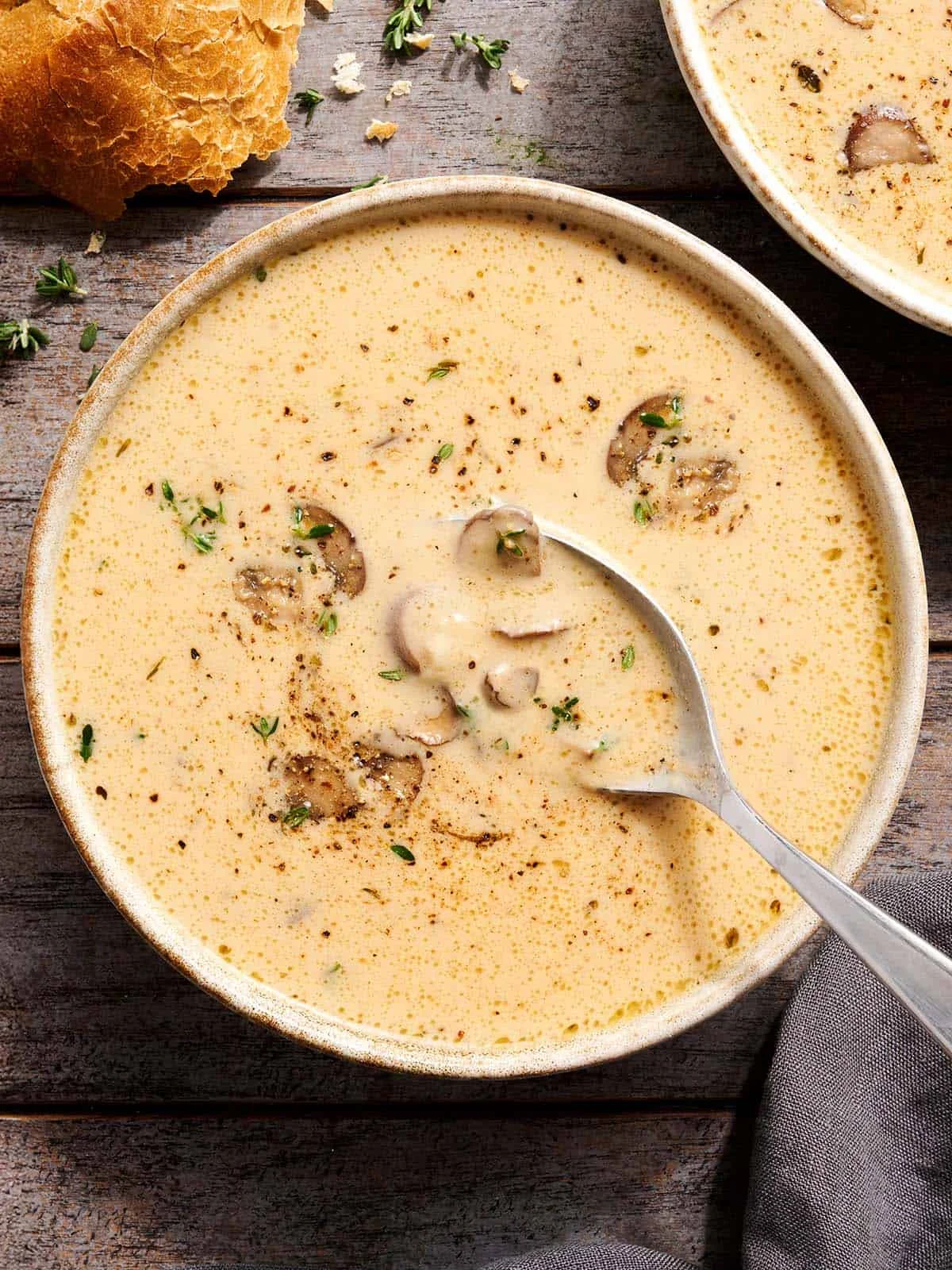
As the global climate transitions into the colder months, culinary trends have observed a significant shift toward "comfort cooking," a movement characterized by the preparation of nutrient-dense, warm, and cost-effective meals. Among the most prominent staples of this seasonal transition is the mushroom soup, a dish that has evolved from its origins in classical French cuisine to become a versatile modern favorite. Recent data from culinary testing facilities, including the Nashville Test Kitchen, suggests that the demand for scratch-made creamy soups is rising as consumers seek to balance gourmet quality with increasingly tight household budgets.
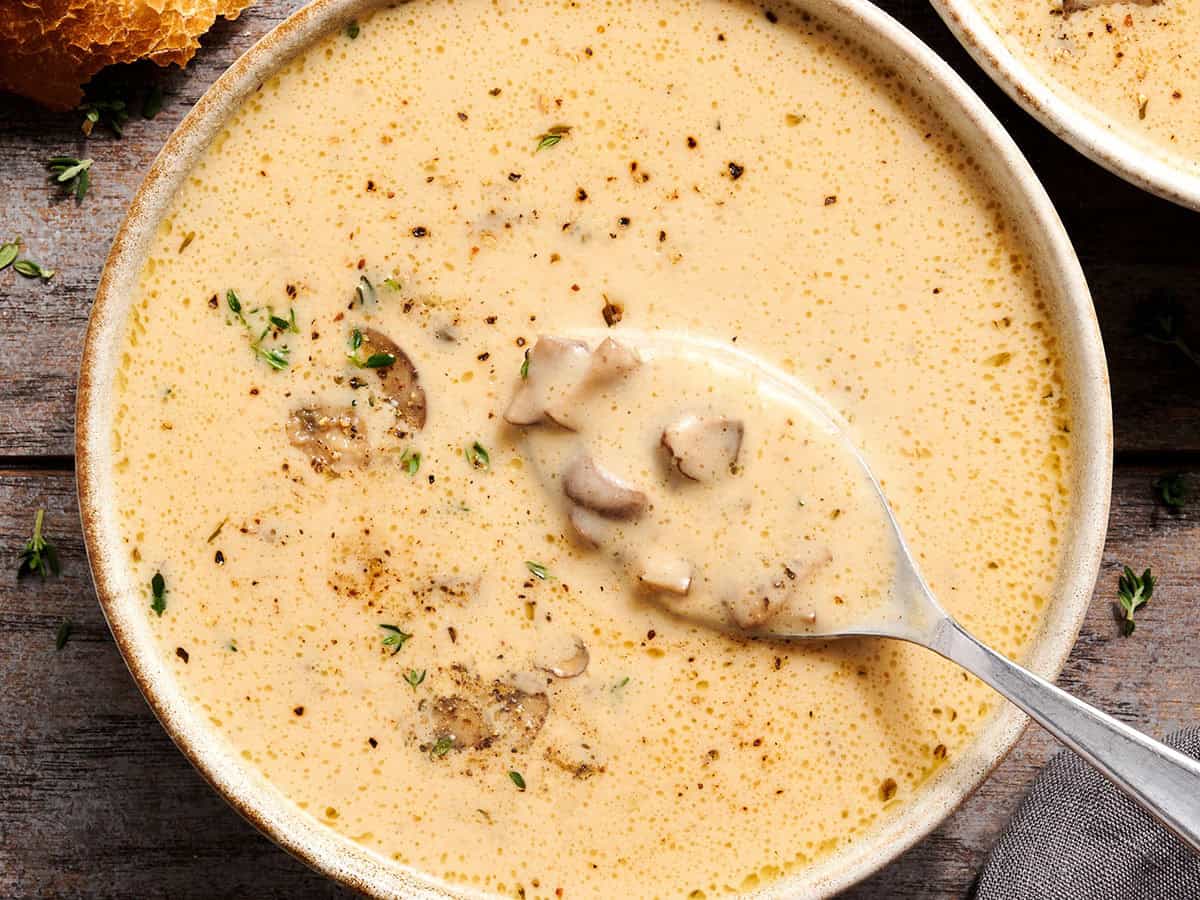
The development of a high-quality mushroom soup relies on a combination of chemical reactions and specific ingredient selection. The transition from a simple vegetable broth to a velvety, spoon-coating consistency is achieved through the application of a traditional roux—a mixture of flour and fat—and the strategic use of umami-enhancing agents. This journalistic inquiry explores the technical, economic, and nutritional facets of creating a professional-grade creamy mushroom soup in a domestic setting.
The Evolution of Mushroom Soup: From Velouté to Modern Staples
The history of mushroom soup is deeply rooted in European culinary traditions, specifically within the French system of "Mother Sauces." Early iterations were often variations of a velouté or a Béchamel-based soup, enriched with wild foraged fungi. In the early 20th century, the advent of condensed canned soups by companies like Campbell’s revolutionized the accessibility of the dish, turning it into a common pantry staple used both as a standalone meal and a base for casseroles.
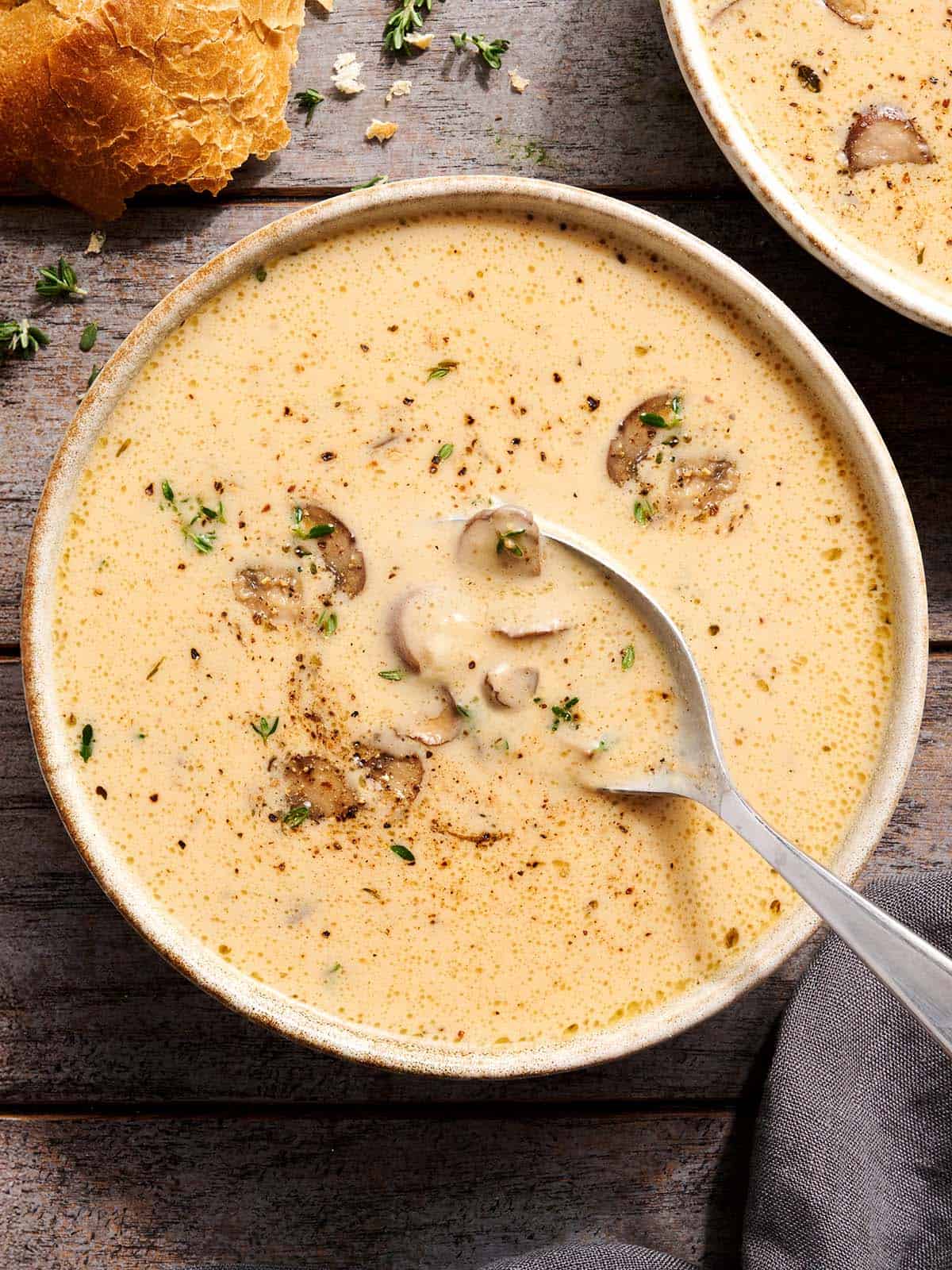
However, contemporary food trends indicate a "return to roots" approach. Modern consumers are increasingly eschewing processed canned goods in favor of fresh ingredients to control sodium intake and enhance flavor profiles. The Nashville Test Kitchen, a facility dedicated to rigorous recipe validation, reports that home-cooked versions of mushroom soup offer a significantly more complex flavor hierarchy than their industrial counterparts, primarily due to the ability to brown fresh mushrooms and utilize high-quality dairy.
Agricultural Context: The Role of Agaricus Bisporus
The success of a mushroom soup is largely determined by the variety of fungi utilized. The most common choice for home cooks is the Agaricus bisporus, which includes white button mushrooms, Baby Bellas (Cremini), and Portobellos. While all belong to the same species, they represent different stages of maturity.
Culinary experts emphasize the use of Baby Bella mushrooms for soup production. These are harvested later than white button mushrooms, allowing them to develop a deeper brown color and a more pronounced earthy flavor. In contrast, white button mushrooms, while more affordable in some regions, often lack the pigment and density required to produce a visually appealing, rich broth. For those seeking a more robust profile, the inclusion of Portobello caps or rehydrated dried Shiitakes can introduce additional layers of texture and "forest" notes.
Economic Analysis: Gourmet Quality on a Budget
One of the most compelling arguments for the home preparation of creamy mushroom soup is its economic efficiency. According to recent cost analysis reports, a four-serving batch of this soup can be produced for approximately $6.30, resulting in a per-serving cost of just $1.58.
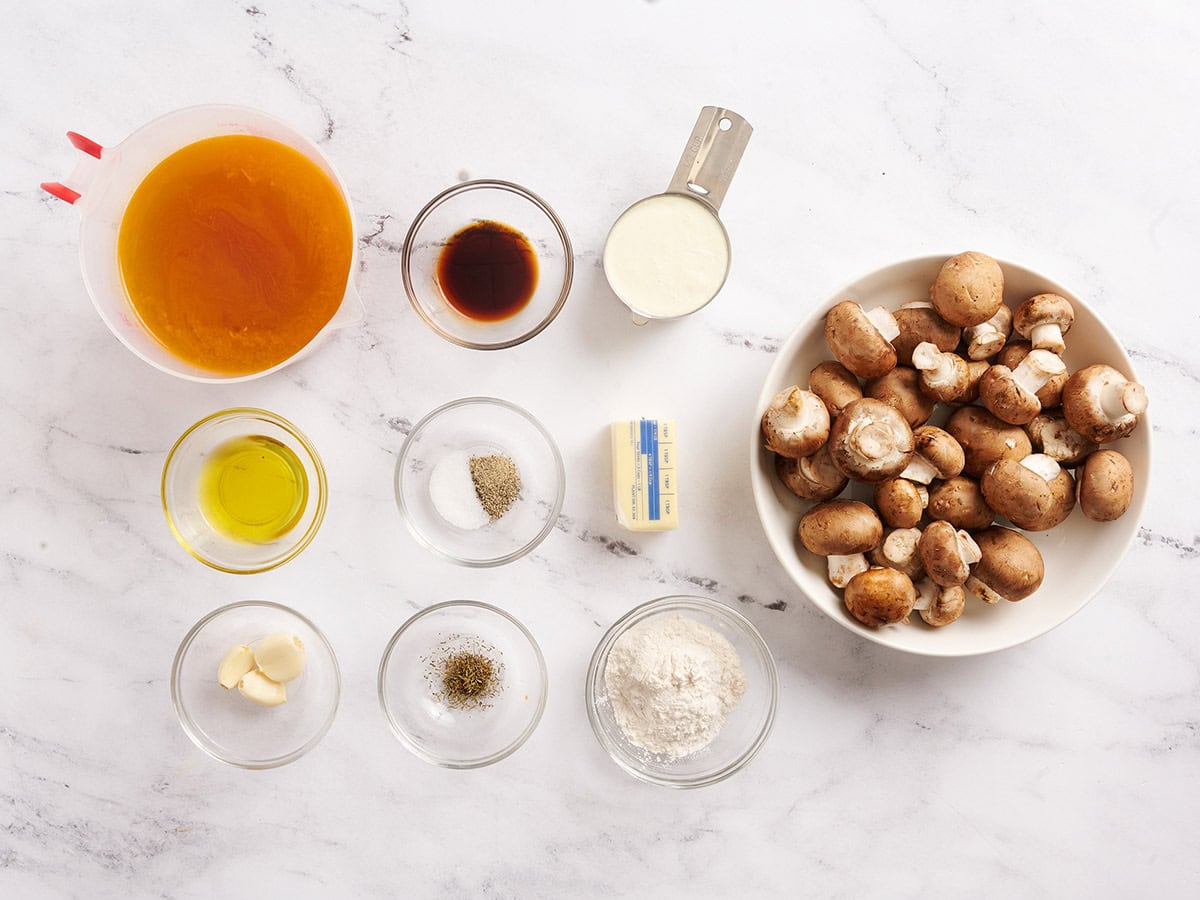
In a market where the average cost of a restaurant-prepared soup ranges from $5.00 to $9.00 per bowl, the homemade alternative represents a nearly 80% reduction in cost. This affordability remains consistent even when the market price of mushrooms fluctuates. By utilizing pantry staples such as all-purpose flour, butter, and soy sauce, the financial barrier to high-end dining is significantly lowered. This data highlights the soup’s role as a vital tool for families navigating food inflation while maintaining nutritional standards.
Technical Chronology: The Science of the Soup
The preparation of a professional-grade creamy mushroom soup follows a strict chronological sequence designed to maximize flavor extraction and ensure structural stability.
Phase 1: Preparation and Cleaning
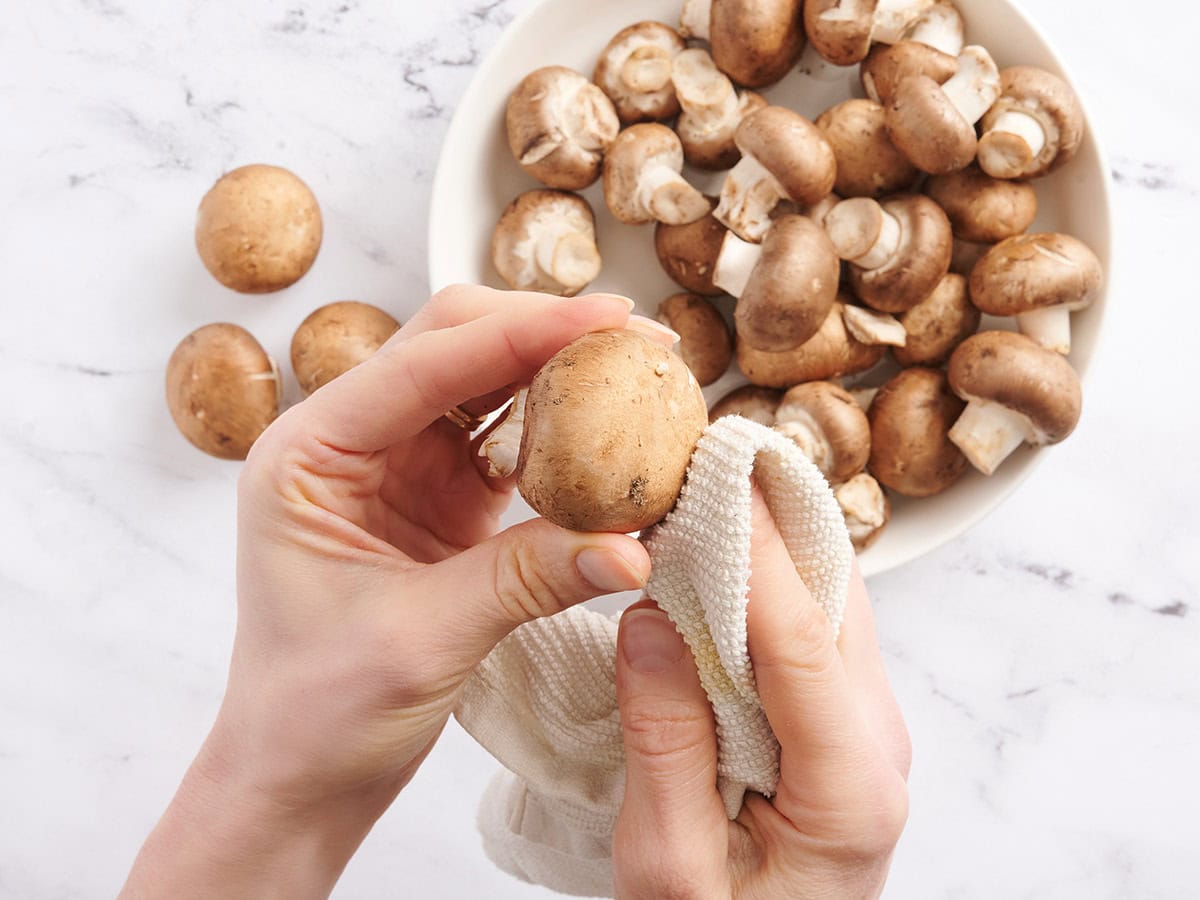
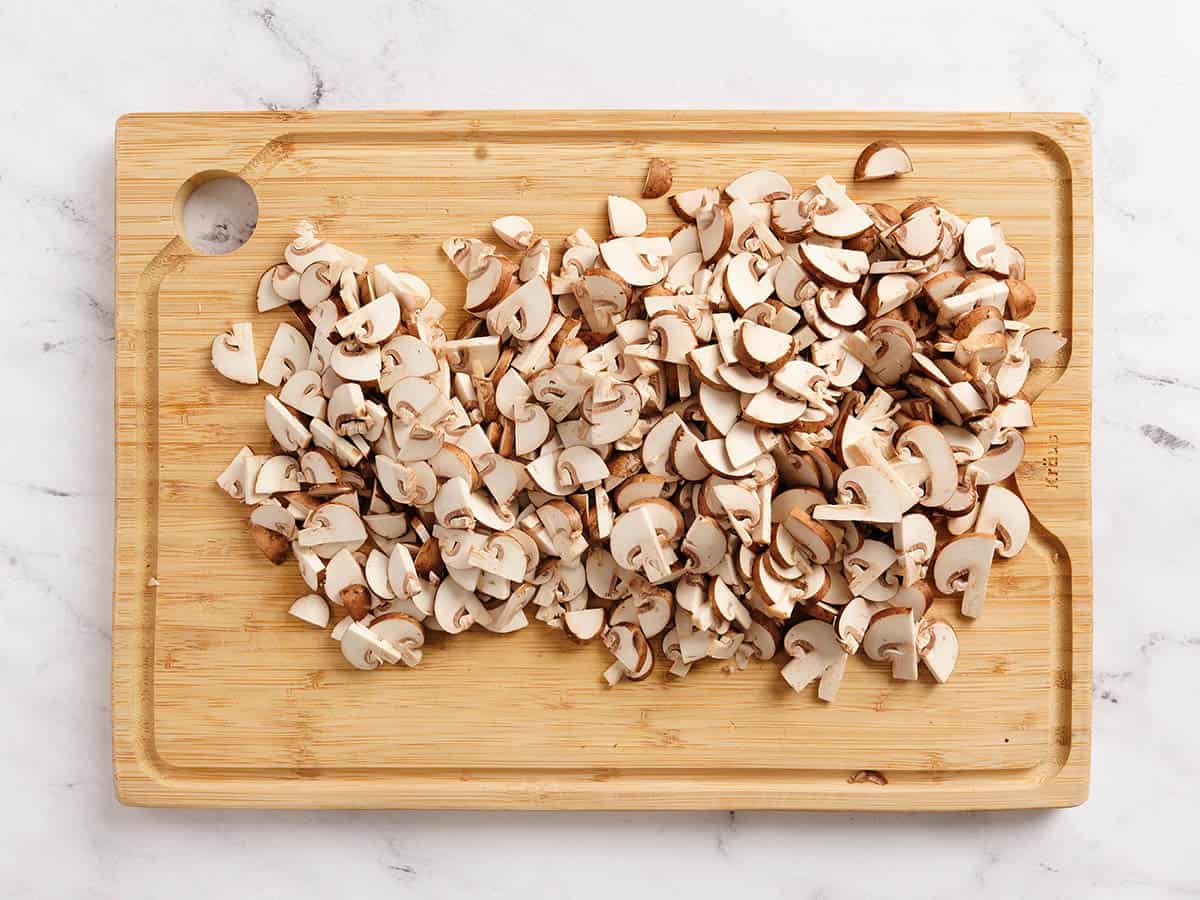
The process begins with the mechanical cleaning of one pound of Baby Bella mushrooms. Agricultural experts advise against submerging mushrooms in water, as their porous structure acts like a sponge, leading to sogginess. Instead, a damp kitchen towel is used to remove residual substrate. The mushrooms are then sliced to a uniform thickness, and three cloves of garlic are minced to provide a secondary flavor base.
Phase 2: The Maillard Reaction
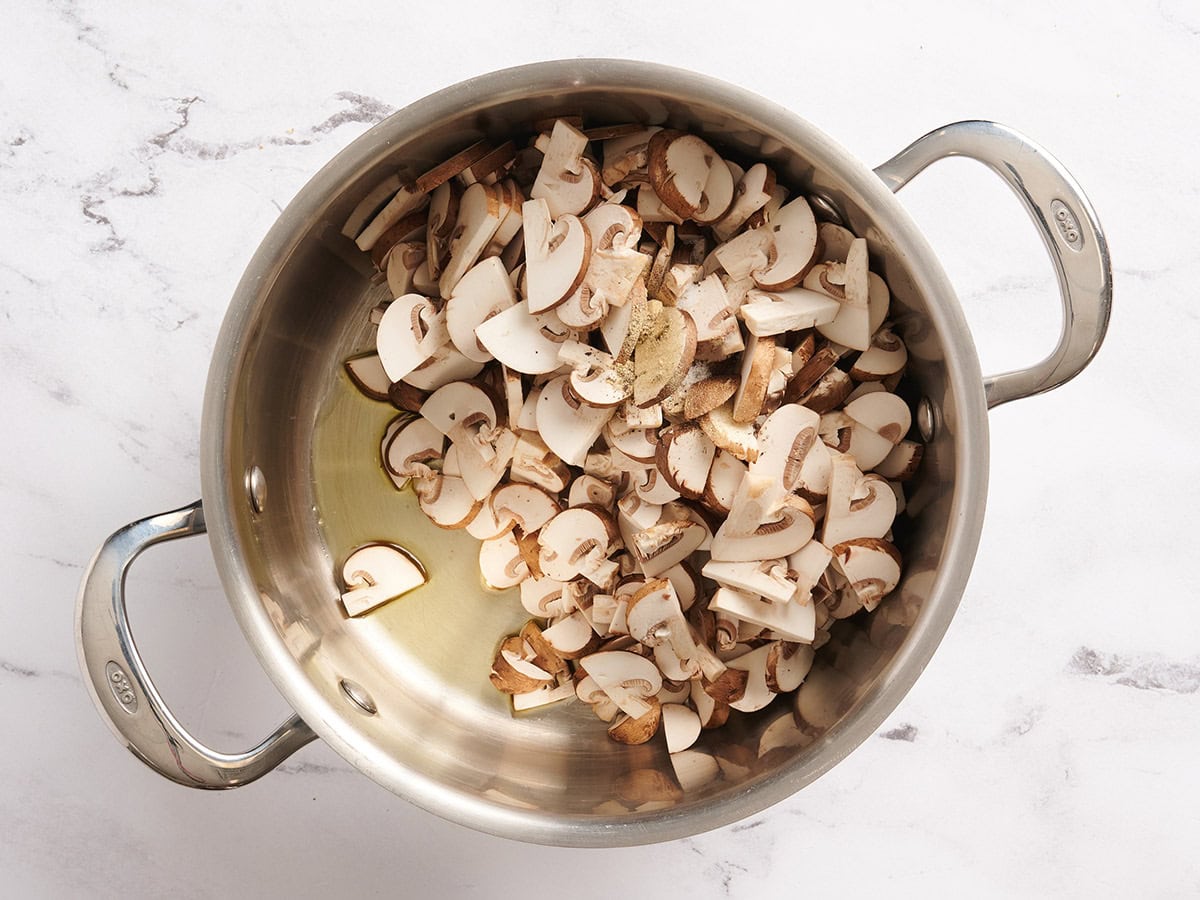
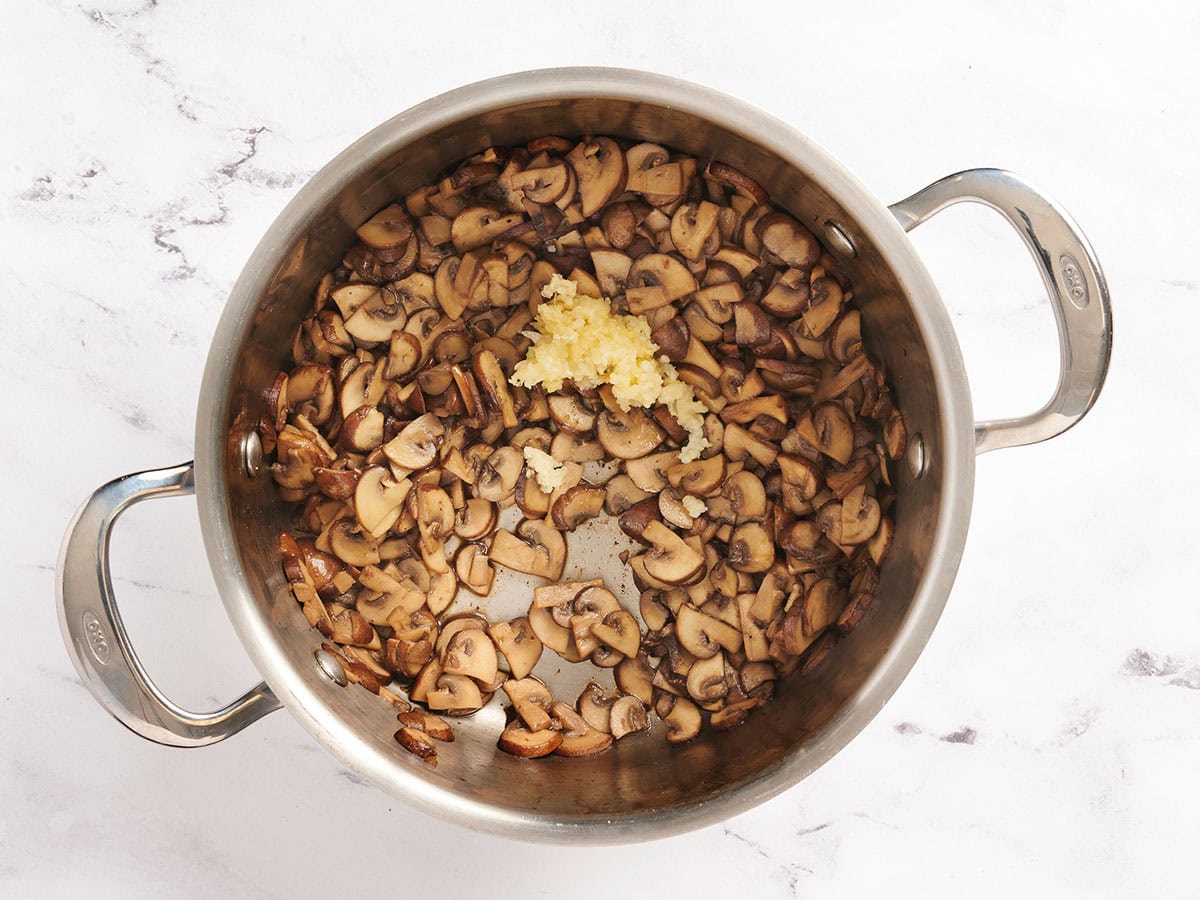
The mushrooms are introduced to a soup pot with olive oil, salt, and pepper over medium heat. This stage is critical for flavor development. Initially, the mushrooms release their internal moisture. Once this water evaporates, the temperature in the pan rises, triggering the Maillard reaction—a chemical reaction between amino acids and reducing sugars that gives browned food its distinctive flavor. This browning process is the foundation of the soup’s savory profile.
Phase 3: The Roux and Deglazing
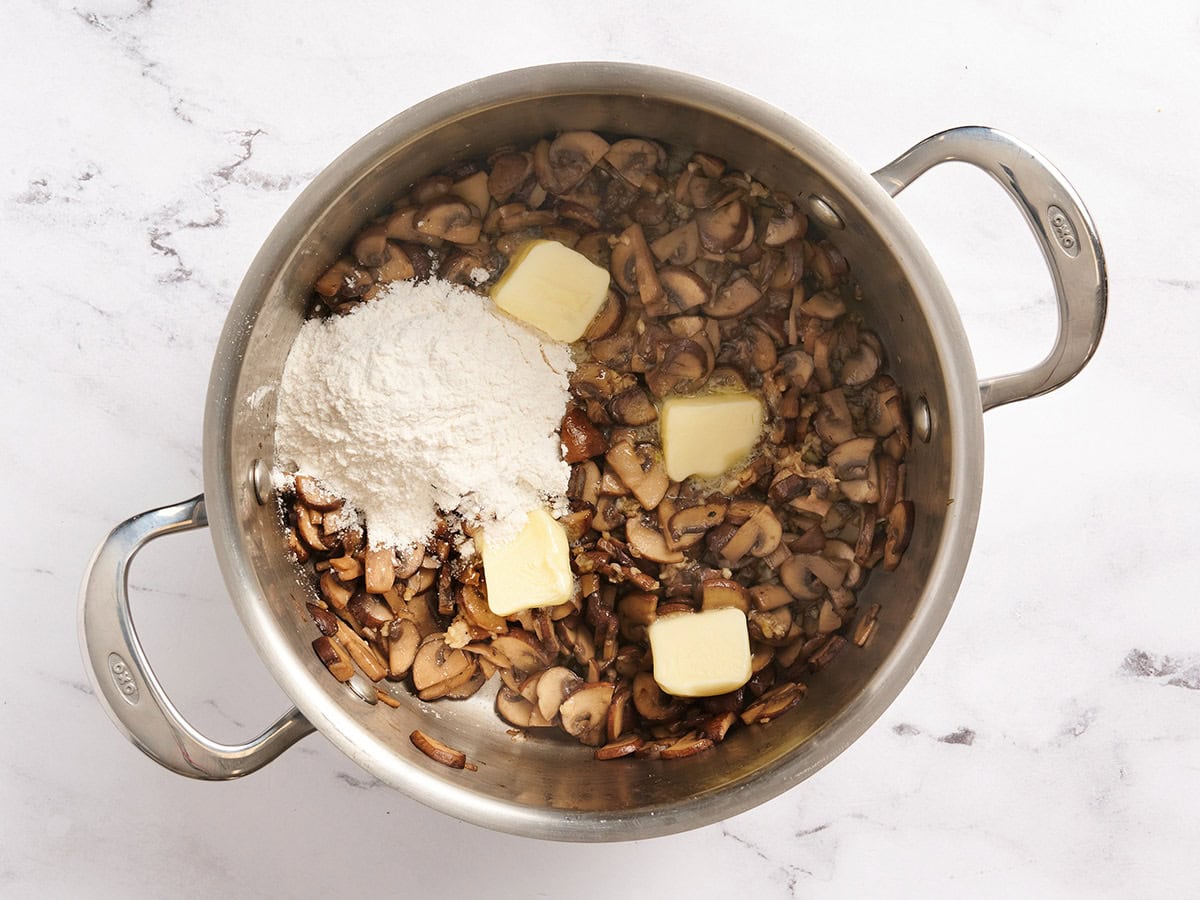
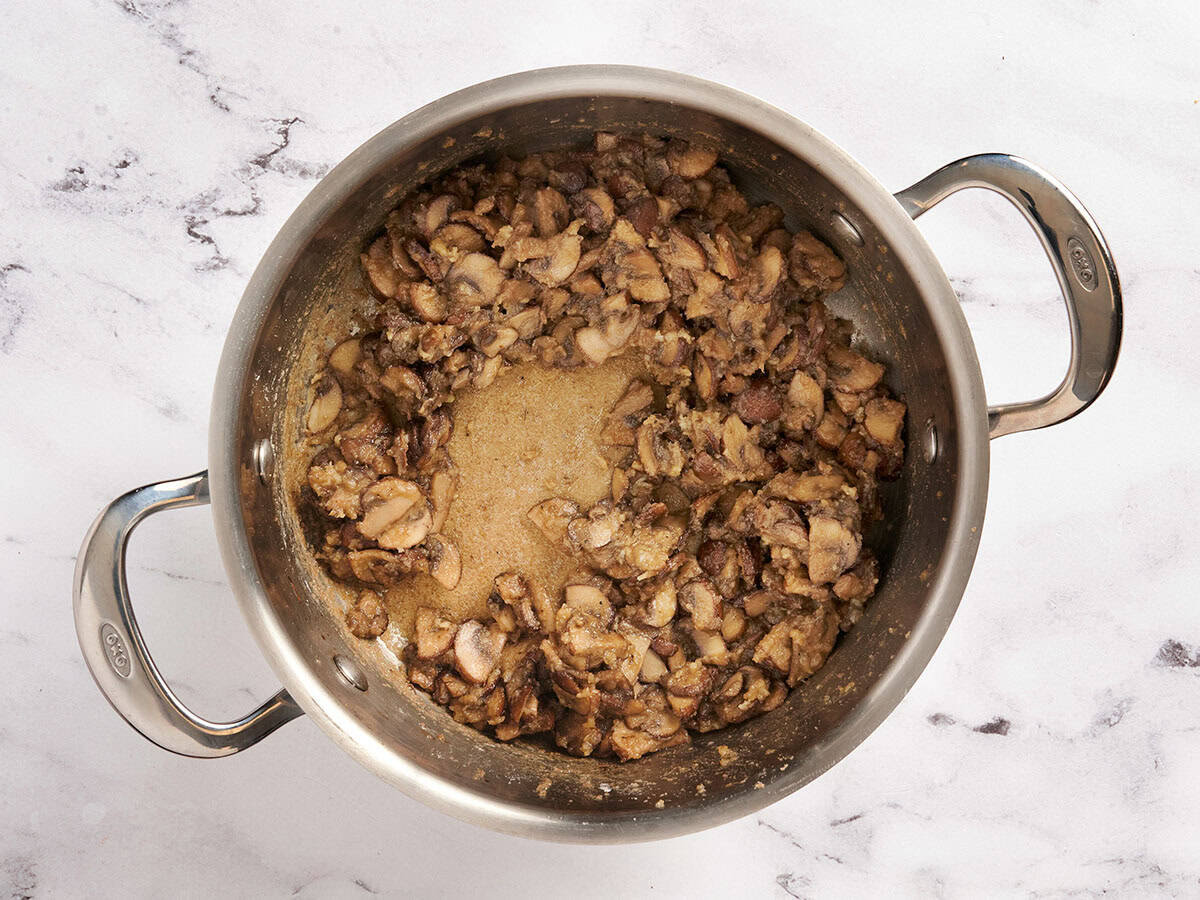
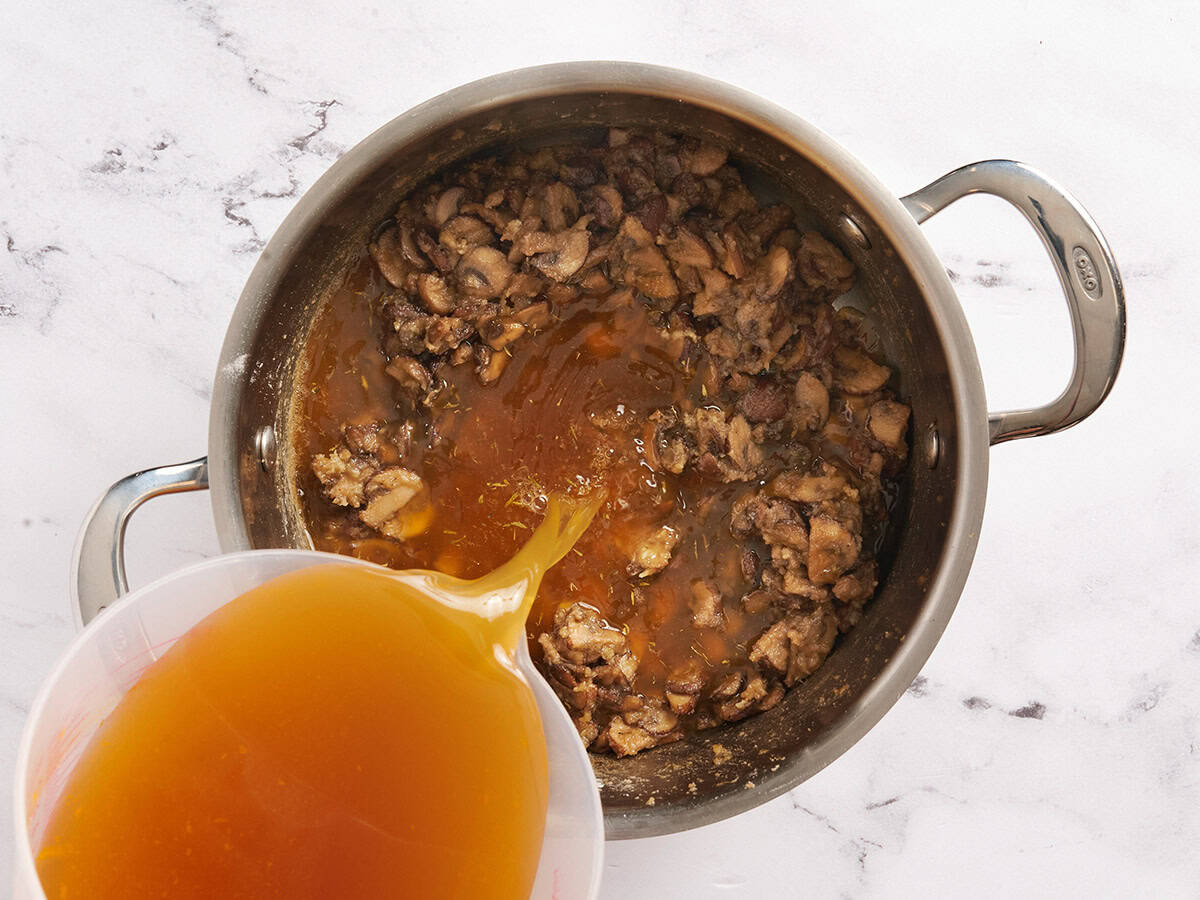
Once the mushrooms have achieved a golden-brown hue, four tablespoons of butter and a quarter-cup of all-purpose flour are added. This creates a roux that coats the mushrooms. As the roux cooks, it develops a nutty aroma and begins to brown the bottom of the pot. At this juncture, three cups of vegetable broth are added. This "deglazing" process lifts the browned bits (fond) from the bottom of the pot, integrating them into the liquid.
Phase 4: Umami Integration and Thickening
To enhance the "meatiness" of the vegetarian dish, one teaspoon of soy sauce is added. Soy sauce is rich in glutamates, which provide an earthy umami boost that complements the fungi. Dried thyme is added for herbal complexity. The mixture is brought to a boil, activating the starch in the flour to thicken the broth into a velvety consistency.
Phase 5: Final Enrichment
The final stage involves tempering the heat and adding half a cup of heavy cream. This introduces fats that carry flavor across the palate and create a luxurious mouthfeel. The soup is simmered gently but never allowed to reach a rolling boil again, as excessive heat can cause the dairy proteins to denature and separate.
Nutritional Profile and Health Implications
From a nutritional standpoint, mushrooms are an exceptional ingredient. They are one of the few non-animal sources of Vitamin D and are rich in selenium, an antioxidant that supports immune function.
A standard serving of this creamy mushroom soup contains approximately 299 calories. While the fat content (26g) is higher due to the inclusion of butter and heavy cream, the dish remains relatively low in carbohydrates (15g). For individuals monitoring sodium intake, the homemade version allows for the use of low-sodium vegetable broths, a significant advantage over canned versions which often contain upwards of 40% of the daily recommended sodium intake in a single serving.
Consumer Feedback and Market Reception
The efficacy of this specific formulation has been validated by a broad demographic of home cooks. Lauren, a frequent contributor to culinary forums, noted that the recipe "came together quicker than I thought it would," highlighting the importance of preparation. She further suggested that pre-cooking the mushrooms and garlic can streamline the process for those with limited time.
Culinary professionals also note the versatility of the base. For those seeking dairy-free alternatives, the heavy cream can be substituted with full-fat coconut milk or cashew cream, though these alterations will shift the flavor profile toward a more tropical or nutty territory.
Broader Impact: Sustainability and Food Waste Reduction
The rise of recipes such as the creamy mushroom soup also contributes to sustainability efforts. Mushrooms have a remarkably low environmental footprint compared to animal proteins, requiring minimal water and land to produce. Furthermore, the soup provides a secondary use for mushrooms that may be slightly past their aesthetic prime—older, slightly wrinkled mushrooms are often more concentrated in flavor and are perfectly suited for a blended or chunky soup.
Storage and Safety Protocols
Proper storage is essential for maintaining the integrity of dairy-based soups. Microbiological safety guidelines recommend cooling the soup completely before transferring it to airtight containers. It can be safely refrigerated for three to four days.
When reheating, the "low and slow" method is mandatory. High-intensity microwave heating or rapid boiling on a stovetop can cause the cream to "break," resulting in an oily texture. If the soup has thickened excessively during refrigeration, the addition of a small amount of broth or milk can restore its original viscosity. While freezing is possible for up to three months, it is generally discouraged for cream-based soups due to potential texture changes upon thawing; however, whisking the soup vigorously during the reheating process can often emulsify any separated fats.
Conclusion
The creamy mushroom soup stands as a testament to the power of simple ingredients when combined with sound culinary techniques. It bridges the gap between affordable home cooking and the sophisticated flavors of fine dining. As consumers continue to navigate an era of economic uncertainty, the ability to produce a nutrient-dense, flavorful, and professional-grade meal for under $2.00 per serving is more than just a culinary skill—it is an essential component of modern domestic management. Through the careful application of the Maillard reaction, the strategic use of umami, and a respect for agricultural seasonal cycles, the humble mushroom is transformed into a dish of significant cultural and economic value.
