
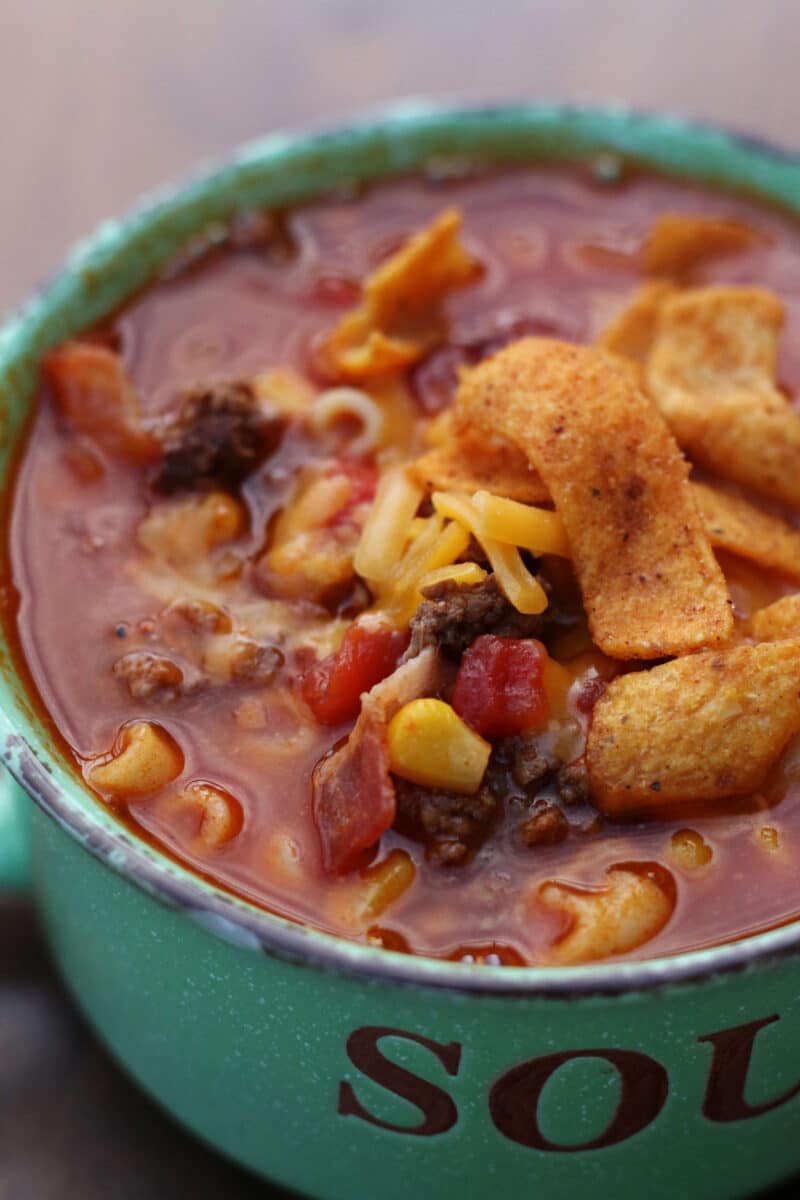
The culinary landscape of American comfort food continues to evolve as traditional "trail-style" recipes are adapted for modern kitchen appliances, with the Crockpot Rodeo Cowboy Soup emerging as a prominent example of this synthesis. This dish, characterized by its hearty combination of ground beef, beans, corn, tomatoes, and elbow macaroni, topped with crispy bacon and cheddar cheese, represents a broader trend in domestic meal preparation that prioritizes both nutritional density and temporal efficiency. By utilizing either a slow cooker or a multi-functional pressure cooker such as an Instant Pot, home cooks are able to replicate the complex, "stewed-all-day" flavors historically associated with open-fire cowboy camps, but within the constraints of a contemporary professional schedule.

Historical Context and the Evolution of Western Cuisine
The "cowboy" prefix in American gastronomy typically denotes a specific set of characteristics: high protein content, shelf-stable or easily preserved ingredients, and a flavor profile leaning toward smoky, savory, and mildly spicy. Historically, the chuckwagons of the late 19th-century cattle drives relied heavily on beans, salted meats, and occasionally fresh beef after a slaughter. The Rodeo Cowboy Soup is a direct descendant of these utilitarian meals, though it has been significantly refined for the modern palate.
In the mid-20th century, the introduction of the electric slow cooker—patented by Irving Naxon in 1936 and later popularized as the "Crock-Pot" by Rival Manufacturing in the 1970s—revolutionized how these hearty stews were prepared. The ability to simmer ingredients at a controlled, low temperature for eight to ten hours allowed for the breakdown of tougher meat fibers and the deep infusion of spices. The more recent "Instant Pot" phenomenon, which gained mainstream traction around 2010, added a layer of high-pressure speed to this tradition. The Rodeo Cowboy Soup serves as a versatile blueprint that bridges these two technologies, offering a "one-pot" solution that minimizes cleanup while maximizing output.
Technical Specifications: Ingredients and Flavor Profiles
The structural integrity of the Rodeo Cowboy Soup relies on a specific ratio of proteins to starches. The primary protein, ground beef, provides a savory base that is augmented by the textural variety of beans—typically pinto or kidney—and the sweetness of corn. The inclusion of canned tomatoes and tomato sauce provides the necessary acidity to balance the richness of the beef and the subsequent addition of cheddar cheese.
A critical component of the flavor profile is the spice blend. The use of garlic powder, chili powder, and smoked paprika is intentional. Smoked paprika, in particular, serves a vital role in modern "cowboy" recipes, as it provides the olfactory and gustatory illusion of wood-fire smoke, a hallmark of authentic trail cooking that is otherwise absent in indoor electric cooking.
Furthermore, the choice of elbow macaroni introduces a structural element that alters the dish’s consistency over time. As the pasta sits within the broth, it releases starches, acting as a natural thickening agent. This transition from a traditional liquid-based soup to a denser, goulash-like consistency is a noted feature of the dish, making it particularly satiating and suitable for freezing.
Chronology of Preparation: From Searing to Serving
The preparation of Rodeo Cowboy Soup follows a precise chronological order to ensure food safety and optimal flavor extraction. Whether using the Instant Pot or the traditional Crockpot method, the process begins with the "Maillard reaction"—the browning of the ground beef and onions.
The Instant Pot Workflow
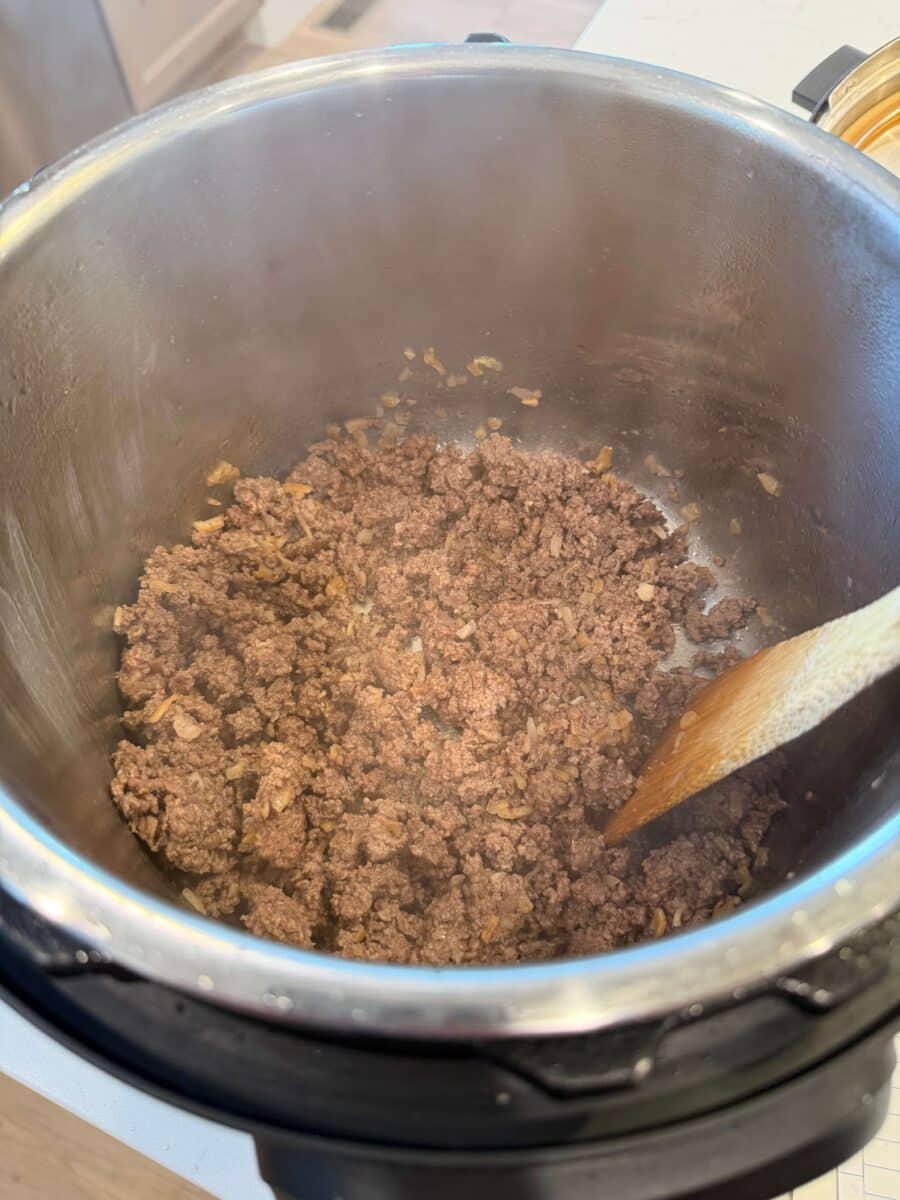
- Searing Phase: The appliance is set to the "Sauté" function. Ground beef and diced onions are cooked for approximately five minutes until the meat is fully browned. This step is crucial for developing the foundational umami flavors.
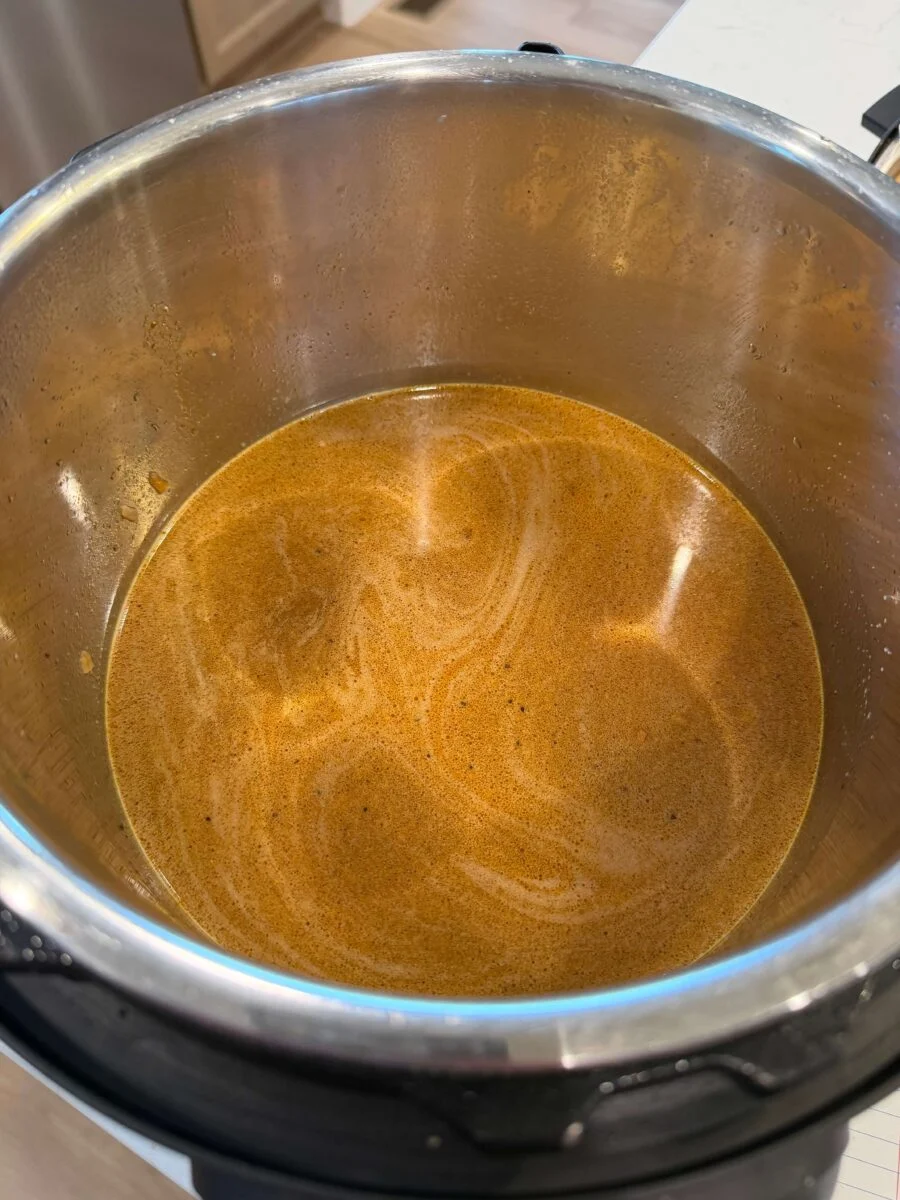
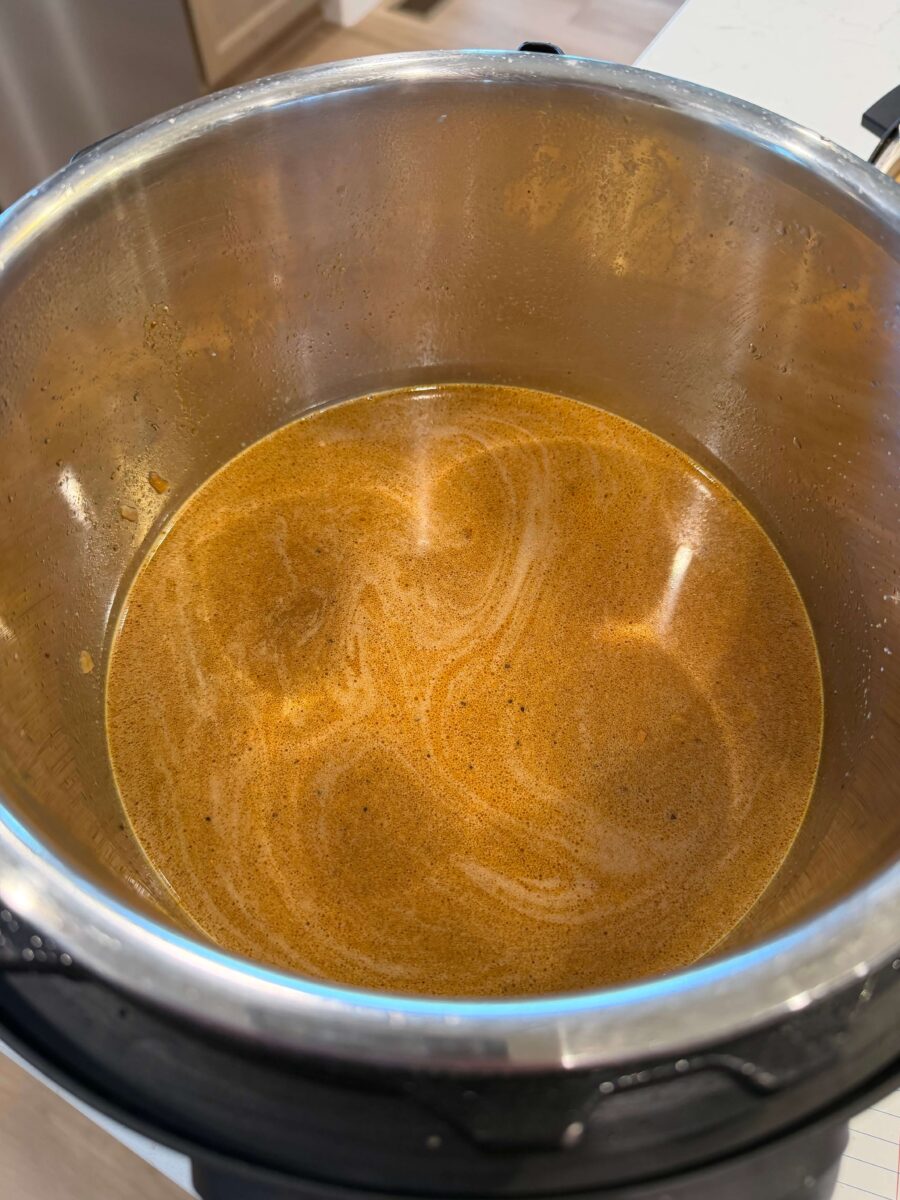
- Deglazing and Seasoning: After draining excess grease, spices (salt, pepper, garlic powder, chili powder, and smoked paprika) are incorporated. A liquid base, typically beef or vegetable broth, is added. A vital technical step here is scraping the bottom of the pot to remove any "fond" (browned bits), which prevents the appliance from triggering a "burn" warning during the pressure cycle.
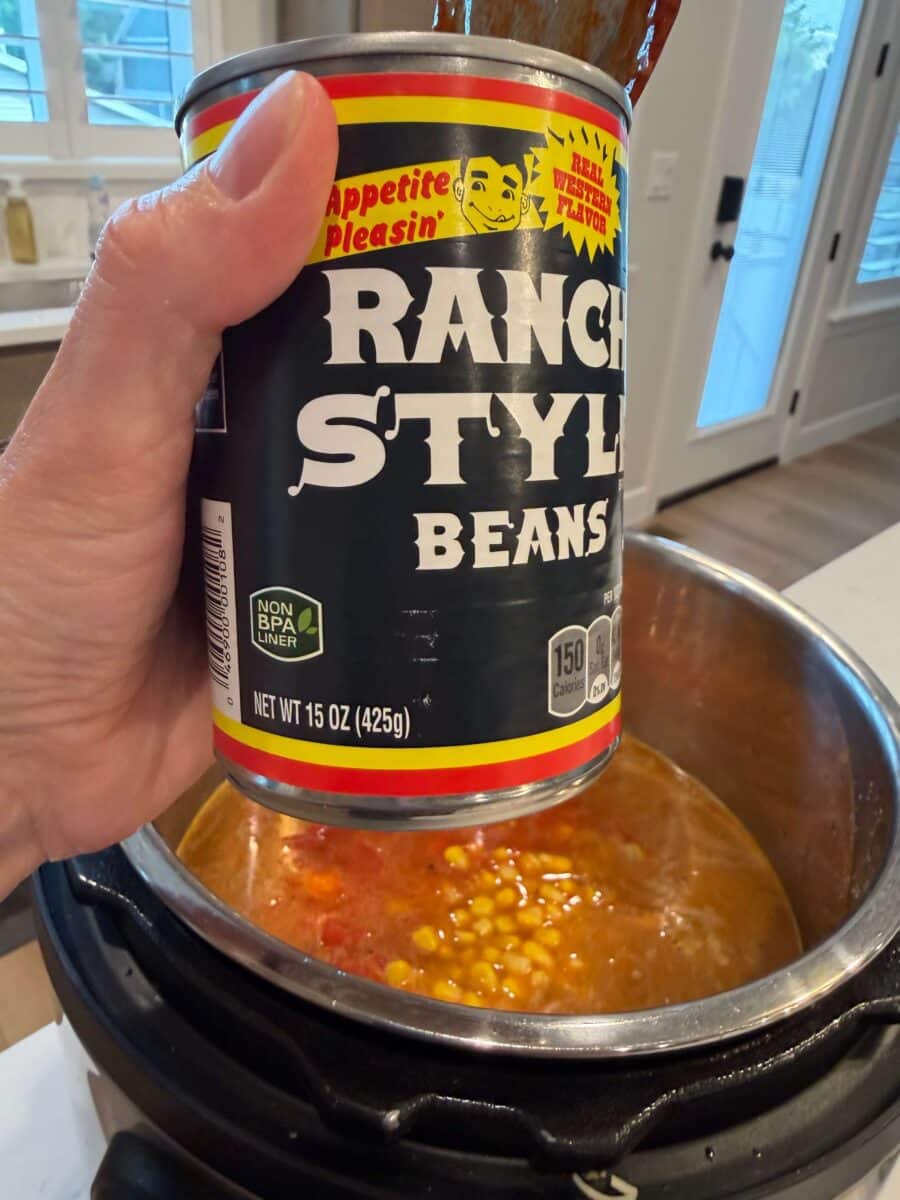
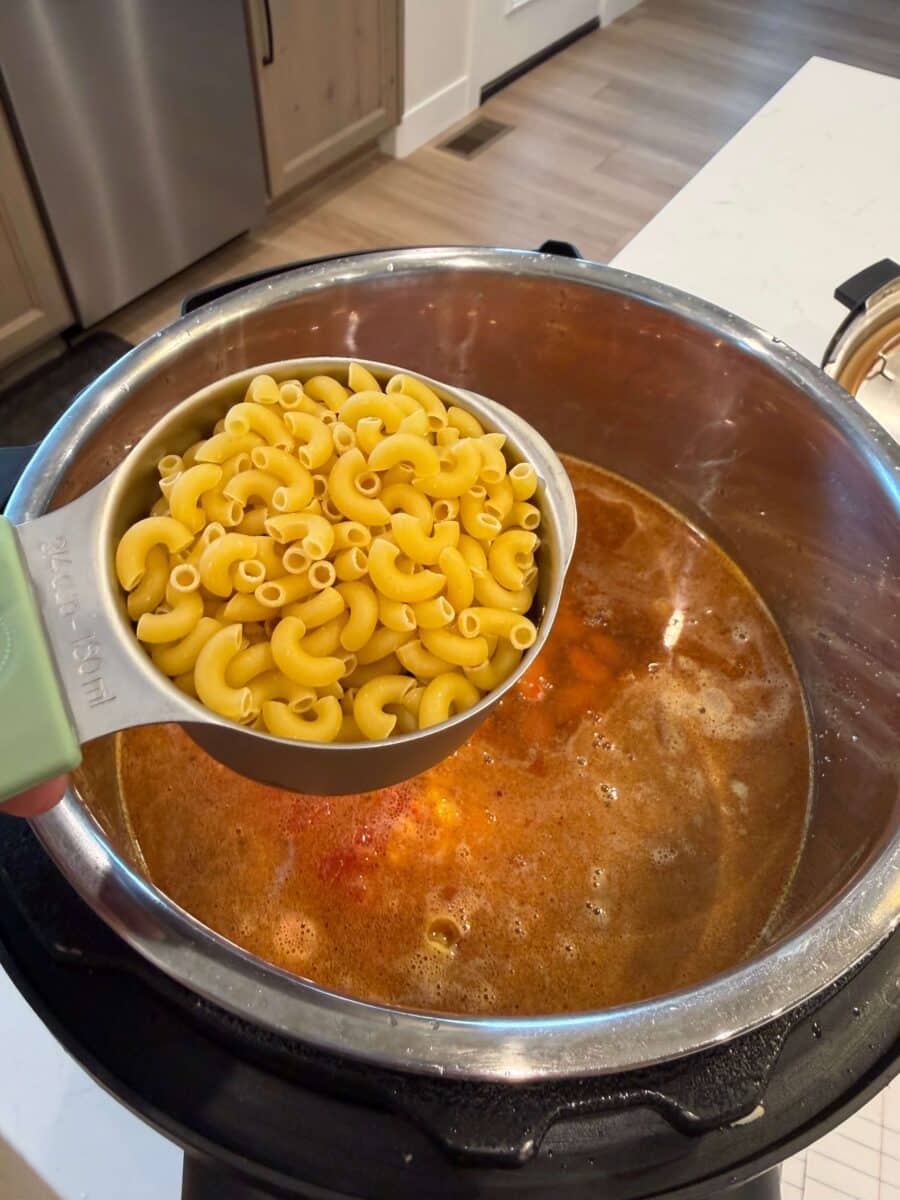
- Assembly: The remaining vegetables (tomatoes, corn, beans) and the dry macaroni are added.
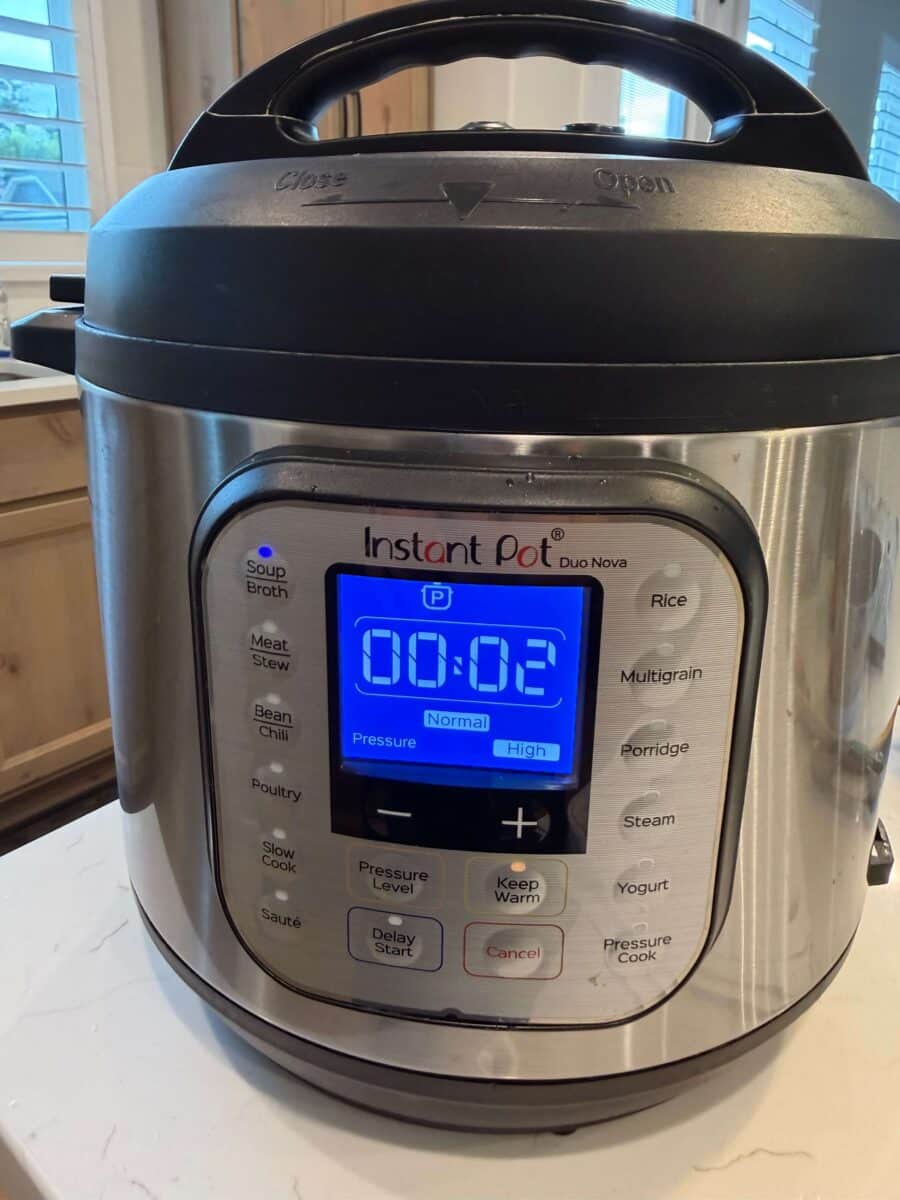
- Pressure Cycle: The device is sealed and set to "Soup" or "Low Pressure" for a brief duration of two minutes. While this seems short, the time the pot takes to come to pressure—often 10 to 15 minutes—acts as a secondary cooking phase.
- Stabilization: A five-minute natural pressure release is followed by a manual vent. This prevents the pasta from becoming overly mushy.
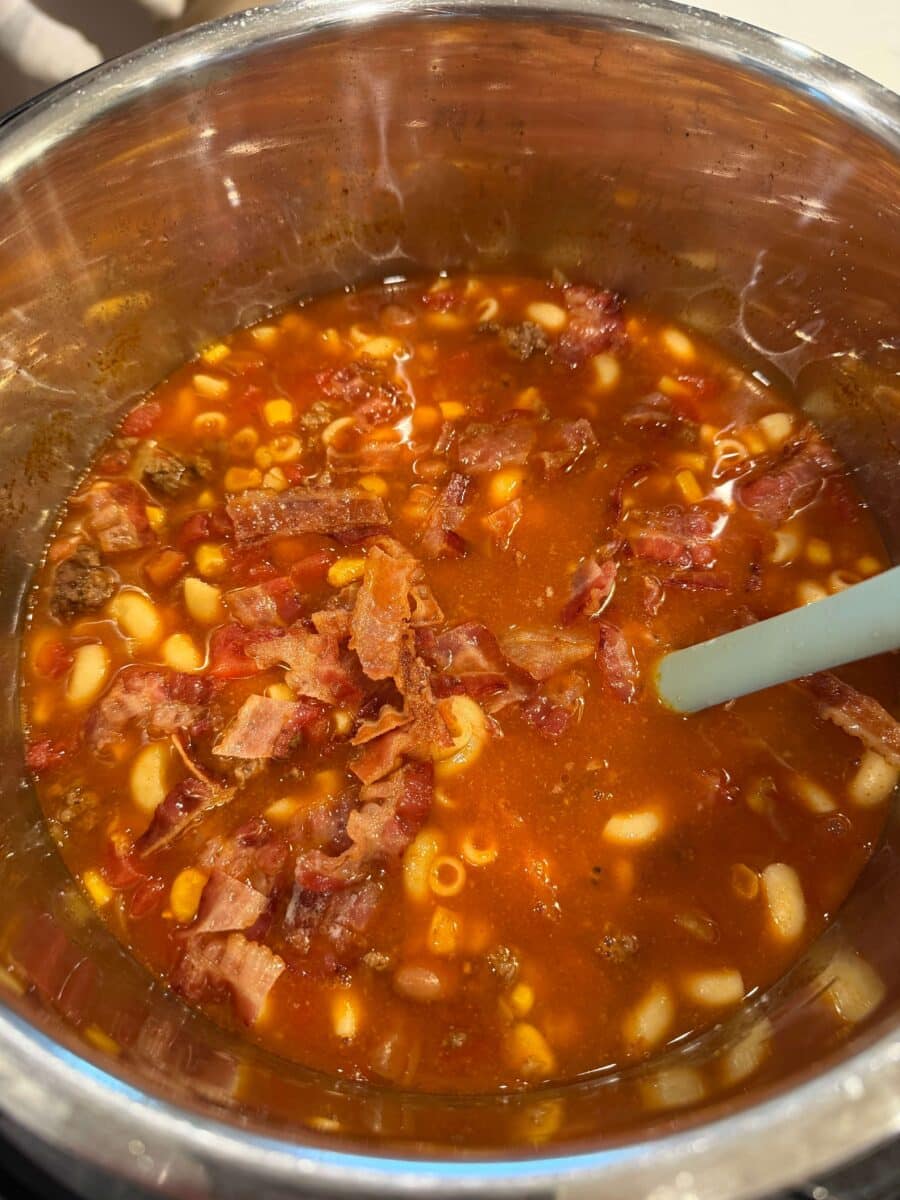
- Finishing: Crispy bacon is stirred in at the end to maintain its texture, and the soup is garnished with cheddar cheese and, occasionally, corn chips for added crunch.
The Slow Cooker Workflow
In the Crockpot version, the chronology is extended to allow for long-form flavor development. The beef is typically browned on a stovetop before being transferred to the ceramic crock. The soup then simmers on "Low" for six to eight hours or "High" for three to four hours. The pasta is often added in the final 30 minutes of cooking to prevent it from disintegrating into the broth.
Supporting Data: Nutritional Density and Economic Efficiency
From a nutritional standpoint, the Rodeo Cowboy Soup is categorized as a "complete meal," containing all three macronutrients. A standard serving provides high-quality protein from the beef and beans, complex carbohydrates from the pasta and corn, and fats from the bacon and cheese.
Data regarding meal-prepping trends suggests that recipes like the Cowboy Soup are increasingly popular due to their "freezability." The use of small deli containers for portioning allows for a significant reduction in food waste. According to industry reports on consumer behavior, the "grab-and-go" lunch market has seen a shift toward home-cooked, frozen portions as a response to rising inflation in the fast-casual dining sector. A batch of this soup, which typically serves six to eight people, can be produced at a fraction of the cost of individual restaurant meals, making it an economically sound choice for large families or budget-conscious individuals.
Culinary Analysis: The Science of Thickening and Texture
The transition of the soup into a "soupy goulash" is a point of interest for food scientists. The elbow macaroni, being a semolina-based pasta, contains a high percentage of amylopectin and amylose. When submerged in a hot, acidic environment (the tomato-based broth), these starches gelatinize.
If the soup is stored and reheated, the pasta continues to absorb moisture, which concentrates the flavors of the chili powder and paprika. For consumers who prefer a thinner broth, chefs recommend adding a small amount of water or additional broth during the reheating process. Conversely, those seeking a more stew-like experience benefit from the natural thickening that occurs during the cooling phase.
Market Impact and Appliance Trends
The popularity of "Cowboy" themed recipes has a measurable impact on the kitchenware market. The rise of "one-pot" recipes has sustained the sales of multi-cookers even after the initial market saturation of the mid-2010s. Retailers report that consumers are specifically looking for recipes that justify the counter space occupied by these large appliances.
Furthermore, the "Cowboy" branding taps into a specific American cultural archetype—the rugged, self-sufficient frontiersman. This marketing strategy has proven successful in the digital recipe space, where titles like "Cowboy Potatoes," "Hungry Cowboy Chicken," and "Alaskan Cowboy Casserole" frequently go viral on social media platforms like Pinterest and TikTok. This trend indicates a collective psychological leaning toward "hearty" and "authentic" comfort foods during periods of societal or economic uncertainty.
Broader Implications for Domestic Cooking
The Rodeo Cowboy Soup is more than a simple recipe; it is a reflection of the current state of domestic labor and culinary technology. It highlights a move away from multi-stage cooking toward "dump and go" methods that do not sacrifice flavor complexity. As professional demands on time increase, the ability to produce a meal that is both nostalgic in flavor and futuristic in its preparation speed becomes a valuable asset for the modern household.
In conclusion, the Crockpot Rodeo Cowboy Soup stands as a testament to the enduring appeal of Western-style comfort food. By integrating traditional ingredients with modern pressure-cooking and slow-cooking techniques, it provides a solution for the contemporary need for high-protein, cost-effective, and time-efficient nutrition. As home cooks continue to navigate the balance between tradition and technology, dishes like this soup will likely remain staples of the American kitchen, offering a literal and figurative taste of the frontier in a fraction of the time.
