
The Architectural Foundation of the Breakfast Casserole
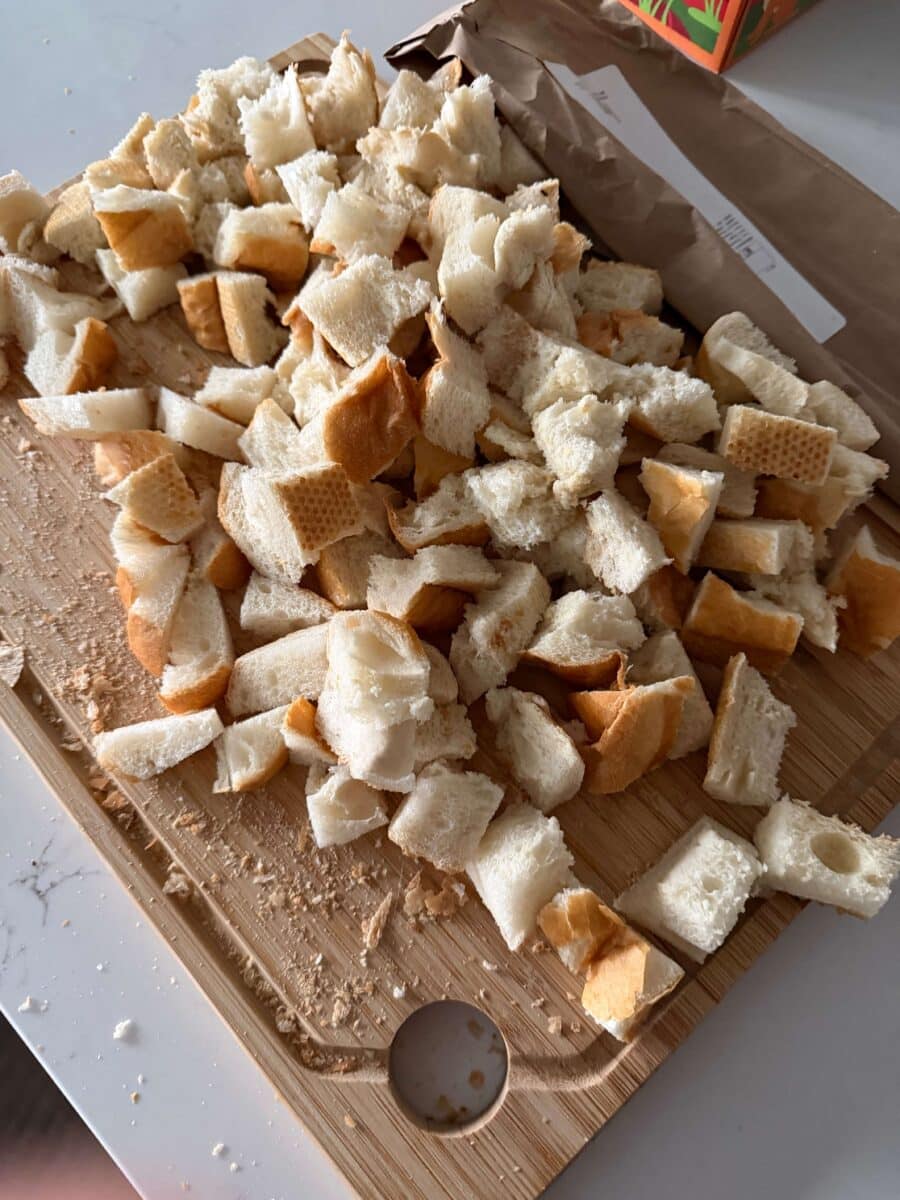
The Cabin French Toast Bake operates on the principles of a classic bread pudding but is modified for the rigors of morning service. The structural integrity of the dish relies heavily on the selection and state of the primary carbohydrate: French bread. Culinary experts and home cooks alike note that the use of slightly stale or intentionally dehydrated bread is superior for this application. When bread is allowed to sit for several days or is cubed and left out overnight, its moisture content decreases, creating a more porous structure capable of absorbing the custard base without becoming excessively mushy.
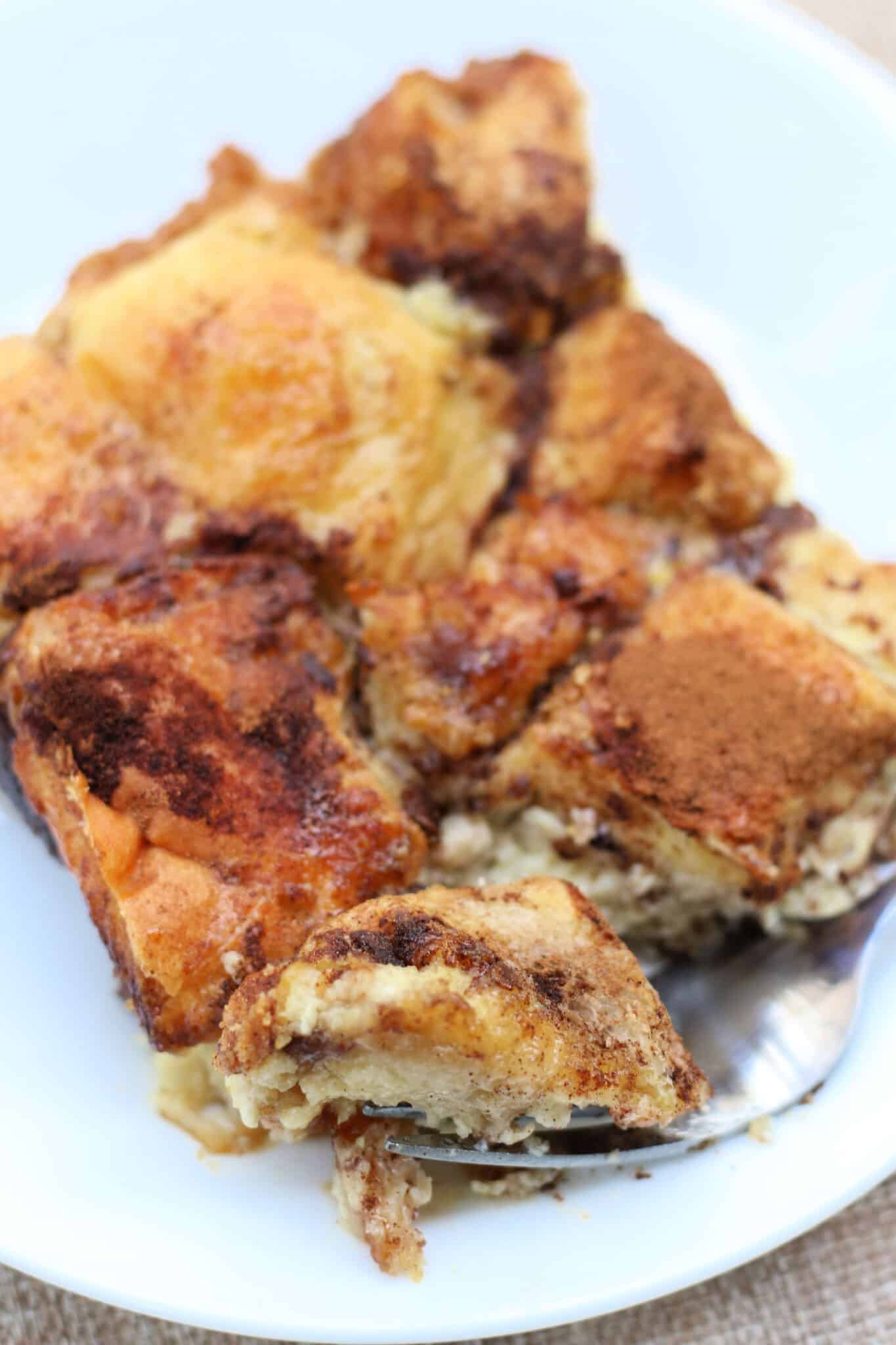
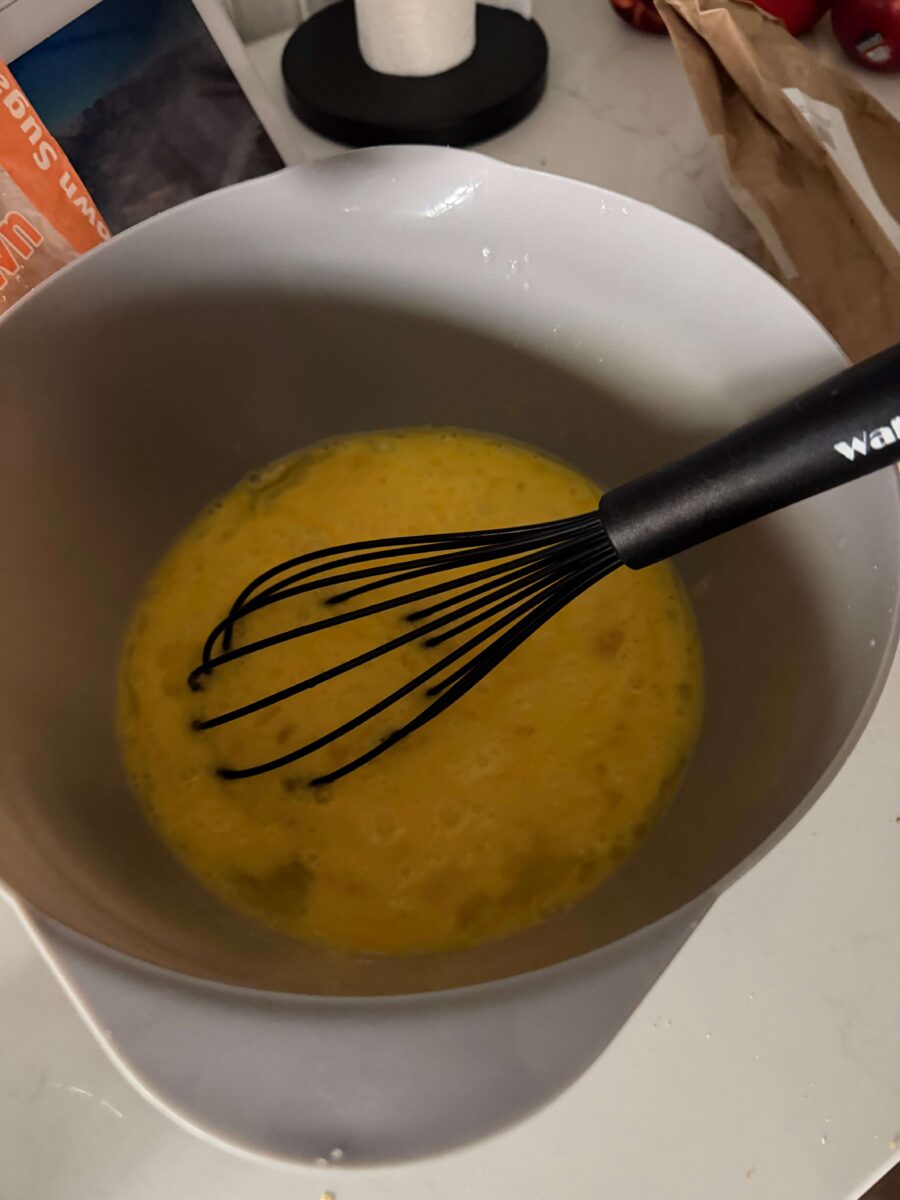
The custard component is a traditional emulsion of eggs and milk, flavored with vanilla extract and ground cinnamon. This mixture provides the protein structure that sets during the baking process, transforming the loose bread cubes into a cohesive, sliceable bake. The integration of a butter and brown sugar base—poured into the pans before the bread is added—creates a caramelized "upside-down" effect, ensuring that each serving features a rich, sweet glaze that negates the necessity for additional condiments such as maple syrup.
Chronology of Preparation and Service
The workflow for the Cabin French Toast Bake is divided into distinct phases designed to maximize the host’s flexibility. According to procedural data, the active preparation time is approximately 15 minutes, making it one of the more efficient options for high-volume breakfast catering.
- Advance Staging: The bread is cubed at least 12 to 24 hours in advance. This phase allows the bread to reach the optimal level of dryness.
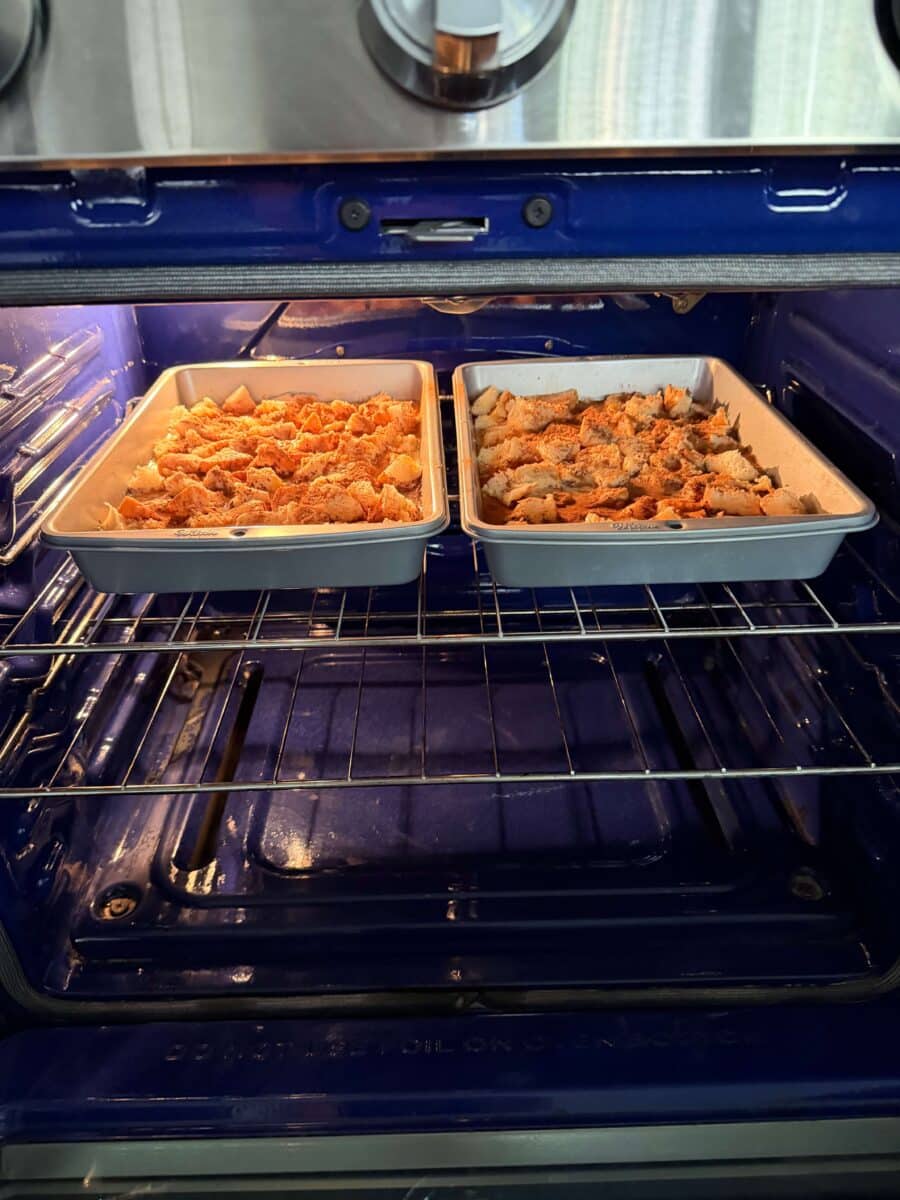
- Thermal Preparation: The oven is preheated to 425°F (218°C). This high-heat environment is critical for achieving a golden-brown exterior and ensuring the caramelization of the sugar base within the allotted 30-minute baking window.
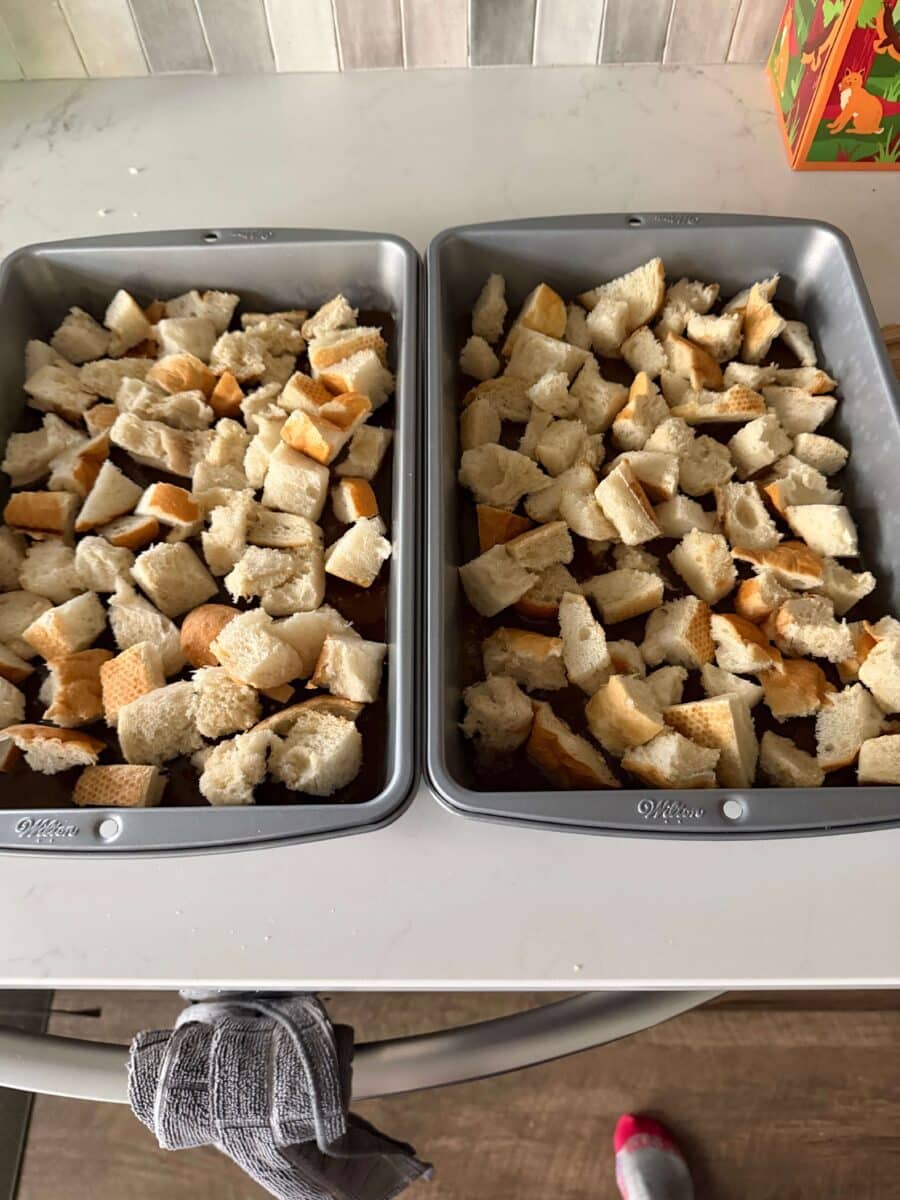
- The Sugar-Butter Emulsion: In a saucepan over medium heat, butter is melted and whisked with brown sugar until smooth. This mixture is then divided equally between two 9×13-inch baking vessels.
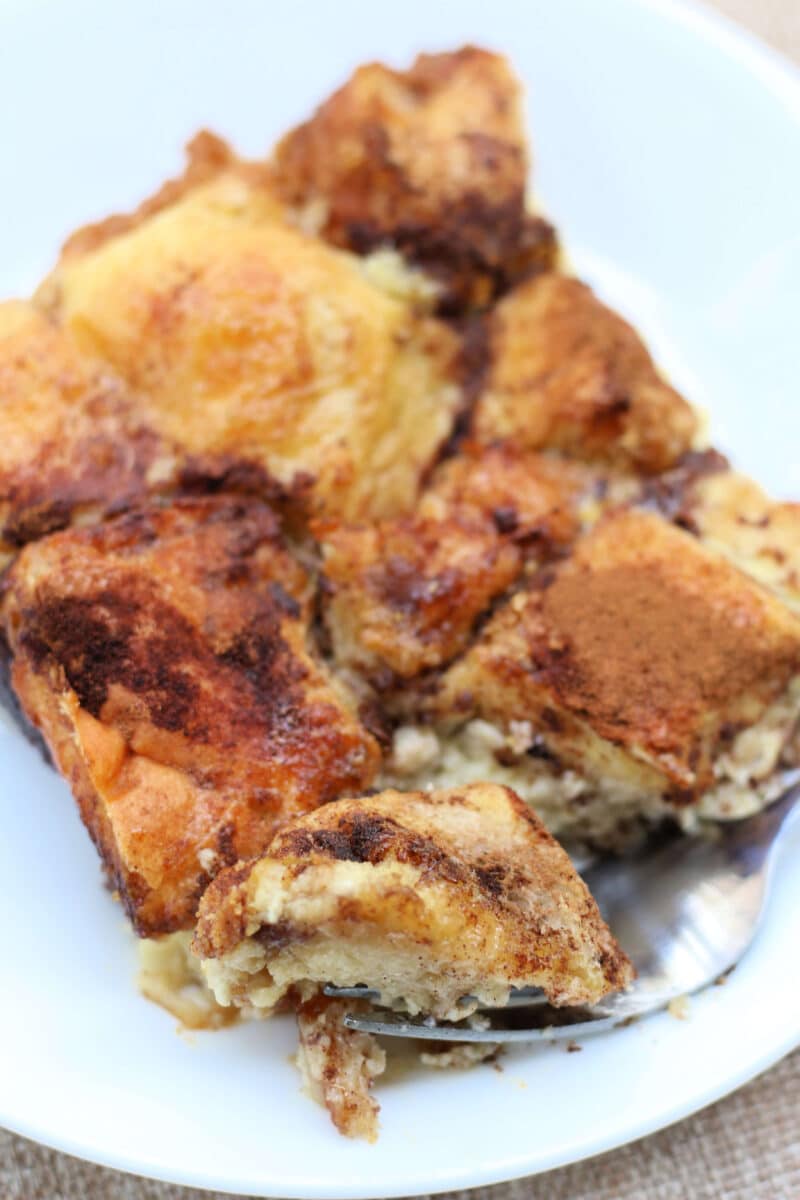
- Assembly: Bread cubes are distributed over the sugar base. The egg and milk custard is poured over the bread, ensuring even saturation. A final layer of cinnamon and sugar is applied to the surface to provide texture and visual appeal.
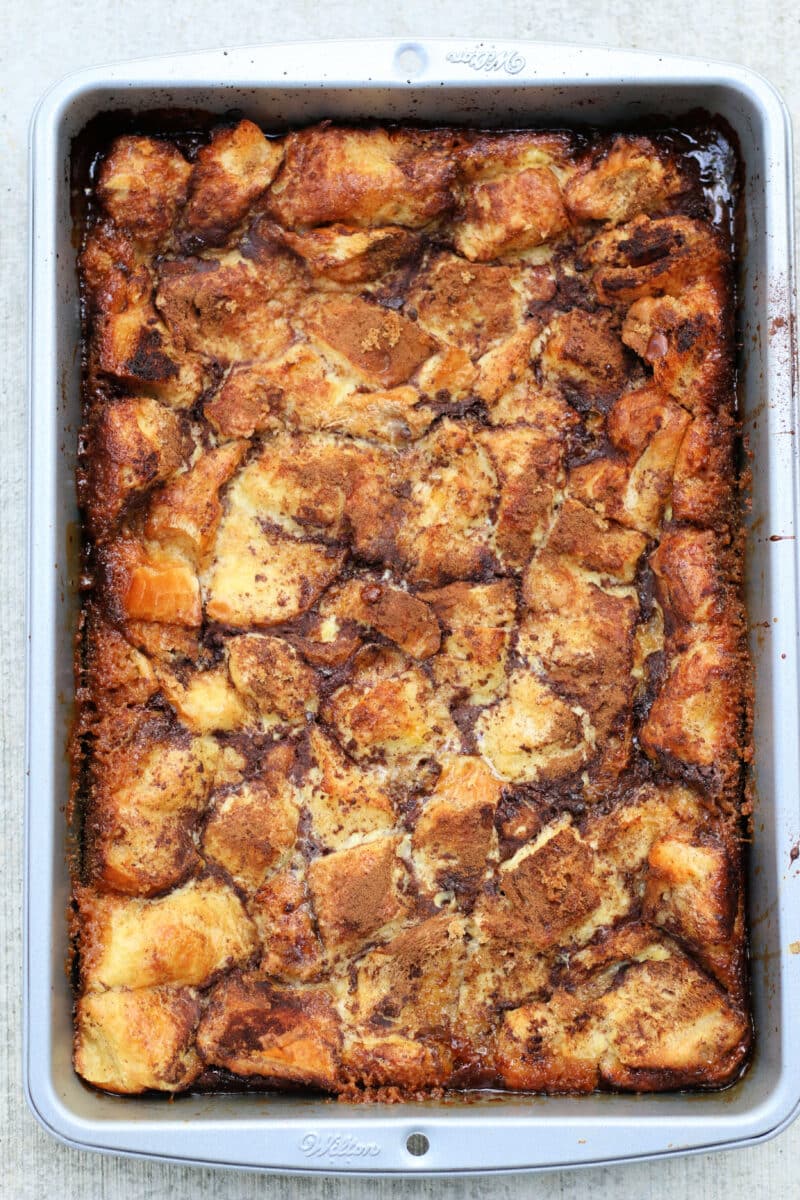
- Baking and Maturation: The pans are placed in the oven for 30 minutes. During this time, the custard coagulates and the bottom layer of sugar and butter reaches a bubbling, molten state.
- Final Service: The casserole is sliced and served warm, often accompanied by protein side dishes like sausage patties and fresh seasonal fruit, such as nectarines, to provide a balanced nutritional profile.
Economic and Logistical Analysis of Feeding a Crowd
Feeding large groups during holidays like the Fourth of July presents significant economic and logistical hurdles. The Cabin French Toast Bake serves as a case study in cost-effective meal planning. By utilizing seven basic ingredients—most of which are household staples—the per-serving cost remains significantly lower than individual short-order breakfasts or restaurant dining.
In a professional analysis of the "Cabin Meal Series," researchers find that recipes of this nature reduce the "dish-to-diner" ratio, meaning fewer cooking vessels are used relative to the number of people fed. This reduction in labor-intensive cleanup is a primary driver for the recipe’s popularity among vacationing families. Furthermore, the ability to prepare the dish either the night before or the morning of the event provides a "buffer" for hosts, allowing them to participate in social activities rather than remaining confined to the kitchen.
Consumer Feedback and Qualitative Results
Initial field testing of the recipe during a Fourth of July cabin retreat yielded high satisfaction ratings among a demographic of teenagers and young adults. One guest, identified as Joseph, categorized the meal as "the best breakfast" he had ever consumed, a sentiment that highlights the dish’s broad appeal. This feedback is significant because the teen and young adult demographic often requires high-caloric, palatable meals that can sustain energy levels for outdoor activities like hiking, swimming, or boating.
The recipe’s success is attributed to its "warm bread pudding" consistency and the "caramelized brown sugar topping." These sensory attributes align with psychological studies on "comfort foods," which are often preferred during social gatherings to enhance the sense of communal well-being and tradition.
Comparative Study of Breakfast Casserole Variants
The Cabin French Toast Bake exists within a broader ecosystem of breakfast casseroles, each serving different dietary needs and flavor profiles. A comparative look at other leading recipes in the genre provides context for where the French Toast Bake fits:
- The Rainbow Casserole: A vegetable-heavy, protein-focused option that utilizes bell peppers and various greens to provide a nutrient-dense alternative to sweet bakes.
- The Bridge Brunch Casserole: A savory, overnight preparation featuring ham, cheese, and green chiles. Unlike the French Toast Bake, this relies on a savory custard and is often chosen for its "puffy and golden" texture.
- The Low Carb Casserole: Designed for ketogenic or health-conscious diners, this variant replaces bread with high-fiber vegetables like zucchini and spinach, paired with sausage and cheddar cheese.
- The Hashbrown-Based Casserole: Often referred to as "Mind-blowing Casserole" in some culinary circles, this uses frozen or fresh shredded potatoes as the starch base, providing a different textural experience than bread-based bakes.
The Cabin French Toast Bake remains the preferred choice for those seeking a "sweet" main course that can be easily scaled. The recipe’s inherent flexibility—allowing it to be halved for smaller groups or doubled for even larger assemblies—makes it a versatile tool for the modern home cook.
Food Safety and Ingredient Substitution
When preparing egg-heavy casseroles for large groups, food safety is a paramount concern. Health officials recommend that any egg-based mixture be cooked to an internal temperature of 160°F (71°C) to ensure the elimination of potential pathogens. The 30-minute bake time at 425°F is generally sufficient to reach this threshold, provided the pans are not over-crowded.
For those with dietary restrictions, several substitutions are possible without compromising the structural integrity of the bake. Gluten-free bread can be substituted for traditional French bread, provided it is toasted or dried sufficiently. Non-dairy milks, such as almond or oat milk, can replace cow’s milk, though the fat content may slightly alter the richness of the custard.
Broader Impact on Domestic Tourism and Home Entertaining
The rise of specialized "cabin recipes" reflects a shift in how Americans approach domestic tourism. As more families opt for short-term rentals or private cabins over traditional hotels, the "home-away-from-home" dining experience has become a central component of the vacation. The Cabin French Toast Bake is more than just a recipe; it is a manifestation of a lifestyle that values shared experiences and efficient hospitality.
By streamlining the breakfast process, hosts can mitigate the stress of "holiday labor," which often falls disproportionately on one or two family members. The move toward "crowd-pleasing meals that are easy to transport" and "don’t leave a sink full of dishes" is a direct response to the modern consumer’s desire for leisure-focused vacations.
In conclusion, the Cabin French Toast Bake represents a intersection of culinary tradition and modern convenience. Its reliance on simple ingredients, combined with its high yield and ease of preparation, secures its place as a staple of holiday meal planning. As families continue to seek ways to maximize their time together during short vacation windows, the role of the efficient, high-impact breakfast casserole will likely continue to expand in the American culinary landscape.
