
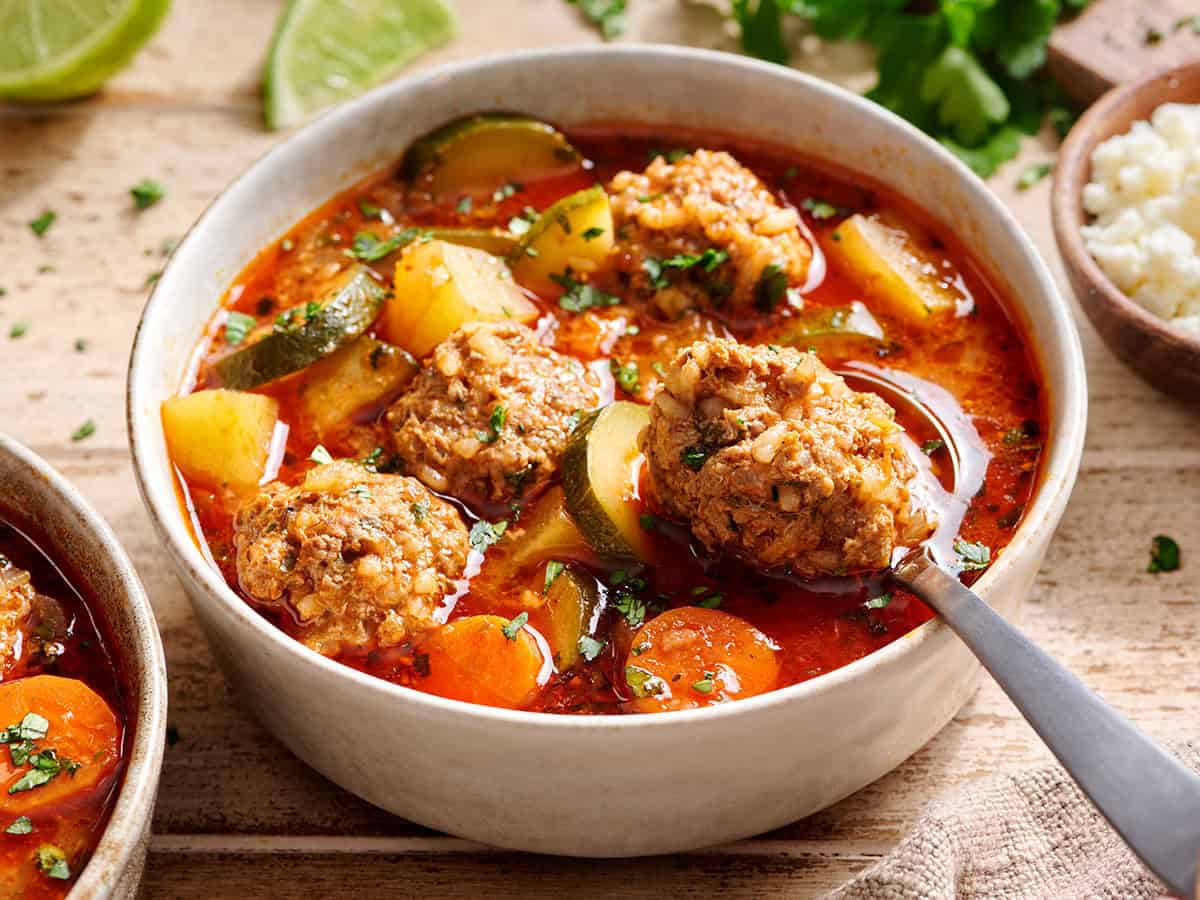
The culinary landscape of North America continues to be shaped by deep-rooted traditions that bridge continental divides, a phenomenon exemplified by the enduring popularity of Albóndigas soup. This traditional Mexican meatball soup, characterized by its hearty vegetable base and rice-infused meatballs, represents a significant intersection of history, economics, and nutritional science. Recent developments in recipe standardization, particularly from the Nashville Test Kitchen, have highlighted how this classic dish can be adapted to meet modern requirements for affordability and dietary inclusivity without sacrificing its cultural essence. As food costs fluctuate and consumer interest in home-cooked, nutrient-dense meals rises, Albóndigas stands as a primary example of "slow food" principles applied to a budget-conscious environment.
Historical Evolution: From the Middle East to the Americas
The history of Albóndigas is a testament to global cultural exchange. The term "albóndiga" is derived from the Arabic word al-bunduq, which translates to "the hazelnut," or more figuratively, "small round object." This linguistic root points to the dish’s origins in the Islamic world, specifically within the culinary traditions of the Abbasid Caliphate. During the period of Moorish rule in the Iberian Peninsula, these spiced meat spheres were introduced to Spanish cuisine.
Following the Spanish colonization of the Americas, the recipe underwent a transformative evolution. In Mexico, the dish was adapted to include indigenous ingredients and regional preferences. While European meatballs often rely on breadcrumbs or soaked bread as a binder, the Mexican iteration famously utilizes uncooked rice. This adaptation not only changed the texture of the meatball, providing a tender, "plumped" consistency as the rice absorbs the broth, but it also reflected the local agricultural availability. Over centuries, the dish evolved from a simple meat preparation into a comprehensive "caldo" or soup, incorporating New World vegetables like potatoes, zucchini, and tomatoes.
Technical Composition and Structural Integrity
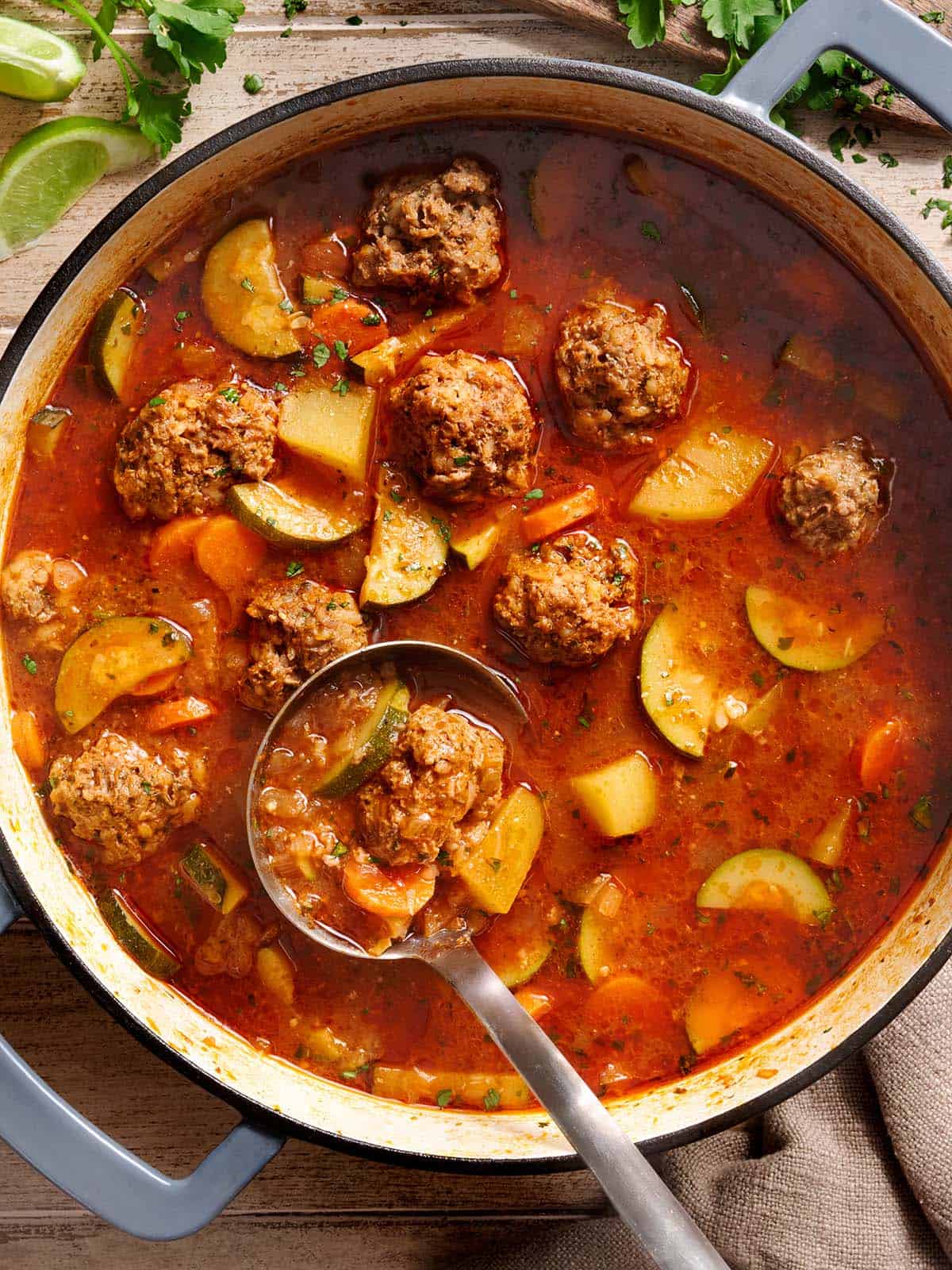
The construction of a successful Albóndigas soup requires a precise understanding of ingredient interaction. The Nashville Test Kitchen’s standardized approach emphasizes a specific ratio of protein to binder to ensure the meatballs retain their structural integrity during the simmering process.
The Meatball Matrix
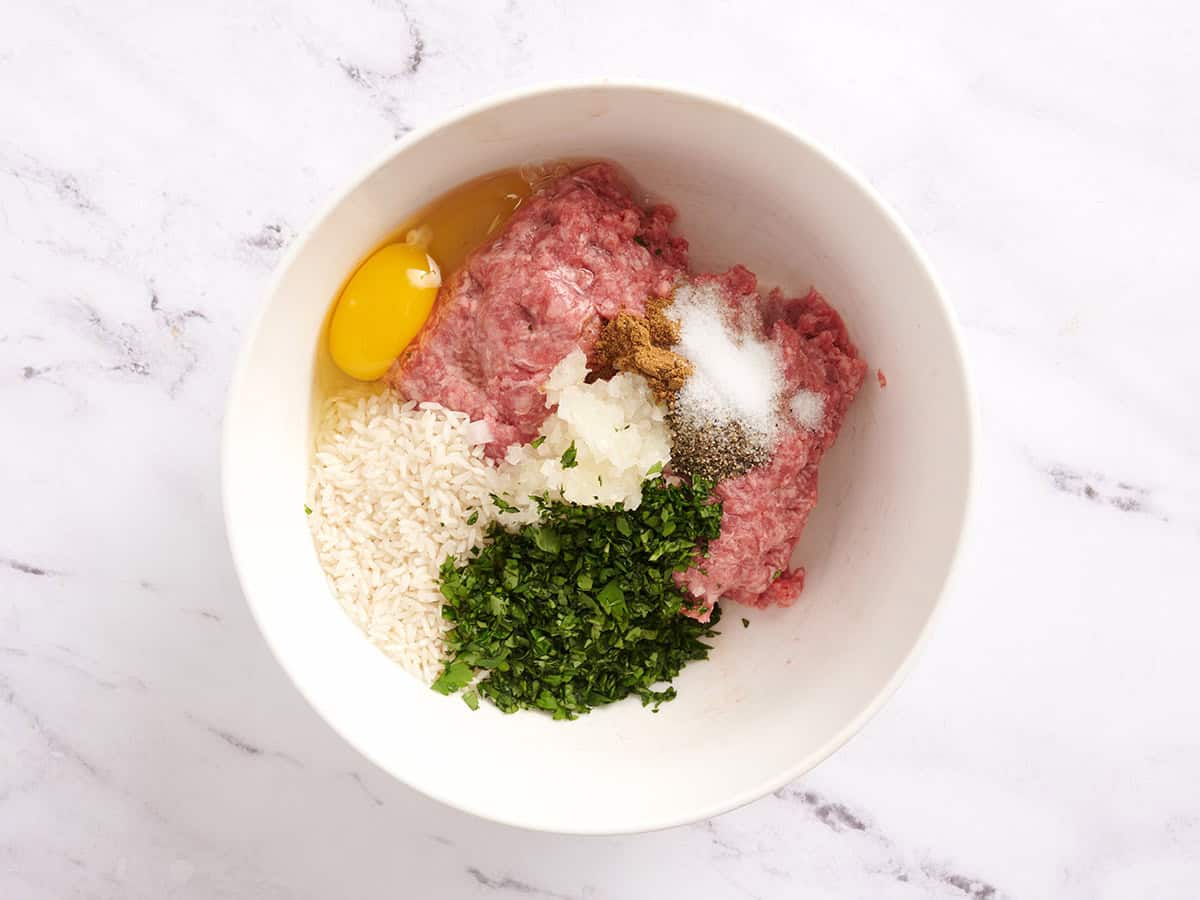
The primary protein source is typically ground beef, though variations using pork or turkey are common. In a professional culinary setting, the inclusion of uncooked long-grain white rice serves a dual purpose. Chemically, the starch in the rice acts as a structural stabilizer. As the meatballs simmer in the broth, the rice grains expand, creating a porous yet firm internal lattice that prevents the meat from becoming overly dense or tough. This method is particularly notable for its dietary implications; by replacing traditional wheat-based breadcrumbs with rice, the dish becomes naturally gluten-free, catering to a growing demographic of consumers with celiac disease or gluten sensitivities.
The Broth Dynamics
The base of the soup is a light tomato-infused beef broth. The process begins with the caramelization of aromatics—onions and garlic—followed by the introduction of tomato paste. This "pinking" of the paste (sautéing it until it darkens) is essential for developing Umami depth. The addition of tomato sauce provides acidity, which balances the richness of the beef. Seasoning profiles typically rely on a combination of ground cumin and dried oregano, providing an earthy warmth that defines the flavor profile of the Southwest and Northern Mexico.
Economic Analysis: The $2.13 Serving
In the current economic climate, the affordability of home-cooked meals is a critical factor for many households. An analysis of the Albóndigas recipe reveals a highly efficient cost structure. The total cost for a six-serving batch is estimated at $12.78, yielding a per-serving cost of approximately $2.13.
Cost Breakdown and Procurement
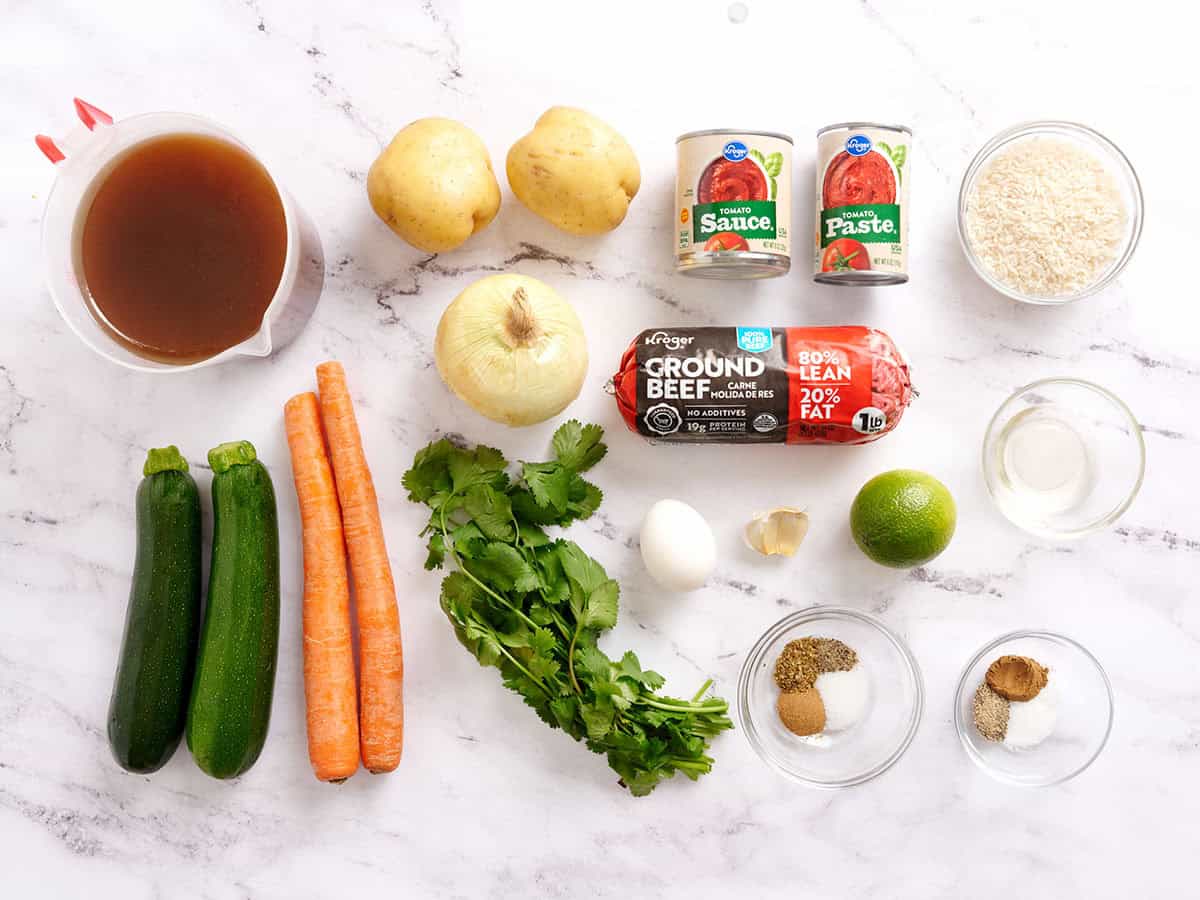
The primary cost drivers in this dish are the ground beef and the fresh produce. However, the use of "Better Than Bouillon" or similar concentrated bases is cited as a strategic measure to reduce the cost-per-ounce of the liquid base compared to pre-packaged cartons of broth.
- Protein Efficiency: One pound of ground beef is extended by the addition of rice and vegetables, allowing a single pound of meat to satiate six adults.
- Vegetable Sourcing: Carrots, potatoes, and zucchini are among the most cost-effective produce items in North American markets, providing bulk and fiber at a low price point.
- Shelf-Stable Staples: The reliance on pantry staples such as rice, tomato paste, and dried spices further lowers the barrier to entry for budget-conscious cooks.
Nutritional Profile
From a public health perspective, Albóndigas soup offers a balanced macronutrient profile, though it requires mindfulness regarding sodium levels. A standard two-cup serving provides:
- Calories: 390 kcal
- Protein: 21g (supporting muscle maintenance and satiety)
- Carbohydrates: 33g (derived from complex sources like potatoes and rice)
- Fat: 20g
- Fiber: 4g (contributing to digestive health)
The sodium content, recorded at 1799mg per serving, represents approximately 78% of the recommended daily intake. Health experts suggest that while the dish is nutrient-dense, individuals on sodium-restricted diets should utilize low-sodium broth or adjust added salt to mitigate this impact.
Chronology of Preparation: The Standardized Method
To ensure consistency across various kitchen environments, a specific chronological order of operations has been established by culinary researchers.
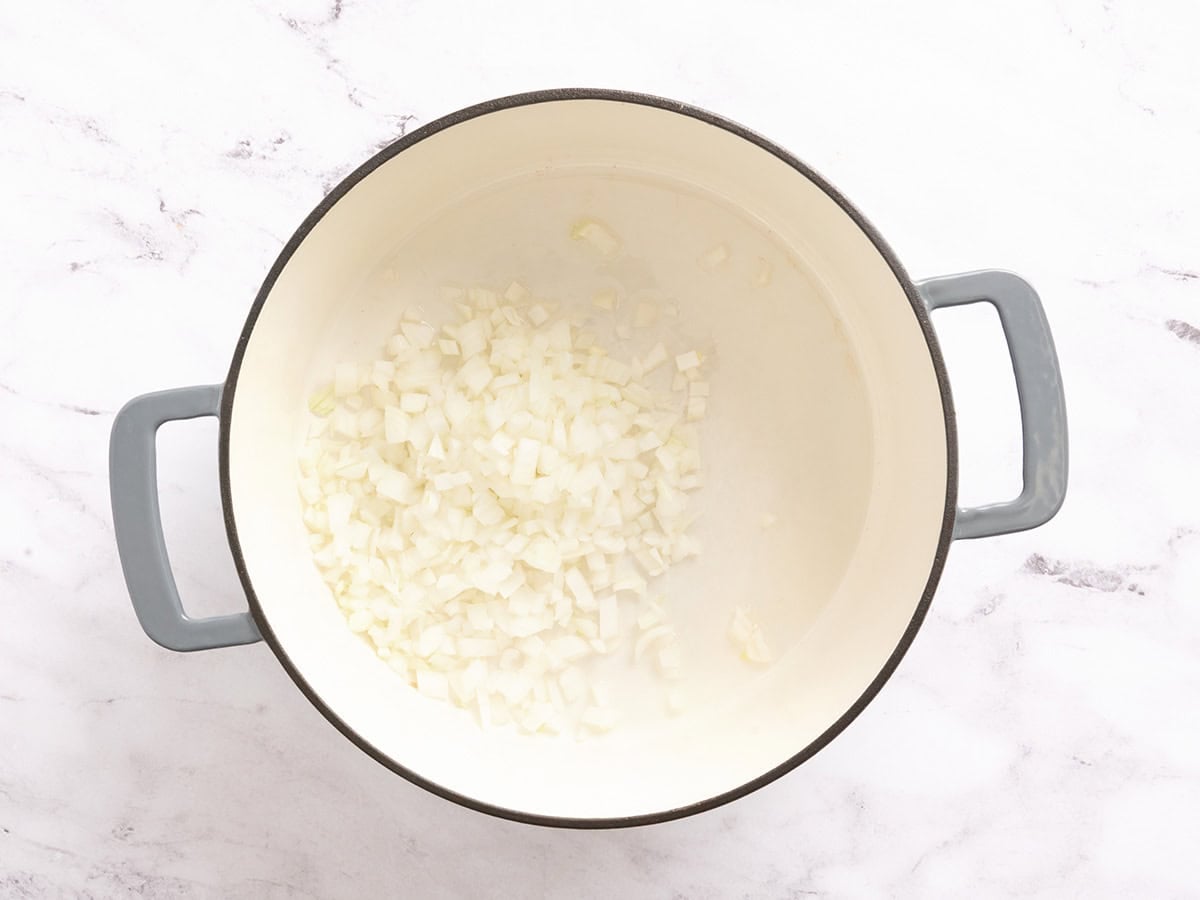
- Aromatic Initiation: The process commences with the sautéing of diced onions in cooking oil until softened, roughly a five-minute interval.
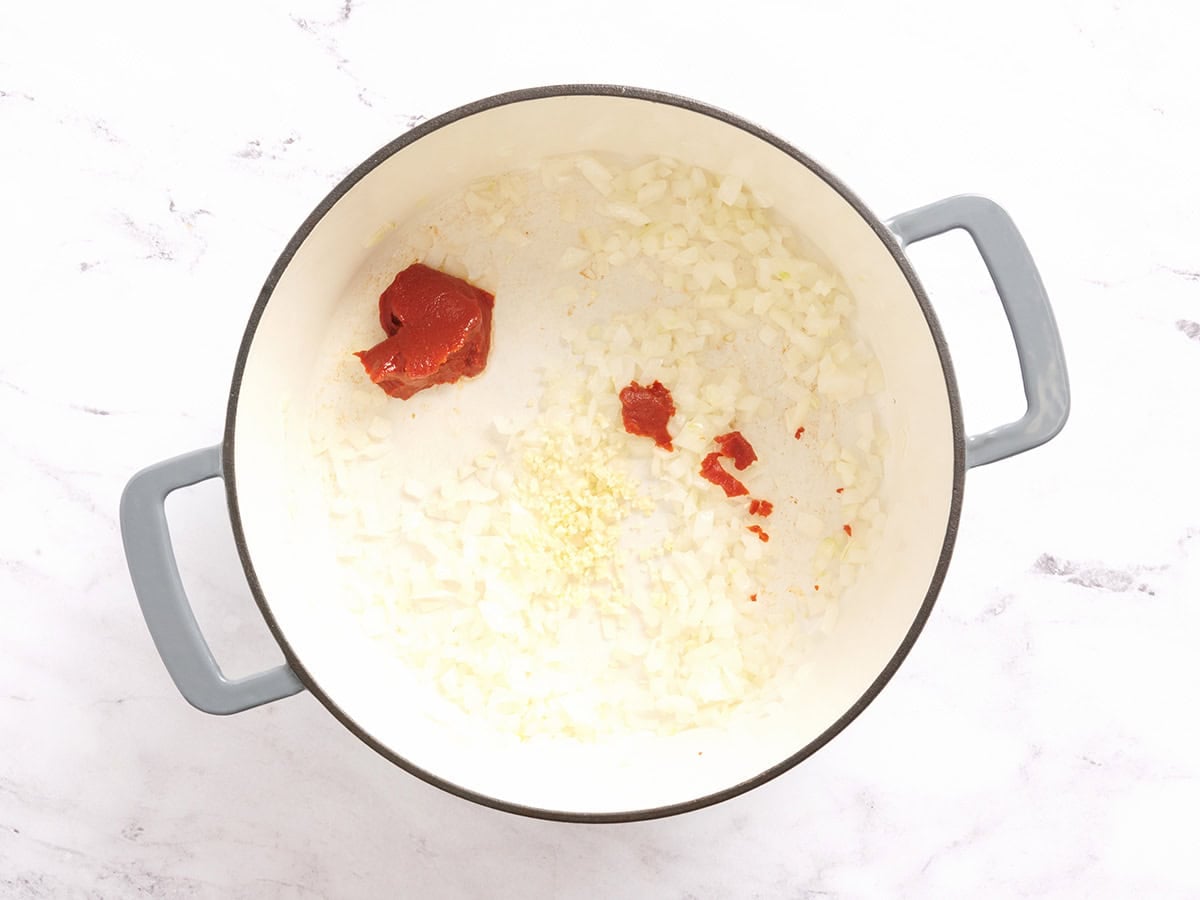
- Maillard Reaction and Flavor Concentration: The addition of minced garlic and tomato paste follows. This stage is brief (1-2 minutes) but vital for removing the "raw" taste of the tomato and blooming the garlic’s essential oils.
- Liquid Integration: Beef broth and tomato sauce are added to the pot along with the primary root vegetables—carrots and potatoes—which require longer cooking times.
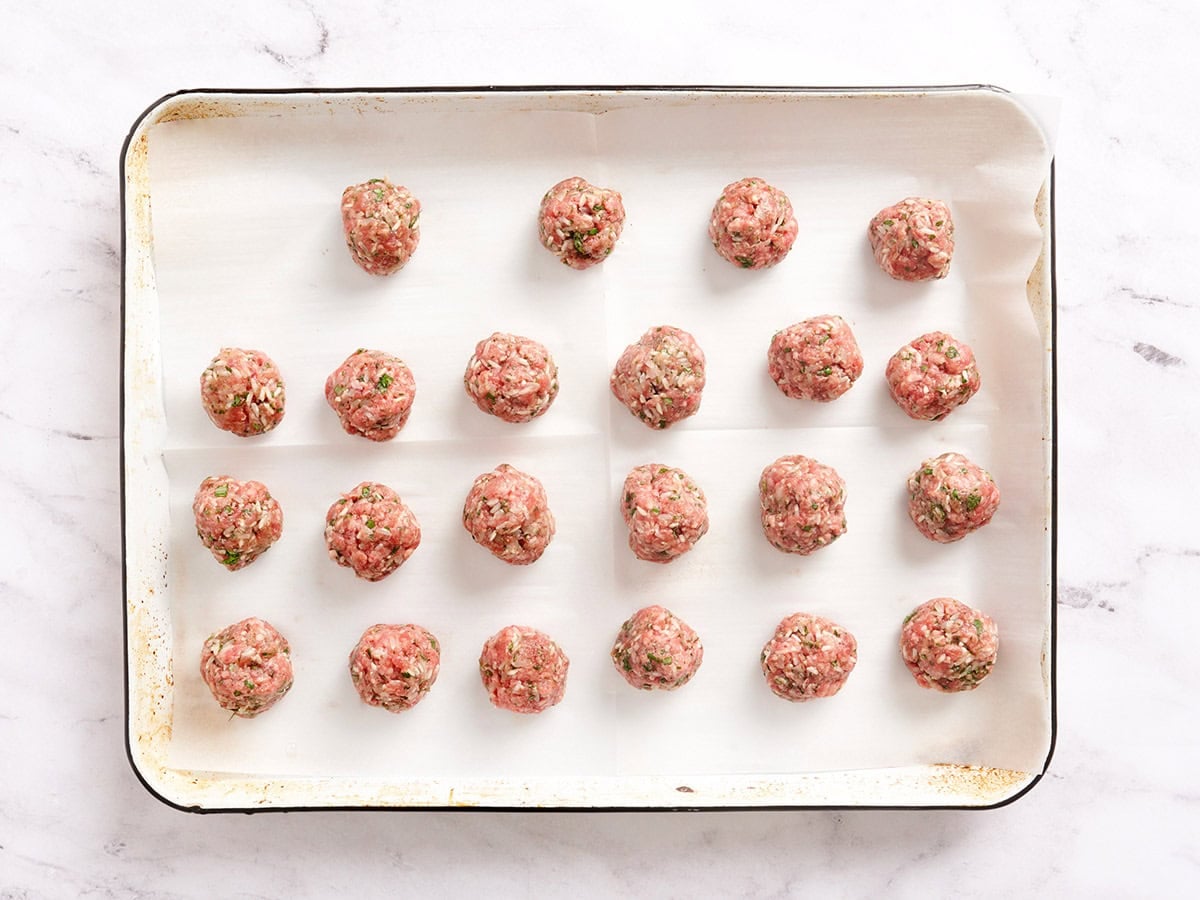
- Meatball Formation and Poaching: While the broth reaches a simmer, the meatball mixture (beef, rice, egg, cilantro, and spices) is rolled into 1.5-inch spheres. These are lowered into the simmering liquid. A critical technical rule is the "five-minute no-stir" period, which allows the exterior proteins to denature and set, preventing the meatballs from disintegrating.
- Vegetable Layering: Zucchini, which has a higher water content and shorter cooking threshold, is added during the final ten minutes of simmering.
- Acid Correction: The final step involves the addition of fresh lime juice. This "brightens" the broth, using acidity to elevate the existing flavors of cumin and beef.
Regional Variations and Cultural Impact
While the Nashville Test Kitchen version focuses on a standardized Mexican-American style, Albóndigas soup varies significantly across different geographies. In some regions of Mexico, particularly in the central highlands, fresh mint (hierbabuena) is finely chopped and added to the meat mixture. This provides a cooling contrast to the savory broth. In other coastal variations, the broth may be thinner and more citrus-forward, reflecting a different climatic preference.
The dish also serves a social function. In many Hispanic households, Albóndigas is considered "comida casera" (home-style food), often served as a comforting remedy for illness or as a staple Sunday family meal. Its ability to "get better the next day" makes it a favorite for meal-prepping, a practice that has seen a 25% increase in North American households over the last five years as a response to rising inflation and busy work schedules.
Broader Implications and Future Outlook
The rise of standardized, affordable recipes for traditional dishes like Albóndigas reflects a broader shift in the culinary industry toward "democratized gastronomy." By breaking down the cost and nutritional barriers of complex international dishes, recipe developers are enabling a more diverse range of consumers to engage with global food cultures.
Furthermore, the emphasis on one-pot meals like Mexican Meatball Soup aligns with environmental sustainability goals. These dishes typically require less energy to cook and result in fewer dishes to wash, reducing water and electricity consumption. As the global food system faces challenges related to supply chain stability and climate change, the reliance on versatile, hardy vegetables and shelf-stable grains seen in the Albóndigas model may provide a blueprint for resilient domestic cooking.
In conclusion, Mexican Meatball Soup is more than a simple culinary preparation; it is a sophisticated intersection of history, chemistry, and economics. Through the lens of modern testing and standardization, it remains a vital, accessible, and nourishing staple that continues to adapt to the needs of the 21st-century kitchen. Whether viewed as a tool for budget management or a vehicle for cultural preservation, Albóndigas continues to hold a prominent place in the global soup repertoire.
