
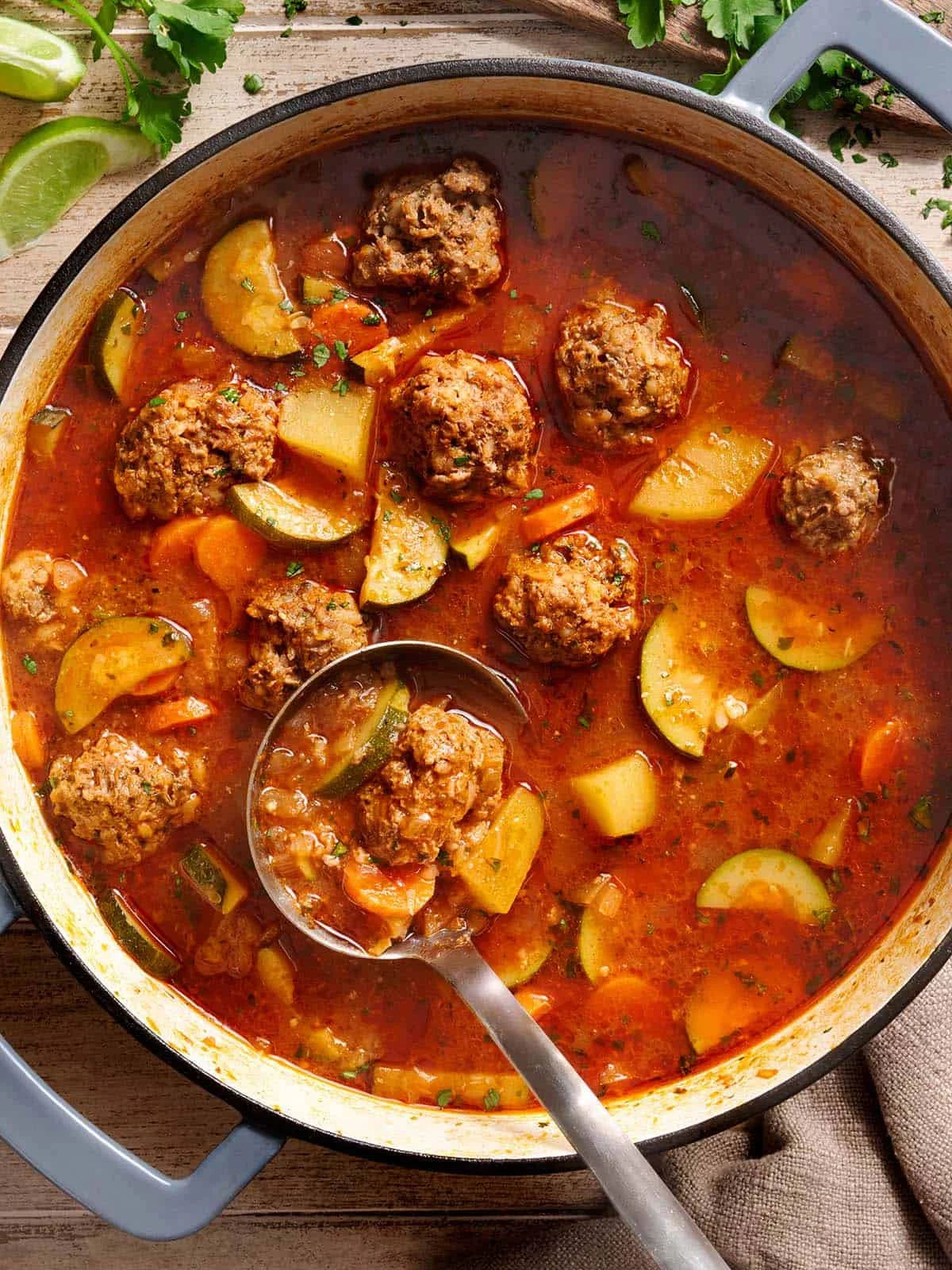
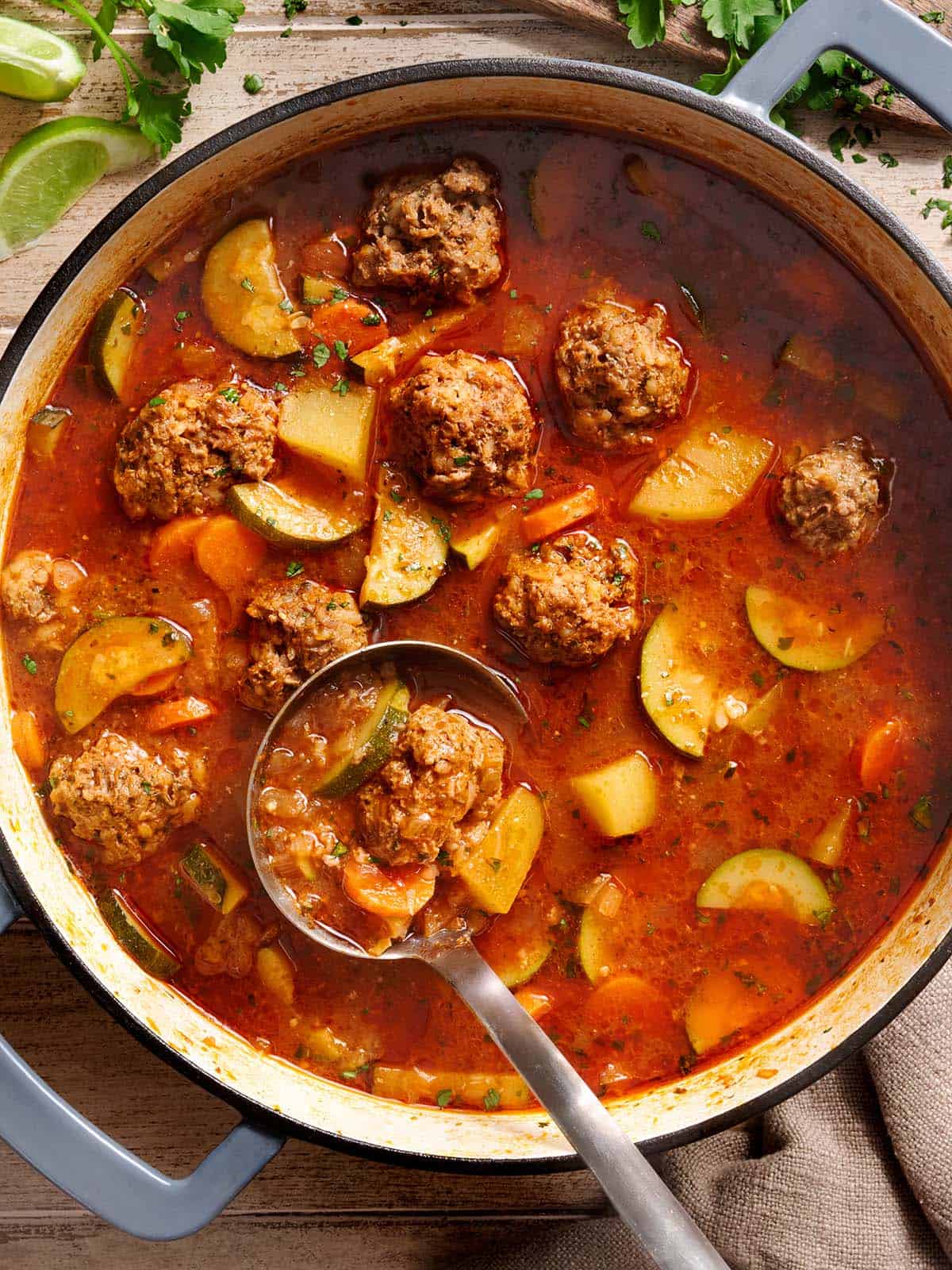
The culinary landscape of North America continues to be shaped by the enduring legacy of traditional Mexican comfort foods, with Albondigas soup—commonly known as Mexican meatball soup—emerging as a premier example of cross-cultural gastronomic evolution. This dish, characterized by its savory broth, tender meatballs, and nutrient-dense vegetable profile, represents a historical journey that spans continents and centuries. Recently, culinary researchers at the Nashville Test Kitchen have refined a version of this classic that emphasizes both economic accessibility and dietary inclusivity, highlighting a shift in modern recipe development toward budget-conscious, gluten-free home cooking. By replacing traditional breadcrumb binders with uncooked rice and utilizing a strategic simmering process, this iteration of Albondigas soup offers a blueprint for nutritious, cost-effective meal preparation in an era of rising food costs.
Historical Lineage and Cultural Migration
The origins of Albondigas soup are rooted in a complex history of migration and cultural exchange. The term "albondiga" is derived from the Arabic word al-bunduq, which translates to "the hazelnut" or "small round object," referring to the shape and size of the meatballs. This culinary technique was introduced to the Iberian Peninsula during the period of Islamic rule in Spain, known as Al-Andalus. Following the Spanish colonization of the Americas, these Mediterranean and North African influences merged with indigenous Mexican ingredients and cooking methods.
Over centuries, the dish evolved from a simple meat preparation into a comprehensive, brothy soup. In Mexico, regional variations began to incorporate local staples such as squash, tomatoes, and specific aromatic herbs like cilantro and mint. The modern version of Albondigas soup is now recognized as a staple of Mexican home cooking, often served as a "comida corrida" or a comforting family meal. The transition of the dish into the American culinary mainstream has further adapted the recipe to accommodate contemporary nutritional standards while maintaining its foundational flavor profile.
The Nashville Test Kitchen Methodology
The recent refinement of the Albondigas recipe by the Nashville Test Kitchen underscores a commitment to rigorous culinary testing. Professional recipe developers, including Jennie Alley, have focused on ensuring that the dish remains "easy, affordable, and delicious" for the average consumer. This methodology involves multiple rounds of testing to determine the optimal ratios of meat to binder, the timing of vegetable additions, and the balance of acidity and spice.
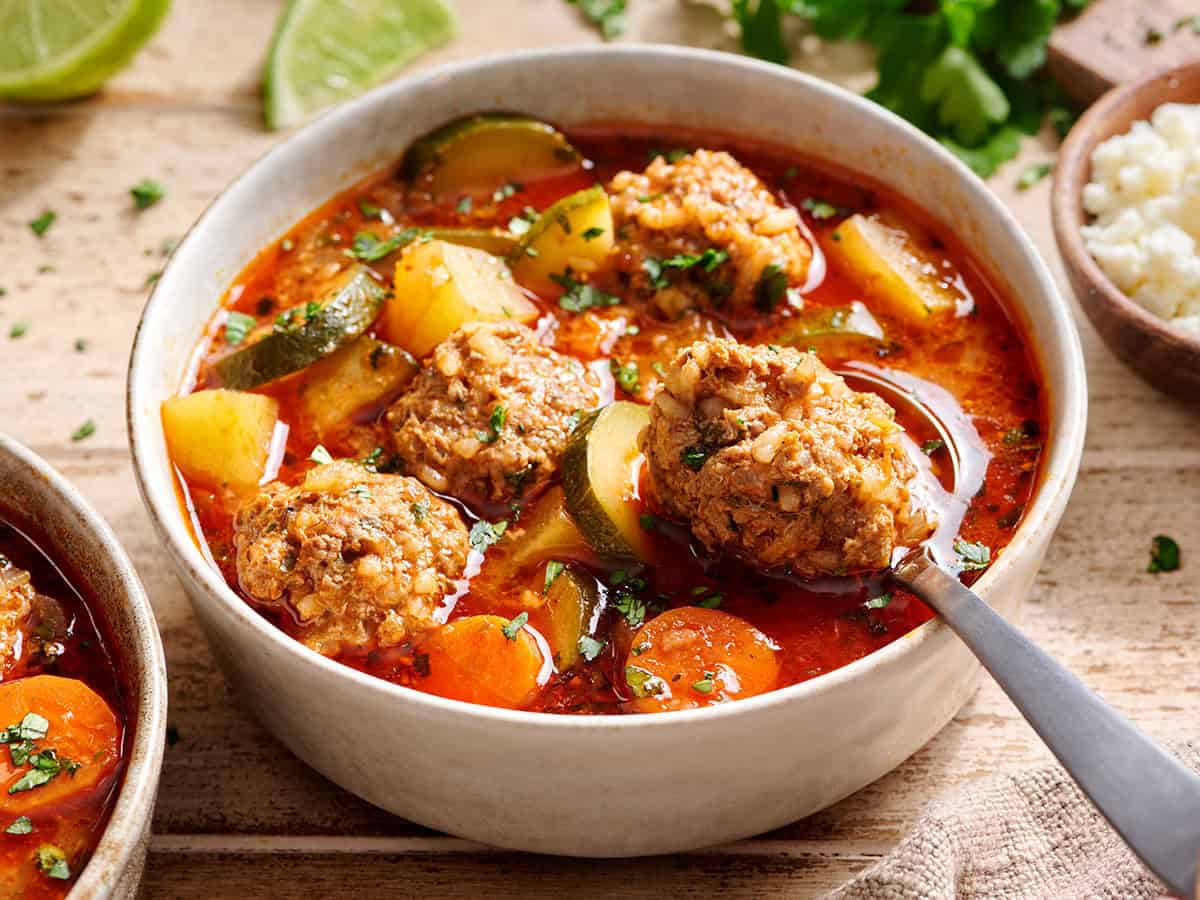
One of the most significant technical deviations in this version is the use of uncooked white rice as a binding agent within the meatballs. While many European-style meatballs rely on breadcrumbs and milk, the use of rice is a traditional Mexican technique that serves a dual purpose. First, it provides a unique texture as the rice grains expand and soften during the simmering process, creating a "porcupine" effect that allows the meatballs to absorb the flavors of the surrounding broth. Second, this substitution naturally renders the dish gluten-free, addressing a growing demand for inclusive recipes that do not sacrifice structural integrity or taste.
Economic Analysis of Home-Cooked Albondigas
In a period of fluctuating inflation and increasing grocery prices, the economic viability of a recipe is a critical metric for many households. The Nashville Test Kitchen has provided a detailed cost breakdown for the Albondigas soup, demonstrating its status as a high-value meal option.
The total cost for a six-serving batch of the soup is estimated at $12.78, which translates to approximately $2.13 per serving. This price point is significantly lower than equivalent restaurant offerings or pre-packaged convenience meals. The cost-effectiveness is achieved through the use of budget-friendly staples:
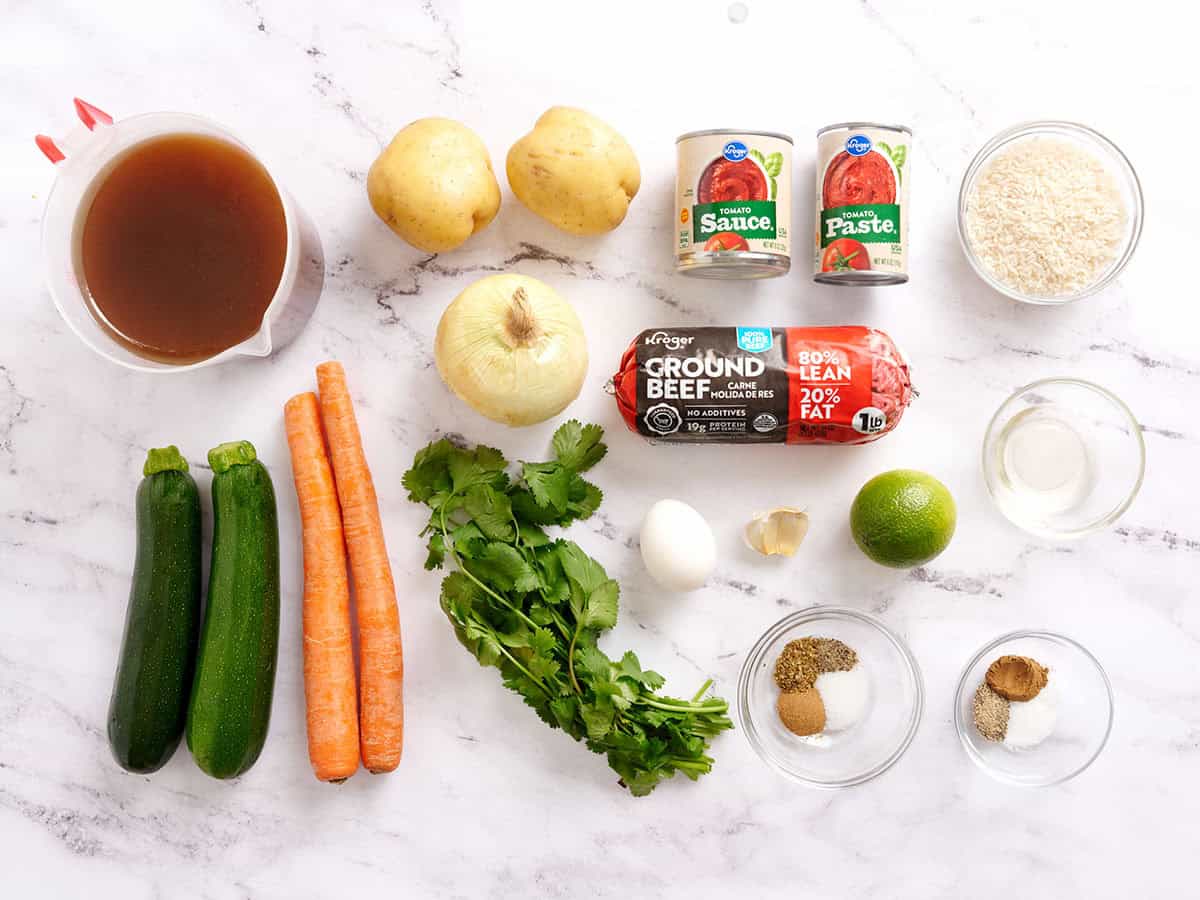
- Ground Beef: Utilizing a one-pound portion as the primary protein source.
- Rice: A low-cost pantry staple that increases the volume and satiety of the meatballs.
- Root Vegetables: Carrots and Yukon gold potatoes provide bulk and nutrition at a low price per pound.
- Canned Goods: The use of tomato sauce and paste provides a concentrated flavor base without the expense of out-of-season fresh tomatoes.
This economic model suggests that traditional "peasant foods," which were originally designed to stretch limited resources, remain highly relevant in the modern economy.
Nutritional Profile and Dietary Impact
From a nutritional perspective, Albondigas soup offers a balanced distribution of macronutrients. A single two-cup serving contains approximately 390 calories, providing a substantial meal that aligns with standard dietary guidelines.
Key Nutritional Data per Serving:
- Protein: 21g (42% of Daily Value) – Derived primarily from ground beef and eggs, supporting muscle maintenance and satiety.
- Carbohydrates: 33g (11% of Daily Value) – Sourced from rice, potatoes, and carrots, providing sustained energy.
- Fat: 20g (31% of Daily Value) – Includes healthy fats from vegetables and the inherent fats in the beef.
- Fiber: 4g (17% of Daily Value) – Contributed by the inclusion of zucchini, carrots, and potatoes.
- Sodium: 1799mg (78% of Daily Value) – This figure reflects the use of beef broth and tomato sauce. Culinary experts recommend monitoring salt intake and potentially using low-sodium broth alternatives if required by specific health needs.
The inclusion of fresh vegetables like zucchini and carrots ensures a high intake of vitamins A and C, while the use of fresh lime juice at the end of the cooking process adds a burst of antioxidants and helps in the absorption of iron from the beef.
Chronological Preparation and Technical Execution
The preparation of Albondigas soup follows a logical sequence designed to build layers of flavor while ensuring that each ingredient is cooked to its ideal texture.
Phase 1: Meatball Construction
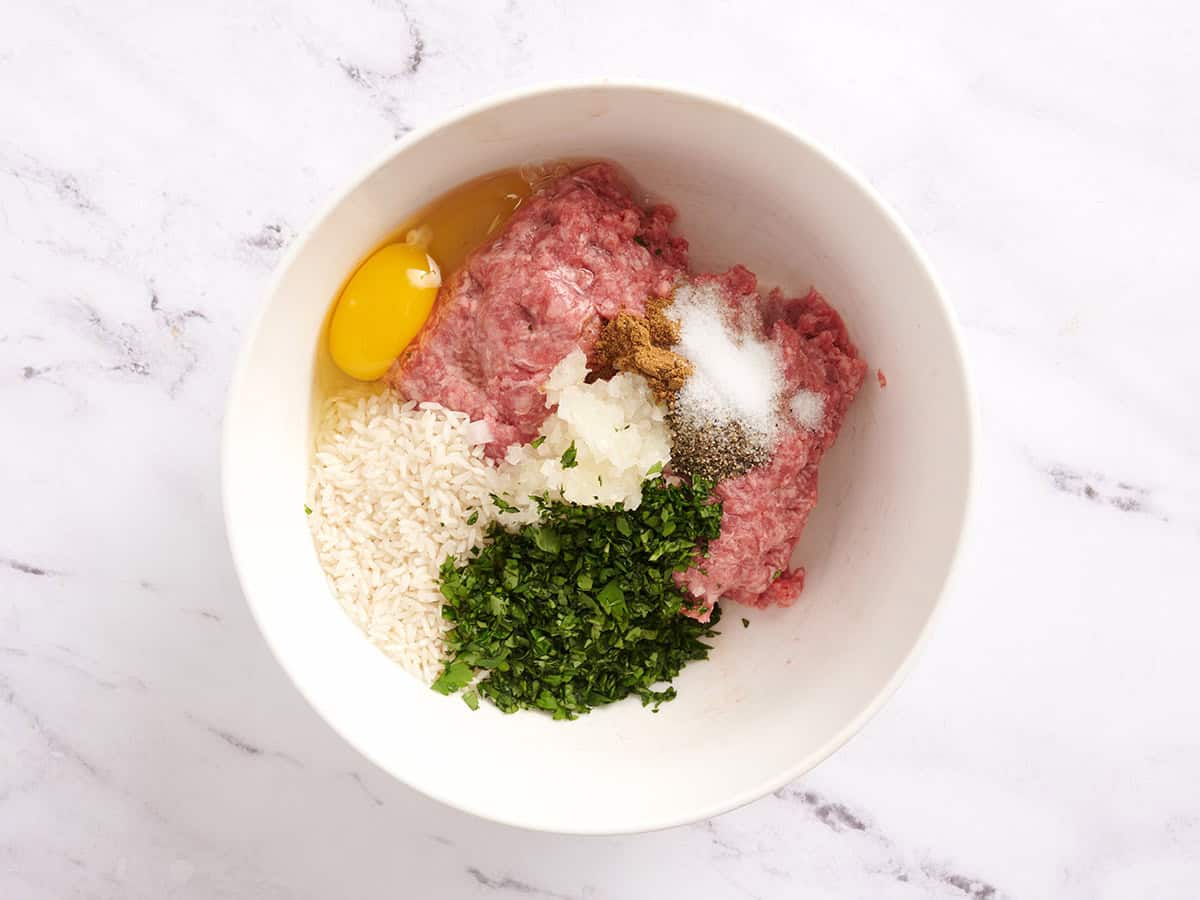
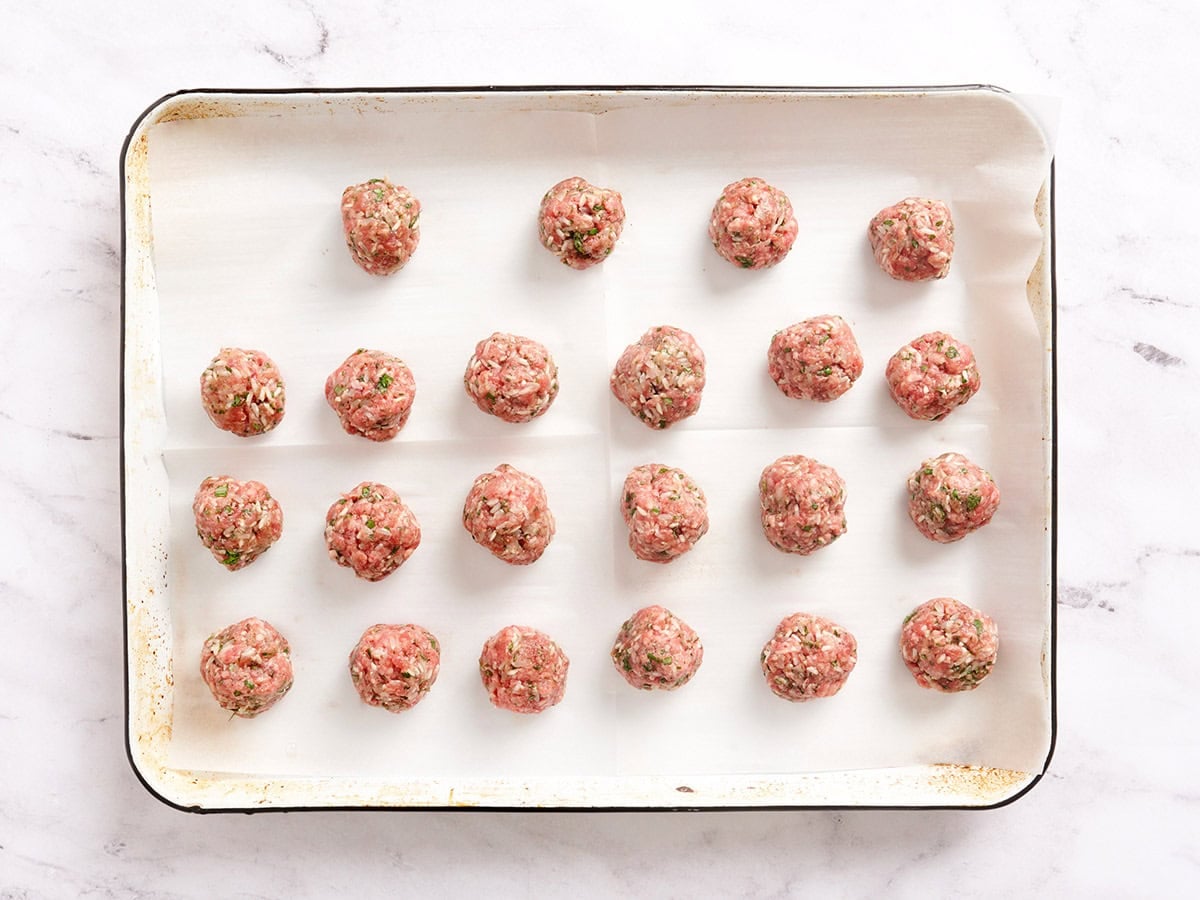
The process begins with the assembly of the meatballs. One pound of ground beef is combined with a half-cup of uncooked rice, one large egg, minced aromatics (onion and garlic), and fresh cilantro. The inclusion of cumin, salt, and pepper provides the foundational seasoning. A critical technical note from the test kitchen emphasizes the importance of gentle mixing; overworking the meat can lead to a dense, tough texture. The mixture is rolled into roughly 20 meatballs, each approximately 1.5 inches in diameter.
Phase 2: Building the Broth Base
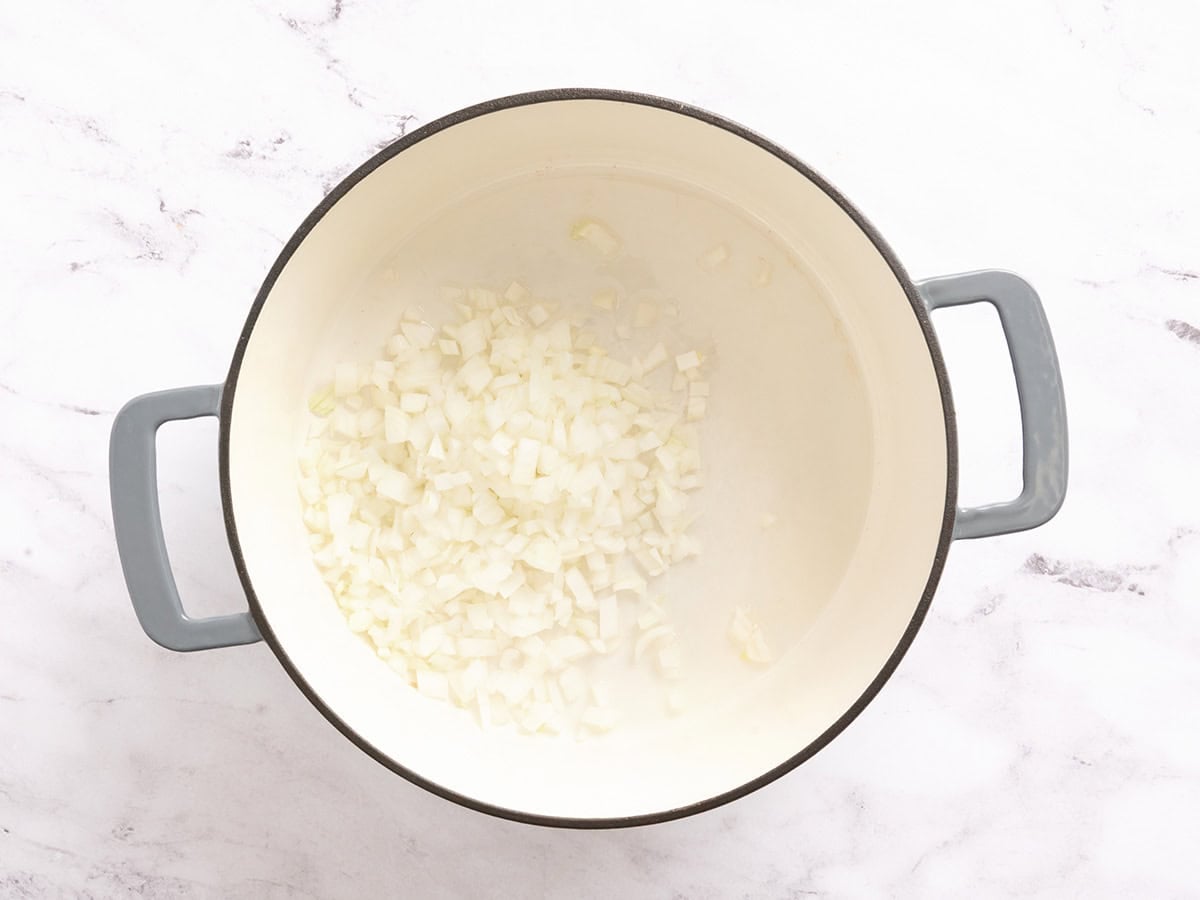
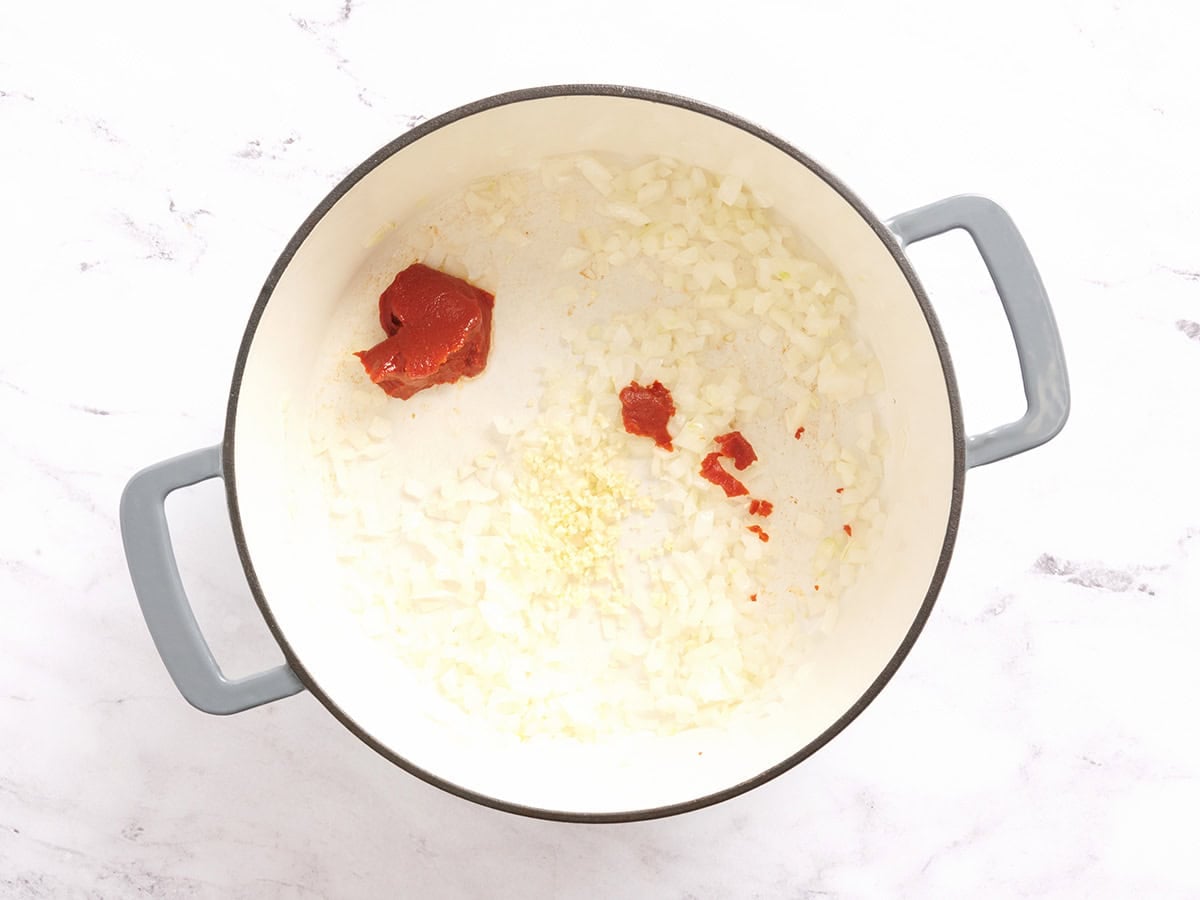
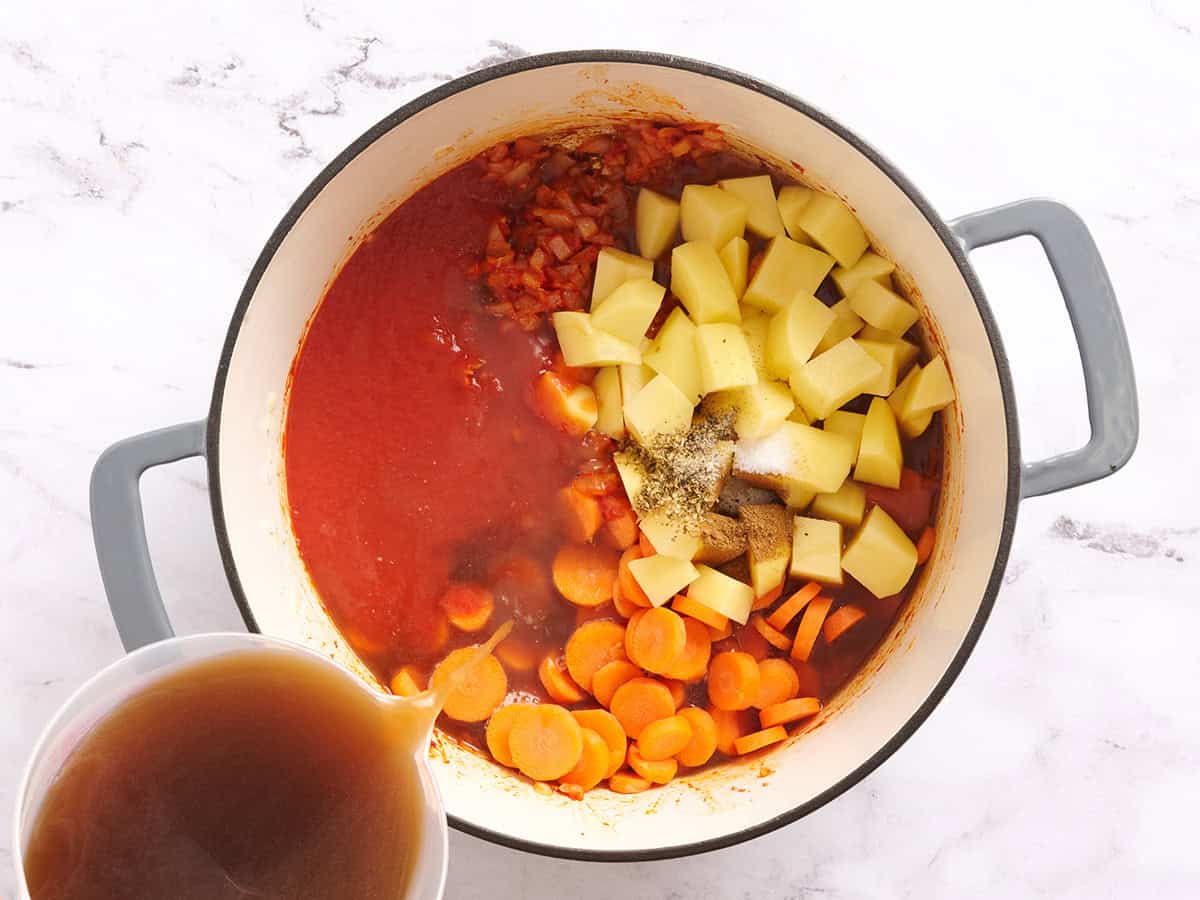
The soup base is established by sautéing diced onions in oil until softened, followed by the addition of garlic and tomato paste. This step, known as "blooming" the tomato paste, deepens the color and caramelizes the sugars, providing a rich, umami-heavy foundation. Six cups of beef broth and one cup of tomato sauce are then introduced, along with the hard vegetables (carrots and potatoes) and dried herbs like oregano and cumin.
Phase 3: The Simmering Process
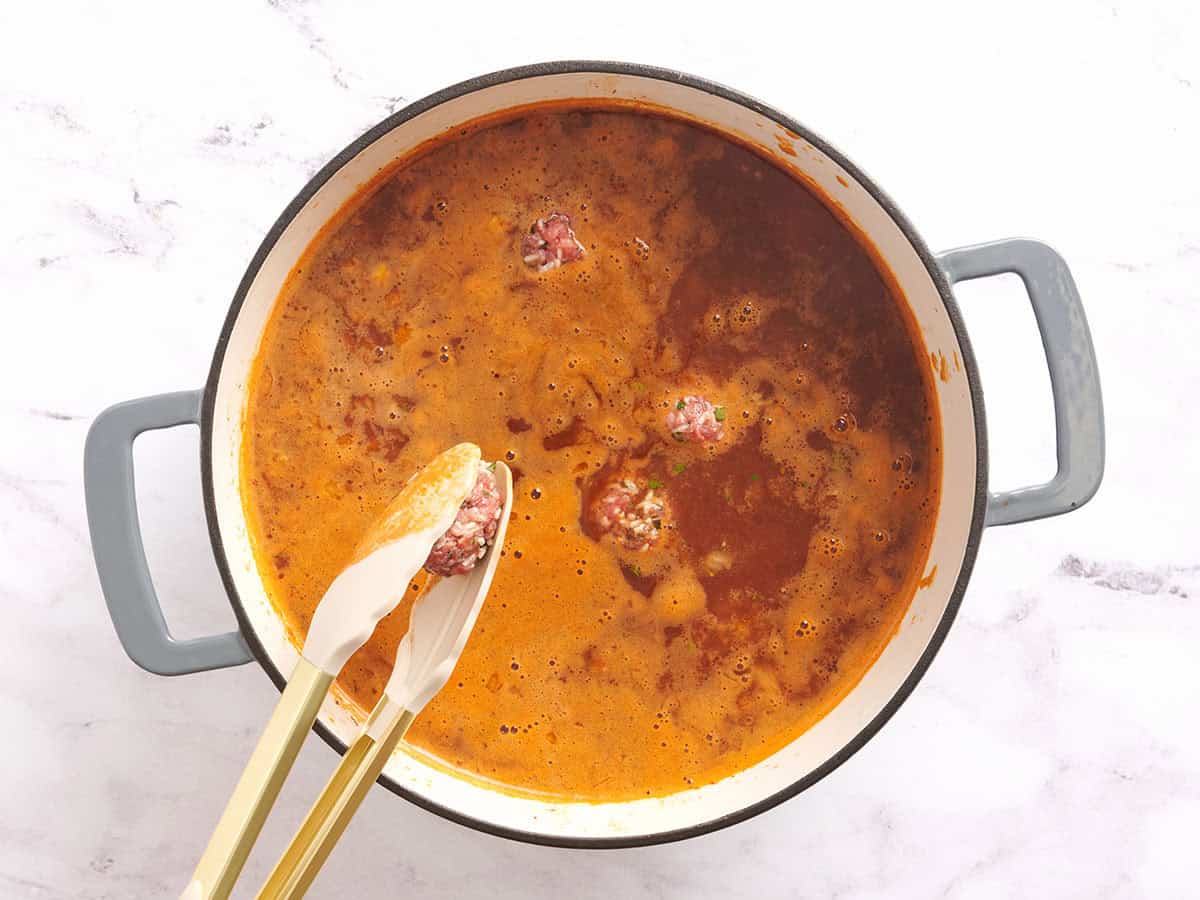
Once the broth reaches a gentle simmer, the meatballs are lowered into the liquid. A vital instruction for maintaining structural integrity is to avoid stirring for the first five minutes, allowing the proteins to set. The soup is covered and simmered for 10 to 15 minutes, during which time the rice inside the meatballs begins to hydrate.
Phase 4: Final Integration and Brightening
Zucchini, which requires less cooking time than root vegetables, is added in the final five minutes. This prevents the squash from becoming mushy. The cooking concludes with the addition of fresh lime juice, an essential component that cuts through the richness of the beef and "awakens" the earthy spices of cumin and oregano.
Expert Perspectives and Serving Traditions
Culinary experts note that Albondigas soup is a "living" dish, meaning its flavor profile continues to develop after the heat is turned off. Like many brothy stews, the soup often tastes superior the following day as the spices meld and the vegetables further absorb the savory broth.
In terms of presentation, the soup is traditionally served in deep bowls to accommodate the generous portion of broth. Standard garnishes include chopped cilantro and an extra squeeze of lime. For added texture and creaminess, many families incorporate crumbled queso fresco or avocado slices.
To transform the soup into a more substantial feast, it is frequently paired with side dishes that reflect its Mexican heritage. Warm corn or flour tortillas are the most common accompaniment, used to "sop up" the flavorful liquid. Other suggested pairings include Spanish rice, refried beans, or a crisp romaine salad with a lime vinaigrette to provide a refreshing contrast to the warm soup.
Broader Implications for Modern Home Cooking
The enduring popularity of recipes like Albondigas soup signals a broader trend in the culinary world: a return to foundational, "slow" cooking that prioritizes wholesome ingredients and cultural storytelling. As more consumers move away from highly processed convenience foods due to both health concerns and financial constraints, the ability to create a complex, multi-layered meal from basic pantry staples becomes an essential life skill.
The Nashville Test Kitchen’s work in documenting and refining these recipes ensures that the culinary traditions of the past are preserved and adapted for a new generation. By focusing on the intersection of tradition, nutrition, and economy, Albondigas soup stands as a testament to the power of a simple, well-executed bowl of soup to provide comfort and sustenance across cultural boundaries. As home cooks continue to seek out recipes that offer high yields and nutritional density, the Mexican meatball soup will undoubtedly remain a cornerstone of the modern kitchen repertoire.
