
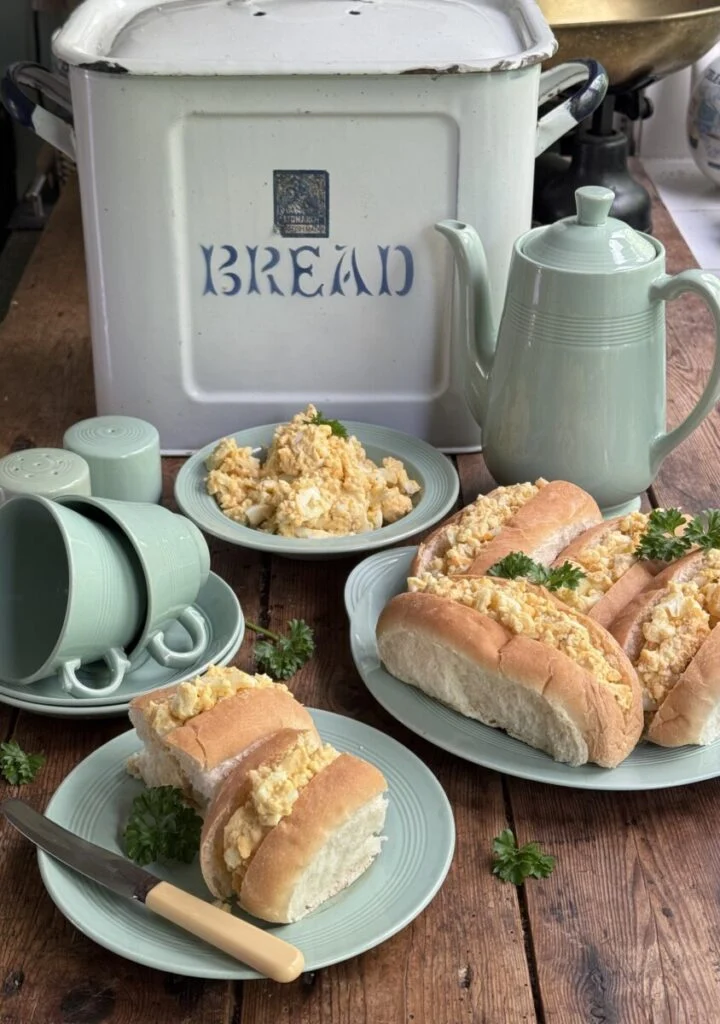
The culinary landscape of 1940s Britain, shaped by the harsh realities of World War II, continues to offer profound insights into national resilience and ingenuity. A seemingly simple dish, the Wartime Egg Salad, stands as a testament to the resourcefulness demanded by stringent rationing and the Ministry of Food’s unwavering efforts to nourish a nation. This classic preparation, often served in bridge rolls on utilitarian Woodsware Beryl crockery, was more than just a meal; it was a symbol of adaptation, community spirit, and the collective will to "make do and mend."

The Age of Austerity: Britain Under Rationing
When Britain declared war on Germany in September 1939, the specter of food shortages loomed large. The nation, heavily reliant on imports for staples like meat, sugar, fats, and eggs, quickly faced a critical challenge as German U-boats targeted shipping lanes. To ensure equitable distribution and prevent hoarding, a comprehensive rationing system was swiftly implemented. Beginning in January 1940 with bacon, butter, and sugar, rationing expanded to include most foodstuffs, including meat, tea, cheese, and, crucially for this dish, eggs and fats.

The typical weekly ration for an adult was remarkably sparse: 4 ounces of bacon or ham, 2 ounces of butter, 8 ounces of sugar, and a fluctuating allowance of meat (around 1 shilling and 2 pence worth, approximately 8 ounces). Eggs were particularly scarce, often limited to one fresh egg per person per week, if available, and sometimes none at all. This scarcity forced households to re-evaluate traditional cooking methods and embrace alternatives, fundamentally altering British dietary habits for the duration of the war and well into the post-war years.
The Rise of Dried Eggs: A Transatlantic Lifeline

The severe shortage of fresh eggs, often referred to as "shell eggs" during the war, led to the widespread adoption of dried eggs. These powdered eggs, primarily imported from the United States and Canada under the Lend-Lease Act, became a vital component of the British diet. Arriving in distinctive yellow and blue tins or packets, dried eggs offered a stable, transportable, and long-lasting alternative to their fresh counterparts. Each tin typically contained enough powder to make a dozen eggs, and households received a ration of one packet every two months.
While initially met with skepticism, the Ministry of Food actively promoted dried eggs through extensive publicity campaigns, including posters and recipe leaflets. These campaigns educated the public on how to reconstitute the powder (usually by whisking with a little water) and integrate it into a variety of dishes, from omelets and scrambled eggs to baked goods and, of course, egg salad. Despite initial reservations about their texture and flavor compared to fresh eggs, dried eggs proved invaluable in providing essential protein and versatility to wartime cooking, enabling the creation of dishes like the 1940s egg salad where fresh eggs would have been an unimaginable luxury.

Crafting Wartime Salad Cream: The Ministry of Food’s Ingenuity
Traditional mayonnaise, a key ingredient in many egg salads, relies heavily on fresh eggs and ample oil – both commodities severely rationed during the war. This presented a significant challenge for those accustomed to the creamy dressing. In response, the Ministry of Food, a central authority established to manage food production, distribution, and consumption, stepped in with ingenious solutions. Their mandate was not only to manage scarcity but also to ensure the nation remained healthy and morale stayed high.

One such solution was the promotion of homemade "salad cream" or "eggless mayonnaise" recipes designed to mimic the texture and tang of traditional dressings using available ingredients. The "Royal Dressing," a prime example, demonstrates this resourcefulness. It called for:
- 2 ounces of National Flour
- ½ pint milk or vegetable water (cooled water from cooking vegetables)
- 1 tablespoon vinegar
- Salt, Pepper, & Sugar to taste
The method was simple: create a thick sauce with the national flour and liquid, then beat in the vinegar and seasonings. This provided a creamy, tangy base that, while distinct from classic mayonnaise, served as a perfectly acceptable dressing for eggs or raw vegetable salads. Another common "eggless mayonnaise" involved mashing a boiled root vegetable, such as a potato, until silky, then slowly whisking in vinegar, mustard, salt, and a minimal amount of vegetable oil to achieve a creamy consistency. These recipes were widely disseminated through radio broadcasts, public demonstrations, and printed leaflets, empowering homemakers to create flavorful meals despite limitations.

Presentation and Morale: Bridge Rolls and Utility Ware
The 1940s Egg Salad was typically served in "bridge rolls," small, soft, often elongated bread rolls. These rolls derived their name from their popularity at "bridge parties," social gatherings centered around the card game bridge. During wartime, such gatherings were vital for maintaining social connections and boosting morale amidst the anxieties of conflict. Simple, easily prepared fillings like egg salad, cheese, or jam were standard for these occasions, reflecting the constraints of the era while still allowing for a semblance of hospitality.

The visual presentation of food, even under austerity, was not entirely overlooked. The article highlights the use of "Woodsware Beryl Utility Crockery." The "Utility Scheme" was a government initiative introduced in 1941 to standardize the production of essential goods, including furniture, clothing, and pottery, using minimal raw materials and labor. Utility items were characterized by their simple, functional designs and often muted colors. Woodsware Beryl, with its distinctive pale green hue and clean lines, perfectly embodied this ethos. Serving food on such crockery was a practical necessity, yet it also subtly reinforced a shared national experience of making do with dignity.
Accompanying the egg salad and bridge rolls, a "pot of Camp Coffee" was a common beverage. Camp Coffee, a liquid coffee and chicory essence, was a popular substitute for actual coffee beans, which were imported and therefore subject to rationing and scarcity. The inclusion of an "obligatory parsley garnish" further illustrates the small efforts made to add a touch of freshness and visual appeal, demonstrating that even in times of scarcity, a sense of occasion and care for presentation persisted.

The Ministry of Food: A Pillar of Wartime Life
The Ministry of Food played an unprecedented role in British daily life during World War II. Beyond simply managing rationing, it became a trusted source of information, education, and encouragement. Its campaigns, such as "Dig for Victory" (promoting home gardening), "Save Food" (reducing waste), and "Make Do and Mend" (encouraging repair over replacement), fostered a sense of national purpose and collective effort.

The Ministry’s culinary experts developed and publicized thousands of recipes designed to maximize nutritional value from limited rations, utilize readily available or home-grown produce, and minimize waste. These recipes often made clever use of vegetables, pulses, and less-desirable cuts of meat, ensuring that the population, despite dietary restrictions, remained adequately nourished. The emphasis on resourcefulness and ingenuity in the kitchen became a hallmark of the era, profoundly influencing British cooking for decades. Posters for dried eggs, such as those depicting happy families enjoying meals made with the powdered substitute, were key tools in this public education effort, aiming to overcome initial resistance and integrate new ingredients into the national diet.
Beyond the Plate: Lasting Implications and Legacy

The wartime experience of food rationing and adaptation left an indelible mark on British society and its culinary traditions. The 1940s Egg Salad, made with its homemade salad cream and the ghost of dried eggs, represents more than just a historical recipe; it encapsulates a period of collective sacrifice, innovation, and community spirit.
The immediate implications were profound. People learned to cook differently, valuing every scrap and embracing a more plant-heavy, less meat-centric diet out of necessity. This fostered a generation of resourceful cooks who passed down lessons in frugality and creativity. Post-war, while some aspects of rationing gradually faded (meat rationing, for instance, lasted until 1954), the habits of careful budgeting, seasonal eating, and minimizing waste continued.

In a broader sense, the shared experience of food scarcity and the collective effort to overcome it contributed to a stronger sense of national identity and solidarity. The Ministry of Food’s successful management of the nation’s diet ensured that, unlike in World War I, there was no widespread malnutrition, a significant achievement that bolstered public morale and health during a trying period.
Today, there is a renewed interest in these "forgotten" wartime recipes, driven by a desire for historical connection, a growing emphasis on sustainable eating, and an appreciation for simple, wholesome food. Dishes like the 1940s Egg Salad remind us of a time when ingredients were cherished, creativity was essential, and a meal, however humble, was a symbol of enduring hope and resilience. The legacy of wartime cuisine continues to resonate, demonstrating how adversity can spark culinary innovation and cement traditions that reflect a nation’s unbreakable spirit.
