
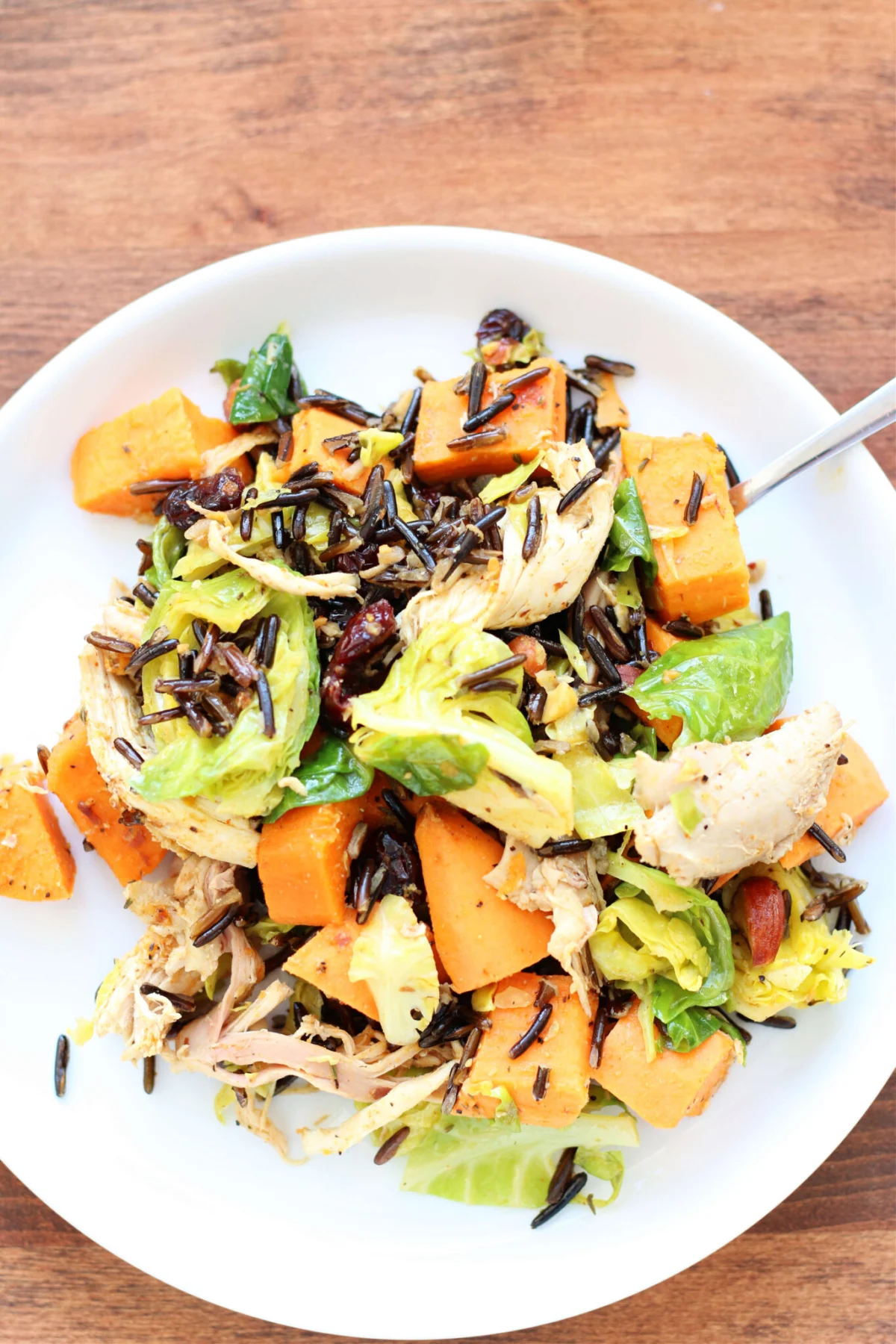
The Rise of One-Pot Pressure Cooking in Domestic Kitchens
The development of recipes like the Golden Harvest Chicken Casserole is inextricably linked to the commercial success and technological advancement of the Instant Pot and similar electric pressure cookers. Since its rise to prominence in the mid-2010s, the multi-cooker has transformed domestic labor by consolidating multiple cooking functions—steaming, sautéing, and pressure cooking—into a single appliance. Market research indicates that the global pressure cooker market is expected to continue its growth, driven by an increasing number of working professionals seeking to reduce meal preparation time without sacrificing nutritional quality.
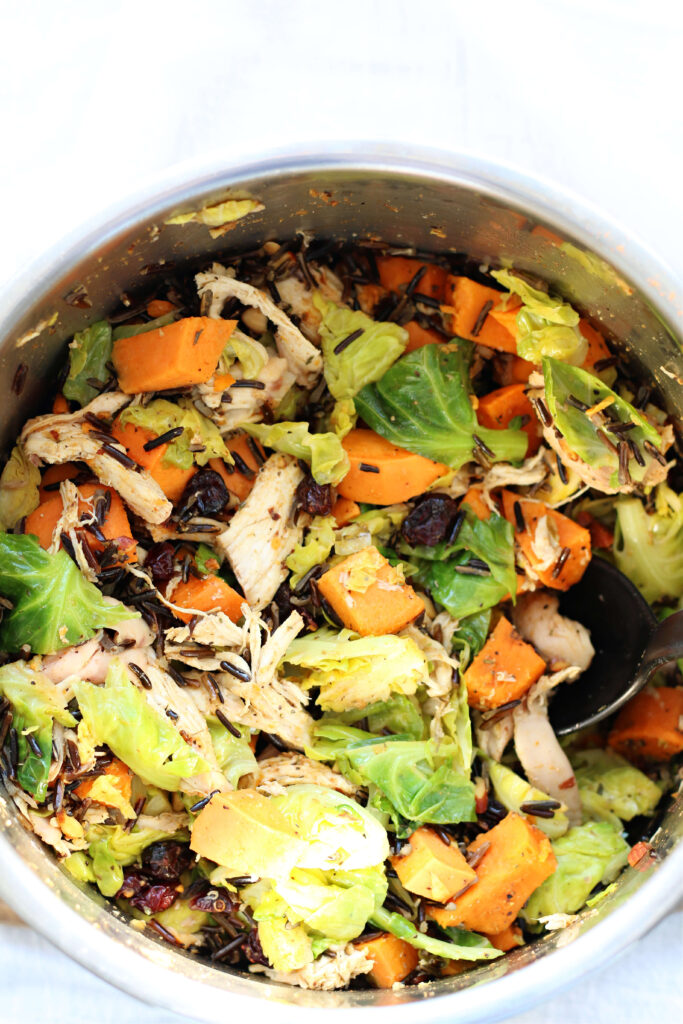
The "one-pot" philosophy inherent in this casserole reflects a broader shift in home economics. By minimizing the number of cooking vessels required, users significantly reduce the time and water consumption associated with cleanup. This efficiency, combined with the ability to achieve complex flavor profiles through high-pressure extraction, has made casseroles a staple of the contemporary weekly meal rotation.

Nutritional Profile and Ingredient Synergy
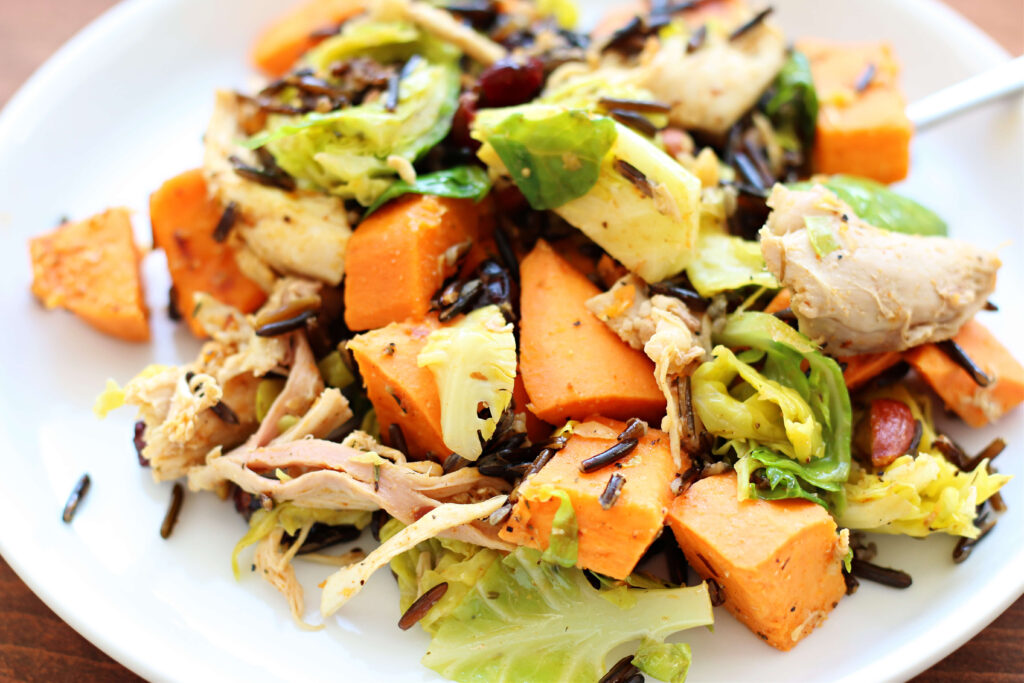
The Golden Harvest Chicken Casserole is structured around a balanced macronutrient profile, making it a comprehensive dietary solution. Each component provides specific physiological benefits:
Complex Carbohydrates: Wild Rice and Sweet Potatoes
Unlike refined white rice, wild rice—which is technically the seed of an aquatic grass—contains higher levels of protein and dietary fiber. It is also a rich source of antioxidants and minerals such as magnesium and phosphorus. Sweet potatoes complement this by providing a high dose of beta-carotene, which the body converts to Vitamin A, essential for immune function and ocular health. The combination of these two ingredients results in a low-glycemic index meal that provides sustained energy release, preventing the insulin spikes associated with processed carbohydrates.
Cruciferous Vegetables: Brussels Sprouts
Brussels sprouts contribute essential Vitamin K and Vitamin C to the dish. When prepared in a pressure cooker, these vegetables retain a higher percentage of their water-soluble vitamins compared to traditional boiling methods. The inclusion of cruciferous vegetables is frequently cited by nutritionists as a key factor in reducing inflammation and supporting cardiovascular health.

Lean Protein and Healthy Fats
The use of chicken provides the necessary amino acids for muscle repair and satiety. This is supplemented by the inclusion of almonds, which offer monounsaturated fats and Vitamin E. The textural contrast provided by the almonds and the sweetness of the dried cranberries (craisins) creates a multi-sensory eating experience that mirrors high-end restaurant fare while remaining accessible to home cooks.

Chronology of Preparation and Technical Execution
The preparation of the Golden Harvest Chicken Casserole follows a precise technical sequence designed to ensure that each ingredient, regardless of its density, reaches the optimal level of doneness.
Phase I: Grain Hydration and Pressure Cooking
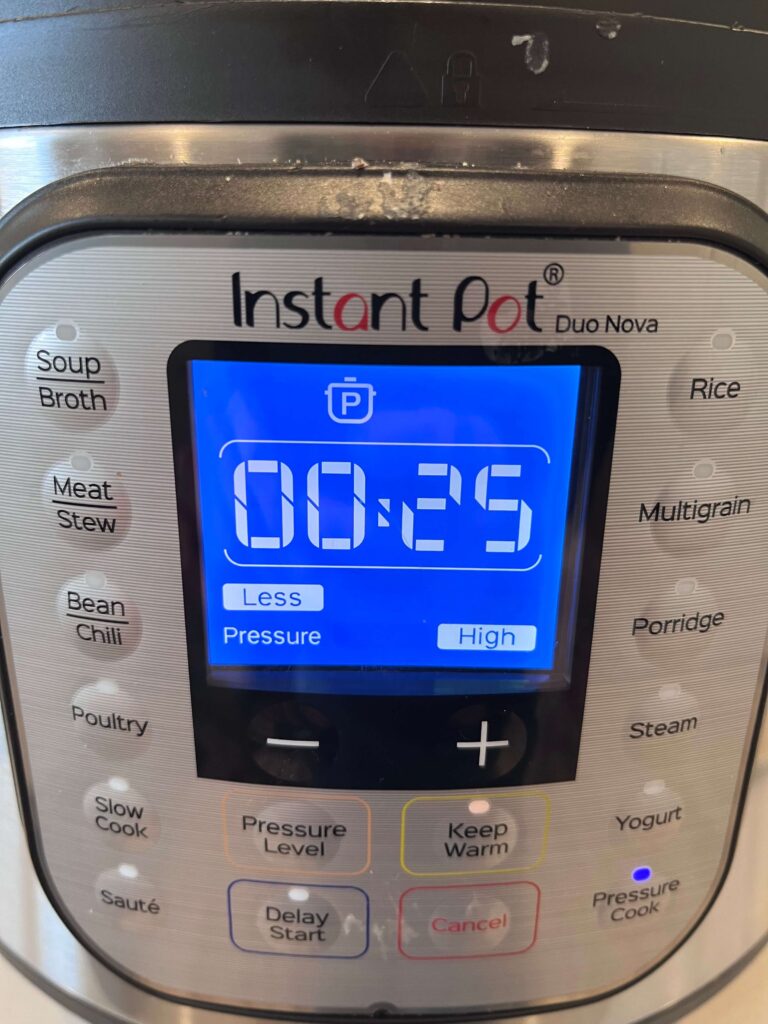
The process begins with the most time-intensive component: the wild rice. One cup of wild rice is combined with chicken broth (or a bouillon-water mixture) in the inner pot of the pressure cooker. The device is set to manual/pressure cook for 25 minutes. This duration is necessary to penetrate the tough outer husk of the wild rice. Following the cook cycle, a 5-to-10-minute natural pressure release (NPR) is employed to allow the grains to finish absorbing moisture without becoming mushy. The rice is then removed and set aside, ensuring it does not overcook during the subsequent vegetable steaming phase.
Phase II: Accelerated Steaming
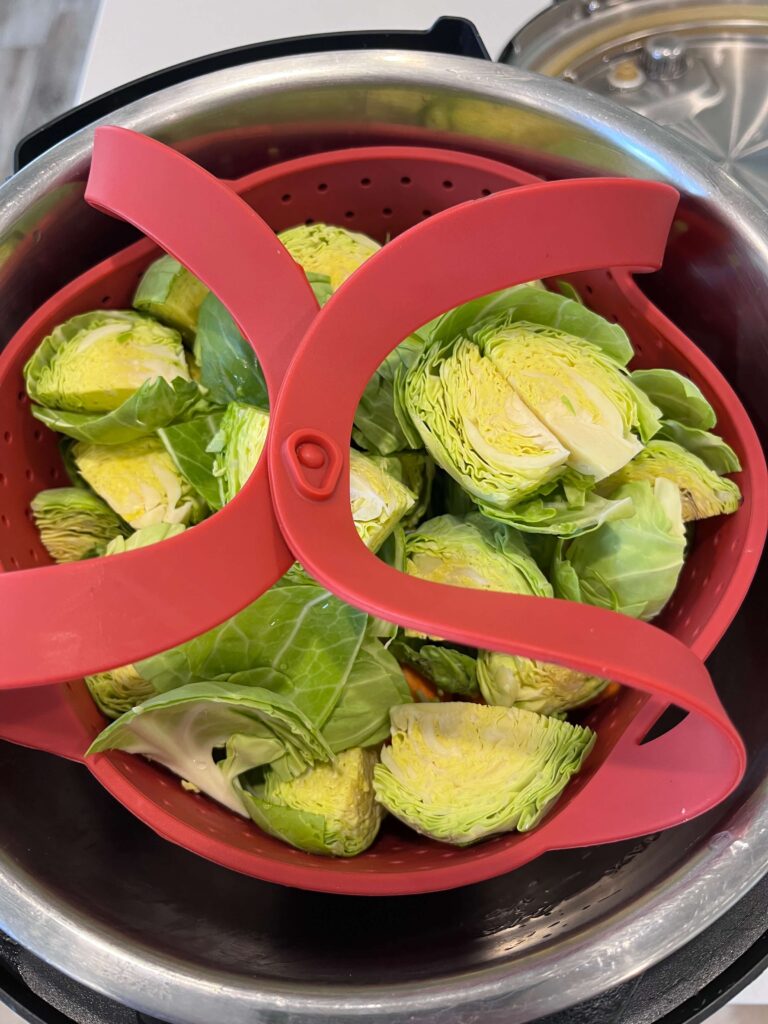
After clearing the pot, 1.5 cups of water are added to create the necessary steam environment. A steamer basket is utilized to hold the cubed sweet potatoes and halved Brussels sprouts. By separating the vegetables from the water, the recipe prevents leaching of nutrients and maintains the structural integrity of the produce. The pressure cooker is set to a "one-minute" cycle. Although the timer is short, the time required for the pot to reach pressure ensures the vegetables are tender yet crisp.
Phase III: Integration and Sautéing
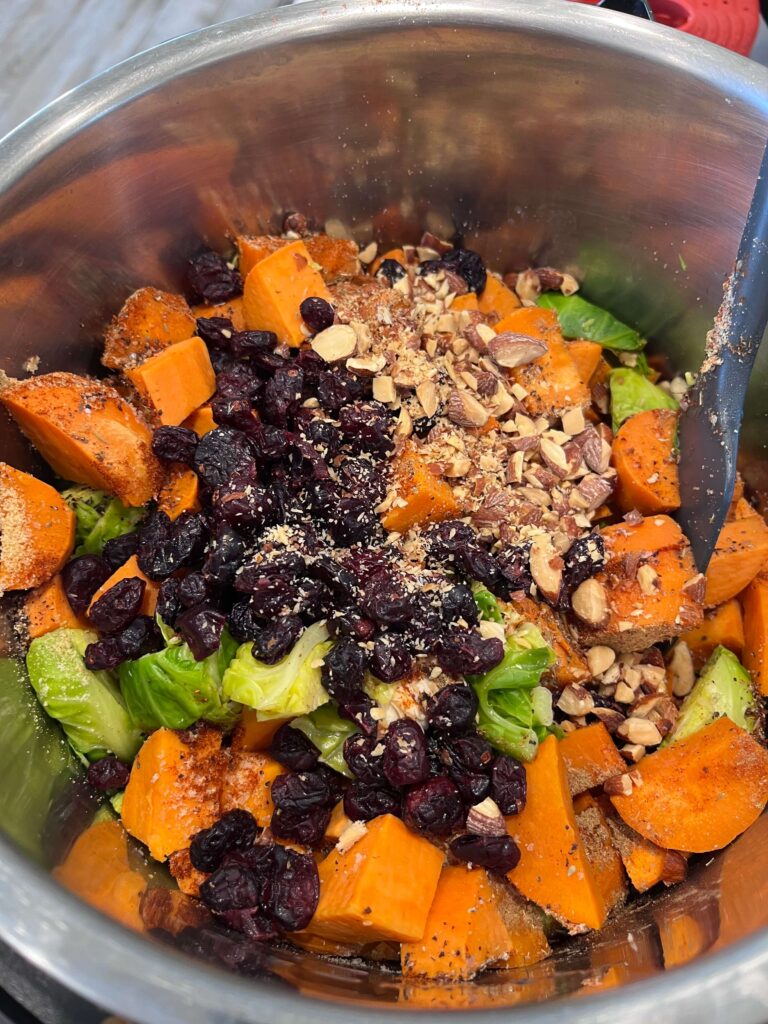
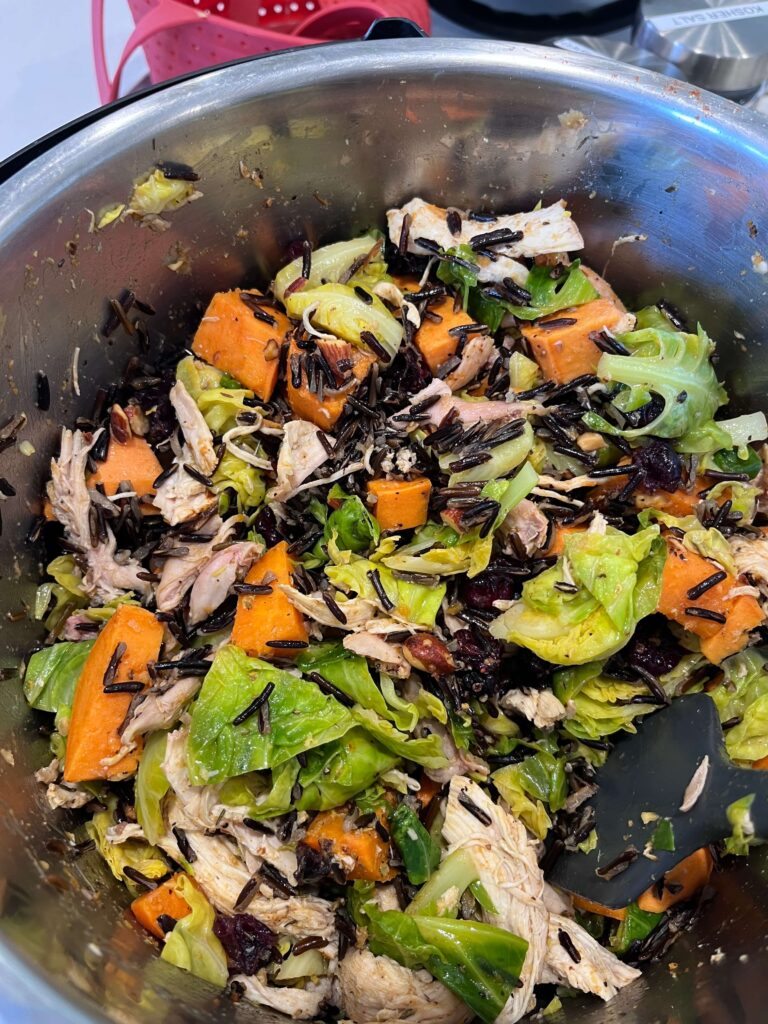
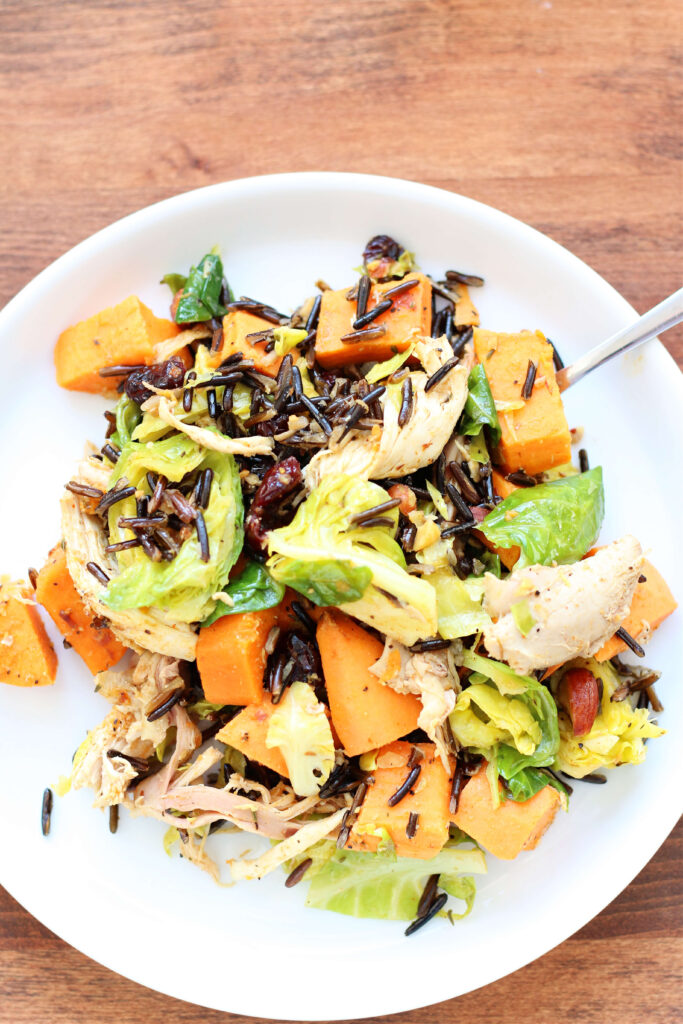
The final phase involves the "Sauté" function. The cooked rice and pre-cooked or shredded chicken are returned to the pot. A specific blend of aromatics—garlic powder, onion powder, paprika, thyme, cumin, salt, and pepper—is introduced. This stage is critical for the Maillard reaction, a chemical reaction between amino acids and reducing sugars that gives browned food its distinctive flavor. Once the base is warmed through and seasoned, the steamed vegetables, cranberries, almonds, and a finish of olive oil are tossed in. The heat is then deactivated to prevent the Brussels sprouts from losing their vibrant green hue.
Culinary Flexibility and Substitutions
A hallmark of professional-grade recipes is their adaptability to various dietary needs and pantry availability. The Golden Harvest Chicken Casserole allows for several modifications:
- Protein Alternatives: While chicken is the standard, food analysts suggest that chickpeas or firm tofu can be substituted for a vegetarian profile, provided the seasoning is adjusted to compensate for the lack of animal fats.
- Grains: If wild rice is unavailable, brown rice can be used, though the initial cooking time would need to be reduced to approximately 22 minutes to account for the different fiber density.
- Flavor Enhancers: The use of "Better than Bouillon" is a frequent recommendation among culinary experts for its concentrated flavor profile compared to standard boxed broths, which often contain higher water content and lower protein solids.
Consumer Sentiment and Expert Observations
Inferred reactions from home cooks and health enthusiasts suggest a high level of satisfaction with this specific recipe structure. The "leftover potential" of the dish is frequently highlighted as a major benefit. Because wild rice and sweet potatoes hold their texture well when reheated, the casserole serves as an effective solution for "meal prepping," a practice that has seen a 35% increase in popularity among urban households over the last five years.

Culinary experts note that the dish succeeds because it balances the four pillars of flavor: salt, fat, acid, and heat (though the heat here is mild, derived from paprika and cumin). The cranberries provide the necessary acidity to cut through the richness of the chicken and olive oil, while the almonds provide a structural "crunch" that is often missing in traditional casserole dishes.
Broader Implications for Modern Meal Solutions
The success of the Golden Harvest Chicken Casserole points toward a larger trend in the food industry: the "democratization of the gourmet." Ingredients that were once considered niche or seasonal, such as wild rice and Brussels sprouts, are now readily available year-round in most supermarkets. The ability to prepare these ingredients in under an hour using a single appliance represents a significant reduction in the "barrier to entry" for healthy eating.
Furthermore, the dish reflects a growing awareness of food waste. One-pot casseroles are an efficient way to utilize "fridge-clearing" vegetables, allowing consumers to reduce their environmental footprint by consuming produce before it spoils. As food prices continue to fluctuate due to global supply chain pressures, the economic efficiency of high-volume, nutrient-dense casseroles remains a compelling factor for the average household.
In conclusion, the Golden Harvest Chicken Casserole is more than a simple recipe; it is a technical solution to the modern challenge of balancing time, health, and flavor. Its reliance on a specific chronology of pressure cooking and steaming ensures a high-quality result that rivals traditional slow-cooking methods, while its ingredient list provides a roadmap for seasonal, health-conscious eating in the 21st century.
