
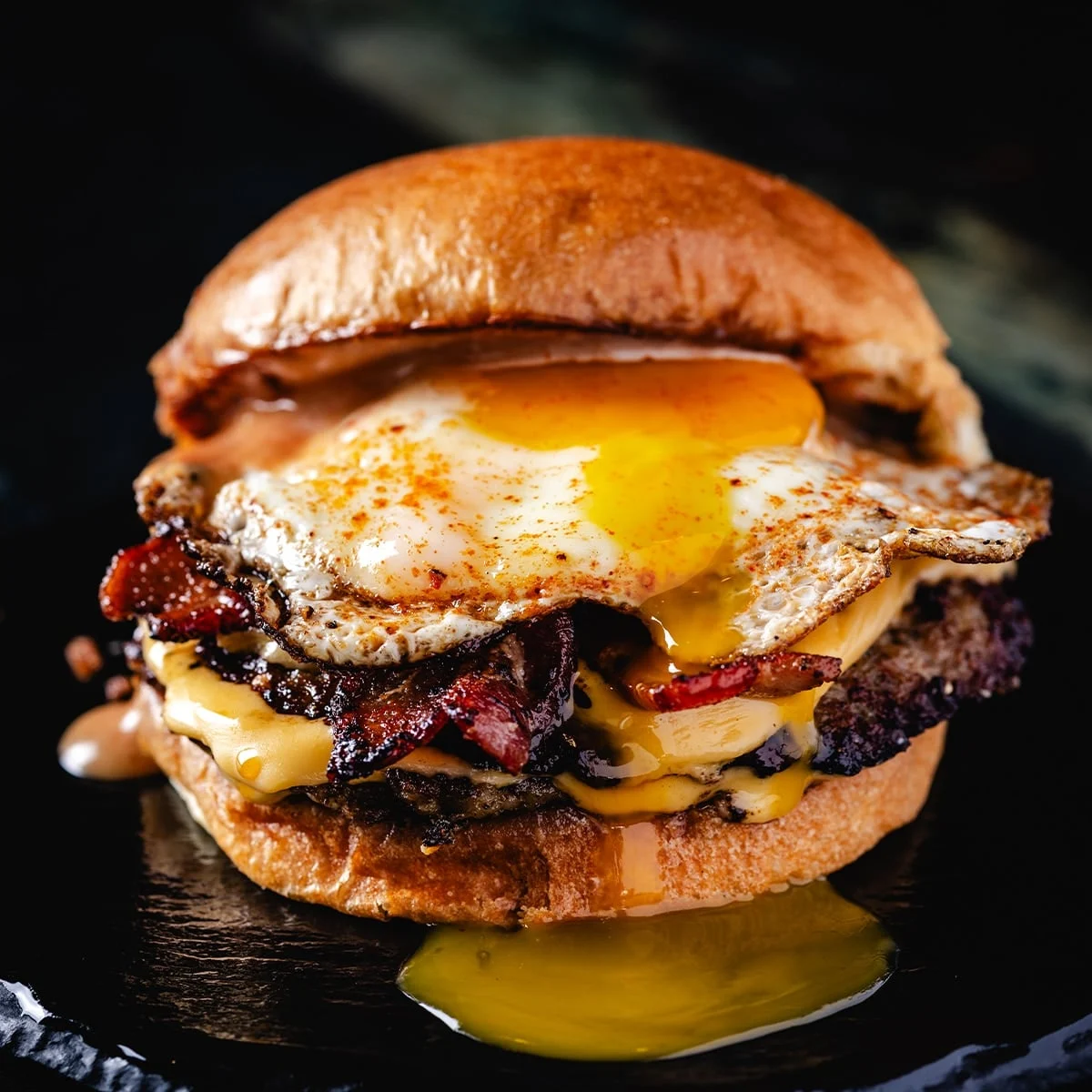
The contemporary culinary landscape is witnessing a significant transformation in morning meal traditions, characterized by the convergence of fast-casual techniques and backyard outdoor cooking. At the forefront of this movement is the breakfast smash burger, a dish that reinterprets the classic American diner aesthetic through the lens of high-heat griddle preparation. This specific iteration, championed by culinary experts such as Susie Bulloch of the Hey Grill Hey platform, integrates crispy smashed sausage patties, candied bacon, melty American cheese, and a fried egg with a runny yolk, all served on a toasted brioche bun. By utilizing a homemade maple mayo burger sauce, the recipe bridges the gap between savory lunch fare and traditional breakfast flavors, signaling a broader shift in how consumers approach the first meal of the day.
The Mechanics of the Smash Technique and the Maillard Reaction
The primary appeal of the smash burger, whether utilizing ground beef or breakfast sausage, lies in the chemical process known as the Maillard reaction. When a protein-rich ball of meat is pressed firmly against a hot metal surface—typically a seasoned steel griddle or cast-iron skillet—the surface area in contact with the heat increases exponentially. This pressure forces the proteins and sugars in the meat to react, creating a complex, caramelized crust that provides both a textural contrast and a concentrated flavor profile that cannot be achieved through traditional grilling or broiling.

In the context of the breakfast smash burger, the use of pork sausage introduces a higher fat content and a different spice profile than standard beef. The "smashing" process involves placing a spherical portion of sausage onto a preheated griddle and using a heavy-duty press or spatula to flatten it into a thin patty. This method ensures that the edges of the sausage become "lacey" and crisp, while the interior remains juicy. The inclusion of American cheese is a tactical choice; its low melting point and emulsifying salts allow it to bond the two sausage patties together, creating a cohesive structural element within the sandwich.
A Chronology of the Smash Burger Phenomenon
The origins of the smash burger technique can be traced back several decades to the Midwestern United States, where diner cooks discovered that pressing burgers with a weighted spatula improved speed and flavor. While the technique remained a staple of regional "greasy spoons" for much of the 20th century, it experienced a commercial renaissance in the early 2000s.
- The Diner Era (1930s–1960s): Establishments like Dairy Cheer in Kentucky and various independent diners across the Great Lakes region utilized the smash method as a standard operating procedure for high-volume service.
- The Rise of Gourmet Fast-Casual (2007–2015): The founding of chains like Smashburger and the expansion of Shake Shack brought the technique into the mainstream consciousness, elevating the burger from a commodity to a craft product.
- The Griddle Revolution (2018–Present): The introduction of affordable, large-scale outdoor griddles for residential use, such as those produced by Blackstone and Camp Chef, allowed home cooks to replicate restaurant-quality smash burgers. This era saw the transition of the technique from lunch menus to breakfast tables.
- The Influencer Integration (2020–2024): Digital platforms allowed culinary developers like Susie Bulloch to democratize professional techniques. Bulloch, a Food Network veteran and Guinness World Record holder, utilized her platform to adapt the smash burger for the breakfast segment, incorporating elements like maple-infused sauces and candied bacon.
Nutritional Analysis and Economic Implications
The breakfast smash burger represents a departure from the low-calorie health trends often associated with modern wellness movements, positioning itself instead as a "destination meal" or a weekend indulgence. According to nutritional data provided by the Hey Grill Hey analysis, a single serving of this breakfast burger contains approximately 1,209 calories. The macronutrient breakdown includes 95 grams of fat, 41 grams of protein, and 44 grams of carbohydrates.

From a public health perspective, the sodium content is particularly noteworthy, measuring at 4,639 mg—nearly double the daily recommended intake suggested by the American Heart Association. This high sodium level is attributed to the combination of processed sausage, cured bacon, American cheese, and seasoned burger sauce. However, food industry analysts suggest that the rise of such "maximalist" breakfast items is a reaction to the inflation of fast-food prices. As the cost of a standard breakfast meal at national drive-thru chains has risen significantly, consumers are increasingly opting to invest in high-quality ingredients to recreate "premium" experiences at home. The cost-per-unit of a home-cooked breakfast smash burger, even when using high-end brioche and organic eggs, often remains lower than the price of a comparable artisanal brunch item at a metropolitan restaurant.
The Role of Specialty Ingredients in Modern Breakfast Profiles
The modern breakfast smash burger is defined not just by its cooking method, but by its ingredient architecture. The transition from a standard sesame seed bun to a brioche bun is a calculated culinary choice. Brioche, characterized by its high egg and butter content, offers a soft, pillowy texture that can withstand the weight of multiple patties and a runny egg without disintegrating.
Furthermore, the "Breakfast Burger Sauce" serves as the emulsifying agent for the entire flavor profile. By combining mayonnaise with maple syrup and proprietary BBQ rubs, the sauce introduces an "umami-sweet" balance. This reflects a broader trend in the American palate toward "swicy" (sweet and spicy) and "swalty" (sweet and salty) combinations. The addition of candied bacon—bacon treated with sugar and heat until caramelized—further reinforces this flavor duality.

Professional Methodologies for the Home Cook
To achieve the results described by culinary professionals, the preparation must follow a specific sequence of operations:
- Surface Preparation: The griddle must be heated to a high temperature (approximately 400°F) to ensure immediate searing upon contact.
- The Smash: Utilizing parchment paper between the meat and the press prevents sticking and allows for a clean release.
- Component Timing: Bacon is typically prepared first to allow its rendered fat to season the griddle for the sausage and eggs. The fried egg is the final component cooked, ensuring the yolk remains liquid upon assembly.
- The Steam Finish: Often, a dome or lid is used briefly after adding cheese to the patties to ensure a complete melt without overcooking the meat.
Broader Impact on the Outdoor Cooking Industry
The popularity of recipes like the breakfast smash burger has had a measurable impact on the outdoor appliance market. Data from the Hearth, Patio & Barbecue Association (HPBA) indicates a steady increase in the sales of flat-top griddles compared to traditional charcoal or gas grills. This shift is largely attributed to the versatility of the griddle, which allows for the preparation of entire meals—including eggs, hash browns, and pancakes—that are impossible on a traditional slatted grill.
Moreover, the "Hey Grill Hey" brand, led by Susie Bulloch, exemplifies the modern "creator economy" within the food industry. By providing free access to complex recipes and techniques, Bulloch has built a business model that includes a dedicated mobile app, a YouTube channel with global reach, and a line of proprietary seasonings. This democratization of culinary knowledge has empowered a new generation of home cooks to experiment with "smash" techniques that were once the exclusive domain of professional short-order cooks.

Conclusion
The breakfast smash burger is more than a caloric indulgence; it is a symbol of the evolving American breakfast. It represents the intersection of historical diner culture, modern chemical food science, and the burgeoning outdoor cooking movement. While its nutritional profile suggests it should be consumed with moderation, its popularity underscores a cultural desire for high-quality, experiential dining within the domestic sphere. As outdoor cooking technology continues to advance, it is likely that the "smash" technique will continue to be applied to a wider variety of proteins and meal types, further blurring the lines between professional restaurant kitchens and the backyard patio.
