
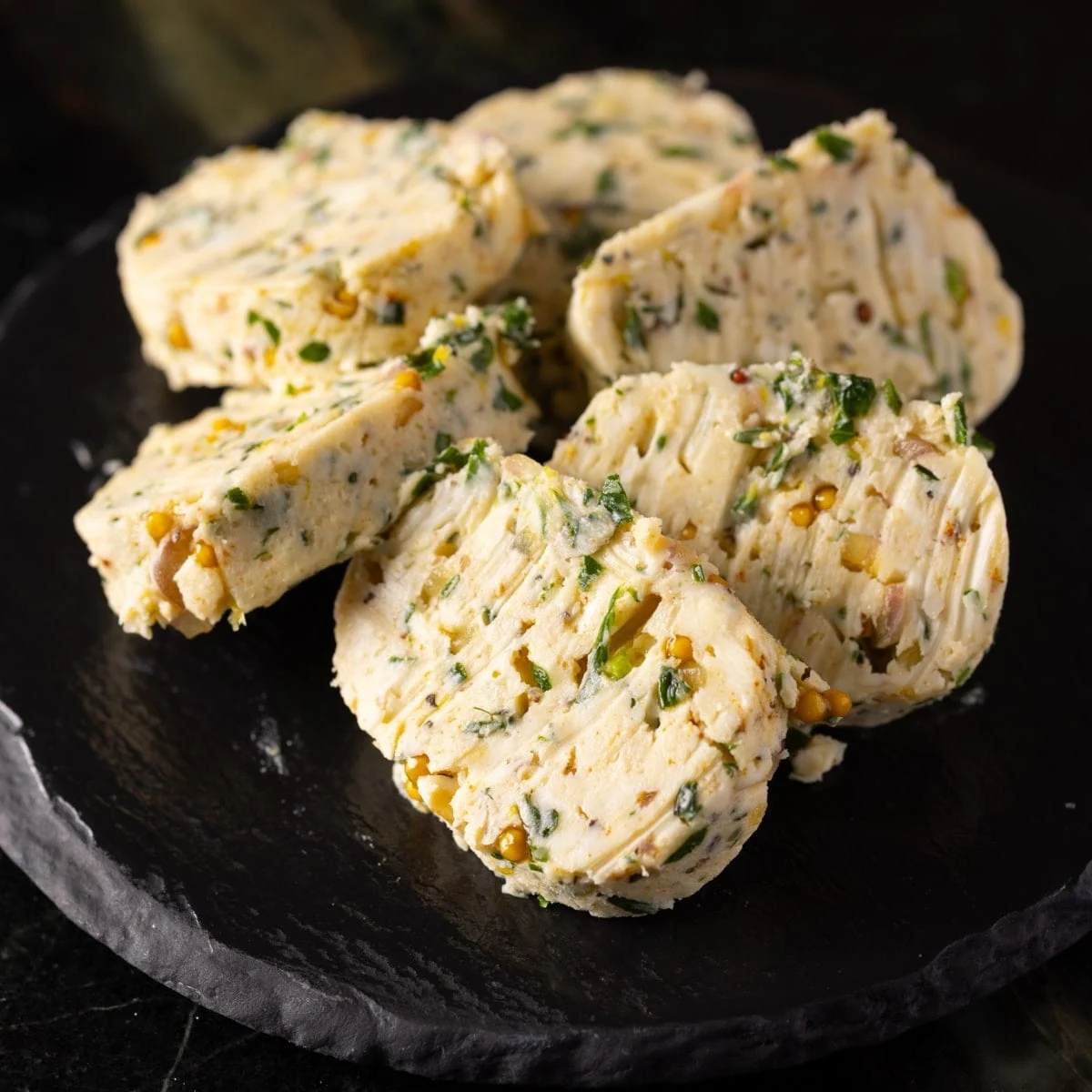
The landscape of American backyard culinary arts has undergone a significant transformation over the last decade, shifting from basic salt-and-pepper seasoning toward more complex, layered flavor profiles. Central to this evolution is the resurgence of compound butters—mixtures of softened butter combined with various savory or sweet ingredients. Among these, "Cowboy Butter" has emerged as a premier condiment, characterized by its robust infusion of fresh shallots, chives, parsley, thyme, and bright lemon zest. This specific formulation serves as a bridge between traditional French culinary techniques and the rustic, bold requirements of the American barbecue tradition. As home cooks increasingly seek to replicate restaurant-quality results, the adoption of Cowboy Butter represents a broader trend toward artisanal, small-batch condiment preparation that prioritizes fresh aromatics over shelf-stable, processed alternatives.
The Rise of Compound Butters in Modern Gastronomy
Historically known in French cuisine as "beurre composé," compound butters were originally designed to enhance the flavor of grilled meats and fish in professional kitchens. The most famous iteration, Beurre Maître d’Hôtel, consists of butter, parsley, lemon juice, salt, and pepper. However, the American "Cowboy" variant expands upon this foundation by adding depth through alliums like shallots and a more diverse bouquet of herbs. The name itself evokes the rugged, outdoor cooking styles of the American West, where high-fat content was essential for energy, and bold seasonings were used to complement wood-fired proteins.
In the contemporary market, the popularity of these butters is reflected in the growth of the premium dairy sector. According to market research data, the global butter market has seen a steady compound annual growth rate (CAGR), driven largely by a consumer shift away from margarine and toward natural fats. Within this sector, "flavored butters" have carved out a significant niche, as consumers look for ways to elevate simple meals with minimal effort. The appeal of Cowboy Butter lies in its efficiency; it requires approximately 10 minutes of preparation and no specialized equipment, yet it provides a complex flavor profile that typically requires hours of marination or reduction-based saucing.

The Influence of Digital Culinary Leadership
The proliferation of Cowboy Butter can be largely attributed to digital culinary influencers and BBQ experts like Susie Bulloch, the founder of the prominent platform "Hey Grill Hey." Bulloch, a recognized figure in the barbecue community with appearances on the Food Network and multiple Guinness World Records, has been instrumental in democratizing professional grilling techniques. Her approach focuses on accessibility, encouraging home cooks to maintain a "log" of Cowboy Butter in the refrigerator as a versatile tool for daily meal preparation.
Industry analysts suggest that the "Influencer Effect" has fundamentally changed how specialty recipes circulate. When an expert like Bulloch advocates for a specific condiment, it often leads to a measurable uptick in the sales of the constituent ingredients—in this case, fresh herbs and high-quality unsalted butter. The "Hey Grill Hey" methodology emphasizes that while the ingredient list for Cowboy Butter may appear extensive, each component—from the citrus brightness of the lemon to the earthy notes of the thyme—plays a critical role in balancing the richness of the dairy fat.
Technical Breakdown: The Science of Flavor Infusion
The effectiveness of Cowboy Butter is rooted in the chemical properties of butter as a flavor carrier. Fat is an exceptional medium for dissolving and holding volatile flavor compounds found in herbs and spices. When shallots, chives, and parsley are folded into softened butter, the fat encapsulates the essential oils of these aromatics. When a "pat" of this butter is subsequently placed on a hot steak, the fat melts, releasing these concentrated flavors in a controlled manner that coats the palate.
The inclusion of lemon juice and zest provides a necessary acid component. In culinary science, acidity serves to "brighten" a dish, cutting through the heaviness of animal fats and dairy. This creates a balanced sensory experience, preventing the richness of a ribeye or a porterhouse from becoming cloying. Furthermore, the use of fresh shallots introduces a subtle sweetness and a mild pungency that is more sophisticated than standard yellow onions, providing a "top note" that lingers after the initial bite.

Chronology of Preparation and Best Practices
To achieve the optimal consistency and flavor distribution, the preparation of Cowboy Butter follows a specific chronological sequence:
- Tempering the Base: The process begins with tempering high-quality butter to room temperature. This is a critical step; if the butter is too cold, the herbs will not integrate evenly, and if it is melted to a liquid state, the emulsion may break, leading to a greasy texture.
- Aromatic Preparation: While the butter softens, fresh herbs (parsley, chives, thyme) and shallots are finely minced. The fineness of the cut determines the surface area available for flavor extraction.
- The Emulsion Process: Using a simple bowl and spatula, the aromatics and lemon elements are folded into the butter. This mechanical mixing ensures that the water-based lemon juice is suspended within the fat-based butter.
- The Setting Phase: Once mixed, the butter is typically rolled into a parchment paper cylinder (a "log") and refrigerated. This allows the butter to re-solidify and, more importantly, gives the flavors time to meld—a process known as "marrying."
Experts recommend that for the best results, the butter should be prepared at least two hours before serving, though 24 hours of refrigeration is preferred for maximum flavor depth.
Versatility and Cross-Platform Applications
While Cowboy Butter is traditionally associated with steak, its utility extends across the culinary spectrum. In a professional journalistic context, it is important to note the versatility of this condiment as a "mother sauce" of sorts for the home kitchen.
- Proteins: Beyond beef, the butter is highly effective when tossed with grilled shrimp or basted over roasted chicken. The herbs complement the lighter flavors of poultry and seafood without overwhelming them.
- Vegetables: The application of Cowboy Butter to grilled asparagus, corn on the cob, or sautéed mixed vegetables transforms standard side dishes into gourmet offerings. The fat helps the body absorb fat-soluble vitamins (A, D, E, and K) found in the vegetables.
- Starches and Breakfast: The butter serves as an elevated spread for warm artisanal breads and can be incorporated into scrambled eggs or omelets to introduce a "bistro-style" complexity to breakfast.
Nutritional Profile and Dietary Considerations
From a nutritional standpoint, Cowboy Butter is a calorie-dense condiment. A standard serving (approximately one tablespoon or an eighth of a typical recipe yield) contains roughly 207 calories and 23 grams of fat. Of this fat, 15 grams are saturated. While it contains trace amounts of Vitamin A (881 IU) and Vitamin C (3 mg) derived from the fresh herbs and lemon, it is primarily utilized for its sensory properties rather than its micronutrient density.

For consumers monitoring their sodium intake, the use of unsalted butter as a base allows for greater control over the final product. The recipe’s reliance on fresh herbs and citrus provides a "flavor punch" that can reduce the need for excessive table salt, aligning with modern dietary guidelines that encourage the use of aromatics over sodium-heavy seasonings.
Broader Economic and Cultural Impact
The DIY condiment movement, exemplified by the Cowboy Butter trend, has broader implications for the food industry. There is a growing "de-industrialization" of the American pantry, where consumers are opting to create their own sauces, rubs, and butters. This shift is driven by a desire for transparency in ingredients and a rejection of the preservatives and high-fructose corn syrup often found in commercial BBQ sauces.
Furthermore, the act of sharing these recipes through platforms like the "Hey Grill Hey" app fosters a community of "weekend warriors"—hobbyist grillers who invest significant time and resources into their craft. This subculture supports a multi-billion dollar industry encompassing high-end pellet grills, premium meat delivery services, and specialty cookware. The "Cowboy Butter" phenomenon is a microcosm of this larger economic engine, where a simple mixture of fat and herbs becomes a catalyst for social interaction and culinary pride.
Conclusion: The Future of the Backyard Steakhouse
As we look toward the future of home entertaining, the emphasis on "the little things"—the compound butters, the homemade pickles, the hand-mixed rubs—will likely continue to grow. Cowboy Butter is more than a recipe; it is a testament to the fact that high-level culinary results are accessible to anyone with ten minutes and a set of fresh ingredients. By understanding the history, science, and application of this potent condiment, home cooks can bridge the gap between a standard weeknight meal and a professional-grade steakhouse experience. The continued influence of experts like Susie Bulloch ensures that these techniques will remain a staple of the American outdoor cooking repertoire for years to come.
