

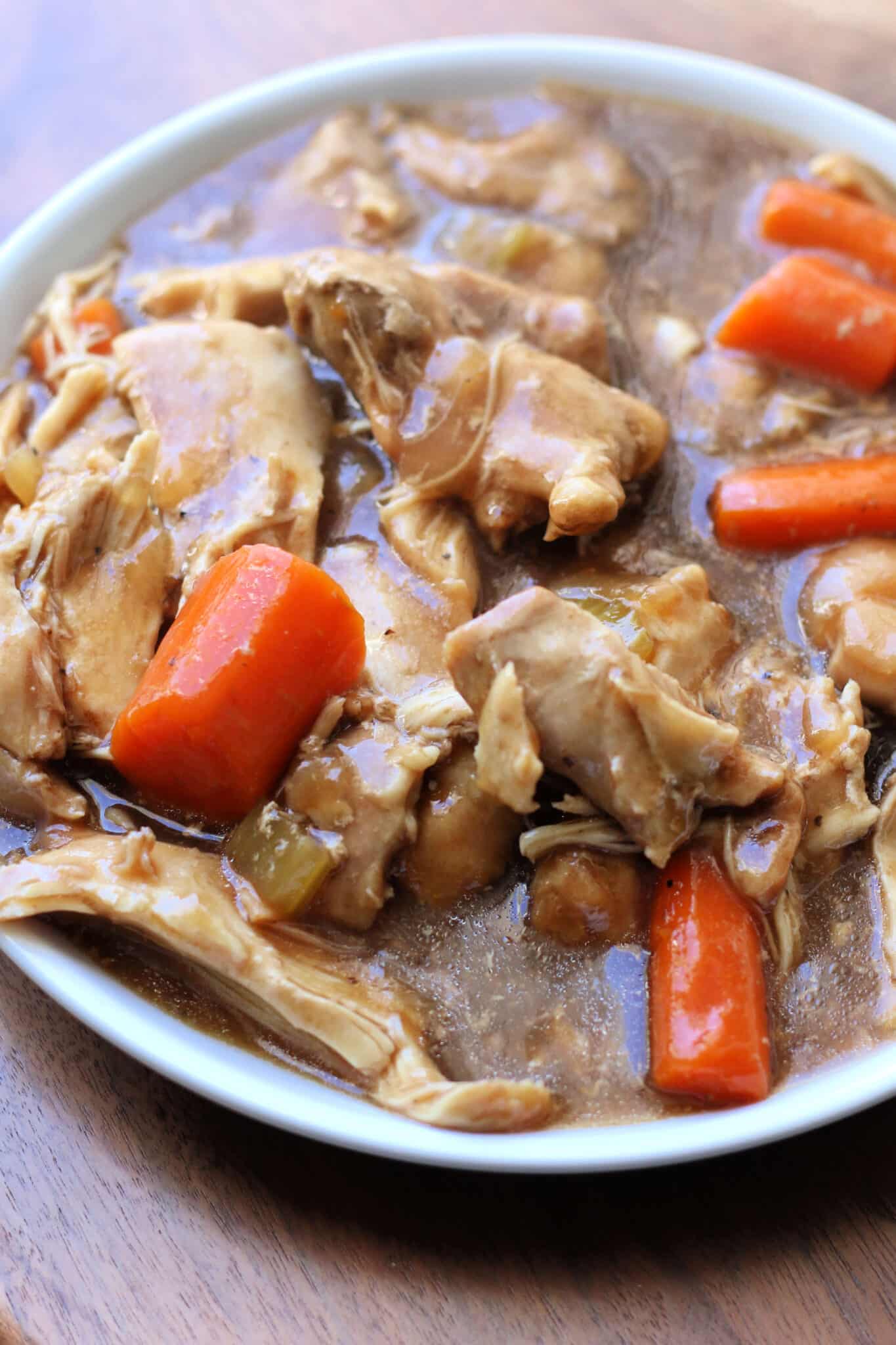
The culinary landscape of the modern American household is increasingly defined by a balance between economic efficiency and the desire for traditional comfort. As grocery prices fluctuate and the cost of premium beef cuts remains high, home cooks are pivoting toward innovative adaptations of classic recipes. One such adaptation gaining significant traction is the Slow Cooker Chicken Pot Roast, a dish that retains the structural and flavor components of a traditional beef pot roast while utilizing more accessible poultry proteins. This shift reflects a broader trend in domestic science: the "chickenization" of classic red meat staples to accommodate tighter budgets without sacrificing the communal experience of a family dinner.
The Economic Context of Protein Substitution
The primary driver behind the rising popularity of recipes like the Slow Cooker Chicken Pot Roast is the widening price gap between beef and poultry. According to data from the Bureau of Labor Statistics’ Consumer Price Index (CPI), the price of beef and veal has seen significant volatility over the last several years, often outpacing general inflation. In contrast, while poultry prices have also risen, chicken remains a more cost-effective source of lean protein.
In the traditional pot roast, a chuck roast is typically used because its high connective tissue content breaks down during a long, slow braise. However, as chuck roast prices have climbed toward luxury levels in some metropolitan markets, the chicken thigh has emerged as the logical alternative. Unlike chicken breasts, which are prone to drying out during extended cooking cycles, chicken thighs contain enough fat and connective tissue to remain succulent after several hours in a slow cooker. This transition from beef to dark-meat poultry represents a pragmatic response to the "meat-flation" currently impacting middle-class food security.
Culinary Mechanics of the Slow Cooker Chicken Pot Roast
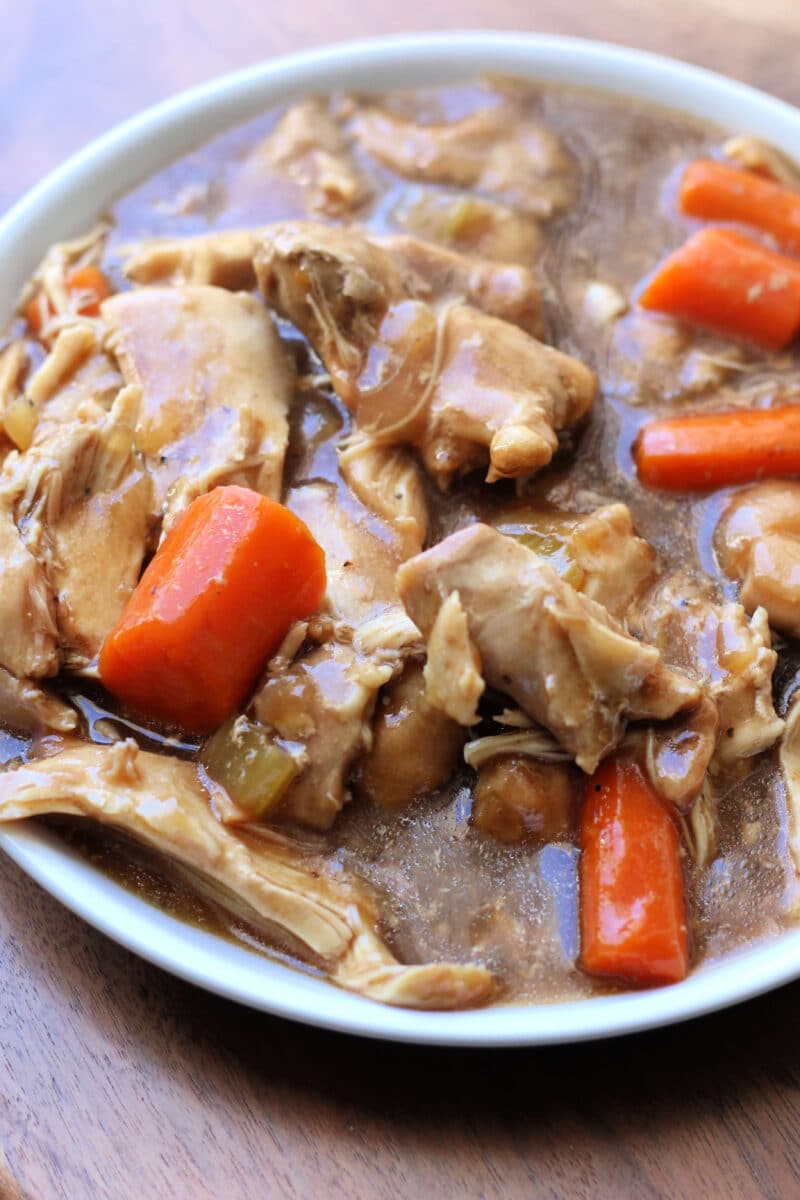
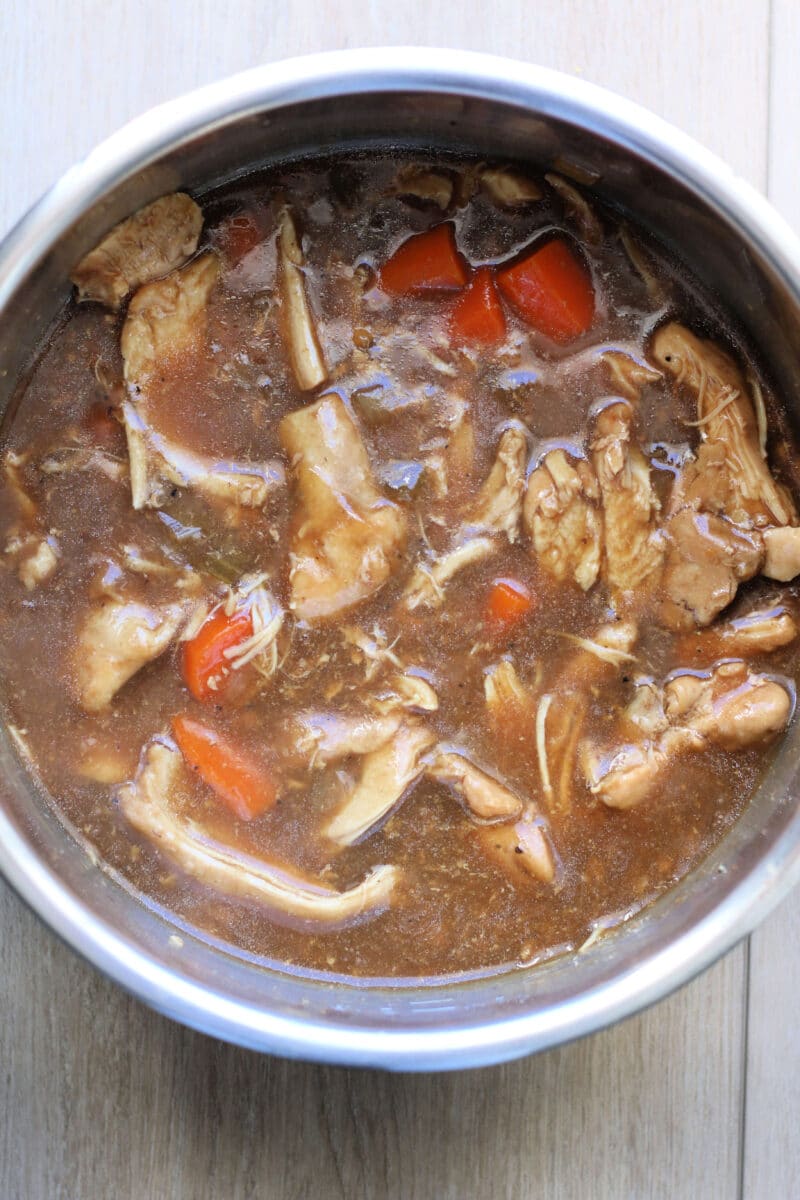
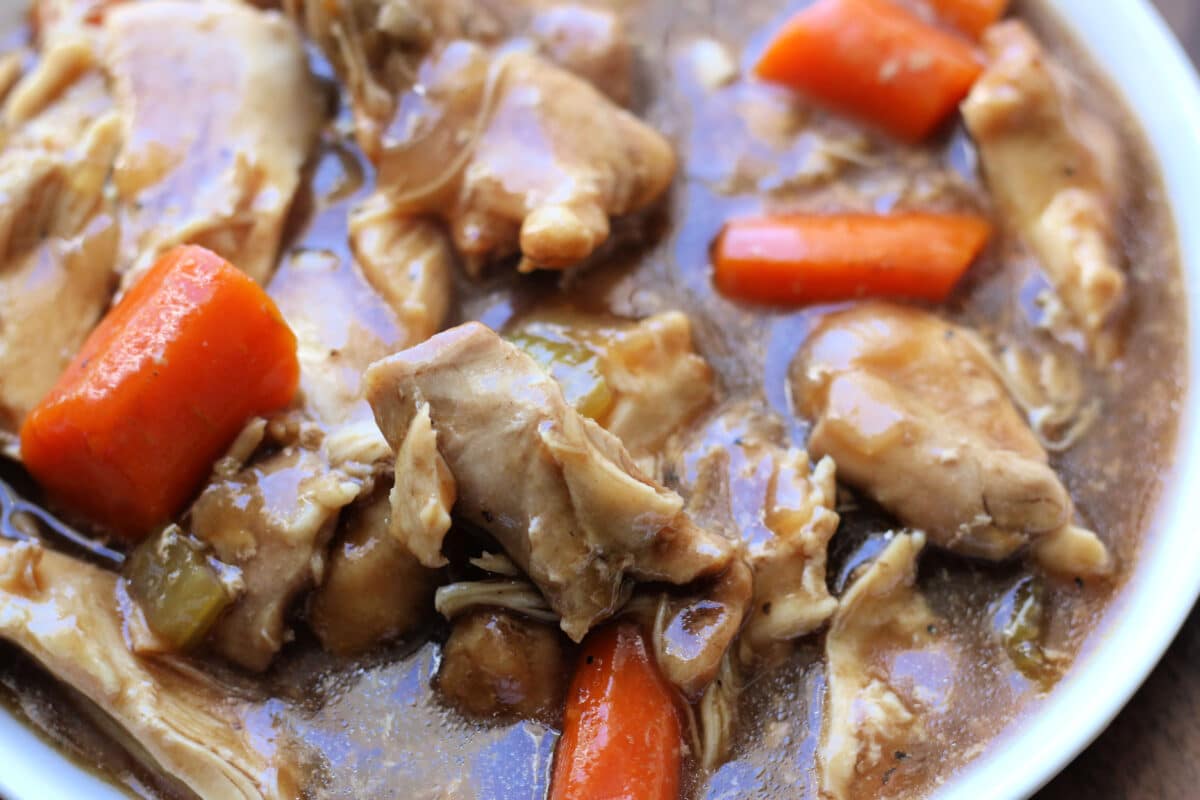
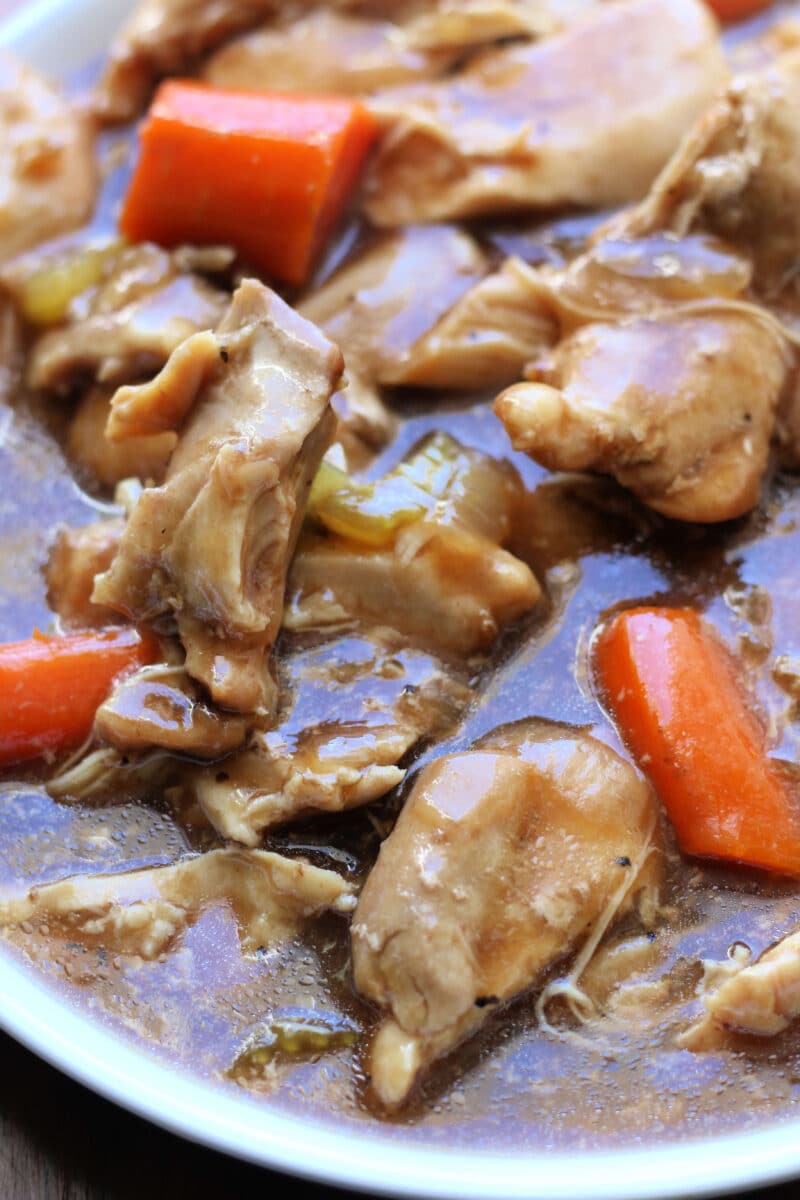
The Slow Cooker Chicken Pot Roast is designed around the "dump-and-go" philosophy, a methodology in slow cooking that prioritizes minimal preparation time. The process involves layering chicken thighs with aromatic vegetables—primarily carrots and onions—and a savory gravy base. The technical success of the dish relies on the low-and-slow heat transfer of the ceramic crock, which allows the collagen in the chicken thighs to gelatinize, enriching the surrounding liquid into a thick, savory gravy.
Culinary experts note that the use of a slow cooker serves a dual purpose. Beyond the convenience of unattended cooking, the sealed environment of the crockpot prevents moisture loss. In a standard oven roast, evaporation can lead to toughened fibers; in a slow cooker, the chicken is essentially poached in its own juices and the added gravy, resulting in a texture that mimics the "fall-apart" tenderness of a high-end beef roast.
A Chronology of the Slow Cooker in American Culture
To understand the relevance of the Slow Cooker Chicken Pot Roast today, one must examine the history of the appliance itself. The slow cooker’s lineage dates back to the "Naxon Beanery," patented by Irving Naxon in 1936. Naxon was inspired by his mother’s stories of a traditional Jewish dish called cholent, which was cooked slowly over many hours in a bakery oven.
- 1936: Irving Naxon patents the portable cooker.
- 1970: The Rival Company acquires Naxon Utilities and rebrands the device as the "Crock-Pot."
- 1970s Energy Crisis: The slow cooker becomes a household staple as it uses less electricity than a conventional oven.
- 1990s-2000s: The rise of the dual-income household increases the demand for "set-it-and-forget-it" meals.
- 2020-Present: High-definition food blogging and social media platforms like Pinterest and TikTok revitalize slow cooker recipes for a new generation of budget-conscious and time-poor consumers.
The Chicken Pot Roast is a direct descendant of this lineage, representing the latest iteration of the slow cooker’s ability to adapt to the socioeconomic needs of the era.
Comparative Nutritional and Health Analysis
Beyond the economic benefits, the shift from beef to chicken in a pot roast context offers distinct nutritional implications. Health organizations, including the American Heart Association, have long advocated for a reduction in red meat consumption in favor of leaner poultry to lower the intake of saturated fats.
- Saturated Fat: A standard beef chuck roast contains significantly higher levels of saturated fat compared to skinless chicken thighs. By substituting chicken, the dish becomes more heart-healthy while maintaining a high protein-to-calorie ratio.
- Bioavailability: Chicken is an excellent source of vitamin B12 and choline, which are essential for brain development and nervous system function.
- Digestibility: For many individuals, slow-cooked poultry is easier to digest than the denser muscle fibers of bovine proteins, making the Slow Cooker Chicken Pot Roast an ideal option for multi-generational households ranging from young children to the elderly.
Supporting Data: The Rise of Digital Recipe Culture
The dissemination of recipes like the Slow Cooker Chicken Pot Roast is facilitated by a robust digital ecosystem. Platforms such as "365 Days of Crockpot," managed by creators like Karen Petersen, play a pivotal role in modern meal planning. These platforms utilize affiliate marketing and search engine optimization (SEO) to connect home cooks with specific culinary solutions.
Market analysis indicates that "slow cooker" and "crockpot" remain among the highest-searched terms in the food and drink category, particularly during the autumn and winter months. The "Pin this recipe for later" call to action, prevalent in digital food media, serves as a metric for consumer intent. It suggests that modern users are not just looking for immediate meals but are building digital libraries of "reliable" and "affordable" recipes to mitigate the stress of daily domestic management.
Official Responses and Culinary Perspectives
While there are no "official" government statements on chicken pot roast specifically, the USDA’s MyPlate guidelines consistently emphasize the importance of varied protein sources and the inclusion of vegetables like carrots, which are a staple of this recipe. Professional chefs have also weighed in on the "slow cooker vs. Dutch oven" debate.

"The slow cooker is an equalizer," says one industry consultant. "It takes a protein that might otherwise be seen as ‘basic’—the chicken thigh—and elevates it through consistent thermal application. When you add a savory gravy component, you’re creating an umami-rich environment that tricks the palate into feeling the same level of satisfaction usually reserved for a much more expensive beef dish."
Furthermore, the versatility of the serving method—over mashed potatoes, egg noodles, or biscuits—allows the dish to be customized to regional tastes, further cementing its status as a versatile tool in the American culinary arsenal.

Broader Impact and Future Implications
The success of the Slow Cooker Chicken Pot Roast is indicative of a broader shift toward "functional cooking." In an era where time is a scarce commodity and the "cost of living crisis" is a global conversation, the ability to produce a high-quality, nutritious, and comforting meal with minimal labor is of paramount importance.
As we look toward the future of domestic food preparation, we can expect to see further "remixing" of classic comfort foods. This may include:

- Plant-based adaptations: Using mushrooms or jackfruit in the same slow-cooked gravy environment.
- Global flavor integration: Incorporating miso, soy, or ginger into the traditional pot roast base to reflect a more globalized palate.
- Technological integration: The rise of smart slow cookers that can be controlled via smartphone, allowing users to adjust temperatures or "warm" settings remotely to ensure the chicken is perfectly timed for their arrival home.
In conclusion, the Slow Cooker Chicken Pot Roast is more than just a recipe; it is a cultural artifact that reflects the intersection of economic necessity, technological convenience, and the enduring human desire for a hot, savory meal at the end of a long day. By reimagining the pot roast through the lens of the chicken thigh, home cooks have found a way to preserve tradition while navigating the complexities of the 21st-century economy. The dish stands as a testament to the resilience and creativity of the domestic kitchen, proving that even in challenging times, the "savory gravy" of life remains within reach.
