

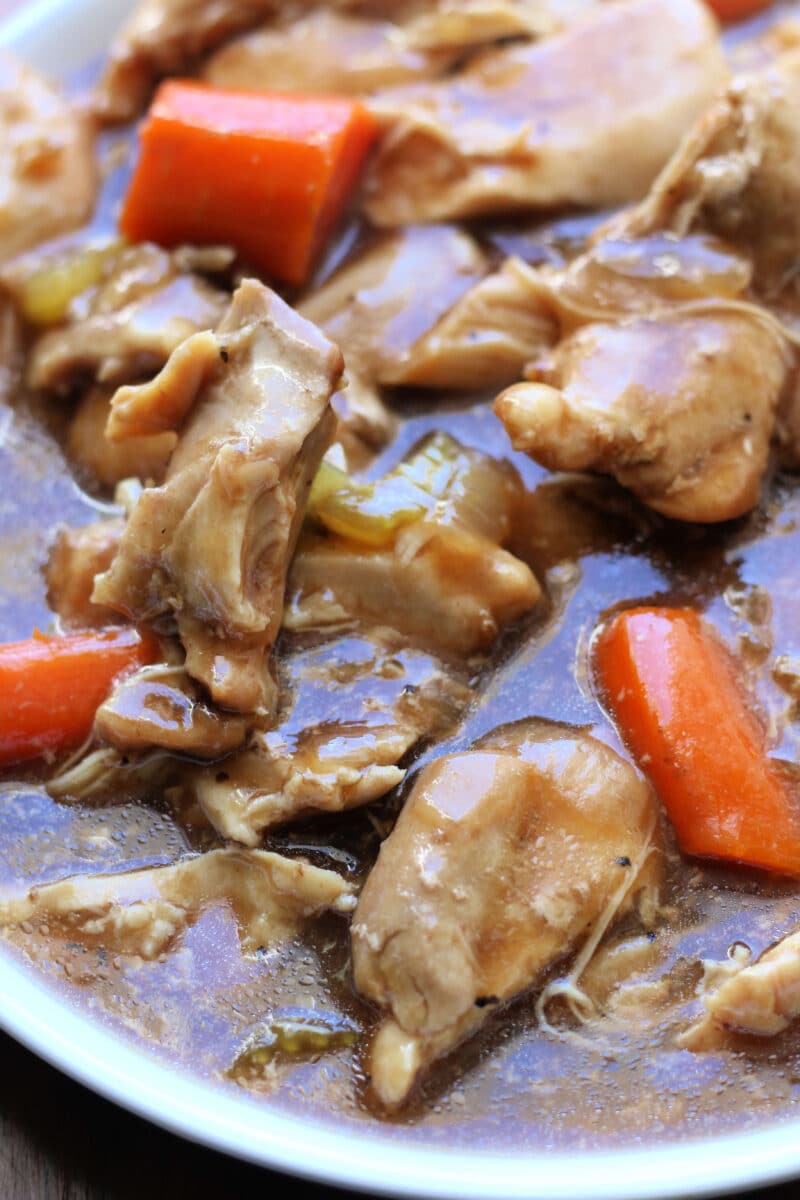
The culinary landscape of domestic meal preparation has undergone a significant transformation in recent years, driven by a combination of inflationary pressures on grocery staples and a renewed consumer focus on "set-and-forget" convenience. At the forefront of this movement is a reimagined version of a classic American staple: the Slow Cooker Chicken Pot Roast. This dish represents a strategic pivot from the traditional beef-based pot roast, utilizing more economical chicken thighs while maintaining the savory depth and tender texture that have defined the Sunday roast for generations. By integrating root vegetables such as carrots and a concentrated savory gravy, the recipe offers a streamlined, "dump-and-go" solution for modern households facing the dual challenges of time scarcity and rising food costs.
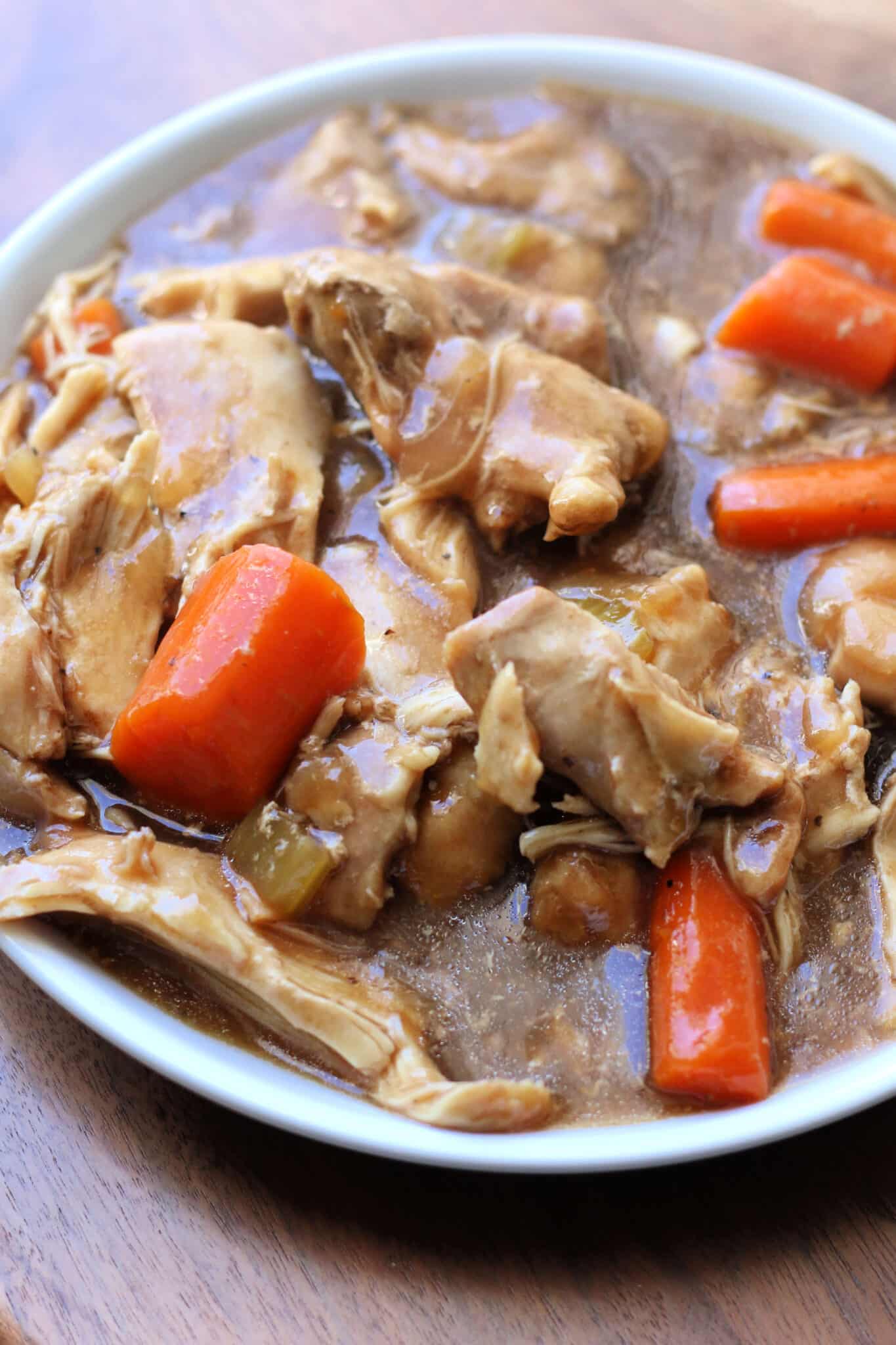
The Economic Shift from Beef to Poultry
The transition from beef to poultry in slow-cooked "roasts" is not merely a matter of taste but a reflection of broader economic trends. According to data from the Bureau of Labor Statistics, the price of beef has seen a volatile upward trajectory over the last decade, with premium cuts like chuck roast—the traditional choice for pot roast—becoming a luxury for many middle-income families. In contrast, chicken thighs have remained one of the most cost-effective protein sources available in the refrigerated aisle.
Economic analysts suggest that the "chickenization" of classic beef recipes is a survival tactic for the household budget. Chicken thighs, particularly bone-in or skinless varieties, offer a higher fat content than chicken breasts, which prevents them from drying out during the prolonged six-to-eight-hour heating cycles inherent to slow cooking. This makes them the ideal structural substitute for the intramuscular fat and connective tissue found in beef chuck. The result is a dish that mimics the mouthfeel of a traditional roast at a fraction of the price per serving.
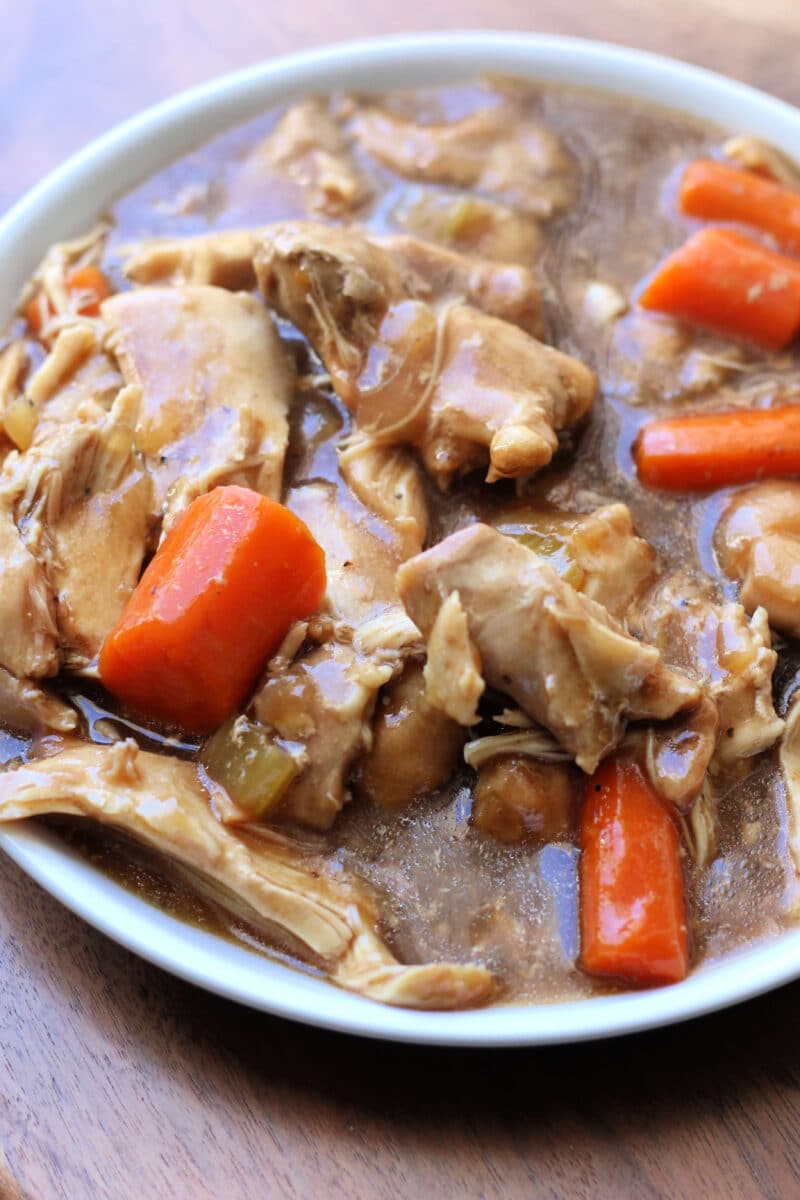
Chronology of the Slow Cooker in American Kitchens
To understand the rise of the Slow Cooker Chicken Pot Roast, one must look at the historical trajectory of the appliance itself. The slow cooker, originally patented by Irving Naxon in 1940 as a bean cooker, was rebranded as the "Crock-Pot" by Rival Manufacturing in the early 1970s. Its primary marketing angle was directed at the growing demographic of women entering the workforce, who required a method to prepare wholesome meals while away from home.
Throughout the 1980s and 90s, the slow cooker became synonymous with heavy stews and chili. However, the 2010s saw a "culinary renaissance" for the device, spurred by the rise of food blogging and digital recipe platforms such as "365 Days of Crockpot" by Karen Petersen. This era introduced more sophisticated flavor profiles and global influences, leading to the development of the chicken-based pot roast. Today, the appliance is a permanent fixture in over 80% of American households, serving as a critical tool for health-conscious and budget-aware consumers.
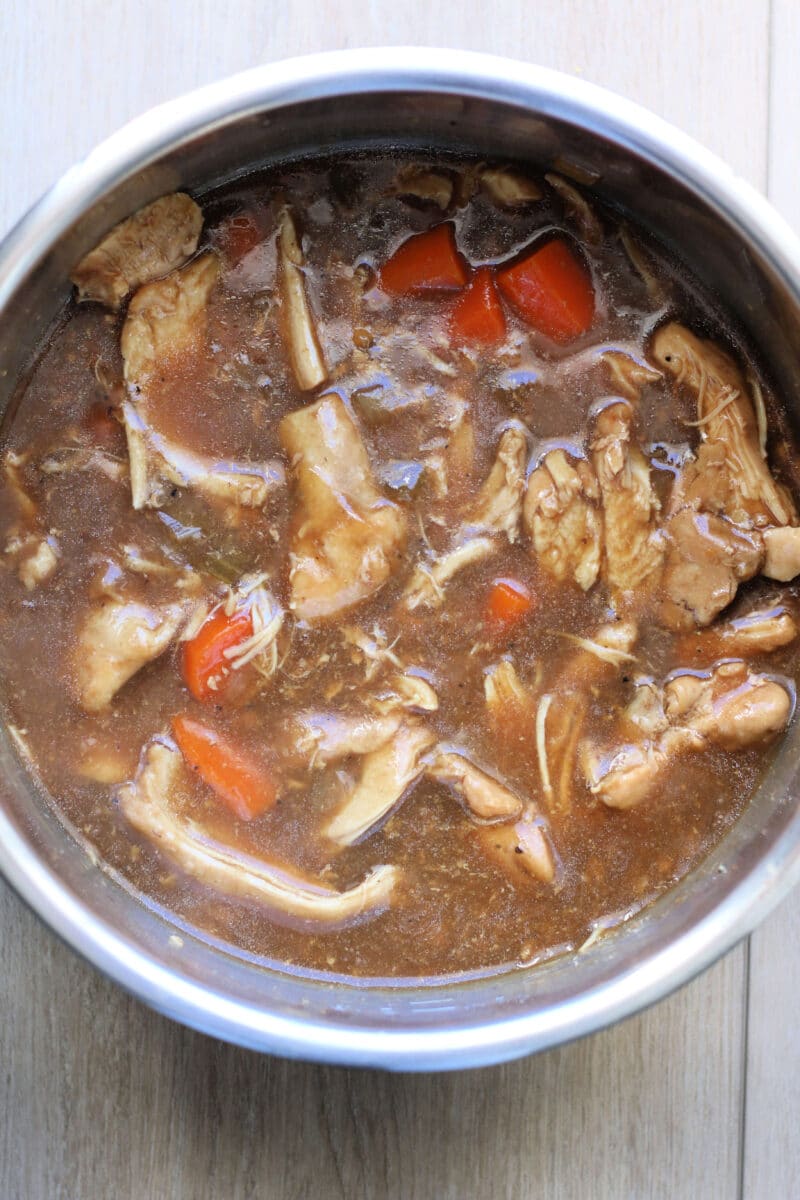
Technical Analysis of the "Dump-and-Go" Methodology
The Slow Cooker Chicken Pot Roast is categorized by culinary professionals as a "dump-and-go" recipe. This methodology eliminates the traditional browning or searing phase—a step often cited as a barrier to entry for novice cooks. While purists argue that skipping the Maillard reaction (the chemical reaction between amino acids and reducing sugars that gives browned food its distinctive flavor) reduces the complexity of the dish, the slow cooker compensates through long-term infusion.
In this specific preparation, the chicken thighs are placed in the ceramic insert alongside aromatics and vegetables. As the temperature rises slowly, the collagen in the chicken thighs breaks down into gelatin, which naturally enriches the surrounding liquid. When combined with a savory gravy base—often reinforced with poultry stock, herbs, and thickening agents—the result is a cohesive, high-viscosity sauce that rivals the results of traditional stovetop braising.
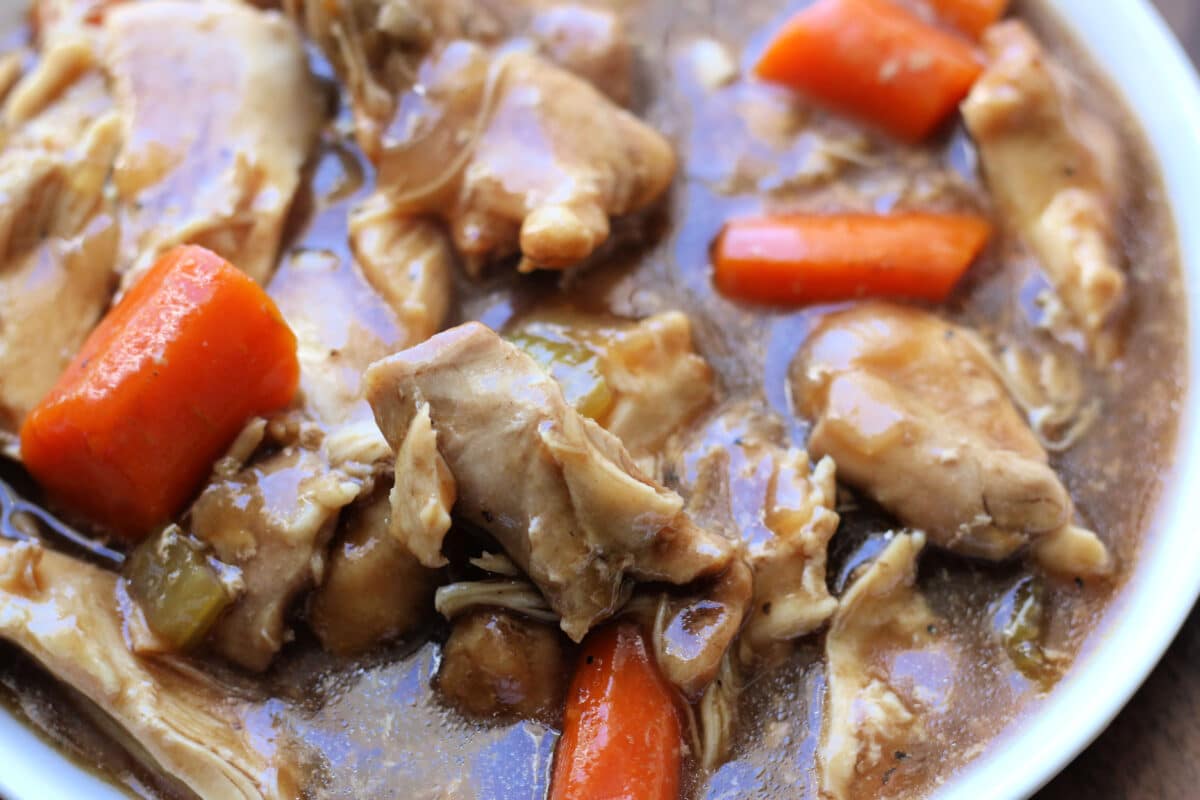
Nutritional Profile and Ingredient Synergy
From a nutritional standpoint, the Slow Cooker Chicken Pot Roast offers a balanced profile of macronutrients and essential vitamins. The inclusion of carrots provides a significant dose of beta-carotene and Vitamin A, which are fat-soluble and thus more easily absorbed when consumed with the natural fats found in chicken thighs.
Supporting data from nutritional databases indicates that a standard serving of chicken pot roast contains:
- Protein: Approximately 25-30 grams, essential for muscle repair and metabolic function.
- Sodium: Managed by the cook, allowing for lower-salt alternatives compared to canned or processed "ready-to-eat" meals.
- Glycemic Load: Highly dependent on the side dish. While the roast itself is low-carb, the traditional pairing with mashed potatoes or egg noodles increases the carbohydrate count, providing the necessary energy for active families.
Dietitians often recommend this style of cooking because it preserves more water-soluble vitamins than boiling, as the cooking liquid is typically consumed as part of the gravy rather than being discarded.
Consumer Reactions and Market Impact
The shift toward poultry-based comfort food has been met with positive reception in digital culinary communities. Feedback from home cooks emphasizes the "tender meaty experience" that rivals more expensive cuts of beef. Many users report that the substitution of chicken makes the meal feel "lighter" and more suitable for year-round consumption, whereas beef pot roast is often relegated to the winter months.

The success of these recipes has also influenced grocery store inventory. Retailers have noted an increase in the sale of "family pack" chicken thighs and pre-cut "stew kits" that include carrots, onions, and celery (the classic mirepoix). This synergy between digital content creators and retail trends demonstrates the power of accessible home cooking in shaping market demand.
Broader Implications for Modern Meal Planning
The popularity of the Slow Cooker Chicken Pot Roast is indicative of a broader move toward "hybrid cooking"—a style that blends fresh, whole ingredients with time-saving technology. As the "365 Days of Crockpot" series demonstrates, the modern consumer is looking for a repertoire of recipes that are:

- Iterative: Easily adapted with different proteins (e.g., Sticky Honey Chicken or Ponzu Chicken).
- Scalable: Suitable for both single individuals and large families.
- Accessible: Requiring minimal specialized equipment beyond the slow cooker itself.
Furthermore, the rise of the "Instant Pot" and other multi-cookers has not rendered the traditional slow cooker obsolete. In fact, many enthusiasts prefer the slow cooker for pot roasts because the gradual heat application is perceived to produce a superior texture in the vegetables, preventing them from becoming overly mushy—a common complaint with high-pressure cooking.
Conclusion: The Future of the American Roast
The Slow Cooker Chicken Pot Roast is more than a simple recipe; it is a cultural artifact that reflects the current state of the American kitchen. It acknowledges the reality of the 21st-century lifestyle—where time is the most precious commodity and the dinner table remains the primary site of family connection. By repurposing the flavors of a classic beef roast into a more affordable and efficient poultry-based format, the dish ensures that the tradition of the "home-cooked meal" remains viable in an increasingly fast-paced world.

As food prices continue to fluctuate and the "creator economy" provides endless variations on domestic themes, the slow cooker will likely remain a centerpiece of the home. Recipes like the Chicken Pot Roast provide a blueprint for future culinary innovation: prioritize flavor, respect the budget, and above all, simplify the process. Whether served over creamy mashed potatoes, buttery egg noodles, or warm biscuits, this dish stands as a testament to the enduring appeal of comfort food, reimagined for a new era of efficiency.
