
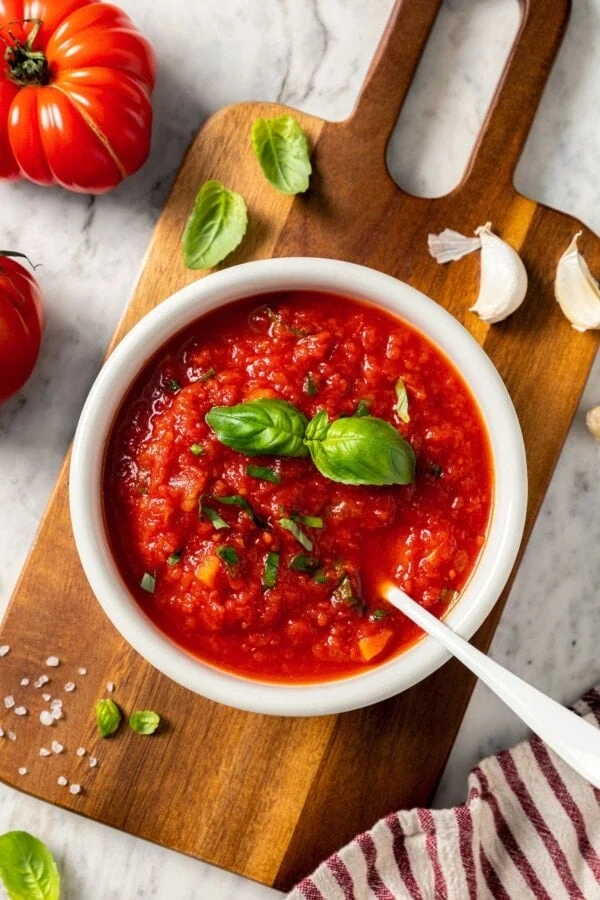
The culinary world is once again turning its attention to the enduring appeal of traditional Italian cuisine, with a particular focus on the simple yet profoundly flavorful Filetto di Pomodoro. This classic tomato sauce, characterized by its light texture and rich, slow-simmered taste, has recently garnered renewed interest through a modern adaptation that emphasizes both authenticity and nutritional balance. Published on May 26, 2026, this rendition underscores the timeless principles of Italian cooking: minimal ingredients, meticulous preparation, and maximum flavor, offering a compelling alternative to mass-produced alternatives.
The Essence of Filetto di Pomodoro: A Culinary Heritage
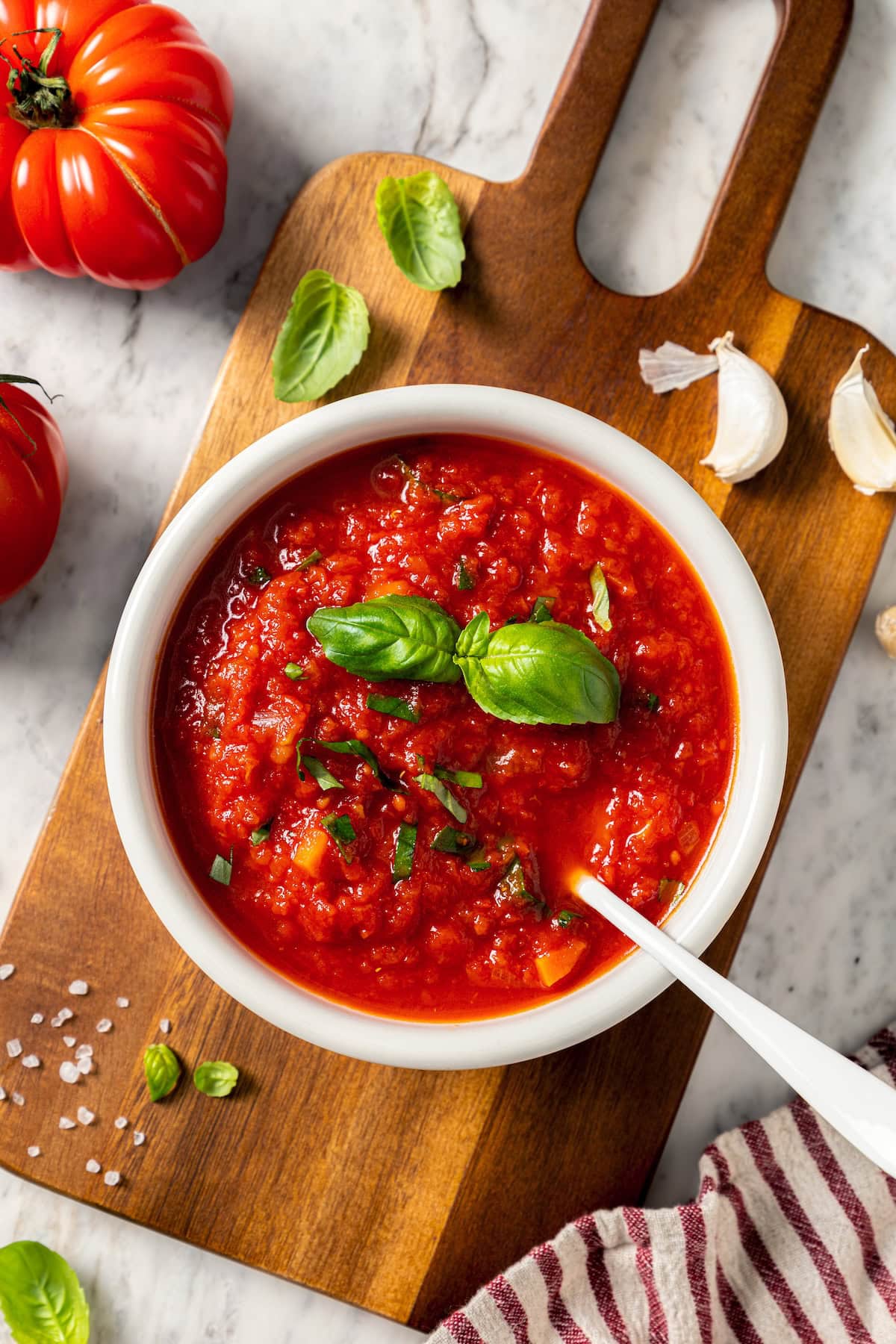
Filetto di Pomodoro, translating literally to "filet of tomato," signifies a sauce where the tomato is the undisputed star, often appearing in finely crushed or pureed form, free of large chunks of skin or seeds. Unlike heavier, meat-based ragùs or cream-enriched sauces, filetto di pomodoro is celebrated for its fresh, vibrant character. Its foundation typically comprises ripe, often peeled, crushed tomatoes, gently sautéed with aromatic vegetables such as garlic, onions, and carrots, and finished with fresh basil. The simplicity of its ingredient list belies the depth of flavor achieved through a patient, hour-long simmer, allowing the natural sugars of the vegetables to caramelize and meld with the acidic brightness of the tomatoes. This method extracts the inherent sweetness and umami, creating a sauce that is both comforting and exquisitely balanced.
Historically, tomato sauces like Filetto di Pomodoro emerged in Italian kitchens following the widespread adoption of tomatoes in European cuisine, primarily from the 17th century onwards. Originally viewed with suspicion as a potential poison, the tomato eventually became a staple, particularly in Southern Italy, flourishing in the Mediterranean climate. The evolution of tomato sauce reflects a culinary tradition rooted in regional produce and family recipes passed down through generations. These sauces are not merely accompaniments but often the soul of a dish, speaking to the Italian reverence for fresh, high-quality ingredients and straightforward cooking methods. The longevity of such recipes highlights their intrinsic value, offering both sustenance and cultural continuity.
Nutritional Insight: A Health-Conscious Approach

The contemporary focus on Filetto di Pomodoro also extends to its nutritional profile, particularly in its adapted form. A single cup serving of this particular recipe is reported to contain approximately 91 calories, 0.5 grams of protein, 15.5 grams of carbohydrates, 2 grams of total fat, and a notable 3.5 grams of fiber. This nutritional breakdown positions the sauce as a remarkably healthy option, especially when compared to many commercial pasta sauces that often contain higher levels of added sugars, unhealthy fats, and sodium.
The low calorie and fat content make it suitable for various dietary regimens, including those focused on weight management or heart health. The significant fiber content, primarily derived from the tomatoes, onions, and carrots, contributes to digestive health and prolonged satiety. Tomatoes themselves are a rich source of lycopene, a potent antioxidant associated with reduced risk of certain cancers and cardiovascular diseases. The cooking process, particularly simmering, can even enhance the bioavailability of lycopene, making this sauce not just delicious but also a functional food. Furthermore, the absence of heavy creams or excessive oils aligns with the principles of the Mediterranean diet, widely acclaimed for its numerous health benefits, including longevity and reduced incidence of chronic diseases.
The Art of Ingredient Selection: Elevating Simplicity
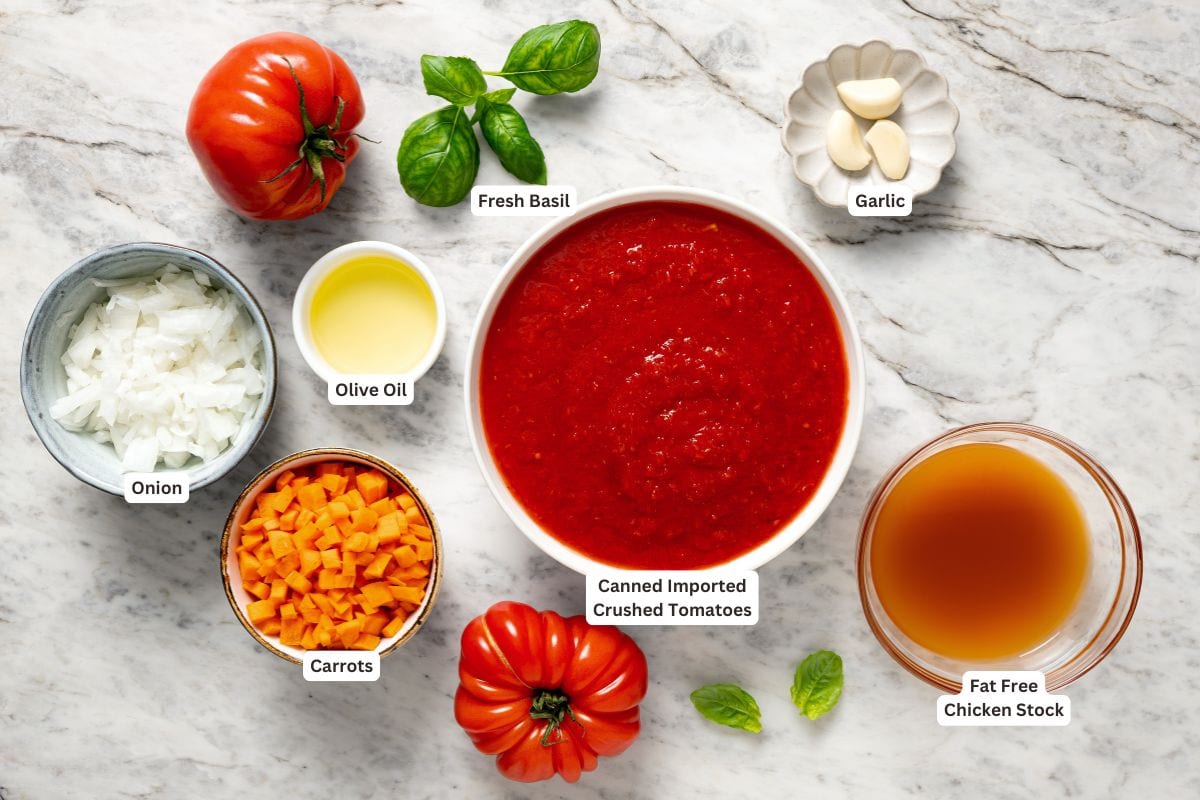
The distinction of a truly exceptional Filetto di Pomodoro lies in the quality of its components. The adapted recipe, drawing from time-honored practices, underscores the critical choice between fresh, seasonal tomatoes and high-quality canned Italian varieties. When fresh, homegrown tomatoes are at their peak during summer months, their vibrant flavor and natural sweetness are unparalleled. Varieties like San Marzano, Roma, or even heirloom tomatoes, known for their balanced acidity and low seed count, are ideal.
However, recognizing that peak season is fleeting, the recipe intelligently advises the use of imported canned tomatoes from Italy. This recommendation is not arbitrary. Italian canned tomatoes, particularly those labeled "San Marzano D.O.P.," are celebrated for their superior flavor, consistency, and sweetness, owing to the fertile volcanic soil and optimal climate of regions like Campania. These tomatoes are typically picked at their ripeness and canned immediately, preserving their fresh taste far better than many domestic canned options. This strategic choice ensures that the sauce maintains its authentic Italian character year-round, a testament to culinary pragmatism informed by deep understanding. The supporting aromatics—fresh garlic, sweet onions, and carrots—also play pivotal roles. Carrots, often finely diced, naturally sweeten the sauce, mitigating the need for added sugars, while garlic and onion form the aromatic backbone, creating a complex flavor base through their slow sautéing. Fresh basil, introduced towards the end of the cooking process, provides a fragrant, herbaceous finish that is quintessential to Italian tomato sauces.
From Traditional Roots to Modern Tables: Gina Homolka’s Approach

The resurgence of interest in this Filetto di Pomodoro recipe is largely attributed to its publication by Gina Homolka of Skinnytaste, a prominent platform dedicated to healthy, flavorful, and accessible recipes. Homolka, renowned for her ability to transform classic dishes into lighter, yet equally satisfying versions, embodies a philosophy that aligns perfectly with the inherent healthfulness of Filetto di Pomodoro. Her work bridges the gap between traditional culinary enjoyment and modern dietary awareness, making authentic flavors approachable for a health-conscious audience.
This particular recipe holds a personal connection, originating from a friend’s — "Julia’s" — cherished recipe box. This anecdote highlights the enduring power of shared culinary knowledge and the intergenerational transfer of cooking wisdom. Julia, described as an "amazing Italian cook," represents the countless home cooks who preserve and perfect traditional recipes through practice and passion. Her method of making large batches during peak tomato season for canning, or relying on high-quality imported canned tomatoes off-season, exemplifies practical Italian home economics and a deep appreciation for seasonal produce. Homolka’s adaptation respects this heritage while subtly guiding users towards ingredients and techniques that maximize both flavor and nutritional value, without compromising the authentic Italian experience. This approach resonates with a broad demographic seeking both culinary authenticity and mindful eating.
Culinary Craftsmanship: The Simmering Process

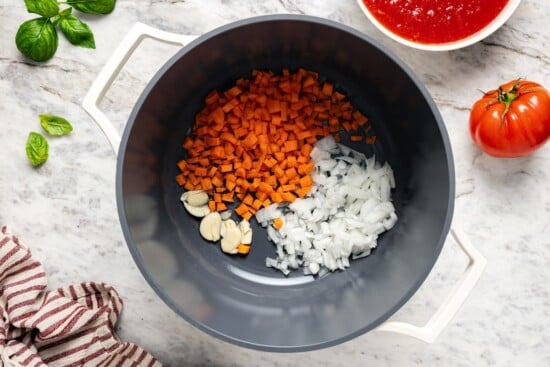
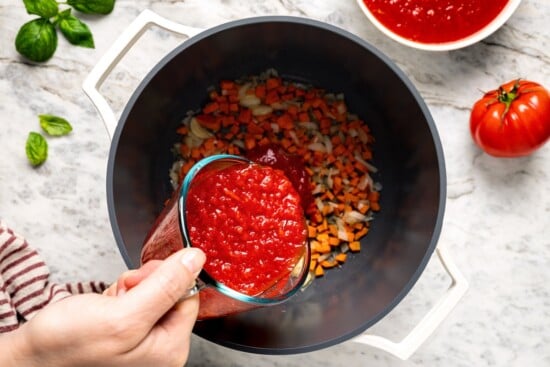
The preparation of Filetto di Pomodoro is characterized by its straightforward yet essential steps, culminating in a prolonged simmering period that is crucial for flavor development. The process typically begins with softening the aromatic vegetables—onions, carrots, and garlic—in a touch of olive oil until translucent and fragrant. This gentle sautéing caramelizes their natural sugars, laying down a sweet and savory base. Subsequently, the crushed tomatoes and a small amount of stock are introduced, bringing the mixture to a simmer.
The "long simmer," specified as an hour, is not merely a cooking duration but a transformative phase. During this time, the flavors deepen and meld, the acidity of the tomatoes mellows, and the sauce achieves its characteristic silky texture. The slow evaporation concentrates the tomato essence, resulting in a richer, more profound taste that cannot be replicated by quick cooking. This patience is a hallmark of authentic Italian cooking, where time is considered an essential ingredient. The sauce’s ability to achieve a complex flavor profile with minimal intervention during this period is a testament to the quality of its foundational ingredients and the wisdom of traditional methods. For home cooks, this means a largely hands-off process after the initial preparation, allowing the stovetop to perform its magic.
Versatility in the Kitchen: Beyond Pasta
While Filetto di Pomodoro is a quintessential pairing for various pasta shapes—from spaghetti and penne to bucatini and rigatoni—its versatility extends far beyond. Its balanced flavor profile makes it an excellent base for a multitude of Italian-inspired dishes. It can elevate baked pasta casseroles like lasagna or baked ziti, infusing them with a fresh, homemade taste that significantly surpasses store-bought sauces.
Beyond pasta, Filetto di Pomodoro serves as an ideal sauce for classic Italian-American dishes such as Chicken Parmesan or Eggplant Parmesan, where its lightness prevents the dish from becoming overly heavy. It can be used as a vibrant poaching liquid for fish or chicken, imparting flavor and moisture. A spoonful can enhance soups, stews, or even polenta. For a quick and elegant appetizer, it can be spread over toasted bruschetta, topped with fresh mozzarella and basil. Its inherent simplicity also makes it a perfect canvas for customization; a pinch of red pepper flakes can add a subtle heat, a splash of red wine can deepen its complexity, or a handful of olives and capers can transform it into a puttanesca-style sauce. The ability to make a large batch and adapt it throughout the week for different meals speaks to its practicality and economic efficiency in the modern household.
Storage and Preservation: Ensuring Longevity
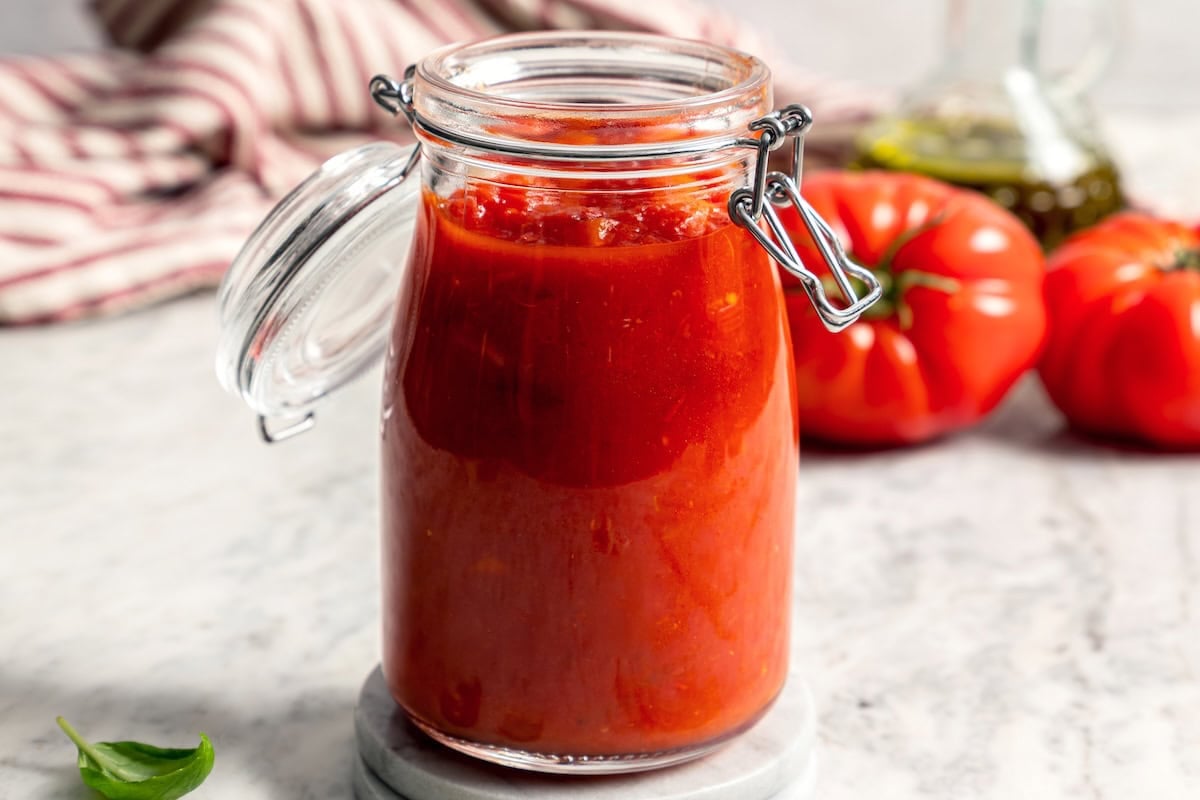
The practicality of Filetto di Pomodoro is further enhanced by its excellent storage properties. Making a generous batch allows for its enjoyment over several days or even months, reducing food waste and providing convenient meal solutions. When stored in an airtight container, the sauce can be refrigerated for up to 5-7 days, retaining its freshness and flavor.
For longer-term preservation, freezing is an effective method. Portioned into freezer-safe bags or containers, the sauce can be kept in the freezer for up to 3-4 months without significant degradation in quality. Proper thawing in the refrigerator overnight or gently reheating on the stovetop ensures it is ready for use whenever needed. For those with a more traditional approach, canning the sauce (following proper sterilization and sealing techniques) can extend its shelf life considerably, often for a year or more, mimicking Julia’s time-honored practice. This aspect of the recipe not only promotes efficiency in meal preparation but also aligns with sustainable kitchen practices, encouraging home cooks to take advantage of seasonal bounty or bulk purchases.
The Broader Impact: Reshaping Home Cooking Trends
The renewed spotlight on recipes like Filetto di Pomodoro reflects a broader societal trend towards healthier eating, culinary authenticity, and the resurgence of home cooking. In an era dominated by convenience foods and globalized palates, there is a growing appreciation for dishes that prioritize fresh, whole ingredients and traditional methods. Consumers are increasingly seeking transparency in their food sources and preparation, leading to a greater demand for recipes that are both nutritious and genuinely flavorful.
This recipe, particularly through platforms like Skinnytaste, acts as a conduit for culinary education, empowering individuals to take control of their diets without sacrificing taste or cultural heritage. It subtly challenges the reliance on highly processed, store-bought sauces by demonstrating that a superior, healthier alternative can be easily prepared at home with minimal fuss and cost. The economic implications are also noteworthy; making sauce from scratch, especially when using bulk-purchased canned tomatoes or seasonal fresh produce, can be significantly more cost-effective than repeatedly buying premium pre-made sauces. This blend of health, heritage, and economy positions Filetto di Pomodoro as more than just a recipe; it is a symbol of a mindful culinary movement that champions the simple, the authentic, and the enduring.
