
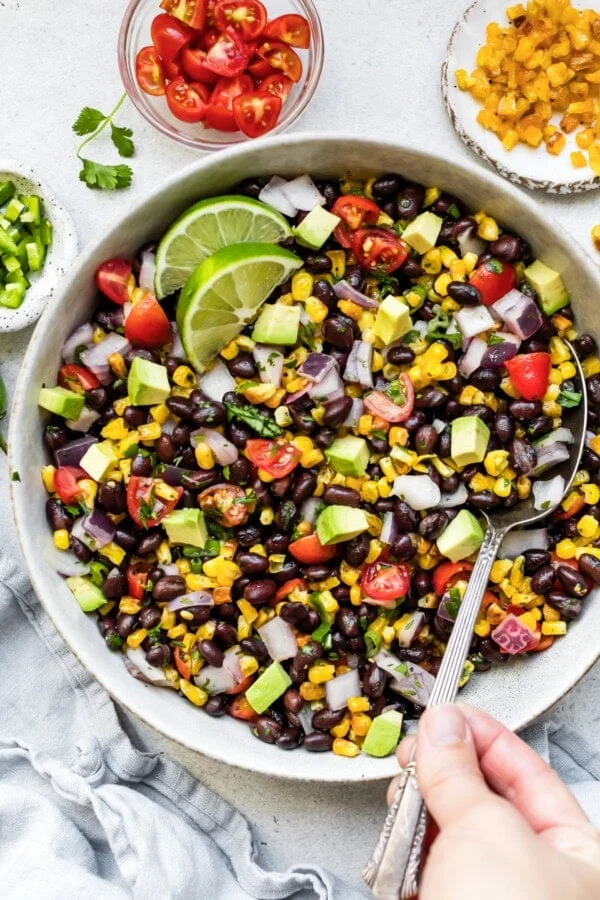
The recent feature of a Southwestern Black Bean Salad recipe from Skinnytaste.com underscores a significant shift in contemporary culinary preferences, reflecting a growing consumer demand for dishes that are not only fresh and flavorful but also quick to prepare, nutritionally dense, and adaptable to diverse dietary needs. This particular recipe, lauded for its simplicity and vibrant ingredients, exemplifies a broader movement towards plant-forward, high-fiber meals that align with modern lifestyles and health consciousness, particularly as warmer weather prompts a desire for lighter, no-cook options.
The Recipe at a Glance: A Model of Modern Eating
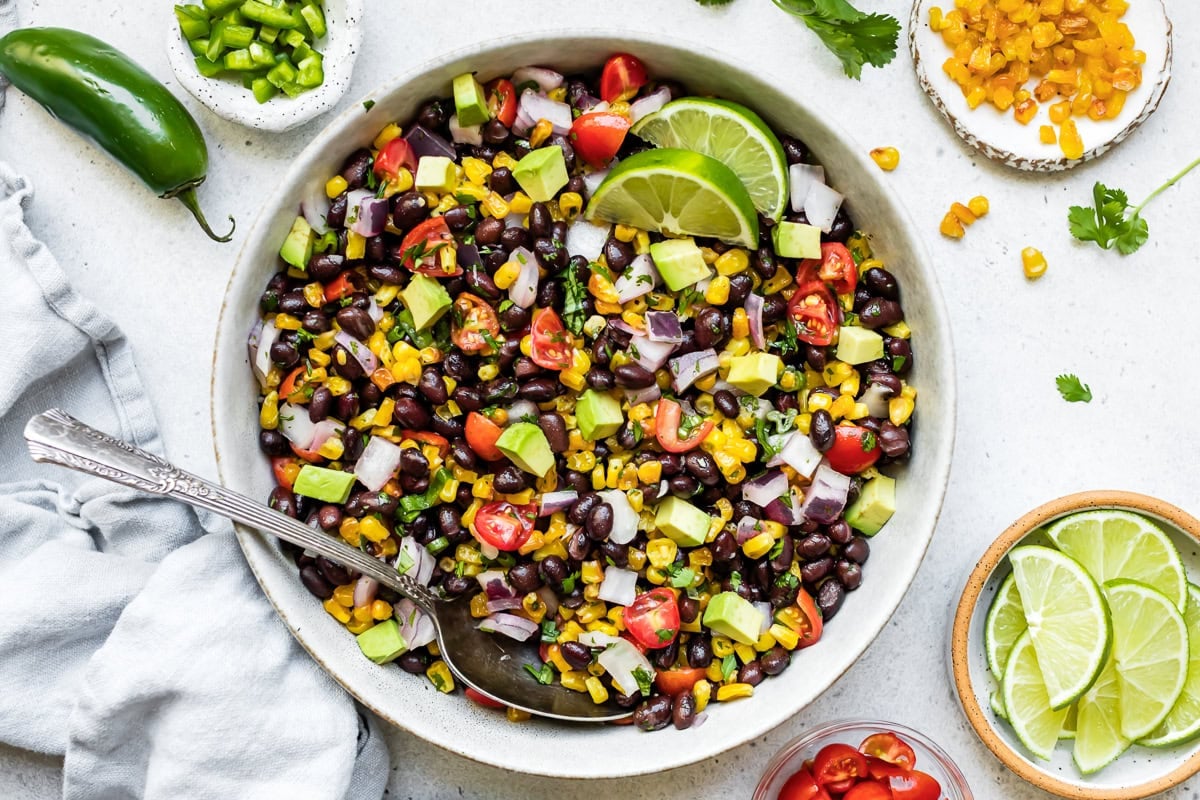
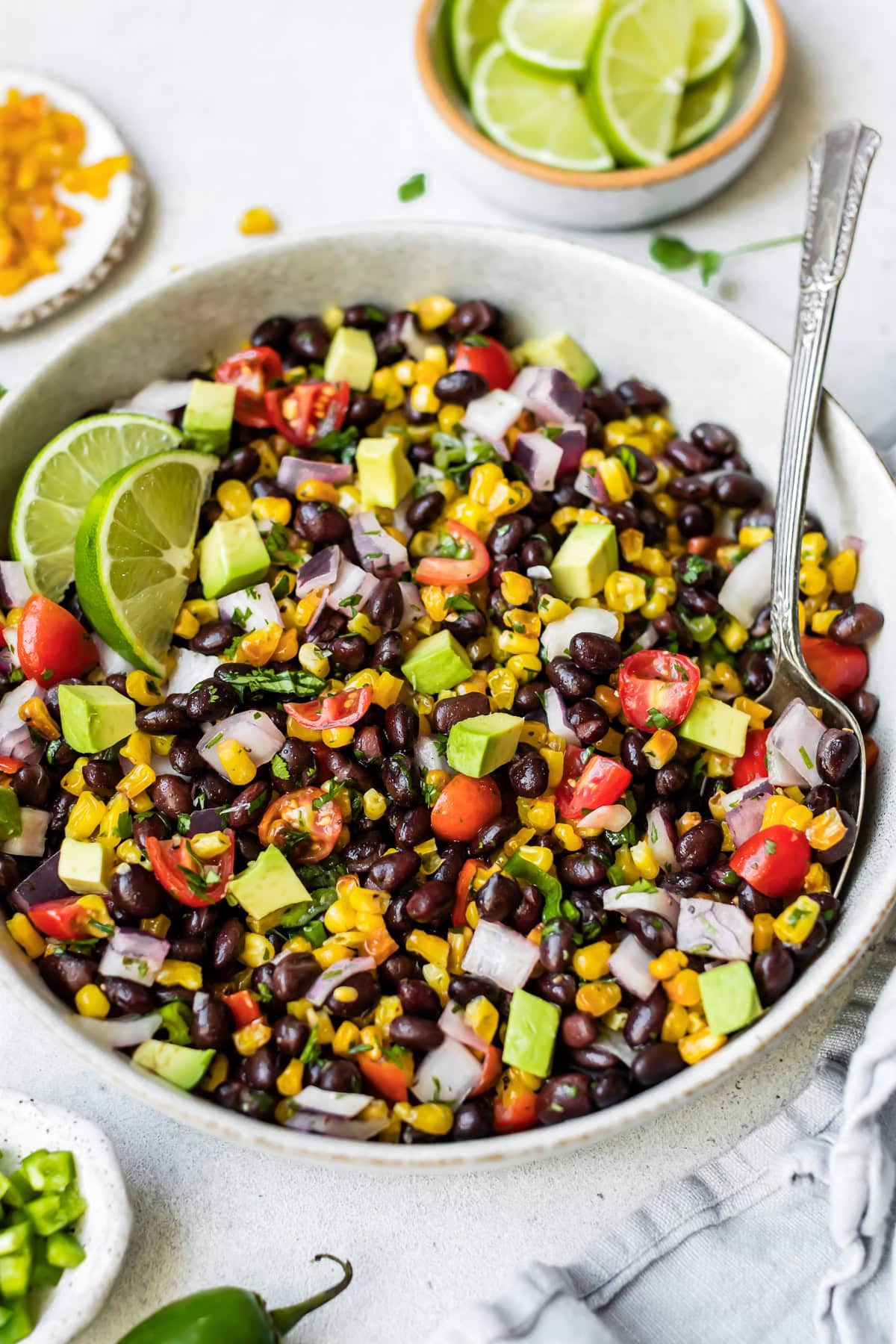
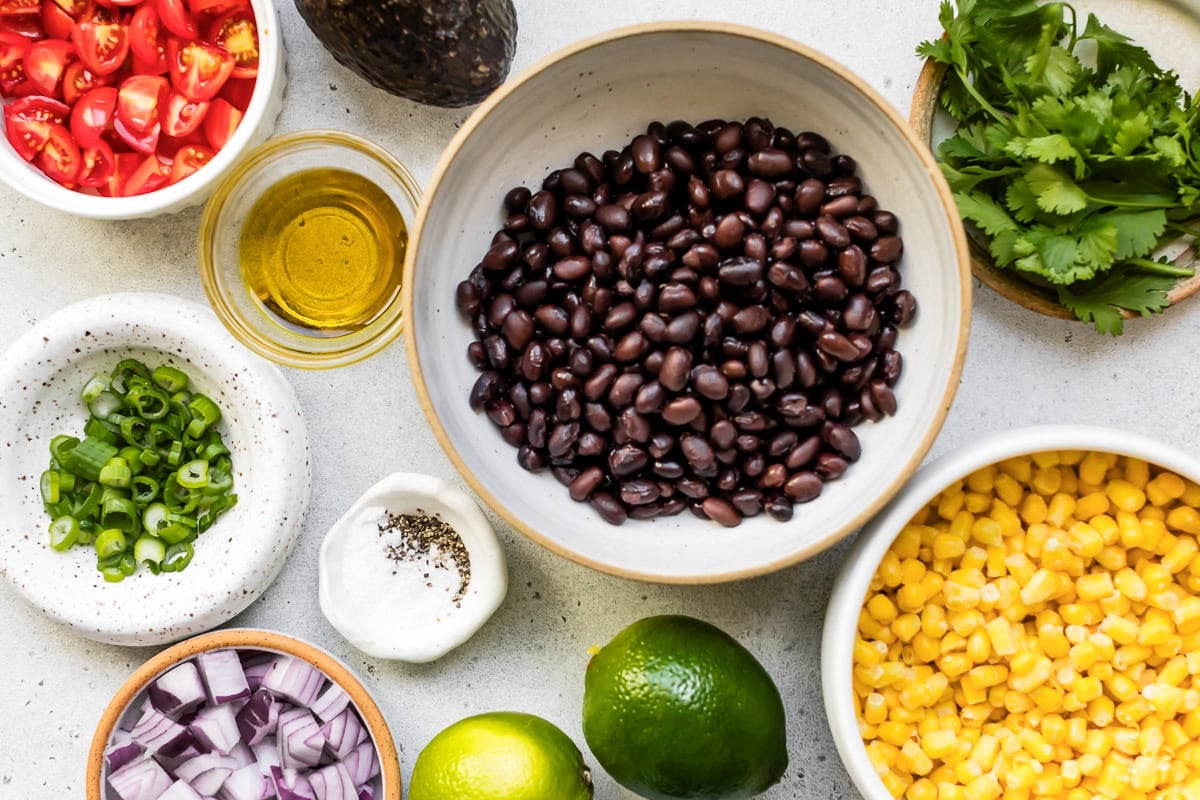
The Southwestern Black Bean Salad, as presented by Gina Homolka of Skinnytaste, combines a medley of black beans, sweet corn, juicy tomatoes, creamy avocado, crisp red onion, and fresh cilantro, all brought together with a zesty lime dressing. Its appeal is multifaceted: it requires no oven, making it ideal for summer, and can be prepared in approximately 15 minutes. This rapid preparation time is a critical factor for individuals balancing busy schedules with a commitment to home-cooked meals. Nutritionally, the salad stands out as a high-fiber, plant-based protein source, delivering substantial health benefits in a single serving. With a reported 97 kcal, 14g carbohydrates, 3g protein, 4g fat, and 5g fiber per half-cup serving, it offers a balanced profile that contributes to satiety and digestive health. Its versatility further enhances its utility, serving equally well as a standalone lunch, a vibrant side dish, a hearty appetizer with tortilla chips, or a topping for tacos and taco salads.
Driving Forces: The Demand for Plant-Forward & Fiber-Rich Diets
The popularity of recipes like the Southwestern Black Bean Salad is not accidental; it is a direct response to global shifts in dietary patterns and health priorities. Over the past decade, there has been an observable surge in plant-based eating, driven by a confluence of health, ethical, and environmental considerations. According to a 2023 report by the Plant Based Foods Association, the U.S. plant-based food market has continued to expand, with significant growth in categories like plant-based meat and dairy alternatives, but also in whole, unprocessed plant foods such as legumes and vegetables. This growth signals a broader consumer embrace of plant-centric meals, not exclusively among strict vegetarians or vegans, but also among flexitarians and omnivores seeking to incorporate more plant-based options into their diets.
Concurrently, public health campaigns and nutritional science have increasingly emphasized the importance of fiber intake. Data from organizations like the American Heart Association and the Academy of Nutrition and Dietetics consistently highlight fiber’s role in maintaining digestive health, regulating blood sugar levels, lowering cholesterol, and reducing the risk of chronic diseases such as heart disease and type 2 diabetes. Black beans, a cornerstone of this salad, are celebrated for their high fiber content (approximately 7-8 grams per half-cup serving) and plant protein, making them an excellent choice for individuals aiming to meet recommended daily fiber intakes (typically 25-38 grams). Corn and avocado further contribute to the fiber profile, alongside a wealth of vitamins, minerals, and healthy fats. The avocado, in particular, adds monounsaturated fats known to support cardiovascular health.
Convenience Reigns Supreme: The No-Oven Appeal
The "no-oven" attribute of the Southwestern Black Bean Salad is a significant selling point, resonating with a consumer base that prioritizes convenience and efficiency in meal preparation. Modern lifestyles, characterized by demanding work schedules and varied commitments, leave limited time for elaborate cooking. Consequently, recipes that minimize cooking time and effort, particularly those that eliminate the need for heat-generating appliances, gain considerable traction. During warmer months, the appeal of a no-cook meal is further amplified by the desire to keep kitchens cool and reduce energy consumption.

This emphasis on convenience has fueled the growth of meal-prep culture, where individuals dedicate specific times to prepare components or entire meals in advance. The black bean salad, with its straightforward assembly and good shelf life (when stored properly), fits seamlessly into this paradigm, allowing for quick access to healthy food throughout the week. Culinary experts often note that the ability to prepare a nutritious meal in under 30 minutes is a key driver for sustained healthy eating habits among the general population.
The Seasonal Imperative: Freshness and Flavor
Summer months naturally usher in a preference for lighter, more refreshing dishes that utilize seasonal produce. The ingredients in the Southwestern Black Bean Salad—corn, tomatoes, and cilantro—are at their peak freshness and flavor during this time, contributing significantly to the dish’s vibrant taste and nutritional value. The use of fresh, locally sourced produce, when available, not only enhances the eating experience but also supports local economies and reduces the environmental footprint associated with food transportation.

Beyond seasonality, the salad’s Southwestern flavor profile taps into a widely appreciated culinary tradition. Southwestern cuisine, known for its bold, earthy, and often spicy notes, has a broad appeal across various demographics. The combination of savory beans, sweet corn, tangy lime, and herbaceous cilantro creates a harmonious blend that is both familiar and exciting. This flavor complexity, achieved with minimal effort, further cements the recipe’s widespread appeal.
The Role of Digital Platforms in Culinary Dissemination
Food blogs and digital recipe platforms, such as Skinnytaste.com, play an increasingly pivotal role in shaping contemporary eating habits and disseminating culinary trends. In an era where information is readily accessible, these platforms democratize healthy cooking by offering a vast repository of recipes, often accompanied by nutritional information, preparation tips, and vivid photography. The credibility and reach of established food bloggers, like Gina Homolka, are instrumental in guiding consumers toward healthier choices. Their personal anecdotes, practical advice, and consistent delivery of high-quality, tested recipes foster a sense of trust and community among their followers.
The interactive nature of these platforms, through comment sections and social media integration, allows for real-time feedback, recipe adaptations, and sharing of culinary experiences, creating a dynamic ecosystem that continually reinforces popular recipes. This digital ecosystem ensures that recipes like the Southwestern Black Bean Salad quickly reach a wide audience, influencing meal planning across countless households.
Nutritional Analysis: A Deeper Dive
The detailed nutritional breakdown provided for the Southwestern Black Bean Salad offers valuable insight into its contribution to a balanced diet. At 97 kcal per half-cup serving, it is a relatively low-calorie option that can fit into various dietary plans, including those focused on weight management. The 14g of carbohydrates are primarily complex carbohydrates from the beans and corn, which provide sustained energy and prevent rapid spikes in blood sugar. The 5g of fiber is particularly noteworthy, representing a significant portion of the daily recommended intake and contributing to digestive regularity and satiety.
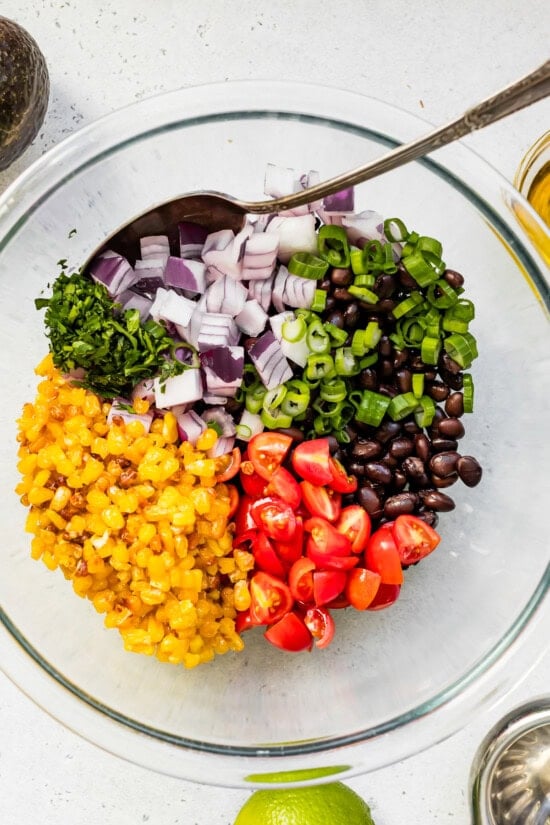
The 3g of protein, while modest, contributes to the overall protein intake, especially when the salad is consumed as part of a larger meal or combined with other protein sources. The 4g of fat, largely composed of healthy mono- and polyunsaturated fats from the avocado, is crucial for nutrient absorption and provides essential fatty acids. The presence of Vitamin A (198 IU), Vitamin C (10 mg), Calcium (21 mg), and Iron (1 mg) further highlights the micronutrient density of the salad, supporting immune function, bone health, and oxygen transport. This comprehensive nutritional profile makes the salad an excellent choice for individuals seeking to enhance their intake of whole foods and essential nutrients.
Versatility in Application: More Than Just a Side
One of the defining characteristics of the Southwestern Black Bean Salad, and a key factor in its relevance to modern meal planning, is its exceptional versatility. While it excels as a refreshing side dish for grilled chicken, steak, or fish, its utility extends far beyond. As an appetizer, served with tortilla chips, it transforms into a vibrant and satisfying dip for gatherings, offering a healthier alternative to many traditional options. Its application as a topping for taco salads or tacos provides an immediate flavor boost and nutritional enhancement, simplifying meal assembly for busy weeknights.
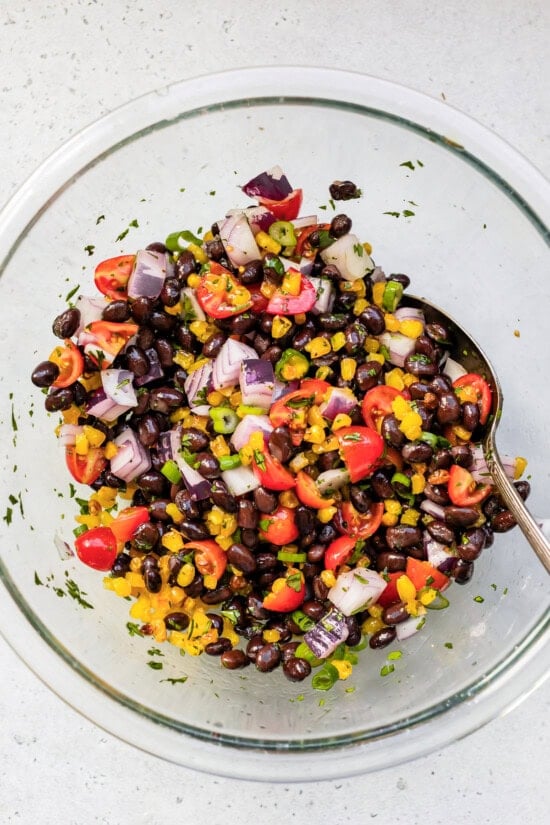
Furthermore, the components of this salad lend themselves to other creative culinary applications. It can be incorporated into whole-wheat wraps or pita pockets for a quick and portable lunch, served as a base for a grain bowl with quinoa or brown rice, or even folded into scrambled eggs for a hearty breakfast scramble. This adaptability ensures that the recipe remains relevant and appealing across a wide array of dining occasions and dietary preferences, maximizing its value for home cooks.
Recipe Adaptation and Personalization: Empowering Home Cooks
The inherent customizability of a dish like the Southwestern Black Bean Salad further empowers home cooks to tailor it to their specific tastes, available ingredients, and dietary restrictions. While the core recipe provides a robust framework, it invites modifications. For instance, individuals seeking additional protein might add grilled chicken, shrimp, or a plant-based protein alternative like crumbled tofu. Those who prefer a spicier kick could incorporate diced jalapeños or a dash of hot sauce. Other vegetables, such as bell peppers, cucumber, or even roasted sweet potato, could be added to enhance texture and nutrient diversity.
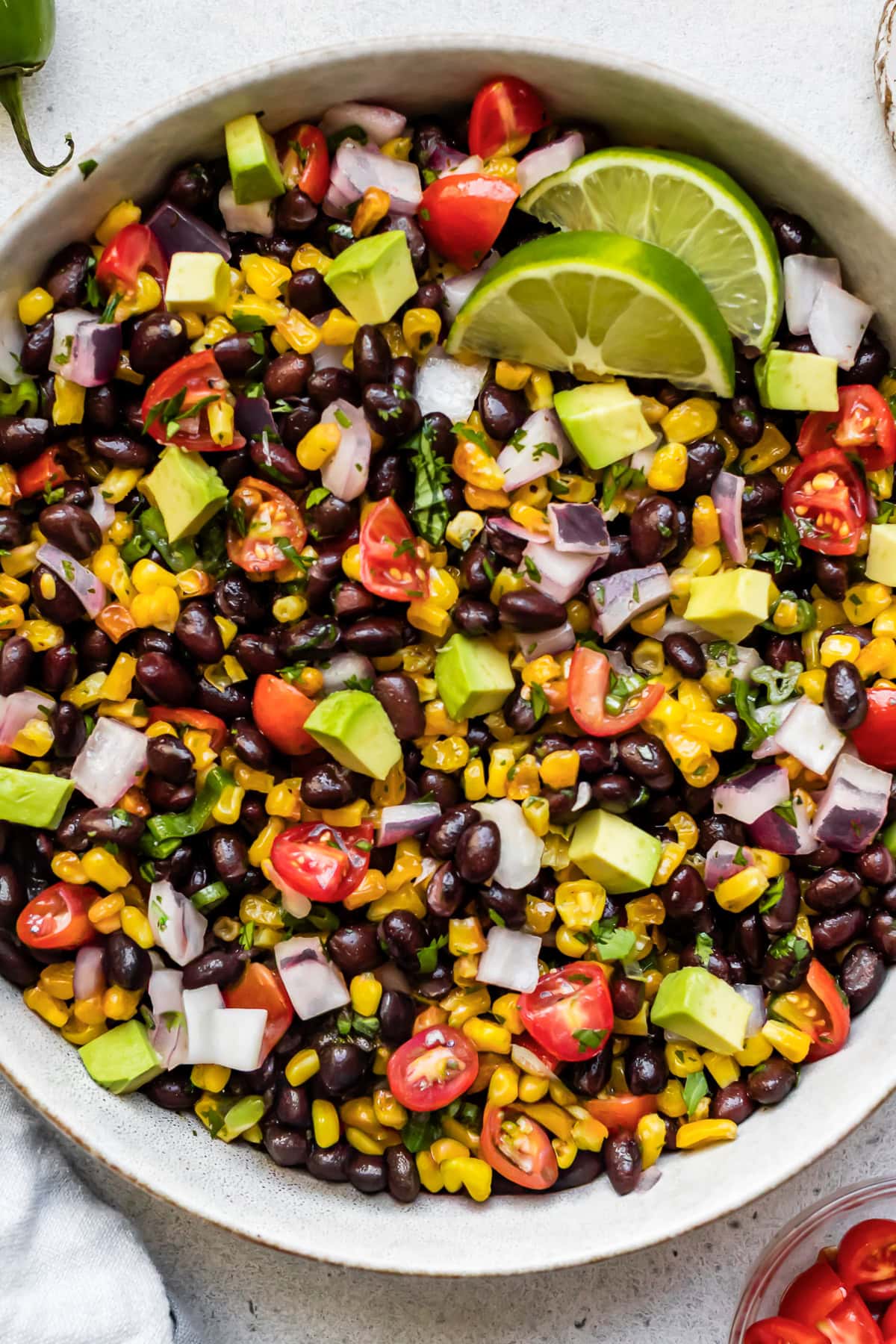
The dressing, too, offers opportunities for personalization; while lime and cilantro provide a classic base, a touch of cumin, chili powder, or even a hint of honey or maple syrup could alter the flavor profile. This flexibility not only prevents meal fatigue but also fosters a sense of culinary creativity and ownership, encouraging individuals to experiment and make the recipe truly their own. This trend of recipe adaptation is a hallmark of contemporary home cooking, driven by a desire for both individuality and practical application.
The Broader Economic and Environmental Footprint
The rising popularity of plant-forward dishes like the Southwestern Black Bean Salad also carries broader economic and environmental implications. From an economic perspective, the increased demand for staple ingredients such as black beans, corn, and avocados can support agricultural sectors and local farmers. These ingredients are generally more affordable than many animal proteins, making such meals a cost-effective option for consumers, particularly in an economic climate where food prices are a significant concern.
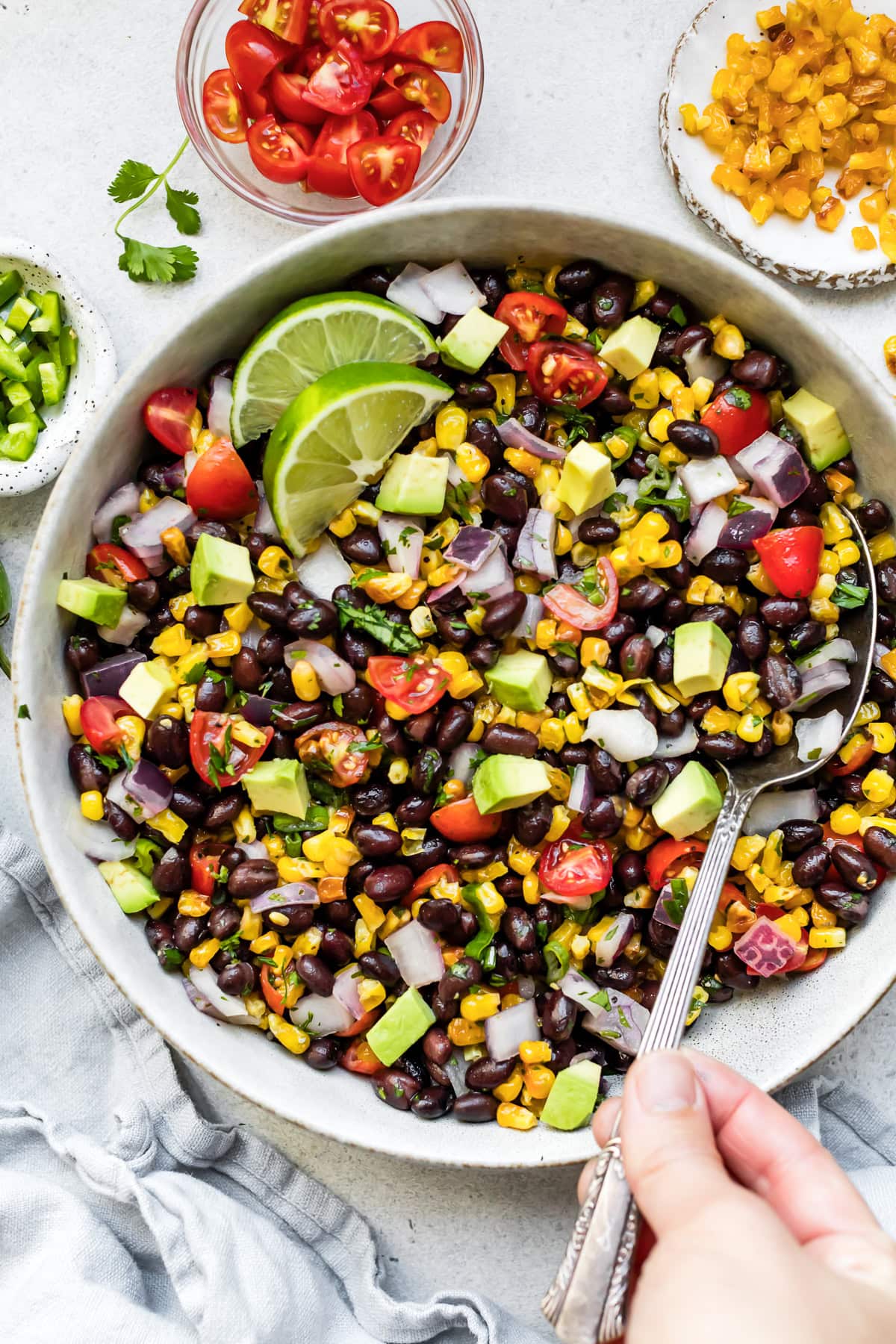
Environmentally, a shift towards plant-based meals contributes to a more sustainable food system. The production of legumes and vegetables typically requires fewer natural resources (land, water) and generates a lower carbon footprint compared to the production of meat and dairy. By promoting recipes that prioritize plant ingredients, digital platforms like Skinnytaste inadvertently contribute to environmental stewardship, aligning with global efforts to mitigate climate change through dietary choices.
Looking Ahead: The Future of Healthy Home Cooking
The Southwestern Black Bean Salad is more than just a recipe; it is a microcosm of evolving culinary landscapes. It embodies the modern consumer’s quest for meals that seamlessly integrate health, flavor, and convenience. As awareness of nutrition grows and busy lifestyles persist, the demand for such dishes is only expected to intensify. The continued influence of digital food platforms, coupled with an increasing emphasis on sustainable and plant-based eating, suggests that recipes like this vibrant salad will remain at the forefront of healthy home cooking trends. The ongoing challenge for culinary innovators will be to continue developing creative, accessible, and delicious solutions that meet these multifaceted consumer demands, ensuring that eating well remains both achievable and enjoyable.
