
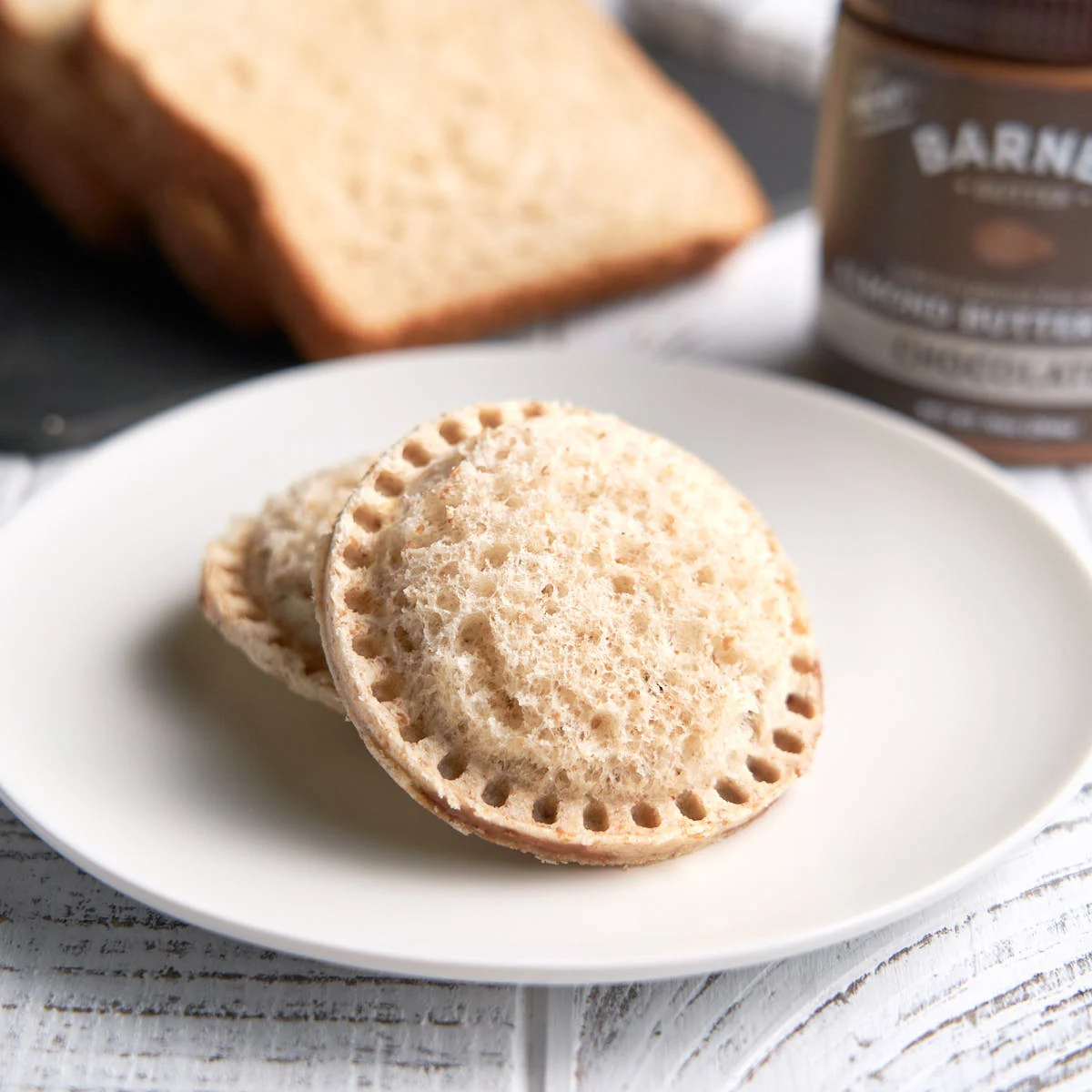
The landscape of convenient, kid-friendly snacks has seen a significant evolution with the advent of homemade versions of popular pre-packaged treats. Among these, the chocolate uncrustable stands out as a perennial favorite, now within reach of home kitchens through a simple yet ingenious method. This article delves into the creation of superior homemade chocolate uncrustables, exploring the optimal ingredients, essential tools, and practical tips for achieving a delicious and healthier alternative to store-bought options, suitable for breakfast and beyond.
The rise of the "Uncrustable Maker," a specialized sandwich cutter and sealer, has democratized the creation of these beloved sealed sandwiches. While originally a tool for parents seeking to minimize mess and maximize kid appeal, it has become a gateway to culinary experimentation. The inherent appeal of the uncrustable lies in its perfectly sealed edges, ensuring that fillings remain contained, thus preventing sticky fingers and exasperated sighs. This functionality alone transforms a mundane sandwich into an object of delight, akin to a "moon," a "round sled," or even a "trampoline" in the imaginative eyes of a child. The playful aspect, while unusual in a kitchen setting, underscores the product’s success in engaging young eaters.

The Quest for the Perfect Chocolate Spread
The cornerstone of any exceptional chocolate uncrustable is, undoubtedly, the chocolate spread. While the ubiquitous Nutella, a chocolate hazelnut spread, is the benchmark for its store-bought counterpart, a new generation of spreads offers a more wholesome and equally delectable alternative. The exploration of these options leads to Barney Butter’s Almond Butter with Chocolate. This product has emerged as a favorite among discerning home cooks for its smooth texture, balanced sweetness, and significantly improved nutritional profile compared to traditional chocolate hazelnut spreads.
A comparative analysis reveals the nutritional advantages. Nutella, while popular, contains a substantial 21 grams of added sugar per serving. In contrast, Barney Butter’s Almond Butter with Chocolate boasts a mere 2 grams of added sugar per serving. This marked difference positions the almond butter-based spread as a more health-conscious choice, particularly for breakfast, a meal where parents often seek to balance indulgence with nutritional value. The ease of spreading and the satisfying flavor profile of this almond butter spread make it an ideal candidate for replicating and even enhancing the classic chocolate uncrustable experience.
Mastering the Uncrustable Maker
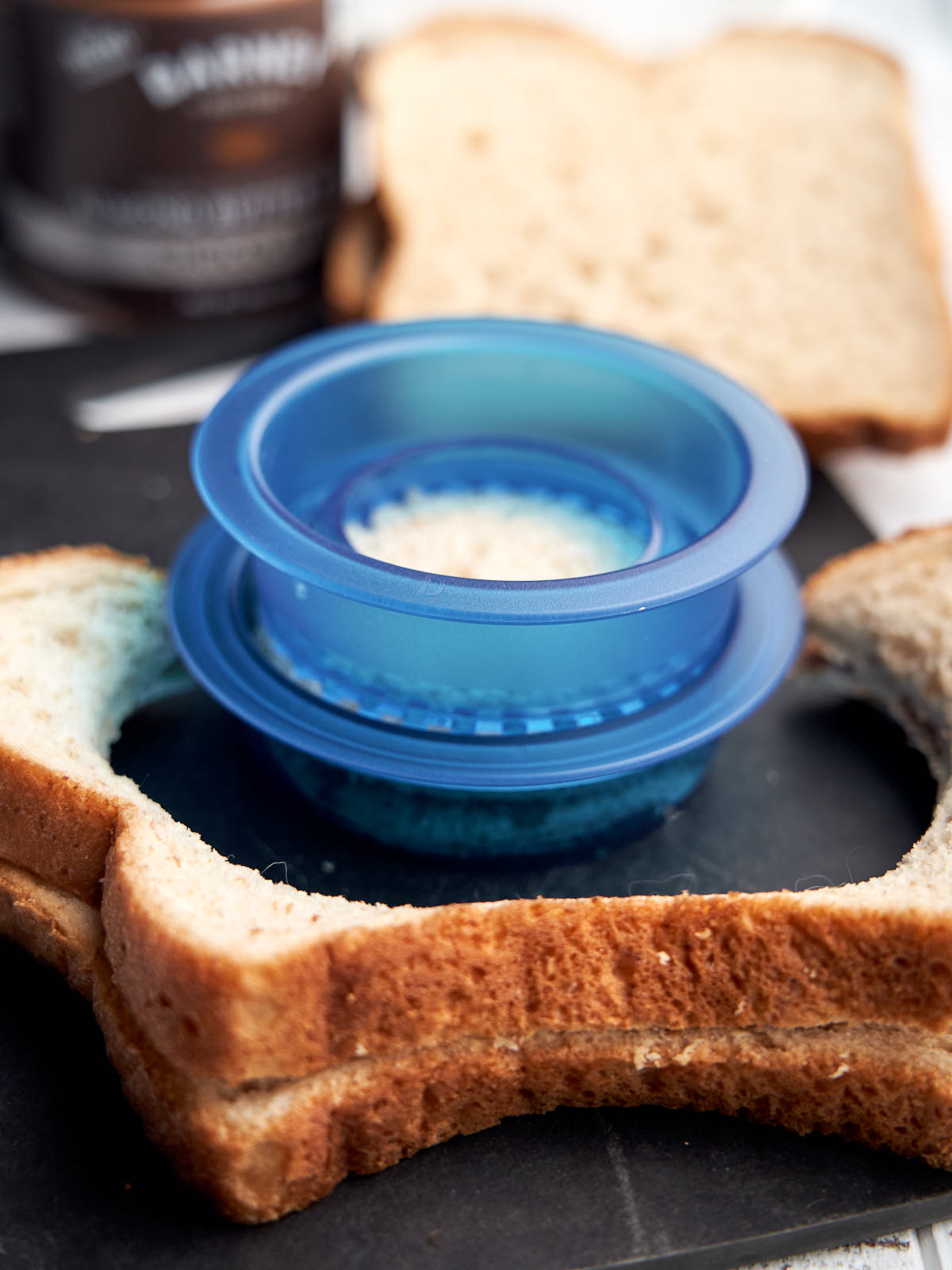
The uncrustable maker, a seemingly simple gadget, is key to achieving the signature look and functionality of these sealed sandwiches. A plethora of options are available on online retail platforms, each promising to replicate the iconic crustless, sealed edge. Through extensive testing and user feedback, a particular model has garnered acclaim for its effectiveness and ability to produce the classic Smucker’s Uncrustables edge shape, avoiding the less desirable "wavy" edges that can sometimes result from other sealers. This attention to detail is crucial for those aiming for an authentic replication.

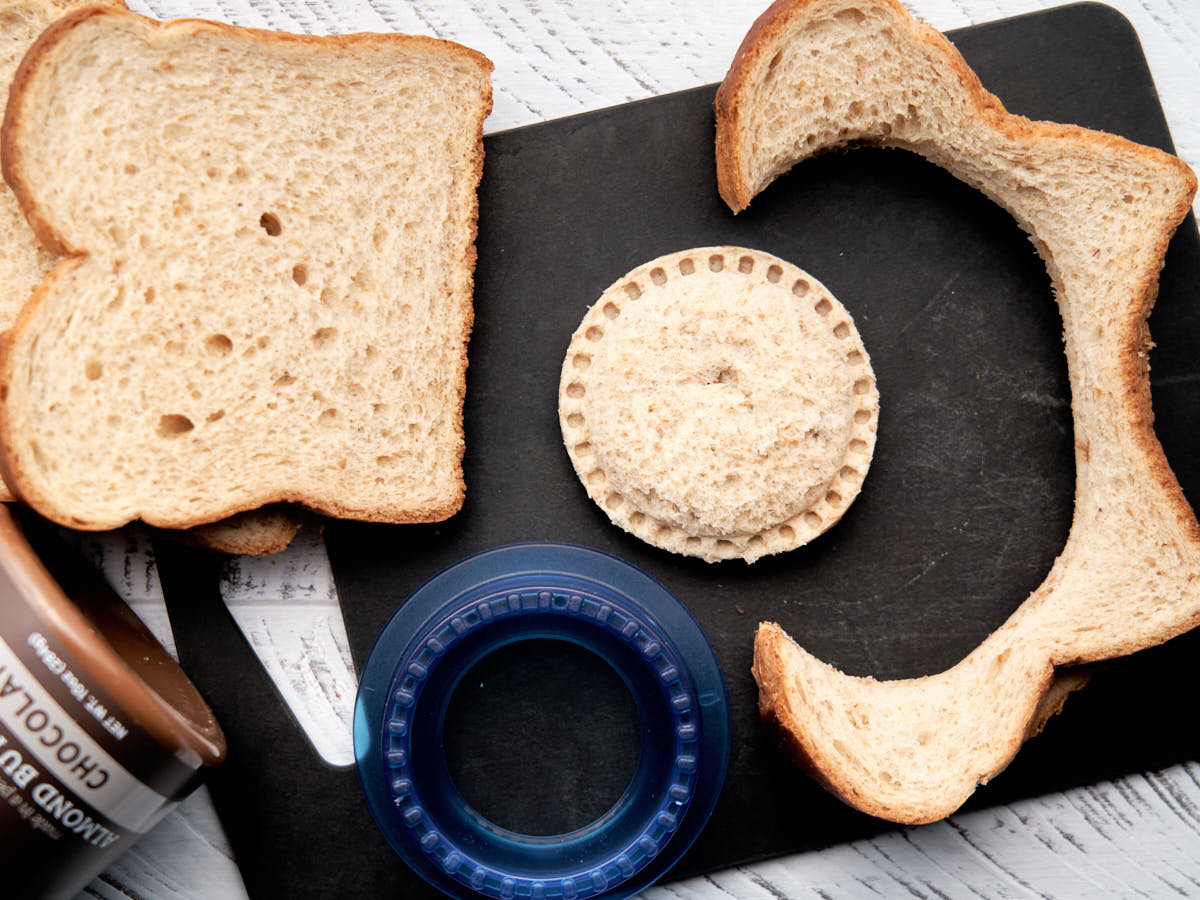
The operation of the uncrustable maker is remarkably straightforward, typically involving a two-step process. The first step utilizes a plain circular cutter to neatly remove the bread crusts. Following this, the sealer mold is pressed down, creating a secure and unyielding seal that contains the filling. This efficient mechanism ensures that the sandwich maintains its integrity from preparation to consumption, making it an ideal grab-and-go option for busy mornings.
Essential Tips for Superior Homemade Uncrustables
Achieving perfection in homemade uncrustables requires attention to a few key details. The choice of bread plays a pivotal role. Soft, pliable breads, such as Wonder Bread or Nature’s Own Honey Wheat, are recommended. These varieties are less prone to splitting or cracking during the cutting and sealing process. In contrast, whole wheat breads, with their denser texture, may not hold up as well, potentially leading to the uncrustable cracking open.
Another critical aspect is the quantity of filling used. It is surprisingly easy for the spread to overflow the bread, especially when using the sealing mechanism. Therefore, a measured approach to spreading the filling is advised. Spreading the chocolate or almond butter mixture only in the center of the bread, rather than extending it to the edges, significantly minimizes the risk of spillage. This simple technique ensures a clean seal and prevents the filling from oozing out during the sealing process, maintaining the aesthetic appeal of the uncrustable.
The Broader Context: Convenience and Health in the Modern Diet
The popularity of the uncrustable, both in its commercial and homemade forms, reflects a broader societal trend towards convenience in food consumption. The demands of modern lifestyles, characterized by busy schedules and dual-income households, have driven the market for ready-to-eat meals and snacks. However, this convenience often comes at the cost of nutritional value, with many pre-packaged options laden with added sugars, unhealthy fats, and artificial ingredients.
The rise of homemade alternatives like the chocolate uncrustable signifies a growing awareness and desire among consumers to regain control over the ingredients in their food. By opting for homemade versions, families can leverage readily available tools and ingredients to create treats that are not only appealing to children but also align with healthier eating habits. This movement is further supported by the increasing availability of nutritious spread alternatives, such as the aforementioned almond butter with chocolate, which cater to a range of dietary needs and preferences.
The nutritional information provided for this recipe estimates approximately 163 calories per serving. This figure can vary based on the specific types of bread and spread used. However, it offers a baseline for understanding the caloric contribution of this homemade treat. The recipe also notes potential dietary adaptations, including dairy-free, vegan, and vegetarian options, underscoring its versatility and inclusivity.
A Culinary Trend with Enduring Appeal
The homemade chocolate uncrustable, far from being a fleeting trend, represents a sustainable approach to enjoying beloved treats while prioritizing health and well-being. The ability to customize ingredients, control portion sizes, and eliminate unnecessary additives makes this culinary innovation a valuable addition to any family’s repertoire. As consumers continue to seek out healthier and more wholesome food options, the humble uncrustable, elevated through thoughtful preparation and ingredient selection, is poised to remain a cherished staple.
The creator of this recipe further encourages engagement through social media sharing, inviting users to post photos of their creations with specific hashtags and tags. This fosters a sense of community and shared culinary exploration, reinforcing the appeal of home cooking and the satisfaction derived from creating delicious, healthy food for loved ones. The availability of related recipes, such as peanut butter and honey uncrustables and other kid-friendly breakfast ideas, further solidifies the platform’s commitment to providing accessible and enjoyable meal solutions.
In conclusion, the homemade chocolate uncrustable is more than just a nostalgic treat; it is a testament to the power of simple culinary techniques and informed ingredient choices. By embracing the tools and knowledge available, families can replicate and even surpass the quality of store-bought versions, creating a delicious, healthy, and undeniably fun breakfast option that is sure to delight palates young and old. The journey from a basic sandwich to a perfectly sealed, flavor-packed uncrustable is a rewarding one, offering a tangible benefit in terms of both taste and nutrition.
