
The Evolution of a Picnic Staple
The deviled egg has long been a cornerstone of Western social gatherings, with its origins tracing back to ancient Rome, where boiled eggs were seasoned with spicy sauces and served as a starter for wealthy patricians. The term "deviled" itself emerged in the 18th century to describe foods prepared with hot spices or condiments. However, the contemporary iteration—consisting of mayonnaise, mustard, and paprika—became a standardized American classic in the post-World War II era.
The introduction of the "smoke-fried" technique marks a pivotal shift in this timeline. By subjecting the egg to a "low-and-slow" smoke bath before deep-frying the whites, chefs are able to introduce a depth of flavor previously absent from the dish. This evolution aligns with broader trends in the culinary industry, where "fusion" no longer refers merely to mixing international cuisines, but also to combining disparate cooking methods—in this case, smoking and frying—to achieve a superior sensory experience.
Technical Chronology: The Multi-Stage Preparation Process
The creation of smoke-fried deviled eggs is a rigorous process that requires precision in temperature control and timing. Unlike standard recipes that can be completed in under thirty minutes, this version demands a methodical approach across four distinct phases.

Phase One: The Smoke Bath
The process begins with hard-boiled eggs that have been shelled and cleaned. These eggs are placed on a smoker, typically set at a low temperature to prevent the whites from becoming rubbery. During this stage, the porous surface of the egg white absorbs the phenols and carbonyls present in the wood smoke. This not only imparts a distinct amber hue to the egg but also embeds a campfire aroma that serves as the base layer of the flavor profile.
Phase Two: Filling Composition
Once the smoking is complete, the yolks are removed and processed into a creamy filling. The innovation in the Hey Grill Hey methodology lies in the specific ingredients used to elevate the yolk mixture. The inclusion of Zesty Gold BBQ Sauce—a mustard-based sauce—provides a tangy acidity that cuts through the richness of the yolk and mayonnaise. This is further enhanced by diced jalapeños for heat, apple cider vinegar for brightness, and a proprietary "Sweet Rub" to balance the savory notes with a hint of sugar and spice.
Phase Three: The Batter and Fry
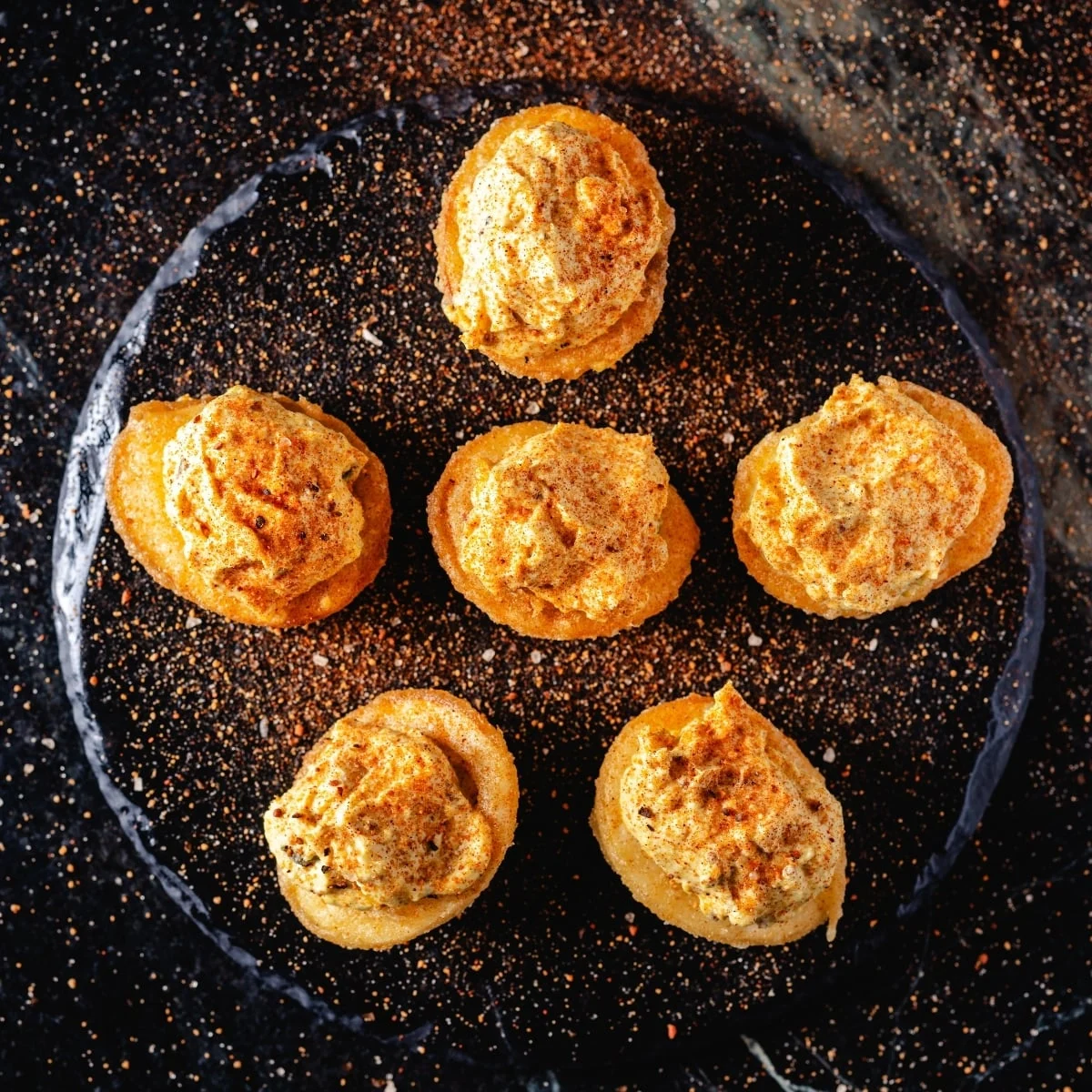
Perhaps the most radical departure from tradition is the frying of the egg whites. The smoked whites are dredged in a crispy chicken wing batter, a technique designed to provide a structural and textural contrast. When submerged in hot oil, the batter forms a golden, crunchy exterior that protects the tender, smoky interior of the egg. This step transforms the egg from a soft, gelatinous bite into a substantial, multi-textured appetizer.
Phase Four: Assembly and Finishing
The final stage involves piping the zesty yolk mixture back into the fried cavities. A final dusting of Sweet Rub serves as a garnish, providing a visual aesthetic that mirrors traditional paprika but offers a more complex flavor profile.

Market Dynamics and the Rise of the BBQ Influencer
The emergence of recipes like the smoke-fried deviled egg is not an isolated event but rather a reflection of the burgeoning "Backyard BBQ Hero" culture. This subculture has been fueled by the rapid growth of the outdoor cooking industry, which saw a significant surge in revenue during the early 2020s. According to market research, the global grill and roaster market is projected to continue its expansion as consumers increasingly view outdoor cooking as a form of high-level hobbyism rather than a chore.
Susie Bulloch, the "BBQ Boss Lady" behind Hey Grill Hey, has positioned herself as a central figure in this movement. With a background that includes appearances on the Food Network and multiple Guinness World Records, Bulloch’s influence extends beyond mere recipe development. Her platform provides an ecosystem of sauces, rubs, and educational content that empowers amateur cooks to attempt professional-grade techniques. The "Smoke-Fried Deviled Egg" serves as a flagship example of her "attainable excellence" philosophy, using accessible ingredients like eggs and mayo but applying advanced techniques to achieve a gourmet result.
Nutritional Analysis and Dietary Impact
While the smoke-fried deviled egg is positioned as an indulgent "show-stealer," an analysis of its nutritional profile reveals a surprising balance for a fried appetizer. According to data provided by the Hey Grill Hey laboratory, a single serving (approximately one half-egg) contains:
- Calories: 131 kcal
- Total Fat: 7g (with 2g of Saturated Fat)
- Carbohydrates: 11g
- Protein: 5g
- Cholesterol: 132mg
- Sodium: 129mg
The caloric density is relatively moderate when compared to other popular BBQ appetizers, such as bacon-wrapped jalapeño poppers or deep-fried mac-and-cheese balls. The high protein content from the egg provides more satiety than starch-heavy snacks, though the cholesterol levels remain a point of consideration for those on heart-healthy diets. The use of apple cider vinegar and jalapeños also introduces minor amounts of Vitamin A and Vitamin C, though these are secondary to the dish’s primary role as a flavor-forward indulgence.

Broader Implications for Holiday Food Trends
As Easter and summer picnic seasons approach, the popularity of the smoke-fried deviled egg signals a shift in consumer expectations for holiday menus. The traditional "potluck" is increasingly becoming a venue for culinary competition, where hosts seek to provide "photogenic" and "talk-worthy" dishes.
The visual appeal of the smoke-fried egg—with its golden-brown crust and vibrant yellow filling—is tailor-made for social media platforms like Instagram and Facebook. Bulloch’s encouragement for followers to "snap a few pics" and tag her brand highlights the symbiotic relationship between modern recipe development and digital social currency. In this context, the dish is more than food; it is a performance of culinary skill and a tool for social engagement.
Furthermore, the versatility of the recipe allows for significant customization, which is a key driver in modern food trends. While Bulloch recommends her specific "Zesty Gold" sauce, she acknowledges that home cooks can substitute ingredients based on availability. This flexibility ensures that the recipe can be adapted to various regional tastes, from the vinegar-heavy traditions of North Carolina BBQ to the sweeter profiles favored in Kansas City.
Expert Perspectives on Culinary Innovation
Culinary analysts suggest that the success of the smoke-fried deviled egg lies in its ability to trigger "flavor nostalgia" while simultaneously providing a novel experience. The "smoke" element taps into a primal preference for fire-cooked foods, while the "fry" element satisfies a universal craving for crispy textures.

"Susie Bulloch has tapped into the ‘indulgence’ factor that defines modern American BBQ," says one industry observer. "By taking something as humble and ubiquitous as a deviled egg and subjecting it to the two most popular techniques in the BBQ world—smoking and frying—she has created a dish that feels both familiar and revolutionary."
The "Hey Grill Hey" brand continues to expand its reach through a dedicated mobile app and a robust YouTube presence, where step-by-step videos demystify the smoking process for beginners. This educational approach is crucial, as the "smoke-fried" technique requires a level of confidence with outdoor equipment that many casual cooks may initially lack.
Conclusion: The Future of the Backyard Kitchen
As the smoke clears from the grates, the smoke-fried deviled egg stands as a testament to the creativity currently thriving in the world of outdoor cooking. It represents a successful marriage of tradition and innovation, proving that even the most established classics can be reinvented for a new generation of "Backyard BBQ Heroes."
For those planning Easter gatherings or summer celebrations, the message from the BBQ community is clear: the days of the simple, boiled deviled egg may be numbered. In its place is a more complex, crispy, and smoky alternative that reflects the evolving tastes and ambitions of the modern home cook. As Susie Bulloch continues to push the boundaries of smoked meats and appetizers, the humble egg remains a versatile canvas for the next great flavor upgrade.
