
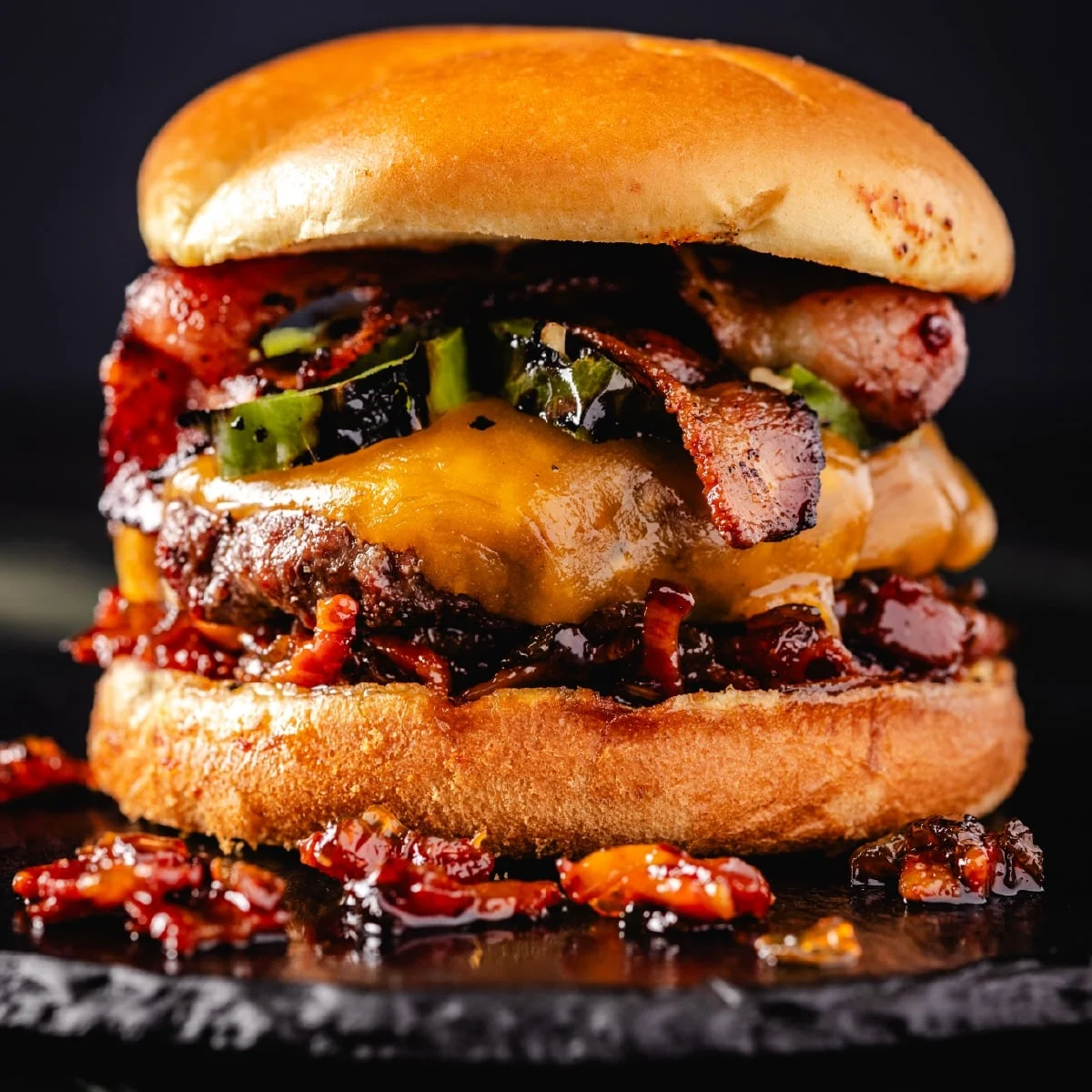
The Jalapeño Bacon Jam Cheeseburger has emerged as a significant culinary development within the competitive barbecue circuit, gaining prominence following its successful debut at the Key West Invitational. Originally conceived as a competition-grade entry, the recipe has been refined for residential outdoor cooking, combining complex flavor profiles including sharp cheddar cheese, thick-cut bacon, blistered jalapeño coins, and a specialized Whiskey Onion Bacon Jam. This gourmet burger represents a broader trend in the American culinary landscape where competition-level techniques are adapted for the home griller, emphasizing high-quality ingredients and precise thermal management.
The Genesis of the Recipe: The Key West Invitational
The development of the Jalapeño Bacon Jam Cheeseburger is rooted in the high-stakes environment of the Key West Invitational, a prominent barbecue competition that serves a dual purpose as a high-level culinary showcase and a significant fundraiser for pediatric cancer research. During this event, Susie Bulloch, a recognized figure in the barbecue industry and founder of the digital platform Hey Grill Hey, organized two all-women’s teams to compete against a field of seasoned pitmasters.
The burger was specifically developed for the "sandbar cookoff" held on the second day of the invitational. The constraints of sandbar cooking—often involving portable equipment and challenging environmental factors—required a recipe that could deliver maximum impact with efficient execution. The prototype of this cheeseburger secured a second-place finish, a notable achievement given the caliber of the competition. Following the event, the recipe underwent a series of technical adjustments to optimize it for standard backyard charcoal and gas grills, focusing on accessibility without compromising the sophisticated flavor layers that garnered its initial accolades.

Structural Components and Flavor Profile Analysis
The Jalapeño Bacon Jam Cheeseburger is characterized by its tiered approach to flavor construction. Culinary analysts often categorize such builds as "balanced profiles," where the four primary taste pillars—sweet, salty, savory, and spicy—are represented.
The Beef Foundation
The core of the burger is a seasoned beef patty. In professional grilling, the selection of the beef-to-fat ratio is critical; typically, an 80/20 ground chuck is utilized to ensure the patty retains moisture when exposed to the high radiant heat of charcoal. The "flame-kissed crust" mentioned in the original formulation refers to the Maillard reaction, a chemical reaction between amino acids and reducing sugars that gives browned food its distinctive flavor.
The Whiskey Onion Bacon Jam
Perhaps the most complex component is the Whiskey Onion Bacon Jam. This condiment serves as both the sweet and savory anchor of the burger. The jam utilizes a reduction process where onions are caramelized to release natural sugars, combined with rendered bacon for salt and umami, and deglazed with whiskey. The alcohol in the whiskey acts as a solvent, extracting flavor compounds that are not water-soluble, while the remaining sugars contribute to the "sticky-sweet" texture.
Heat and Acidity: The Jalapeño Element
To counteract the richness of the bacon and beef, the recipe employs "blistered jalapeño coins." By grilling the jalapeño slices directly, the capsaicin (the compound responsible for heat) is slightly mellowed, and the skin of the pepper undergoes charring, which adds a smoky dimension to the spice. This provides a necessary "bite" that cuts through the heavy fat content of the cheese and bacon.

Texture and Fat: Cheddar and Bacon
The use of sharp cheddar provides a robust tanginess that milder cheeses, such as American or Swiss, lack. The "crispy bacon" adds a secondary layer of texture, providing a crunch that contrasts with the softness of the brioche or traditional bun.
Chronological Preparation and Technical Execution
The production of the Jalapeño Bacon Jam Cheeseburger is designed to be completed within an approximately 25-minute window, making it a viable option for both high-volume events and family meals. The process follows a specific chronological order to ensure all components reach their peak state simultaneously.
- Grill Preparation: The process begins with the ignition of the fuel source. For the most authentic flavor, a charcoal grill is preferred to provide the smoky overtones essential to the "sandbar" style.
- Bacon Jam Assembly: While the grill reaches temperature, the bacon jam is prepared or reheated. This allows the flavors to meld and the consistency to reach the desired viscosity.
- Vegetable Preparation: Jalapeños are sliced into uniform "coins." Uniformity is essential for even blistering and consistent heat distribution across the burger.
- Patty Formation and Seasoning: Beef is shaped into patties and seasoned. Professional standards suggest indenting the center of the patty to prevent "doming" during the cooking process.
- The Cooking Phase: The patties and jalapeños are placed on the grates. The jalapeños are removed once they show signs of charring, while the patties are monitored via internal temperature.
- The Melting Phase: Cheese is applied approximately 10 degrees before the target internal temperature is reached, allowing for a complete melt without overcooking the meat.
- Assembly: The final stage involves layering the components: patty, cheddar, jalapeño coins, bacon strips, and finally, a generous application of the whiskey onion bacon jam.
Thermal Management and Food Safety Standards
A critical aspect of the Jalapeño Bacon Jam Cheeseburger’s success is the adherence to precise internal temperatures. Journalistic review of modern grilling techniques emphasizes that "cooking to time" is an outdated and often inaccurate method. Instead, the use of digital instant-read thermometers is considered the industry standard.
According to the United States Department of Agriculture (USDA), the recommended internal temperature for ground beef is 160°F (71°C) to ensure the elimination of foodborne pathogens. However, within the culinary community, varying degrees of doneness are often preferred:

- Medium Rare (135°F): Offers a warm, red center; preferred by enthusiasts for maximum juice retention.
- Medium (145°F): The "sweet spot" for this specific recipe, providing a balance of a juicy interior and a firm crust.
- Medium Well (155°F): A slight hint of pink remains; the beef is fully firm.
- Well Done (160°F+): No pink remains; aligns with the highest safety recommendations.
The timing of cheese application is also a matter of technical precision. Applying the sharp cheddar when the beef is roughly 10 degrees below the target temperature ensures the cheese reaches a semi-liquid state exactly as the meat completes its carry-over cooking.
Nutritional Data and Dietary Impact
For consumers and health professionals, the nutritional profile of the Jalapeño Bacon Jam Cheeseburger provides insight into its caloric and macronutrient density. An analysis of a standard serving (one burger) reveals the following data:
- Calories: 662 kcal
- Protein: 34g (primarily derived from the beef and bacon)
- Total Fat: 47g
- Saturated Fat: 19g
- Carbohydrates: 23g
- Sodium: 2434mg
- Sugar: 4g
The high sodium content is largely attributable to the bacon jam and the seasoning of the patties, while the protein count remains significant, making it a highly satiating meal. The carbohydrate count is relatively low for a full meal, though this can vary based on the type of bun utilized.
Broader Implications for the Barbecue Industry
The transition of the Jalapeño Bacon Jam Cheeseburger from a competition winner to a viral home recipe highlights several shifts in the outdoor cooking industry. First, it underscores the rising influence of "BBQ influencers" like Susie Bulloch, who bridge the gap between professional competition circuits and the general public. Platforms such as Hey Grill Hey have democratized high-level culinary knowledge, allowing amateur cooks to replicate second-place competition results in their own backyards.

Second, the success of this recipe reflects a growing consumer interest in "craft" condiments. The Whiskey Onion Bacon Jam represents a move away from standard ketchup and mustard toward artisanal, flavor-dense toppings. This has led to an increase in home canning and the commercial production of specialty jams and sauces.
Finally, the origin of the burger at the Key West Invitational points to the ongoing philanthropic efforts within the barbecue community. Barbecue has long been a vehicle for charitable fundraising, particularly for pediatric health. The fact that this recipe was born from a fundraiser for pediatric cancer adds a layer of social significance to its popularity.
Conclusion
The Jalapeño Bacon Jam Cheeseburger is more than a standard menu item; it is a meticulously engineered culinary product that balances heat, sweetness, and fat. Through the use of specific techniques—such as blistering jalapeños and utilizing a whiskey-based jam—it offers a complex sensory experience that elevated it to an award-winning status in Key West. For the home griller, it serves as an accessible entry point into the world of competition-style barbecue, provided they adhere to the technical requirements of thermal management and ingredient quality. As the outdoor cooking season continues, recipes of this caliber are expected to drive the trend of "gourmet backyard dining," further blurring the lines between professional pits and the home grill.
