
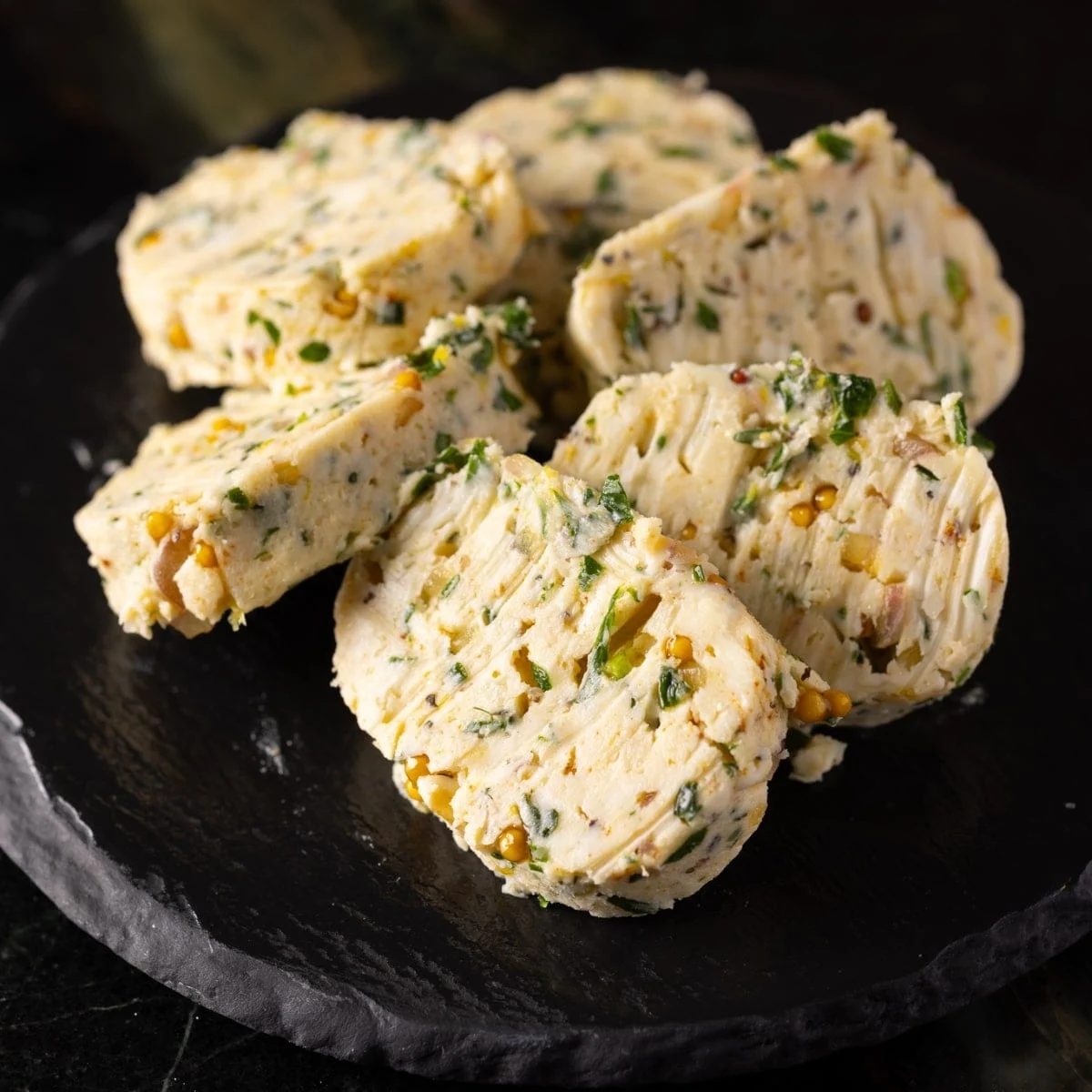
The culinary landscape of outdoor grilling and high-end steakhouse preparation has seen a significant shift toward artisanal, flavor-dense condiments, with Cowboy Butter emerging as a leading trend in the compound butter category. Once a niche preparation utilized primarily by professional chefs to finish expensive cuts of meat, compound butters—or beurres composés—have transitioned into the domestic kitchen, driven by a growing consumer interest in "elevated" home cooking. The specific iteration known as Cowboy Butter, characterized by its robust profile of fresh shallots, chives, parsley, thyme, and citrus, represents a departure from the more delicate French classics, offering a flavor profile designed to withstand the intense smoky notes of charcoal and wood-fire grilling.
The Historical Context of Compound Butters
To understand the rise of Cowboy Butter, one must examine the history of flavored fats in gastronomy. The tradition of mixing softened butter with herbs and aromatics dates back centuries to French classical cuisine. The most recognizable ancestor is Beurre Maître d’Hôtel, a simple yet elegant mixture of butter, parsley, lemon juice, salt, and pepper. As culinary traditions migrated and evolved, particularly in the American West, these recipes were adapted to suit more aggressive cooking styles.
The "Cowboy" moniker in contemporary American cooking often denotes a rustic, bold, and multi-layered approach to seasoning. While traditional French compound butters might focus on one or two subtle herbs, Cowboy Butter is defined by its complexity. It incorporates the sharp, onion-like bite of shallots and chives, the earthy depth of thyme, the brightness of fresh parsley, and the acidic lift of lemon zest and juice. This combination creates a condiment that is not merely a topping but a functional component of the dish, providing fat, acid, and herbaceousness in a single application.

The Anatomy of Cowboy Butter: A Technical Breakdown
The effectiveness of Cowboy Butter lies in the synergy of its ingredients. Professional culinarians, such as Susie Bulloch of the "Hey Grill Hey" platform, emphasize the importance of using fresh rather than dried ingredients to achieve the necessary vibrancy.
- The Base: High-quality butter serves as the carrier for all other flavors. Because butter is composed of approximately 80-82% milk fat, it is an ideal medium for fat-soluble flavor compounds found in fresh herbs.
- Aromatics (Shallots and Chives): Shallots provide a more refined, less pungent alternative to traditional onions, offering a sweetness that develops as the butter melts over hot proteins. Chives add a visual "confetti" effect and a mild garlicky note.
- The Herbaceous Core (Parsley and Thyme): Parsley acts as a palate cleanser, cutting through the richness of the fat, while thyme provides a woody, floral backbone that pairs exceptionally well with beef and poultry.
- The Acid Component (Lemon): The inclusion of lemon is critical. In a high-fat environment, acidity is required to prevent the palate from becoming overwhelmed. The lemon juice provides immediate brightness, while the zest contains essential oils that offer a long-lasting citrus aroma.
Chronology of the Cowboy Butter Trend
The timeline of Cowboy Butter’s popularity can be traced through the digital evolution of BBQ culture.
- 2010–2015: Compound butters remained largely within the realm of "steakhouse secrets." Recipes were shared in professional circles but were not yet a staple of home grilling.
- 2016–2019: The "Better Butter" movement began to take hold in specialty grocery stores. Brands began experimenting with pre-packaged flavored butters, signaling a market readiness for artisanal condiments.
- 2020–2022: During the global pandemic, a surge in home cooking and outdoor grilling led to an explosion of "DIY" condiment recipes. Cowboy Butter, with its visual appeal and ease of preparation, became a viral sensation on social media platforms like TikTok and Instagram.
- 2023–Present: The recipe has been formalized by industry experts like Susie Bulloch, who have optimized the ratios for maximum versatility. It is now considered a standard "fridge staple" for serious BBQ enthusiasts.
Scientific and Nutritional Profile
From a nutritional and chemical standpoint, Cowboy Butter is a calorie-dense flavor enhancer. According to standardized nutritional analysis for a typical serving of this compound butter (approximately one tablespoon), the profile is as follows:
- Calories: 207 kcal
- Total Fat: 23g
- Saturated Fat: 15g
- Cholesterol: 61mg
- Sodium: 311mg
- Carbohydrates: 1g
While high in saturated fats, the role of Cowboy Butter in a meal is generally that of a finishing agent rather than a primary ingredient. The high fat content is actually beneficial in a culinary sense; it creates a "mouthfeel" that extends the duration of the herb and spice flavors on the tongue. Furthermore, the presence of vitamin A (881 IU) and small amounts of vitamin C (3mg) from the fresh herbs and lemon juice adds a minor but measurable micronutrient boost to the dish.

Expert Insights and Preparation Techniques
Susie Bulloch, a prominent figure in the BBQ industry and founder of "Hey Grill Hey," has provided professional-grade insights into the preparation of this condiment. Her approach emphasizes accessibility and efficiency, noting that the entire process requires approximately 10 minutes and no specialized equipment beyond a bowl and a spatula.
One of the "pro tips" often cited by industry experts is the "log method." Once the butter is mixed, it is transferred to parchment paper or plastic wrap and rolled into a cylinder. This "log" is then chilled until firm. This technique serves two purposes: first, it allows the flavors to meld and infuse the fat over several hours; second, it allows for clean, aesthetic "pats" or medallions of butter to be sliced and placed atop hot steaks or vegetables.
Bulloch, who has been featured on the Food Network and holds Guinness World Records in the BBQ space, suggests that the versatility of Cowboy Butter extends far beyond beef. It is increasingly used as a toss-in for grilled shrimp, a spread for toasted sourdough, or a flavor-booster for morning eggs. This versatility has contributed to its longevity in the culinary zeitgeist.
Market Implications and Consumer Behavior
The rise of Cowboy Butter reflects broader trends in the global food industry. According to market research, the global butter market is projected to grow at a compound annual growth rate (CAGR) of approximately 4-5% through 2030. Within this growth, the "premium" and "flavored" segments are outperforming traditional butter products.

Consumers are increasingly willing to invest in high-quality fats if they are perceived as "clean label" (containing recognizable, fresh ingredients) and "multi-functional." Cowboy Butter fits this profile perfectly. It allows a home cook to transform a standard grocery-store steak into a restaurant-quality meal with minimal additional labor. This "premiumization" of home dining is a direct result of the inflationary costs of dining out, coupled with the increased skill level of the average home hobbyist.
Broader Impact on the Grilling Community
The popularity of Cowboy Butter has also fostered a sense of community among outdoor cooking enthusiasts. Platforms like the Hey Grill Hey App and various social media groups encourage users to share their own variations of the recipe, often adding red pepper flakes for heat or Dijon mustard for tang.
This collaborative environment has moved the needle on what is expected at a standard American backyard barbecue. The days of simple salt-and-pepper seasoning are being replaced by a more sophisticated understanding of flavor layers. The "Cowboy" aesthetic—merging rugged outdoor cooking with refined, herb-forward finishing techniques—has become a hallmark of modern American gastronomy.
Conclusion: The Future of Artisanal Condiments
As we look toward the future of home entertaining, the role of the "homemade condiment" will likely continue to expand. Cowboy Butter serves as a case study for how a simple combination of pantry staples—butter, herbs, and citrus—can become a cultural phenomenon when backed by expert endorsement and social proof.

The implications for the food industry are clear: there is a significant and sustained demand for products and recipes that bridge the gap between "easy to make" and "professional quality." Whether it is melting over a ribeye steak on a black platter or being tossed with grilled asparagus, Cowboy Butter has secured its place as an essential tool in the modern cook’s repertoire. It represents a broader movement toward intentionality in cooking, where every ingredient, even the butter on top, is chosen for its ability to enhance the final experience.
