
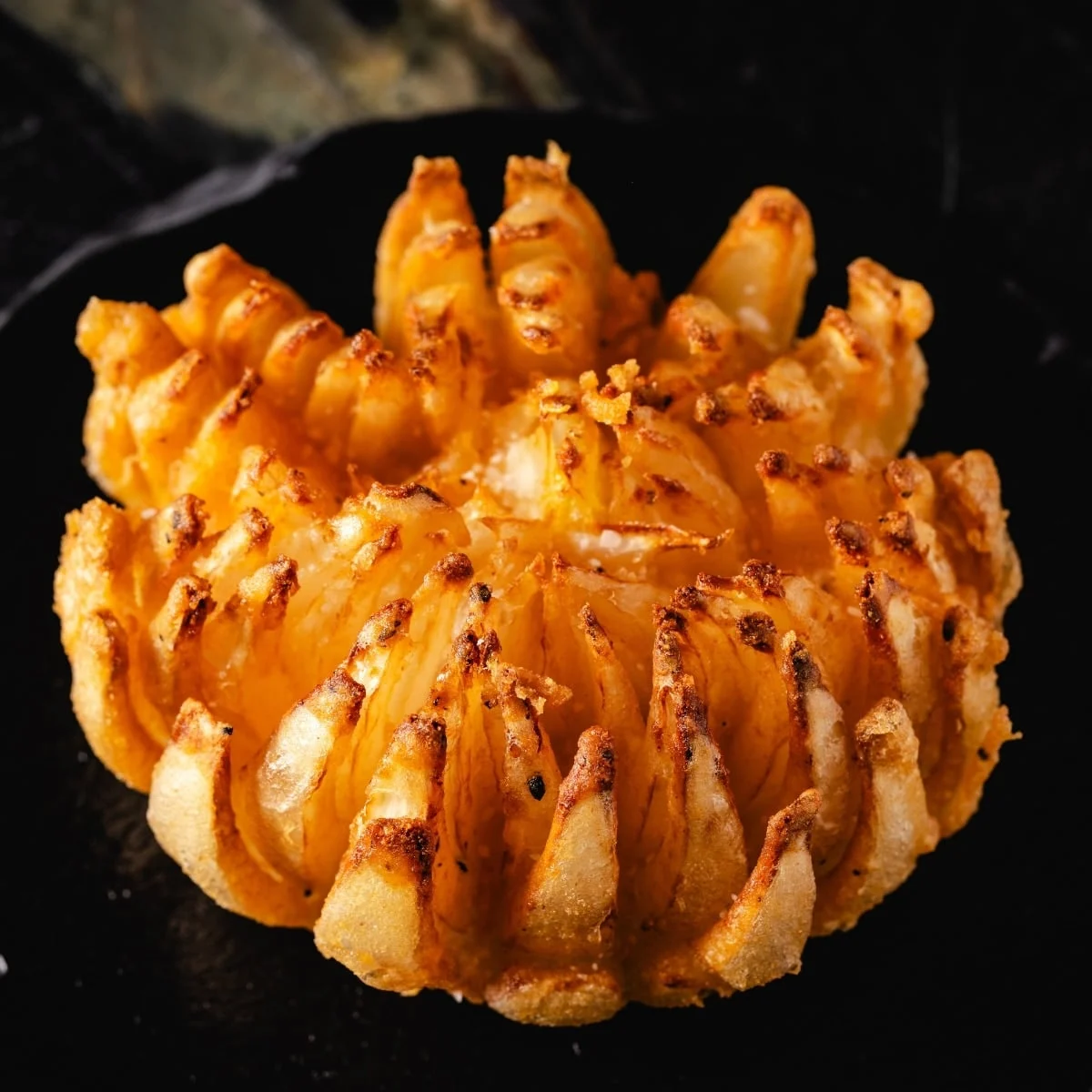
The convergence of traditional pit-smoking techniques and high-heat deep frying has yielded a new standard for backyard appetizers, exemplified by the rising popularity of the Smoke-Fried Onion Blossom. This culinary hybrid, which takes the iconic steakhouse "blooming onion" and introduces a preliminary smoking phase, represents a growing trend in the outdoor cooking community toward multi-stage preparation methods. By utilizing a low-and-slow wood-fired environment before finishing the dish in hot oil, enthusiasts are able to achieve a depth of flavor that traditional frying alone cannot replicate. This method, popularized by culinary experts such as Susie Bulloch of Hey Grill Hey, highlights a sophisticated approach to simple ingredients, transforming a standard Vidalia onion into a complex, textured centerpiece for social gatherings and professional-grade barbecue events.
The Evolution of the Bloomed Onion
The concept of the "bloomed" or "blossomed" onion is deeply rooted in American casual dining history, most notably associated with the expansion of Australian-themed steakhouse chains in the late 1980s. Traditionally, the dish involves a large white or yellow onion that has been cut to resemble a flower, battered, and deep-fried. However, the introduction of the "smoke-fry" technique adds a layer of complexity that appeals to the modern barbecue enthusiast.

In this updated iteration, the onion is first subjected to a 225-degree Fahrenheit smoking environment for approximately 45 minutes. This stage is not intended to fully cook the vegetable but rather to allow the cellular structure of the onion to soften, causing the "petals" to fan out naturally. More importantly, the low-temperature smoke infuses the onion with phenols and carbonyls—compounds found in wood smoke—which provide the signature savory aroma that defines barbecue. Following this, the onion is battered and fried at 350 degrees Fahrenheit, a process that triggers the Maillard reaction, creating the crispy, golden-brown exterior essential for the dish’s structural integrity and mouthfeel.
The Role of the Vidalia Onion in Agricultural Economy
The selection of a Sweet Vidalia onion is not merely a culinary preference but a nod to a significant sector of American agriculture. Vidalia onions are legally defined by the Vidalia Onion Act of 1986 and can only be grown in a specific 20-county region in Georgia. The unique soil in this region has low sulfur content, which prevents the onions from developing the pungent, "hot" flavor associated with other varieties.
According to data from the Georgia Department of Agriculture, Vidalia onions contribute over $150 million annually to the state’s economy. Their natural sweetness is particularly advantageous for the smoke-frying method; the sugars within the onion undergo caramelization during the smoking phase, which is then locked in by the flash-frying process. The result is a flavor profile that balances the acridity of wood smoke with the high sugar content of the Georgia-grown bulb.

Technical Chronology of the Smoke-Fry Process
The production of a Smoke-Fried Onion Blossom follows a strict technical timeline to ensure safety and quality.
- Preparation and Geometry: The process begins with the "blossom cut." The root of the onion is kept intact to serve as a base, while the top is removed. A series of vertical slices are made around the core, typically resulting in 12 to 16 segments. This geometry is crucial for even smoke penetration and heat distribution.
- The Smoking Phase: The smoker is stabilized at a consistent 225°F. During the 45-minute interval, the onion is placed directly on the grates. This duration allows the onion to absorb smoke without becoming overly mushy, which would cause the petals to collapse during the battering stage.
- Battering and Coating: Once removed from the smoker, the onion is coated in a dry batter mix, often supplemented with a proprietary BBQ rub. The rub typically contains salt, sugar, paprika, and garlic powder, which enhances the visual appeal and flavor of the crust.
- The Flash Fry: A cast-iron skillet or deep fryer is heated to 350°F. The onion is submerged for 3 to 4 minutes. This high-heat finish is necessary to dehydrate the batter quickly, creating a rigid, crispy shell that protects the tender, smoke-infused interior.
- Resting and Service: A brief cooling period is required to allow the internal steam to settle, preventing the batter from becoming soggy immediately after removal from the oil.
Nutritional and Chemical Analysis
From a nutritional standpoint, the Smoke-Fried Onion Blossom is a calorie-dense appetizer designed for communal consumption. A standard serving size (approximately one-quarter of a large onion) contains roughly 163 calories. The carbohydrate count sits at 37 grams, primarily derived from the onion’s natural sugars and the flour-based batter.
The chemistry of the dish is a study in heat transfer. The smoking phase uses convective heat to slowly break down the pectin in the onion’s cell walls. The subsequent frying phase utilizes conductive heat through oil, which is a much more efficient medium for heat transfer. This two-step thermal processing ensures that the onion is cooked through to its core while maintaining a crisp exterior—a feat often difficult to achieve with frying alone, where the outside may burn before the center of a large onion reaches the desired tenderness.

Market Trends: The Rise of the Backyard BBQ Hero
The popularity of recipes like the Smoke-Fried Onion Blossom reflects a broader shift in the $5.4 billion global barbecue grill market. Consumers are increasingly moving away from simple grilling (high-heat searing) toward "low and slow" smoking and hybrid techniques. This shift has been fueled by the "Backyard BBQ Hero" culture, a term used to describe home cooks who invest in professional-grade pellet grills, offset smokers, and digital temperature probes to replicate restaurant-quality results.
Susie Bulloch, a prominent figure in this movement and the founder of Hey Grill Hey, has noted that the demand for "smoke-fried" recipes has surged as home cooks look for ways to maximize the utility of their outdoor equipment. Bulloch, whose recipes have been featured on the Food Network and in Guinness World Record events, emphasizes that the accessibility of these techniques is key. By using only three primary ingredients—onion, batter, and rub—the recipe lowers the barrier to entry for complex outdoor cooking.
Industry Implications and Regional Responses
The culinary community has responded positively to the hybridization of smoking and frying. Professional pitmasters suggest that this technique is part of a larger "Second Wave" of American BBQ, where traditional meats are being supplemented by innovative vegetable sides that receive the same level of attention and smoke-time as a brisket or pork shoulder.

In regions like the American South and Midwest, where BBQ culture is most concentrated, local restaurants are beginning to adopt smoke-frying for various menu items, including chicken wings and cauliflower. The Smoke-Fried Onion Blossom, however, remains the flagship of this trend due to its visual impact and the nostalgia associated with the original steakhouse version.
Safety and Best Practices for Home Execution
As with any deep-frying activity conducted near outdoor heating elements, safety is a primary concern for the industry. Experts recommend maintaining a strict temperature of 350°F for the oil; if the temperature drops too low, the onion will absorb excessive grease, becoming heavy and unpalatable. Conversely, if the oil exceeds 375°F, the sugars in the BBQ rub may scorch, leading to a bitter flavor.
Furthermore, the use of high-smoke-point oils, such as peanut or canola oil, is advised to prevent the release of acrid smoke during the frying phase. When performed correctly, the process is a seamless transition from the smoky environment of the grill to the crisping environment of the stovetop or outdoor burner.

Conclusion: The Future of Hybrid Outdoor Cooking
The Smoke-Fried Onion Blossom is more than a seasonal trend; it is a testament to the evolving sophistication of the home cook. As digital platforms continue to democratize professional cooking techniques, the boundaries between "fast food" appetizers and "slow food" barbecue continue to blur. By combining the ancient art of wood-smoking with the precision of modern frying, this dish offers a sensory experience that satisfies the demand for both complexity and comfort. As the barbecue industry continues to innovate, it is expected that smoke-frying will become a standard technique in the repertoire of outdoor cooks worldwide, with the onion blossom remaining its most iconic representative.
