
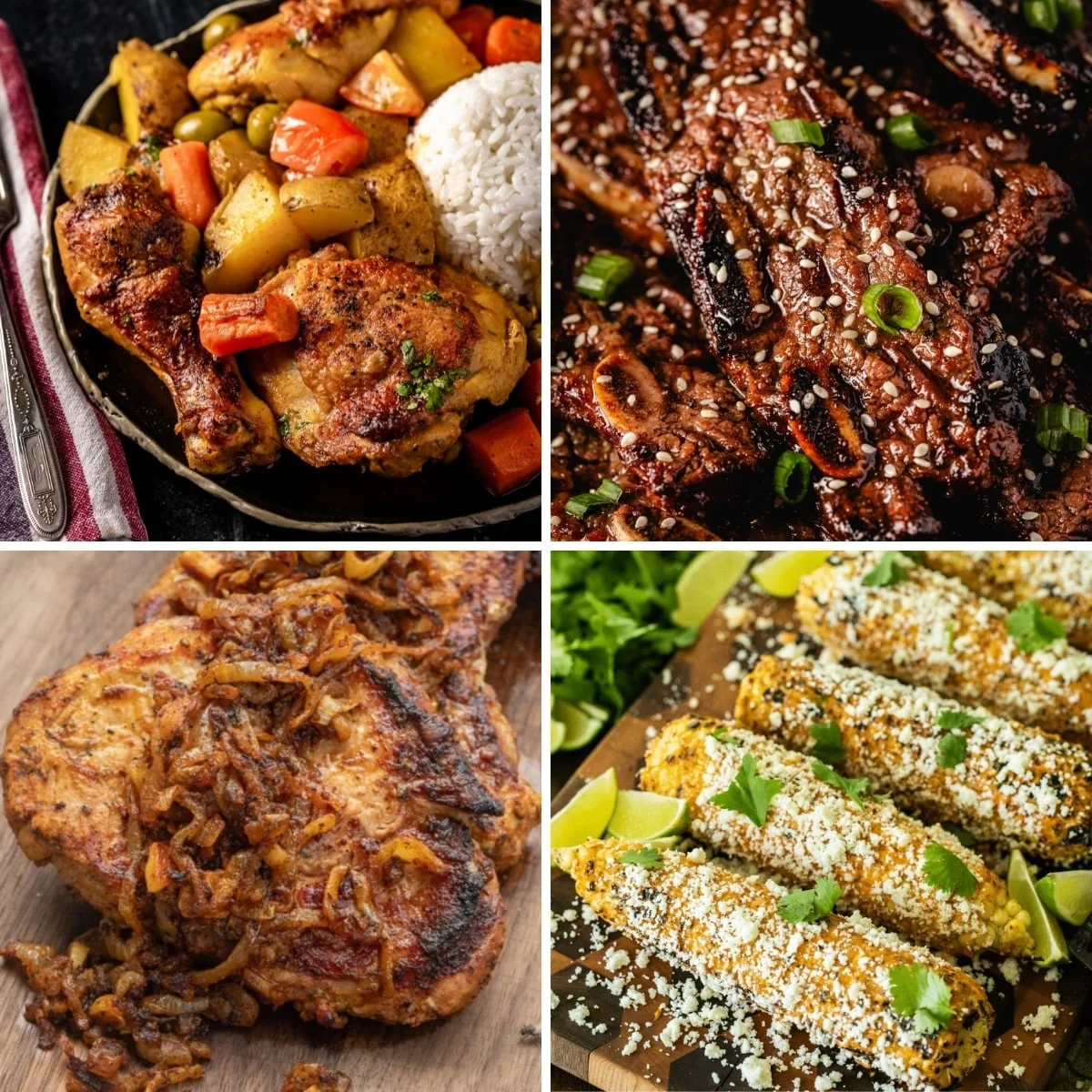
The globalization of the culinary landscape has transformed the traditional American backyard barbecue from a simple display of hot dogs and hamburgers into a sophisticated exploration of international flavors. As home cooks increasingly seek authentic experiences without the necessity of international travel, the integration of global techniques—ranging from Korean tenderizing methods to German open-fire swinging grills—has redefined the outdoor cooking category. According to market research, the global barbecue grill market is projected to reach approximately $8.1 billion by 2030, driven largely by an escalating interest in diverse flavor profiles and premium outdoor cooking equipment. This shift reflects a broader cultural movement where the "patio" serves as a gateway to the world’s most celebrated culinary traditions.
The Evolution of Open-Fire Cooking
The practice of cooking meat over fire is perhaps the oldest human culinary tradition, yet its execution varies wildly across longitudinal lines. While American barbecue often emphasizes low-and-slow wood smoking, other cultures prioritize high-heat searing, complex marinades, or clay-oven roasting. The current trend toward "Backyard Globalism" is supported by increased accessibility to international ingredients, such as miso paste, gochujang, and juniper berries, which were once relegated to specialty markets but are now staples in mainstream grocery chains.

Industry experts note that the democratization of cooking technology, including the rise of pellet smokers and infrared grills, has empowered hobbyists to replicate professional-grade international dishes. Susie Bulloch, a prominent figure in the barbecue industry and founder of the digital platform Hey Grill Hey, has identified six specific recipes that bridge the gap between traditional backyard grilling and global gastronomy: Korean Kalbi, Puerto Rican Pollo Guisado, German Schwenkbraten, Chinese Char Siu, Mexican Elote, and British Fish and Chips.
1. Korean Kalbi: The Science of Fruit-Based Tenderization
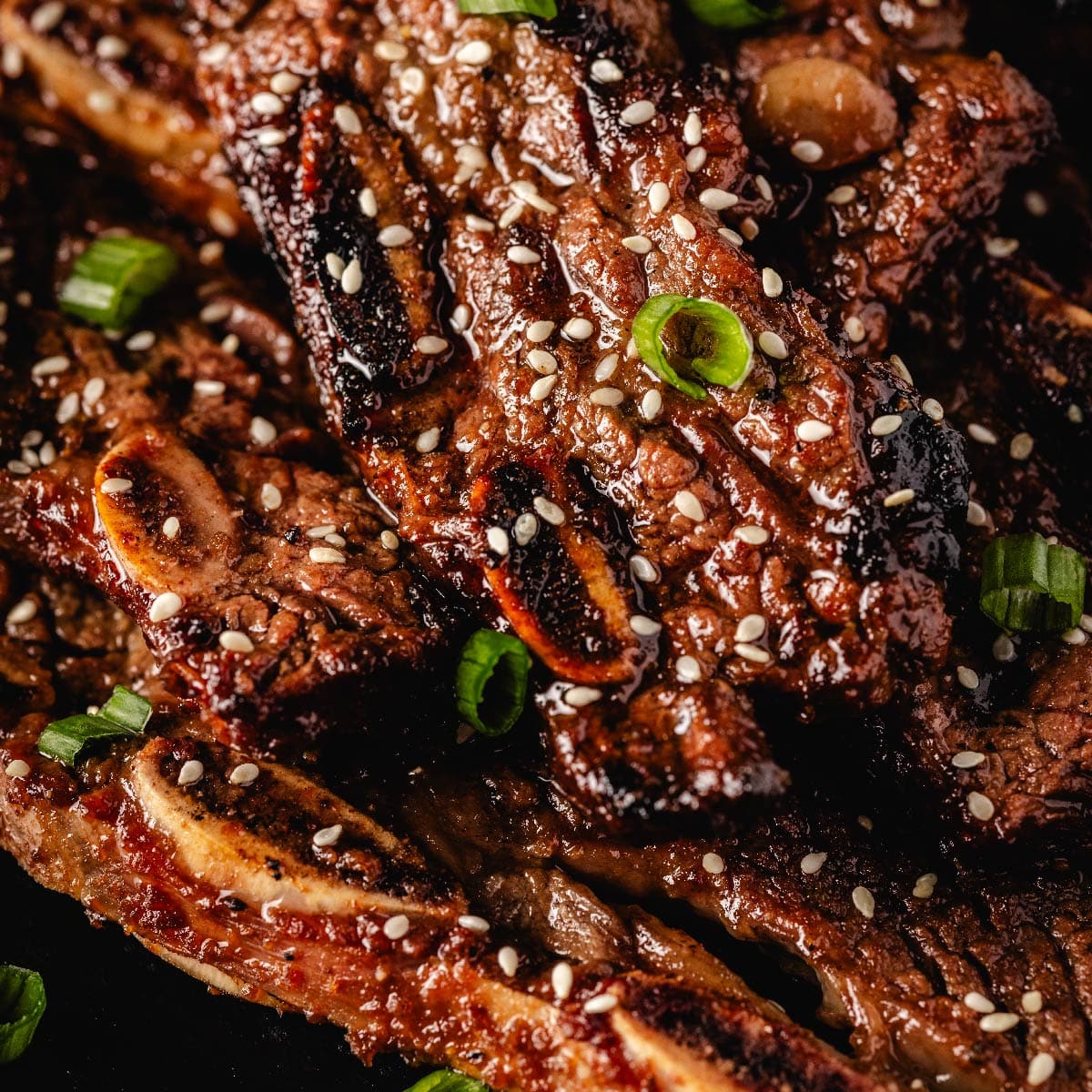
Korean Barbecue, or Gogi-gu-i, is centered on the communal experience of grilling marinated meats. The standout dish, Kalbi (or Galbi), utilizes flanken-style beef short ribs, which are cut across the bone into thin strips. Unlike Western steaks that rely on dry aging for tenderness, Kalbi utilizes a sophisticated biochemical process for meat preparation.
The traditional marinade involves a blend of Asian pear, Fuji apple, and kiwi. These fruits contain natural enzymes—specifically calpain and bromelain—that act as proteolytic agents, breaking down tough muscle fibers and connective tissues in the well-marbled short ribs. When combined with soy sauce, ginger, garlic, and brown sugar, the result is a flavor profile that balances umami with a distinct sweetness. On a high-heat grill, the sugars in the marinade undergo the Maillard reaction, creating a caramelized, slightly charred exterior while maintaining a medium-rare interior. This method highlights the Korean emphasis on balancing texture and flavor through enzymatic interaction.

2. Puerto Rican Pollo Guisado: A Study in Sazón and Sofrito
While many associate barbecue strictly with dry heat, the Caribbean tradition often incorporates "stewing on the grill" or using outdoor heat sources for one-pot meals. Pollo Guisado, a quintessential Puerto Rican chicken stew, represents the fusion of Taíno, Spanish, and African influences.
The backbone of this dish is Sazón, a savory seasoning blend typically featuring coriander, cumin, turmeric, and annatto (which provides a signature golden-red hue). In a backyard setting, this dish is often prepared in a Dutch oven over indirect heat or a side burner. The inclusion of olives and capers introduces a Mediterranean acidity that cuts through the richness of the chicken thighs and starchy potatoes. Analysts of Caribbean cuisine point to Pollo Guisado as an example of "comida criolla," where slow-simmered aromatic bases (sofrito) are used to build layers of flavor that are enhanced by the ambient smoke of an outdoor environment.
3. German Schwenkbraten: The Engineering of the Swinging Grill
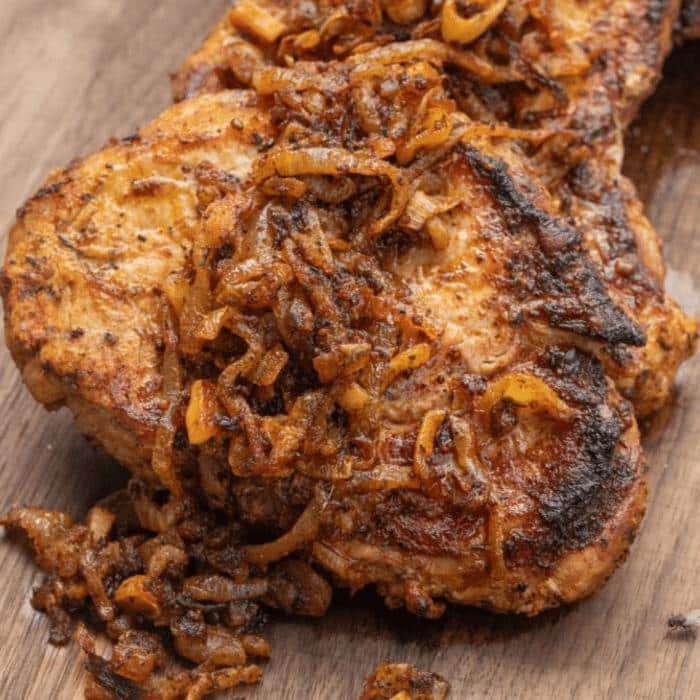
In the Saarland region of southwestern Germany, barbecue is synonymous with the Schwenker. This term refers simultaneously to the three-legged swinging grill, the marinated pork neck steaks cooked upon it, and the person operating the grill. The Schwenkbraten is a masterclass in temperature control through motion; the swinging motion of the grill prevents the meat from scorching over the intense heat of a beechwood fire.
The marinade for Schwenkbraten is distinctively aromatic, utilizing crushed juniper berries—a staple of German forest-to-table cooking—alongside stone-ground mustard, garlic, smoked paprika, and a surprising hint of curry powder. The curry powder is a nod to Germany’s post-war "Currywurst" culture, illustrating how international influences even penetrate traditional regional dishes. For the modern backyard cook, these pork chops provide a departure from the standard salt-and-pepper seasoning, offering a deep, resinous flavor profile that pairs naturally with the smoke of a charcoal grill.
4. Chinese Char Siu: Cantonese Smoking Techniques
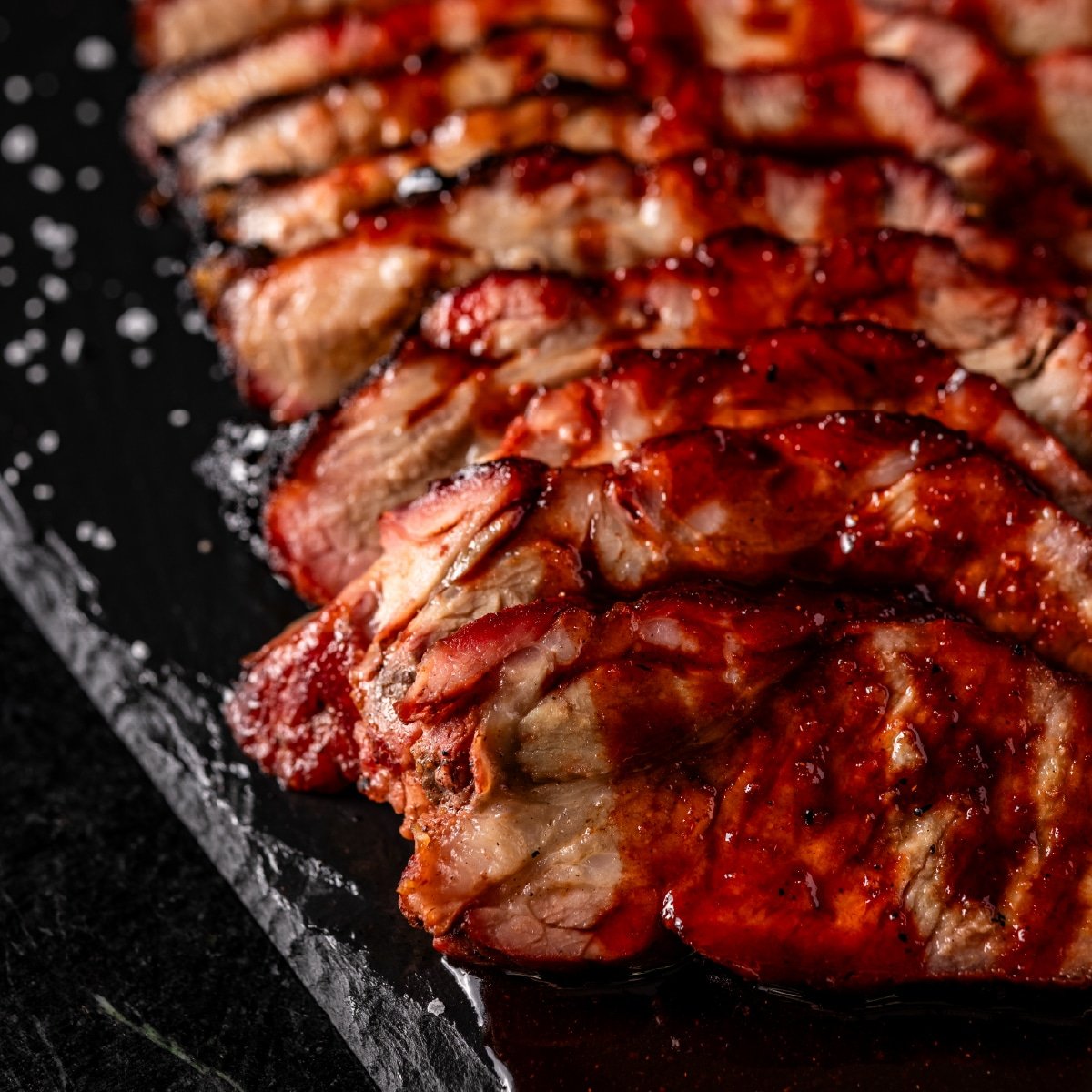
Char Siu, which literally translates to "fork roasted," is a staple of Cantonese siu mei (roasted meat) shops. Traditionally, long strips of seasoned boneless pork are skewered on large forks and placed in a brick oven. The adaptation of this recipe for the backyard smoker combines ancient Chinese seasoning with modern American low-and-slow wood-firing.
The iconic red glaze of Char Siu is traditionally achieved through fermented red bean curd, though modern iterations often use a combination of red miso, hoisin, honey, and Chinese five-spice powder. The five-spice powder—a blend of cinnamon, cloves, fennel, star anise, and Szechuan peppercorns—represents the five elements of Chinese philosophy (wood, fire, earth, metal, and water). When smoked over fruitwood, the pork develops a "smoke ring" that complements the glossy, sweet, and savory lacquer. This dish exemplifies the synergy between Eastern spice palettes and Western smoking equipment.

5. Mexican Elote: The Rise of Mesoamerican Street Food
Corn has been the foundational crop of Mesoamerica for millennia, but Elote—Mexican street corn—has recently ascended to global popularity as a premium barbecue side dish. The dish is a sensory experience of temperature and texture: hot, charred corn on the cob contrasted with a cool, creamy coating.
The preparation involves grilling shucked corn until the kernels are slightly blistered, then slathering them in a mixture of mayonnaise, chili powder, and lime juice. The final, crucial component is a heavy coating of Cotija cheese. Cotija is an aged Mexican cow’s milk cheese that is firm and does not melt, providing a salty, crumbly texture that mimics the function of Parmesan in Italian cuisine. Food historians note that Elote represents the "mestizo" nature of Mexican cooking—combining indigenous maize with dairy products introduced by Europeans.
6. British Fish and Chips: The Chemistry of the Beer Batter
While not traditionally viewed as "barbecue," the outdoor preparation of Fish and Chips on a high-BTU burner or grill-side fryer has become a popular summer alternative to indoor frying. The British classic, which gained popularity in the 19th century as a staple for the working class, relies on specific scientific principles to achieve its signature crunch.
The secret to a superior batter is the use of beer and rice flour. The carbon dioxide in the beer creates bubbles that expand during frying, resulting in a light, airy crust. Additionally, the alcohol in the beer evaporates faster than water, which accelerates the drying process of the batter and prevents the fish from overcooking. The inclusion of rice flour, which does not develop gluten like wheat flour, ensures that the exterior remains crispy rather than bready. When paired with "chips" (thick-cut fries) that have undergone a double-fry process—once at a lower temperature to soften the interior and once at a higher temperature to crisp the skin—this dish brings the British pub experience to the outdoor kitchen.
Market Trends and Socioeconomic Impact
The shift toward international barbecue recipes is supported by data from the Hearth, Patio & Barbecue Association (HPBA), which indicates that nearly 70% of U.S. households own at least one grill or smoker. Furthermore, the "flavor tourism" trend has seen a 35% increase in the consumption of ethnic spices and sauces since 2021. Consumers are no longer satisfied with generic "BBQ sauce"; they are seeking specific regional varieties like South Carolina mustard sauce, Japanese Yakitori tare, or North African Harissa.
This movement has also had a significant impact on the digital economy. Platforms like the Hey Grill Hey app allow users to synchronize shopping lists and meal plans, reflecting a broader trend toward the "smart kitchen." By providing accessible entry points into complex international cuisines, these digital resources have lowered the barrier to entry for amateur cooks, effectively turning suburban backyards into hubs of culinary diplomacy.
Broader Implications for Global Culinary Culture
The integration of these six recipes into the standard backyard repertoire suggests a growing cultural empathy and curiosity. Food serves as a primary vehicle for cultural exchange; by learning the nuances of a Puerto Rican sofrito or the mechanics of a German Schwenker, home cooks engage with the history and values of those regions.
As the outdoor cooking season expands due to technological improvements in grill insulation and weather-resistant equipment, the "Backyard Goes Global" phenomenon is expected to intensify. The future of barbecue lies not in the rejection of tradition, but in the fusion of global techniques. Whether it is the enzymatic tenderization of Korean beef or the aerated batters of British fish, the modern grill is no longer a tool for mere sustenance, but a sophisticated instrument for global exploration. The neighborhood cookout, once a display of local uniformity, has evolved into a diverse banquet of international heritage.
