
The Evolution of the American Casserole and Regional Identity
The casserole has long been a staple of the North American culinary landscape, gaining significant traction during the mid-20th century. Historically, casseroles provided a practical solution for stretching expensive proteins by combining them with affordable starches and preserved vegetables. The "Texas" designation in this beef casserole typically refers to a specific flavor profile characterized by a balance of savory, sweet, and mildly spicy elements. Unlike Midwestern casseroles, which often rely heavily on cream-based soups, the Texas variant frequently employs tomato sauce, chili powder, and occasionally a hint of vinegar or sweetness from ketchup to achieve a more robust palate.
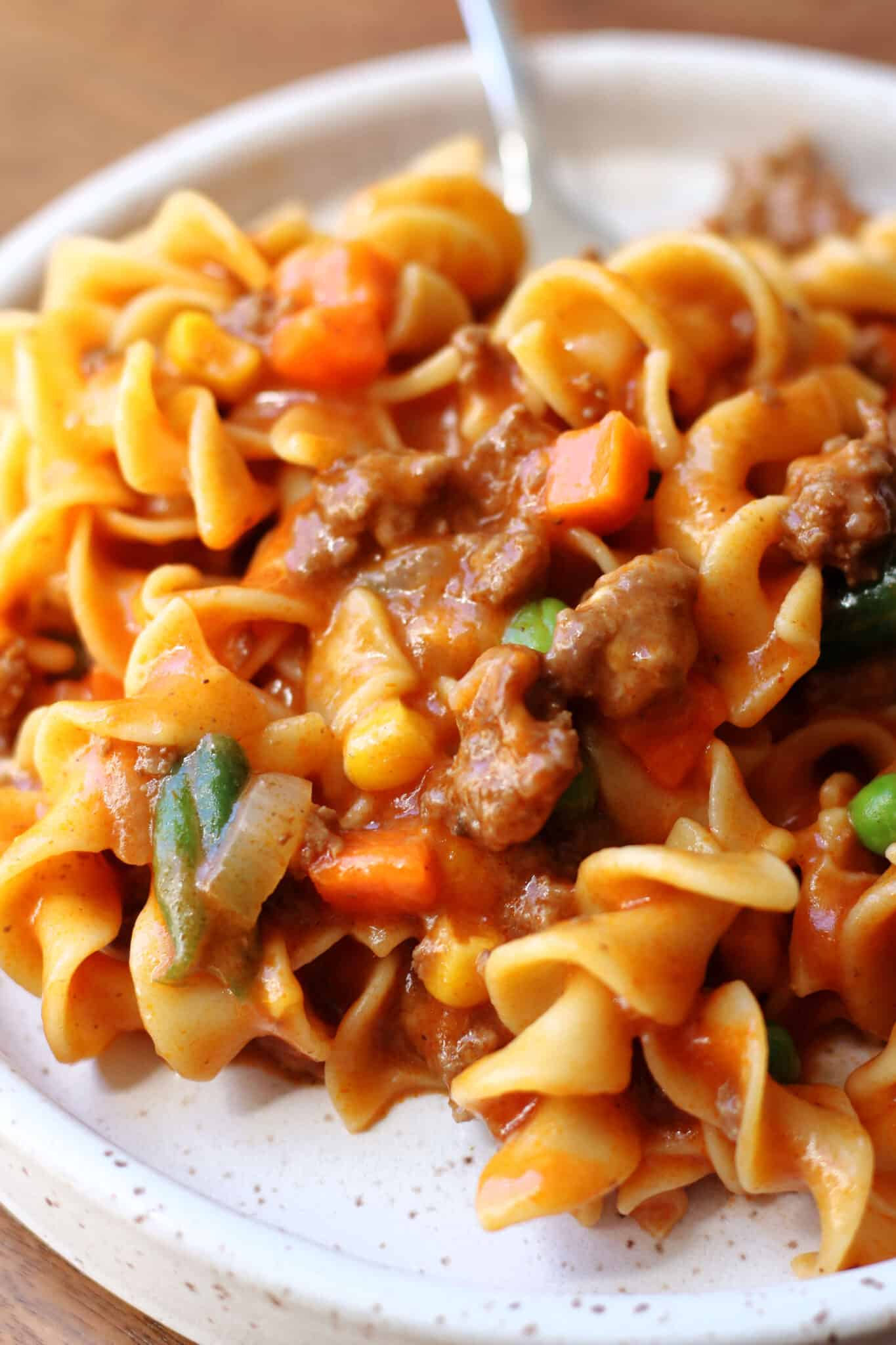
In the context of the 21st-century kitchen, the Texas Beef Casserole has transitioned from an oven-baked staple to a multi-cooker favorite. The integration of the Instant Pot—a brand that revolutionized the pressure cooker market upon its release in 2010—has allowed for the homogenization of textures in a fraction of the time required by traditional methods. Market data suggests that the "electric pressure cooker" segment has seen a compound annual growth rate (CAGR) of over 7% in recent years, driven by a consumer base that prioritizes both speed and the "set-it-and-forget-it" convenience.
Ingredient Analysis and Nutritional Composition
The structural integrity of the Texas Beef Casserole relies on several key components, each serving a specific culinary and nutritional purpose.
- Protein Base: The use of ground beef provides the essential amino acids and iron necessary for a balanced meal. Culinary analysts suggest that using a lean-to-fat ratio of 80/20 or 90/10 ensures the dish remains flavorful without becoming overly greasy.
- Starch and Texture: Wide egg noodles are the preferred medium due to their ability to hold up under pressure. Unlike thinner pasta, egg noodles maintain a "to-the-tooth" (al dente) texture even after being subjected to high-pressure steam.
- The Flavor Matrix: The combination of tomato sauce and ketchup introduces a complex acidity. This is further enhanced by Lawry’s seasoned salt—a blend of salt, sugar, paprika, turmeric, onion, and garlic—which acts as a foundational seasoning. The addition of chili powder and hot sauce provides a customizable level of capsaicin, allowing the cook to adjust the "heat" to suit specific demographic preferences.
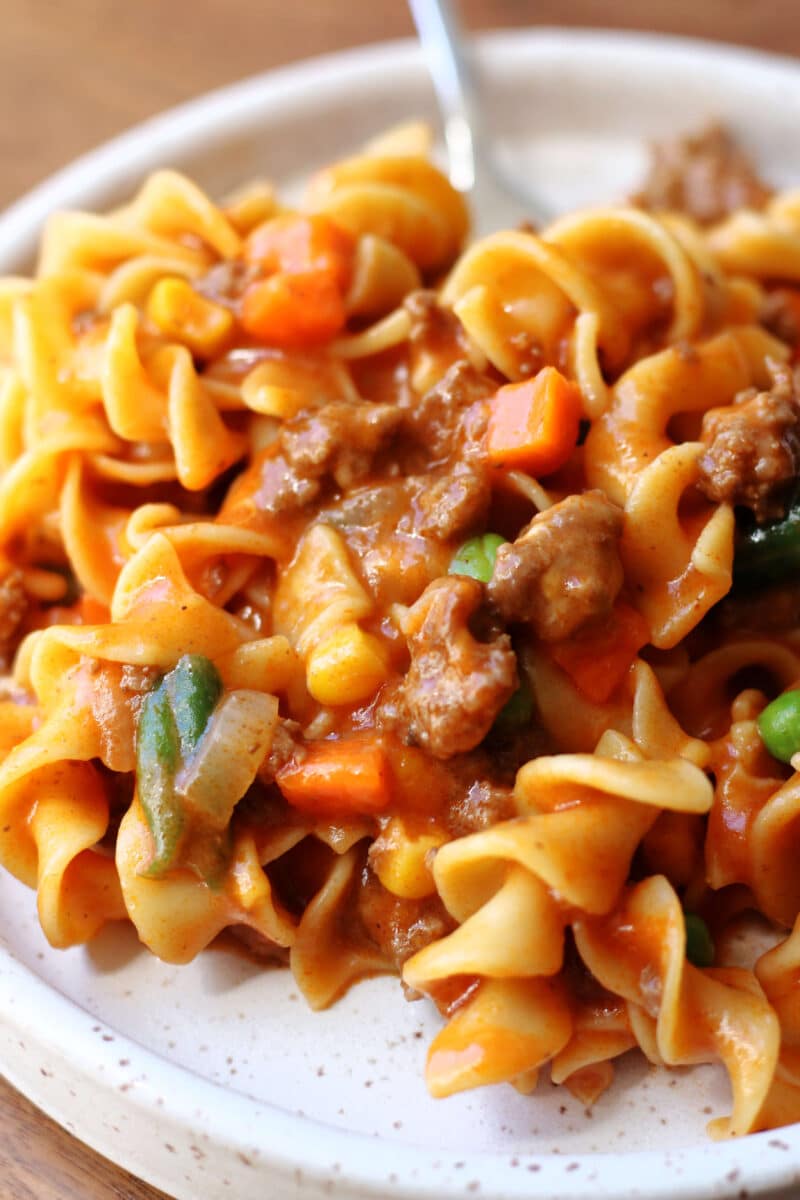
- Micronutrients: The inclusion of frozen vegetables, such as peas, corn, or broccoli, introduces essential vitamins and minerals. The methodology of adding these at the end of the cooking process—using residual heat—preserves their vibrant color and prevents the loss of heat-sensitive nutrients.
Technical Methodology: A Chronology of Preparation
The preparation of the Texas Beef Casserole follows a strict technical sequence designed to maximize flavor extraction while minimizing cleanup. The process is divided into distinct phases: the browning phase, the deglazing phase, the pressure phase, and the finishing phase.
Phase I: The Browning and Sauté Process
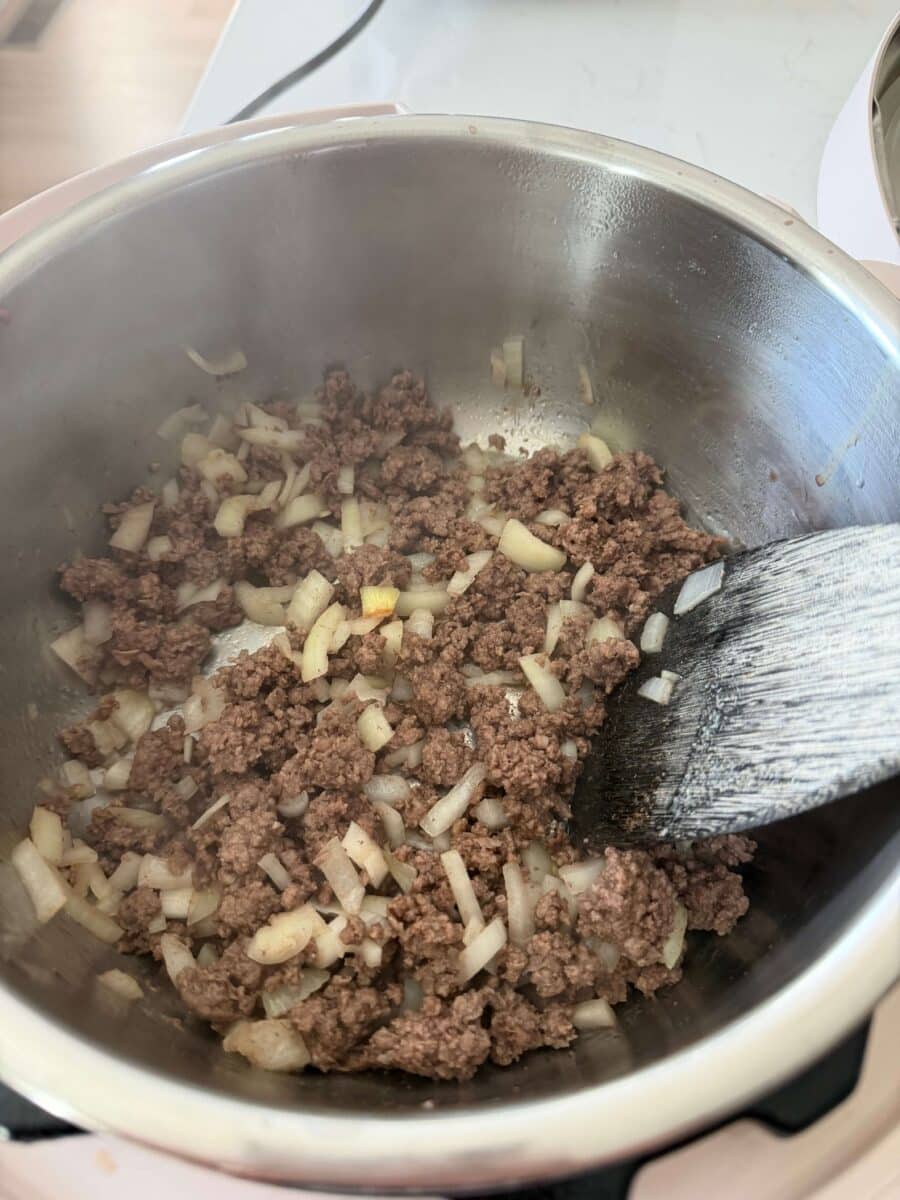
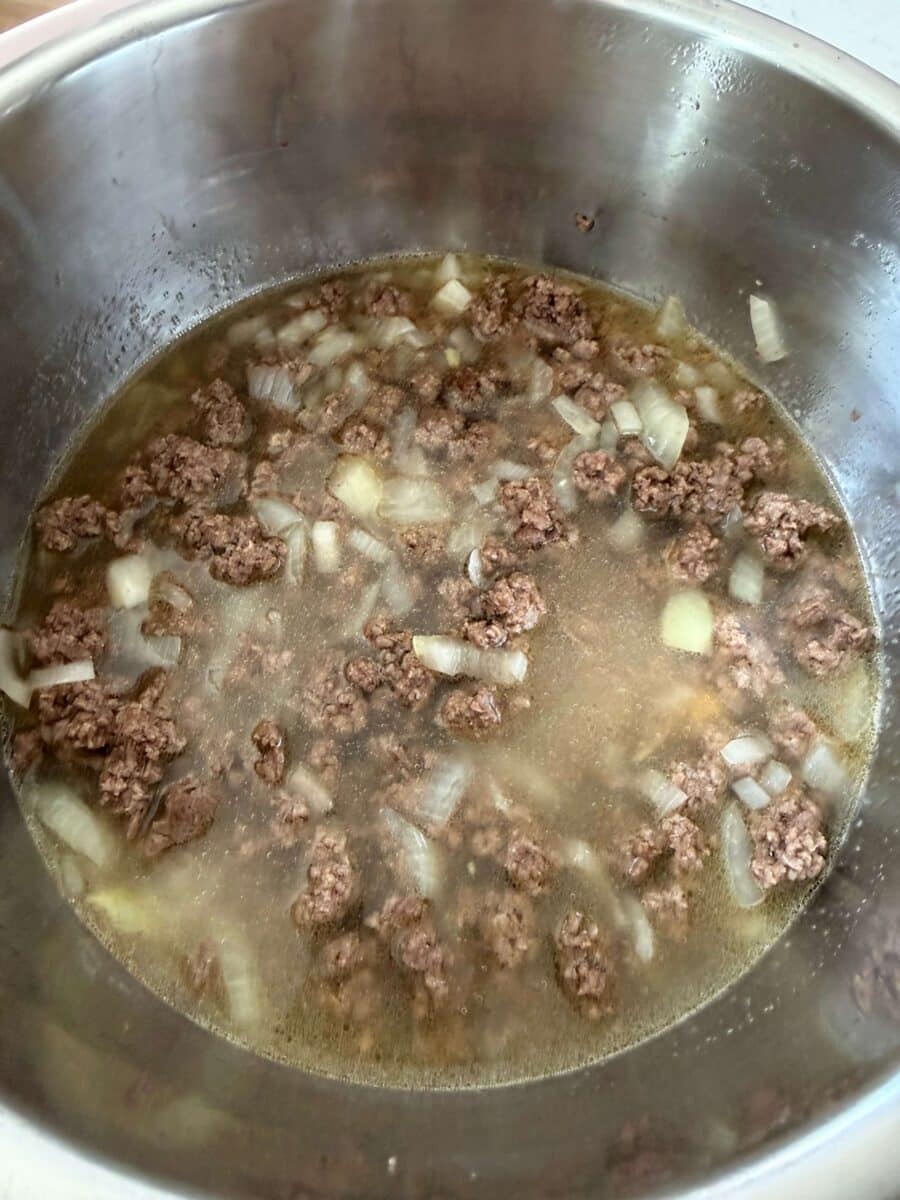
The initial step involves utilizing the Instant Pot’s "Sauté" function. Browning the ground beef along with diced onions and a portion of the seasoned salt is critical. This process triggers the Maillard reaction—a chemical reaction between amino acids and reducing sugars that gives browned food its distinctive flavor. Technicians recommend draining excess grease after this stage to ensure the final sauce remains emulsified.
Phase II: Deglazing and Layering
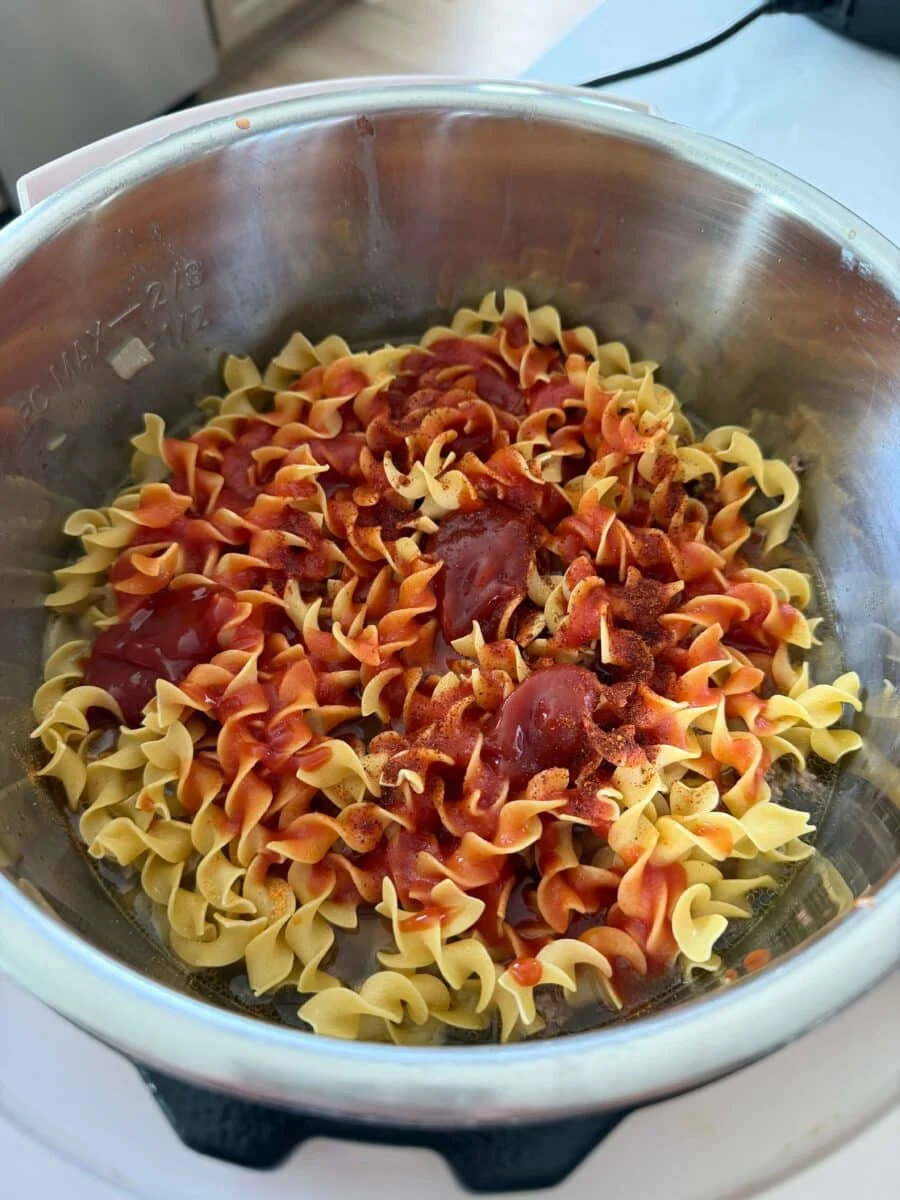
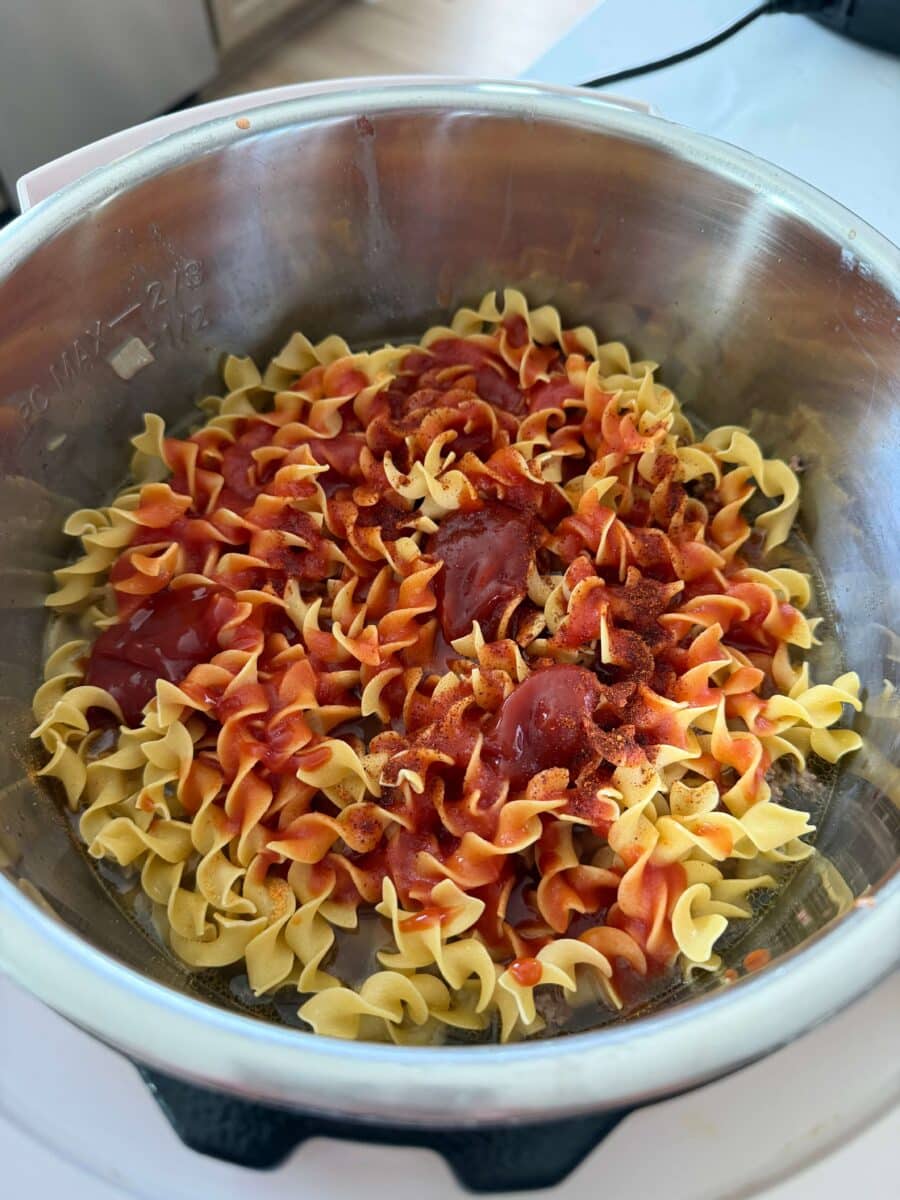
Following the browning of the meat, beef broth is introduced. This serves a dual purpose: it provides the liquid necessary for the pot to come to pressure and allows the cook to "deglaze" the bottom of the stainless steel insert. Scraping away any "fond" (the browned bits of food) is essential to prevent the appliance from triggering a "burn" notice during the pressure cycle. Once the bottom is clear, the egg noodles are added, followed by the tomato sauce and remaining seasonings. Crucially, the noodles are not stirred into the meat but rather layered to ensure even cooking.
Phase III: High-Pressure Synthesis
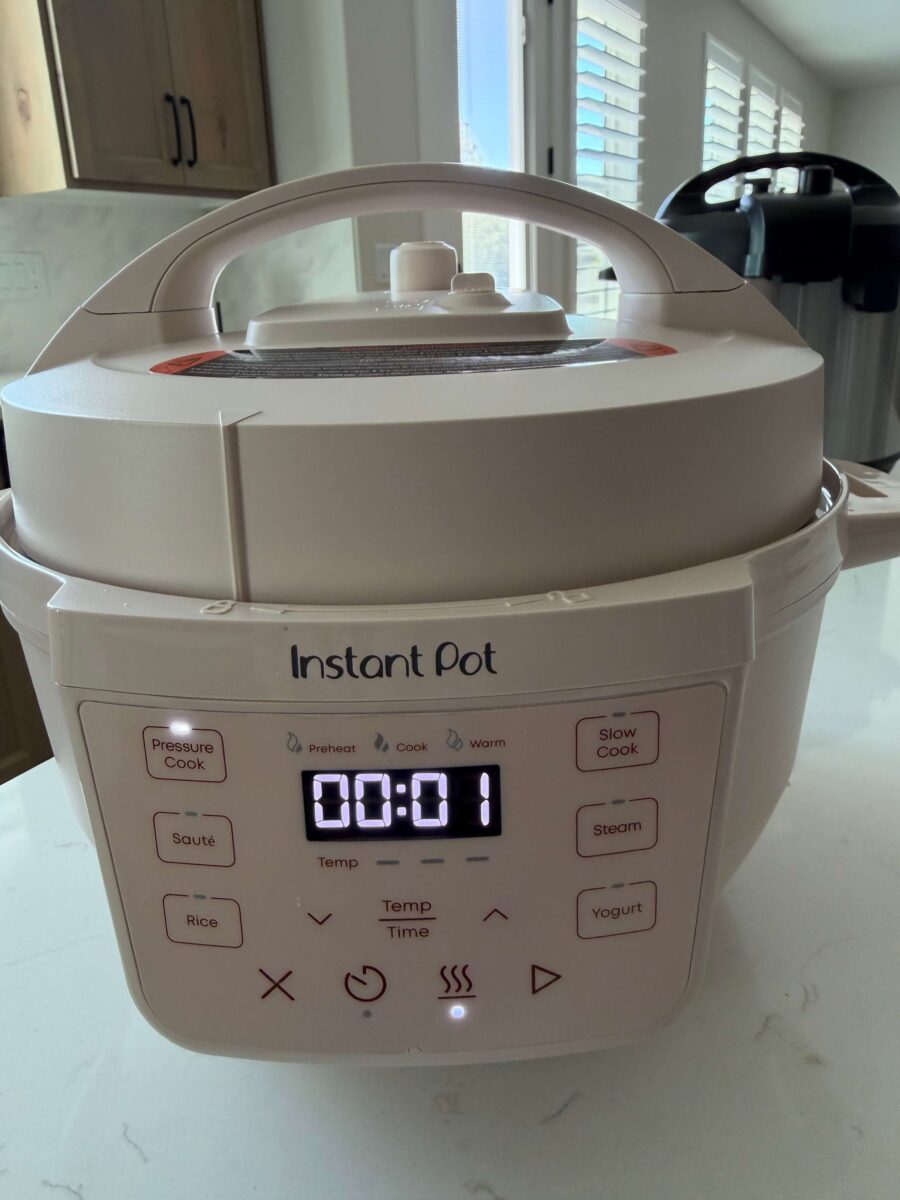
The appliance is sealed and set to "Manual" or "Pressure Cook" for a duration of exactly one minute. While one minute may seem insufficient, the actual cooking occurs during the "come-up-to-pressure" time and the subsequent five-minute "Natural Pressure Release" (NPR). This controlled environment allows the starch in the noodles to hydrate and the flavors of the sauce to penetrate the protein.
Phase IV: The Finishing Sequence
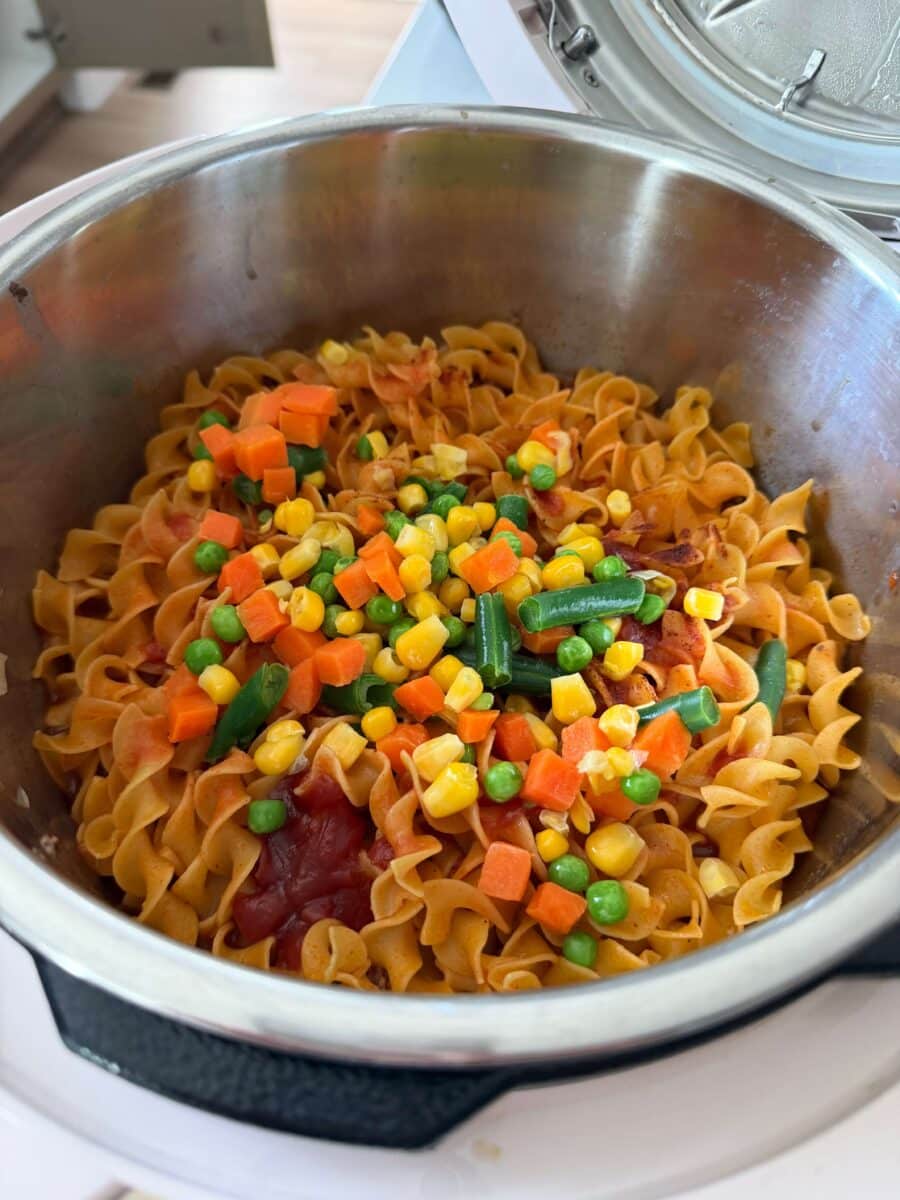
The final phase involves a "Quick Release" of any remaining steam. Frozen vegetables are then placed on top of the mixture. By replacing the lid and allowing the dish to sit on the "Keep Warm" setting for an additional five minutes, the vegetables are steamed to perfection without becoming mushy. The final act of stirring in shredded cheese provides the lipids necessary to create a cohesive, velvety sauce.
Comparative Dynamics: Instant Pot vs. Slow Cooker
While the Instant Pot is favored for its speed, the recipe remains highly adaptable for slow cooker enthusiasts. The slow cooker method requires a preliminary browning of the beef on a stovetop before transferring all ingredients (except the noodles, cheese, and frozen vegetables) to the ceramic crock.
In a slow cooker environment, the dish typically requires four hours on "Low" or two hours on "High." The noodles are added during the final 30 minutes of the cycle. Culinary experts note that while the slow cooker allows for a longer "marriage" of flavors, the Instant Pot version often results in a brighter, more distinct texture for the pasta.
Market Trends and Consumer Impact
The popularity of recipes like the Texas Beef Casserole reflects broader socio-economic trends in the United States. According to food industry reports, the "home cooking" movement has seen a resurgence as a response to rising inflation and the increasing cost of dining out. Casseroles, by nature, are cost-effective; they utilize pantry staples and frozen goods that have a longer shelf life and lower price point than fresh, exotic ingredients.
Furthermore, the "one-pot" nature of the dish addresses the "time poverty" experienced by modern working families. By reducing the total number of dishes and active monitoring time, these recipes lower the barrier to entry for home-prepared meals. Social media platforms like Pinterest and TikTok have played a significant role in the dissemination of these recipes, with "Instant Pot Beef Casserole" consistently appearing in high-engagement search categories.
Expert Reactions and Culinary Implications
Culinary educators often point to dishes like the Texas Beef Casserole as a bridge for novice cooks. "The success of the multi-cooker movement lies in its predictability," states one culinary analyst. "A recipe that can be summarized in four or five steps, with a consistent outcome, builds confidence in the kitchen."
From a health perspective, nutritionists emphasize the importance of the "vegetable flexibility" inherent in this dish. The ability to "hide" or integrate various frozen vegetables makes it an effective tool for increasing fiber and micronutrient intake in children. Moreover, the move away from processed, boxed "helpers" toward homemade versions allows families to control sodium levels and eliminate artificial preservatives and dyes.
Broader Impact on Domestic Life
The Texas Beef Casserole is more than a mere recipe; it is a reflection of the evolving domestic landscape. It represents a synthesis of traditional Southern-inspired comfort and the high-tech requirements of the modern age. As we look toward the future of domestic science, the focus remains on optimization—finding the intersection between high-quality, flavorful food and the logistical realities of a busy life.
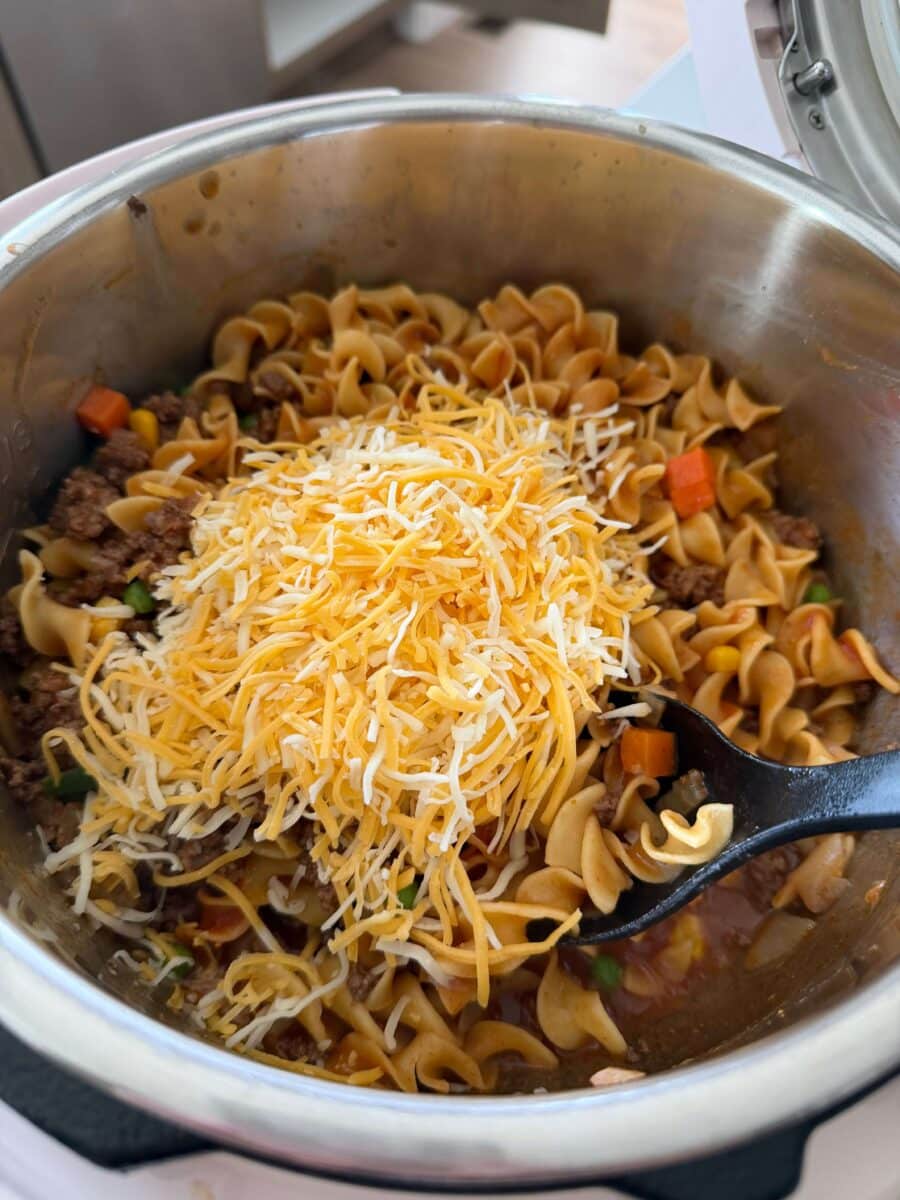
In conclusion, the Texas Beef Casserole stands as a testament to the enduring appeal of ground beef and noodles, reimagined for a generation that values both heritage and efficiency. Whether prepared in a high-pressure environment or simmered slowly throughout the day, the dish provides a reliable, scalable, and customizable solution for the perennial question of what to serve for dinner. Its continued presence on digital recipe filters and family dinner tables underscores its status as a modern classic in the American culinary canon.
