
The Evolution of the American Casserole and the Modern "Potato Bowl"
The structural lineage of the Country Meat and Mashed Potato Casserole can be traced back to the British Cottage Pie, a 19th-century staple designed to utilize leftover roasted meats beneath a protective crust of mashed tubers. However, the modern iteration deviates from its ancestral roots by incorporating ingredients that reflect the 20th-century American pantry, specifically the use of ketchup as a primary flavoring agent and the inclusion of corn as a textural contrast.
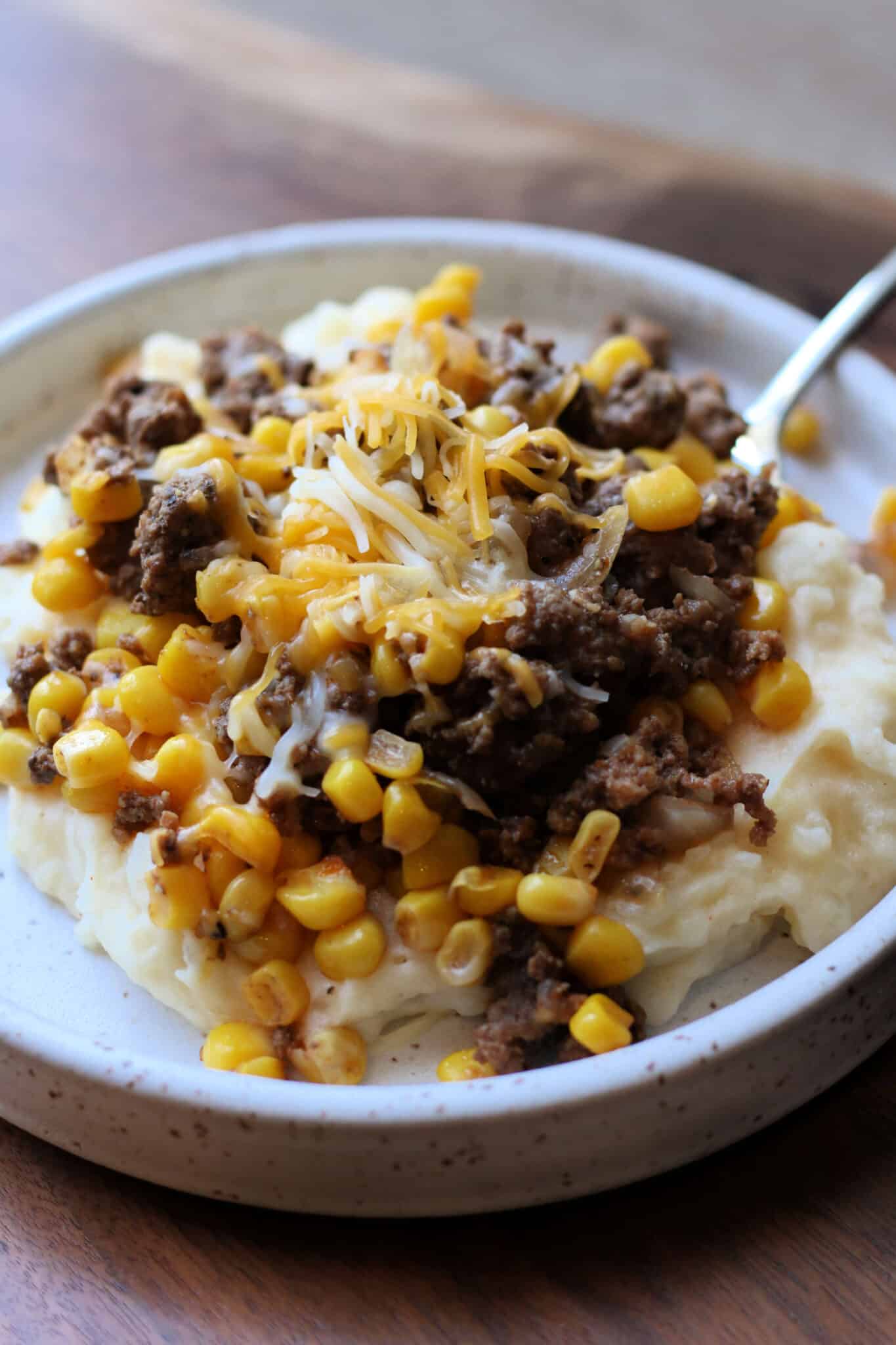
Culinary historians observe that the "casserole" as a concept gained significant traction in the United States during the post-WWII era, driven by the proliferation of processed foods and the rise of the nuclear family. In recent years, this has evolved into the "loaded bowl" concept, popularized by global fast-food chains. The Country Meat and Mashed Potato Casserole serves as a domestic response to this commercial trend, offering a "semi-homemade" alternative that allows for greater control over sodium content and ingredient quality while retaining the familiar, comforting profile of convenience food.
Chronology of Preparation: A Multi-Phased Culinary Operation
The preparation of this dish is characterized by a bifurcated workflow, utilizing both high-pressure steam technology and traditional stovetop sautéing to achieve a synchronized finish.
Phase I: High-Pressure Tuber Softening
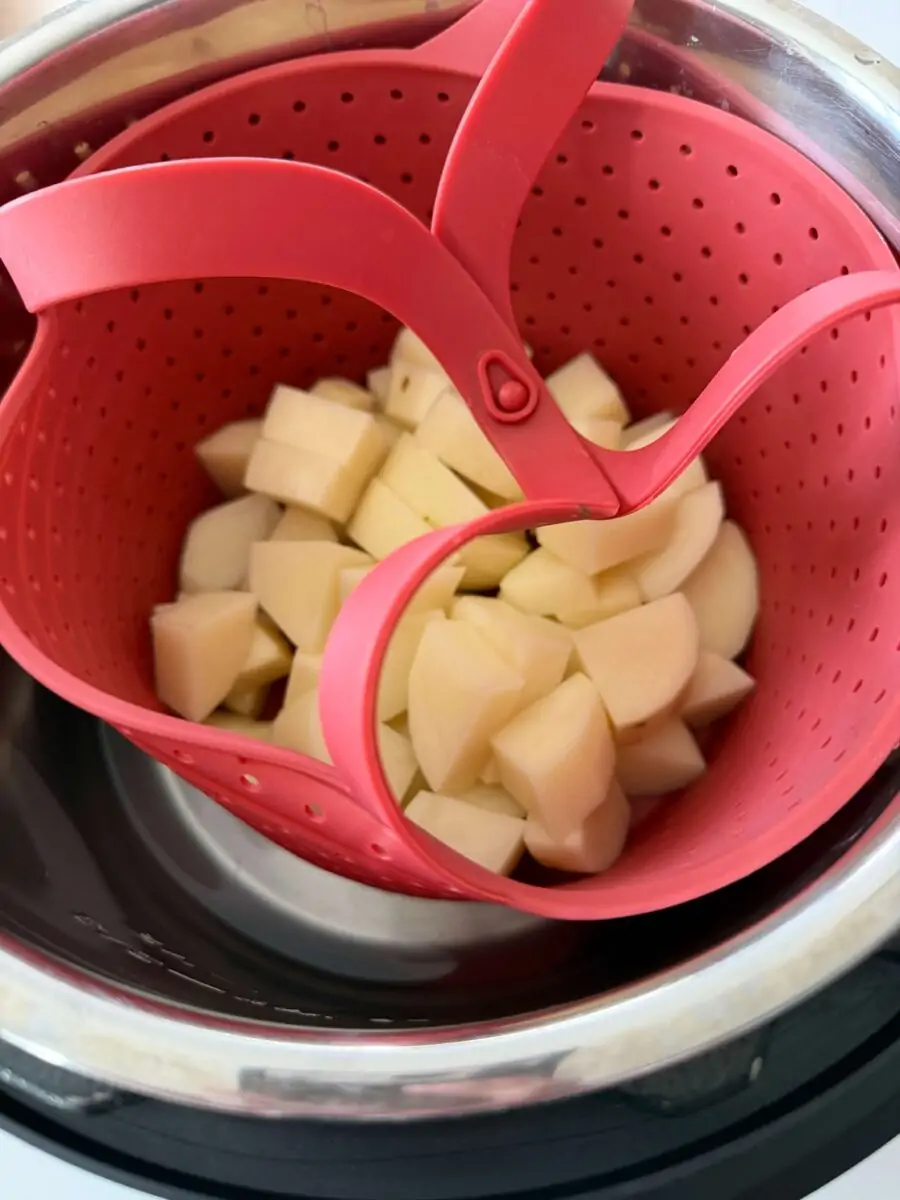
The process begins with the preparation of the starch base. In a standard 6-quart or 8-quart Instant Pot, approximately 1.5 cups of water are utilized to create a steam-rich environment. The potatoes, typically peeled and cubed to ensure uniform heat distribution, are placed within a stainless steel steamer basket. The device is then sealed and subjected to eight minutes of high-pressure cooking. This method is preferred by modern cooks for its ability to break down pectin and soften starch granules more rapidly than traditional boiling, while simultaneously preserving more water-soluble vitamins.
Phase II: Protein Maillard Reaction and Flavor Infusion
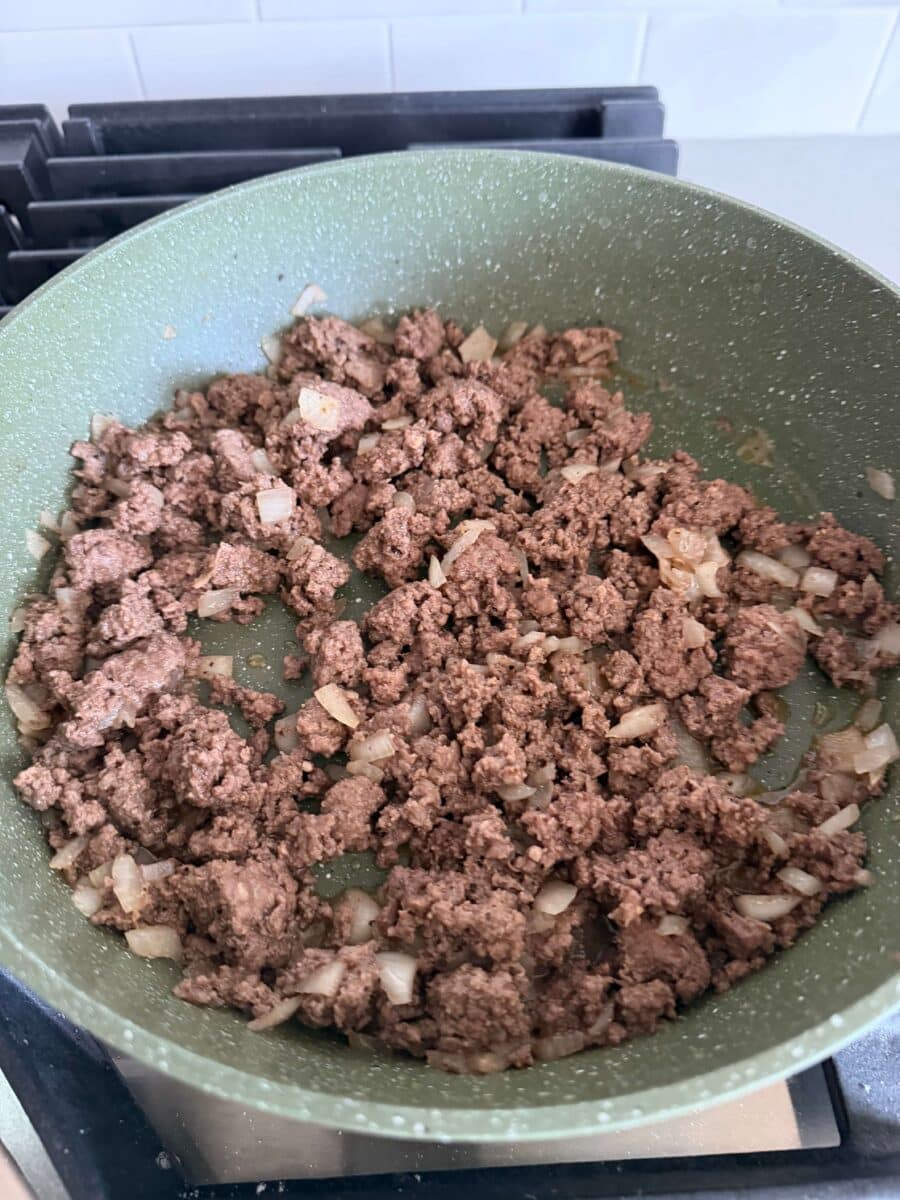
While the pressure cooker completes its cycle, the protein component is addressed on the stovetop. Ground beef is introduced to a skillet over medium-high heat. The objective in this phase is to initiate the Maillard reaction—a chemical reaction between amino acids and reducing sugars that gives browned food its distinctive flavor. Onions are added early in the browning process to allow for translucent softening and the release of aromatic compounds. Once the meat is fully browned and excess lipids are drained, the flavor profile is deepened through the addition of garlic powder, black pepper, and seasoned salt.
Phase III: The Integration of Sweet and Tangy Elements
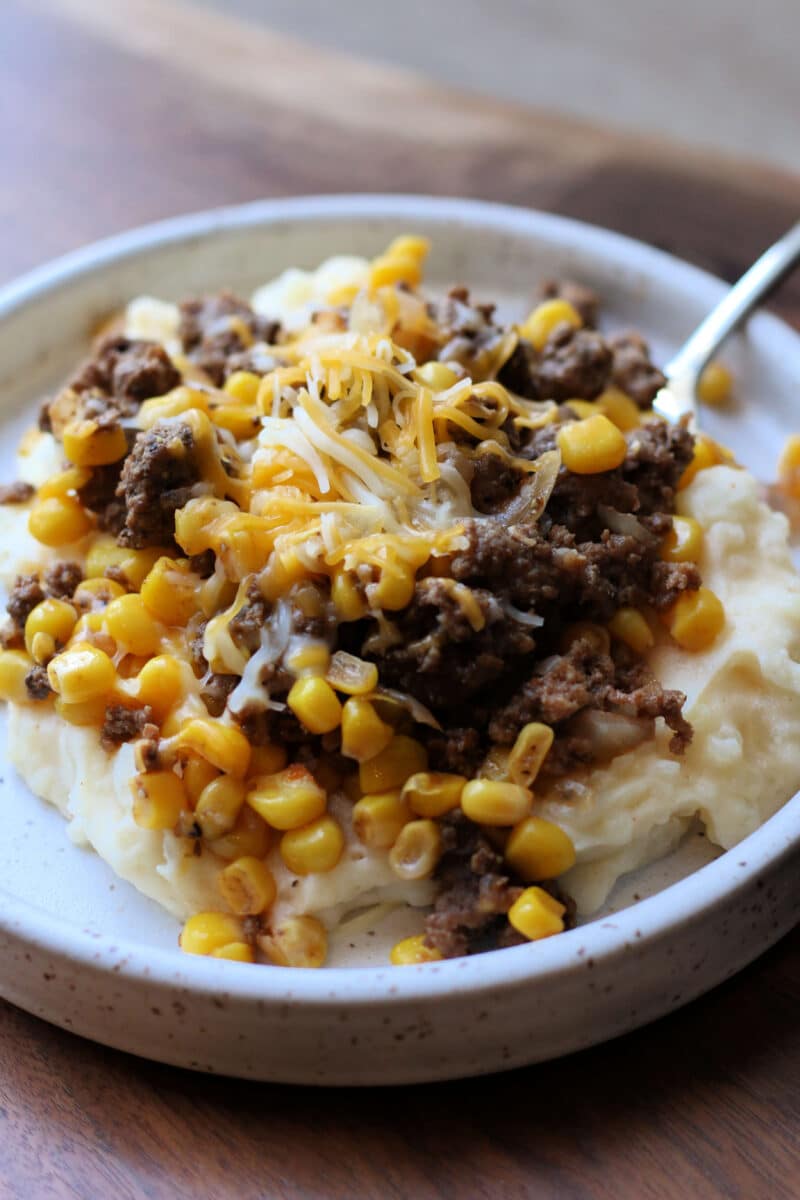
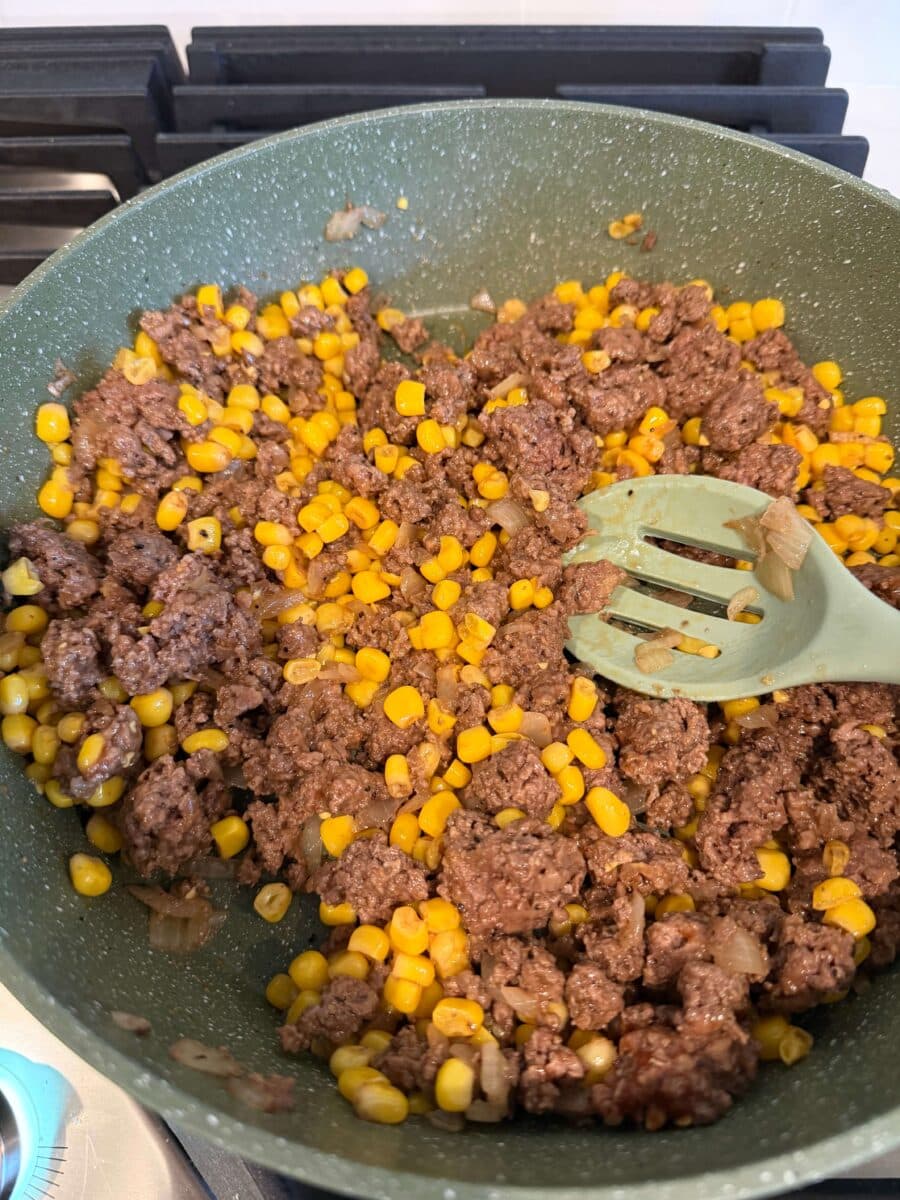
The final stage of the meat preparation involves the integration of ketchup and corn. The ketchup provides a sophisticated balance of acidity, sugar, and umami, which acts as a binding glaze for the beef. The addition of corn—whether canned, frozen, or fresh—introduces a structural "pop" and a natural sweetness that counteracts the savory intensity of the seasoned beef.
Phase IV: Assembly and Service
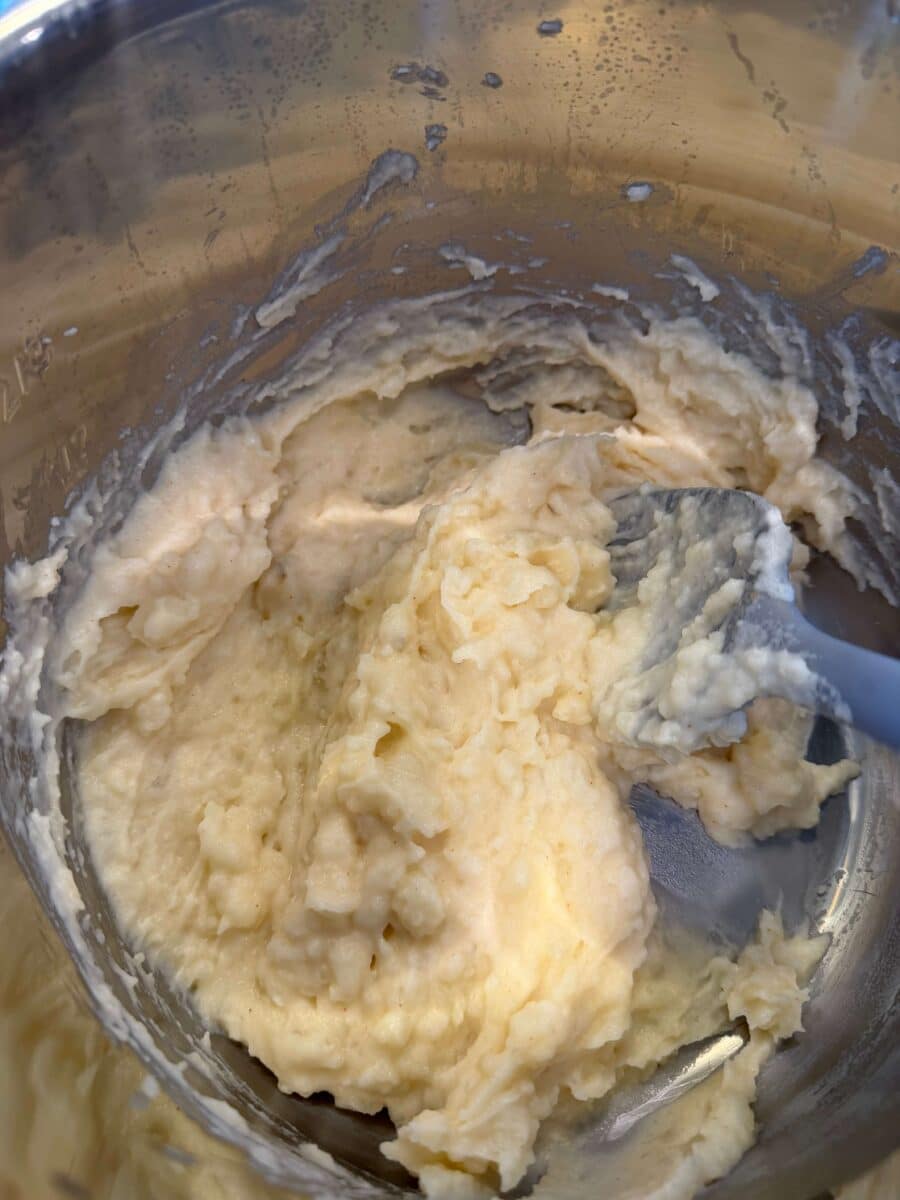
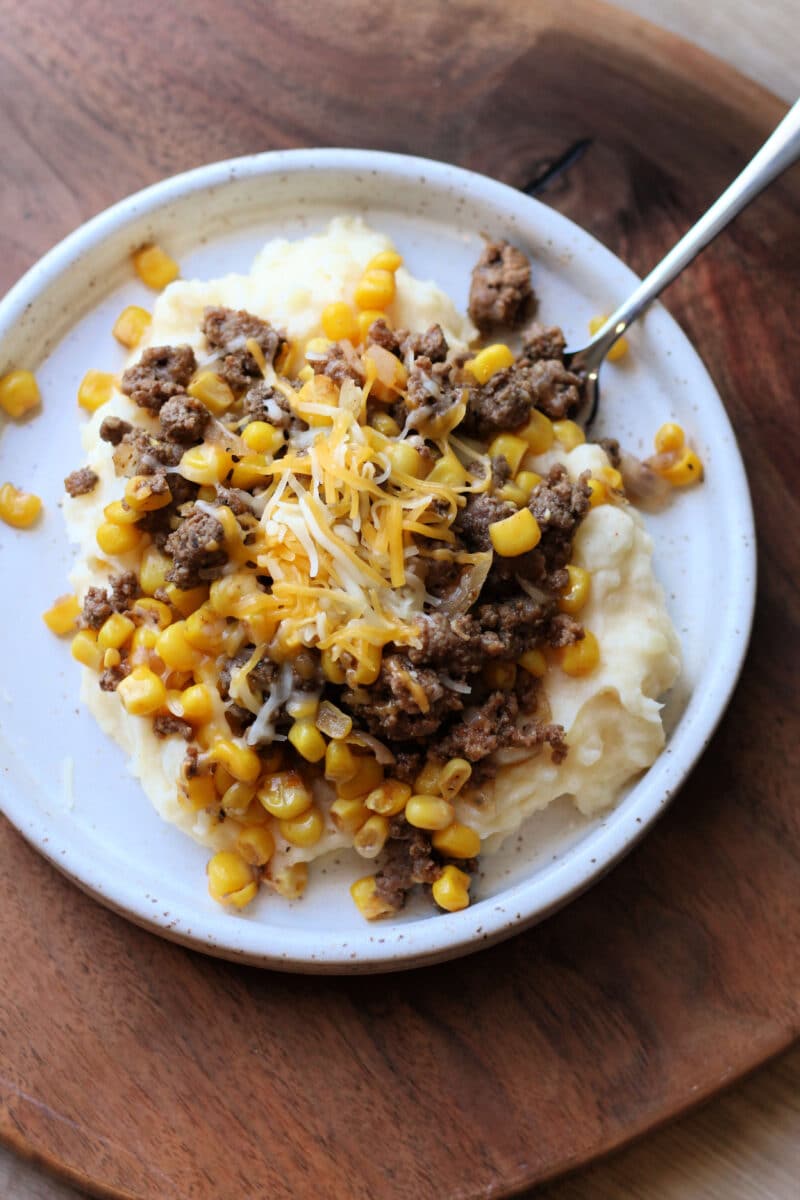
Upon the release of pressure from the Instant Pot, the potatoes are mashed with butter and half-and-half (or whole milk) to create a creamy foundation. The dish is served by layering the savory meat mixture over a generous portion of the mashed potatoes. A final addition of shredded cheese provides a lipid-rich finish that melts upon contact with the heated components.

Supporting Data: The Economics of Meat and Potatoes
The enduring popularity of the Country Meat and Mashed Potato Casserole is supported by significant economic data regarding American food consumption patterns. According to reports from the United States Department of Agriculture (USDA), ground beef remains the most consumed beef product in the country, accounting for nearly 40% of total beef consumption. Its versatility and relative affordability compared to whole-muscle cuts make it a staple for budget-conscious households.
Furthermore, the "Potato Statistical Yearbook" indicates that potatoes remain the leading vegetable crop in the U.S., with the average American consuming approximately 110 pounds of potatoes annually. The combination of these two high-yield, low-cost ingredients ensures that the Country Meat and Mashed Potato Casserole provides a high caloric density for a relatively low financial investment, often costing less than $3.00 per serving when prepared at home.
The rise of the Instant Pot and similar multi-cookers has also played a pivotal role in the resurgence of such recipes. Market research data suggests that as of 2023, nearly 50% of American households own a programmable pressure cooker. This technological adoption has reduced the active "hands-on" time for complex meals by an estimated 30-50%, making dishes like this casserole feasible for weekday dinner schedules.
Socio-Cultural Impact and Customization Trends
Beyond its nutritional and economic value, the Country Meat and Mashed Potato Casserole reflects a broader socio-cultural shift toward "customizable dining." In modern households, the "one-size-fits-all" meal is increasingly being replaced by modular components.
Sociologists focusing on domestic life note that the ability to "load" a potato bowl with various toppings—such as bacon bits, sour cream, or green onions—allows families to navigate diverse dietary preferences and "picky eating" habits within a single meal framework. This customization mimics the consumer experience of modern fast-casual dining, providing a sense of agency to individual family members while maintaining the communal aspect of the dinner table.
Nutritional Analysis and Health Considerations
From a nutritional perspective, the Country Meat and Mashed Potato Casserole is a macronutrient-dense meal. The beef provides essential high-quality protein, iron, and Vitamin B12. The potatoes serve as a significant source of potassium and complex carbohydrates, while the corn adds dietary fiber.
However, health professionals often point out the potential for high sodium and saturated fat content depending on the choice of ingredients. To align the dish with contemporary heart-health guidelines, nutritionists recommend several modifications:
- Protein Substitution: Utilizing lean ground turkey or a plant-based meat alternative can significantly reduce saturated fat intake.
- Starch Variation: Incorporating cauliflower into the mashed potato base or using sweet potatoes can increase the micronutrient profile and lower the glycemic index.
- Sodium Control: Replacing pre-mixed seasoned salts with individual herbs (such as thyme or rosemary) and using low-sugar ketchup can reduce the overall sodium load.
Institutional and Expert Reactions
Culinary educators and professional chefs have weighed in on the "casserole revival." Chef Michael Symon and other proponents of "everyday cooking" have frequently championed the use of the Instant Pot for its ability to make "slow-cooked flavors accessible in a fast-paced world."
In a recent panel on domestic food trends, food critics noted that the Country Meat and Mashed Potato Casserole represents a "bridge" between generations. It satisfies the nostalgia of older generations who grew up on Midwestern hotdishes while appealing to younger consumers who prioritize efficiency and the "bowl" aesthetic found in modern urban eateries.
Implications for the Future of Home Cooking
The continued relevance of the Country Meat and Mashed Potato Casserole suggests a future where home cooking is increasingly defined by "hybridization." This involves the blending of fresh ingredients with high-quality convenience items and the use of smart appliances to bypass traditional labor-intensive methods.
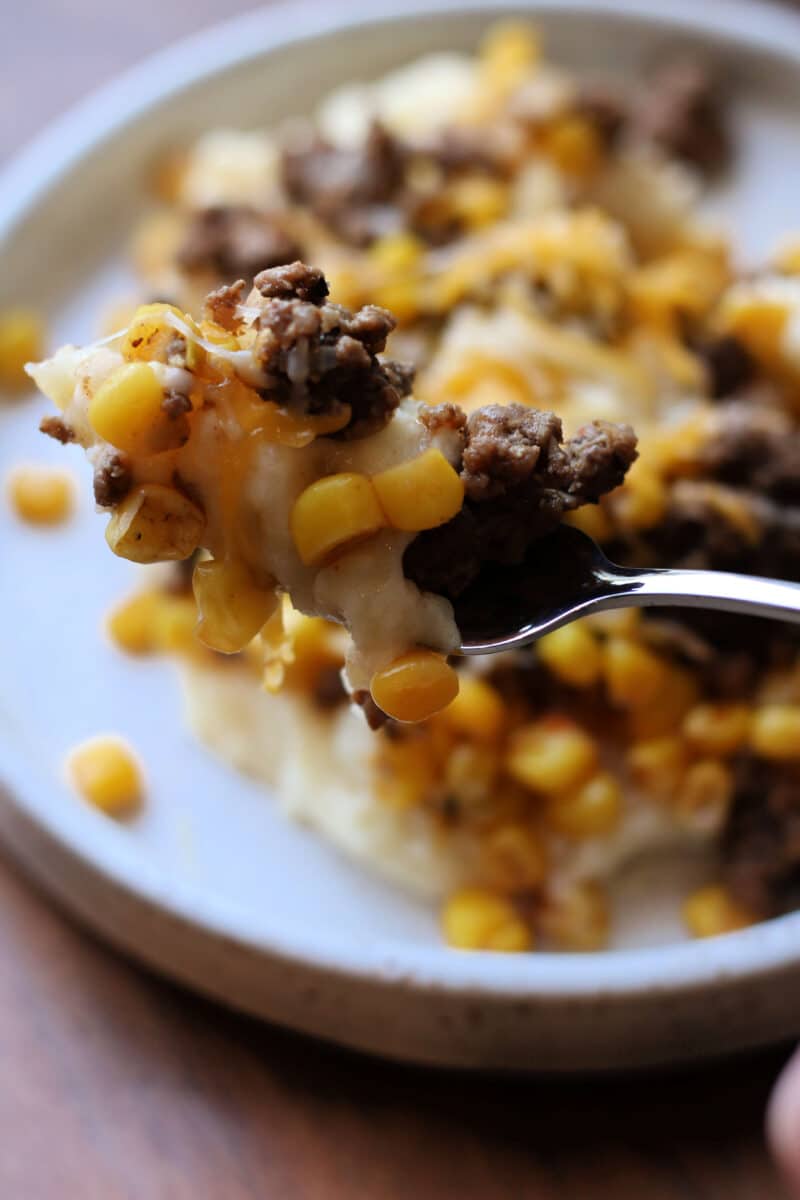
As inflation continues to impact grocery budgets, the reliance on "recession-proof" staples like ground beef and potatoes is expected to persist. The Country Meat and Mashed Potato Casserole is not merely a recipe but a blueprint for sustainable, comforting, and efficient domestic nourishment in the 21st century. Its ability to adapt to various dietary needs and its foundation in accessible ingredients ensure its place in the American culinary canon for the foreseeable future.
By prioritizing the balance of sweet, savory, and creamy textures, and leveraging the physics of pressure cooking, this dish exemplifies the current state of the American dinner: a pragmatic, flavorful, and technologically-assisted event that honors the past while embracing the constraints of the present.
