
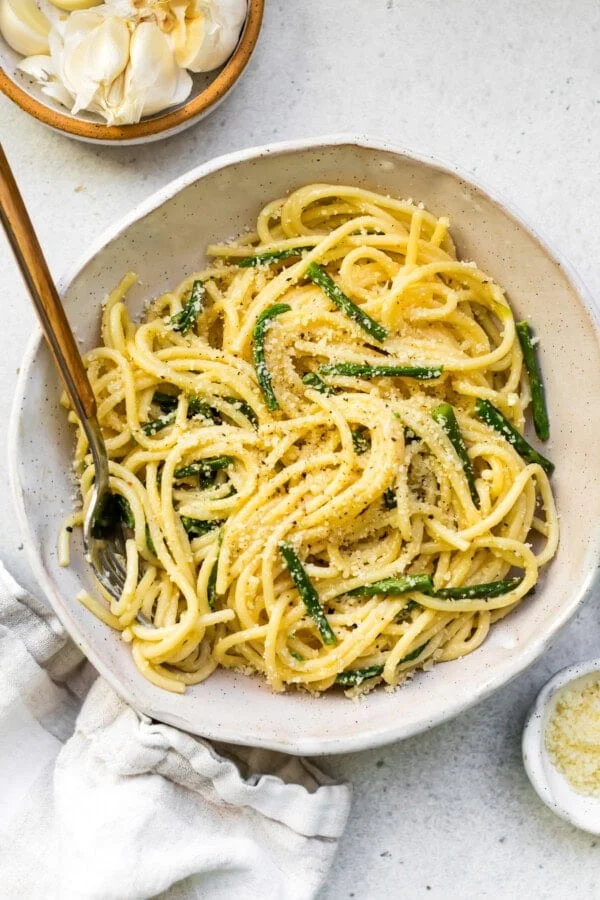
The "Pasta with Asparagus" recipe, prominently featured on Skinnytaste.com, has emerged as a quintessential spring dinner option, celebrated for its elegant simplicity and intelligent approach to a light, creamy sauce. This dish skillfully combines tender asparagus with hot pasta, enveloped in a silky sauce crafted from egg yolk, Parmigiano-Reggiano, and the starchy magic of pasta water, entirely foregoing the need for heavy cream. Its design, reminiscent of classic carbonara but with a distinctly brighter, more seasonal profile, positions it as an ideal meal for both weeknight convenience and more refined culinary occasions. The recipe’s enduring popularity underscores a broader culinary trend towards healthful, accessible meals that do not compromise on flavor or texture, making it a noteworthy subject within contemporary food discourse.
The Allure of Spring: Asparagus in Focus
Asparagus, the star ingredient of this celebrated pasta dish, holds a significant place in culinary history and springtime traditions. Native to Europe, northern Africa, and western Asia, this perennial flowering plant has been consumed for over 2,000 years, with its earliest recorded use dating back to ancient Egypt and Rome. The Roman Emperor Augustus was reportedly so fond of asparagus that he created a dedicated "asparagus fleet" to transport the delicacy. Historically, it was revered not only for its distinctive flavor but also for its perceived medicinal properties, including its diuretic effects and role as a purported aphrodisiac.
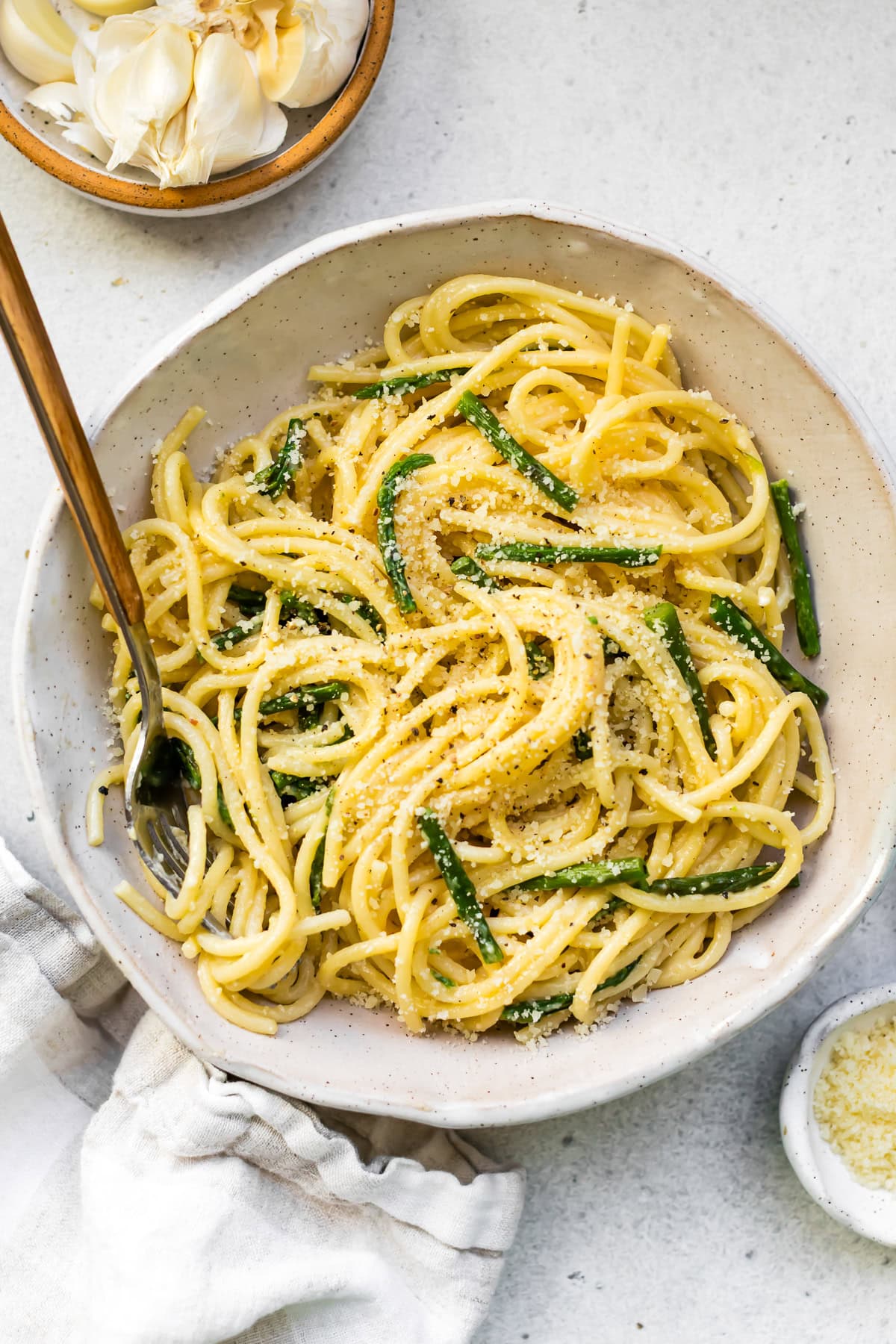
Modern agriculture has made asparagus widely available, but its peak season, typically from March to June in the Northern Hemisphere, remains a cherished period for chefs and home cooks alike. During this time, the spears are at their freshest, most tender, and flavorful, often command lower prices, and offer a crisp texture that defines spring produce. From a nutritional standpoint, asparagus is a powerhouse, boasting an impressive array of vitamins and minerals. It is an excellent source of Vitamin K, essential for blood clotting and bone health, and a good source of folate, crucial for cell growth and DNA formation. Furthermore, asparagus provides Vitamin A, Vitamin C, Vitamin E, and various B vitamins, along with minerals like potassium, phosphorus, and iron. Its high fiber content aids digestion and contributes to satiety, while its antioxidant profile, including compounds like glutathione, is linked to anti-inflammatory and disease-fighting benefits. The inclusion of such a nutrient-dense, seasonal vegetable is a cornerstone of the Skinnytaste recipe’s appeal, aligning with contemporary dietary recommendations for incorporating more fresh, whole foods.
A Culinary Nod to Italian Tradition: The "No-Cream" Cream Sauce
Central to the "Pasta with Asparagus" recipe’s brilliance is its innovative yet traditional approach to sauce creation, drawing heavily from the principles of classic Italian cuisine, particularly the technique seen in dishes like Spaghetti Carbonara. The absence of heavy cream is a deliberate and masterful choice, replaced by a sophisticated emulsion formed from egg yolk, finely grated Parmigiano-Reggiano cheese, and the starchy cooking water reserved from the pasta. This method, often referred to as mantecare in Italian cooking, relies on the synergistic properties of these ingredients to create a sauce that is remarkably rich, creamy, and glossy without the heaviness associated with dairy cream.
When hot pasta is tossed with the egg yolk and cheese mixture, the residual heat gently cooks the egg yolk, preventing it from scrambling while thickening the sauce. Simultaneously, the starch molecules released into the pasta water act as a natural emulsifier, binding the fats from the egg yolk and cheese with the water to create a stable, velvety texture. Parmigiano-Reggiano, with its intense umami flavor and fine texture, melts seamlessly into the sauce, contributing depth and saltiness. This technique not only results in a lighter, brighter sauce perfectly suited for spring, but also significantly reduces the caloric and fat content compared to cream-based alternatives, appealing directly to health-conscious consumers. The subtle difference from a traditional carbonara lies in its emphasis on the fresh, green notes of asparagus and a less dominant cured meat flavor, making it a vibrant, vegetable-forward interpretation of a time-honored Italian culinary art.

Skinnytaste’s Enduring Influence on Healthy Home Cooking
The "Pasta with Asparagus" recipe exemplifies the core philosophy of Skinnytaste.com, a platform founded by Gina Homolka that has become a leading resource for healthy, family-friendly recipes. Launched in 2008, Skinnytaste quickly garnered a loyal following by demonstrating that nutritious eating does not require sacrificing flavor or accessibility. Gina’s approach focuses on transforming classic comfort foods and popular dishes into lighter versions, often by reducing unhealthy fats, sugars, and processed ingredients while maximizing nutrient density and taste. The "Pasta with Asparagus," which Gina notes she has been making for years, perfectly encapsulates this mission. It takes a potentially rich pasta dish and lightens it through clever ingredient choices and traditional cooking methods, making it approachable for the everyday home cook.
Skinnytaste’s influence extends beyond individual recipes; it has played a significant role in democratizing healthy cooking. Through clear instructions, readily available ingredients, and consistent nutritional information (as provided for this recipe: 228 kcal, 38g carbohydrates, 10g protein, 7g fat per 1 ¼ cup serving), the platform empowers individuals to make informed dietary choices without feeling deprived. The longevity of recipes like "Pasta with Asparagus" on the site speaks to their timeless appeal and effectiveness in meeting the evolving demands of home cooks seeking delicious, wholesome, and time-efficient meal solutions. This sustained relevance positions Skinnytaste not merely as a recipe blog, but as a significant educational resource in the broader healthy eating movement.
Nutritional Profile: A Closer Look at Health Benefits

Analyzing the nutritional data provided for the "Pasta with Asparagus" recipe reveals a well-balanced and health-conscious meal option. Each 1 ¼ cup serving contains approximately 228 calories, making it a relatively light main course or a substantial side dish. The macronutrient breakdown is particularly favorable: 38 grams of carbohydrates, primarily from the pasta and asparagus, provide essential energy; 10 grams of protein contribute to muscle repair and satiety; and 7 grams of fat, with only 2 grams of saturated fat, align with recommendations for heart-healthy eating. The cholesterol content is 50 mg, largely from the egg yolk, which when consumed in moderation, fits within a balanced diet.
A notable highlight is the substantial fiber content at 6.9 grams per serving. Given that the recommended daily fiber intake for adults is around 25-30 grams, one serving of this pasta contributes significantly to meeting that target. Dietary fiber is crucial for digestive health, blood sugar regulation, and cholesterol management. The low sodium content of 73.5 mg per serving is also commendable, especially in an era where many convenience foods are laden with excessive salt. With only 2.2 grams of sugar, the dish naturally avoids added sugars, relying instead on the inherent sweetness of its components. These nutritional facts underscore the recipe’s alignment with public health guidelines promoting nutrient-dense, lower-calorie meals rich in fiber and lean protein, making it an excellent choice for individuals managing weight, blood sugar, or cardiovascular health.
The Art of Simplicity: Preparing the Dish
The preparation of "Pasta with Asparagus" embodies the philosophy of effortless elegance, making it an ideal choice for busy individuals seeking a gourmet experience without extensive culinary effort. The process begins with cooking the pasta, typically a long strand pasta like spaghetti or linguine, until al dente. Crucially, a portion of the starchy pasta water is reserved before draining, forming the liquid backbone of the forthcoming sauce. Simultaneously, the fresh asparagus spears are prepared—trimmed and often blanched or lightly sautéed to achieve tender-crisp perfection, preserving their vibrant green color and delicate flavor.

The magic happens when the hot pasta is combined with the pre-prepared sauce base. This base, a simple yet powerful mixture of whisked egg yolks and finely grated Parmigiano-Reggiano, is gradually introduced to the warm pasta. The residual heat from the pasta gently cooks the egg yolks, transforming them from a raw liquid into a creamy, cohesive binder. The reserved pasta water is then added incrementally, typically one tablespoon at a time, to achieve the desired consistency. This careful emulsification process is key; the starch in the pasta water helps to create a stable, glossy sauce that clings beautifully to each strand of pasta and the tender asparagus pieces. A final toss ensures that every ingredient is coated, creating a harmonious blend of textures and flavors. This methodical approach, emphasizing temperature control and gradual addition of liquid, is fundamental to achieving the recipe’s signature light yet luxurious mouthfeel, demonstrating that sophisticated results can be achieved with a minimal number of high-quality ingredients and sound technique.
Versatility on the Plate: Customization and Serving
One of the significant strengths of the "Pasta with Asparagus" recipe lies in its remarkable versatility, allowing for easy customization to suit various tastes, dietary needs, and pantry availability. While delicious as a standalone vegetarian meal, the base recipe readily accommodates the addition of various proteins, transforming it into a more substantial offering. Cooked shrimp, grilled chicken strips, or pan-seared fish like salmon or cod are popular choices that complement the delicate flavors of asparagus and the creamy sauce. For those seeking plant-based protein, roasted chickpeas, white beans, or even crumbled firm tofu can be integrated.
Beyond protein, the dish welcomes other vegetables or herbs. Cherry tomatoes, sautéed mushrooms, or wilted spinach can add additional layers of flavor and nutrition. Fresh herbs such as basil, parsley, or chives, added just before serving, can brighten the dish with their aromatic notes. A squeeze of fresh lemon juice or a sprinkle of lemon zest can further enhance the spring-like freshness.
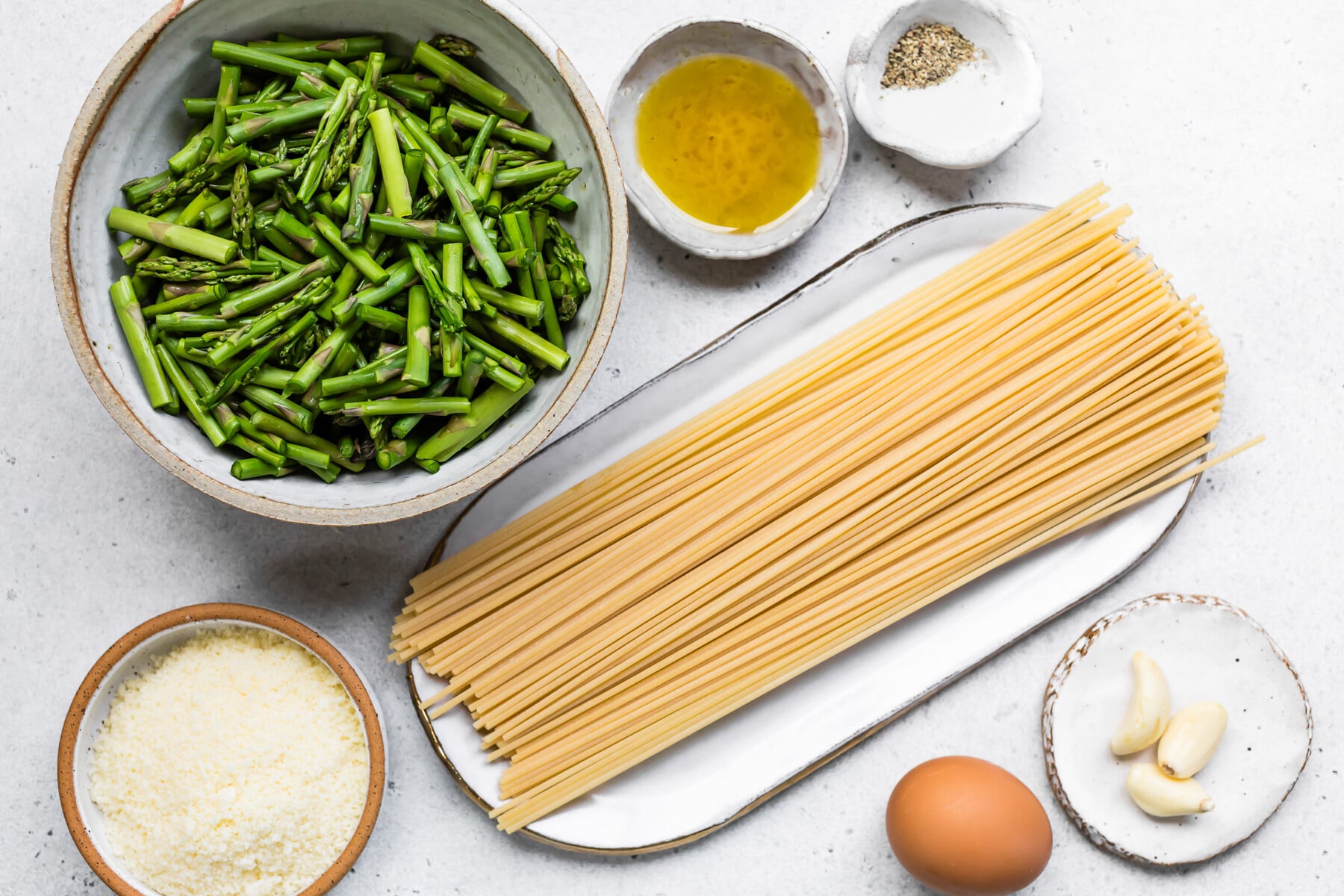
In terms of serving, this asparagus pasta is flexible. It can be presented as a light main course, perhaps accompanied by a crisp green salad or a side of crusty artisanal bread to sop up the exquisite sauce. Alternatively, its modest portion size and balanced nutritional profile make it an excellent side dish, complementing roasted meats or poultry. The ability to adapt the recipe while maintaining its core integrity speaks to its well-engineered design, offering home cooks the freedom to personalize their culinary creations within a proven framework. This adaptability is crucial for modern kitchens, where diverse preferences and dietary restrictions often necessitate flexible recipe solutions.
The Broader Culinary Landscape: Trends and Implications
The widespread appeal and intelligent construction of the "Pasta with Asparagus" recipe reflect and contribute to several significant trends within the contemporary culinary landscape. Firstly, it underscores the persistent demand for healthy eating options that do not sacrifice flavor or satisfaction. Consumers are increasingly discerning, seeking meals that are both nutritious and enjoyable, moving away from restrictive diets towards balanced, wholesome approaches. This recipe, with its lean profile and reliance on fresh, seasonal ingredients, perfectly aligns with principles often associated with the Mediterranean diet, which emphasizes vegetables, healthy fats, and whole grains.
Secondly, the recipe highlights a resurgence in home cooking, fueled by a desire for greater control over ingredients and a renewed appreciation for culinary skills. Accessible recipes that deliver impressive results with minimal fuss, like this pasta dish, empower individuals to confidently create restaurant-quality meals in their own kitchens. This trend is further amplified by the growth of food blogs and online culinary communities that provide inspiration and instruction.
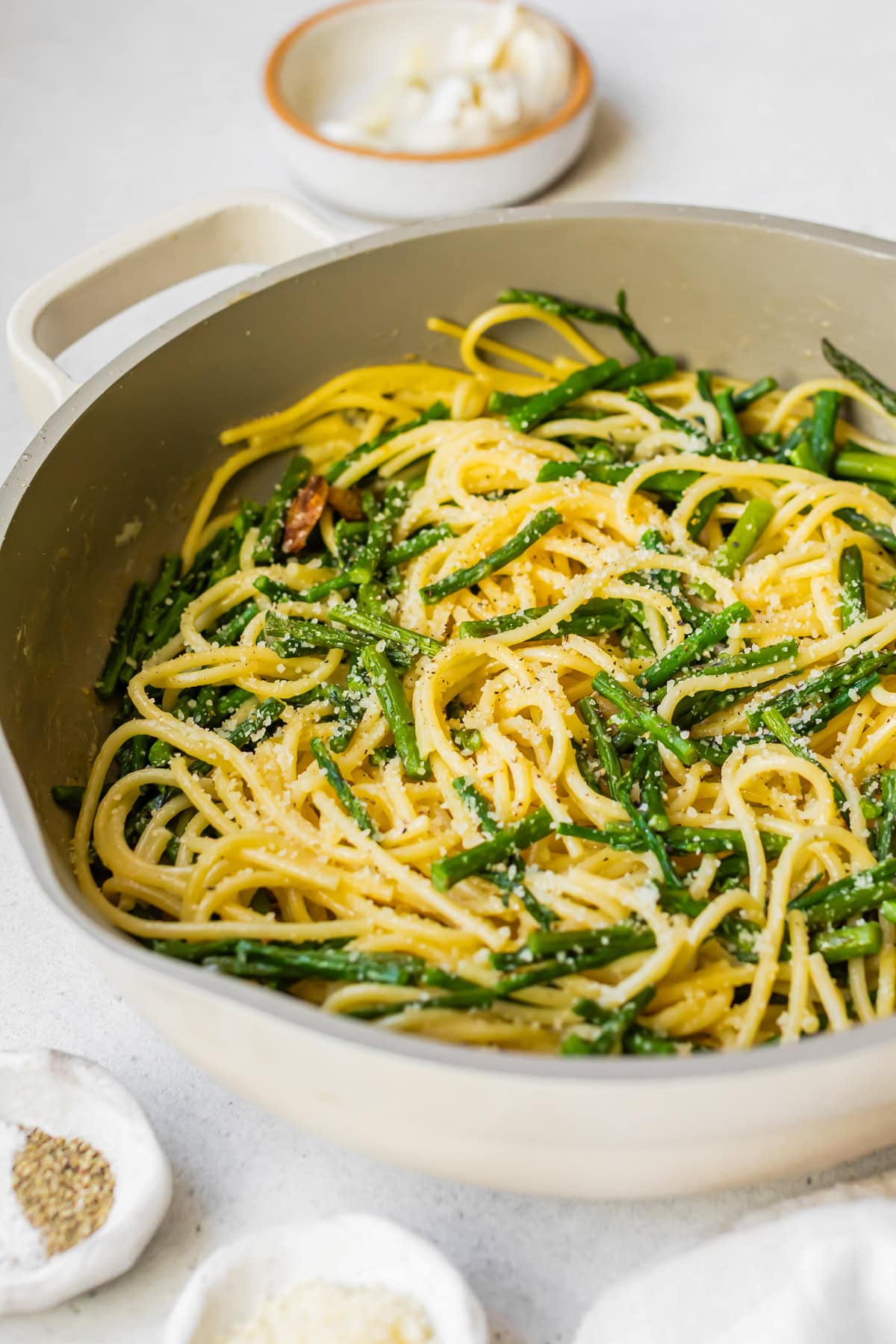
Finally, the emphasis on seasonal ingredients and mindful sourcing is a growing concern for many consumers. By featuring asparagus during its peak season, the recipe encourages eating fresh, locally available produce, which often translates to better flavor, higher nutrient content, and a smaller environmental footprint. The recipe’s intelligent use of "no-cream" sauce also speaks to a broader movement towards lighter, more refined comfort foods, where traditional heavy ingredients are thoughtfully replaced with lighter, equally flavorful alternatives. In essence, "Pasta with Asparagus" is more than just a recipe; it is a culinary statement that resonates with modern dietary aspirations, practical home cooking needs, and evolving gastronomic preferences, solidifying its place as a significant and enduring dish.
