

The culinary landscape of breakfast is often dominated by familiar staples, yet innovative and resourceful approaches can transform humble leftovers into gourmet experiences. This article delves into the creation and appeal of a salmon and eggs breakfast, a dish that champions sustainability and culinary efficiency by repurposing cooked salmon into a delectable morning meal. The recipe, presented by The Worktop, highlights how a simple preparation can elevate the nutritional and gustatory profile of a typical breakfast, offering a sophisticated yet accessible option for both weekday mornings and leisurely weekend brunches.
The Genesis of a Savory Breakfast
The concept of incorporating fish into breakfast is not new, with traditions in various cultures embracing seafood as a morning protein. However, the modern interpretation often hinges on convenience and the intelligent use of ingredients. The salmon and eggs breakfast presented here is rooted in this philosophy, specifically designed to utilize leftover cooked salmon. This approach addresses concerns about food waste, a significant issue in contemporary households. According to the USDA, an estimated 30-40% of the food supply in the United States is lost or wasted, a figure that underscores the importance of recipes that encourage the use of all edible portions of food.

The recipe’s simplicity is a key selling point. It is described as a quick, "throw-together" meal, ideal for busy mornings. This practicality is further enhanced by its scalability; the recipe can be easily doubled or tripled to accommodate larger gatherings or families, making it a versatile option for various dining occasions. The ingredients are readily available at most grocery stores, requiring no specialized procurement.
Nutritional Prowess and Culinary Techniques
Beyond its convenience, the salmon and eggs breakfast offers significant nutritional benefits. Salmon is renowned for its high content of omega-3 fatty acids, particularly EPA and DHA, which are crucial for brain health, reducing inflammation, and supporting cardiovascular function. A typical 3-ounce serving of cooked salmon can provide over 1.5 grams of omega-3s, exceeding the recommended daily intake for many adults. Eggs, another cornerstone of the dish, are a complete protein source, providing essential amino acids, vitamins (such as B12 and D), and minerals.
The preparation method emphasizes achieving a creamy, fluffy texture for the scrambled eggs, a characteristic often associated with well-executed egg dishes. The recipe specifically recommends the use of half-and-half, a dairy product with a higher fat content than milk. This addition is crucial, as fat plays a vital role in preventing eggs from becoming rubbery and contributes to their luxurious mouthfeel. While whole milk can be substituted in a pinch, the recipe notes that it will result in a less "melt-in-your-mouth" consistency, underscoring the impact of fat on egg texture.

Another critical technique highlighted is the thorough beating of the eggs. This process serves two primary purposes: ensuring uniform color by fully integrating the yolks and whites, thereby eliminating streaks, and incorporating air into the mixture. The air pockets created during beating contribute to the eggs’ fluffiness, creating a lighter and more voluminous scramble. The article advises beating the eggs until no streaks are visible and even suggests an additional 30 seconds of vigorous whisking to maximize aeration.
Strategic Integration of Salmon
The timing of adding the cooked salmon to the eggs is also a strategic consideration. The recipe advises bringing the leftover salmon to room temperature before incorporating it. This prevents the cold fish from significantly lowering the temperature of the cooking eggs, which could disrupt the cooking process and affect the final texture.
Furthermore, the salmon is added towards the end of the egg cooking process, when the eggs are still wet but beginning to form curds. This ensures that the salmon is gently warmed through without becoming overcooked. The residual moisture in the eggs helps them adhere to the fish, allowing the salmon to be folded into the scramble rather than simply sitting on top. This technique ensures that the salmon remains moist and flavorful, integrating seamlessly with the creamy eggs.
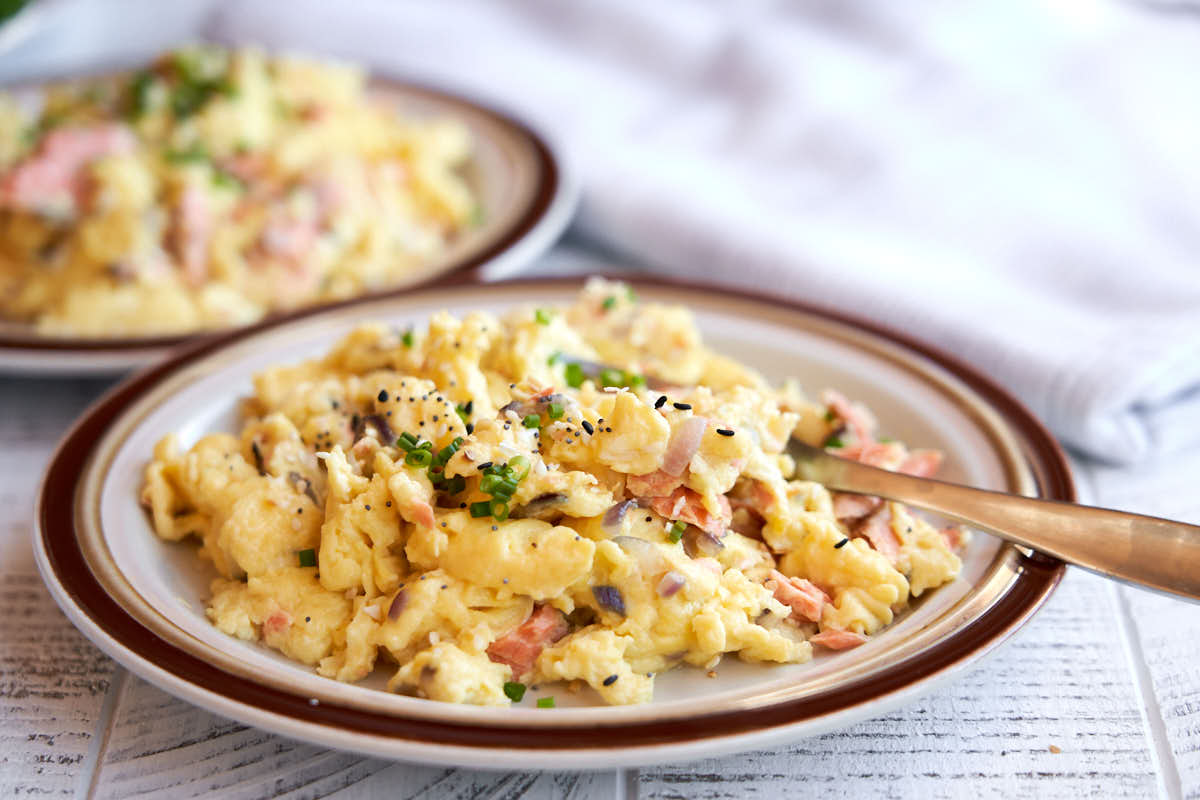
It is important to note that this recipe is intended for cooked, non-smoked salmon. Smoked salmon, due to its high salt content and delicate texture, is not suitable for this preparation. Adding smoked salmon could result in an overly salty dish and its texture would likely degrade significantly during the brief cooking process, leading to a dry and unappealing result.
Enhancing Flavor and Presentation
The finishing touches are crucial for elevating the salmon and eggs breakfast from a simple meal to a culinary delight. The recipe strongly recommends "Everything but the Bagel" seasoning as a topping. This popular blend, typically containing sesame seeds, poppy seeds, dried garlic, dried onion, and sea salt, adds a complex savory profile and a pleasing textural contrast.
Fresh chives are also suggested for a pop of color and a mild oniony flavor. For those who may not always have fresh herbs on hand, the article points to the convenience of freeze-dried chives, a readily available pantry staple that retains much of its flavor and aroma.

Broader Implications and Culinary Trends
The salmon and eggs breakfast exemplifies several contemporary culinary trends: a focus on whole foods, the utilization of leftovers, and the desire for nutrient-dense meals that are also aesthetically pleasing. As consumers become more health-conscious and environmentally aware, recipes that promote sustainability and offer significant health benefits are gaining prominence.
The popularity of dishes like this also reflects a growing appreciation for versatile ingredients. Salmon, once primarily associated with dinner, is now being integrated into a wider range of meal occasions, challenging traditional dining norms. The ease with which this recipe can be adapted and scaled also speaks to the modern cook’s preference for flexible meal solutions.
Conclusion
The salmon and eggs breakfast is more than just a recipe; it is a testament to culinary ingenuity and resourcefulness. By transforming leftover salmon into a sophisticated and nutritious breakfast, it offers a practical solution for reducing food waste while providing a delicious and healthy start to the day. The emphasis on quality ingredients, precise culinary techniques, and thoughtful presentation ensures that this simple dish can be enjoyed by individuals and families alike, whether as a quick weekday meal or a refined weekend brunch. As the culinary world continues to evolve, such innovative approaches to everyday cooking are likely to become increasingly valued, promoting both sustainability and gastronomic enjoyment.
