
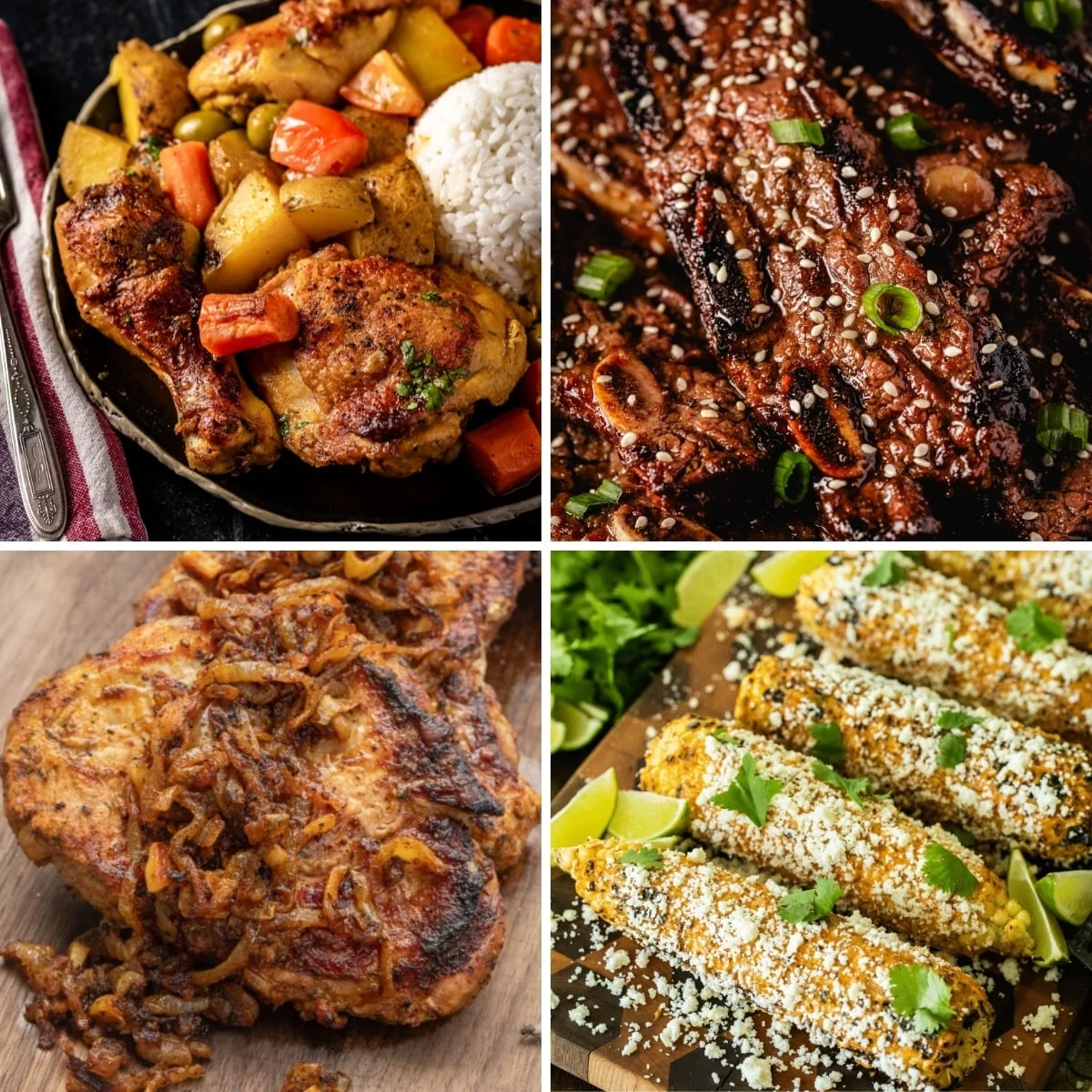
Outdoor cooking, once defined by localized traditions such as the American "low and slow" brisket or the simple backyard hamburger, is undergoing a significant transformation as home chefs increasingly adopt international techniques and flavor profiles. This shift represents a broader movement toward culinary globalization, where the traditional barbecue pit is being reimagined as a medium for cross-cultural exchange. By integrating methods from the Korean Peninsula, the Caribbean, Central Europe, and East Asia, the contemporary outdoor kitchen has evolved into a sophisticated laboratory for global gastronomy. This analysis explores six pivotal international recipes—Kalbi, Pollo Guisado, Schwenkbraten, Char Siu, Elote, and Beer Battered Fish—examining their cultural origins, technical requirements, and their collective impact on the domestic culinary landscape.
The Globalization of the Outdoor Kitchen
The term "barbecue" has long been a subject of etymological and regional debate. While its roots are frequently traced to the "barbacoa" of the Taíno people in the Caribbean, the practice of cooking meat over fire is a universal human constant. According to market research data, the global outdoor grill market is projected to reach approximately $7.15 billion by 2030, driven largely by an increasing consumer interest in "premiumization" and international flavors. This trend is not merely about the equipment, such as pellet smokers or ceramic kamados, but about the diversification of the ingredients and techniques utilized by the end-user.

Industry experts note that the accessibility of global ingredients—once confined to specialty ethnic markets—has played a crucial role. Items like gochujang, hoisin, and cotija cheese are now staples in mainstream supermarkets, allowing the average enthusiast to replicate authentic international dishes with high fidelity.
Technical Analysis of Global Barbecue Profiles
1. The Korean Influence: Kalbi Short Ribs
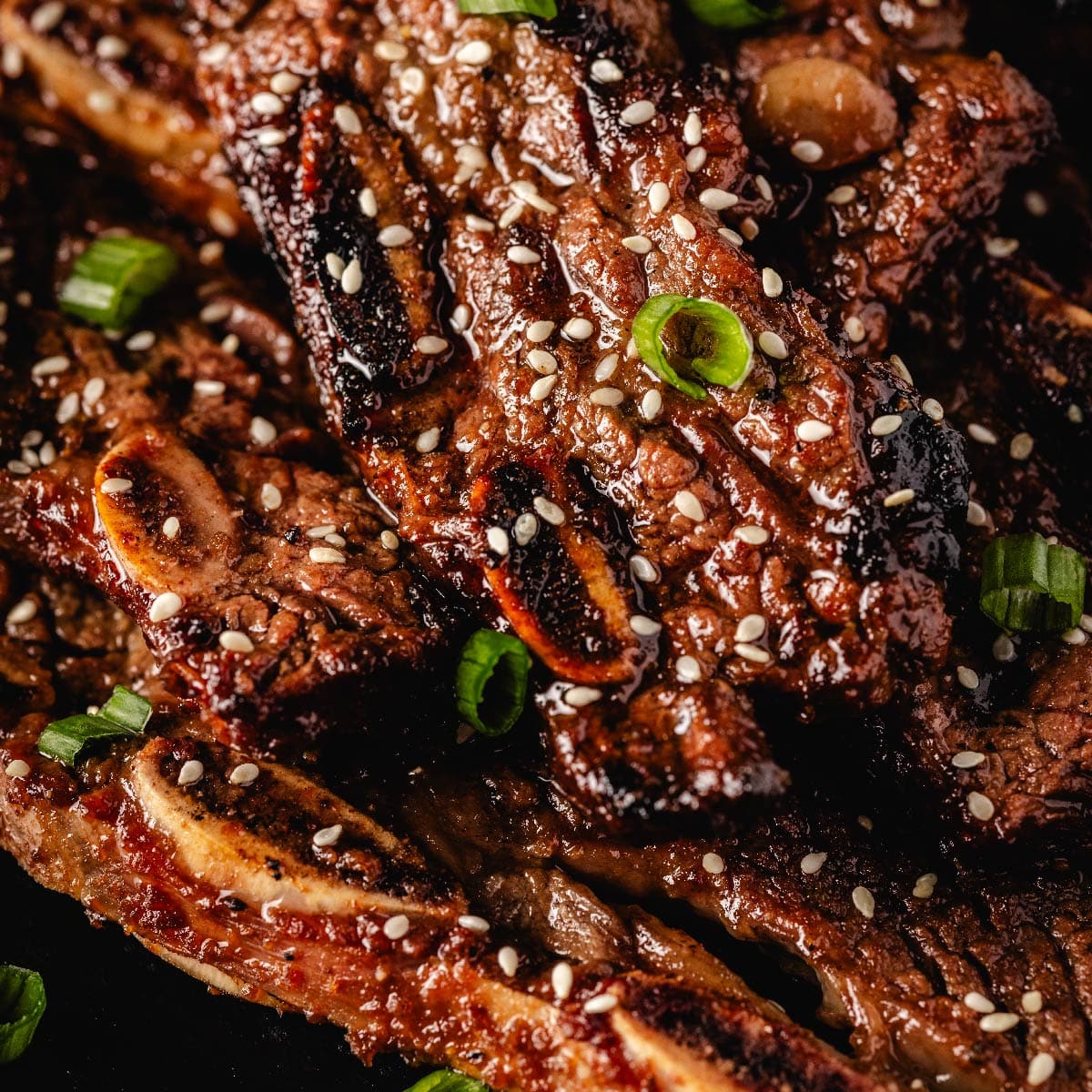
Korean barbecue, or Gogi-gu-i, has seen a meteoric rise in global popularity over the last decade. Central to this tradition is Kalbi, or marinated flanken-style short ribs. Unlike the thick-cut ribs found in American barbecue, Kalbi utilizes a thin, cross-cut section of the rib, which allows for rapid searing over high heat.
The technical complexity of Kalbi lies in its marinade. Traditional recipes employ the enzymatic properties of Asian pears and kiwis to tenderize the connective tissues of the beef. When combined with soy sauce, ginger, and garlic, these fruits provide a chemical breakdown that results in a tender interior while facilitating a rapid Maillard reaction on the exterior. This creates the signature caramelized "bark" that defines the dish.

2. Caribbean Comfort: Pollo Guisado
While not a traditional "grilled" meat in the dry-heat sense, Pollo Guisado (Puerto Rican chicken stew) represents the integration of the Dutch oven into the outdoor cooking repertoire. This dish emphasizes the "braising" aspect of outdoor cooking, often performed over a side burner or within a smoker to infuse the liquid with a hint of wood fire.
The backbone of this dish is Sazón, a complex spice blend typically containing achiote, cumin, and coriander. The inclusion of olives and capers provides a briny acidity that balances the richness of the chicken fat. The adaptation of such stews to the backyard setting highlights a move toward "one-pot" outdoor meals, which prioritize convenience without sacrificing depth of flavor.
3. The Germanic Heritage: Schwenkbraten
In the Saarland region of Germany, the Schwenker—a tripod-mounted swinging grill—is a cultural icon. The dish associated with it, Schwenkbraten, involves pork neck or chops marinated in a mixture of juniper berries, garlic, and stone-ground mustard.
The physics of the swinging grill are intentional; the constant motion prevents the meat from scorching while ensuring even exposure to the radiant heat of the wood fire. For the modern backyard cook, this recipe introduces the use of botanicals like juniper, which provides a sharp, gin-like aromatics that contrast sharply with the sweet, hickory-heavy profiles of traditional Western barbecue.
4. Cantonese Roasting: Smoked Char Siu
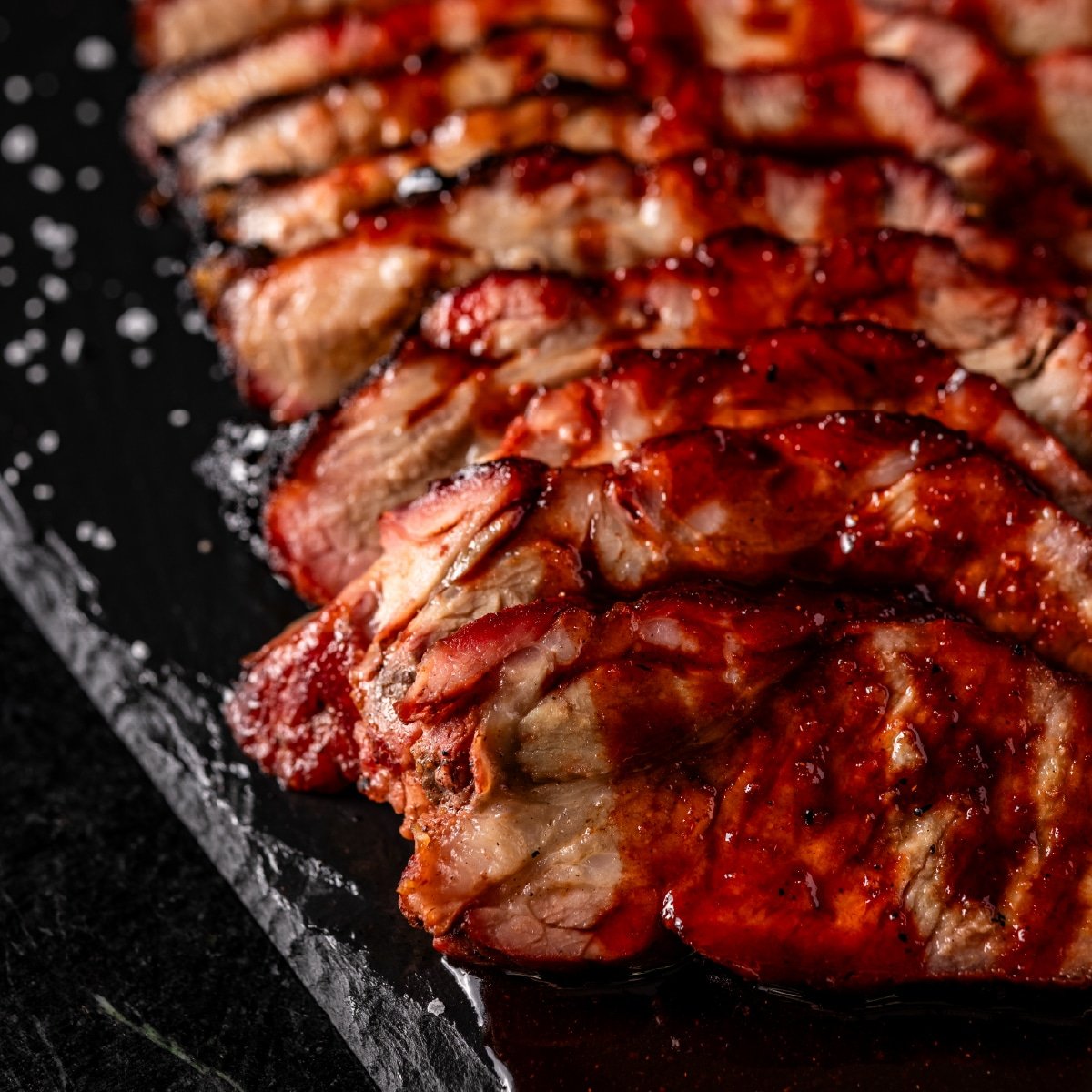
Char Siu, or Chinese barbecue pork, is a cornerstone of Cantonese siu mei (roasted meats). Traditionally hung in vertical ovens, the domestic adaptation involves smoking pork shoulder or tenderloin at lower temperatures to achieve a similar internal texture while adding a Western smoky nuance.
The glaze is the defining feature of Char Siu, utilizing red miso, honey, and Chinese five-spice powder. The five-spice blend—typically star anise, cloves, cinnamon, Sichuan pepper, and fennel seeds—represents the five traditional Chinese elements (wood, fire, earth, metal, and water). In a culinary context, this creates a comprehensive flavor profile that hits sweet, sour, bitter, pungent, and salty notes simultaneously.

5. Mexican Street Food: Elote
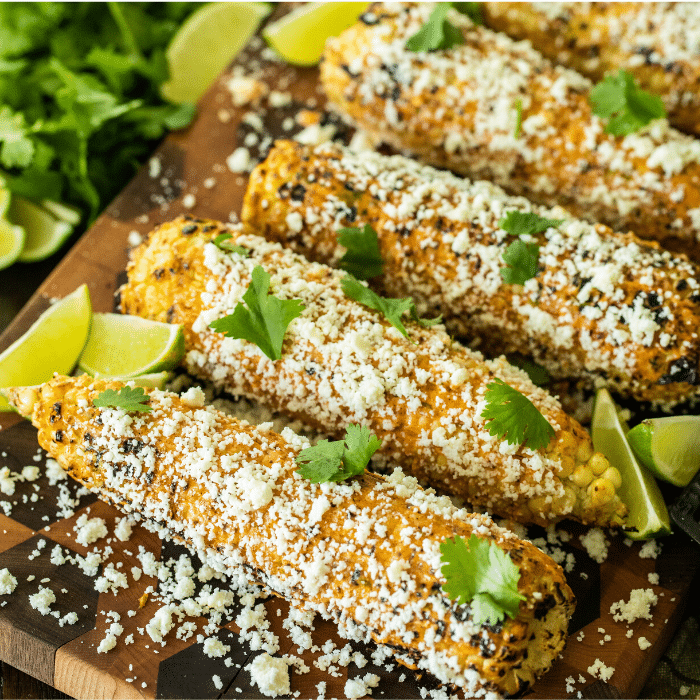
Vegetables are no longer an afterthought in the international barbecue circuit. Elote, or Mexican street corn, has transitioned from a regional snack to a global side-dish staple. The process involves charring sweet corn directly over coals, followed by an application of crema, lime, and chili powder.
The use of Cotija cheese is essential here; as an aged Mexican cow’s milk cheese, it does not melt when exposed to heat, providing a consistent textural contrast to the creamy sauce and the juicy kernels. This dish illustrates the "high-low" contrast of modern BBQ: simple ingredients elevated through specific technical applications.
6. British Maritime Traditions: Beer Battered Fish
Though often associated with indoor deep-frying, the "chips and fish" tradition is increasingly moving outdoors as high-output propane burners and outdoor fryers become common. The technical secret to a superior outdoor fish fry is the use of rice flour and carbonated liquids (beer) in the batter.

Carbonation creates air pockets that expand rapidly in hot oil, resulting in a light, lacy crust. The inclusion of rice flour, which does not develop gluten in the same way wheat flour does, ensures the exterior remains crisp even in humid outdoor environments. This adaptation signifies the "outdoor kitchen" becoming a full-service culinary space capable of handling complex frying tasks.
Market Trends and Consumer Behavior
The shift toward these six recipes is supported by consumer data indicating a "flavor-seeking" demographic. A 2023 report on consumer food trends found that 62% of Millennials and Gen Z respondents preferred "globally inspired" flavors over traditional domestic comfort foods when cooking at home. Furthermore, the rise of digital platforms has democratized culinary education. Susie Bulloch, a prominent figure in the digital barbecue space and founder of Hey Grill Hey, has noted that the integration of mobile technology—through apps and social media—has lowered the barrier to entry for complex international recipes.
The "Backyard BBQ Hero" phenomenon is a result of this digital shift. Home cooks are no longer reliant on local mentorship to learn the craft; they are instead part of a global community where a cook in Utah can master a Cantonese roast through a combination of digital tutorials and high-quality local ingredients.
Broader Socio-Economic Impact
The diversification of backyard cooking has tangible impacts on the retail and agricultural sectors. There is an increased demand for specific cuts of meat, such as flanken-cut ribs and pork neck, which were previously undervalued in many Western markets. Additionally, the spice industry has seen a surge in the sales of specialized blends like Sazón and Five-Spice.
Culturally, this movement fosters a form of "gastrolomacy." By engaging with the traditional cooking methods of other nations, home cooks develop a deeper appreciation for the history and geography of those regions. Barbecue, in its many international forms, serves as a universal language of hospitality and craftsmanship.
Conclusion and Future Outlook
The evolution of the backyard barbecue from a monocultural event to a global gastronomic experience is a reflection of a more connected world. The six recipes discussed—ranging from the high-heat sears of Korea to the slow-simmered stews of Puerto Rico—demonstrate that the element of fire is a versatile tool capable of producing an infinite array of results.
As we look toward the future, the integration of smart-grill technology and the continued expansion of global supply chains will likely see even more obscure regional styles, such as South African Braai or Argentinian Asado, becoming commonplace in suburban neighborhoods. The modern backyard is no longer just a place for a meal; it is a destination for global exploration, one charcoal briquette at a time. For the home enthusiast, the transition from a casual griller to a "Backyard BBQ Hero" is now defined by their willingness to travel the world through their palate, right from their own patio.
