
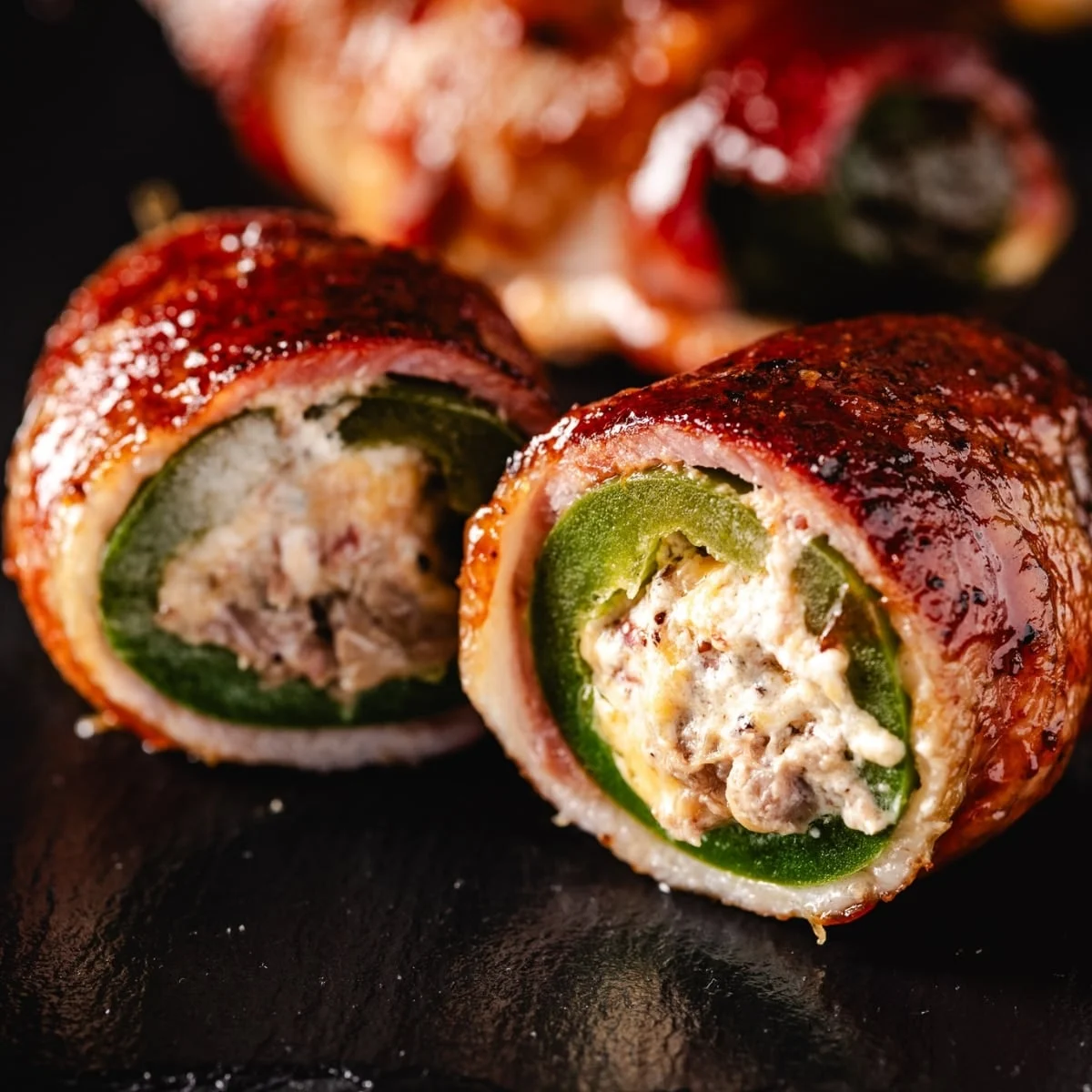
The culinary landscape of American barbecue has seen a significant shift in recent years, moving beyond the traditional trifecta of brisket, ribs, and sausage to include elaborate, high-concept appetizers that blend regional flavors with modern decadence. At the forefront of this movement is the "Texas Twinkie," a sophisticated evolution of the classic jalapeño popper. This dish, characterized by a large jalapeño pepper stuffed with cream cheese and whole-muscle smoked brisket, wrapped in thick-cut bacon and glazed with barbecue sauce, has transitioned from a local Texas specialty to a viral sensation across the United States. As pitmasters and home cooks alike seek to elevate their craft, the Texas Twinkie serves as a prime example of how traditional barbecue techniques can be repurposed to create new icons of Southern cuisine.
The Evolution of the Stuffed Jalapeño in Barbecue Culture
The origins of the Texas Twinkie are rooted in the long-standing tradition of "ABTs" (Atomic Buffalo Turds), a staple of the competitive barbecue circuit and backyard smoking enthusiasts for decades. Traditional poppers typically involve a jalapeño halved and filled with a simple mixture of cream cheese and perhaps a piece of cocktail sausage or a shrimp. However, the Texas Twinkie represents a significant upscale in both scale and complexity.

The specific nomenclature and popularized version of the Texas Twinkie are widely credited to Hutchins BBQ, a renowned institution with locations in McKinney and Frisco, Texas. Introduced to their menu roughly a decade ago, the dish was designed to solve a common problem in the barbecue industry: how to utilize the "point" and the trimmings of a smoked brisket—highly flavorful but fatty sections—in a way that adds value to the customer experience. By combining the premium protein of a slow-smoked brisket with the heat of a jalapeño and the richness of cream cheese, Hutchins BBQ created a product that resonated with the "everything is bigger in Texas" philosophy.
Technical Specifications and Culinary Composition
The construction of a Texas Twinkie is a labor-intensive process that requires precision to ensure all components reach their peak texture simultaneously. Unlike standard appetizers that may be fried or baked, the Texas Twinkie is subjected to a secondary smoking process, which imparts a deep, wood-fired flavor profile that differentiates it from casual bar food.
The Component Breakdown
- The Vessel: Large, fresh jalapeños are selected for their ability to hold a significant amount of filling. They are typically slit down the side rather than halved to maintain a "twinkie-like" cylindrical shape.
- The Filling: The core of the dish is a blend of softened cream cheese and sharp cheddar. The inclusion of sharp cheddar provides a necessary acidic bite to cut through the fat of the brisket and bacon.
- The Brisket: The defining characteristic is the use of high-quality, slow-smoked brisket. Professional iterations often use the "deckle" or point of the brisket, chopped into small pieces to ensure tenderness in every bite.
- The Wrap: Thick-cut bacon is wrapped tightly around the pepper. This serves a dual purpose: it provides a salty, crispy exterior and acts as a moisture barrier, allowing the jalapeño to steam and soften inside the bacon cocoon.
- The Seasoning and Glaze: A sweet and savory dry rub is applied to the exterior of the bacon. In the final stages of smoking, a Texas-style barbecue sauce—usually tomato-based with a balance of vinegar and sugar—is brushed on to create a tacky, caramelized finish.
Chronology of a Viral Food Trend
The timeline of the Texas Twinkie’s rise to prominence mirrors the broader growth of the "foodie" culture on social media.

- 2014–2016: Hutchins BBQ perfects the recipe and begins offering it as a daily special. It quickly becomes their most requested side dish, often selling out within hours of opening.
- 2017–2019: Regional food bloggers and barbecue enthusiasts begin documenting the dish on platforms like Instagram and YouTube. The visual appeal of the "brisket pull" and the glistening bacon wrap makes it highly "shareable" content.
- 2020–2022: During the global pandemic, home smoking surged in popularity. High-profile barbecue personalities, such as Susie Bulloch of "Hey Grill Hey," began publishing refined home versions of the recipe, allowing enthusiasts to recreate the Texas experience in their own backyards.
- 2023–Present: The dish has achieved such status that Hutchins BBQ launched national shipping programs, delivering pre-made Texas Twinkies across the United States. It is now a common sight at tailgates, high-end barbecue competitions, and even boutique catering events.
Nutritional Analysis and Economic Impact
From a nutritional standpoint, the Texas Twinkie is a high-calorie, nutrient-dense food item. Data indicates that a single serving (approximately one large stuffed pepper) contains an average of 479 calories. The macronutrient profile is dominated by fats and proteins, with 34 grams of fat (including 15 grams of saturated fat) and 24 grams of protein. The sodium content is notably high at 819 milligrams, primarily derived from the cured bacon and the brisket seasoning.
While not a staple for the health-conscious, the economic impact of the dish on the barbecue industry is substantial. It allows restaurant owners to maximize the yield of a brisket, which is one of the most expensive raw proteins in the current market. By incorporating brisket into an appetizer priced at a premium—often $5 to $8 per individual pepper—restaurants can significantly improve their profit margins on a per-animal basis.
Expert Analysis: Why the Flavor Profile Works
Culinary experts point to the "five pillars of flavor" to explain the Texas Twinkie’s success. The dish successfully hits every major taste receptor:

- Heat: The capsaicin in the jalapeño provides a lingering spice.
- Fat: The cream cheese, cheddar, and brisket fat provide a rich mouthfeel.
- Salt: The bacon and dry rub offer a savory punch.
- Sweet: The barbecue glaze and sweet rub provide the necessary contrast to the heat.
- Smoke: The secondary smoking process ties all ingredients together with an earthy aroma.
Furthermore, the texture contrast is vital. The "snap" of the bacon, the softness of the roasted pepper, and the melt-in-the-mouth quality of the brisket create a complex sensory experience that many find addictive.
Official Guidelines and Professional Best Practices
For those attempting to replicate the dish at a professional or competitive level, several "pro tips" have emerged from the barbecue community. Susie Bulloch, a leading figure in the grilling world and founder of Hey Grill Hey, emphasizes the importance of temperature control. Smoking the Twinkies at 275°F (135°C) is considered the "sweet spot" for rendering bacon fat without overcooking the delicate cream cheese filling.
Additionally, the use of a "sweet rub" containing brown sugar is recommended to encourage the Maillard reaction on the bacon’s surface. Experts also suggest using "cold-smoked" or leftover brisket that has been chilled; this makes the meat easier to dice and prevents it from becoming mushy during the second round of cooking.

Broader Implications for the Barbecue Industry
The success of the Texas Twinkie has paved the way for a new category of "extreme" barbecue sides. We are now seeing the emergence of "Texas Turkeys," "Brisket-Stuffed Onions," and "Smoked Pork Belly Burnt End Poppers." This trend indicates a shift in consumer expectations; diners are no longer satisfied with simple coleslaw or potato salad. They are looking for "hero" appetizers that are as complex and well-executed as the main course.
Furthermore, the Texas Twinkie has become a symbol of Texas pride and a tool for regional branding. As Texas-style barbecue continues to expand globally—with outposts opening in London, Tokyo, and New York—the Texas Twinkie serves as an accessible, bite-sized ambassador for the state’s rich culinary heritage.
In conclusion, the Texas Twinkie is more than just a caloric indulgence; it is a masterclass in flavor balancing and a testament to the innovative spirit of modern pitmasters. By taking humble ingredients and applying rigorous technical skill, the barbecue community has created a modern classic that remains a must-try for any serious culinary enthusiast. As the dish continues to evolve, it will likely remain a benchmark for the creative potential of American wood-fired cooking.
