
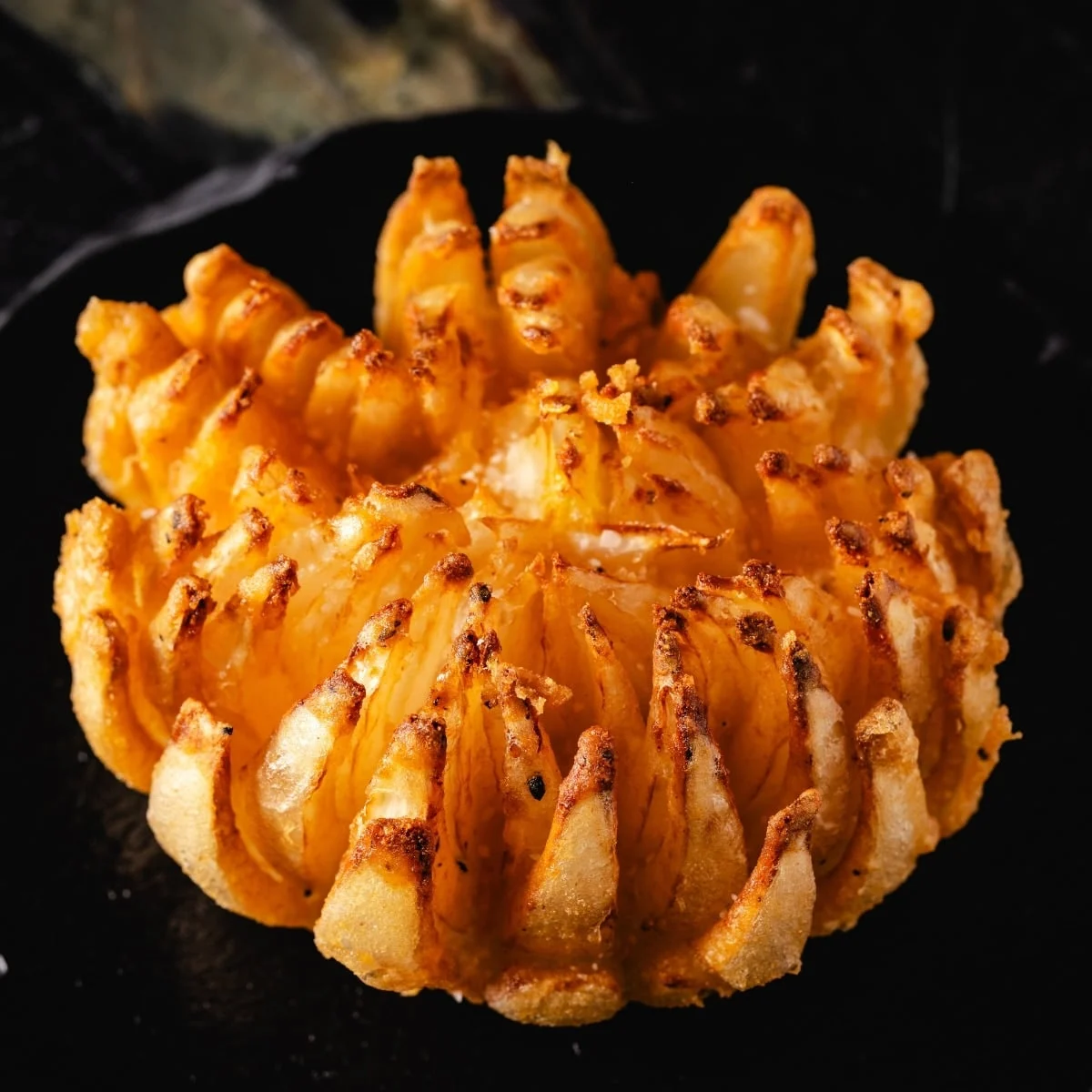
The intersection of traditional American barbecue and deep-frying techniques has birthed a new culinary trend that is rapidly gaining traction among outdoor cooking enthusiasts: the smoke-fried onion blossom. This dish, which combines the low-and-slow infusion of wood smoke with the high-heat crisping of a deep fryer, represents a significant departure from the standard "Bloomin’ Onion" popularized by commercial steakhouse chains in the late 1980s. By introducing a smoking phase prior to the battering and frying process, home pitmasters are able to achieve a depth of flavor that is unattainable through traditional frying alone. This report examines the technical methodology, the selection of raw materials, the chemical reactions involved in the cooking process, and the broader socio-economic impact of the DIY outdoor cooking movement.
The Technical Methodology: A Dual-Phase Approach
The production of a smoke-fried onion blossom requires a precise two-stage thermal application. Unlike standard deep-fried appetizers, which rely solely on the rapid dehydration of the outer batter in hot oil, the smoke-fried variant utilizes a preliminary "cold-to-medium" smoke phase to tenderize the vegetable and imbue it with phenols from the wood fire.
Phase I: The Radial Incision and Smoke Infusion
The process begins with the selection of a large Sweet Vidalia onion. The anatomical integrity of the onion is maintained by leaving the root base intact while performing a series of radial incisions from the top downward. This creates "petals" that fan out as the onion warms. The onion is then placed in a smoker preheated to a consistent 225 degrees Fahrenheit (107 degrees Celsius).

During this 45-minute interval, several critical processes occur. First, the heat begins to break down the pectin in the onion’s cell walls, causing the petals to relax and "blossom" outward. Second, the smoke—typically derived from hardwoods such as hickory, oak, or fruitwoods—circulates around the increased surface area of the open petals. This allows the smoke to penetrate the layers of the onion, providing a savory counterpoint to the vegetable’s natural sugars.
Phase II: Encapsulation and Flash-Frying
Following the smoking phase, the onion is coated in a seasoned batter mix, often reinforced with a dry BBQ rub to complement the smoky profile. The final stage involves submerging the blossom into oil heated to 350 degrees Fahrenheit (177 degrees Celsius). This phase is brief, lasting only three to four minutes. The goal is to trigger the Maillard reaction—the chemical reaction between amino acids and reducing sugars that gives browned food its distinctive flavor—on the surface of the batter while maintaining the tender, smoke-infused interior of the onion petals.
Material Selection: The Significance of the Vidalia Onion
The success of the smoke-fried onion blossom is heavily dependent on the specific variety of onion used. Culinary experts and the Hey Grill Hey development team emphasize the use of the Vidalia onion. Produced exclusively in a 20-county region in Georgia, Vidalias are legally protected under the Vidalia Onion Act of 1986.
The unique soil chemistry of this region, which is notably low in sulfur, prevents the onion from developing the pungent, "hot" flavor associated with yellow or red onions. Instead, the Vidalia is characterized by a high sugar content. When subjected to the smoke-frying process, these sugars undergo caramelization, which works in tandem with the added smoke flavor to create a complex flavor profile that is both sweet and savory.

Chronology of the Dish’s Development
To understand the rise of the smoke-fried onion blossom, one must look at the timeline of the "blossomed" onion in American culture:
- 1988: Outback Steakhouse introduces the "Bloomin’ Onion," a dish invented by founder Tim Gannon. It quickly becomes a staple of American casual dining.
- 2000s-2010s: The rise of backyard smoking technology, specifically the advent of pellet grills (e.g., Traeger, Camp Chef), makes low-temperature smoking accessible to the average consumer.
- 2020-2022: The global pandemic leads to a surge in outdoor cooking. According to the Hearth, Patio & Barbecue Association (HPBA), grill sales reached record highs as consumers sought to replicate restaurant-quality meals at home.
- 2023-Present: Culinary influencers, such as Susie Bulloch of Hey Grill Hey, begin experimenting with "hybrid" cooking methods. The smoke-fried onion blossom emerges as a flagship recipe for this movement, blending the "low and slow" BBQ philosophy with traditional frying.
Supporting Data and Nutritional Analysis
While the smoke-fried onion blossom is an indulgent appetizer, home-prepared versions offer a significant contrast to restaurant counterparts in terms of nutritional transparency. A standard steakhouse fried onion can exceed 1,500 calories per serving, largely due to heavy battering and industrial frying oils.
In contrast, the smoke-fried version, as analyzed by nutritional software, yields approximately 163 calories per serving when prepared according to the Hey Grill Hey methodology. The data breakdown is as follows:
- Total Calories: 163 kcal
- Carbohydrates: 37g
- Protein: 2g
- Fat: 0.1g (Note: This reflects the onion and batter prior to oil absorption; final fat content varies by frying duration and oil drainage).
- Sodium: 672mg
- Sugar: 8g
- Vitamin C: 8mg
The lower caloric density of the home-cooked version is attributed to the smoking phase, which partially cooks the onion and reduces the amount of raw batter required to achieve a "crispy" finish.

Professional Perspectives and Industry Impact
Susie Bulloch, the founder of Hey Grill Hey and a recognized figure in the barbecue community, has been a vocal proponent of the smoke-frying technique. Bulloch, who has appeared on the Food Network and holds multiple Guinness World Records in the BBQ space, suggests that the "backyard BBQ hero" culture is driven by a desire for technical mastery.
"When you finally nail that backyard steak method and you’re looking for the perfect side to go with it, you want this Smoke-Fried Onion Blossom," Bulloch stated. Her approach emphasizes accessibility, using only three primary ingredients: the onion, a batter mix, and a BBQ rub. This "simplicity-first" philosophy has resonated with a demographic of home cooks who are increasingly moving away from pre-packaged frozen appetizers in favor of scratch-made, technique-driven dishes.
Market analysts suggest that this trend is part of a broader "premiumization" of the backyard barbecue. Consumers are no longer satisfied with simple burgers and hot dogs; they are investing in multi-functional equipment that allows for smoking, searing, and frying. The smoke-fried onion blossom is a prime example of a dish that justifies the purchase of high-end outdoor kitchen setups.
Broader Implications: The "Restaurant-at-Home" Economy
The popularity of the smoke-fried onion blossom reflects a shift in consumer behavior. As the cost of dining out continues to rise due to inflation and labor costs, many consumers are turning to specialized home cooking as a form of "at-home entertainment."

The psychological appeal of the onion blossom lies in its visual presentation. The radial cut creates a dramatic, flower-like appearance that is highly "Instagrammable," a factor that cannot be overlooked in the modern culinary landscape. By sharing photos of their "bangin’ blossoms" on social media platforms like Instagram and Facebook, home cooks participate in a digital community of "Backyard BBQ Heroes," further driving the popularity of the recipe.
Furthermore, the integration of digital tools, such as the Hey Grill Hey App, provides real-time guidance to novices. This democratization of culinary expertise means that the technical barriers to entry—such as knowing the exact temperature at which an onion softens without becoming mushy—are being removed.
Conclusion: The Future of Hybrid Barbecue
The smoke-fried onion blossom is more than a simple appetizer; it is a case study in the evolution of American outdoor cooking. By synthesizing the distinct advantages of wood-fired smoking and deep-frying, it offers a sensory experience that is superior to its commercial predecessors. As equipment continues to evolve and the community of home pitmasters grows, it is likely that "smoke-frying" will become a standard technique in the culinary repertoire, applied to everything from chicken wings to vegetables.
For the enthusiast, the dish represents the pinnacle of backyard hosting—a conversation piece that is as technically impressive as it is flavorful. As the BBQ season progresses, the smoke-fried onion blossom is poised to remain a dominant fixture on platters across the country, signifying a new era where the line between professional steakhouse kitchens and the backyard patio continues to blur.
