
The Composition and Culinary Mechanics
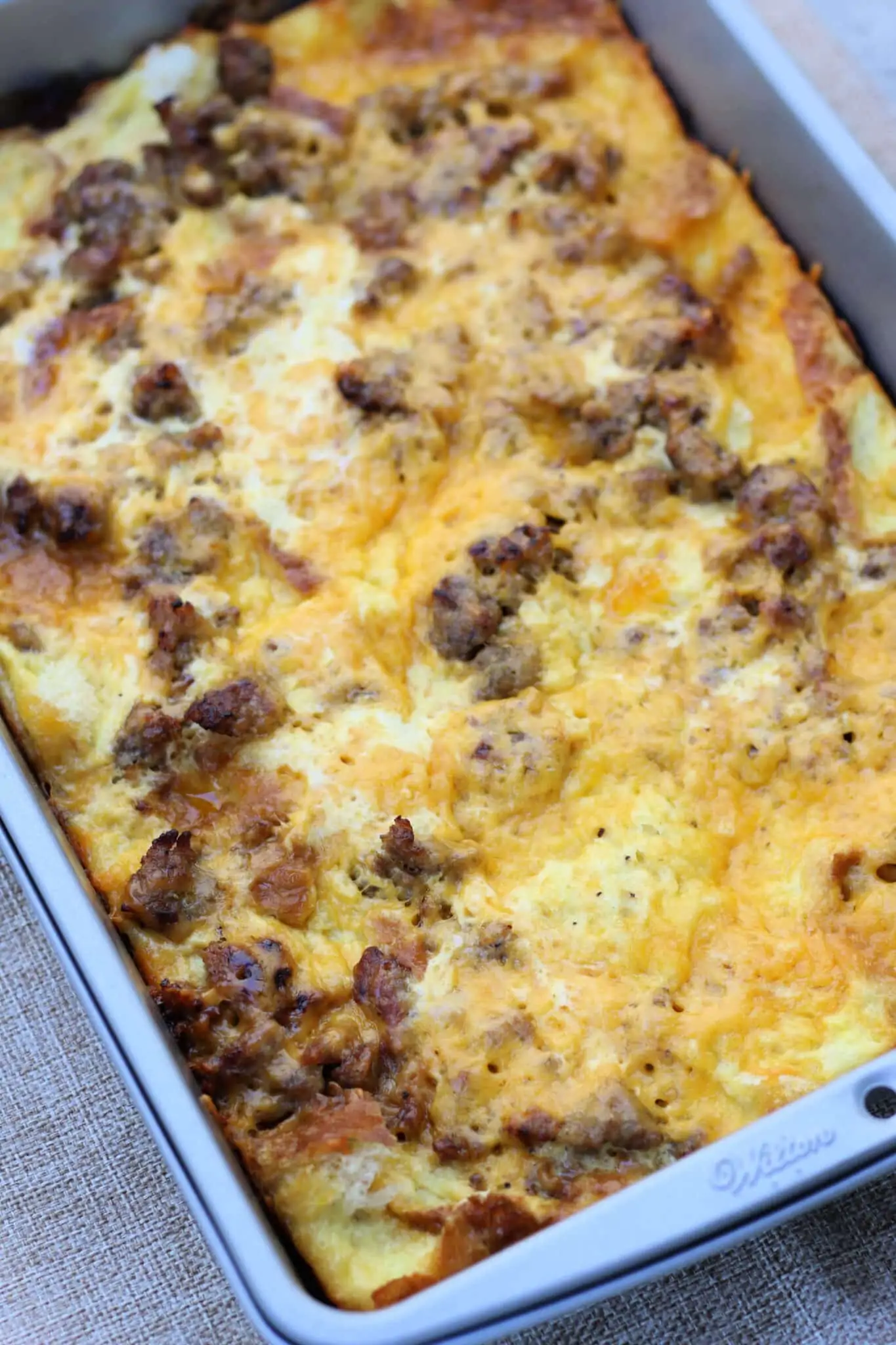
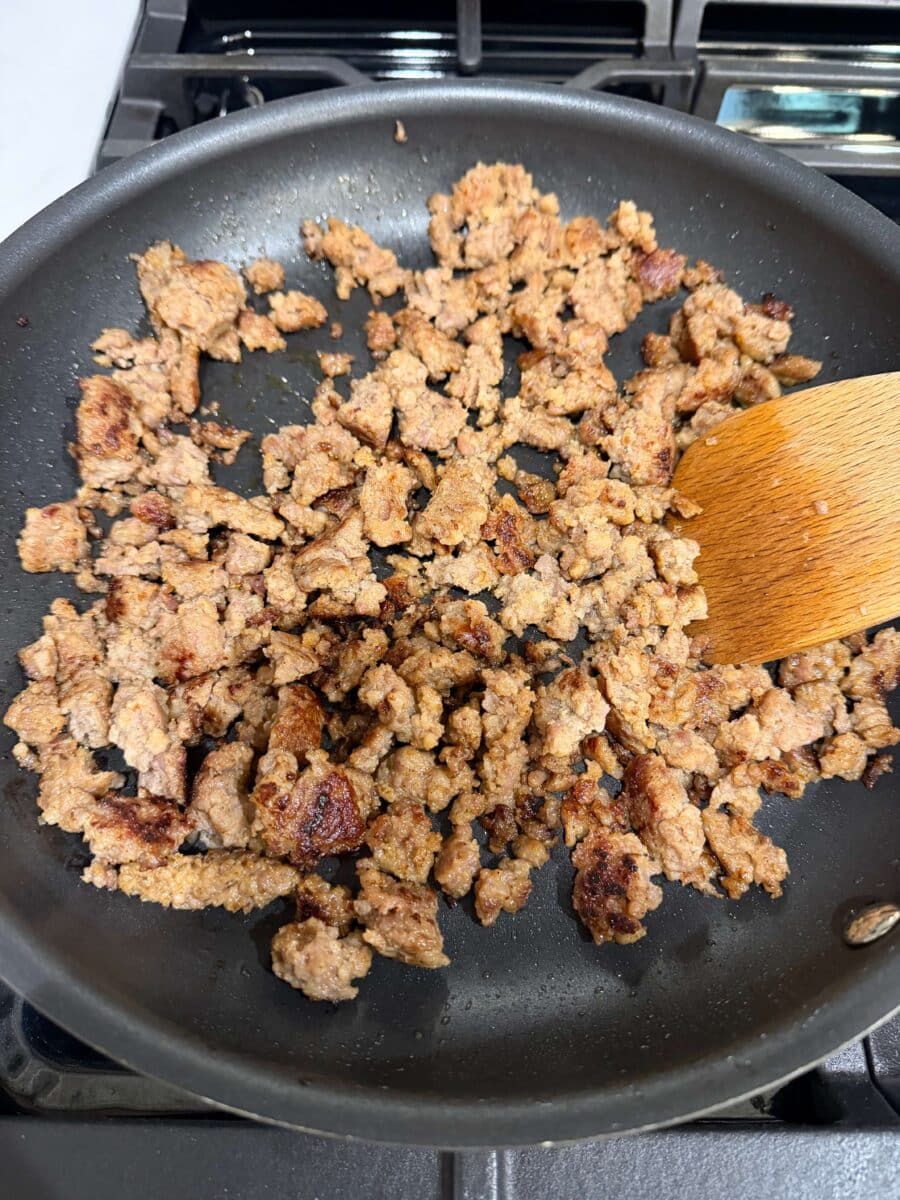
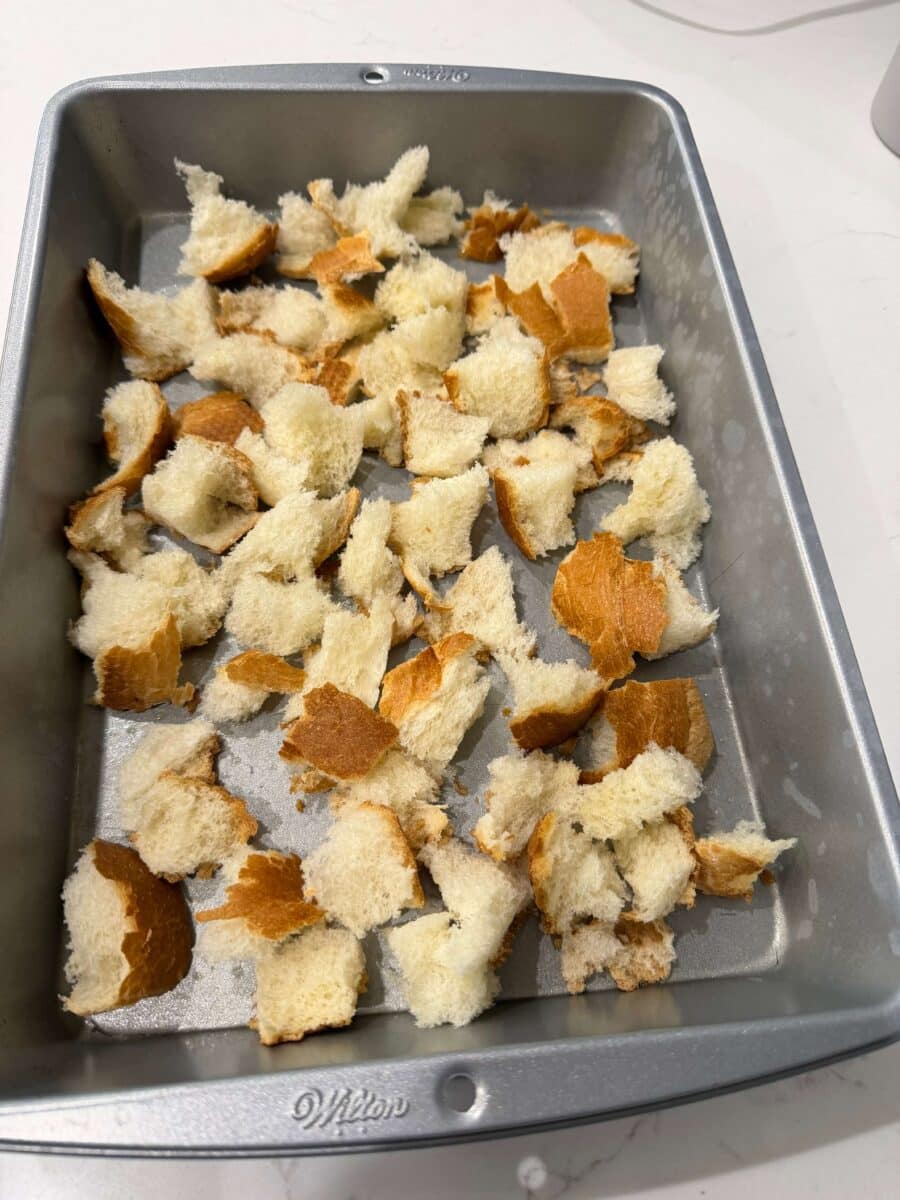
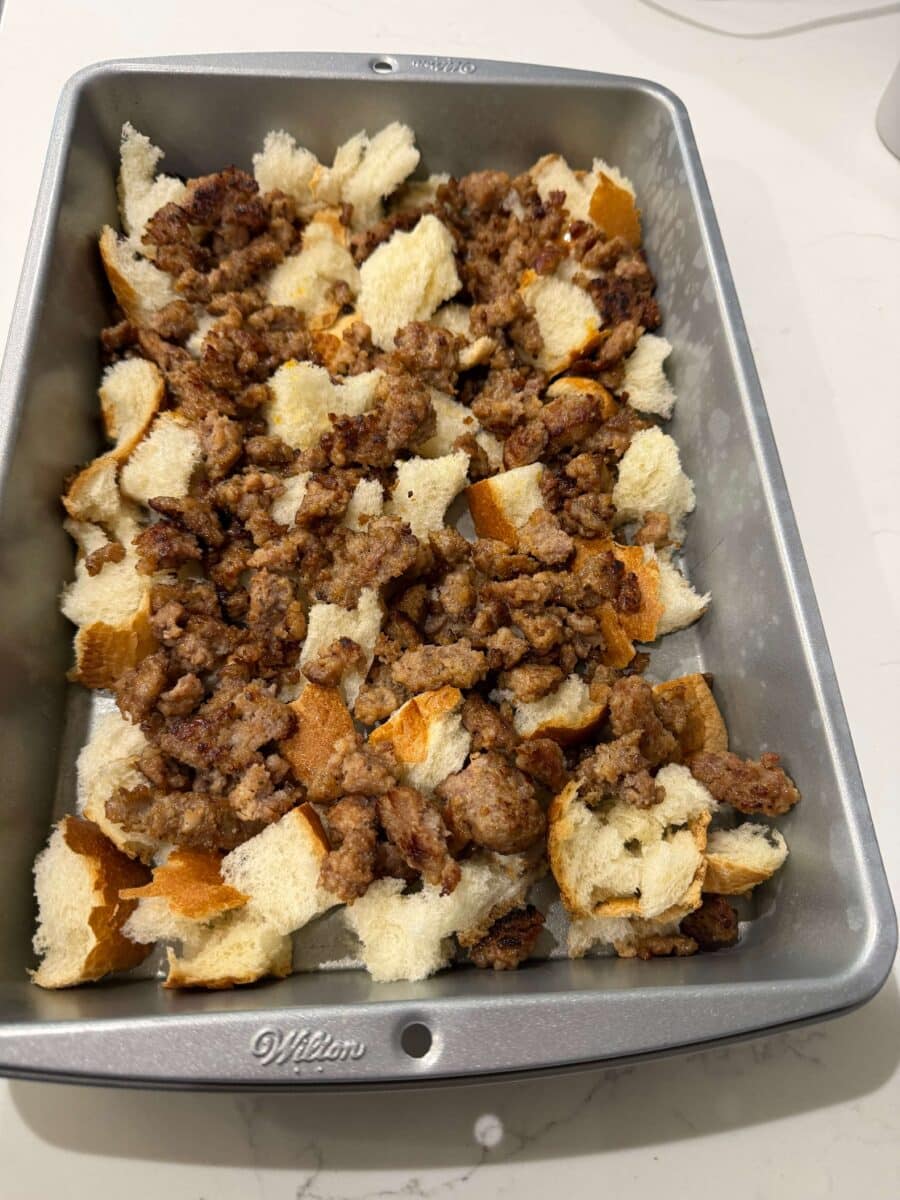
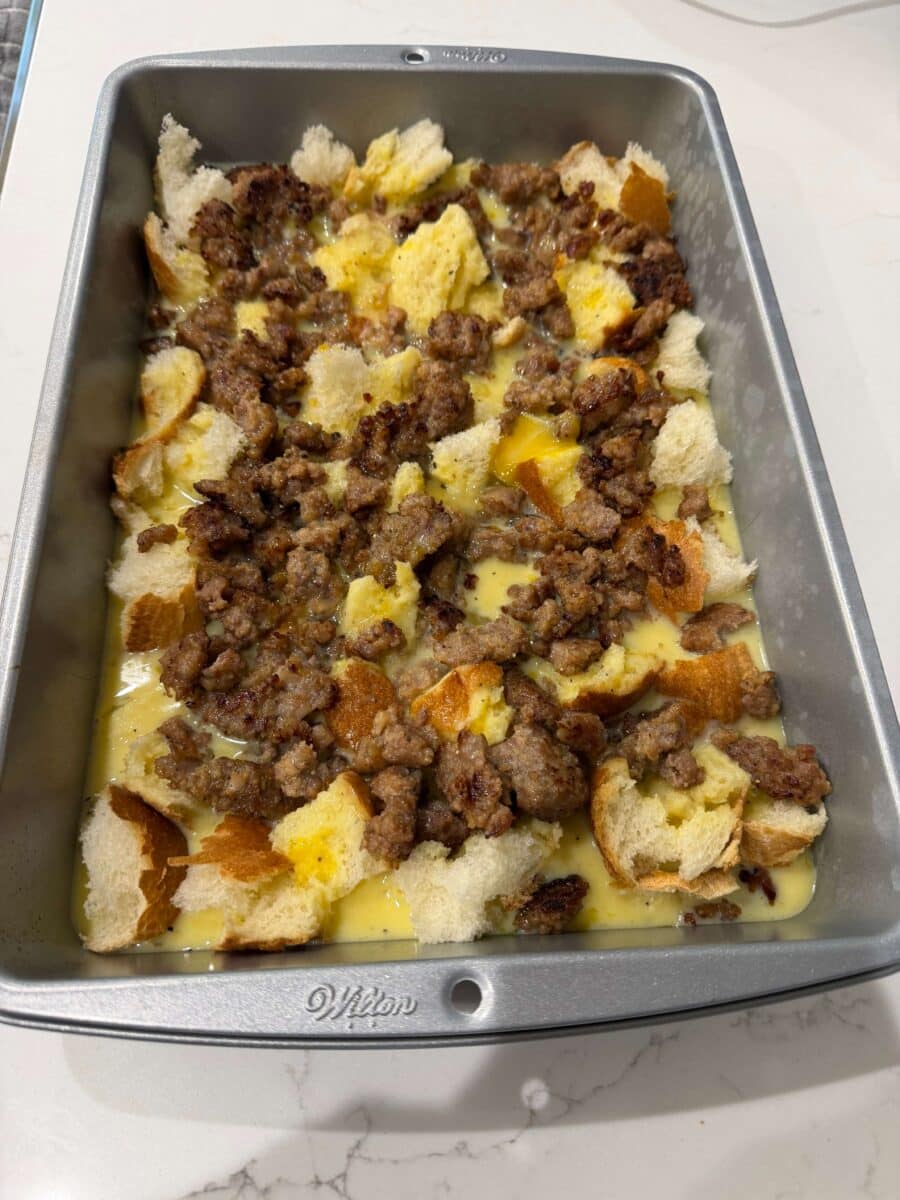
The structural integrity of Brad’s Mom’s Casserole relies on a foundational architecture of six slices of cubed bread, which acts as a sponge for a savory custard. The custard is composed of six to eight large eggs whisked with two cups of whole milk. The seasoning profile is notably classic, utilizing one teaspoon of dry mustard, one teaspoon of salt, and a half-teaspoon of black pepper. The protein component typically consists of one pound of browned and drained pork sausage, though variations often incorporate spicy or maple-flavored alternatives to adjust the flavor profile.
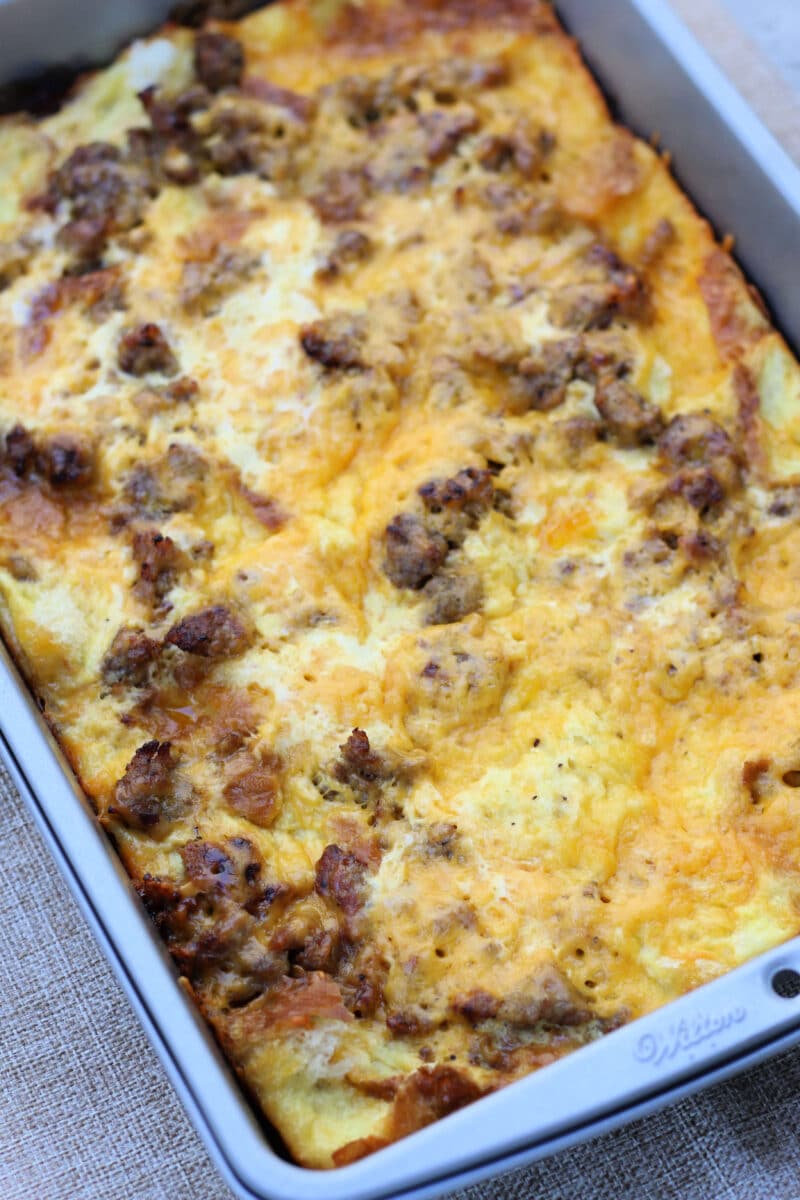
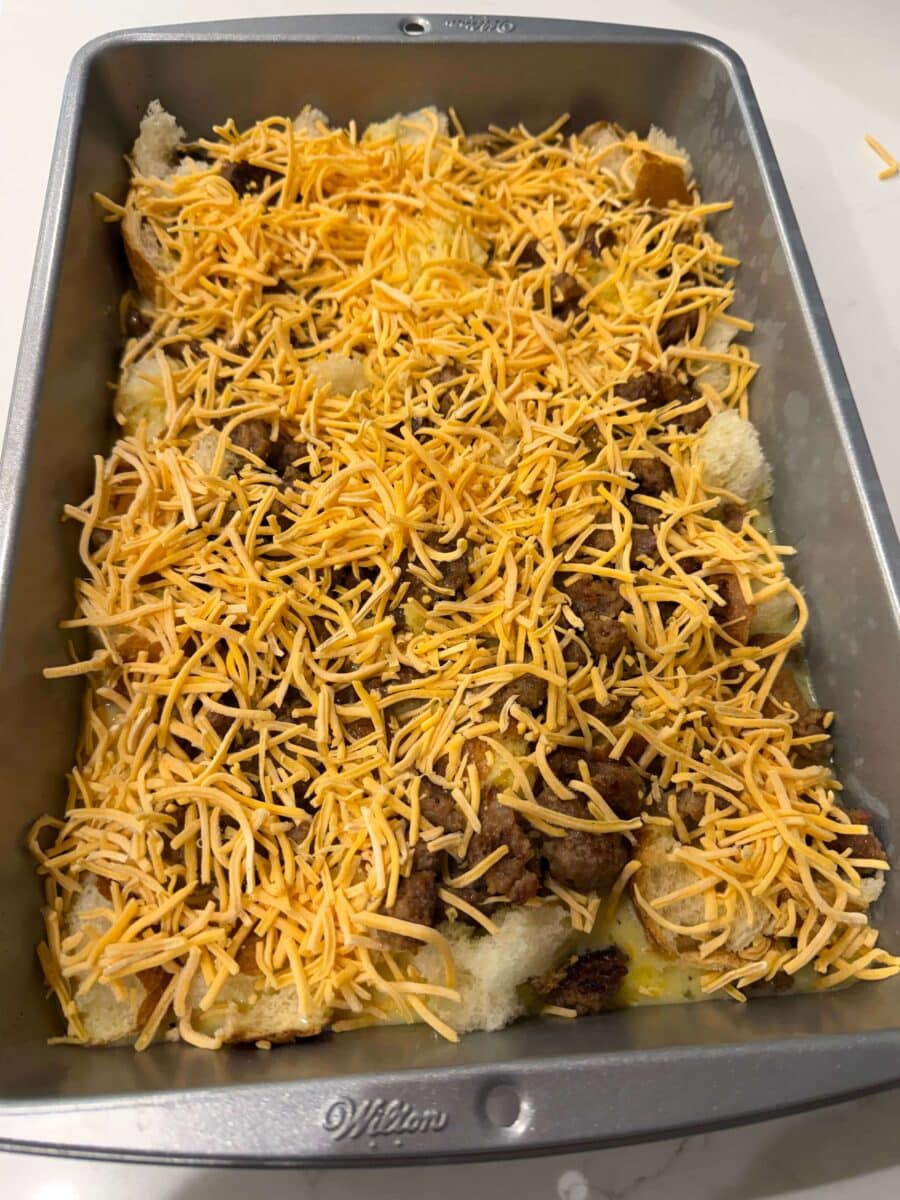
From a culinary science perspective, the mandatory overnight refrigeration period is the most critical phase of the preparation. This duration allows for the process of osmosis and starch saturation. Unlike a quick-scramble or a frittata, the resting period ensures that the liquid custard fully penetrates the cellular structure of the bread. This prevents the bread from floating to the top and creates a uniform, pudding-like consistency that is firm enough to slice but soft enough to maintain a delicate mouthfeel. Upon baking at 350 degrees Fahrenheit for approximately 40 minutes, the proteins in the eggs coagulate, and the one cup of shredded cheddar cheese creates a Maillard reaction on the surface, resulting in a golden-brown crust.
Chronology of a Culinary Trend
The trajectory of this recipe’s popularity can be traced back several decades, rooted in the broader history of the American breakfast casserole.
- Post-WWII Era (1950s–1960s): The rise of "convenience cooking" led to the popularization of the strata. Recipes involving overnight soaking became favorites for hostesses who wished to spend more time with guests and less time in the kitchen on the morning of an event.
- Early 2000s: The recipe was shared on various community cooking forums, most notably Food.com, where it was explicitly identified as "Brad Pitt’s Mom’s Breakfast Casserole." The celebrity association provided the necessary "hook" for the recipe to go viral in an era before social media dominated food trends.
- The Digital Proliferation (2010s–Present): Bloggers and recipe aggregators, such as 365 Days of Crockpot, adapted the recipe for modern audiences. It has been modified for slow cookers and Instant Pots, though the traditional oven-baked method remains the gold standard for texture.
- 2024 Market Context: In a post-pandemic economy where grocery prices have fluctuated, the casserole remains a cost-effective way to feed a large group (typically 6–8 people) using shelf-stable or common refrigerator staples.
Economic and Social Implications of Make-Ahead Meals
The enduring appeal of the breakfast casserole is a reflection of shifting domestic labor patterns. As multi-generational households and busy professional schedules become more common, the "make-ahead" category of cooking has seen a resurgence. Market research indicates that "time-saving" is the primary driver for 65% of home cooks when selecting recipes for special occasions. By shifting the labor-intensive portion of the meal (chopping, browning, and mixing) to the evening prior, the morning routine is streamlined to a single action: preheating the oven.
Furthermore, the "celebrity mom" aspect of the recipe taps into a specific type of consumer trust. In a world of high-concept gastronomy and complex diet trends, there is a counter-movement toward "legacy recipes"—dishes that carry the perceived endorsement of a maternal figure. The association with Jane Pitt suggests a level of groundedness and authenticity, contrasting the often-extravagant lifestyle associated with Hollywood elites.
Nutritional Profile and Dietary Adaptations
While the traditional version of Brad’s Mom’s Casserole is calorie-dense and high in protein, modern nutritional analysis offers a clearer picture of its dietary impact. A single serving typically contains between 350 and 450 calories, with a significant portion of that coming from the fats in the sausage and cheese. However, the dish is also a robust source of high-quality protein and calcium.
In response to evolving dietary needs, food analysts and home chefs have developed several substitutions to maintain the dish’s essence while catering to specific requirements:
- Low-Carb/Keto: Replacing the bread with roasted cauliflower or zucchini slices, or omitting the starch entirely to create a crustless quiche-style bake.
- Gluten-Free: Utilizing gluten-free bread loaves, which often hold up better during the overnight soaking process due to their denser structure.
- Vegetarian: Substituting the pork sausage with soy-based crumbles, sautéed mushrooms, or spinach and sun-dried tomatoes.
Comparative Analysis: Casserole vs. Traditional Breakfast
When compared to other standard breakfast offerings, the casserole format offers distinct advantages in consistency and heat retention. Unlike individual omelets, which require minute-by-minute attention and often cool rapidly, a 9×13-inch casserole retains its internal temperature for a significant period after being removed from the oven. This makes it the ideal candidate for buffet-style service, which is common during Thanksgiving, Christmas, and Easter mornings.
Statistically, the "breakfast category" is the fastest-growing segment in the food industry, with a 4.2% year-over-year increase in consumers choosing to eat breakfast at home rather than at restaurants. Recipes like Brad’s Mom’s Casserole facilitate this trend by providing a "restaurant-quality" experience with minimal morning effort.
Official Responses and Cultural Reception
While there has been no formal "press release" regarding the recipe from the Pitt family, the informal endorsement through public interest has served as a powerful marketing tool for culinary websites. Users on Food.com and Pinterest have provided thousands of reviews, with an average rating of 4.8 out of 5 stars. Common feedback highlights the "nostalgia factor" and the "fail-proof" nature of the instructions.
Culinary critics note that the recipe’s success lies in its lack of pretension. It does not require specialized equipment or exotic ingredients. It relies on the synergy of fat, salt, and starch—a trio that has defined successful comfort food for centuries. The addition of dry mustard is frequently cited by chefs as the "secret ingredient" that elevates the dish, as the acidity and heat of the mustard powder cut through the richness of the egg yolks and melted cheddar.
Broader Impact on Home Cooking Culture
The phenomenon of Brad’s Mom’s Casserole illustrates how a single recipe can act as a cultural touchstone. It bridges the gap between the private sphere of family life and the public sphere of internet fame. As digital archives continue to grow, these types of "legacy" recipes are preserved and refined, ensuring that the culinary habits of previous generations are not lost to the fast-paced nature of modern life.
In conclusion, Brad’s Mom’s Casserole is more than a simple combination of eggs and bread; it is a testament to the power of shared culinary heritage. Its logistical benefits—being prepared in advance and serving a crowd—make it a functional tool for modern household management. Simultaneously, its connection to a high-profile family adds a layer of cultural intrigue that keeps it relevant in the crowded landscape of digital food media. As long as there is a need for warm, communal, and efficient morning meals, the breakfast casserole will remain a cornerstone of the American kitchen.
Preparation Summary and Best Practices
For those seeking to replicate the success of this dish, experts recommend the following technical tips:
- Bread Selection: Use a sturdy bread, such as sourdough or a thick-cut white loaf. Avoid overly soft, thin-sliced "sandwich" bread, which may disintegrate into a mushy texture.
- Grease Management: It is vital to thoroughly drain the sausage after browning. Excess grease can prevent the custard from setting properly and may lead to an oily finished product.
- Cheese Quality: Grating cheese from a block rather than using pre-shredded varieties results in a better melt, as pre-shredded cheeses are often coated in potato starch or cellulose to prevent clumping.
- The Foil Method: Keeping the dish tightly covered with foil during the overnight rest prevents the bread on top from drying out and ensures even hydration.
By adhering to these standards, home cooks can ensure that they are producing a dish that meets the high expectations set by its famous namesake, providing a reliable and comforting start to any day.
