
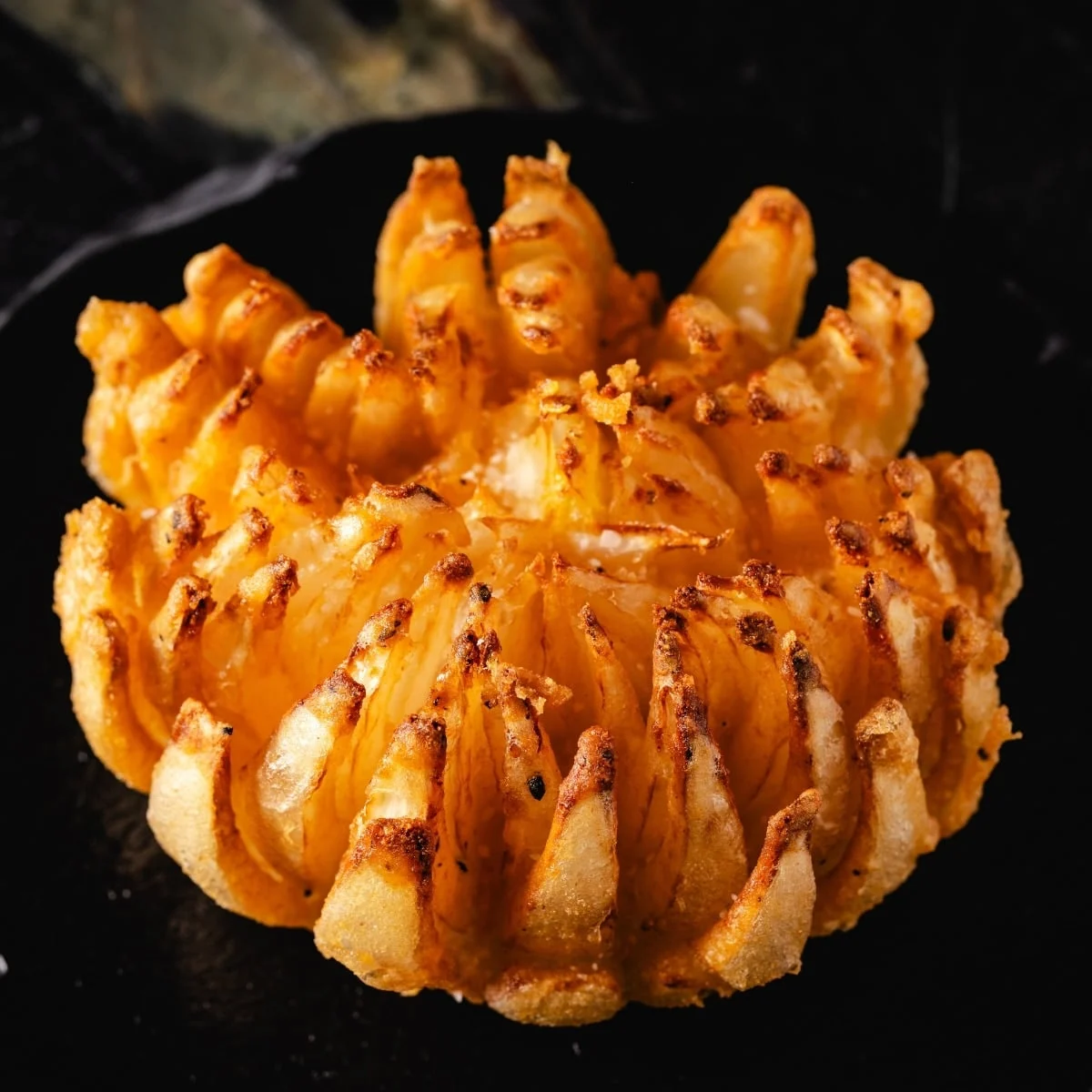
The evolution of outdoor cooking has transitioned from simple direct-heat grilling to a sophisticated discipline involving multi-stage thermal processing, as evidenced by the rising popularity of the smoke-fried onion blossom. This dish, which combines the low-and-slow aromatic infusion of wood smoke with the rapid dehydration and Maillard reaction of deep-frying, represents a significant shift in contemporary backyard gastronomy. Traditionally associated with high-volume steakhouse franchises, the onion blossom has been reimagined for the domestic smoker, utilizing a dual-cook method that prioritizes both structural tenderness and external crunch. By leveraging the specific botanical properties of the Vidalia onion and the precise temperature control of modern pellet grills or offset smokers, home cooks are now replicating—and often exceeding—the quality of commercial appetizers.
The Botanical and Regional Significance of the Vidalia Onion
The foundation of the smoke-fried onion blossom is the Sweet Vidalia onion, a variety that is legally and geographically protected. Under the Vidalia Onion Act of 1986, only onions grown in 20 specific counties in Georgia can carry the name. The unique appeal of the Vidalia lies in its low sulfur content and high water and sugar concentration, a direct result of the specific sandy, low-sulfur soil found in the region.
From a culinary perspective, these chemical properties are essential for the smoking process. While standard yellow onions may retain a sharp, pungent bite even after cooking, the Vidalia’s sugars carmelize more readily at lower temperatures. When subjected to the initial 45-minute smoking phase at 225 degrees Fahrenheit, the onion undergoes a controlled softening of its cellular walls. This allows the "petals" to fan out, or "bloom," increasing the surface area for the subsequent application of batter and high-heat oil.

The Two-Stage Cooking Chronology
The preparation of a smoke-fried onion blossom follows a rigorous chronological sequence designed to maximize flavor depth and textural contrast.
Phase I: The Bloom and the Infusion
The process begins with a precise mechanical preparation. The root of the onion remains intact to serve as a structural anchor, while the top is removed. A series of vertical cuts are made, typically 12 to 16, stopping just short of the root. The onion is then placed in a smoker preheated to 225 degrees Fahrenheit. Unlike traditional smoking, which aims for a specific internal temperature in meats, this stage focuses on the physical transformation of the vegetable. Over approximately 45 minutes, the heat gently coaxes the petals outward while the wood smoke—often hickory, cherry, or applewood—permeates the layers.
Phase II: Batter Application and Thermal Shock
Once the onion has softened and absorbed the desired smoke profile, it is removed for battering. A three-ingredient approach is commonly employed: a large Vidalia onion, a pre-mixed batter (often a flour-and-cornstarch base), and a specialized BBQ rub. The rub, typically containing paprika, garlic powder, and brown sugar, adds a secondary layer of seasoning that bridges the gap between the sweet onion and the savory smoke.
Phase III: The High-Heat Finish
The final stage involves deep-frying the battered onion at a consistent 350 degrees Fahrenheit. This temperature is critical; if the oil is too cool, the batter becomes saturated and greasy; if too hot, the sugars in the Vidalia and the rub will scorch before the batter sets. The frying process is brief, lasting only three to four minutes, providing a rapid "thermal shock" that creates a golden-brown, crispy exterior while preserving the smoke-softened interior.

Technical Specifications and Nutritional Data
A factual analysis of the dish reveals a complex nutritional and chemical profile. A single serving of the smoke-fried onion blossom (based on a four-serving yield from one large onion) contains approximately 163 calories. The carbohydrate count stands at 37 grams, reflecting the flour-based batter and the natural sugars of the Vidalia.
| Metric | Value |
|---|---|
| Smoking Temperature | 225°F (107°C) |
| Frying Temperature | 350°F (177°C) |
| Smoke Duration | 45 Minutes |
| Frying Duration | 3-4 Minutes |
| Sodium Content | 672 mg |
| Total Calories | 163 kcal |
Culinary scientists note that the use of a BBQ rub in the battering process serves more than a flavor function. The salt in the rub aids in further drawing out moisture from the onion petals just before they hit the oil, which is a key factor in achieving a "shatter-crisp" texture.
Comparative Analysis: Smoke-Frying vs. Traditional Deep-Frying
The traditional "Bloomin’ Onion," popularized by Outback Steakhouse in the late 1980s, relies entirely on deep-frying from a raw state. While effective for speed and consistency in a commercial kitchen, this method often leaves the innermost sections of the onion petals slightly undercooked or lacking in flavor complexity.
The smoke-frying technique addresses these deficiencies in two ways:

- Flavor Layering: Traditional frying relies on the batter for flavor. Smoke-frying introduces a third dimension—atmospheric seasoning—that penetrates the vegetable itself.
- Textural Uniformity: By pre-softening the onion in the smoker, the "bite" of the onion becomes consistent from the tip of the petal to the base of the root.
Industry experts suggest that this "double-cook" method is part of a broader trend in BBQ culture where traditional smoking is viewed as a foundational step rather than the final one. Similar techniques are seen in "smoke-fried" chicken wings and "reverse-seared" steaks, both of which prioritize the combination of smoke infusion and high-heat textural finishing.
Professional Recommendations and Procedural Integrity
To achieve professional-grade results, certain procedural safeguards must be maintained. Susie Bulloch, a prominent figure in the BBQ community and founder of the "Hey Grill Hey" platform, emphasizes the importance of oil temperature recovery. When a room-temperature or smoke-warmed onion is submerged in hot oil, the oil temperature naturally drops. For those preparing multiple blossoms, it is imperative to allow the oil to return to 350 degrees Fahrenheit between batches.
Furthermore, the choice of frying medium is significant. Oils with high smoke points, such as peanut oil (450°F) or refined vegetable oil (400°F), are recommended to prevent the introduction of acrid flavors during the flash-fry stage.
Broader Impact and the "Backyard BBQ Hero" Movement
The rise of recipes like the smoke-fried onion blossom is indicative of a larger socioeconomic shift in American food consumption. As the cost of dining at premium steakhouses has risen, there has been a concomitant surge in the "prosumer" grill market. High-end smoking equipment, once reserved for professional pitmasters, is now a standard feature in many suburban backyards.

This democratization of specialized cooking techniques has fostered a culture of the "Backyard BBQ Hero," where enthusiasts seek to replicate complex restaurant appetizers at home. The smoke-fried onion blossom serves as a hallmark of this movement, offering a dish that is visually impressive, technically multi-layered, yet accessible through a simplified three-ingredient list.
Conclusion and Future Implications
The smoke-fried onion blossom is more than a mere appetizer; it is a demonstration of the versatility of modern outdoor cooking. By synthesizing the ancient practice of smoking with the industrial-era technique of deep-frying, it creates a flavor profile that is uniquely contemporary.
As culinary technology continues to advance—with the integration of Wi-Fi-enabled temperature probes and precision-controlled fryers—the boundary between professional kitchen output and backyard cooking will continue to blur. The onion blossom, in its smoke-fried iteration, stands as a testament to the ongoing innovation in American BBQ, proving that even the most humble ingredients can be elevated through a rigorous application of heat, smoke, and timing. For the consumer, it represents a shift toward higher-quality, home-prepared alternatives to traditional fast-casual fare, signaling a permanent change in the landscape of social dining and outdoor recreation.
