
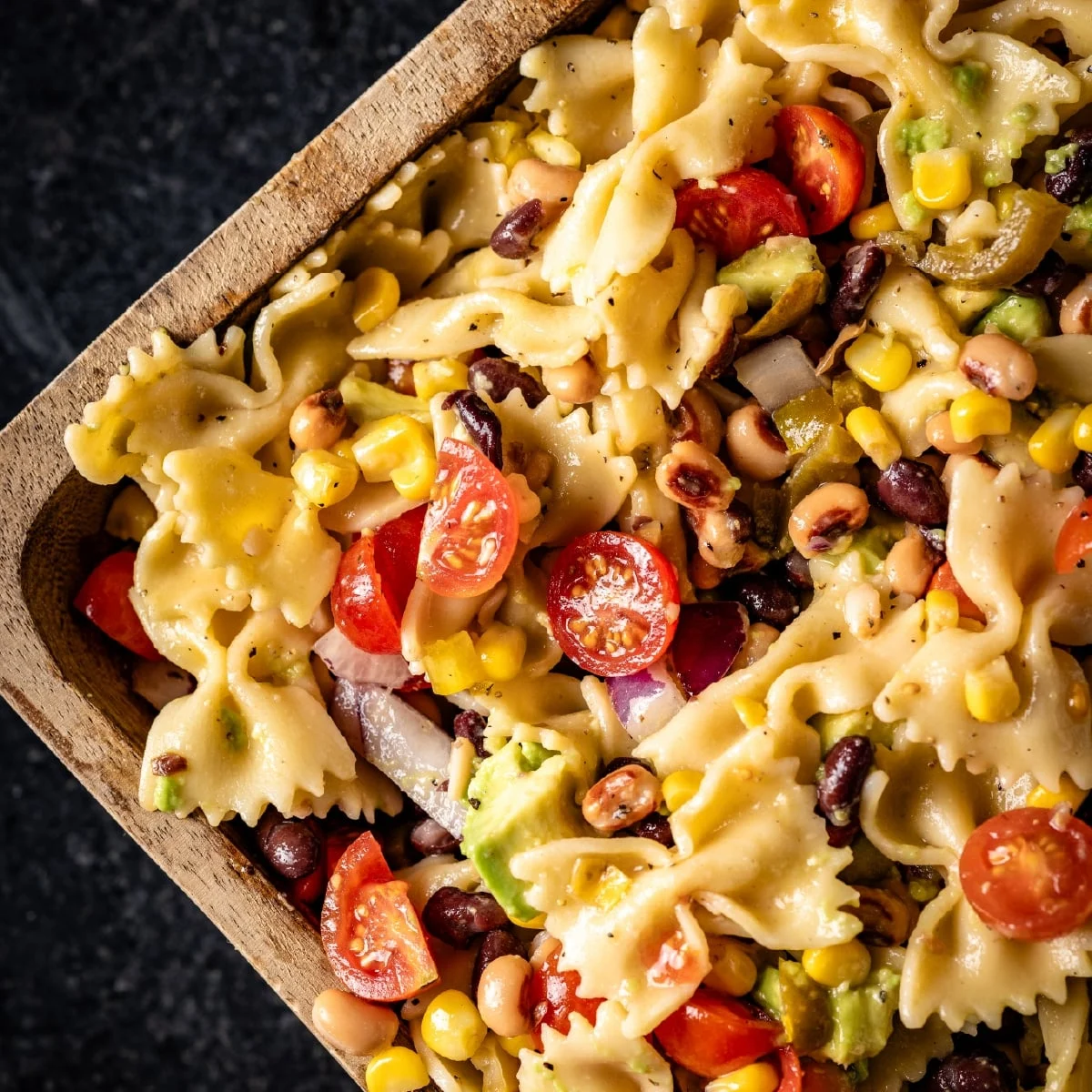
The Cowboy Pasta Salad has emerged as a significant culinary trend in the contemporary outdoor cooking landscape, offering a complex profile of textures and flavors that distinguish it from traditional mayonnaise-based side dishes. Characterized by its use of bowtie pasta, creamy avocado, black beans, sweet corn, and a zesty lime-based dressing, this dish represents a fusion of Southwestern American flavors and classic picnic staples. As barbecue culture continues to evolve, the demand for versatile, high-impact side dishes has led to the rise of recipes like the one popularized by Susie Bulloch of Hey Grill Hey, which prioritizes pantry-stable ingredients and rapid preparation without sacrificing depth of flavor.
The Evolution of the Pasta Salad in American Culinary Traditions
The history of the pasta salad in the United States is one of constant reinvention. While cold pasta dishes have roots in European cuisine, the Americanized version gained significant traction during the mid-20th century, particularly in the 1980s, when tri-color rotini and bottled Italian dressing became a staple of suburban potlucks. However, the modern "Cowboy" iteration marks a departure from these earlier versions by incorporating ingredients typically associated with Tex-Mex and Southwestern cuisines.
The transition toward the Cowboy Pasta Salad reflects a broader shift in consumer preferences toward "bright" and "zesty" flavor profiles. By replacing heavy creams and mayonnaise with acid-forward dressings—utilizing lime juice and red wine vinegar—culinary developers have created a dish that acts as a palate cleanser against the richness of smoked meats like brisket and pulled pork. The inclusion of black beans and corn provides a textural contrast that was often missing from the softer, noodle-centric salads of previous decades.

Composition and Nutritional Profile of the Cowboy Pasta Salad
A detailed analysis of the Cowboy Pasta Salad reveals a strategic balance of macronutrients and flavor agents. The foundational element is bowtie pasta, or farfalle, chosen for its ability to hold dressing within its folds. This is supplemented by a diverse array of fresh produce and legumes.
According to nutritional data provided for a standard eight-serving yield, the dish contains approximately 383 calories per serving. The carbohydrate content sits at 57 grams, primarily derived from the pasta and corn, while the inclusion of black beans contributes to a protein count of 11 grams. The fat content, totaling 16 grams, is largely composed of monounsaturated fats (10 grams) sourced from the avocado and oil-based dressing. This profile suggests a dish that is more nutritionally dense than traditional potato salads, offering 5 grams of dietary fiber and significant amounts of Vitamin A and Vitamin C.
The dressing is a critical component, utilizing a combination of:
- Acids: Lime juice and red wine vinegar provide the necessary sharpness to cut through the starch of the pasta.
- Aromatics: Garlic powder, onion powder, and cumin offer an earthy baseline.
- Heat: Pickled jalapeños and their brine introduce a controlled level of spice that defines the "Cowboy" style.
The Role of Hey Grill Hey and the "BBQ Boss Lady" Influence
The specific iteration of this recipe was developed by Susie Bulloch, the founder of Hey Grill Hey and a recognized authority in the barbecue industry. Bulloch, often referred to as the "BBQ Boss Lady," has built a reputation through appearances on the Food Network and her involvement in multiple Guinness World Records related to outdoor cooking. Her approach to the Cowboy Pasta Salad emphasizes "working with what you’ve got," a philosophy that resonates with home cooks who may find themselves needing a high-quality side dish on short notice.

Bulloch’s version is notable for its omission of traditional meat additives such as ground beef or bacon. While some regional variations of Cowboy Salad include these proteins, the Hey Grill Hey model focuses on a vegetarian-friendly base that relies on the creaminess of avocado and the heartiness of black beans to provide satiety. This strategic choice makes the dish more versatile for large gatherings where dietary restrictions may be a factor.
Preparation Chronology and Efficiency
The efficiency of the Cowboy Pasta Salad is one of its primary selling points in the competitive field of barbecue side dishes. The preparation timeline can be broken down into three distinct phases:
- Starch Preparation: The pasta is boiled in salted water until al dente, then drained and cooled. Utilizing leftover pasta can reduce the active preparation time to approximately 10 minutes.
- Ingredient Integration: Fresh vegetables, including cherry tomatoes, red onions, and avocados, are diced and combined with canned staples like black beans and corn.
- Emulsification and Chilling: The dressing is whisked together and tossed with the salad. A critical step in the chronology is the chilling period; allowing the salad to rest in the refrigerator for at least 30 minutes allows the flavors to meld and the pasta to absorb the dressing without becoming mushy.
This timeline is designed to run parallel to the final stages of meat smoking or grilling, ensuring that the side dish is at its peak freshness when the main course is served.
Market Trends: The Rise of the "Inclusive" Barbecue
The popularity of the Cowboy Pasta Salad is indicative of a larger trend within the $15 billion American barbecue industry: the rise of inclusive and diverse side dishes. As more consumers adopt flexitarian or plant-forward diets, the "meat-only" barbecue plate is being replaced by a more balanced spread.

Industry analysts note that high-quality side dishes are no longer seen as an "afterthought" but as essential components of the barbecue experience. The Cowboy Pasta Salad, with its lack of meat and heavy dairy, appeals to a wide demographic. Furthermore, the visual appeal of the dish—featuring the vibrant greens of avocado, the deep blacks of the beans, and the bright reds of cherry tomatoes—makes it highly "shareable" on social media platforms, further driving its popularity among millennial and Gen Z home cooks.
Statements and Reactions from the Culinary Community
While formal "official responses" to a salad recipe are rare, the reception from the online barbecue community has been overwhelmingly positive. Culinary enthusiasts have praised the recipe for its "tangy" profile, which contrasts with the smoky, often sweet sauces found in traditional American BBQ.
Susie Bulloch has stated that the goal of such recipes is to help individuals become "Backyard BBQ Heroes." By providing a reliable, quick-prep dish, Bulloch argues that cooks can focus more of their attention on the technical aspects of smoking meat while still providing a complete, professional-grade meal for their guests.
Critics of the "no-meat" version occasionally argue that a true "Cowboy" dish requires animal protein. However, the consensus among modern food bloggers and home chefs is that the flexibility of the recipe is its greatest strength. The ability to swap black-eyed peas for black beans or to add bacon if available allows the dish to adapt to various regional tastes and pantry inventories.

Broader Impact and Culinary Implications
The Cowboy Pasta Salad represents a bridge between the rustic traditions of outdoor cooking and the modern demand for fresh, nutrient-rich food. Its impact on the "potluck economy" is significant, as it offers a dish that is portable, shelf-stable for several hours (provided it is kept cool), and universally liked.
From a culinary science perspective, the dish is a study in acidity and texture. The use of jalapeño brine in the dressing is a technique often used in professional kitchens to add "zip" without overwhelming the palate with raw vinegar. The interaction between the lime juice and the avocado also serves a functional purpose, as the citric acid helps prevent the avocado from browning, maintaining the salad’s aesthetic appeal throughout an event.
As we look toward the future of American outdoor dining, recipes like the Cowboy Pasta Salad will likely continue to dominate. They reflect a movement toward "functional flavor"—dishes that are easy to prepare, healthy enough to be eaten as a main course, and bold enough to stand up to the intense flavors of the smoker. For the "Backyard BBQ Hero," this salad is more than just a side; it is a strategic tool in the art of hosting, proving that even an "afterthought" can become the star of the show.
