

The culinary landscape of the American household has undergone a significant transformation over the past decade, driven by the dual pressures of time-constrained schedules and a renewed interest in nostalgic comfort foods. At the intersection of this trend lies the Porcupine Supreme Casserole, a contemporary reimagining of a mid-century classic that utilizes modern kitchen technology to simplify a historically labor-intensive preparation process. This dish, characterized by its fusion of ground beef, long-grain rice, and a savory tomato-based sauce topped with melted Monterey Jack cheese, represents a "deconstructed" version of the traditional porcupine meatball. By adapting the recipe for both the Instant Pot and the slow cooker, home cooks are increasingly finding ways to preserve heirloom flavors while adhering to the efficiencies required by the 21st-century lifestyle.

Historical Context and the Evolution of Porcupine Meatballs
To understand the significance of the Porcupine Supreme Casserole, one must first examine its progenitor: the porcupine meatball. Culinary historians trace the origins of porcupine meatballs back to the Great Depression era in the United States. During this period of extreme economic hardship, rice served as an essential "stretcher" for expensive proteins. By mixing uncooked rice into ground beef, families could produce a larger volume of food with a smaller amount of meat.
The name "porcupine" is derived from the visual appearance of the dish; as the meatballs simmered in a tomato-rich liquid, the rice grains would expand and poke through the surface of the meat, mimicking the quills of the animal. Following World War II, the dish became a staple of the "Golden Age of Casseroles," frequently appearing in community cookbooks and corporate recipe pamphlets from brands like Campbell’s and Hunt’s. The modern transition from individual meatballs to a unified casserole format reflects a broader shift toward "one-pot" cooking, which minimizes preparation time and simplifies post-meal cleanup.

Technical Analysis of the Pressure Cooking Method
The adoption of the Instant Pot for preparing the Porcupine Supreme Casserole has fundamentally altered the chemistry and timeline of the recipe. Traditional stovetop simmering of porcupine meatballs typically requires 45 to 60 minutes to ensure the rice is fully hydrated and the beef is cooked through without becoming tough. In contrast, the pressure-cooking method utilizes high-pressure steam to accelerate the hydration of the starch in the rice and the breakdown of connective tissues in the beef.
According to technical specifications of the cooking process, the Instant Pot method involves a dual-phase approach:

- The Sauté Phase: This initial step allows for the Maillard reaction—a chemical reaction between amino acids and reducing sugars that gives browned food its distinctive flavor. By browning the beef and softening the aromatics (onions and celery) directly in the pot, the cook builds a flavor base that would otherwise be missing in a simple boiling process.
- The Pressure Phase: Once the liquid—consisting of beef broth and tomato sauce—is added, the unit is sealed. Under high pressure, the boiling point of the liquid increases, forcing moisture into the center of the rice grains in a fraction of the usual time. A four-minute high-pressure cycle, followed by a ten-minute natural release, ensures a texture that is tender yet structurally sound.
Chronology of Preparation and Implementation
The implementation of the Porcupine Supreme Casserole follows a precise sequence designed to maximize flavor extraction and ensure even cooking.
Phase I: Aromatics and Protein Preparation
The process begins with the activation of the "Sauté" function. Once the vessel reaches the "HOT" indicator, the ground beef is introduced. A crucial element of this stage is the breaking up of the protein to increase surface area for browning. After four minutes of searing, diced onions and celery are added. These vegetables provide the necessary moisture and sulfurous compounds that form the backbone of the savory profile.
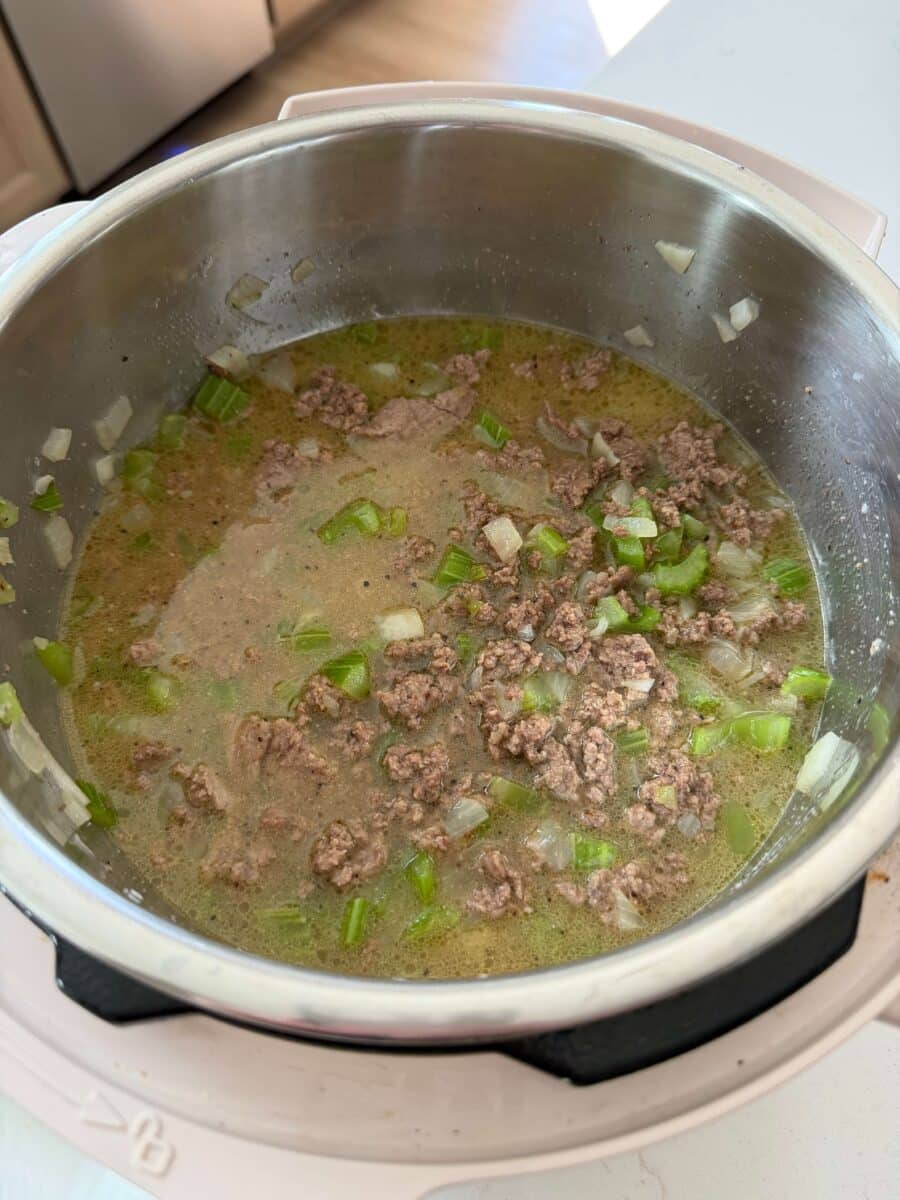
Phase II: Deglazing and Seasoning
A common failure point in electric pressure cooking is the "Burn" notice, often caused by protein residue sticking to the bottom of the pot. To mitigate this, the recipe calls for the addition of beef broth followed by a vigorous scraping of the pot’s bottom—a technique known as deglazing. Only after the surface is clear are the dry seasonings—salt, garlic powder, pepper, and onion powder—incorporated.
Phase III: The Layering Technique
Unlike traditional stirring methods, the rice is sprinkled over the liquid, followed by Worcestershire sauce, a small amount of sugar to balance the tomato’s acidity, and finally, the tomato sauce itself. This layering prevents the thicker tomato sauce from settling at the bottom and scorching during the high-heat pressure cycle.

Phase IV: Finishing and Emulsification
Upon completion of the pressure cycle and the subsequent steam release, the lid is removed to reveal a cohesive mixture of beef and rice. The final step involves the folding in of Monterey Jack cheese. The residual heat of the casserole is sufficient to melt the cheese, creating a creamy, emulsified texture that binds the components together.
Supporting Data: The Rise of One-Pot Culinary Trends
The popularity of recipes like the Porcupine Supreme Casserole is supported by significant market data regarding consumer behavior. According to market research reports from the NPD Group, the "multicooker" category (which includes the Instant Pot) saw a compound annual growth rate of over 20% in the late 2010s, with a permanent place now established in over 30% of American kitchens.

Furthermore, a 2023 survey on home cooking habits indicated that 64% of respondents prioritize "ease of cleanup" when selecting a weeknight dinner recipe. The Porcupine Supreme Casserole addresses this demand by utilizing a single vessel for browning, pressure cooking, and serving. The nutritional profile of the dish—combining complex carbohydrates from rice, high-quality protein from beef, and lycopene from tomato sauce—aligns with the "balanced bowl" trend that has dominated social media culinary circles.
Comparative Analysis: Instant Pot vs. Slow Cooker
While the Instant Pot offers speed, the recipe remains highly adaptable for slow cooker enthusiasts. The slow cooker method operates on the principle of long-duration, low-temperature simmering, which allows for a deeper melding of flavors.

| Feature | Instant Pot (Pressure Cooker) | Slow Cooker (Crockpot) |
|---|---|---|
| Total Time | ~30 Minutes | 4–7 Hours |
| Texture | Fluffy rice, distinct beef crumbles | Softer rice, integrated flavors |
| Labor | Higher active monitoring initially | "Set and forget" after browning |
| Flavor Profile | Bright, fresh tomato notes | Rich, caramelized undertones |
Professional chefs note that while the Instant Pot is superior for last-minute meal preparation, the slow cooker version of the Porcupine Supreme Casserole is often preferred for weekend meals where the gradual release of aromas contributes to the domestic environment.
Sociological Impact and Family Dynamics
The Porcupine Supreme Casserole is more than a mere caloric delivery system; it serves as a bridge between generations. As noted by culinary developers like Karen Petersen, the dish often evokes memories of childhood, specifically parental or grandparental cooking. This "nostalgia factor" is a powerful driver in the recipe’s viral success on platforms like Pinterest and food blogs.

In contemporary family settings, the dish has received praise for its "kid-friendly" flavor profile. The mildness of Monterey Jack cheese combined with the familiar sweetness of tomato sauce makes it accessible to picky eaters. In fact, qualitative feedback from younger consumers often utilizes modern vernacular—such as the term "gas"—to indicate high levels of satisfaction and flavor quality. This cross-generational appeal ensures that Depression-era culinary concepts continue to evolve rather than disappear.
Broader Implications for the Food Industry
The shift toward deconstructed classics like the Porcupine Supreme Casserole has broader implications for the food industry. Grocery retailers have noted an uptick in the sale of "casserole kits" and pre-diced aromatics (celery and onions), as consumers seek to shave minutes off the preparation process. Additionally, the demand for high-quality, low-sodium beef broths and organic tomato sauces has risen as home cooks look to elevate these simple, one-pot meals with premium ingredients.

As the industry moves forward, we can expect to see further innovations in "smart" kitchen appliances that can automatically adjust pressure levels based on the starch content of the rice, further foolproofng recipes like the Porcupine Supreme Casserole. For now, the dish remains a testament to the enduring appeal of the American casserole—a flexible, economical, and deeply satisfying staple of the domestic dinner table.
Conclusion
The Porcupine Supreme Casserole stands as a premier example of culinary adaptation. By taking the fundamental elements of a 1930s survival dish and applying modern pressure-cooking technology, it meets the needs of the modern consumer without sacrificing the "soul" of the original recipe. Whether prepared in a high-speed Instant Pot or a low-and-slow Crockpot, the dish provides a nutritionally balanced, cost-effective, and emotionally resonant meal that continues to define the standard for American home cooking. As home cooks continue to seek out recipes that offer "supreme" flavor with minimal resistance, the legacy of the porcupine meatball—in its new casserole form—appears secure for generations to come.
