
Composition and Flavor Profile Analysis
The Cowboy Beef Potato Casserole is constructed upon a foundation of savory proteins and complex carbohydrates. At its core, the dish utilizes 80/20 or 90/10 lean ground beef, which undergoes a Maillard reaction during the initial searing phase to develop deep umami notes. This is supplemented by the inclusion of Yukon Gold or Russet potatoes, which provide the necessary starch to thicken the internal juices and offer a satisfying texture.
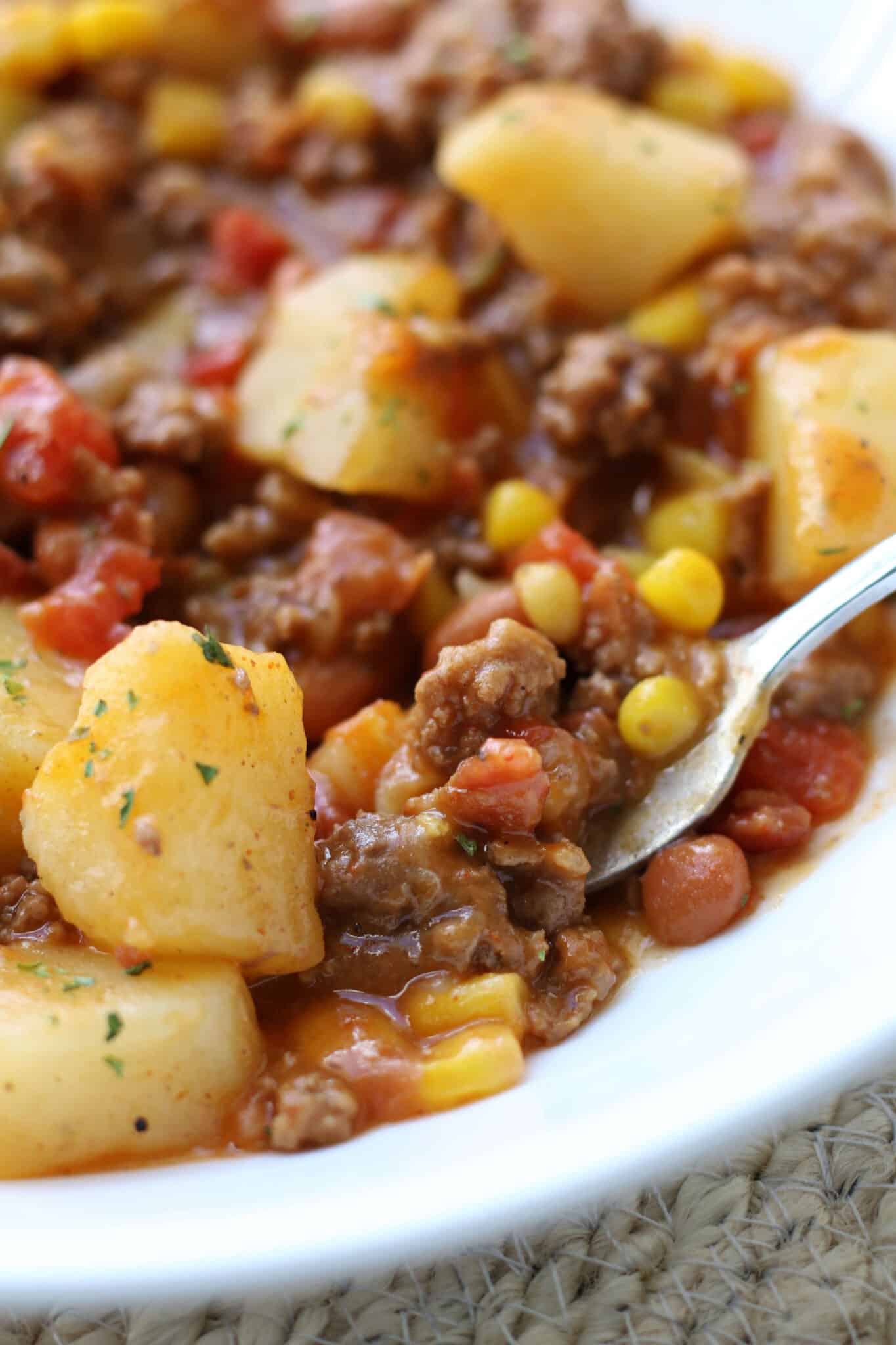
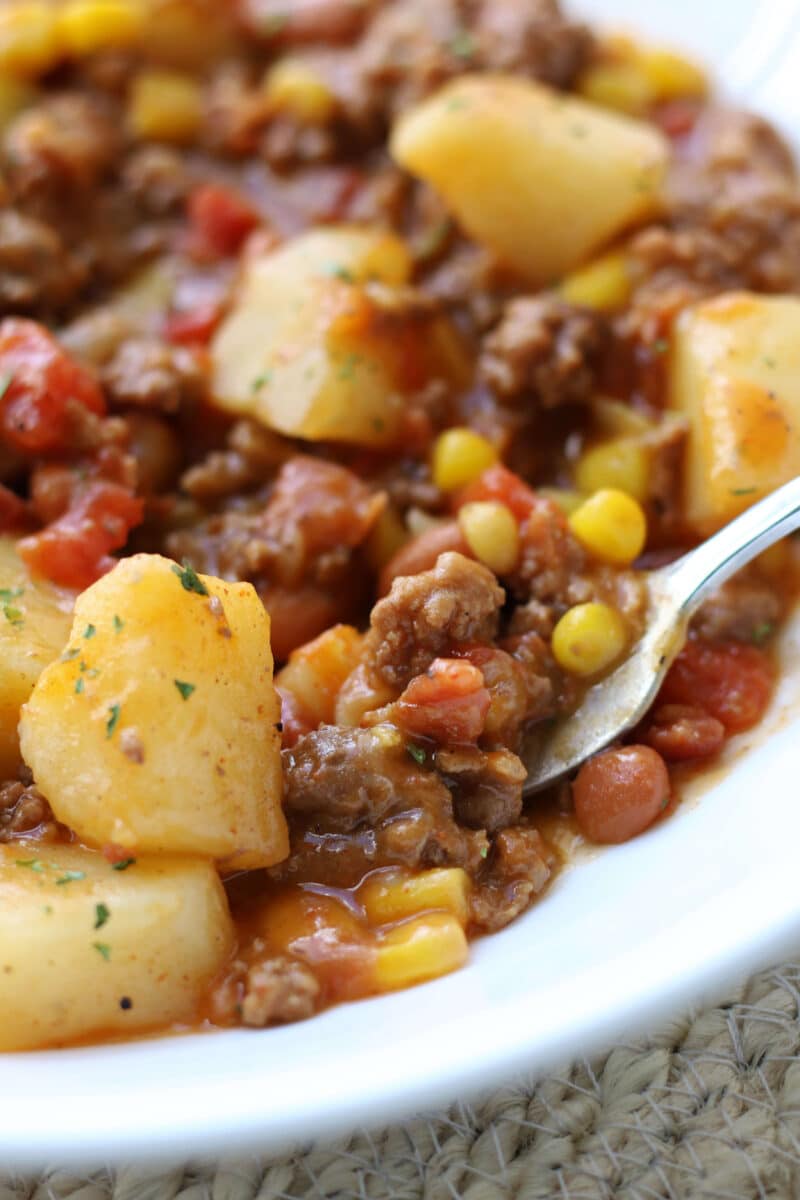
The "Cowboy" designation typically refers to a specific flavor palette rooted in the Southwestern United States, characterized by smoky, spicy, and robust elements. In this iteration, the profile is achieved through a meticulous blend of chili powder, garlic powder, and smoked paprika. The addition of "ranch-style" beans—typically pinto beans in a seasoned tomato-based sauce—introduces a creamy legume component that bridges the gap between the meat and the vegetables. Furthermore, the inclusion of "Rotel" (diced tomatoes with green chilies) and sweet corn adds both acidity and sweetness, creating a balanced gastronomic experience.
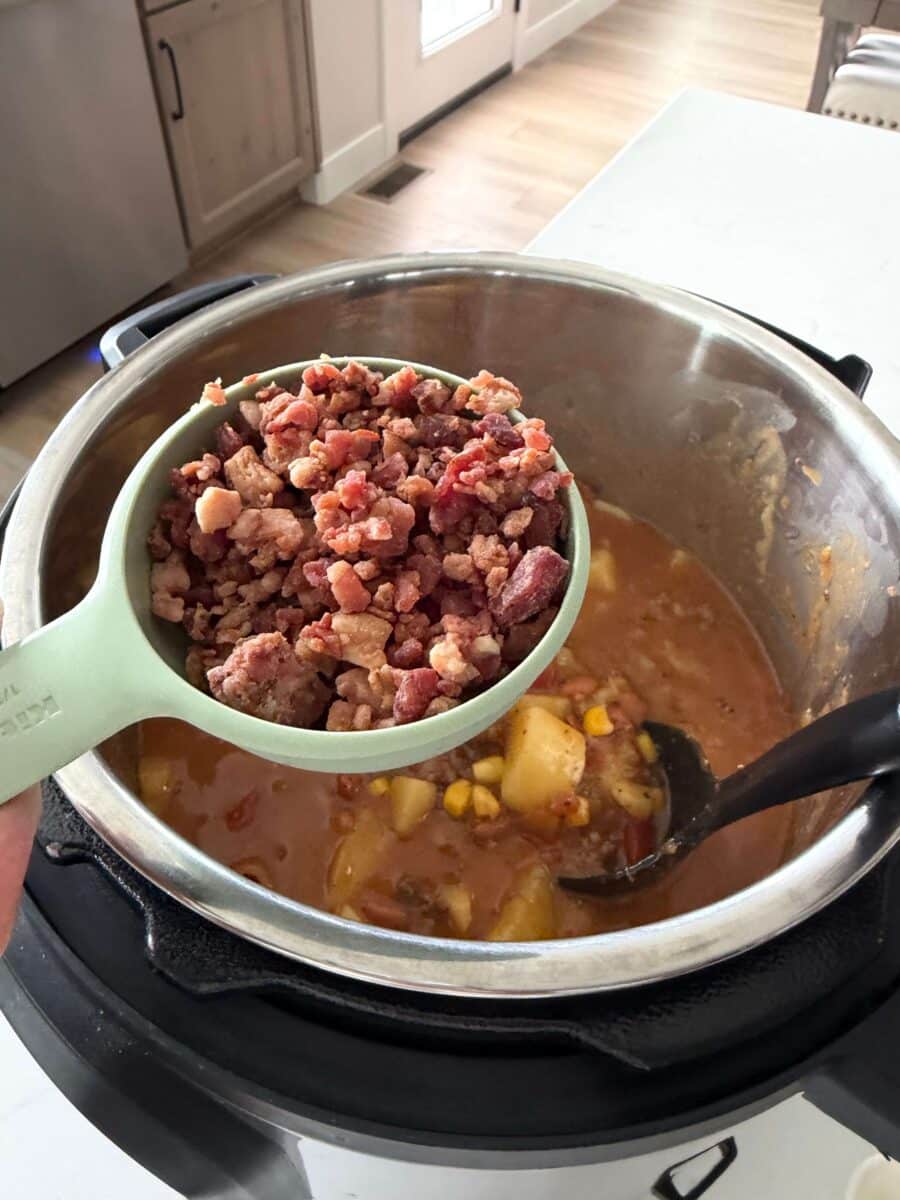
Culinary experts note that the final integration of sharp cheddar cheese and precooked bacon bits serves as a lipid-rich topping that enhances the mouthfeel of the dish. A final garnish of sour cream provides an acidic counterpoint to the heavier elements of the beef and starch, completing the flavor circle.
Operational Chronology: The Instant Pot Methodology
The preparation of the Cowboy Beef Potato Casserole in a multicooker environment, such as an Instant Pot, follows a strict chronological sequence designed to maximize flavor extraction while minimizing total duration.
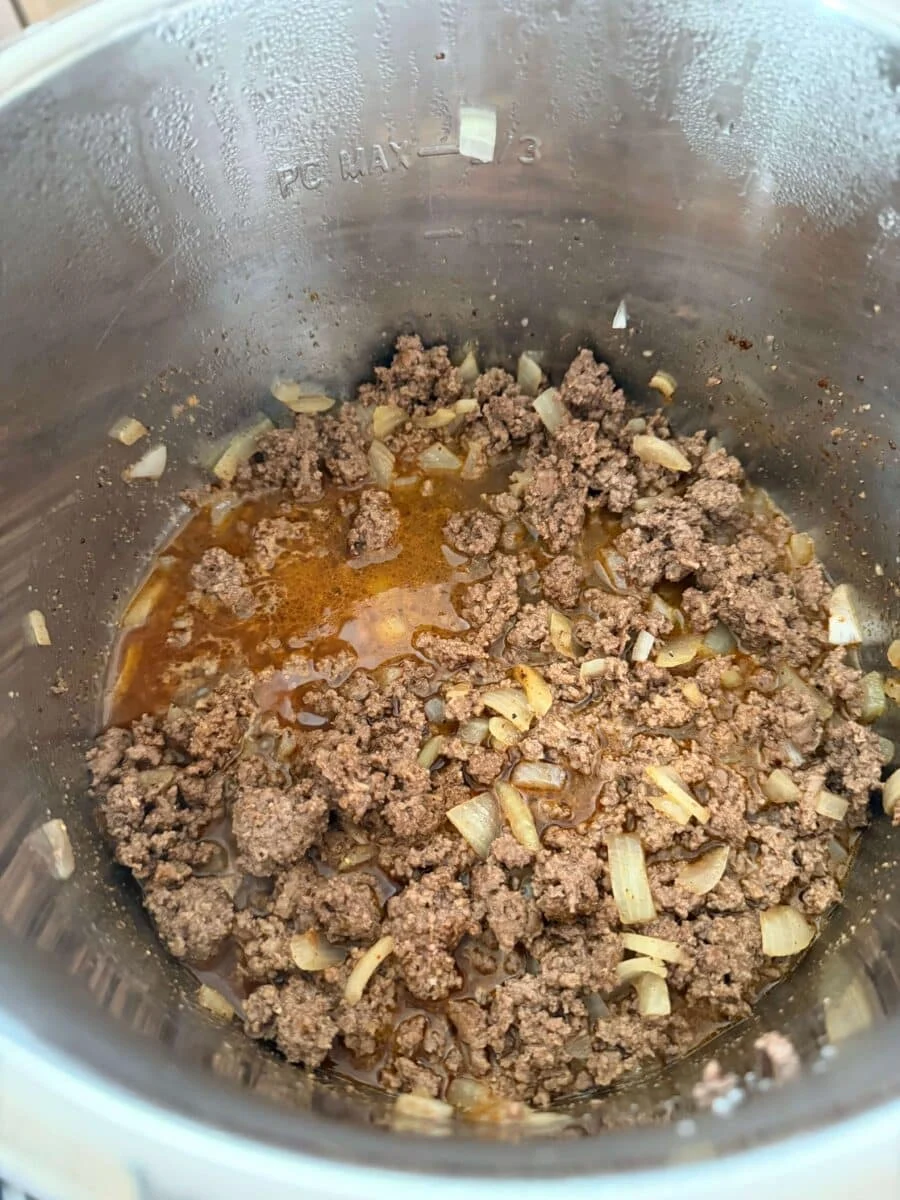
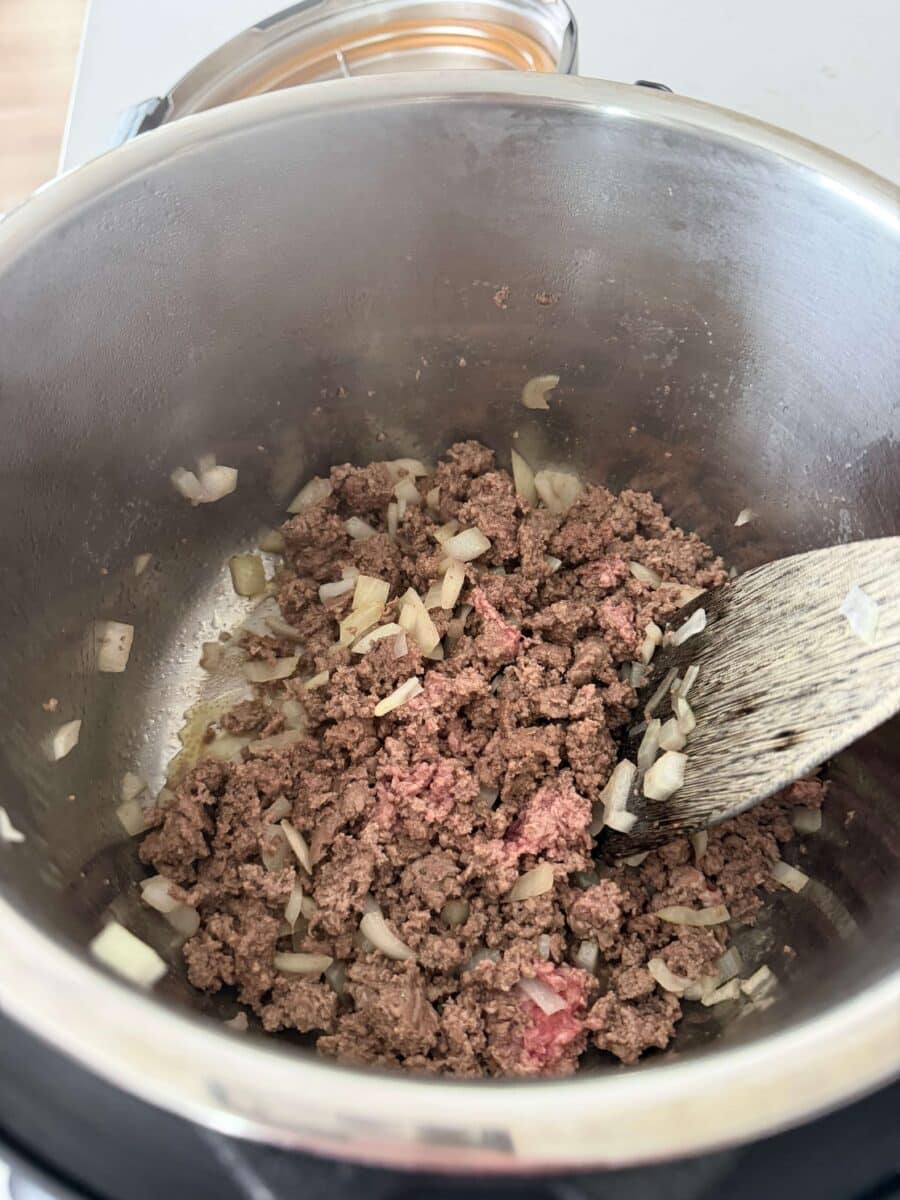
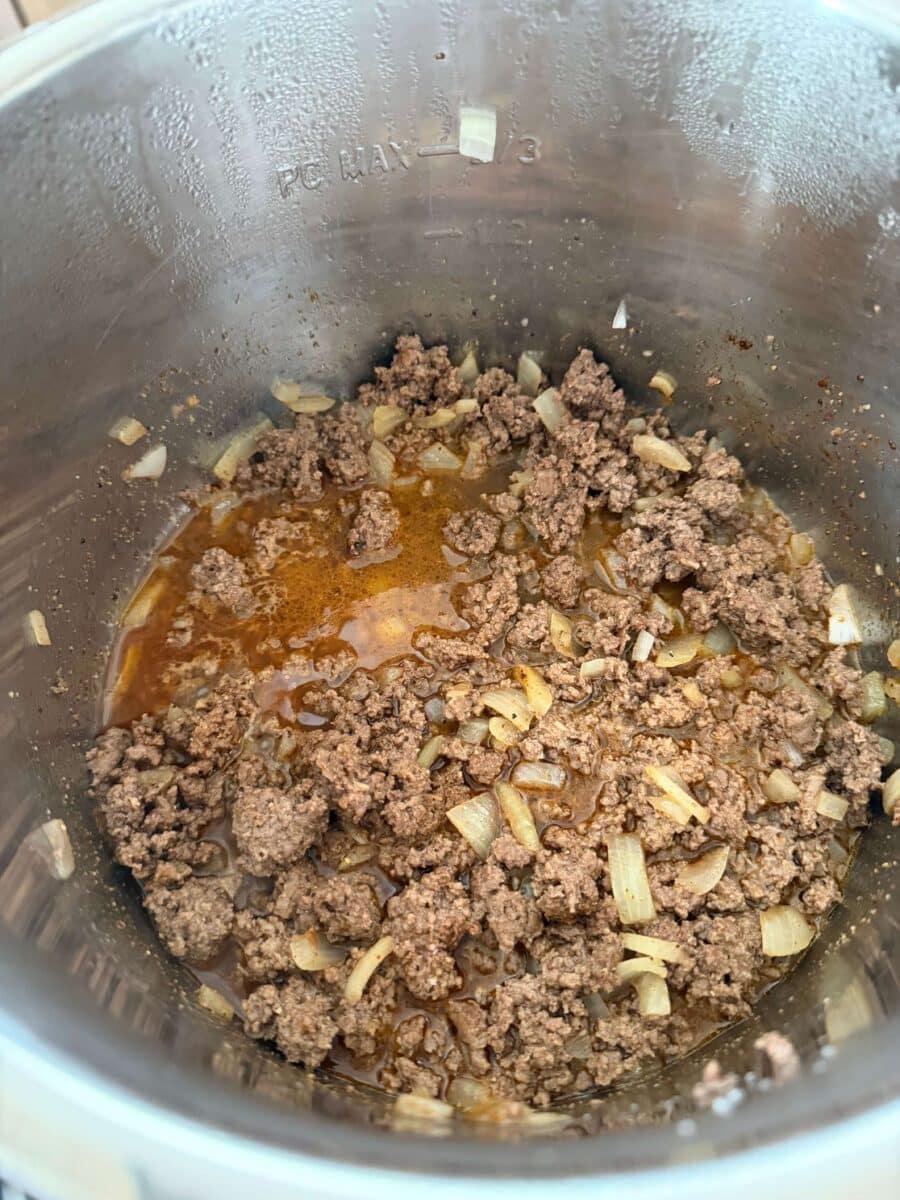
- Phase I: Searing and Aromatics (0–10 Minutes): The process initiates with the "Saute" function. The ground beef and diced onions are introduced to the vessel. This stage is critical for lipid rendering and the development of aromatic compounds. Once the beef reaches a browned state, excess grease is evacuated to maintain the integrity of the final sauce.
- Phase II: Seasoning and Deglazing (10–12 Minutes): Spices, including salt, black pepper, garlic powder, chili powder, and smoked paprika, are integrated. A vital step follows: the introduction of beef broth to "deglaze" the bottom of the pot. This prevents the "Burn" error common in high-pressure cooking by releasing caramelized proteins (fond) from the stainless steel surface.
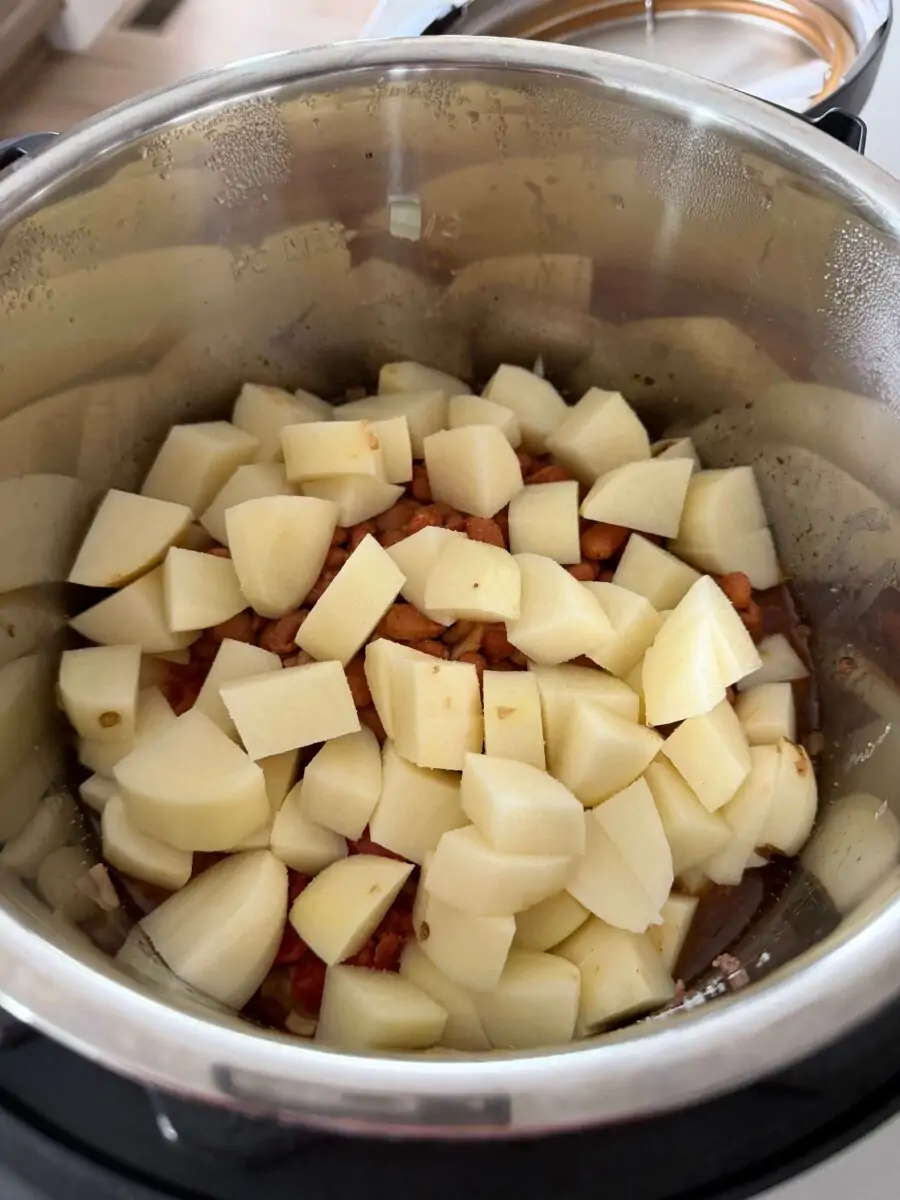
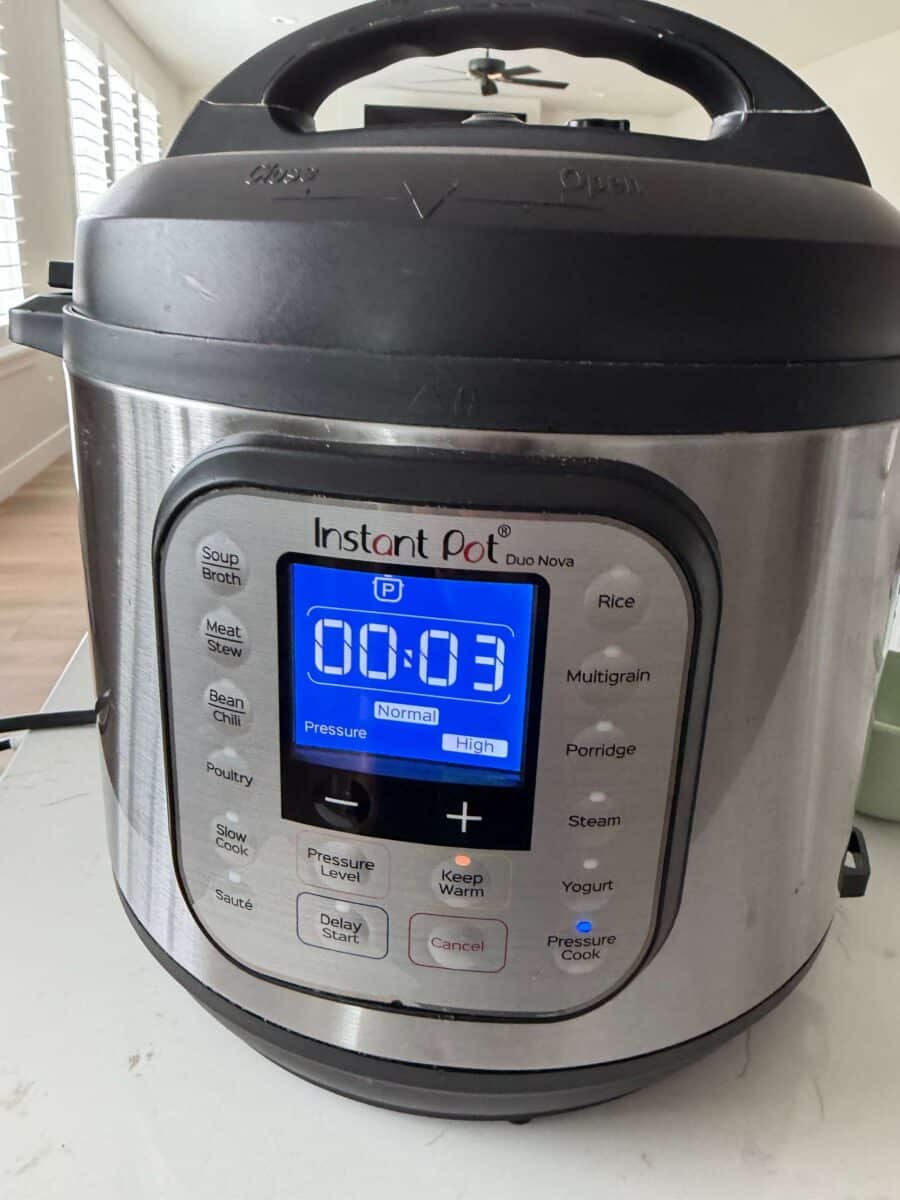
- Phase III: Layering and Pressurization (12–25 Minutes): The corn, canned tomatoes with chilies, ranch-style beans, and cubed potatoes are added. It is a standard culinary practice to lightly salt the potato layer at this stage. The vessel is then sealed, and the unit is set to high pressure for a duration of three minutes.
- Phase IV: Thermal Equalization and Venting (25–35 Minutes): Following the active pressure cycle, a "natural release" period of five to ten minutes is observed. This allows the internal temperature to stabilize and ensures the beef remains tender. Remaining steam is then manually vented.
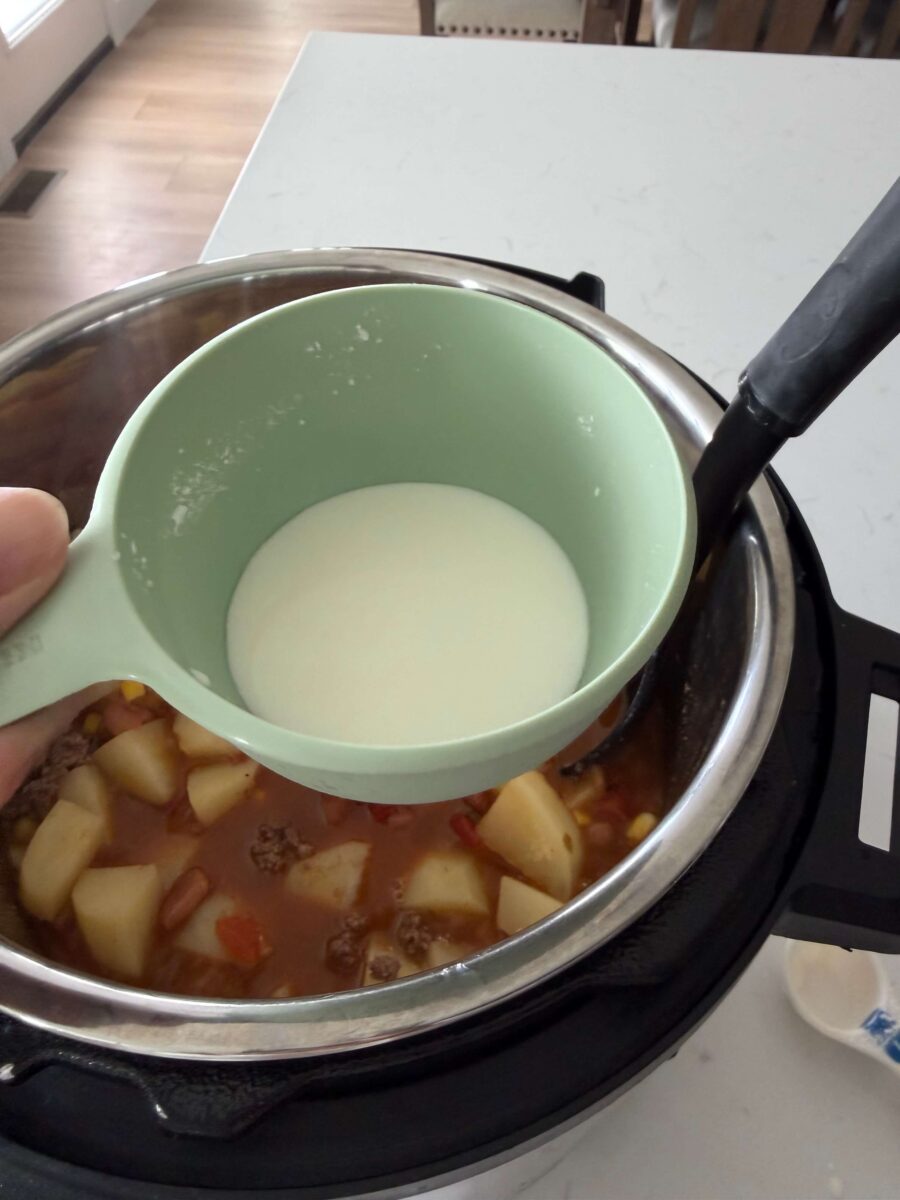
- Phase V: Viscosity Adjustment and Finishing (35–40 Minutes): To achieve the desired casserole consistency, a slurry of cornstarch and cold water is introduced while the unit is returned to the "Saute" setting. This facilitates rapid thickening. Finally, the cheese and bacon are stirred in until a homogenous, melty texture is achieved.
Alternative Chronology: The Slow Cooker Method
For consumers prioritizing "set-and-forget" convenience, the slow cooker methodology offers a different temporal approach. In this version, the ground beef and onions must be browned on a traditional stovetop before being transferred to the ceramic crock. Once combined with the spices, broth, beans, and vegetables, the dish is subjected to a low-heat environment for six to seven hours or a high-heat environment for three to four hours.
The primary difference in the slow cooker results lies in the texture of the potatoes, which undergo a more gradual starch breakdown, often resulting in a softer, more integrated consistency compared to the pressure-cooked version.
The Rise of One-Pot Culinary Solutions: Market Context
The popularity of recipes like the Cowboy Beef Potato Casserole is supported by significant data within the housewares and grocery industries. According to market research reports, the global multicooker market—led by brands like Instant Pot and Ninja—was valued at approximately $4.7 billion in 2023 and is projected to grow at a compound annual growth rate (CAGR) of 9.2% through 2030.
This growth is driven by a "time-poverty" phenomenon among working-class and middle-class households. As the average time spent on domestic labor decreases, the demand for "all-in-one" meals has surged. The Cowboy Beef Potato Casserole fits this demand perfectly, as it eliminates the need for side dishes by incorporating protein, starch, and vegetables into a single vessel.
Furthermore, the "pantry-loading" trends observed during the early 2020s have left many consumers with a surplus of canned goods, such as beans and corn. This recipe serves as an efficient vehicle for rotating these stocks, aligning with modern waste-reduction goals.
Nutritional and Economic Analysis
From a nutritional standpoint, the Cowboy Beef Potato Casserole provides a dense profile of essential macronutrients. A standard serving offers a significant portion of the Daily Value (DV) for protein (via beef and beans), potassium (via potatoes), and fiber (via legumes and corn). However, analysts point out that the dish can be high in sodium and saturated fats depending on the choice of cheese and bacon. To mitigate this, health-conscious consumers often substitute ground turkey for beef or utilize low-sodium broth and reduced-fat dairy.
Economically, the dish is highly efficient. In a 2024 price analysis of standard American supermarkets, the cost-per-serving for this casserole was estimated at between $1.75 and $2.50, depending on regional meat prices. This makes it a highly competitive alternative to fast-casual dining, which averages $12.00 to $15.00 per meal. The ability to produce large quantities (typically 6–8 servings) also facilitates "meal prepping," a practice that has gained traction among young professionals looking to reduce weekly expenditures.
Expert Reactions and Culinary Implications
Culinary analysts and food historians view the "Cowboy" genre of casseroles as a modernized version of "chuckwagon" cooking. "What we are seeing is a digital-age refinement of trail food," says one food industry consultant. "The original cowboys needed high-calorie, shelf-stable meals that could be cooked in a single pot over a fire. The modern consumer is essentially doing the same thing, just replacing the campfire with a microprocessor-controlled heating element."
The implications of this shift are twofold. First, it democratizes complex flavor profiles. By using standardized spice blends and canned components like Rotel, home cooks can achieve a consistent "Southwestern" taste without requiring advanced knife skills or knowledge of spice toasted techniques. Second, it reinforces the "casserole culture" of the American Midwest and West, which prizes communal eating and leftovers.
Broader Impact on Domestic Kitchen Trends
The enduring appeal of the Cowboy Beef Potato Casserole signals a broader stabilization in how technology is used in the kitchen. While the initial "Instant Pot craze" of the late 2010s saw a flurry of experimental recipes, the current landscape has settled into a focus on "reliable staples."
Consumers are no longer looking for their appliances to perform miracles; they are looking for them to perform consistently. The Cowboy Beef Potato Casserole has become a benchmark recipe because of its high success rate. The starch from the potatoes and the protein from the beef provide a forgiving environment for the pressure cooker, rarely resulting in the mechanical failures or texture issues associated with more delicate ingredients like seafood or green leafy vegetables.
In conclusion, the Cowboy Beef Potato Casserole is more than a simple evening meal; it is a reflection of current economic pressures, technological integration, and a long-standing American preference for hearty, flavorful comfort food. As household dynamics continue to evolve, the reliance on such versatile, one-pot solutions is expected to remain a permanent fixture of the domestic culinary landscape. Whether prepared in a rapid-pressure environment or through a slow-simmering process, the dish represents a successful synthesis of tradition and efficiency.
