
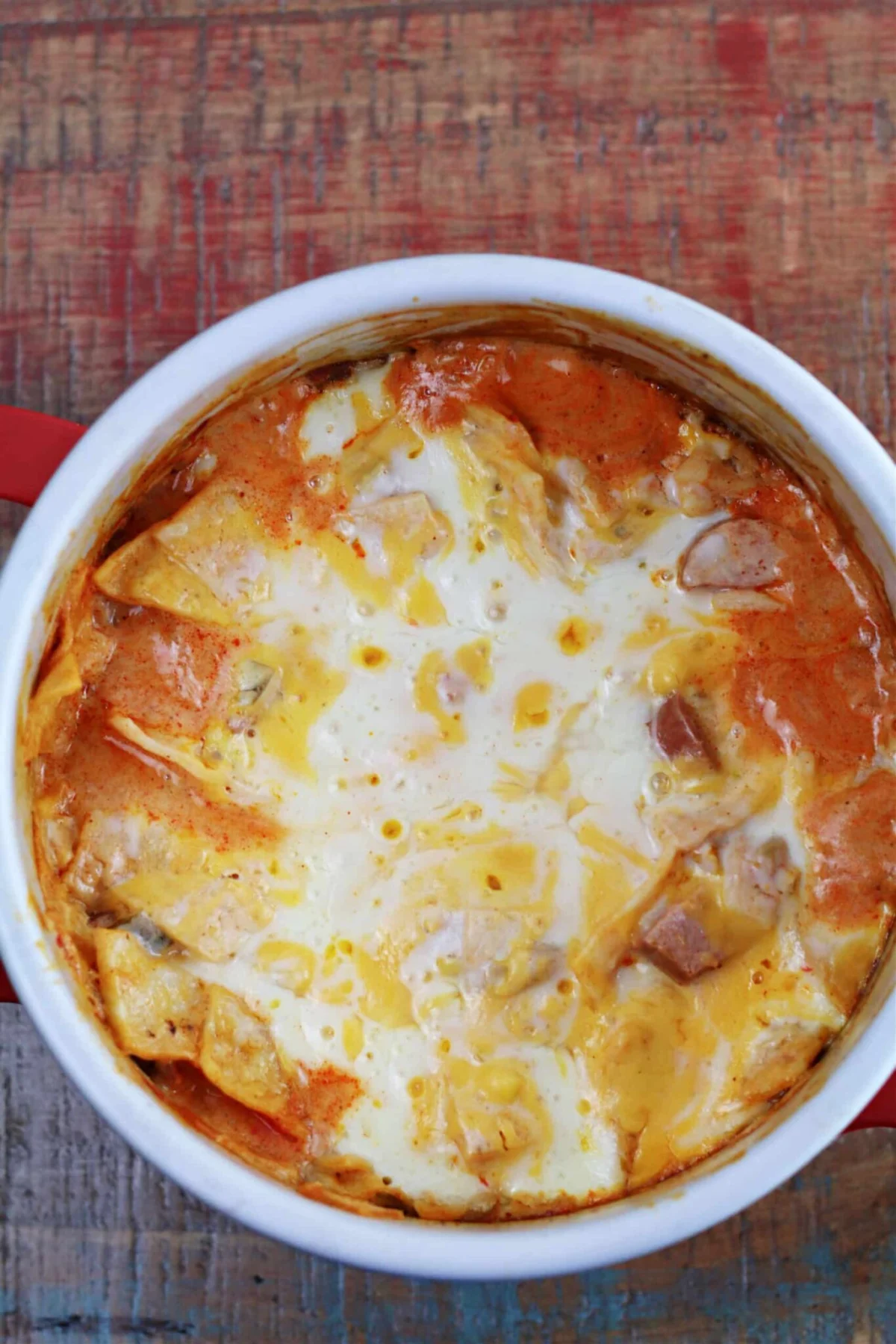
The landscape of modern American home cooking is increasingly defined by the intersection of nutritional necessity and time-sensitive preparation, a trend epitomized by the emergence of the 5 Ingredient Mexican Casserole as a staple in the contemporary kitchen. This culinary development addresses a primary challenge faced by households: the delivery of a high-protein, family-friendly meal that minimizes both grocery expenditures and labor intensity. By utilizing a foundational architecture of tender chicken, corn or flour tortillas, creamy refried beans, and piquant enchilada sauce, this dish represents a streamlined approach to traditional Mexican-inspired flavors. The recipe, which can be adapted for both conventional oven baking and slow-cooker preparation, underscores a broader shift toward "minimalist gastronomy" in the domestic sphere.
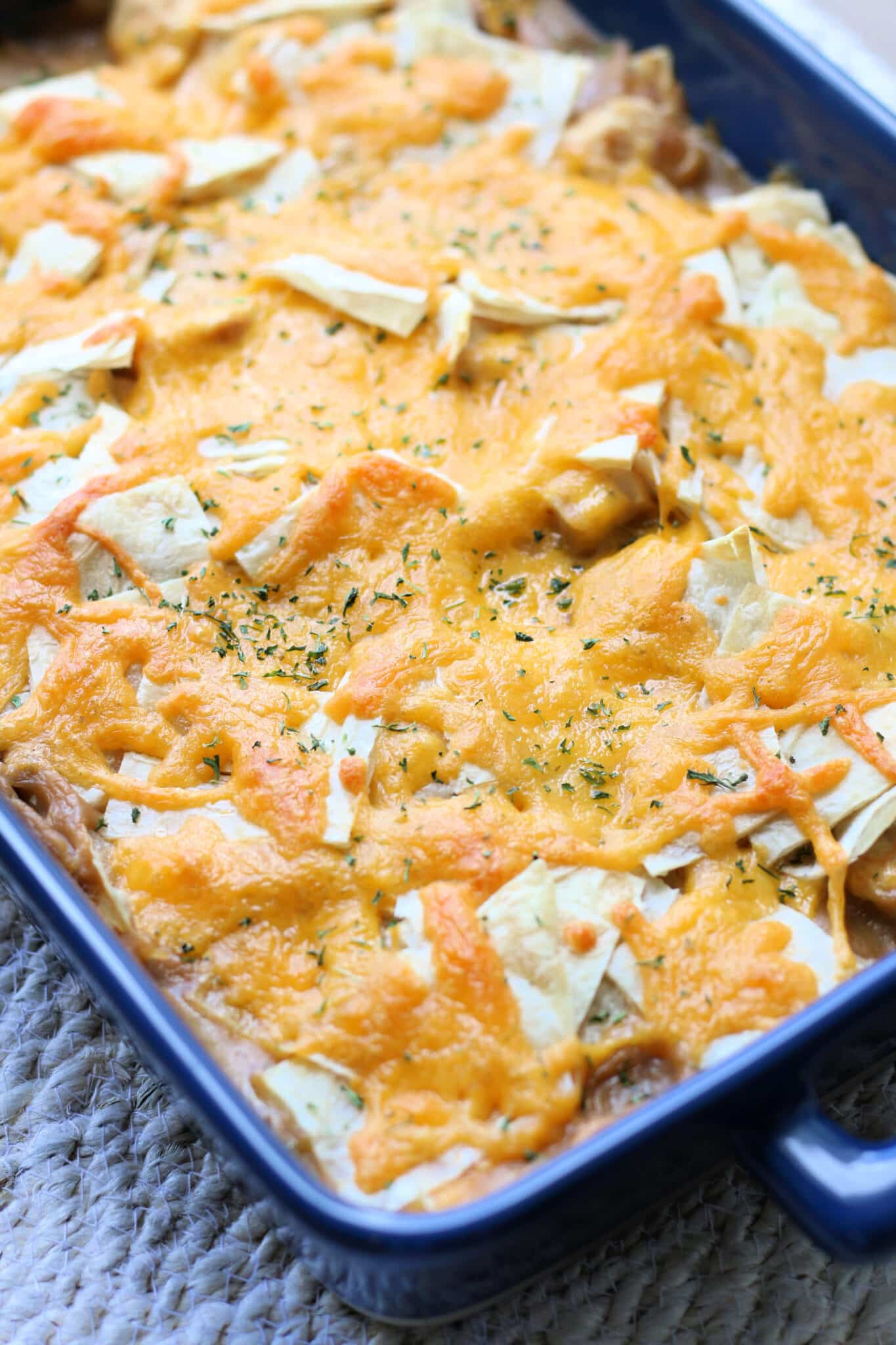
The Architectural Foundation of the Five-Ingredient Model
The efficacy of the 5 Ingredient Mexican Casserole lies in its strategic selection of shelf-stable and easily accessible components. Culinary analysts note that the reduction of a recipe to five core ingredients—excluding basic pantry staples such as oil, salt, and pepper—significantly lowers the "barrier to entry" for novice cooks and overextended parents. The dish utilizes chicken as its primary protein source, which provides a neutral canvas for the more assertive flavors of the enchilada sauce and refried beans.
In professional kitchen environments, the "rule of five" is often viewed as a test of ingredient quality and balancing. In the context of this casserole, the refried beans serve a dual purpose: they provide a dense, creamy texture that acts as a structural binder, while the enchilada sauce introduces acidity and spice. When layered with tortillas—which function similarly to pasta sheets in a lasagna—the result is a cohesive, multi-textured dish that maintains its integrity during the heating process.
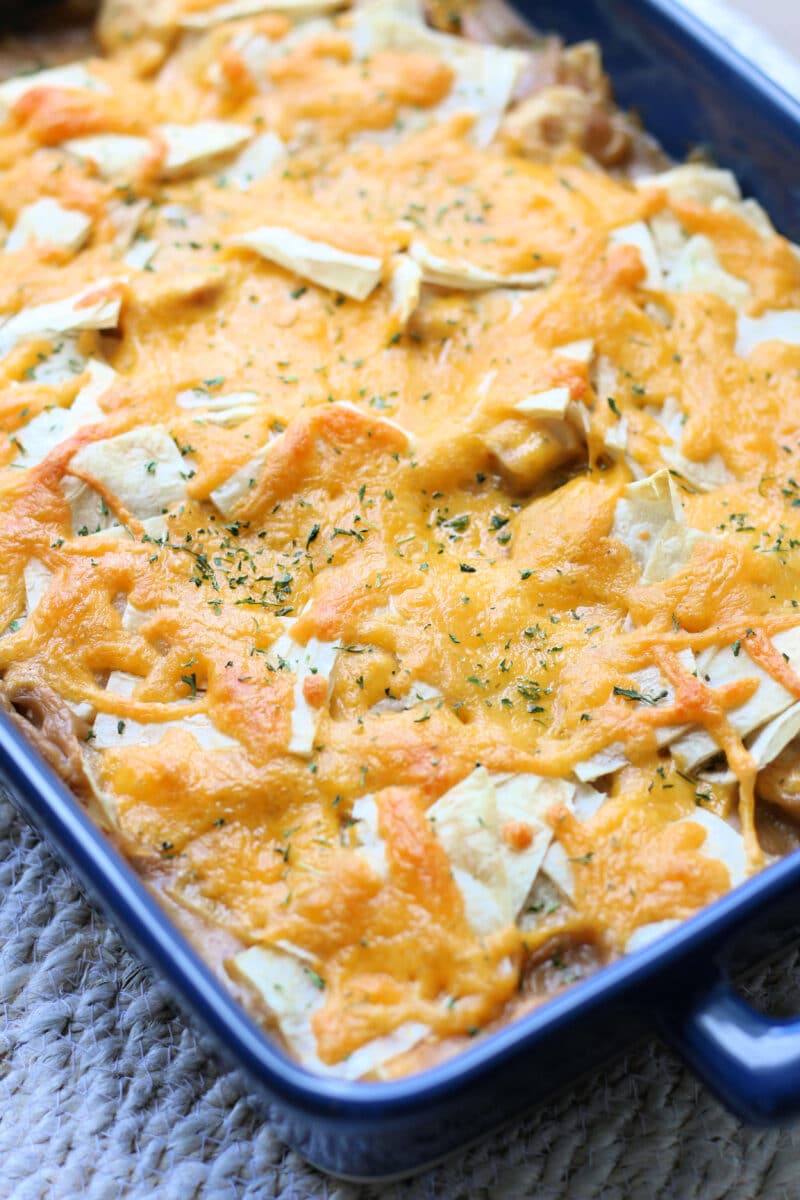
Chronology of Preparation and Technical Execution
The production of the 5 Ingredient Mexican Casserole follows a precise sequence designed to maximize flavor extraction while minimizing active "hands-on" time. The standard protocol for the oven-baked version begins with the preheating of the environment to 350°F (approximately 177°C), a temperature optimized for melting cheese without scorching the moisture-sensitive tortillas.
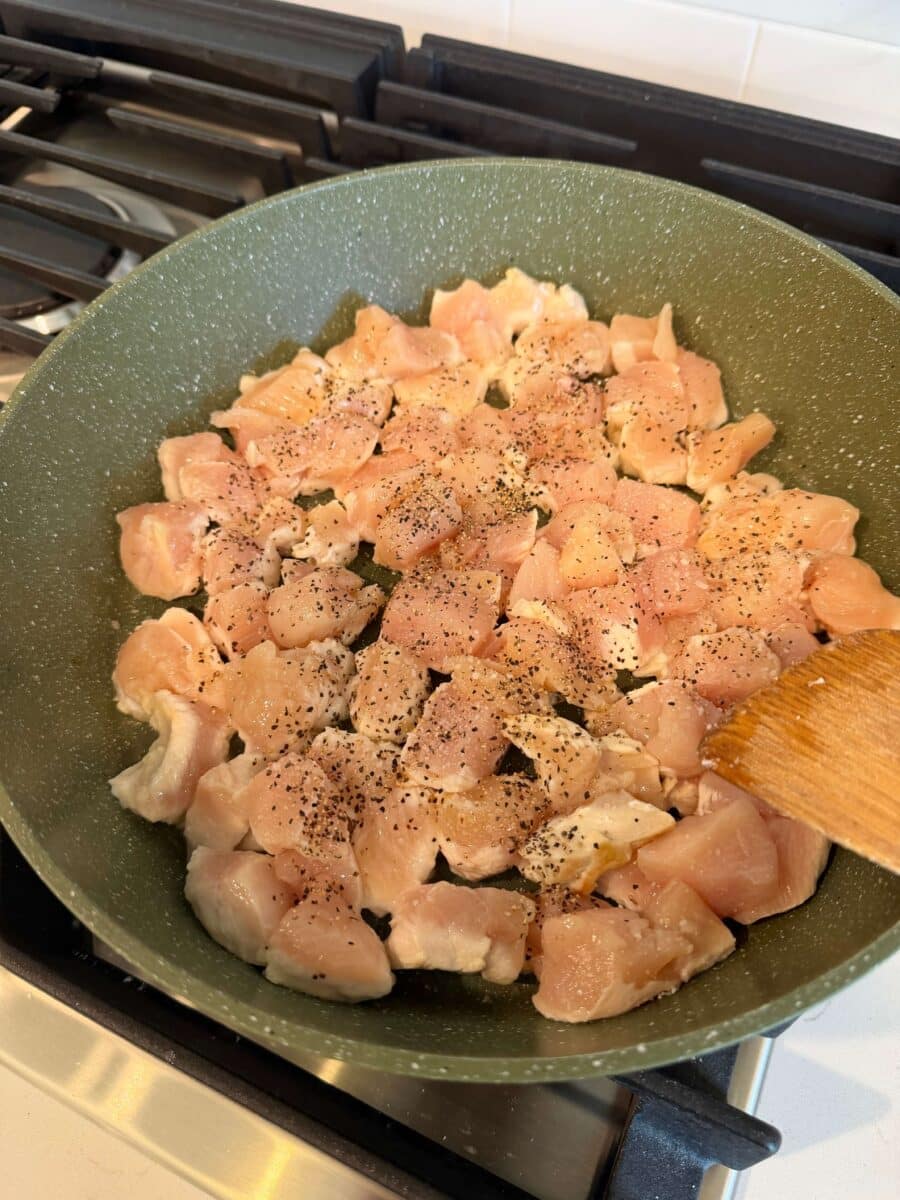
Phase I: Protein Preparation and Sautéing
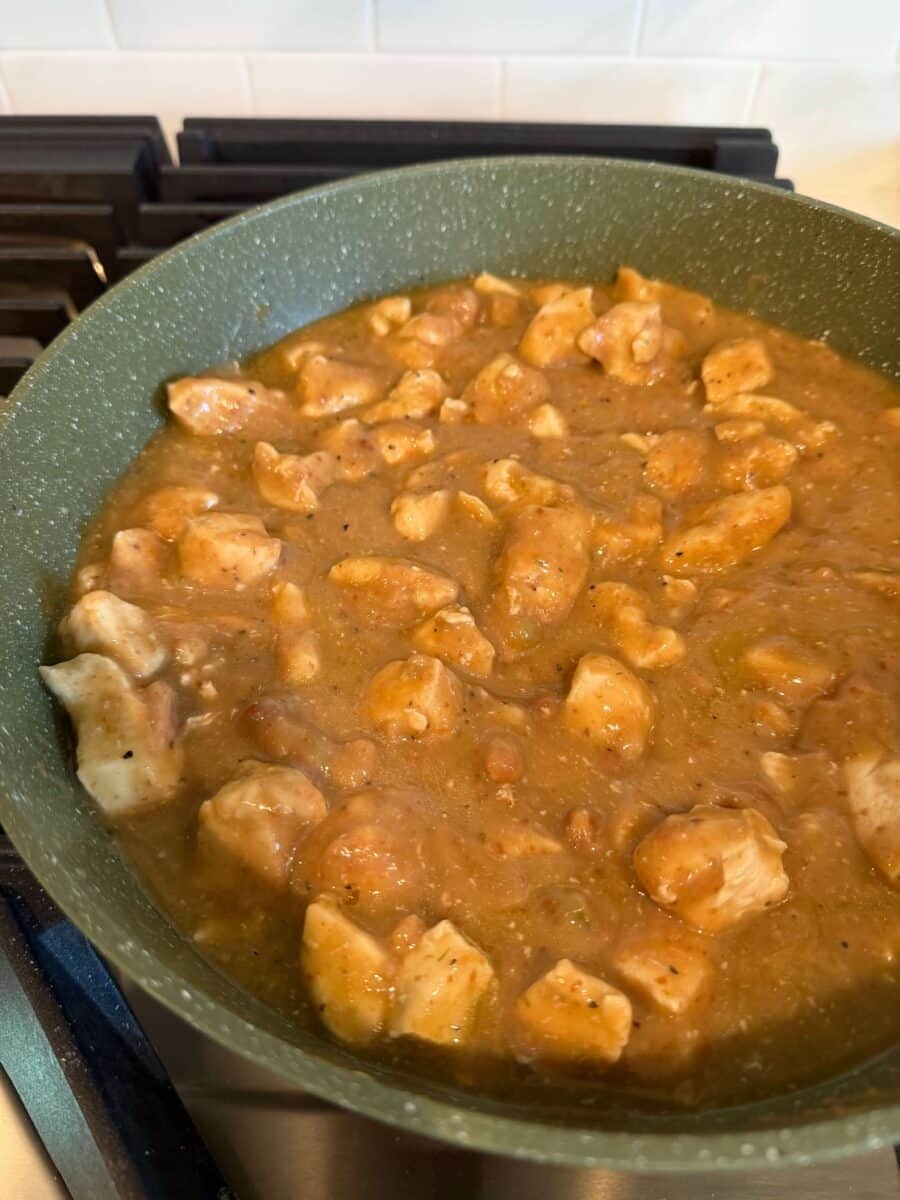
The initial stage involves the preparation of the chicken. While the recipe allows for the use of raw chicken breast or thighs cooked in a large pan over medium-high heat, many culinary experts suggest the use of rotisserie chicken as a high-efficiency alternative. If cooking from scratch, the chicken is seasoned with sodium chloride and ground black pepper, then sautéed until it reaches an internal temperature where it is no longer translucent. This step is critical for food safety and for establishing the base texture of the casserole.
Phase II: Integration of Wet Components
Once the protein is prepared, the heat is modulated to allow for the integration of the enchilada sauce and refried beans. This mixture must be stirred until a smooth, homogenous consistency is achieved. The viscosity of this mixture is paramount; it must be fluid enough to coat the tortillas but thick enough to prevent the casserole from becoming aqueous during the baking cycle.
Phase III: The Layering Process
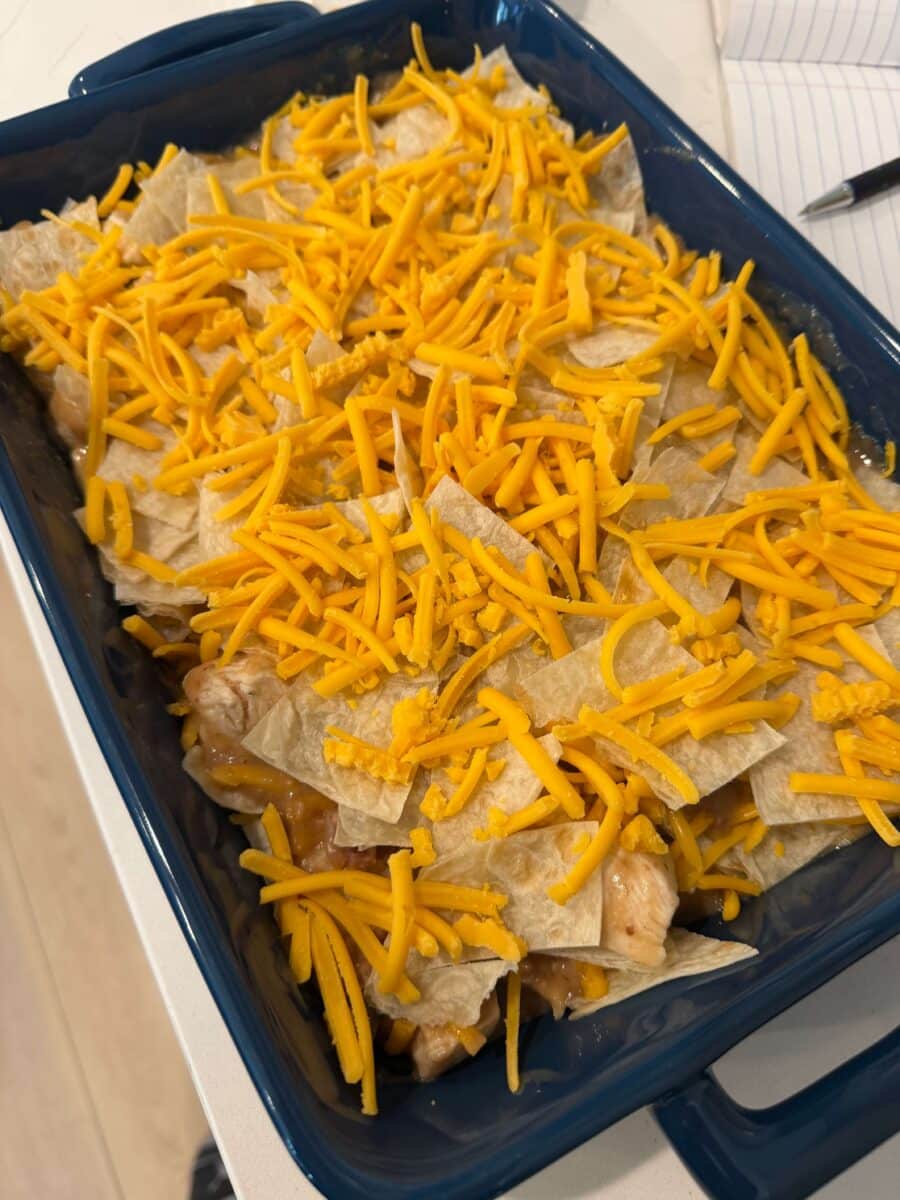
The assembly of the casserole follows a rhythmic "half-and-half" logic. Half of the chicken-bean-sauce mixture is spread across the base of a 9×13 inch baking dish, followed by a layer of tortillas and a generous distribution of cheddar cheese. This process is repeated, creating a stratified structure that ensures every bite contains a balanced ratio of all five ingredients.
Phase IV: Thermal Processing
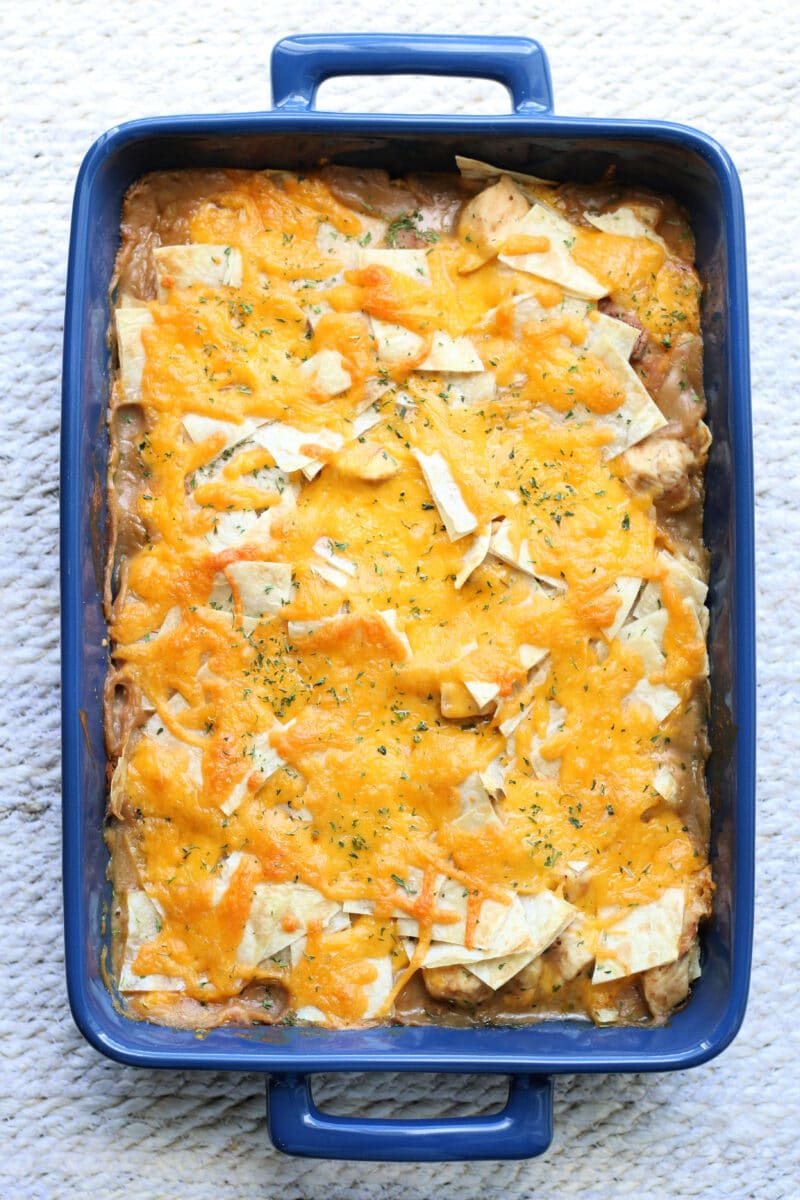
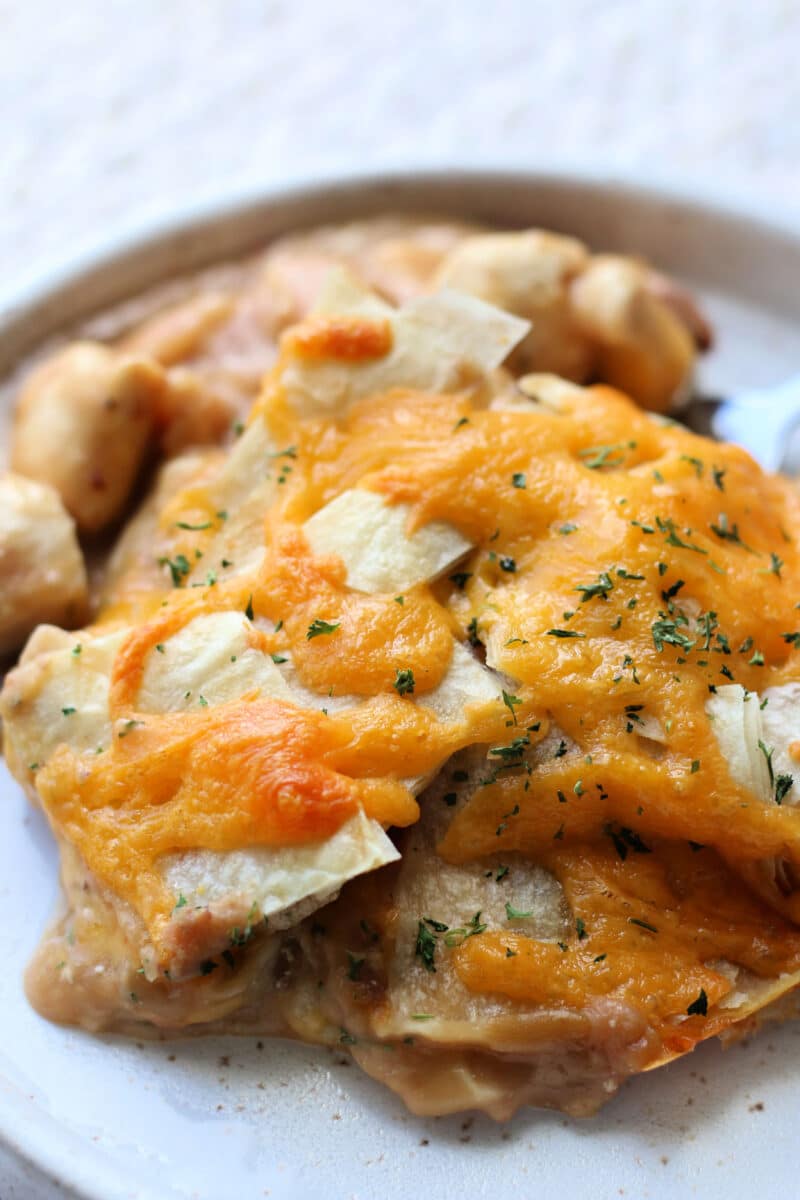
The final stage requires 30 minutes of baking, followed by a mandatory five-minute resting period. This resting phase is not merely a suggestion but a structural requirement; it allows the proteins and starches to settle, facilitating easier slicing and serving.
Supporting Data: The Rise of Minimalist Home Cooking
Market research indicates a significant surge in the popularity of "limited ingredient" recipes over the last decade. According to consumer behavior data, the average American household spends approximately 30 to 40 minutes on weeknight meal preparation. Recipes like the 5 Ingredient Mexican Casserole, which can be assembled in under 15 minutes if pre-cooked chicken is utilized, align perfectly with these time-management constraints.
Furthermore, economic data suggests that the "casserole culture" provides a cost-effective solution to rising food prices. By utilizing beans as a "bulking agent," households can reduce the total volume of meat required per serving without sacrificing satiety. The versatility of the dish also allows for the utilization of "fridge-clearing" techniques, where leftover vegetables or different cheese varieties can be incorporated without compromising the fundamental recipe.
Industry Responses and Culinary Perspectives
Culinary educators and digital content creators have largely embraced the 5-ingredient movement. Karen Petersen, a prominent figure in the "365 Days of Crockpot" community, has highlighted the adaptability of such dishes for different appliances. The ability to transition the 5 Ingredient Mexican Casserole into a slow cooker—cooking on "low" for several hours—caters to the "set it and forget it" mentality that dominates the modern kitchen appliance market.
"The goal is to make life just a bit easier," Petersen noted in her analysis of the recipe. This sentiment is echoed by nutritionists who point out that while the dish is a "comfort food," it provides essential macronutrients including complex carbohydrates from the beans and high-quality protein from the chicken.
The broader "enchilada-inspired" category has seen various iterations that cater to different niche markets:
- The "Lazy Girl" Variation: Utilizing smoked sausage and pepper jack cheese for a more aggressive flavor profile.
- The "Bubble Up" Method: Replacing traditional tortillas with refrigerated biscuit dough to create a texture more akin to a savory bread pudding.
- The "Soup" Adaptation: Increasing the liquid volume with chicken broth and tomatoes to create a "loaded" beef or chicken enchilada soup.
Broader Impact and Social Implications
The 5 Ingredient Mexican Casserole is more than a simple recipe; it is a reflection of the sociological shifts in how families interact with food. In an era of "decision fatigue," the simplicity of a five-ingredient list provides a psychological reprieve for the primary meal preparer. It also democratizes cooking, making flavorful, hot meals achievable for individuals who may not have extensive culinary training.
From a cultural perspective, the dish represents the ongoing evolution of Mexican-American fusion. While it may depart from the traditional techniques of authentic Mexican enchiladas suizas or chilaquiles, it honors the flavor profiles of the region—cumin, chili powder, and lime—while adapting them for the logistical realities of the American suburban kitchen.
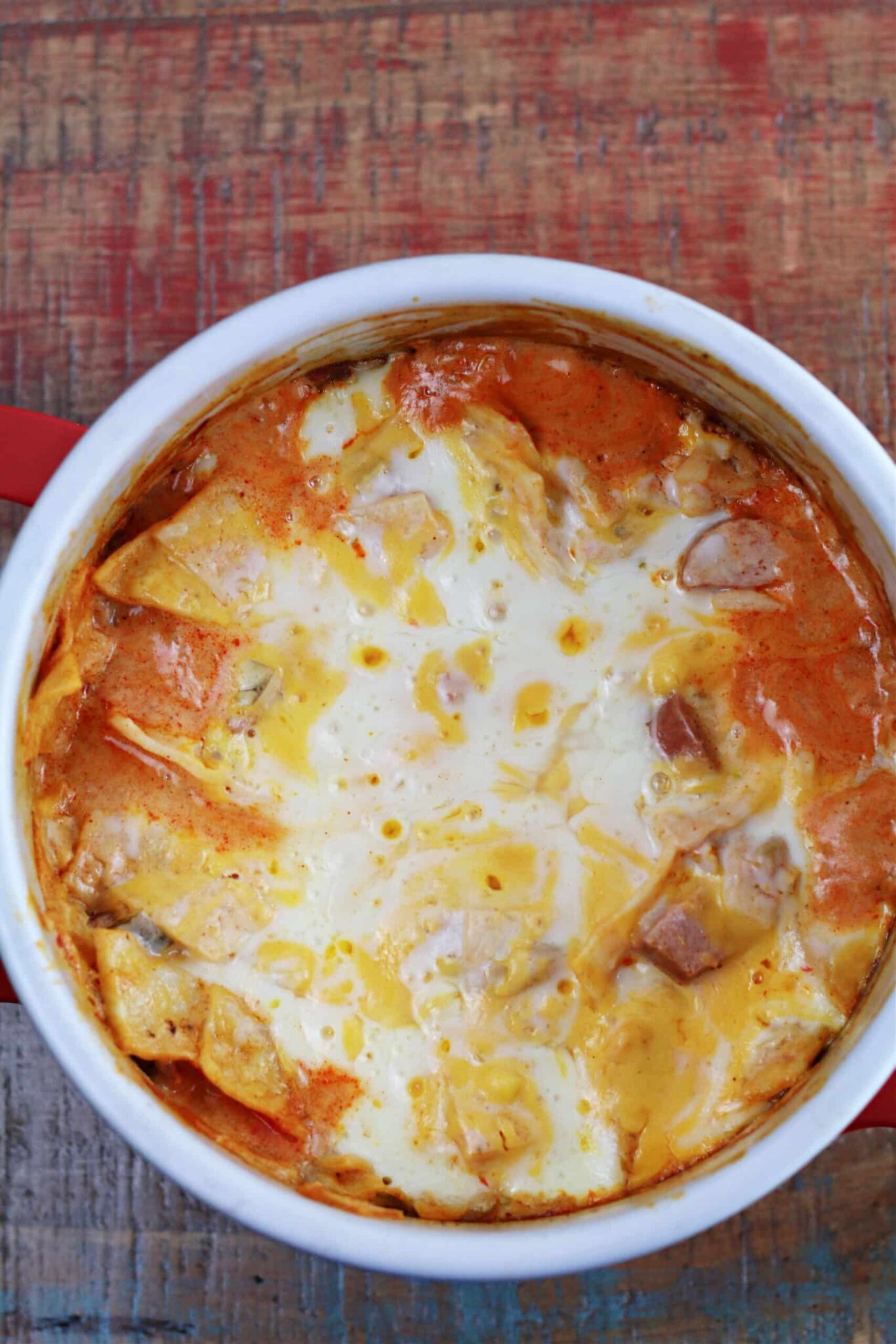
Technical Analysis of Ingredient Substitutions
The robustness of this casserole is evidenced by its capacity for substitution without total structural failure. Culinary technicians have tested several variations to accommodate dietary restrictions:
- Grain-Free Options: The use of almond-flour tortillas or even thinly sliced zucchini can provide a lower-carbohydrate alternative, though the moisture content must be carefully managed.
- Protein Diversification: Ground turkey or beef can be substituted for chicken, though these require thorough draining of fats to prevent the casserole from becoming greasy.
- Sauce Variations: While red enchilada sauce is the standard, a green salsa (salsa verde) or a creamy white sauce can drastically alter the flavor profile toward a more "Enchiladas Suizas" style.
Conclusion and Future Outlook
As the food industry continues to move toward convenience without sacrificing the "home-cooked" feel, the 5 Ingredient Mexican Casserole stands as a benchmark for efficiency. It utilizes the principles of layering and thermal equilibrium to produce a result that is greater than the sum of its modest parts. With the integration of smart kitchen technology and the continued popularity of meal-prepping, it is likely that such minimalist, high-yield recipes will continue to dominate digital recipe platforms and family dinner tables alike.
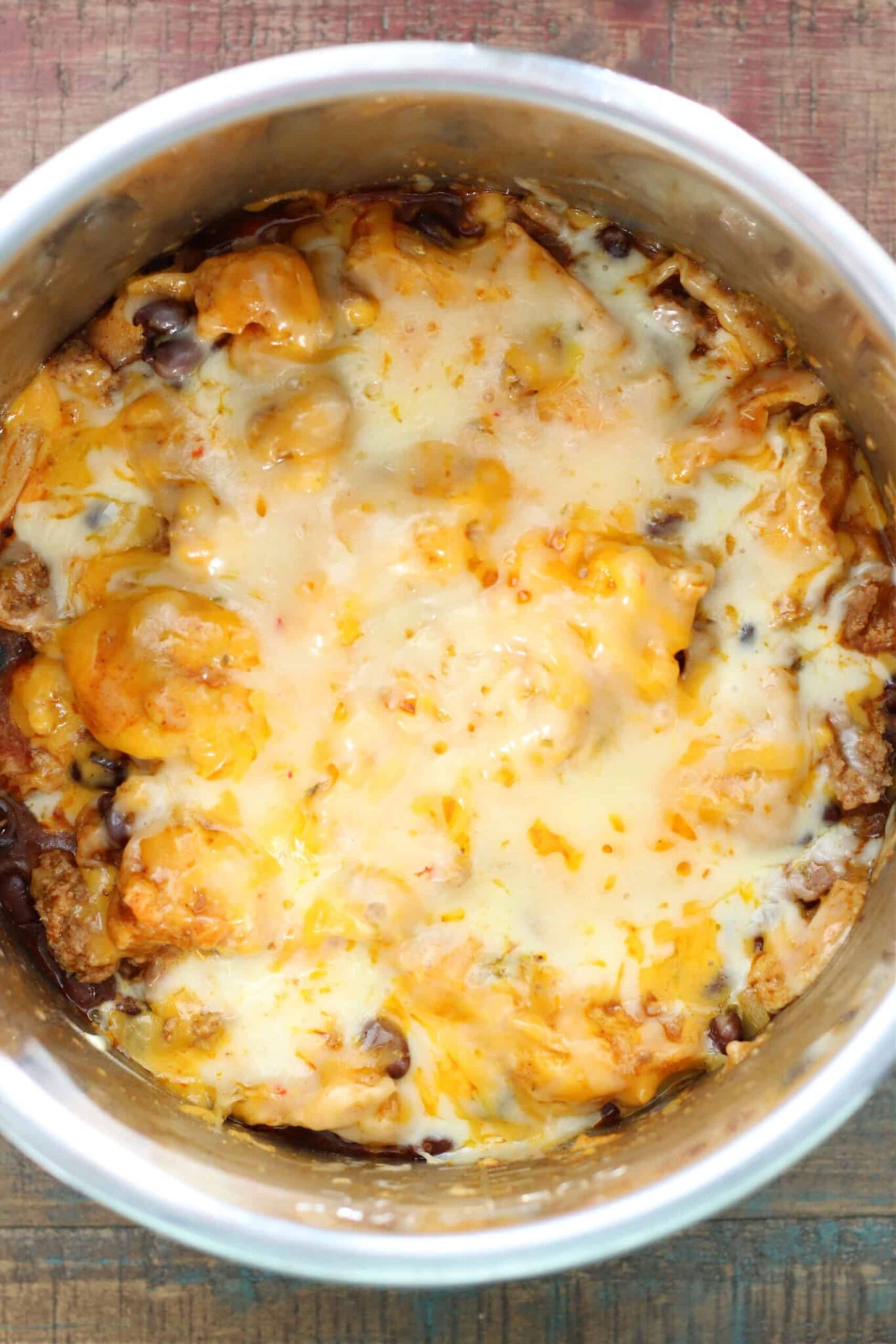
The success of this dish serves as a reminder that in the realm of domestic culinary arts, complexity is not always a prerequisite for quality. By focusing on five key ingredients, home cooks can master a reliable, nutritious, and satisfying meal that withstands the pressures of a fast-paced modern lifestyle. As consumers continue to filter their culinary searches by "low carb," "gluten-free," or "crockpot-friendly," the 5 Ingredient Mexican Casserole remains a versatile and enduring solution for the contemporary palate.
