
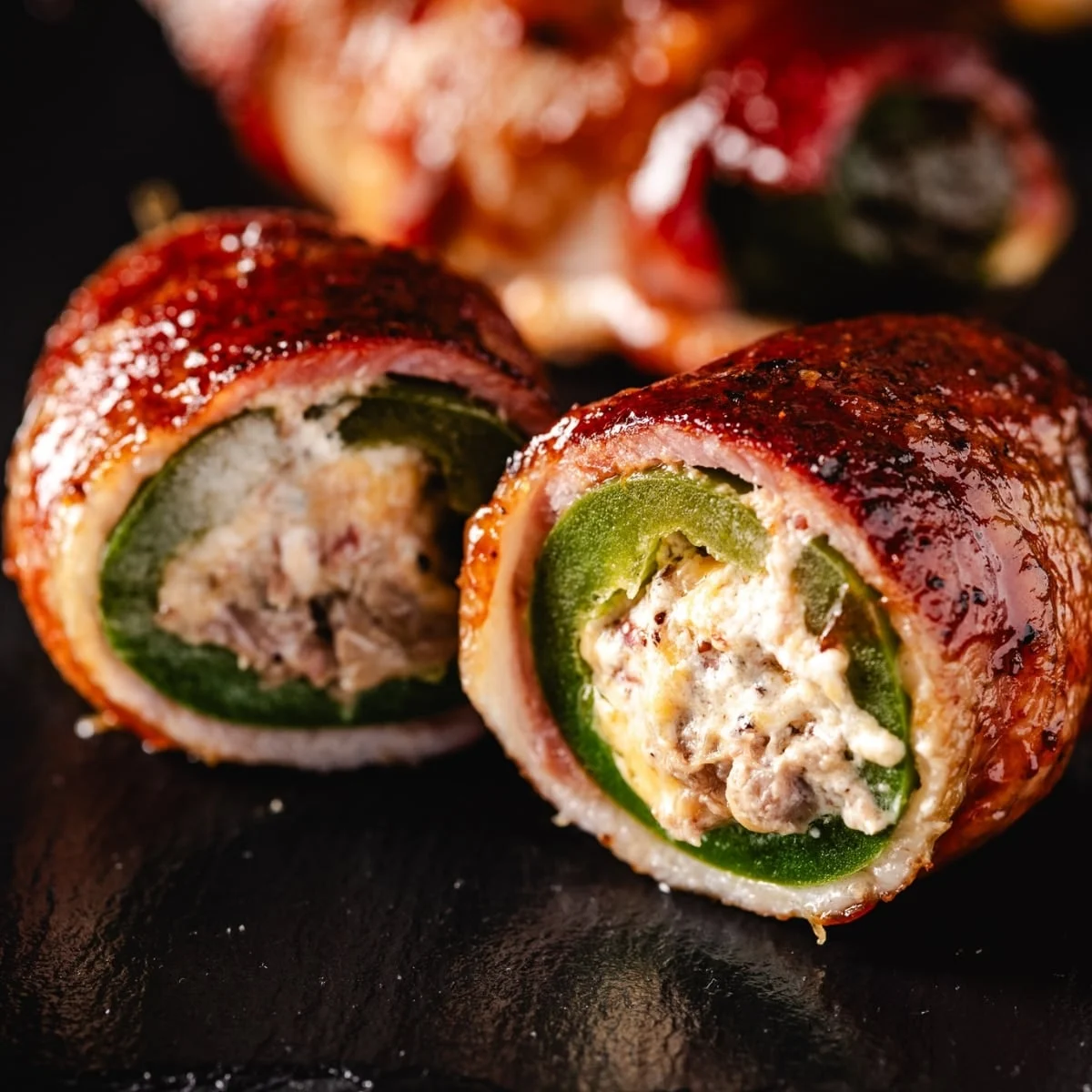
The Smoked Texas Twinkie represents a significant milestone in the evolution of modern American barbecue, merging the traditional jalapeño popper with the high-artistry of Central Texas brisket smoking. This culinary innovation, which has transitioned from a localized specialty in McKinney, Texas, to a viral gastronomic trend, consists of a large jalapeño pepper stuffed with a mixture of slow-smoked brisket and a blend of cheeses, wrapped in thick-cut bacon, and finished with a precision smoking process. As the barbecue landscape continues to diversify, the Texas Twinkie stands as a prime example of how traditional techniques can be repurposed to create high-value appetizers that serve both commercial interests and home enthusiasts.
The Origins and Commercial Rise of the Texas Twinkie
The genesis of the Texas Twinkie is widely attributed to Hutchins BBQ, a multi-generational establishment with locations in McKinney and Frisco, Texas. Developed as a way to elevate the standard jalapeño popper, the dish quickly became a signature item for the restaurant. Unlike standard poppers that typically utilize sausage or simple cream cheese, the Texas Twinkie utilized "prime" grade brisket—the hallmark of Texas barbecue.
The commercial success of the item was unprecedented. According to industry reports and restaurant data, Hutchins BBQ began producing thousands of these units weekly to keep up with local demand. The item’s popularity was further cemented when the restaurant initiated a nationwide shipping program, allowing consumers across the United States to experience the dish via vacuum-sealed packaging. This move signaled a shift in the barbecue market, where "accessory" meats and appetizers began to hold as much market weight as traditional staples like ribs and brisket.

Anatomy of a Texas Twinkie: Technical Specifications
To understand the Texas Twinkie, one must analyze its construction through a technical lens. The preparation requires a specific hierarchy of ingredients and a controlled environment to ensure structural integrity and flavor balance.
- The Vessel: Large jalapeños are selected for their capacity. The peppers must be de-seeded and de-veined to manage the Scoville heat units (SHU), which typically range between 2,500 and 8,000 for this variety.
- The Filling: The core consists of chopped smoked brisket—specifically the "point" or "fatty" end for maximum moisture—blended with softened cream cheese and sharp cheddar. The inclusion of sharp cheddar provides a necessary acidic bite to cut through the richness of the beef fat.
- The Binding: Each pepper is wrapped in high-quality bacon. The wrapping technique is critical; it must be tight enough to prevent the cheese from leaking during the melting phase but loose enough to allow the smoke to penetrate the pepper’s skin.
- The Seasoning and Glaze: Professional iterations often utilize a "Sweet Rub," which incorporates brown sugar, paprika, and garlic powder to encourage the Maillard reaction on the bacon’s surface. A final glaze of Texas-style barbecue sauce—characterized by a tomato base with a vinegar and black pepper profile—is applied in the final stages of cooking.
Chronology of Preparation and Smoking
The production of a Texas Twinkie is a multi-hour process that follows a strict chronological order to ensure food safety and optimal texture.
The process begins with the preparation of the brisket, which itself requires 12 to 16 hours of smoking. For most home cooks and secondary commercial producers, this often involves the use of "leftover" brisket, effectively creating a high-margin product from previously cooked inventory. Once the brisket is cooled and chopped, it is integrated with the cheese blend.
The assembly phase involves "coring" the peppers. Professional pitmasters recommend a "T-cut" or a longitudinal slit to allow for maximum stuffing without compromising the pepper’s shape. Following the stuffing and bacon-wrapping, the units are placed in a smoker preheated to 225°F to 250°F (107°C to 121°C).

The smoking duration typically spans 90 minutes to two hours. During the first hour, the focus is on "rendering"—the process by which the fat in the bacon liquefies and permeates the pepper. In the final 30 minutes, the temperature may be slightly increased to crisp the bacon, followed by the application of the sauce. The internal temperature of the cheese filling must reach a level of complete emulsification to achieve the desired "melted" consistency upon service.
Nutritional Data and Market Analysis
From a nutritional standpoint, the Texas Twinkie is a calorie-dense offering. Standardized data indicates that a single serving (approximately one large stuffed pepper) contains:
- Calories: 479 kcal
- Total Fat: 34g (Saturated Fat: 15g)
- Protein: 24g
- Carbohydrates: 20g
- Sodium: 819mg
The high protein and fat content reflect the dish’s origins in the "low-carb, high-fat" culinary tradition of the American South, though the addition of sugar-based rubs and sauces introduces significant carbohydrates.
In the broader market, the rise of the Texas Twinkie has fueled a surge in the "BBQ accessory" sector. Brands such as Hey Grill Hey, founded by Susie Bulloch, have capitalized on this trend by developing specific rubs and sauces tailored for these complex appetizers. The "DIY BBQ" movement has seen a 25% increase in consumer interest over the last five years, with "Texas Twinkie" searches peaking during major sporting events such as the Super Bowl and regional tailgating seasons.

Inferred Industry Reactions and Consumer Impact
While official statements from health organizations regarding the caloric density of such appetizers are predictably cautious, the barbecue industry’s reaction has been one of overwhelming adoption. Pitmasters across the country have reported that adding "Twinkie-style" items to their menus increases the average check size by 15-20%.
Consumer reactions, as tracked through social media sentiment analysis, highlight the "novelty" and "texture contrast" as the primary drivers of the dish’s popularity. The combination of the "crunch" from the bacon, the "softness" of the cheese, and the "chew" of the brisket creates a multi-sensory experience that is highly sought after in the modern food landscape.
Furthermore, the Texas Twinkie has influenced the "waste-not" philosophy in professional kitchens. Traditionally, the "scraps" from a brisket trim or the smaller pieces of a finished brisket were difficult to sell as a standalone plate. By repurposing these premium proteins into a $5 to $8 appetizer, restaurants have significantly improved their yield per pound of raw brisket.
Broader Implications for Barbecue Culture
The proliferation of the Texas Twinkie signifies a shift in barbecue from a "meat-and-three" plate culture to a more modular, snack-oriented dining experience. This mirrors broader trends in the American food industry where "small plates" and "shareables" dominate menu growth.

Technologically, the dish has also spurred innovation in smoker design. Manufacturers are increasingly focusing on "airflow consistency" to ensure that delicate items like bacon-wrapped peppers cook evenly without the need for constant rotation, a necessity for high-volume commercial production.
As the recipe continues to be adapted—with variations now including "Arizona Twinkies" (using chorizo) or "California Twinkies" (incorporating tri-tip)—the original Texas version remains the gold standard. It serves as a testament to the ingenuity of Texas pitmasters who continue to redefine the boundaries of wood-fired cooking.
Conclusion
The Smoked Texas Twinkie is more than a viral food trend; it is a sophisticated culinary construct that balances heat, fat, and smoke. Its rise from a single smokehouse in McKinney to a staple of the American barbecue lexicon illustrates the power of regional innovation in the digital age. For the home cook, it offers a professional-grade challenge that yields high-impact results, while for the restaurateur, it represents a masterclass in product diversification and margin management. As barbecue continues to evolve, the Texas Twinkie will likely remain a foundational element of the "New School" of American pit-smoking, proving that even the most traditional cuisines have room for inventive, bold new chapters.
