
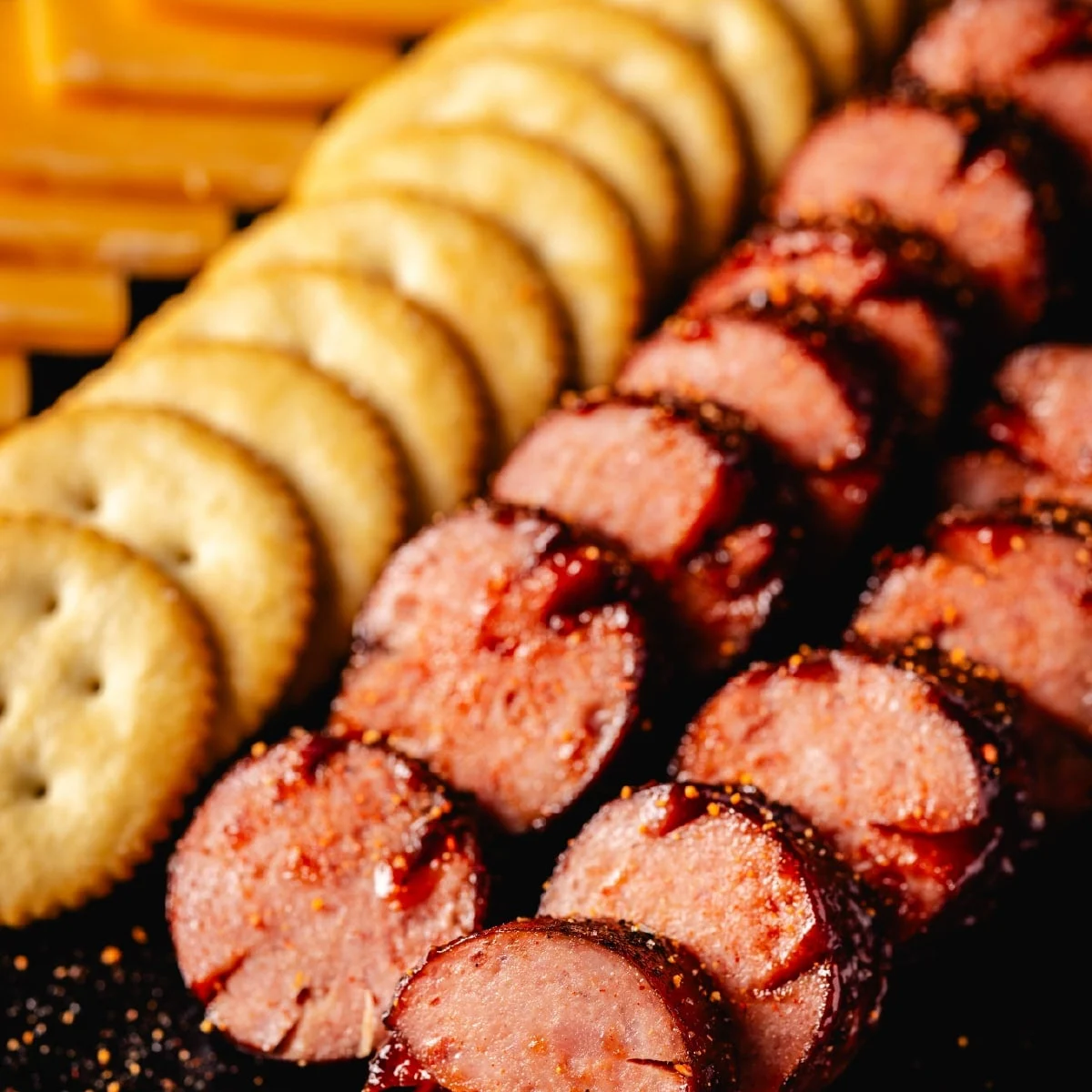
The evolution of backyard barbecue has increasingly shifted toward recipes that maximize flavor output while minimizing labor-intensive preparation, a trend exemplified by the emergence of specialized smoked appetizers. Among these, the combination of traditional Polish sausage with modern "swicy"—sweet and spicy—flavor profiles has gained significant traction. This specific culinary application, requiring only four primary ingredients and a 90-minute cooking window, represents a sophisticated intersection of traditional preservation techniques and contemporary palate preferences. By utilizing a low-and-slow smoking method at 225 degrees Fahrenheit, enthusiasts are able to transform standard grocery staples into elevated components for charcuterie boards or standalone snacks.
The Culinary Composition and Flavor Profile
The foundational element of this dish is kielbasa, a staple of Central European cuisine that has become deeply integrated into American grilling culture. The process involves a strategic application of layers: a savory binder, a sweet dry rub, and a final glaze. The use of a zesty mustard-based sauce acts as a "binder," a technical term in barbecue referring to a liquid layer that ensures dry seasonings adhere to the meat surface throughout the cooking process.

The "swicy" trend, which combines heat with sugar-based glazes, is represented here by the application of hot honey BBQ sauce. Food industry analysts have noted that hot honey has seen a 186% increase in menu appearances over the last four years, driven by consumer demand for complex, multi-dimensional heat. In this application, the honey provides the necessary sugars for caramelization, while the capsaicin in the sauce balances the richness of the pork and beef fats inherent in the sausage.
Historical Context and the Americanization of Kielbasa
Kielbasa, derived from the Polish word for sausage, encompasses a wide variety of styles, though the "Polska Kielbasa Wędzona" (Polish Smoked Sausage) is the most recognized in North America. Traditionally made from pork or a combination of pork and beef, it is cured and flavored with garlic, pepper, and occasionally marjoram.
The integration of kielbasa into the American barbecue circuit is a relatively recent phenomenon compared to the historical roots of brisket or ribs. As pellet grills and high-precision smokers became more accessible to the general public in the early 2010s, the "quick smoke" category expanded. Recipes like the Smoked Kielbasa with Hot Honey Glaze have flourished because they provide a bridge for novice smokers to practice temperature control and glazing techniques on pre-cured meats, which carry a lower risk of failure than raw, large-muscle cuts.

Technical Chronology: The 90-Minute Smoking Process
The preparation of Smoked Kielbasa with Hot Honey Glaze follows a precise timeline designed to ensure internal heating without compromising the structural integrity of the sausage casing.
- Pre-Processing and Scoring (Minutes 0–15): The smoker is preheated to 225 degrees Fahrenheit (107 degrees Celsius). During this time, the kielbasa is "scored." This involves making shallow, diagonal cuts along the length of the sausage. This technique serves a dual purpose: it prevents the steam buildup from bursting the casing and creates additional surface area for the smoke and glaze to penetrate.
- Seasoning and Biding (Minutes 15–20): A savory mustard-based sauce is applied as a binder, followed by a sweet rub. The inclusion of sugar in the rub is critical, as it begins the Maillard reaction—a chemical reaction between amino acids and reducing sugars that gives browned food its distinctive flavor.
- The Initial Smoke Phase (Minutes 20–80): The seasoned links are placed directly on the grill grates. At 225 degrees Fahrenheit, the pre-cooked sausage gently renders its fats while absorbing volatile organic compounds from the wood smoke. Mild woods, such as apple, cherry, or maple, are typically recommended to avoid overpowering the existing garlic notes of the kielbasa.
- The Glazing Finale (Minutes 80–90): In the final ten minutes, the hot honey glaze is applied. The temperature is sufficient to set the glaze, creating a tacky, caramelized exterior that adheres to the scored crevices.
- Resting and Presentation (Post-90 Minutes): The meat is allowed to rest briefly before being sliced. This ensures the internal juices redistribute, preventing the meat from becoming dry upon the first cut.
The Science of Low-Temperature Smoking
In barbecue science, 225 degrees Fahrenheit is considered the "gold standard" for low-and-slow cooking. For a pre-smoked product like kielbasa, this temperature is not about reaching a specific internal safety threshold—as the product is technically ready-to-eat from the package—but rather about texture and flavor infusion.
When sausage is heated too rapidly at high temperatures, the fat can "render out" too quickly, leaving the meat crumbly and dry. Conversely, the 225-degree environment allows the collagen in the casing to soften, resulting in a "bite-through" texture rather than a rubbery or tough exterior. Furthermore, smoke absorption is most effective when the meat surface is cool and moist; by starting the sausage in a low-temperature environment, the window for smoke penetration is maximized before the exterior reaches a temperature that halts the process.

Economic Impact and the Rise of "BBQ Charcuterie"
The shift toward smoked appetizers like kielbasa reflects a broader change in how Americans entertain. The "charcuterie board" has evolved from a simple arrangement of cold meats and cheeses into a "BBQ board," often featuring warm, smoked elements.
Market research indicates that the home barbecue industry saw a significant surge during the 2020-2022 period, with a 14% increase in grill sales. This has led to a secondary market for specialized rubs and sauces, such as those produced by "Hey Grill Hey." Susie Bulloch, a prominent figure in the barbecue community and founder of the brand, has noted that the "biggest reward for the least work" is a primary driver for modern recipe development. This philosophy appeals to the "Backyard BBQ Hero" demographic—individuals who seek professional-grade results without the 12-hour commitment required for a traditional brisket.
Food Safety, Storage, and Preservation Data
While the recipe is straightforward, the scientific principles of food safety remain paramount. Most commercial kielbasa is vacuum-sealed and contains preservatives like sodium nitrite, which inhibits the growth of Clostridium botulinum.

According to USDA guidelines, once a vacuum-sealed package of smoked sausage is opened and the product is cooked, its shelf life is significantly altered. While the unopened package may be shelf-stable in a refrigerator for weeks, the smoked leftovers should be consumed within three to four days. For storage, airtight environments—such as gallon-size zip-top bags or vacuum-sealed containers—are necessary to prevent oxidation and the absorption of other refrigerator odors.
Nutritional data for a standard serving of this dish (approximately 4 ounces) includes:
- Calories: 416 kcal
- Fat Content: 33g (Total), 12g (Saturated)
- Protein: 17g
- Sodium: 1261mg
- Carbohydrates: 12g (largely from the honey-based glaze)
The high sodium content is characteristic of cured sausages, which historically relied on salt for preservation before the advent of mechanical refrigeration.

Broader Implications for the Barbecue Community
The popularity of Smoked Kielbasa with Hot Honey Glaze signifies a democratization of the barbecue craft. By utilizing accessible ingredients and shorter timeframes, the barriers to entry for outdoor cooking are lowered. This encourages a wider demographic to engage with the hobby, fostering a community that values both traditional techniques and innovative flavor profiles.
Furthermore, the emphasis on "sharable" snacks reflects a cultural return to communal dining. The visual appeal of scored, glazed, and sliced sausage serves the dual purpose of aesthetic presentation for social media—a significant driver in modern culinary trends—and functional ease for guests. As the barbecue landscape continues to evolve, the integration of high-quality, pre-cooked meats with artisanal glazes is expected to remain a staple of the American outdoor cooking experience.
