
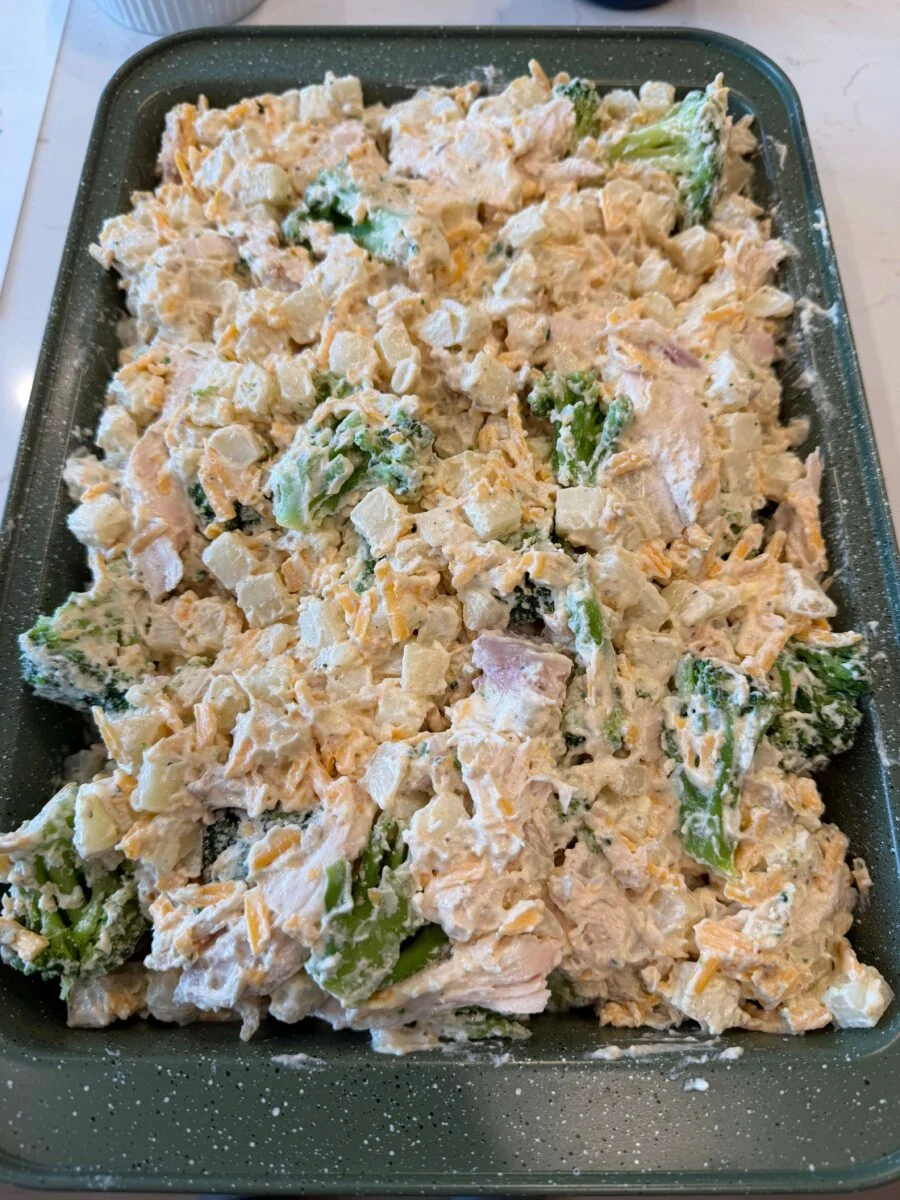
This culinary synthesis represents a significant intersection of traditional American Midwestern staples and modern convenience cooking, effectively merging the characteristics of "funeral potatoes" with the nutritional profile of a chicken and broccoli bake. The dish, characterized by its creamy texture and savory flavor profile, utilizes a foundation of rotisserie chicken and cubed hash browns, bound together by a complex sauce composed of dairy and aromatic seasonings. As a high-yield meal designed for efficiency and bulk consumption, the Cheesy Chicken Hashbrown Casserole serves as a case study in the evolution of the one-pan meal, a format that has remained a cornerstone of domestic food preparation for over half a century.
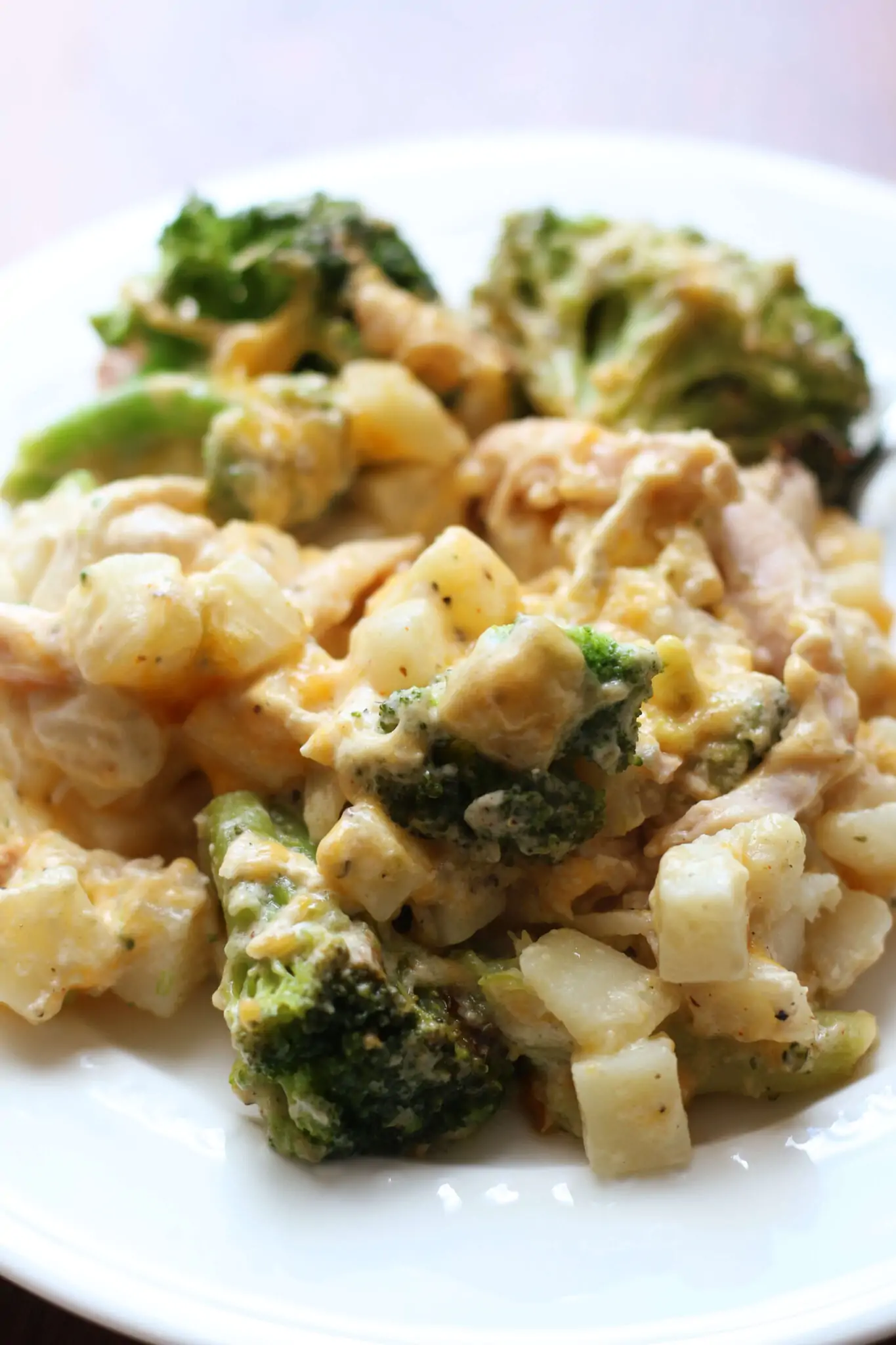
Historical Context and Culinary Evolution
The origins of the Cheesy Chicken Hashbrown Casserole can be traced back to two distinct branches of American comfort food. The first, "funeral potatoes," is a potato-based casserole that gained prominence within the cultural landscape of the Intermountain West, particularly within the Church of Jesus Christ of Latter-day Saints. Historically served at post-funeral luncheons and community gatherings, the traditional version relies on frozen hash browns, cream-based canned soups, and a cheese-laden binder.
The second influence is the classic chicken and broccoli bake, which rose to prominence during the mid-20th century as part of a broader "casserole culture" promoted by commercial food manufacturers. This era saw companies like Campbell’s and General Mills encouraging the use of shelf-stable products to create nutritious, time-efficient dinners for growing suburban families. By integrating these two lineages, the Cheesy Chicken Hashbrown Casserole provides a hybrid experience that offers the starch-heavy satisfaction of the potato dish with the protein and fiber of a chicken and vegetable entree.
Technical Specifications and Ingredient Analysis
The efficacy of this dish lies in its specific chemical and textural composition. Each component serves a functional purpose in the final structure of the bake:
The Starch Base
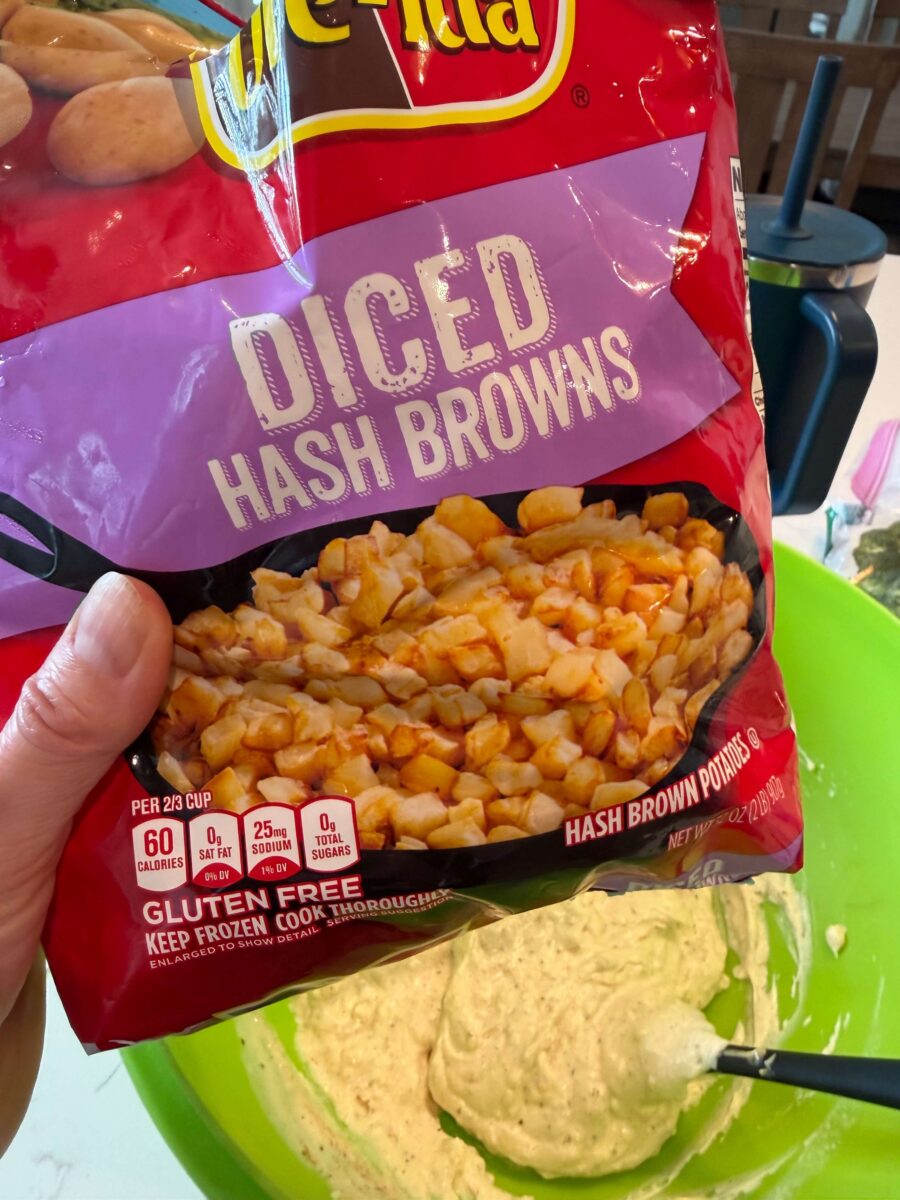
The use of cubed hash browns—rather than shredded varieties—is a deliberate choice that impacts the "mouthfeel" of the dish. Cubed potatoes provide more structural integrity during the baking process, preventing the casserole from becoming overly mushy when combined with liquid binders. The frozen potato industry, which has grown into a multi-billion dollar sector in the United States, provides these pre-cut ingredients to ensure consistency and significantly reduce labor time for the home cook.
The Protein Component
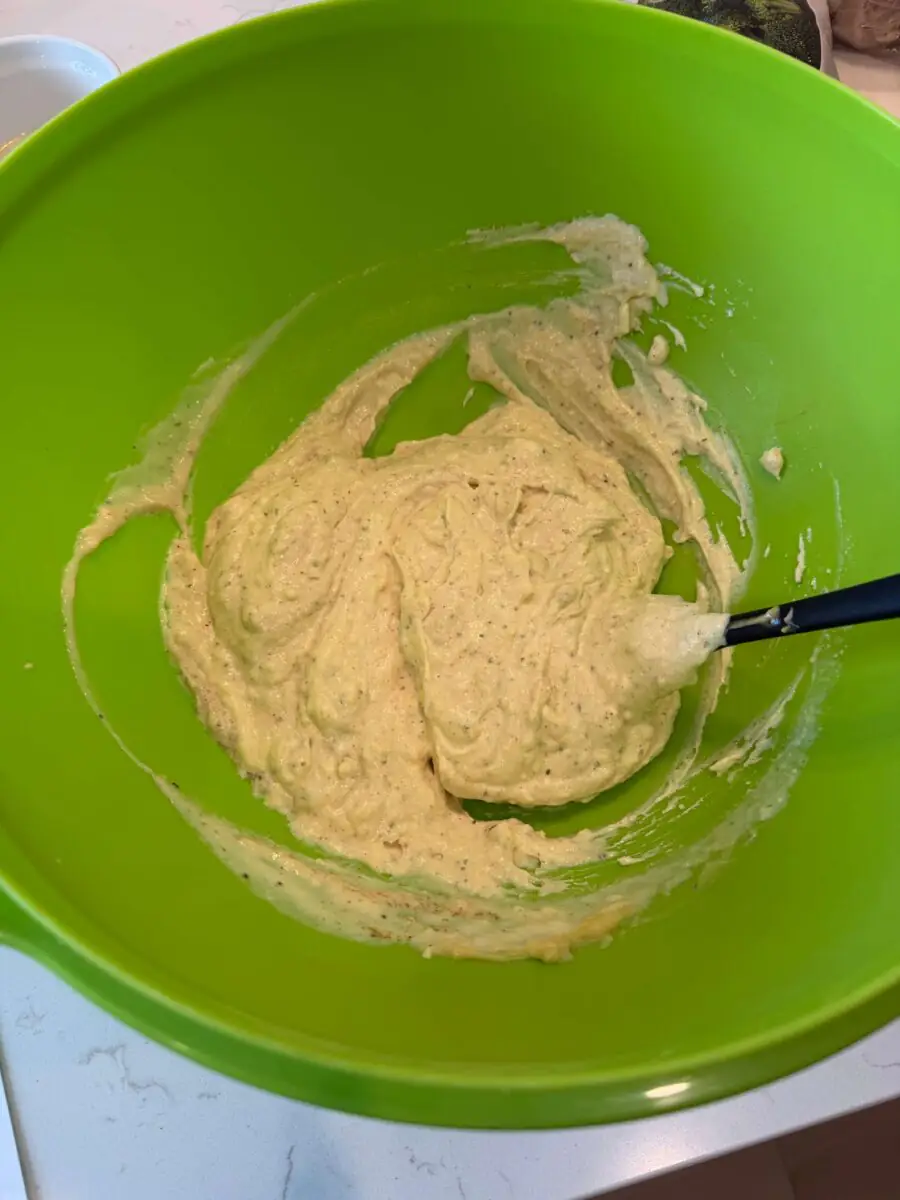
Utilizing rotisserie chicken serves as a primary shortcut in modern meal preparation. Market data suggests that the rotisserie chicken has become a "loss leader" for many major retailers, such as Costco and Walmart, driving foot traffic while providing consumers with a fully cooked, seasoned protein at a price point often lower than raw poultry. In this casserole, the pre-cooked nature of the chicken ensures that the meat remains tender without the risk of undercooking during the 60-minute oven cycle.
The Binding Agent
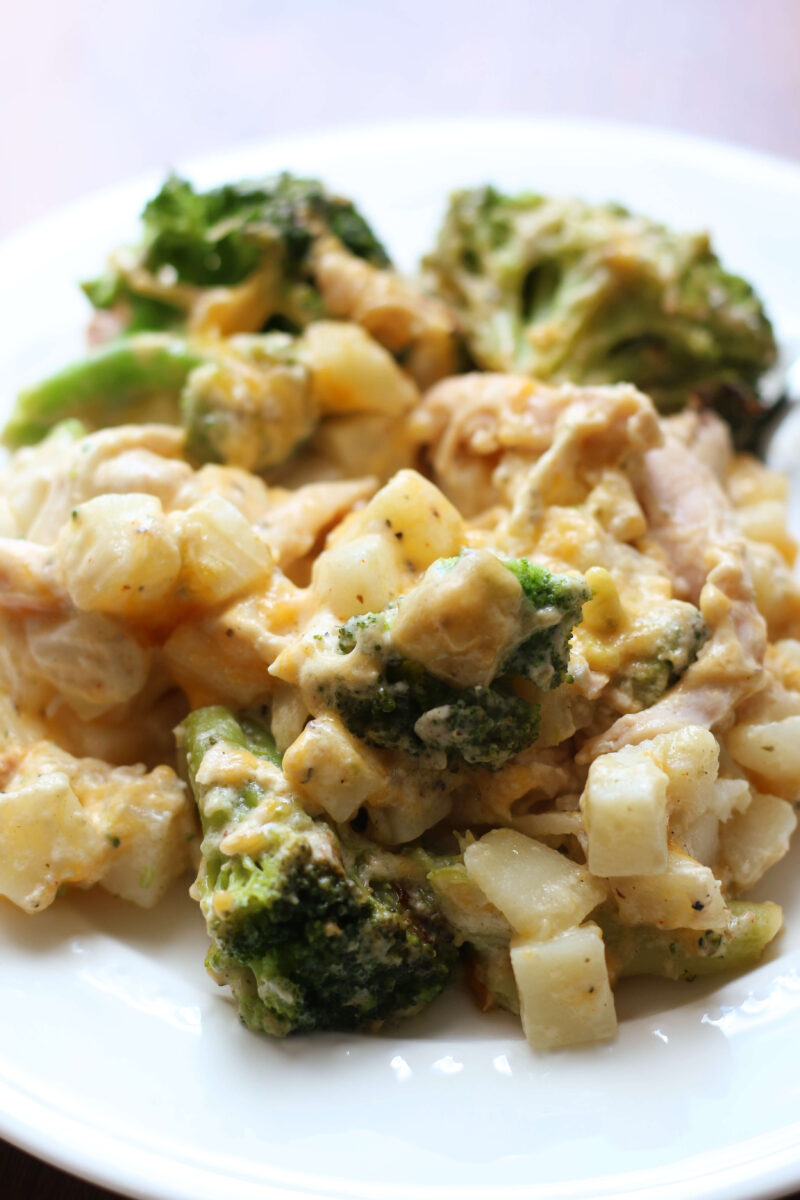
The sauce is a complex emulsion of sour cream, cream of chicken soup, milk, and melted butter. This mixture creates a high-fat environment that facilitates the even distribution of heat and flavor. The inclusion of "onion pulp"—achieved by grating a fresh onion—allows the aromatic flavors to permeate the sauce without introducing the textural distraction of large onion pieces.
Seasoning Profile
The flavor profile is bolstered by a combination of garlic powder, salt, black pepper, poultry seasoning, and smoked paprika. The smoked paprika, in particular, adds a depth of flavor that mimics the "char" of a grill, providing a sophisticated counterpoint to the richness of the dairy.
Chronological Preparation and Thermal Distribution
The preparation of the Cheesy Chicken Hashbrown Casserole follows a strict chronological order to ensure optimal texture and food safety.
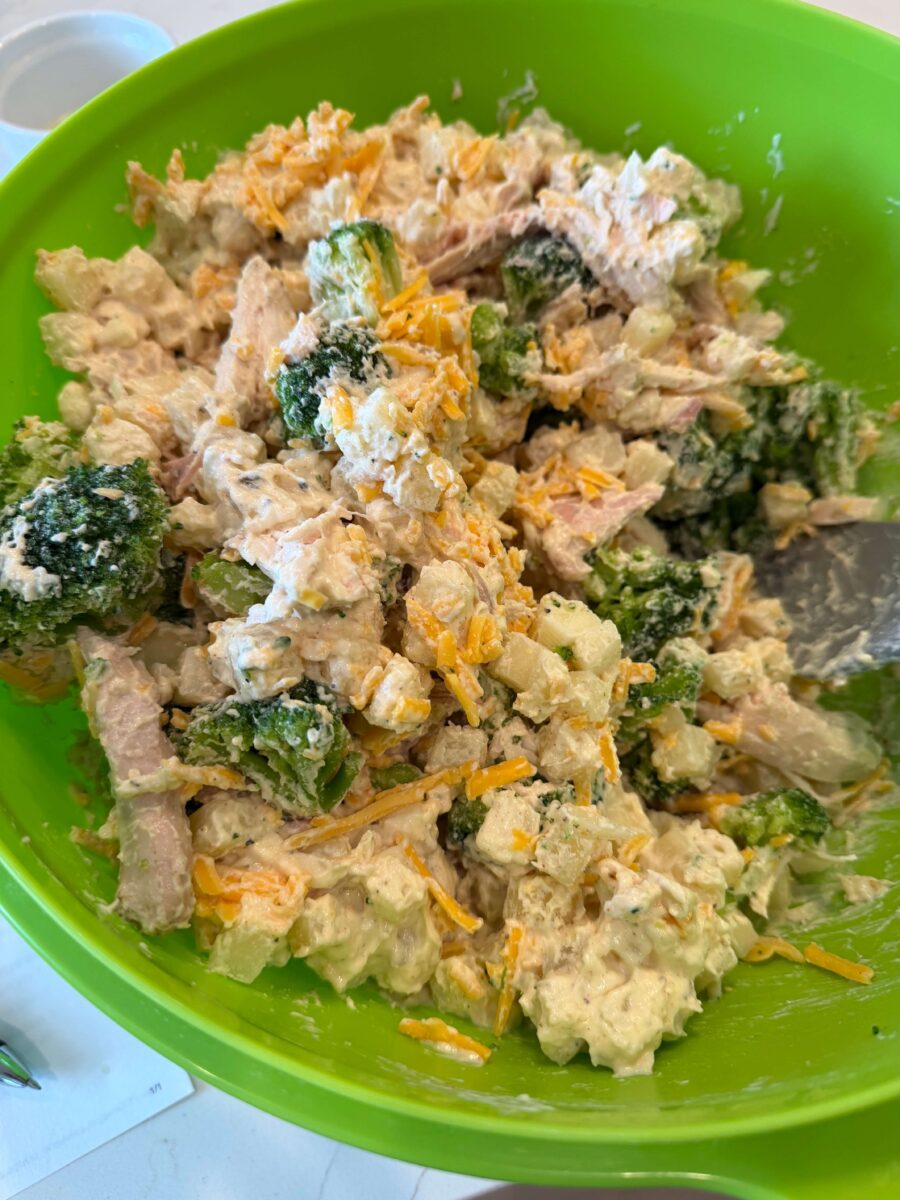
- Initial Thermal Shock: The process begins with a brief microwave cycle for the frozen hash browns and broccoli. This "par-thawing" step is not intended to cook the ingredients but to lower the moisture content and reduce the thermal gap between the frozen components and the ambient oven temperature. This prevents the center of the casserole from remaining cold while the edges overcook.
- Emulsification: The whisking of the wet ingredients creates a homogenous sauce. Whisking ensures that the spices are suspended evenly throughout the fat-heavy liquids, preventing "flavor pockets."
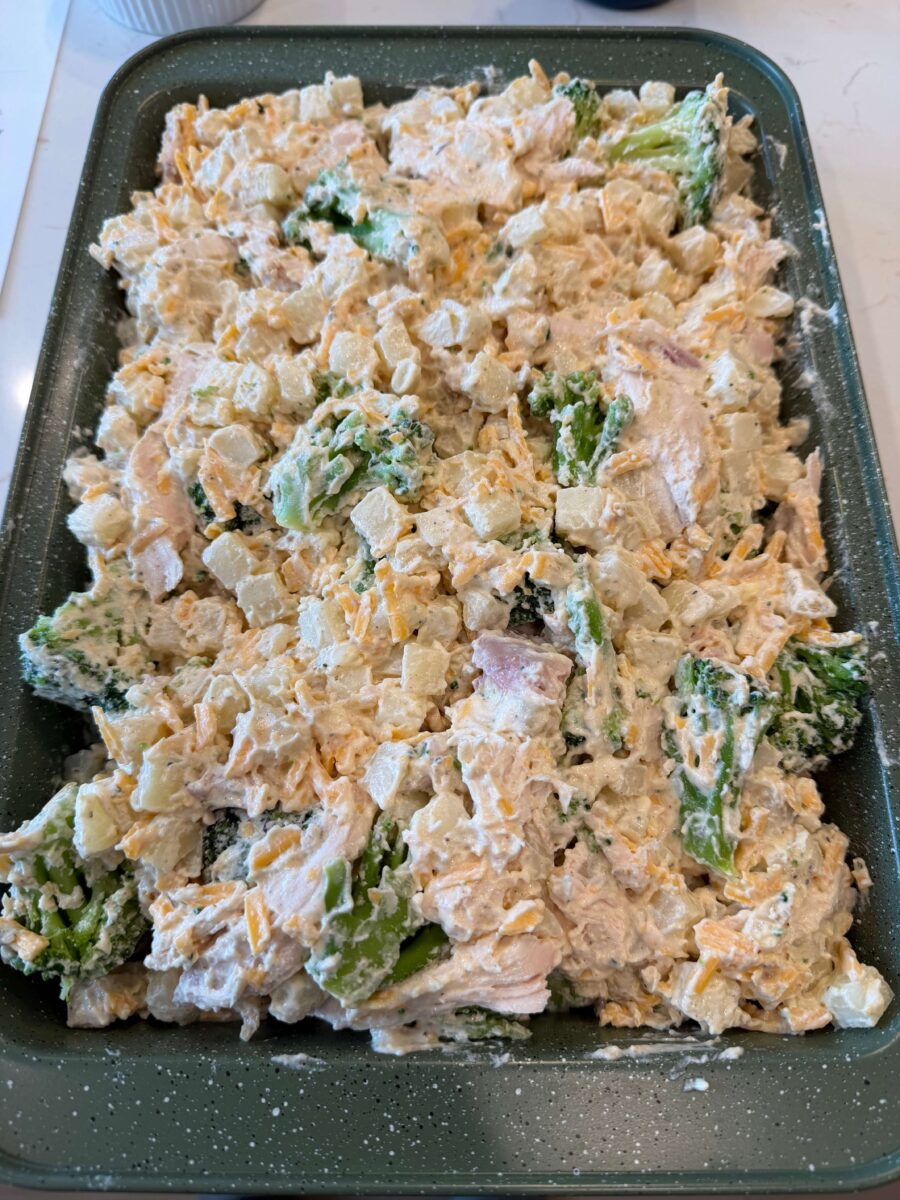
- Integration: The solid ingredients—chicken, broccoli, and potatoes—are folded into the sauce along with the cheese. This manual folding preserves the integrity of the cubed potatoes.
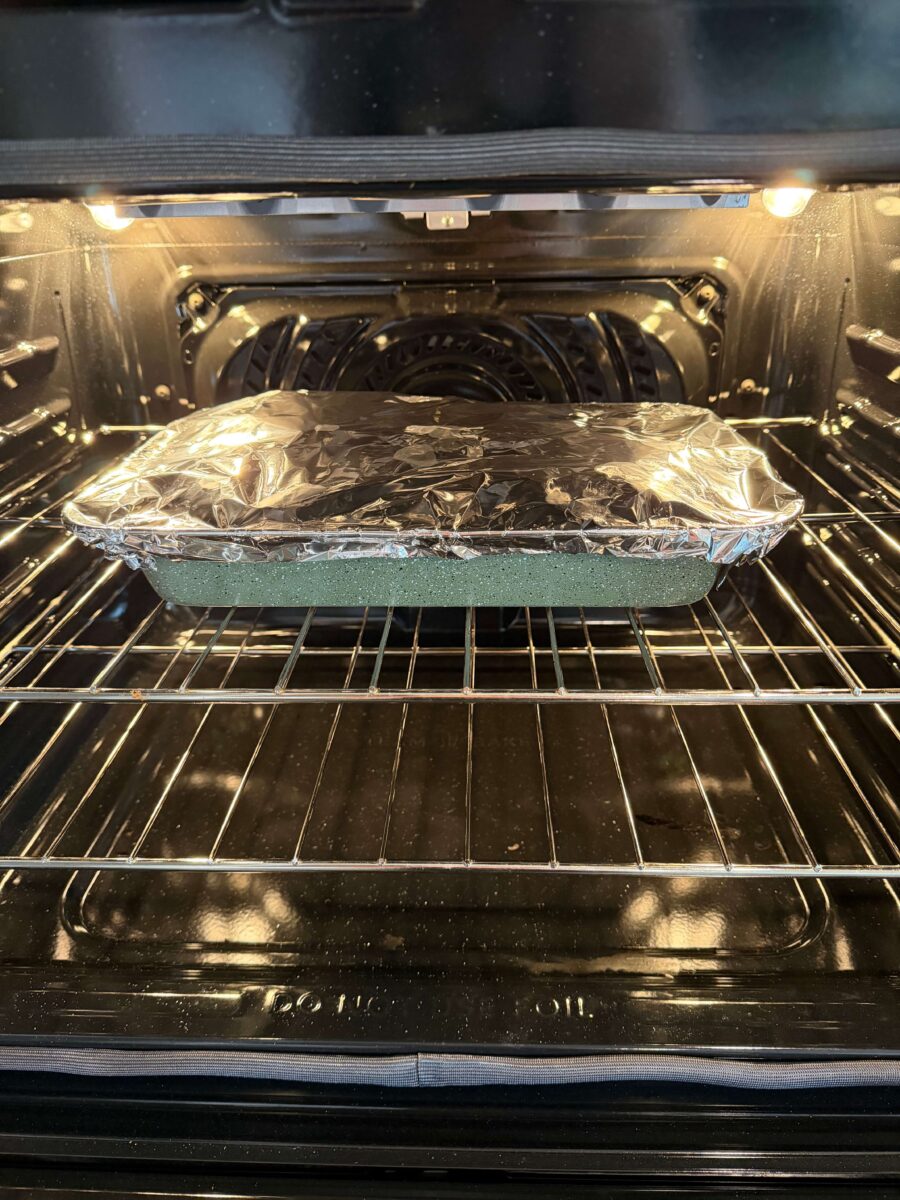
- The Two-Stage Bake: The casserole is baked at 350°F (approximately 177°C). The first stage, a 45-minute covered bake, utilizes trapped steam to cook the interior and soften the broccoli. The second stage, a 15-minute uncovered bake, facilitates the Maillard reaction on the surface, allowing the cheese to brown and the top layer of potatoes to develop a slight crispness.
Supporting Data on Consumer Trends
The popularity of dishes like the Cheesy Chicken Hashbrown Casserole is supported by broader economic and dietary data. According to industry reports, the "meal prep" market has seen a surge as consumers look for ways to combat food inflation. A 9×13-inch pan of this casserole yields approximately 8 to 12 servings, making the cost-per-serving significantly lower than individual meal purchases.
Furthermore, the integration of vegetables like broccoli into comfort foods reflects a "stealth health" trend. While the dish remains high in calories and sodium, the inclusion of a cruciferous vegetable adds Vitamin C, Vitamin K, and fiber, making it a more balanced option than a traditional potato-only side dish.
Qualitative Responses and Social Impact
The efficacy of the recipe was recently highlighted in a social context involving a group of young adults. Reports indicate that the dish was "devoured until the pan was scraped clean," suggesting a high level of palatability across different age groups. This qualitative feedback underscores the universal appeal of the salt-fat-starch combination found in American casserole cooking.
From a social perspective, the "prep-ahead" nature of the dish addresses the time-poverty experienced by many modern households. The ability to assemble the casserole 24 hours in advance and bake it upon returning from work or school aligns with the logistical needs of busy families.
Broader Implications and Dietary Adaptations
As nutritional awareness increases, the framework of the casserole is being adapted to meet diverse dietary requirements. The emergence of digital filtering tools on culinary platforms allows users to modify this specific recipe for various needs:
- Gluten-Free Requirements: By substituting the standard cream of chicken soup with a gluten-free alternative and ensuring the hash browns are processed in a gluten-free facility, the dish becomes accessible to those with Celiac disease.
- Low-Carb Modifications: Some consumers are experimenting with substituting the potato base with roasted cauliflower, a move that significantly reduces the glycemic load while maintaining the creamy, cheesy profile of the original.
- Sodium Management: Home cooks are increasingly opting for "low-sodium" versions of canned soups and utilizing fresh aromatics over pre-salted seasonings to improve the cardiovascular profile of the meal.
Conclusion
The Cheesy Chicken Hashbrown Casserole is more than a simple recipe; it is a manifestation of American culinary pragmatism. It utilizes industrial food innovations—such as frozen vegetables and rotisserie poultry—to recreate the communal warmth of traditional "funeral potatoes." By balancing convenience with a robust flavor profile, the dish remains a relevant solution for large-scale feeding and domestic meal planning. As economic pressures continue to influence home cooking habits, the reliance on high-yield, versatile casseroles is expected to persist, further cementing the status of this dish in the contemporary American pantry.
