
The Evolution of the One-Pot Meal Paradigm
The Pepper Jack Chicken Fajita Soup represents the latest iteration in the long history of the one-pot meal, a concept that has evolved significantly since the mid-20th century. In the 1970s, the introduction of the Rival Crock-Pot revolutionized the domestic sphere by allowing for unattended cooking. This era focused on stews and slow-braised meats that required several hours to tenderize. However, the 2009 invention of the Instant Pot—a multicooker that combines pressure cooking, sautéing, and slow cooking—accelerated this timeline.
The soup in question leverages these technological advancements to achieve in minutes what previously took hours. According to market research data, the multicooker market was valued at approximately $4.6 billion in 2022 and is projected to reach $8.1 billion by 2030. This growth is driven by the exact consumer needs met by the Pepper Jack Chicken Fajita Soup: versatility, speed, and the ability to consolidate multiple cooking steps—such as browning aromatics and simmering grains—into one device.
Culinary Composition and Ingredient Analysis
The architectural foundation of this soup lies in its specific combination of aromatics, proteins, and seasonings. The process begins with the sautéing of onions and garlic, a step that facilitates the Maillard reaction. This chemical reaction between amino acids and reducing sugars provides the savory depth necessary to support the lighter broth base.
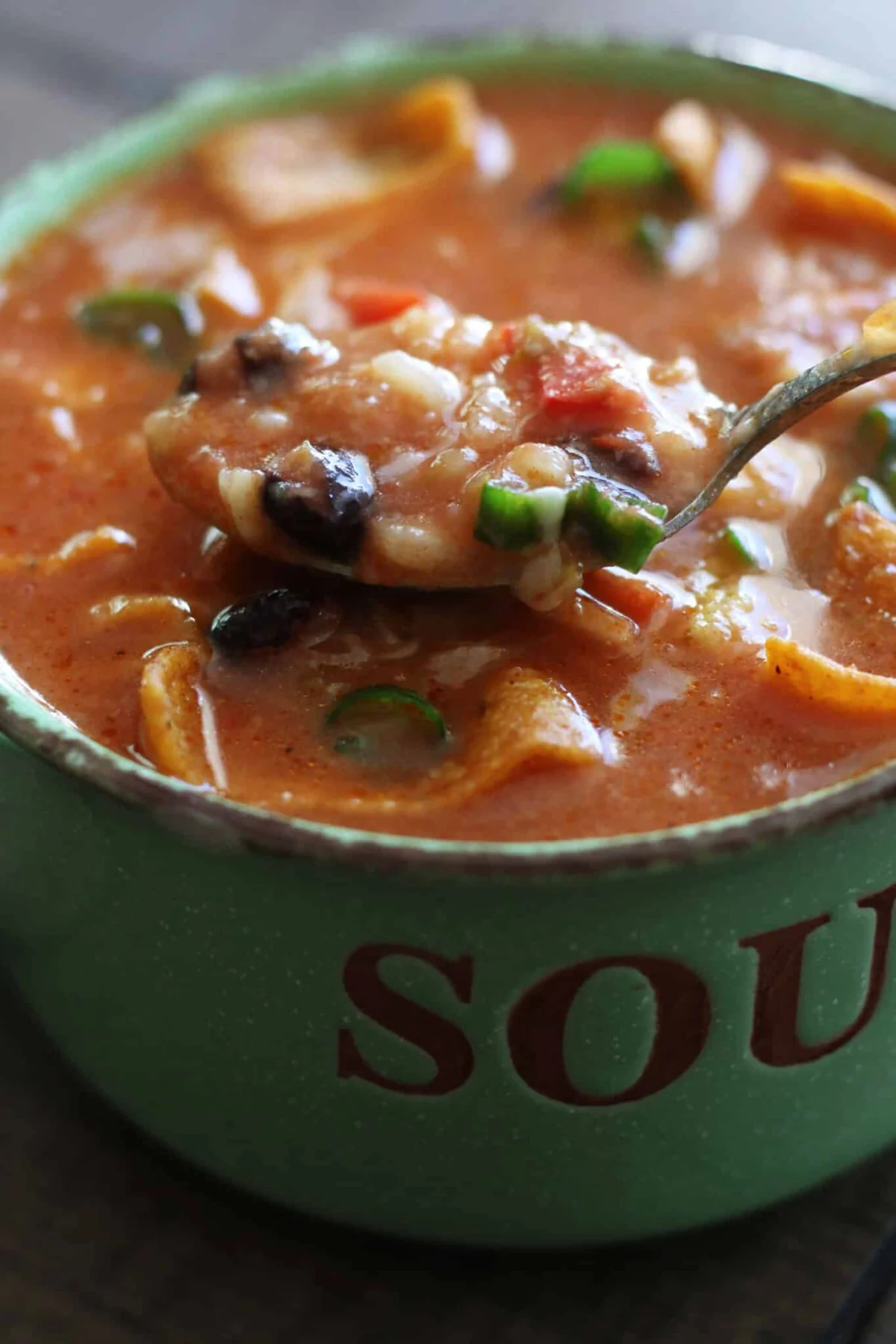
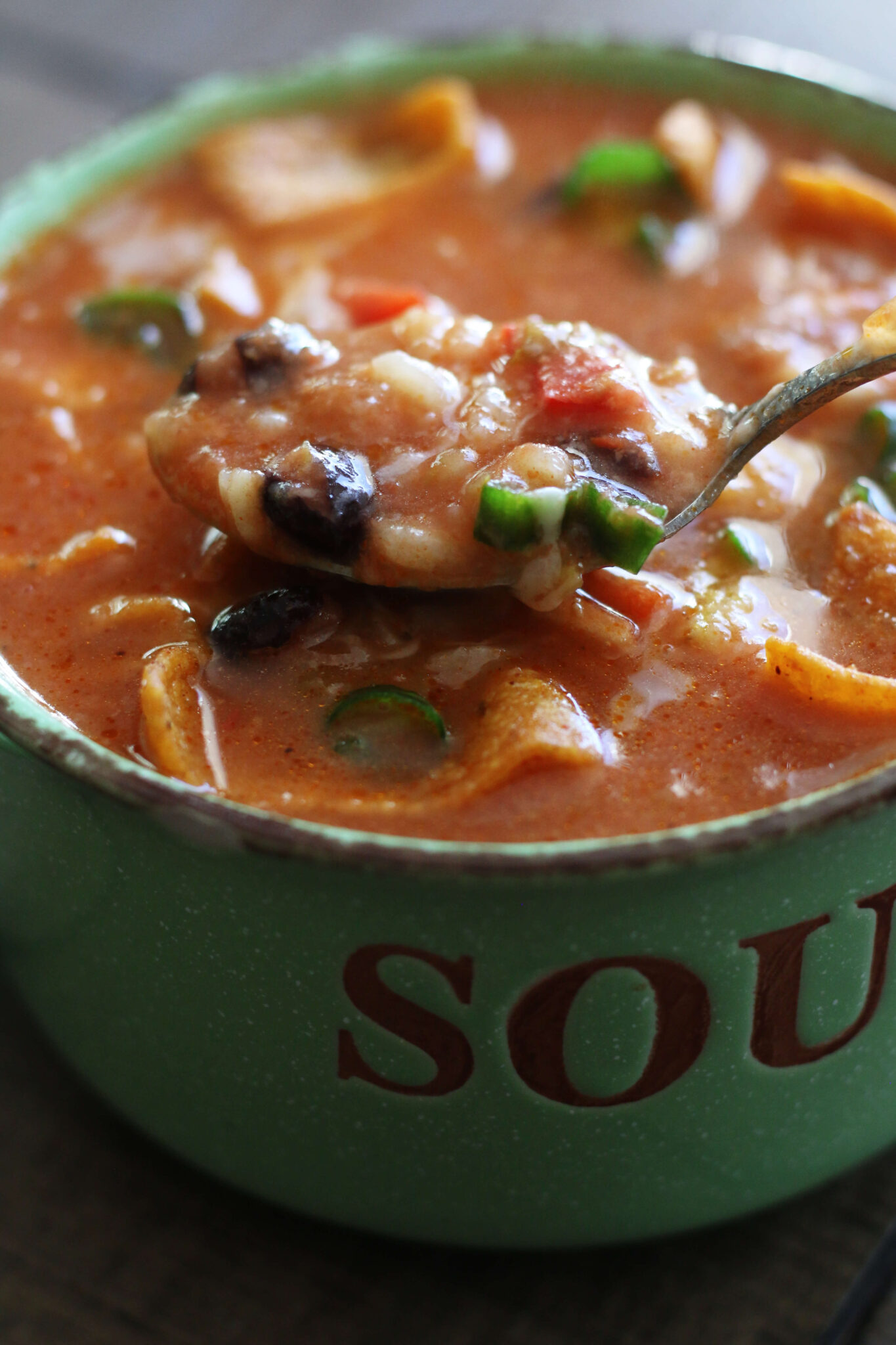
The primary protein, chicken, is supplemented by black beans, which add both texture and a significant boost of plant-based protein and fiber. The inclusion of rice serves as the thickening agent; as the rice cooks under pressure or over a long duration in a slow cooker, it releases starches that give the broth a velvety consistency.
The seasoning profile is a classic Tex-Mex assembly, including:
- Cumin: Provides an earthy, warm undertone.
- Smoked Paprika: Offers a hint of char that mimics the traditional grilled aspect of fajitas.
- Chili Powder: Adds a mild heat and deep color.
- Oregano: Introduces a subtle herbal brightness.
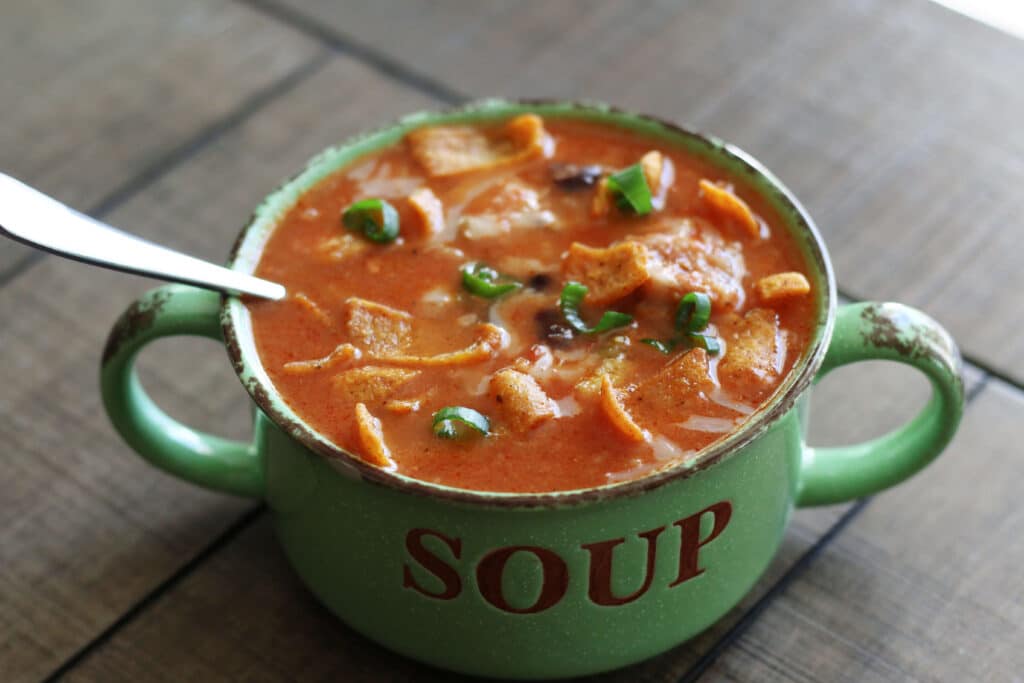
The final integration of pepper jack cheese and fresh lime juice is a critical textural and acidic balance. The lime juice provides the necessary "brightening" effect to cut through the richness of the cheese, while the pepper jack—infused with habanero or jalapeño peppers—adds a controlled level of spice that distinguishes this recipe from standard chicken tortilla soups.
Procedural Chronology: From Prep to Service
The preparation of Pepper Jack Chicken Fajita Soup follows a strict logical progression designed to maximize flavor extraction while minimizing active labor.
Phase I: The Aromatic Base
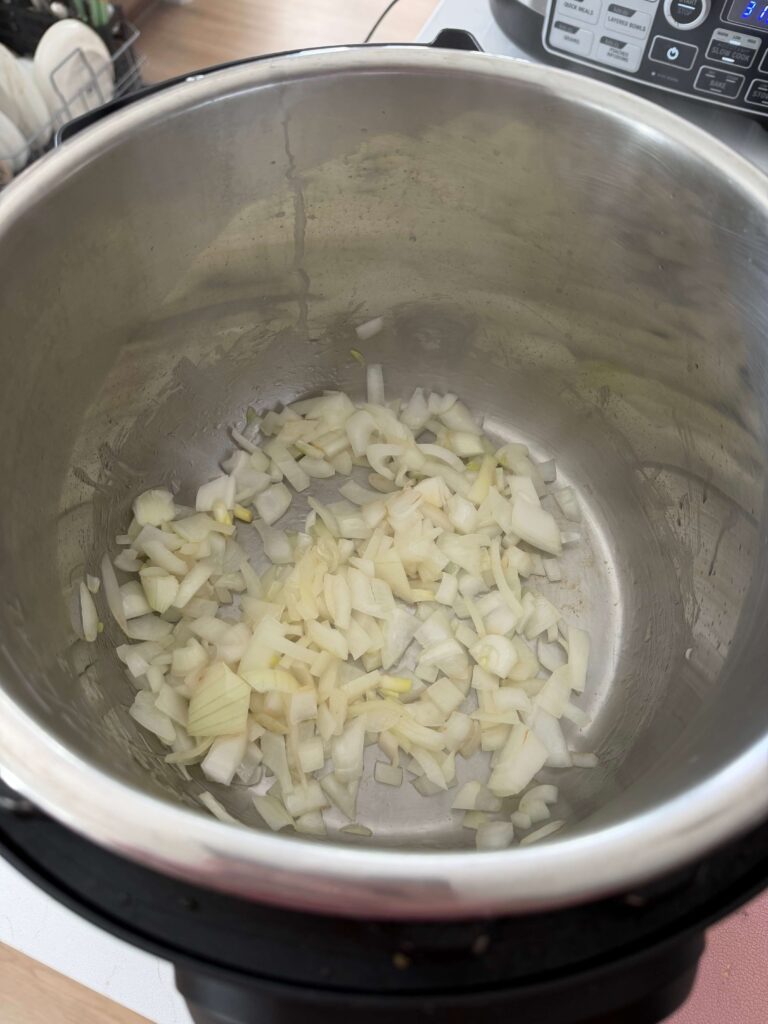
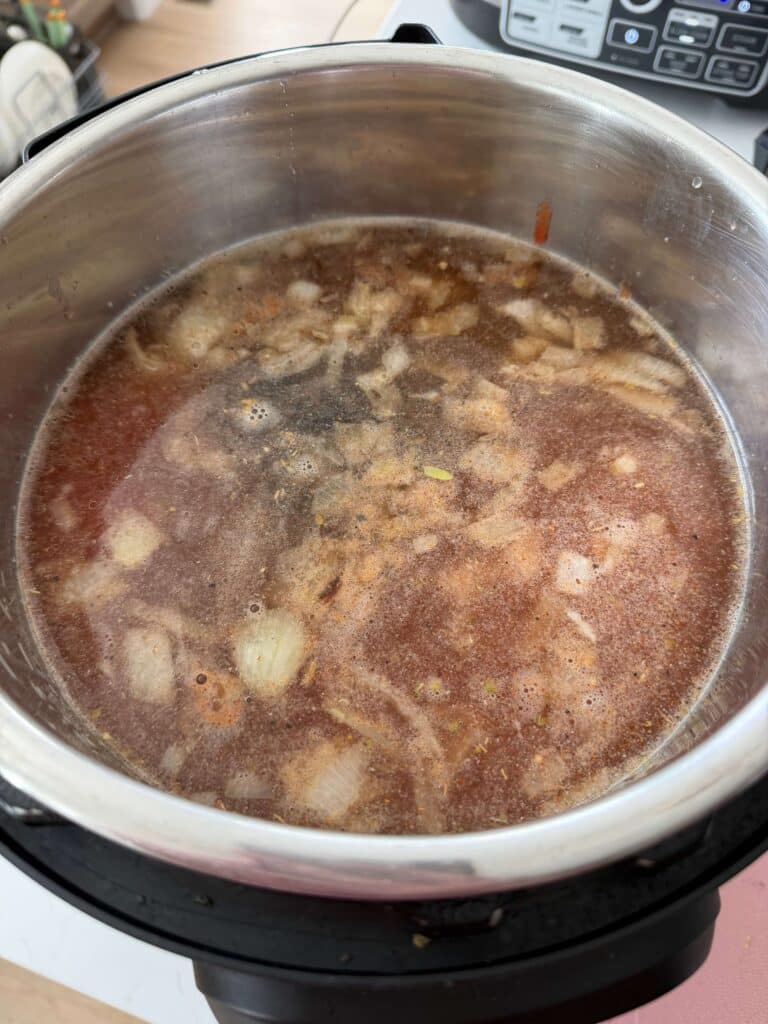
In the Instant Pot version, the device is set to the sauté function. Once the inner pot reaches a "HOT" display status, oil is added to coat the surface. Onions are sautéed for approximately four minutes until translucent, followed by the addition of garlic powder. This phase is essential for building the base flavor profile.
Phase II: The Pressure Cooking Cycle
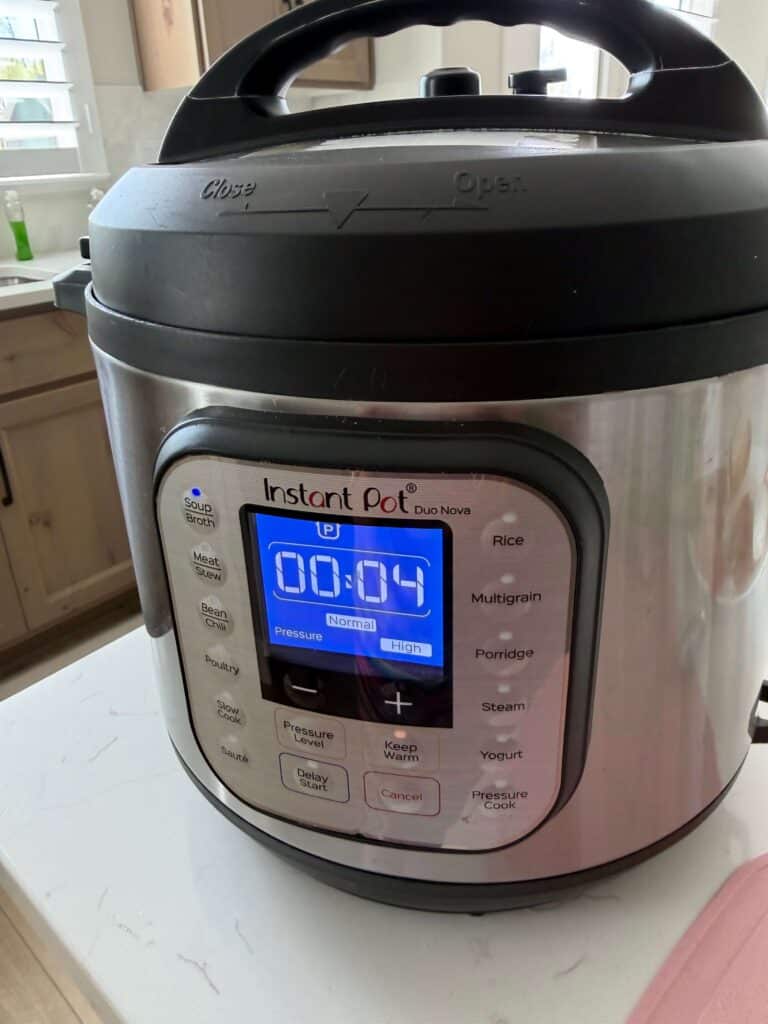
The second phase involves "deglazing" the pot with chicken broth to ensure no browned bits remain stuck to the bottom, which prevents the "Burn" error common in high-pressure cooking. The chicken, salt, spices, rice, black beans, green chiles, and tomatoes are added. Under the soup setting, the device is pressurized for four minutes. While four minutes may seem brief, the time the pot takes to reach pressure and the subsequent 10-minute natural release period ensure that the rice is fully hydrated and the chicken is tender enough to shred.
Phase III: The Finish and Texture Integration
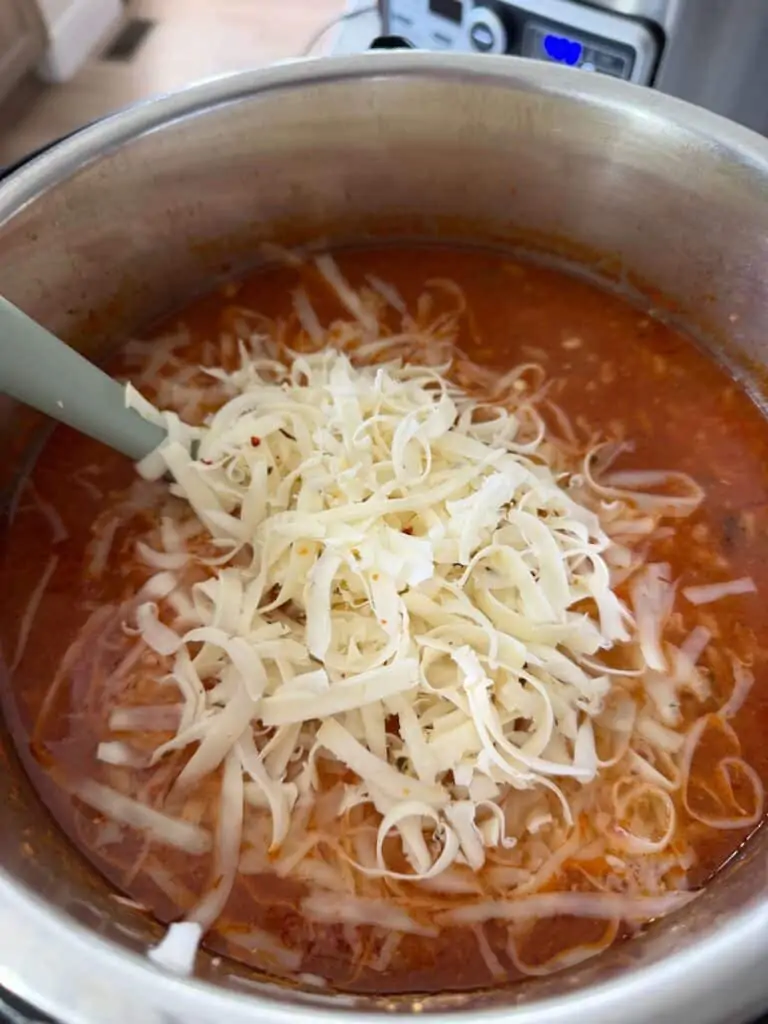
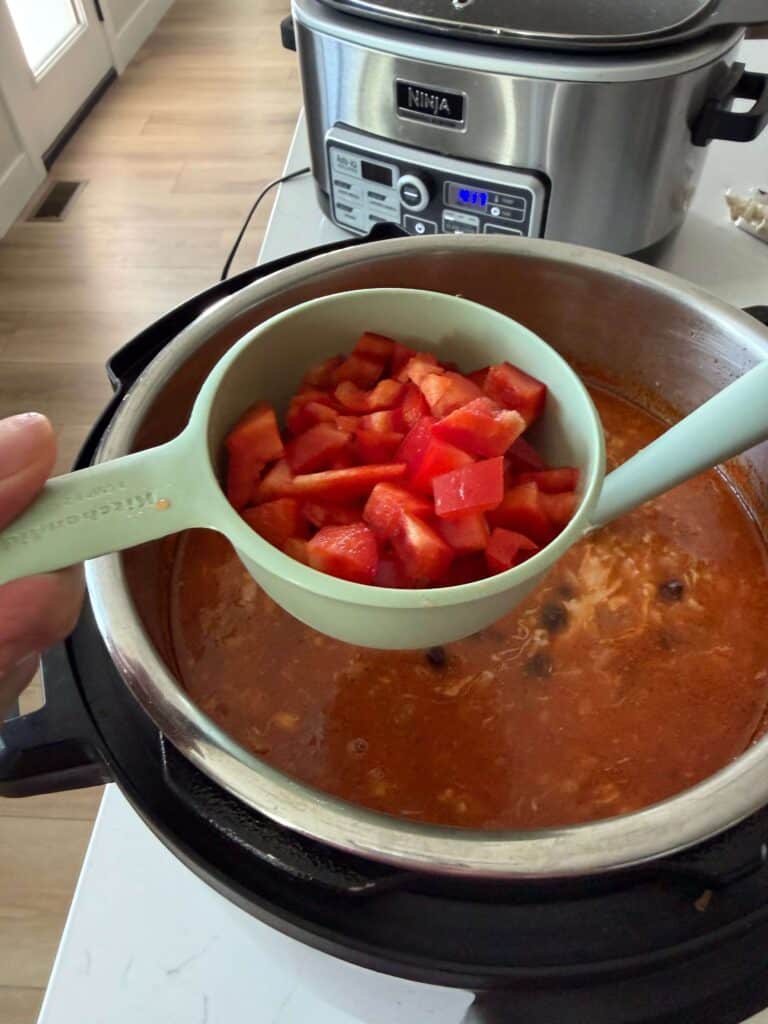
Post-cooking, the lid is removed, and the final fresh elements are introduced. Stirring in the lime juice, shredded pepper jack cheese, and fresh bell peppers at the very end is a strategic choice. By adding the bell peppers last, they retain a slight crunch and vibrant color, preventing the overcooked, mushy texture that often plagues slow-cooked vegetables.
Supporting Data on Nutritional and Economic Impact
The rise of recipes like the Pepper Jack Chicken Fajita Soup is not merely a matter of taste but also of economics and health. In an era of rising food costs, the ingredients used in this soup—bulk-buy chicken, canned beans, and rice—represent a cost-effective approach to feeding a family.
Nutritionally, the soup aligns with current dietary recommendations for high-fiber and high-protein intake. A single serving provides:
- Fiber: From black beans and onions, supporting digestive health.
- Vitamin C: From the late-added bell peppers and lime juice.
- Lean Protein: From the chicken breast or thighs, essential for muscle maintenance.
Data from the American Frozen Food Institute suggests that "home-cooked" meals are increasingly relying on a mix of fresh and shelf-stable items (like canned tomatoes and dried spices) to reduce food waste. This soup perfectly exemplifies this "hybrid" cooking style, which reduces the frequency of grocery trips while maintaining a focus on fresh produce.
Consumer Reactions and Domestic Trends
While official statements from culinary organizations emphasize the importance of "slow food," the reaction from the general public has been overwhelmingly in favor of "fast-slow food." Digital food communities, such as those found on Pinterest and specialized cooking blogs, show a high engagement rate for "fajita-inspired" dishes.
Industry analysts suggest that the popularity of the "fajita" flavor profile in soup form is a result of "flavor familiarization." Consumers are more likely to try a new cooking method or a new recipe if it utilizes a flavor profile they already enjoy in a different format (e.g., traditional skillet fajitas). Inferred feedback from domestic users indicates that the leftovers of this particular soup are highly valued, as the rice continues to absorb the spiced broth overnight, enhancing the flavor for subsequent meals.
Broader Implications for the Culinary Landscape
The success of the Pepper Jack Chicken Fajita Soup points to a larger trend: the "democratization of the kitchen." High-level flavors that once required specialized equipment or hours of monitoring are now accessible to individuals with minimal culinary training. This has several implications:
- Time Allocation: The reduction in active cooking time (often to less than 15 minutes of labor) allows for a redistribution of domestic labor, providing families with more time for other activities without sacrificing nutritional quality.
- Cultural Fusion: The adaptation of Mexican-inspired fajitas into an American-style "chowder" or soup illustrates the ongoing blending of cuisines in the United States, creating a unique "New American" comfort food category.
- Sustainability: One-pot cooking is inherently more energy-efficient than using multiple stovetop burners and an oven simultaneously. Additionally, the cleanup process is streamlined, reducing water usage.
Conclusion: The Future of Efficient Home Cooking
Pepper Jack Chicken Fajita Soup is more than a simple recipe; it is a symptom of a larger movement toward efficiency, nutrition, and bold flavor in the modern home. As kitchen appliances continue to become more intelligent, the "set it and forget it" mentality will likely expand, leading to even more creative interpretations of classic dishes.
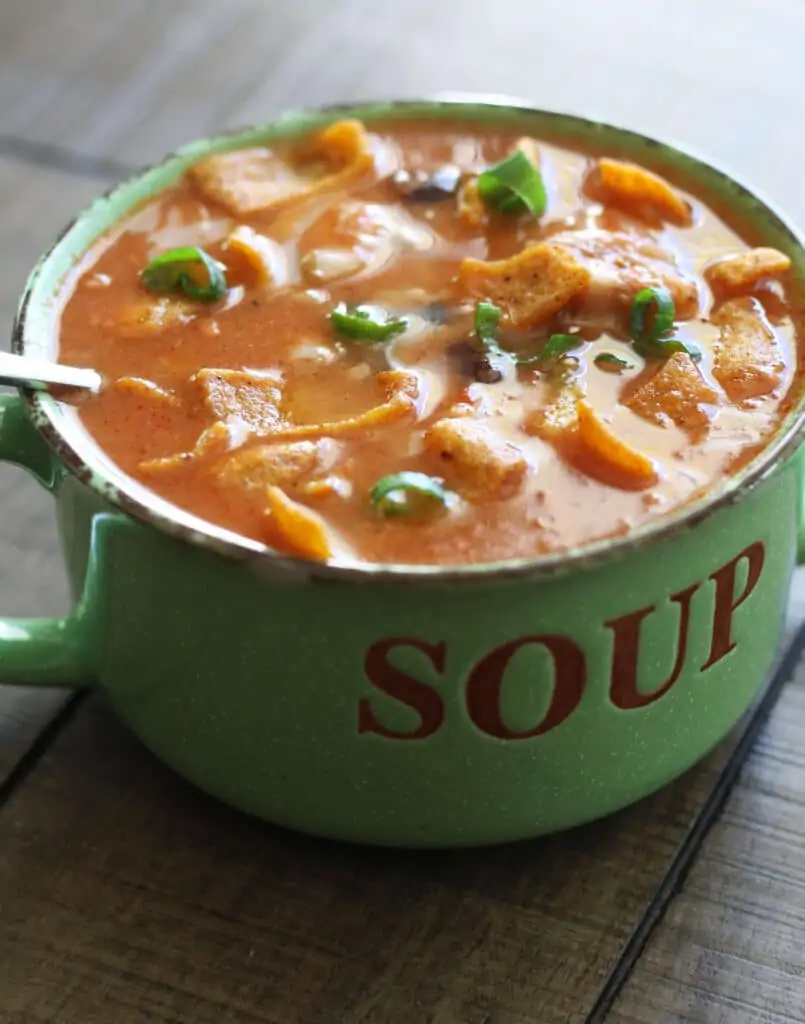
The integration of sharp pepper jack cheese with the acidity of lime and the heartiness of beans and rice creates a dish that satisfies the modern palate’s desire for complexity while respecting the modern schedule’s demand for simplicity. For the contemporary home cook, this soup represents a successful marriage of tradition and technology, proving that a high-quality, flavorful meal is achievable regardless of time constraints. As we look toward the future of domestic dining, the reliance on versatile, nutrient-dense, and technologically-assisted recipes is expected to remain a cornerstone of the global culinary experience.
